Meet Akita: its past, its people and the ideas shaping its future.
A Sunday edition led by Akita’s history and people, with 15 local stories, Odano Naotake as today’s art choice, and six selections from September 19.
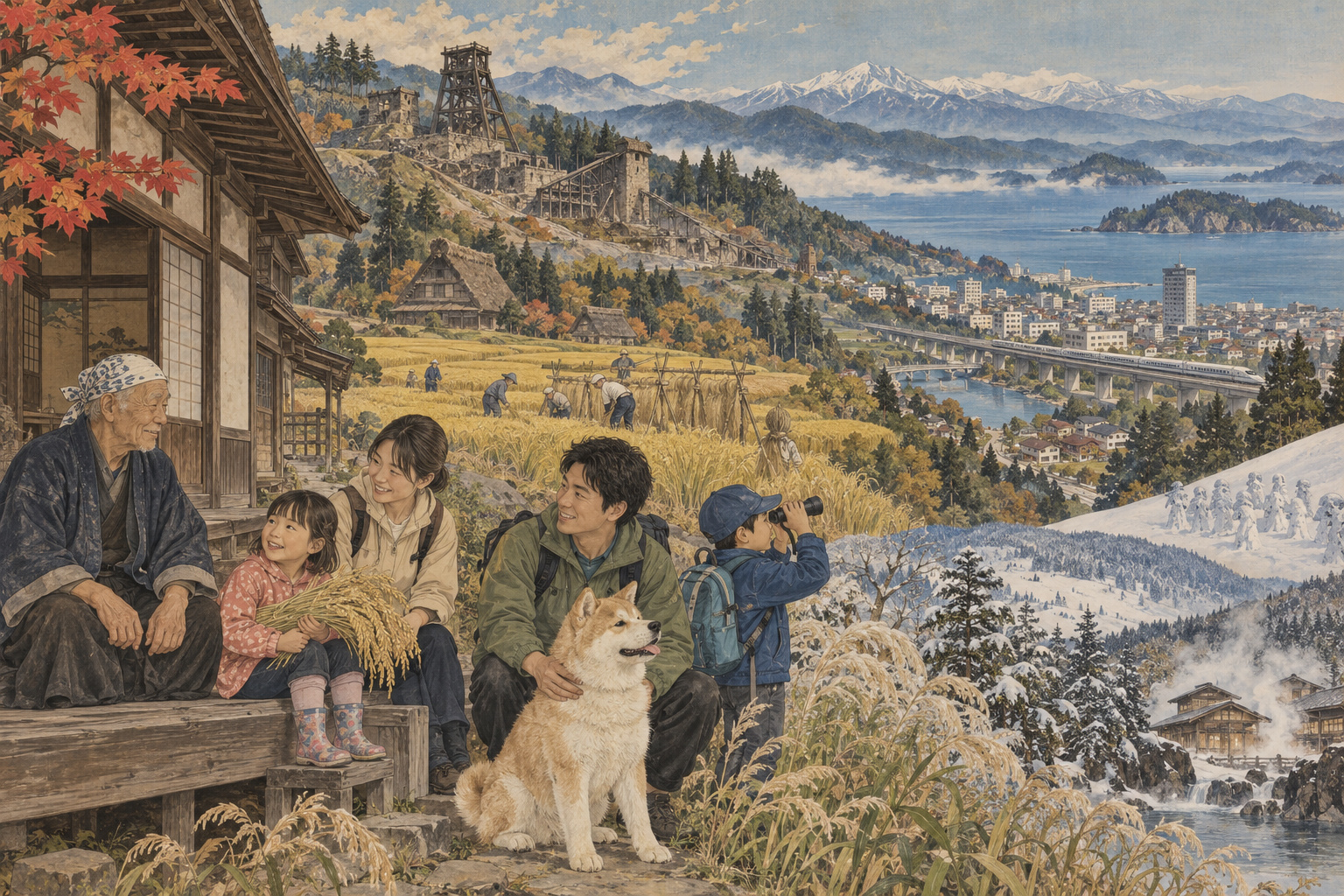
Akita’s people: the history behind a changing population
From early settlement and domain history to mines, rice fields and modern towns, Akita’s past helps illuminate today’s questions about ageing, migration and the future of its communities.
Read the feature →Sunday, September 20, 2026
Four more windows onto Akita
Resources, science, heritage and art
Business & economy
Enterprise, recycling and succession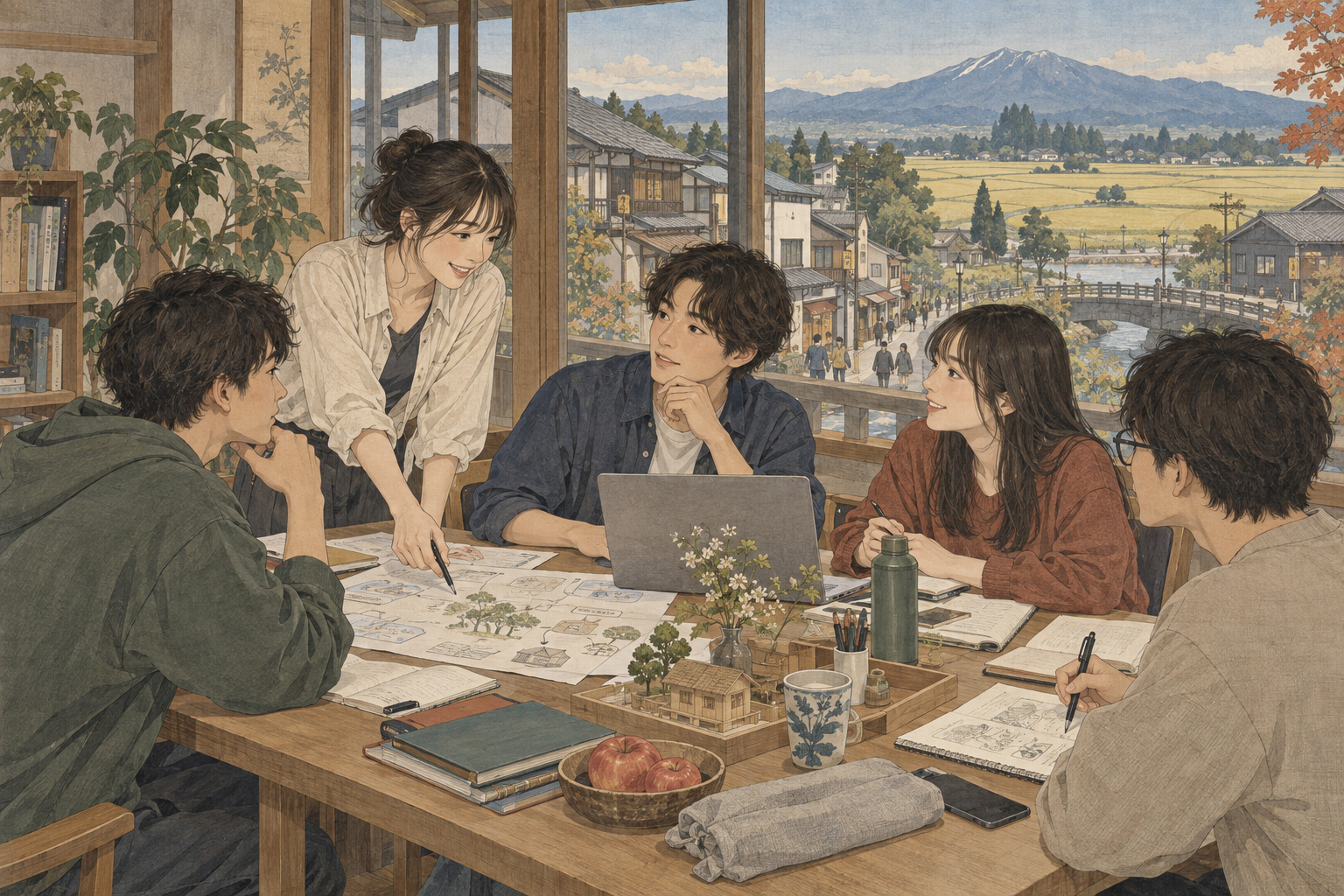
Akita students turn local challenges into business ideas
Akita University’s practical entrepreneurship course connects classroom learning with questions about transport, population change and the future of local business.
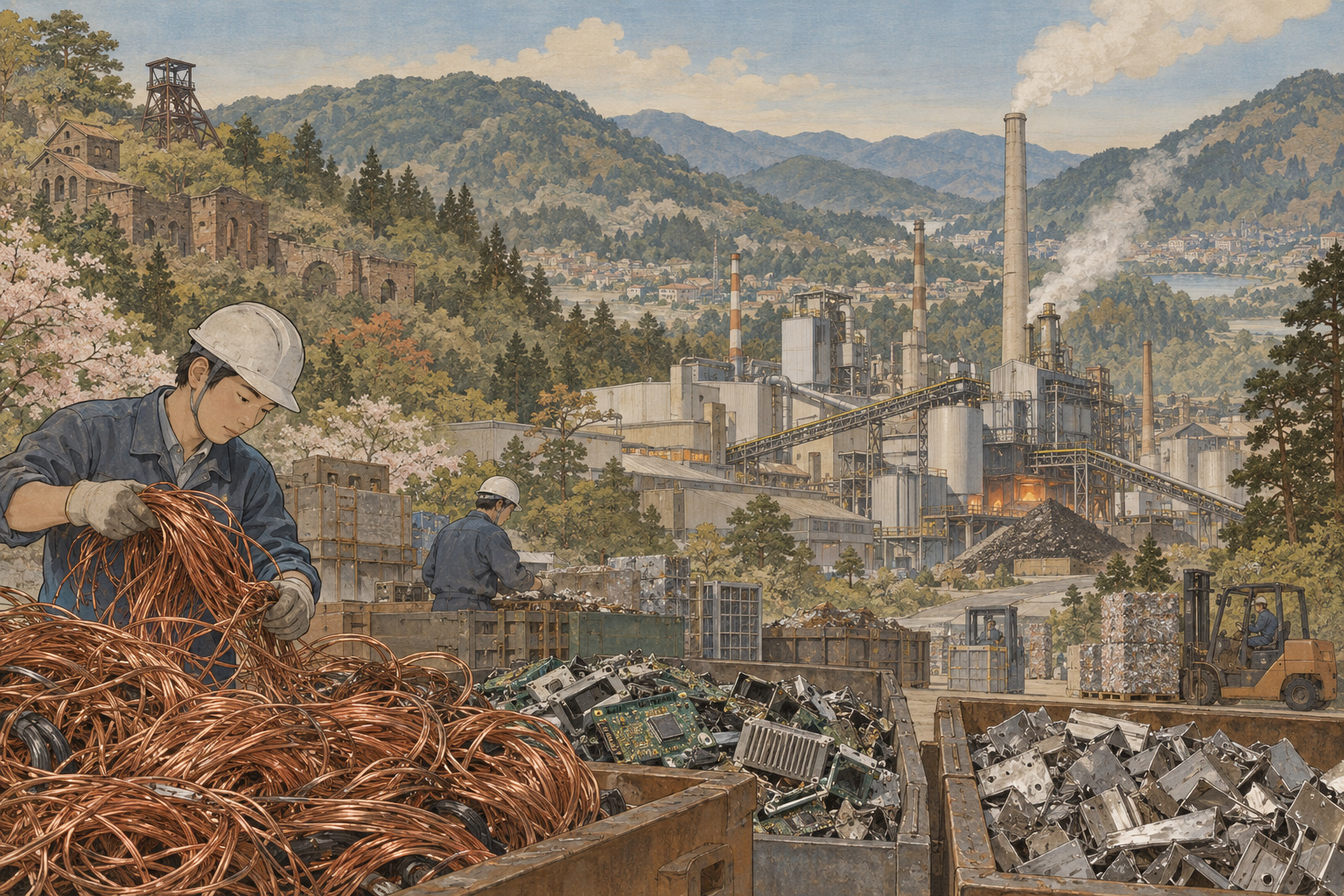
Kosaka’s mining heritage finds a new life in recycling
The skills and infrastructure of a mining and smelting town help explain how valuable metals can be recovered from discarded electronics.
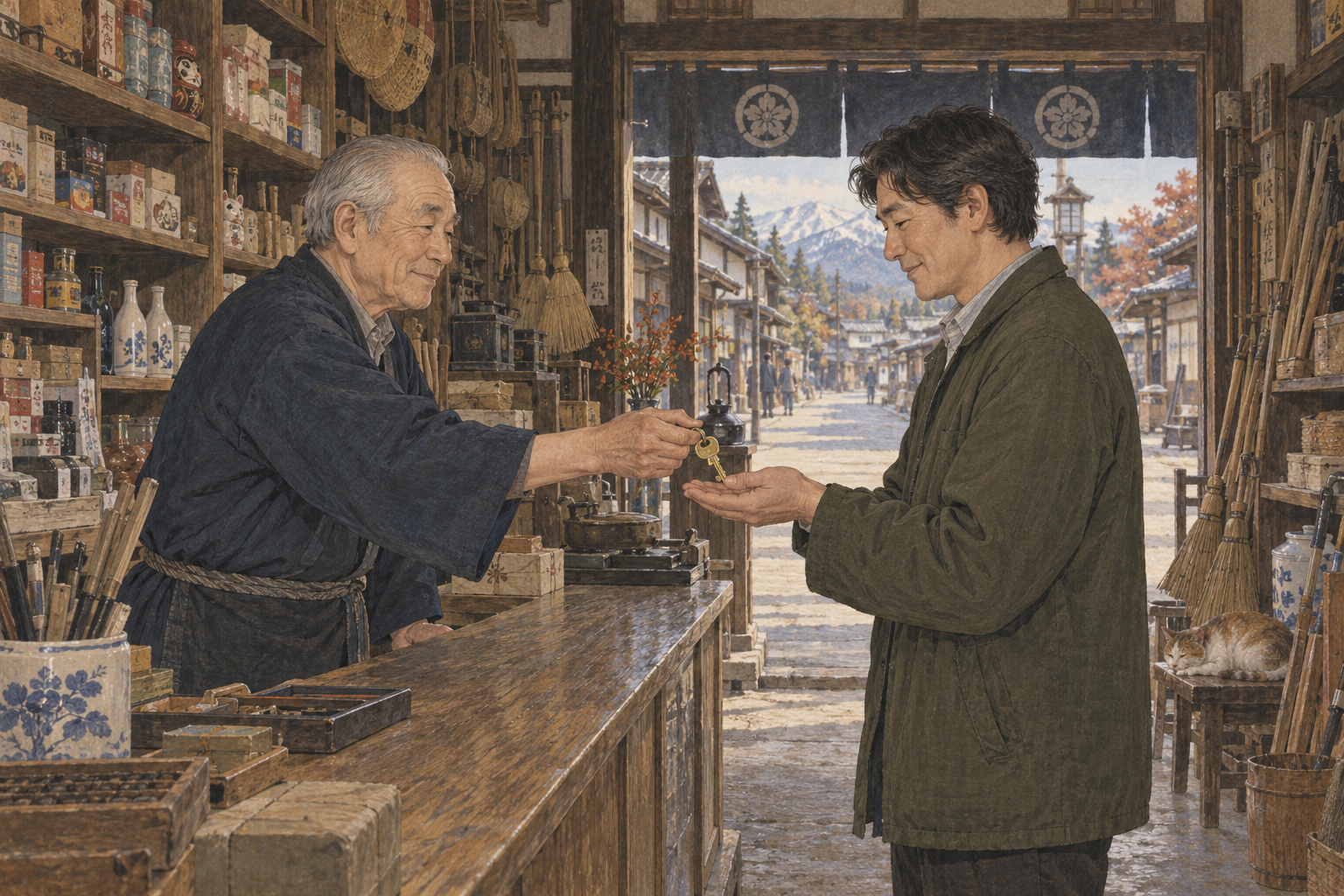
Passing on a business—and the services a community needs
Akita’s search for successors is about more than ownership. A transfer can preserve skilled work, neighbourhood services and local employment.
Science & technology
Protection, pathology and geothermal energy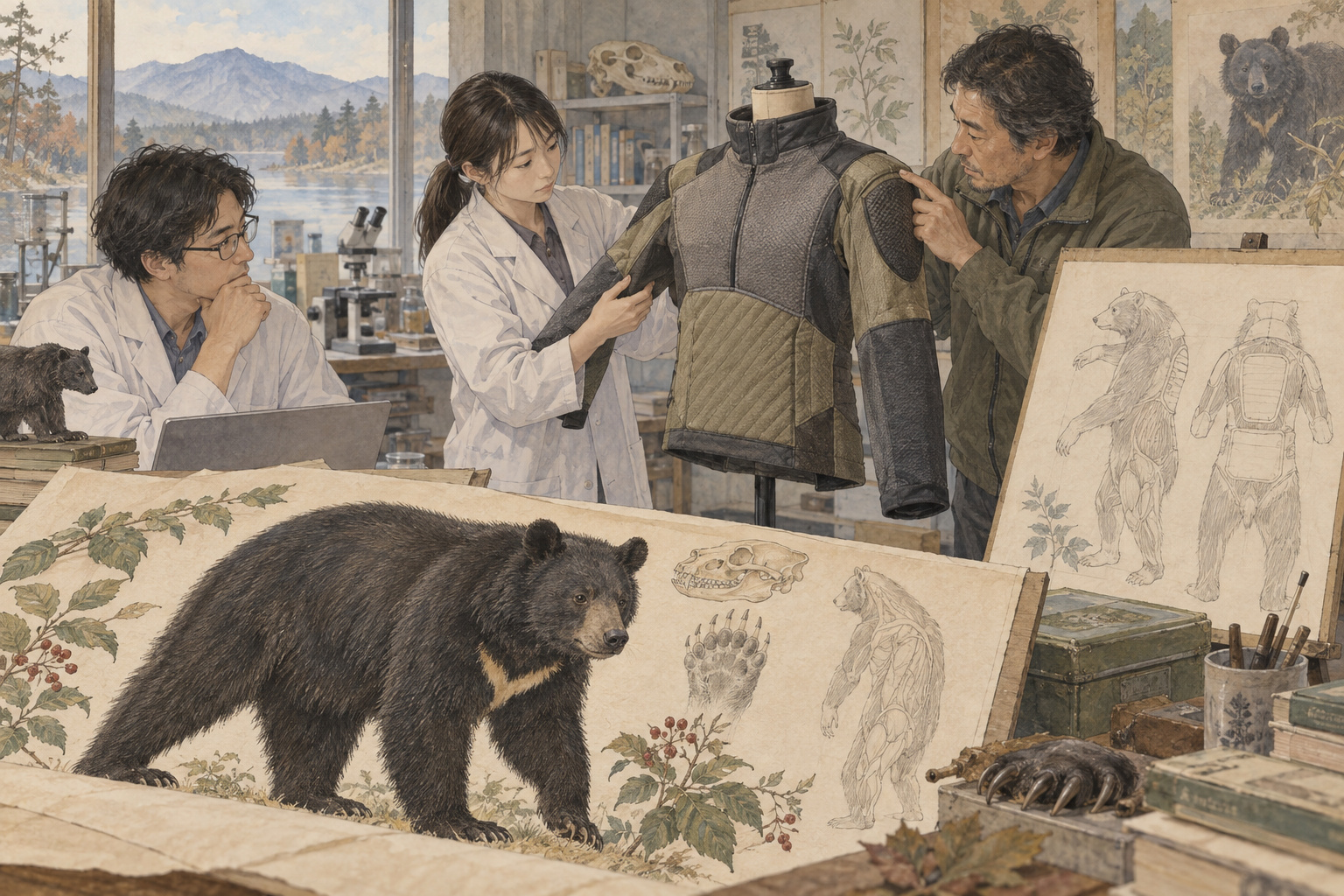
Researching ways to reduce severe bear injuries
Akita University’s initiative brings together injury analysis, protective-equipment research and public education to examine how serious harm might be reduced.
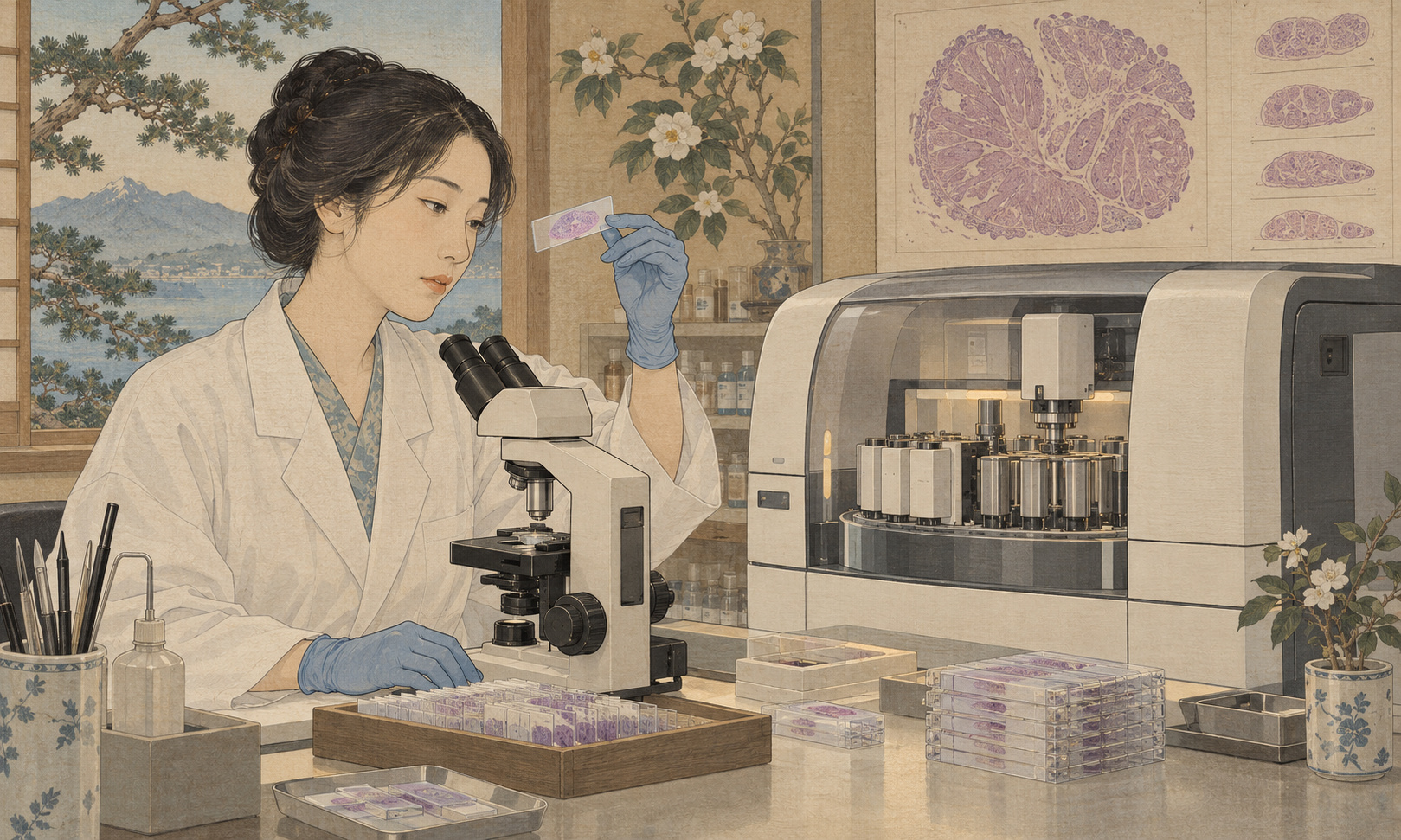
Path One: automating a painstaking step in pathology
Clinical needs at Akita University inspired a device designed to prepare thin tissue sections automatically. The story begins with the skilled work behind a specimen.
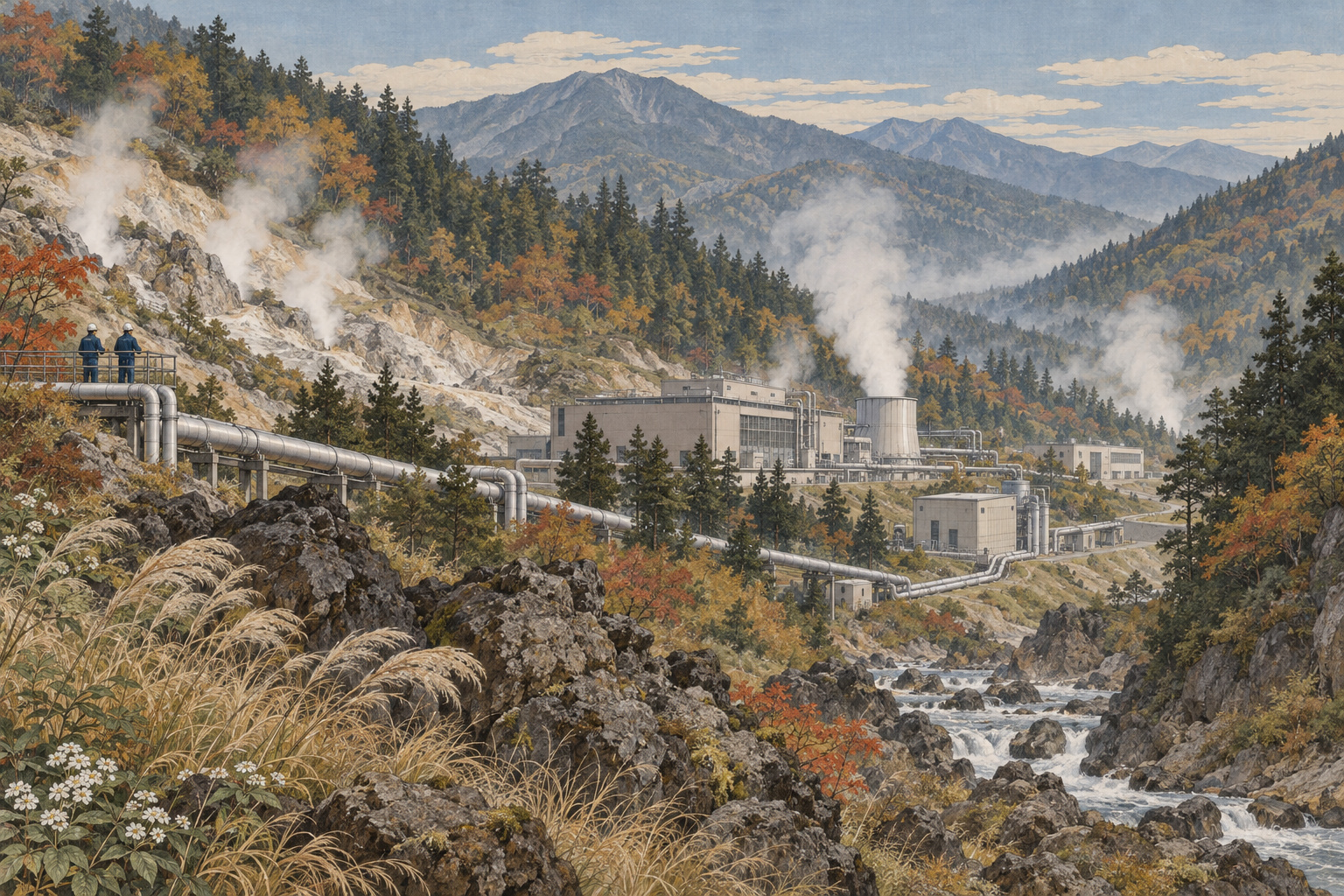
Beneath Yuzawa, volcanic heat becomes electricity
A look at the Wasabizawa geothermal plant explains how underground heat generates power—and why development is inseparable from local resources.
Community & society
Railways, local discoveries and cinema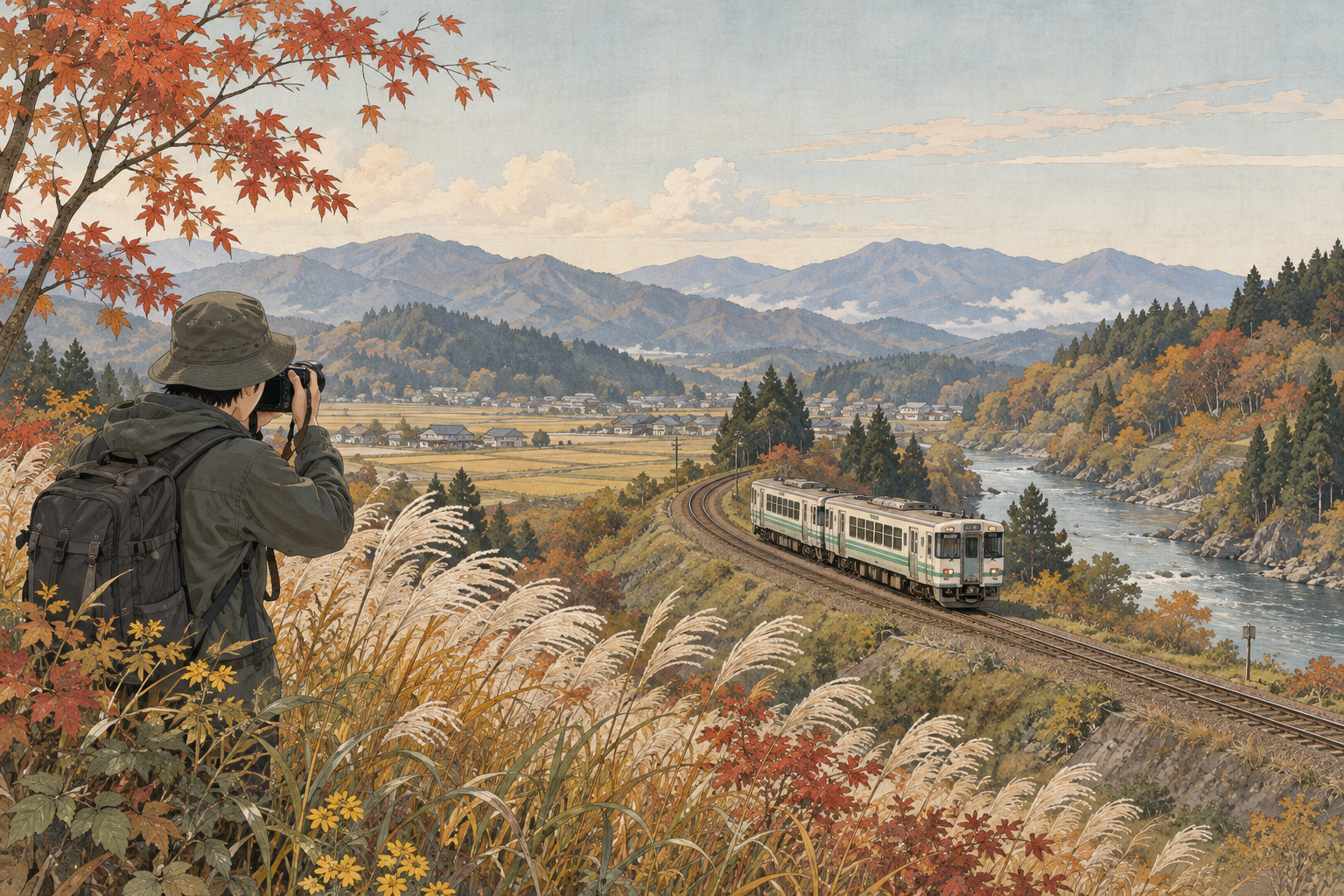
A camera offers another reason to ride the Hanawa Line
A photography campaign invites travellers to look closely at railway communities, opening a wider conversation about attracting riders to a regional line.
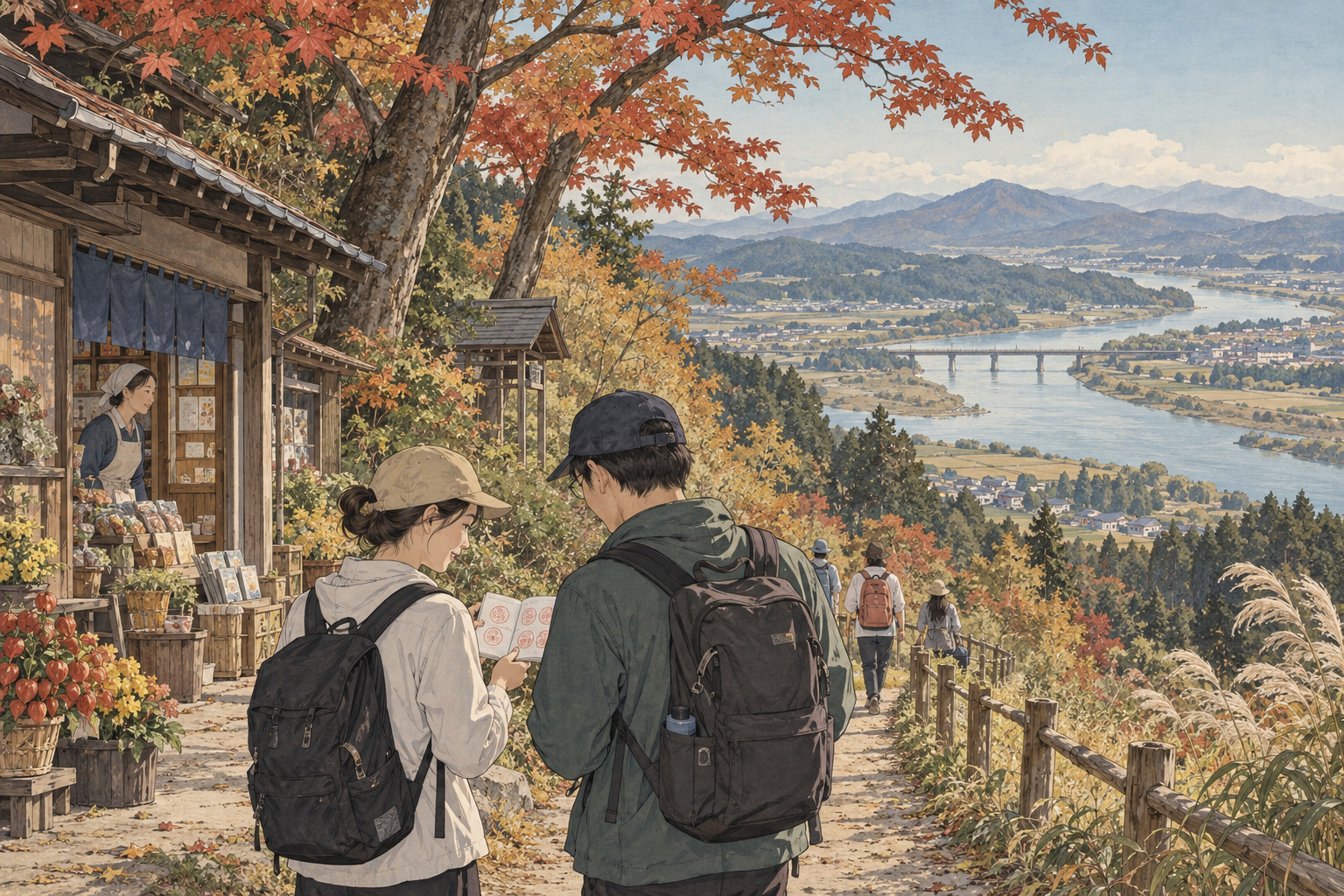
Following the stamps through Noshiro’s local attractions
The Kimimachi autumn stamp rally connects small discoveries in the Futatsui area with a larger story about regional tourism and community attractions.
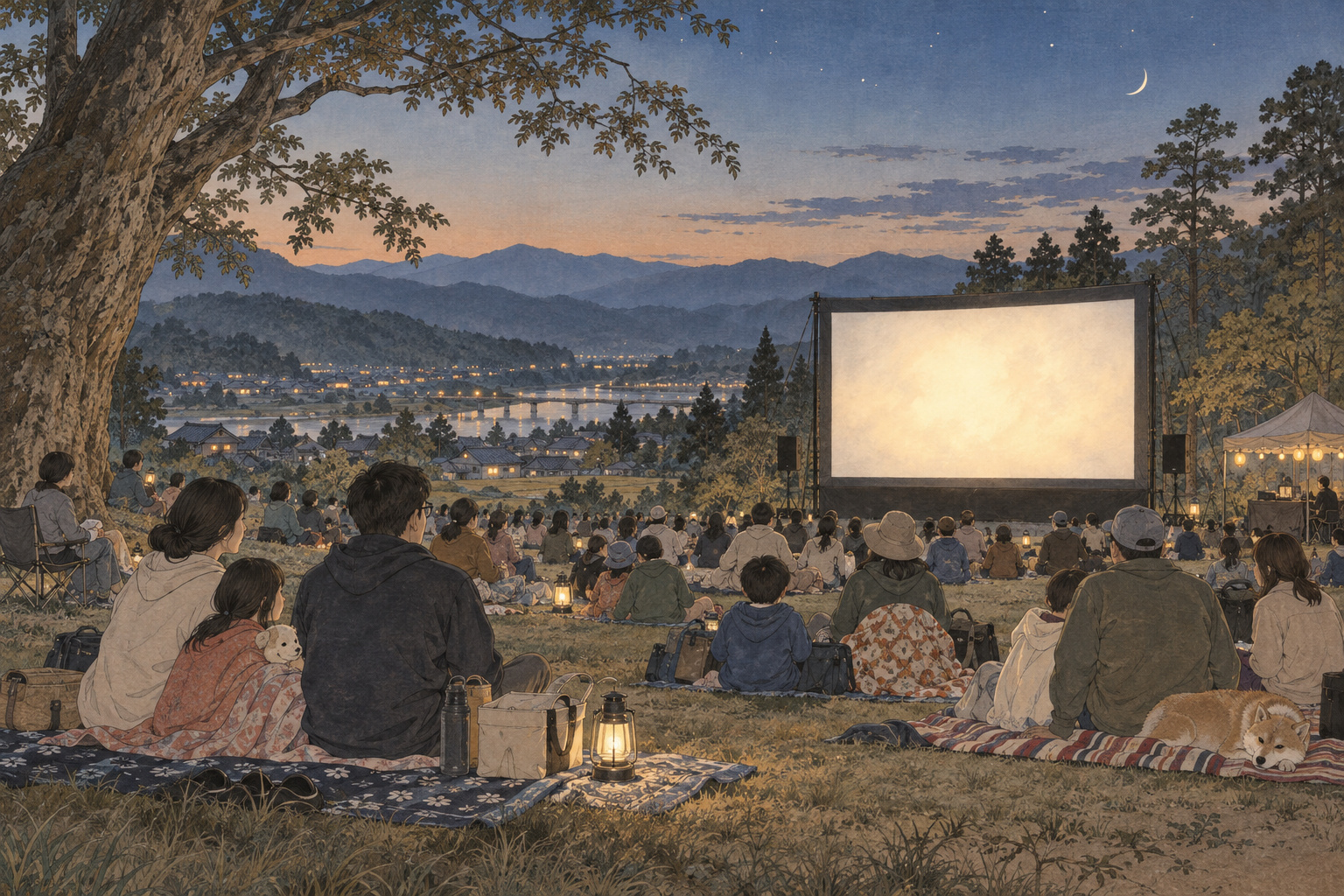
An evening at the outdoor cinema in Ikawa
A shared screen beneath the night sky offers a way to explore how small cultural events bring residents together and create common memories.
Sport
Basketball, rugby and the marathon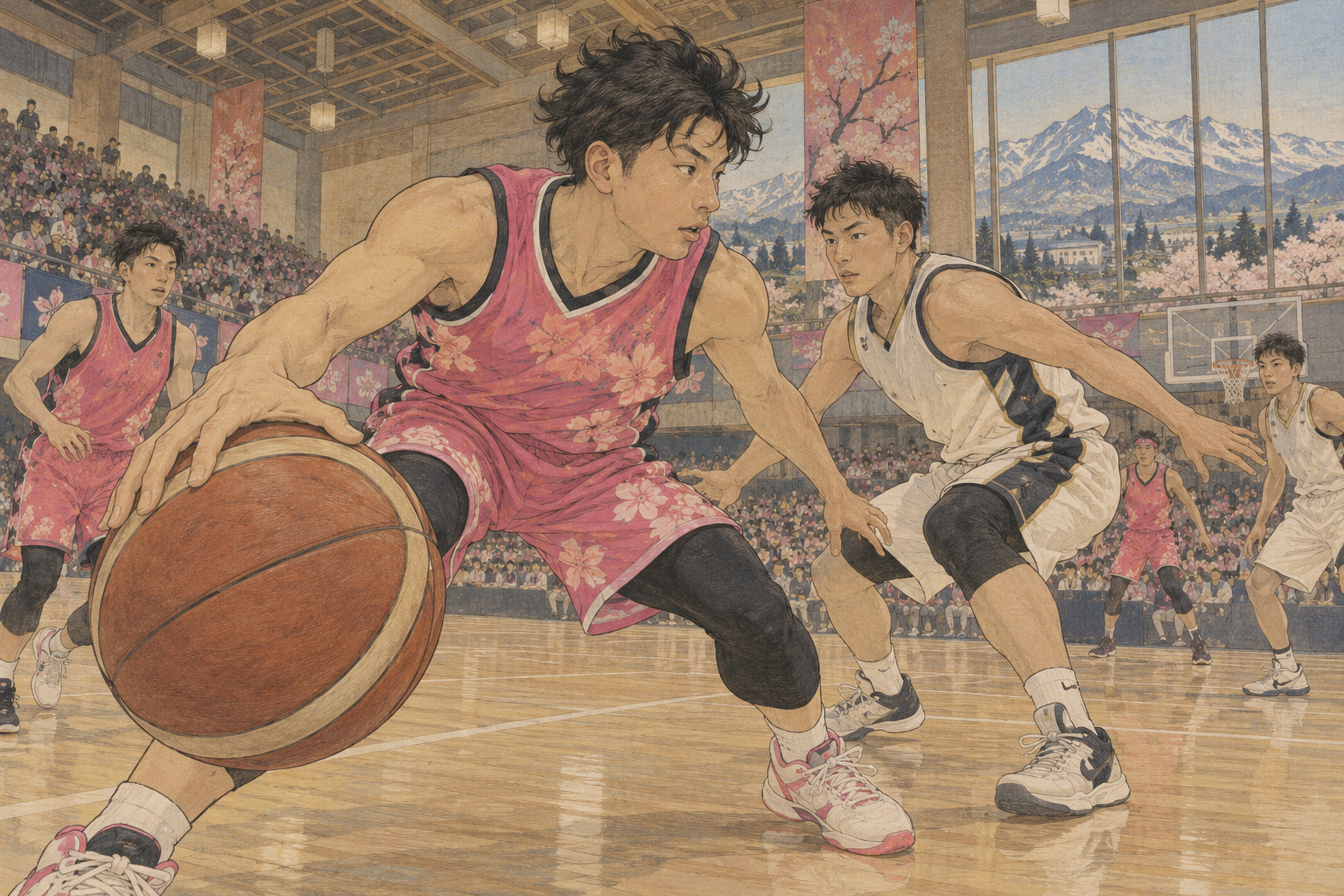
Yokote shares in the Northern Happinets’ preseason
Basketball’s reach extends across Akita. Preseason games offer a window into the relationship between a professional club and its regional supporters.
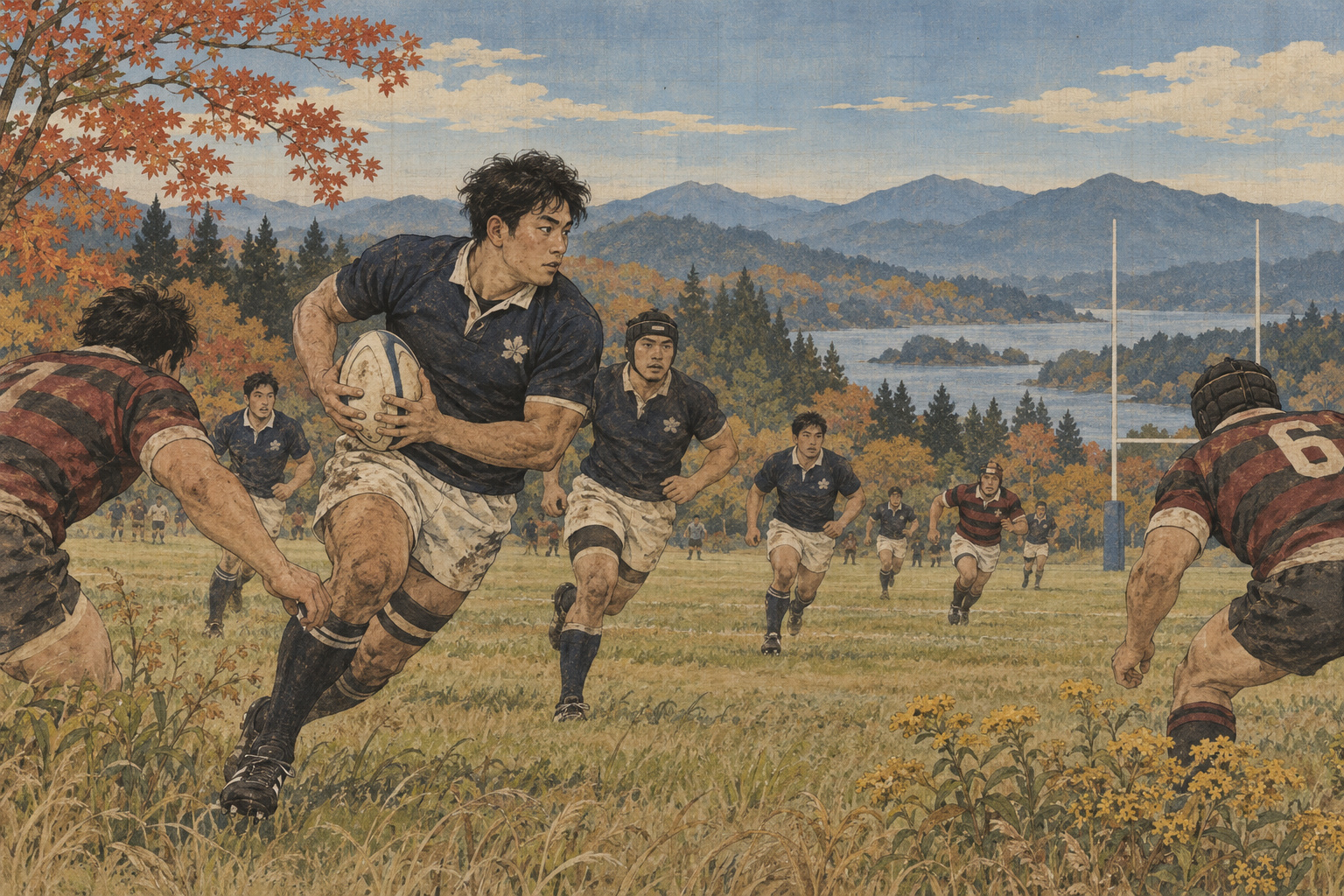
The Northern Bullets and Akita’s rugby autumn
The league opener provides a starting point for examining the club’s autumn campaign and its place in the prefecture’s rugby culture.
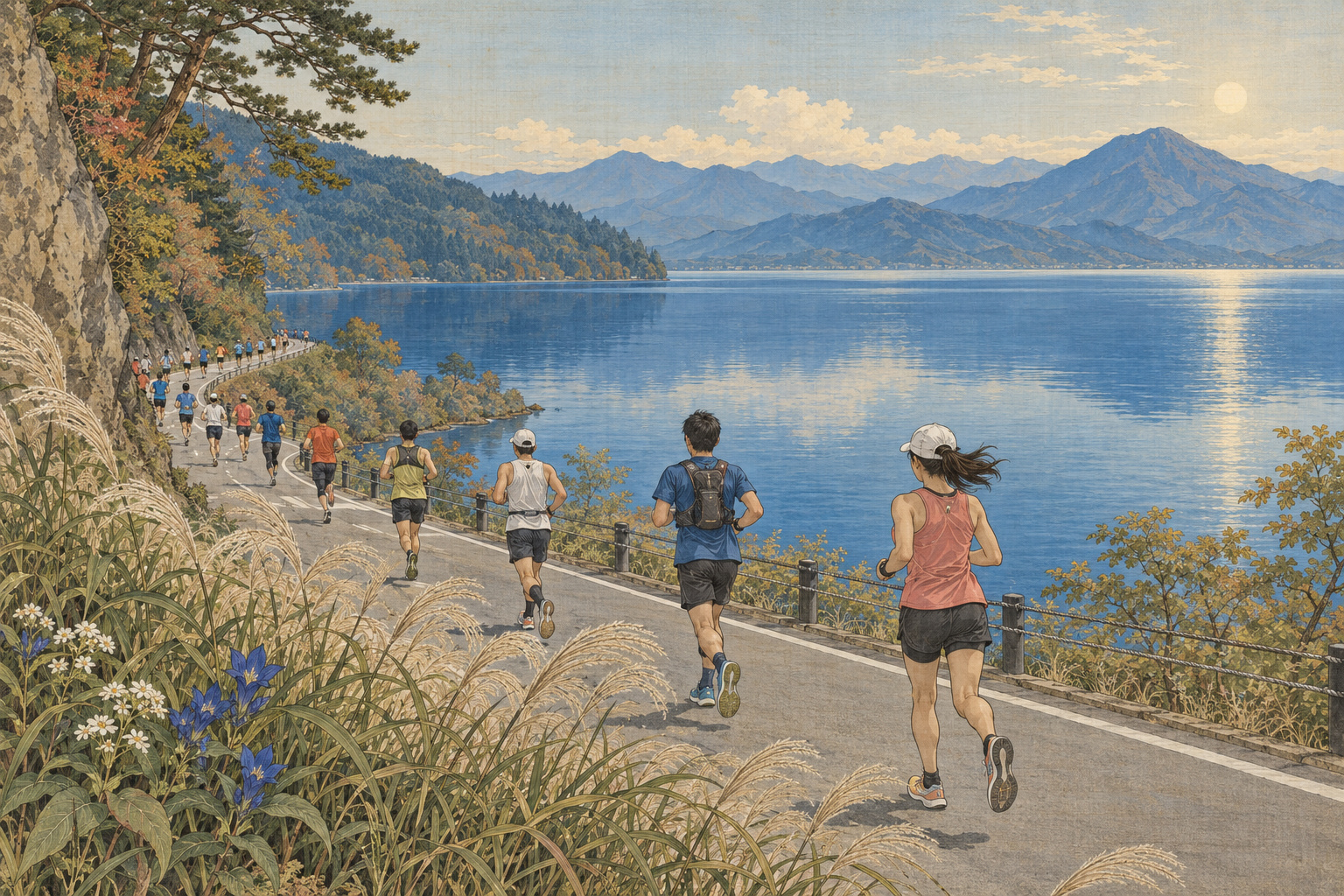
Lake Tazawa’s marathon brings a community to the course
The September 20 race connects runners’ ambitions with the volunteers and local hospitality that help make a lakeside marathon possible.
Culture & life
Tradition, manga and historic streets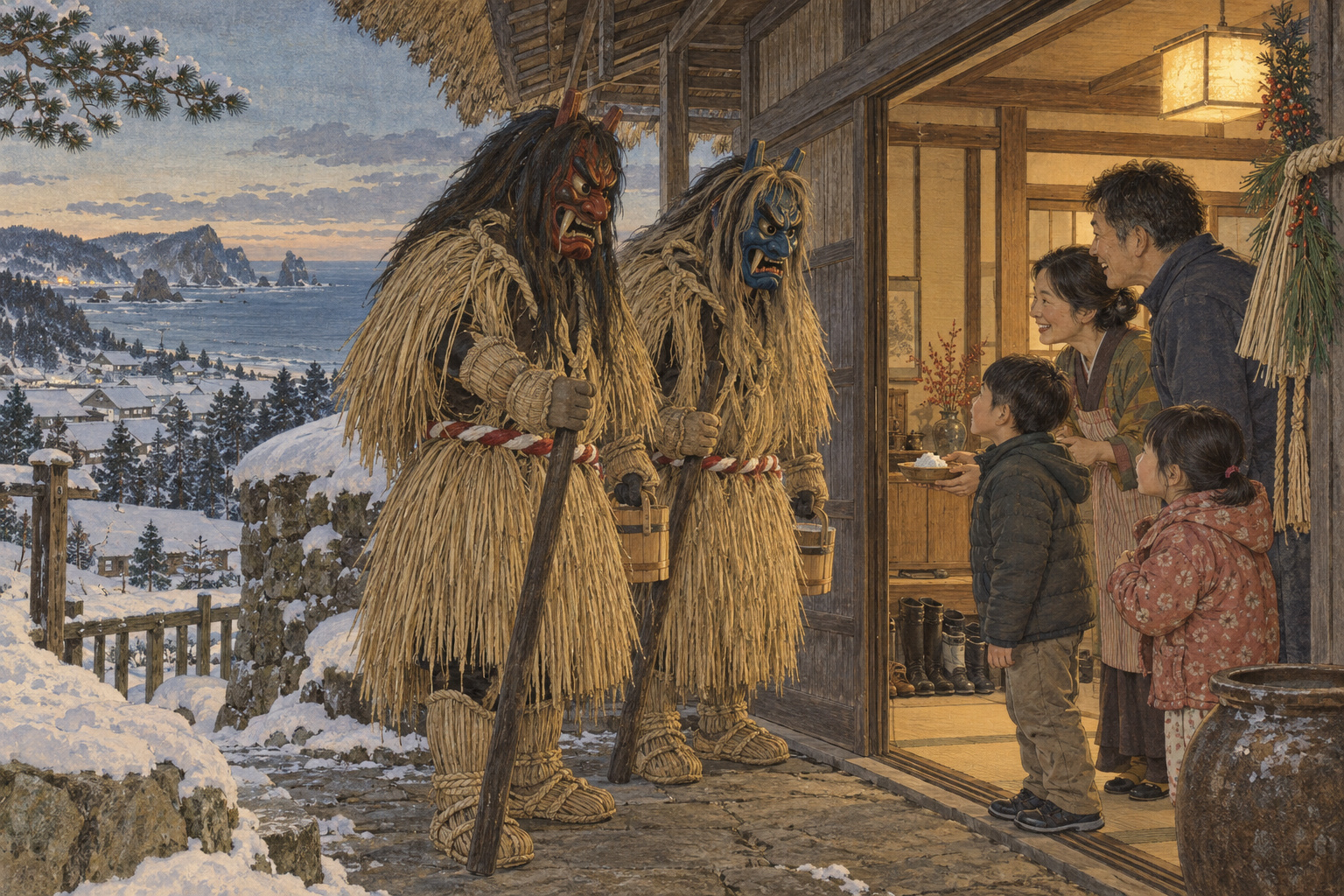
Beyond the fierce masks of Oga’s Namahage
The tradition’s meaning lies in its community roots. This feature explores the household visits and the work of carrying a living custom into another generation.
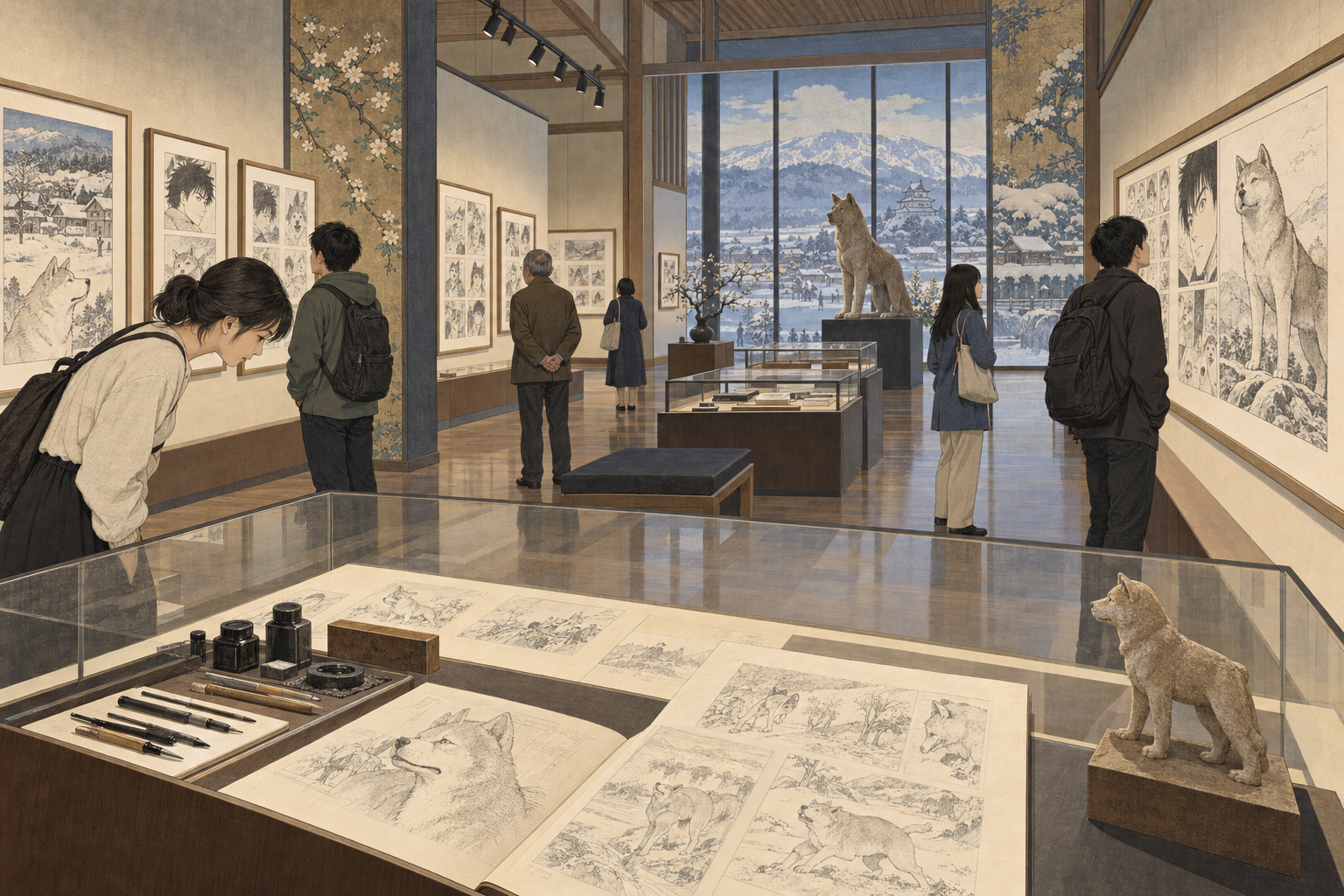
Yoshihiro Takahashi’s career, seen through original art
A self-selected exhibition marking 55 years of work at Yokote Masuda Manga Museum opens a discussion of storytelling, drawing and manga preservation.
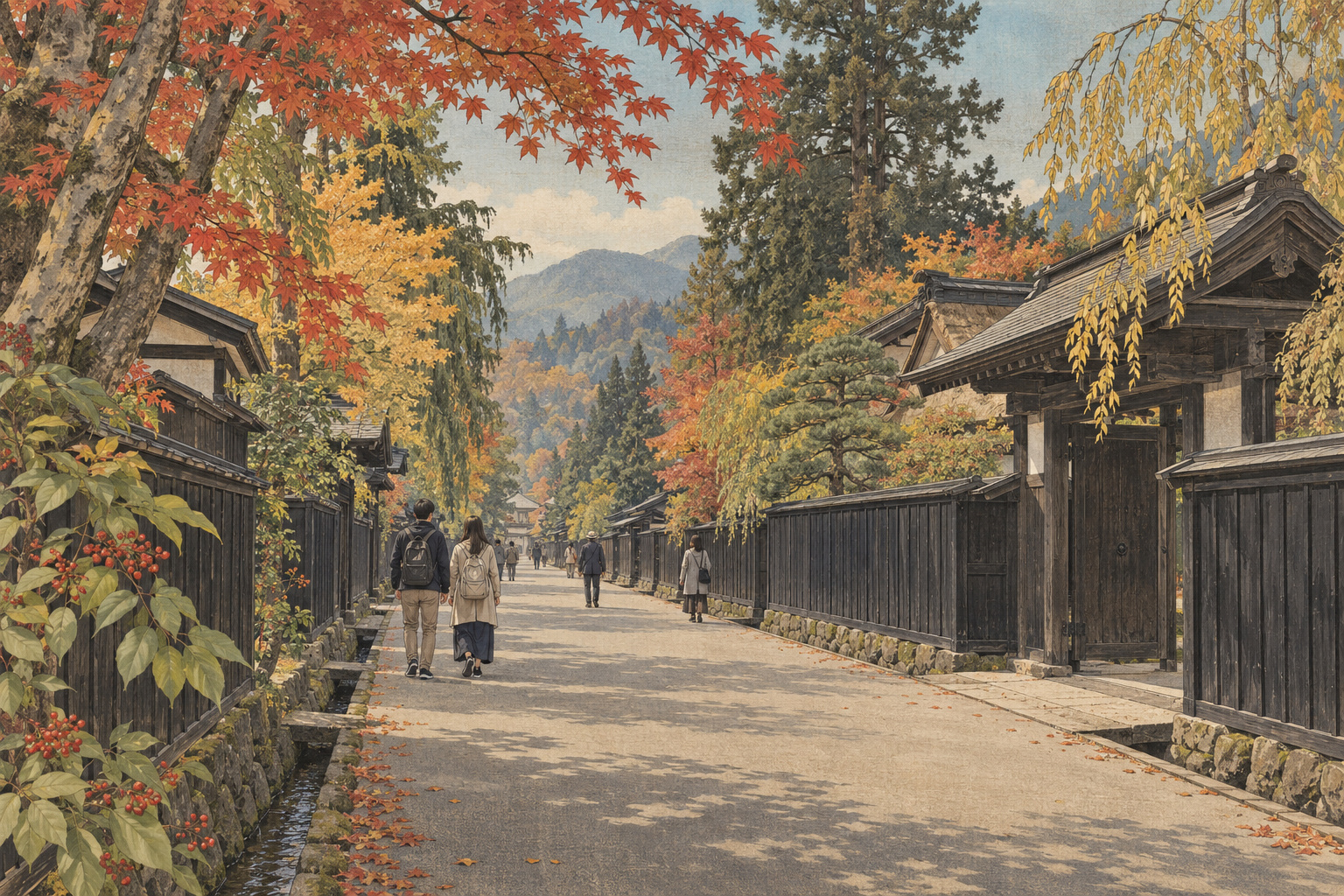
Kakunodate’s samurai streets are a living landscape
Architecture, gardens and historic streets tell only part of the story. Preserving the district also means caring for a place where everyday life continues.
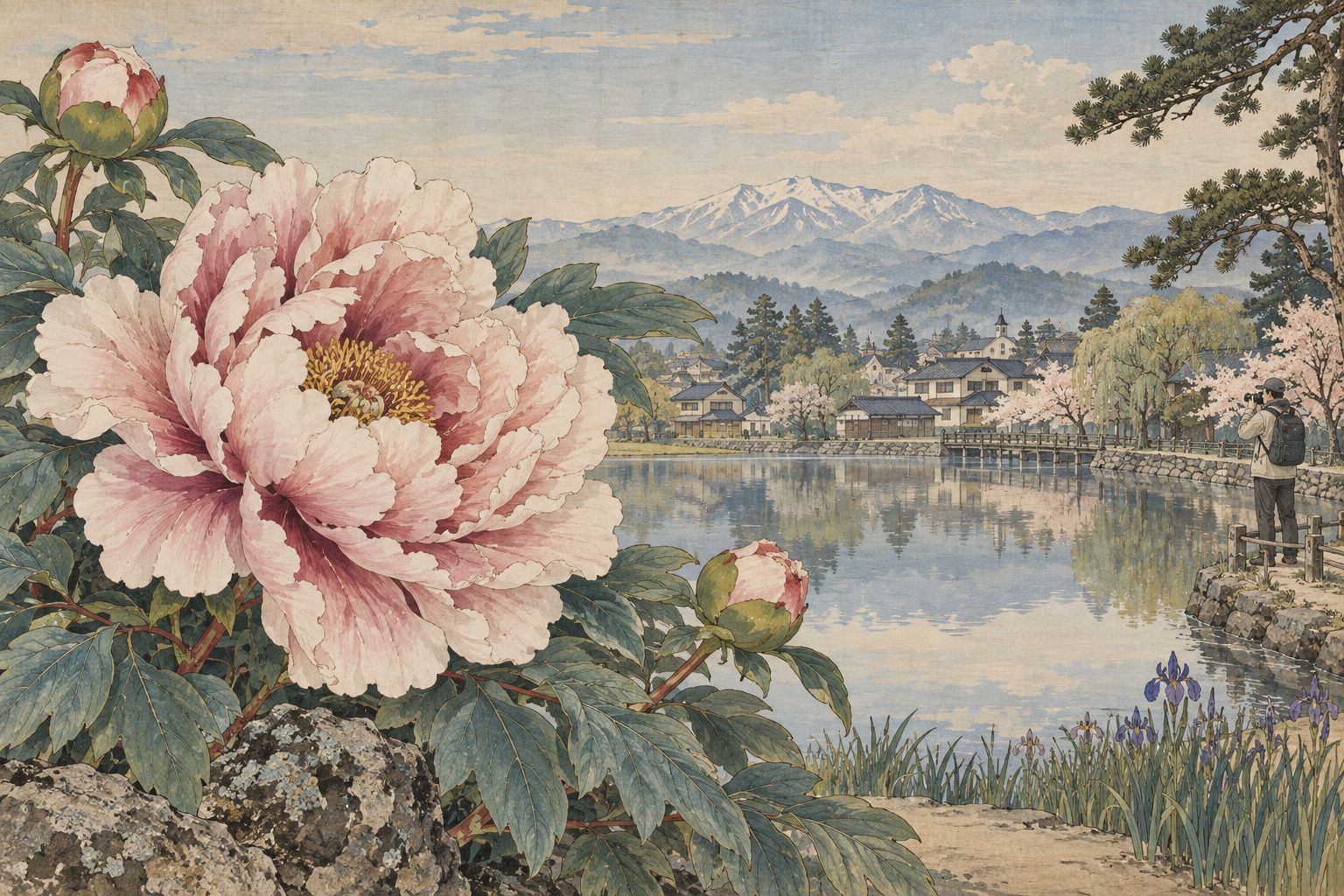
Today’s Art Choice: Odano Naotake—Akita Opens a Window to the World
A Kakunodate samurai brought Western perspective into Japanese painting. Shinobazu Pond and the Akita ranga movement connect close observation with scientific curiosity and cultural exchange.
Read the art essay →Shinobazu Pond depicts Edo, now Tokyo, and belongs to the Akita Museum of Modern Art. Its Akita connection is the artist and the Akita ranga movement. The illustration is an AI-generated homage, not a reproduction of the painting.
Six selections from the September 19 edition
Read in the context of their original publication
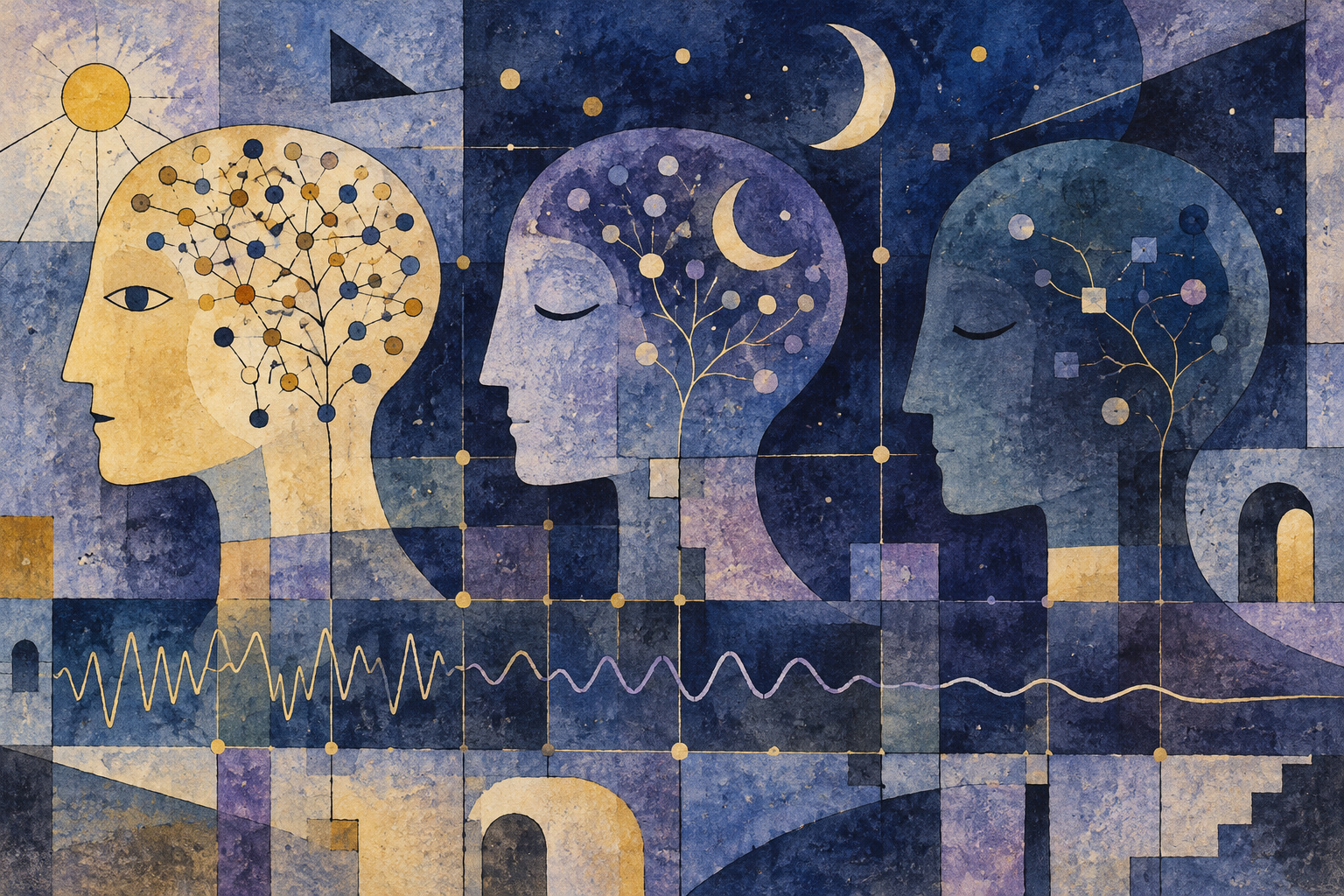
Revisiting the sleeping brain through shared data
A large collection of mouse neural recordings opens questions about waking, natural sleep and anaesthesia—and the value of making research data available for reanalysis.

Modelling a genome in motion
A study of fission yeast combines observations and contact maps to investigate how a genome’s three-dimensional structure relates to its movement.
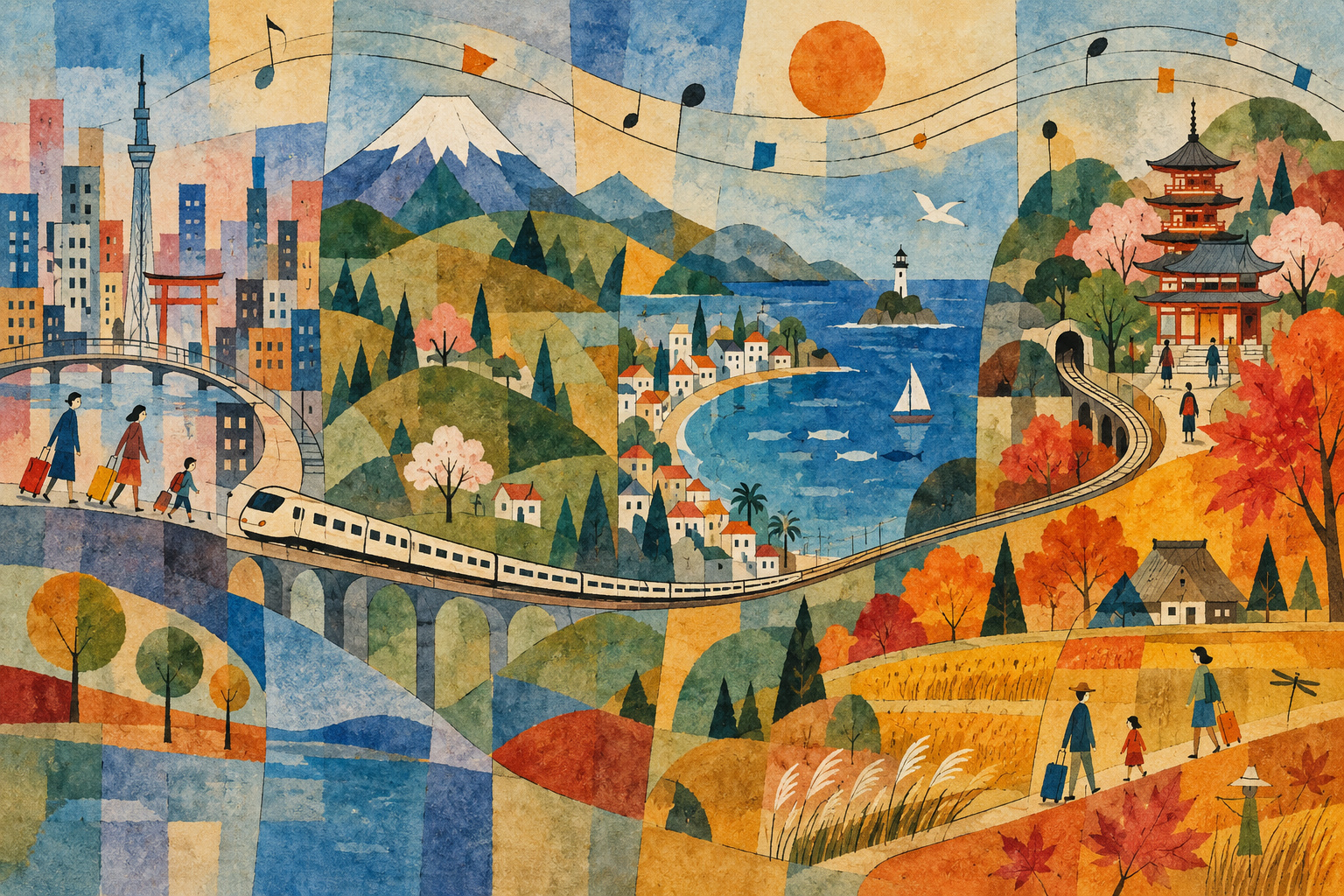
Making time to stay during Silver Week
The September 19–23 holiday offers more than a journey between destinations. This feature considers transport, congestion and the rewards of leaving time to explore.
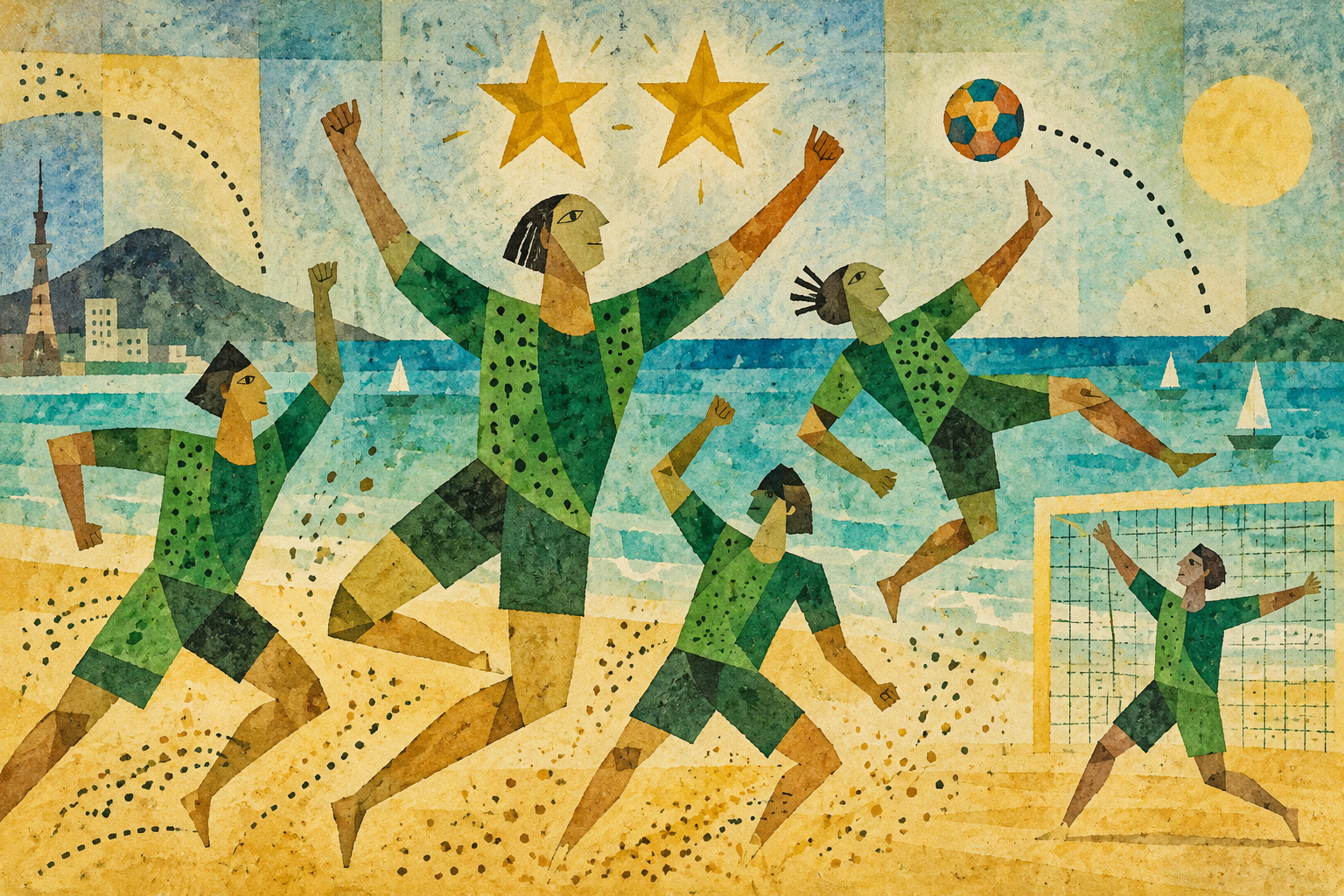
Tokyo Verdy BS and the work behind consecutive titles
A national championship provides a starting point for exploring how sand changes the game, and how training and player development sustain Japanese beach soccer.
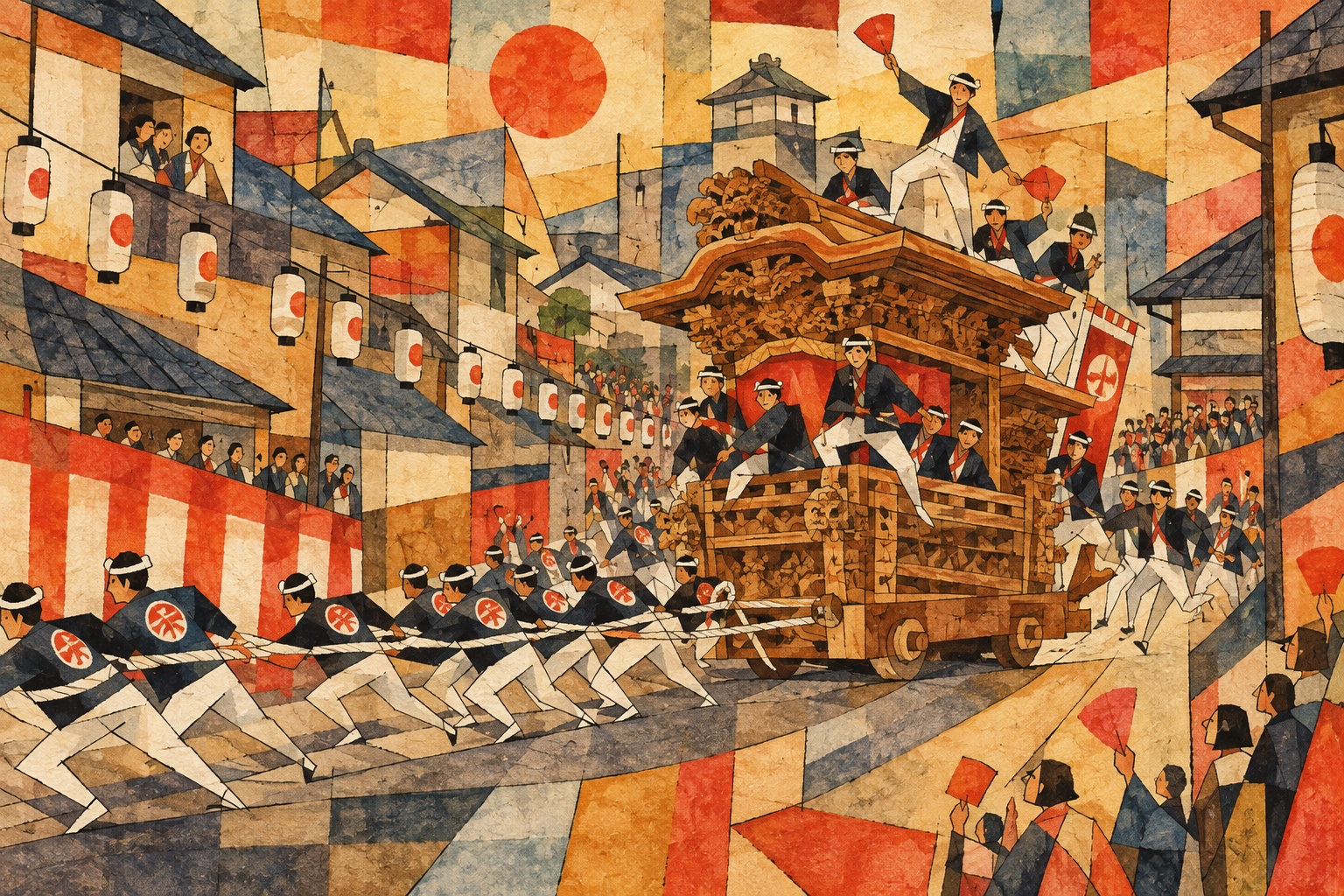
The neighbourhood work behind Kishiwada’s danjiri festival
Carving, music, lanterns and generations of preparation reveal the community work behind the festival’s dramatic street-corner turns.
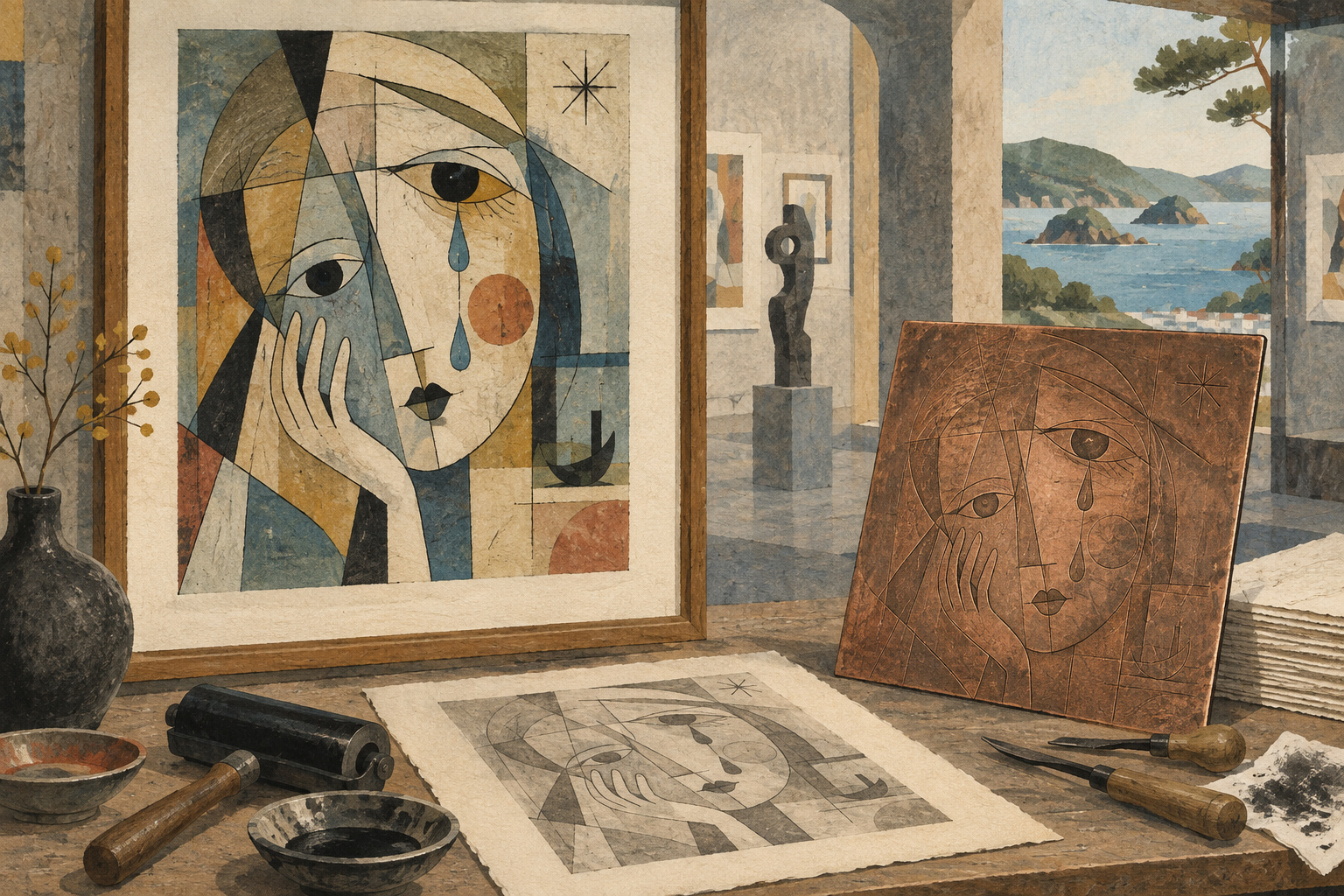
Picasso’s Weeping Woman opens a window onto printmaking
A Wakayama collection exhibition offers a route into the history and techniques of intaglio, and the relationship between paper, metal and ink.
The 17 Akita features use AI-generated editorial illustrations inspired by Odano Naotake and Akita ranga. They are not documentary photographs or original works by Naotake. The six September 19 selections retain that edition’s Klee-inspired illustrations. Earlier reports reflect their original reporting and publication dates.