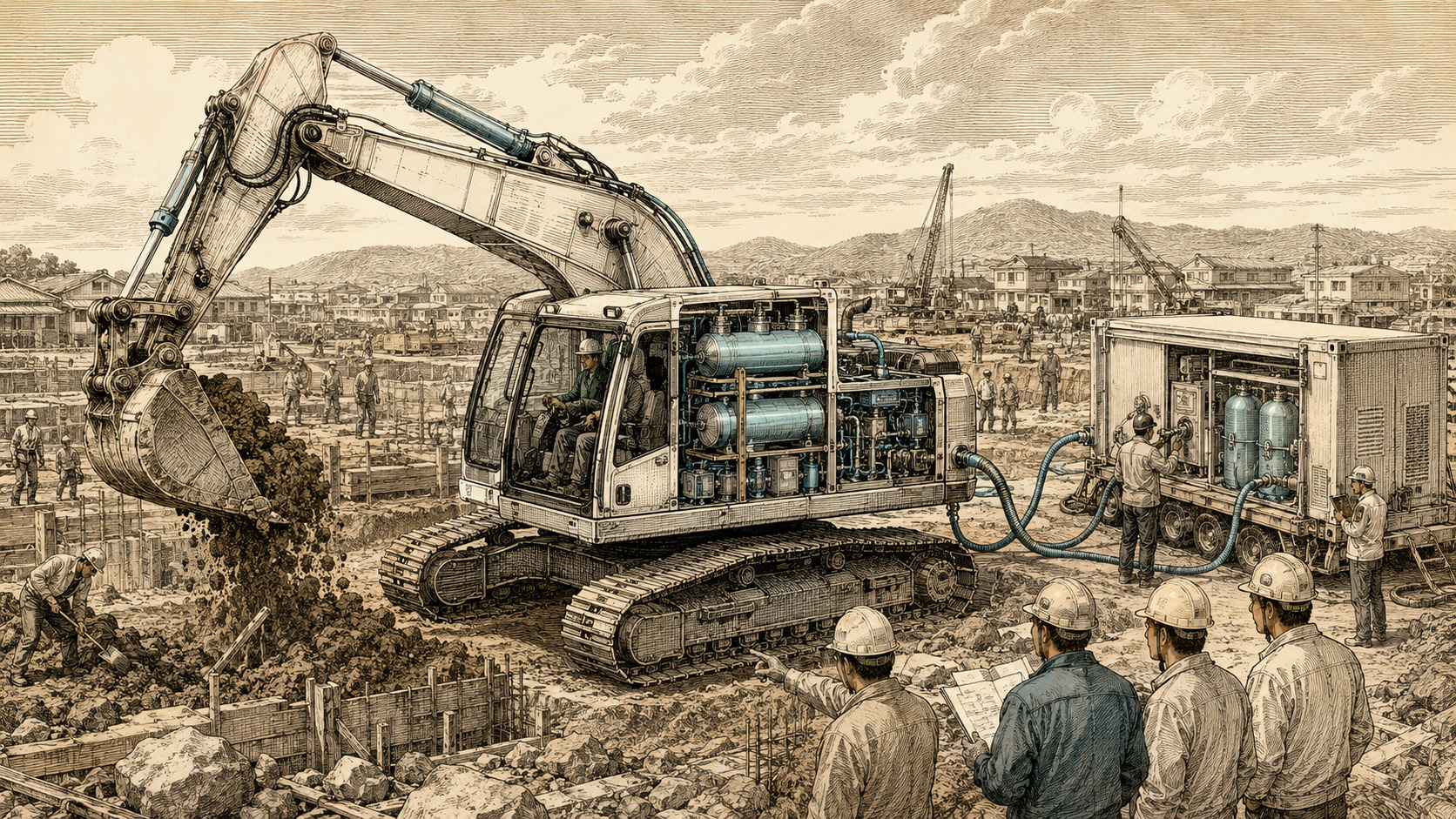
Japan Tests a Fuel-Cell Excavator on a Working Site
From one excavator at an active construction site to a containerized electrolyzer bound for Finland, Fukushima green ammonia, a cryogenic pump in Kobe, factory power, heavy trucks, international corridors and the hard question of demand: today’s edition follows hydrogen from “it works” to “does it pay?”
Four Stories to Read First
Construction, reliability, corporate strategy, economics
Four Selections from August 10
Rail, steel, shipping, price support

Today’s News: 19 Stories
15 new reports + 4 from August 10
Japan Tests a Hydrogen Fuel-Cell Excavator on a Working Construction Site
The partners describe it as Japan’s first use of an FC hydraulic excavator during actual construction work. The test brings runtime, refueling, safety and noise out of the laboratory.
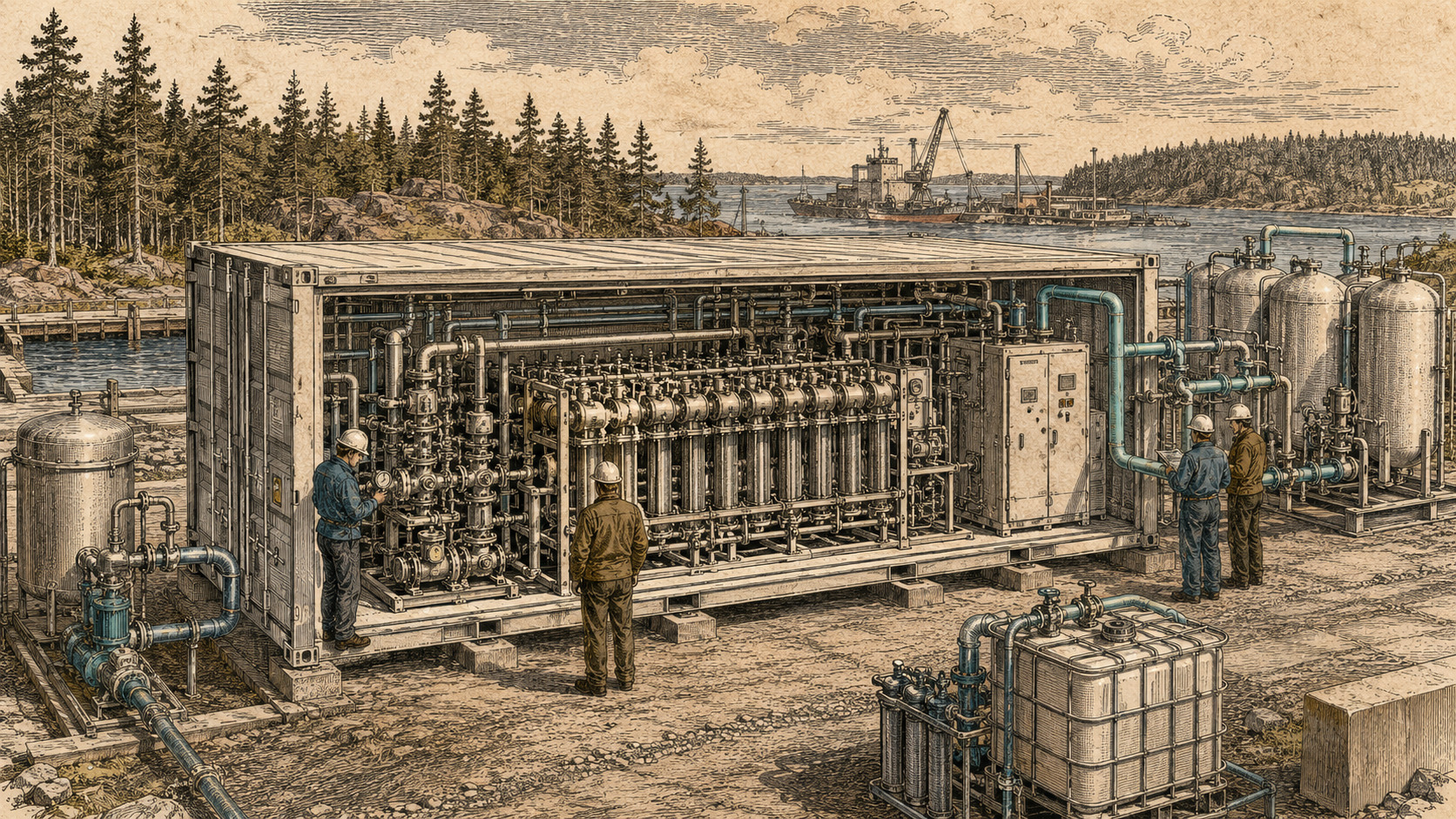
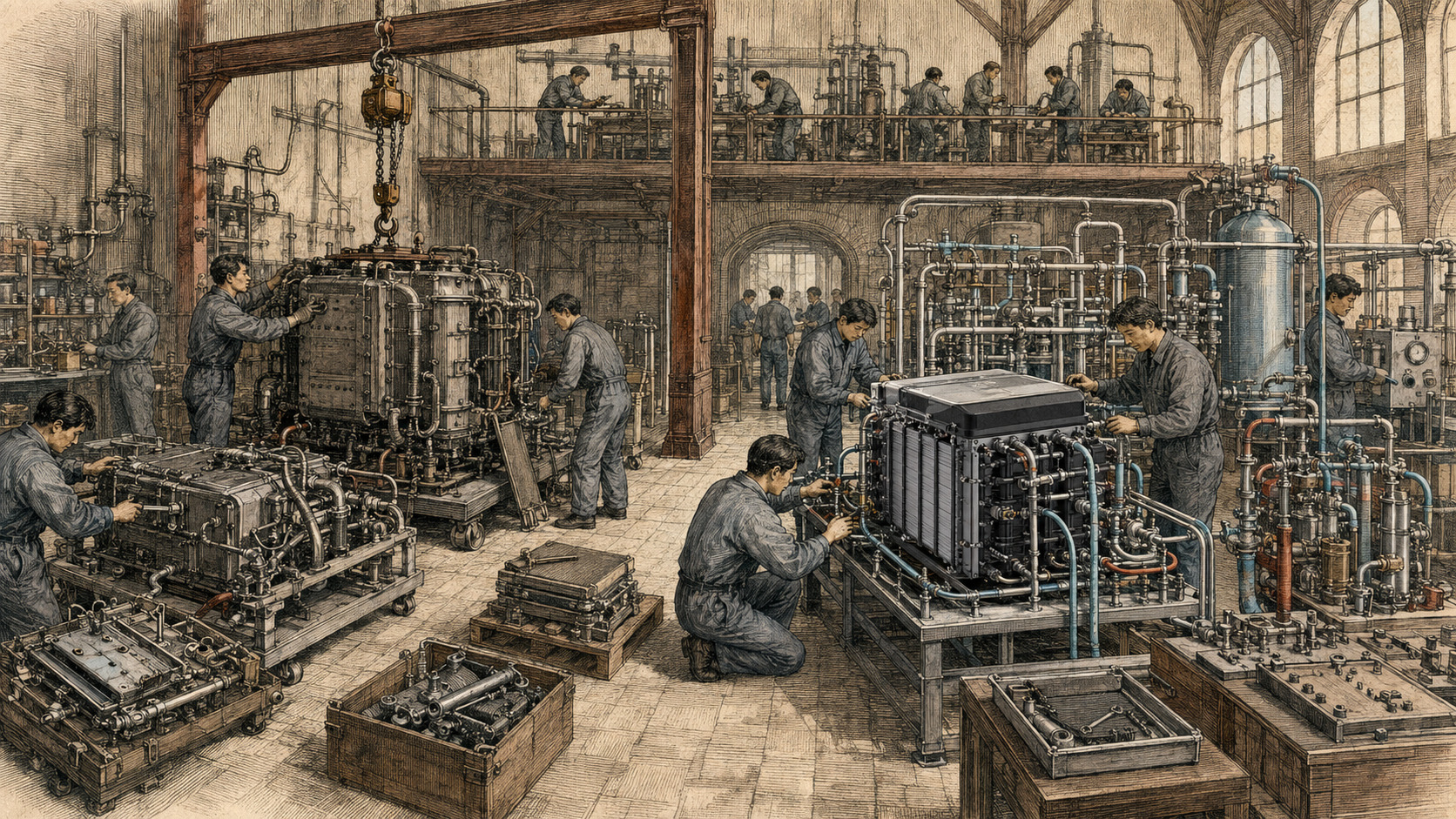
Asahi Kasei Shrinks Industrial Hydrogen Production into a Container
The 1-MW Aqualyzer-C³ installation is scheduled to start this summer in Finland and produce about 400 kilograms of hydrogen per day—a Japanese technology-export story in a shipping container.
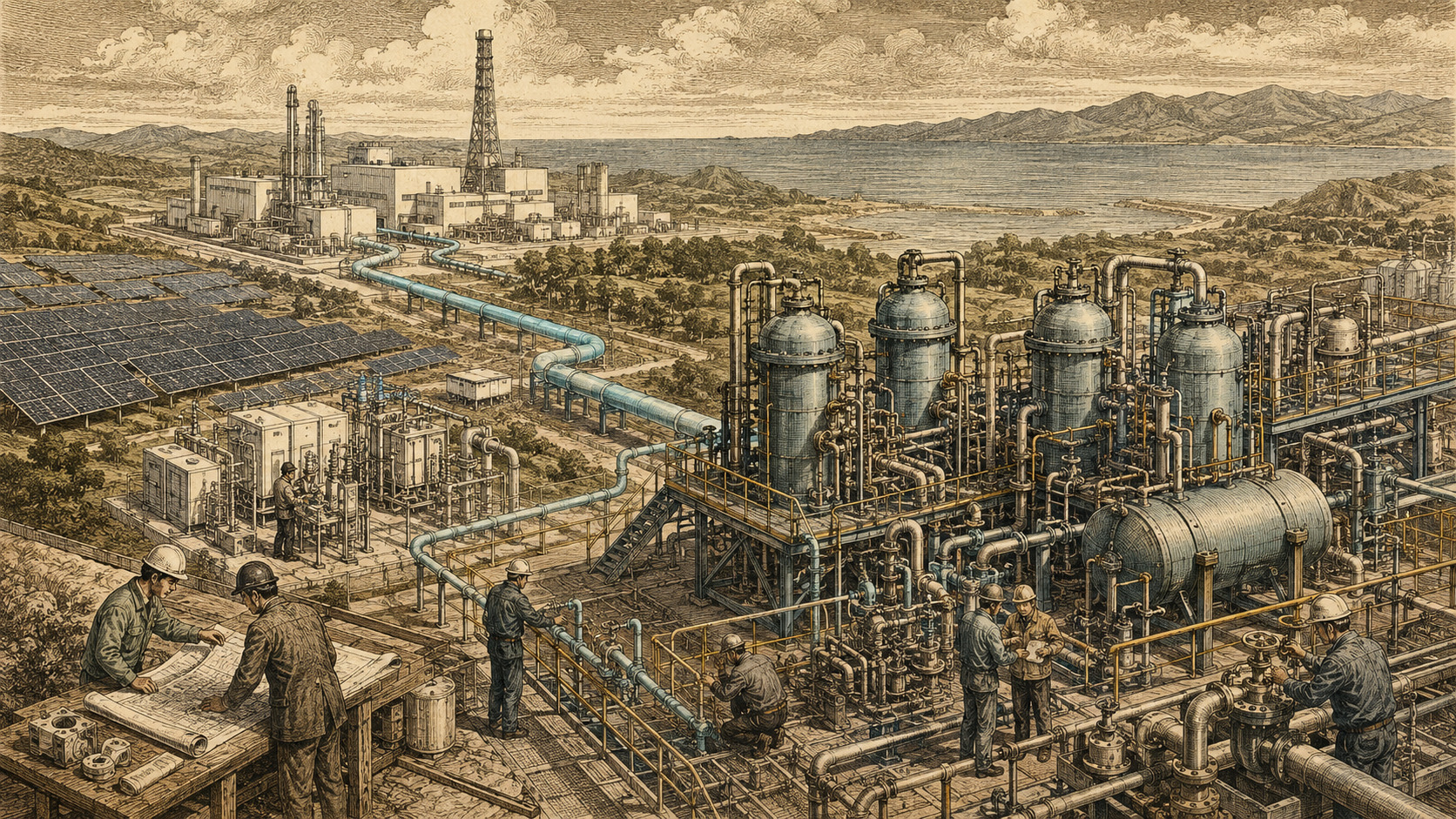
Fukushima Hydrogen Is Now Being Turned Into Green Ammonia
JGC’s demonstration uses hydrogen from the 10-MW-class Fukushima Hydrogen Energy Research Field, connecting production investment to a carrier that is easier to store and move.
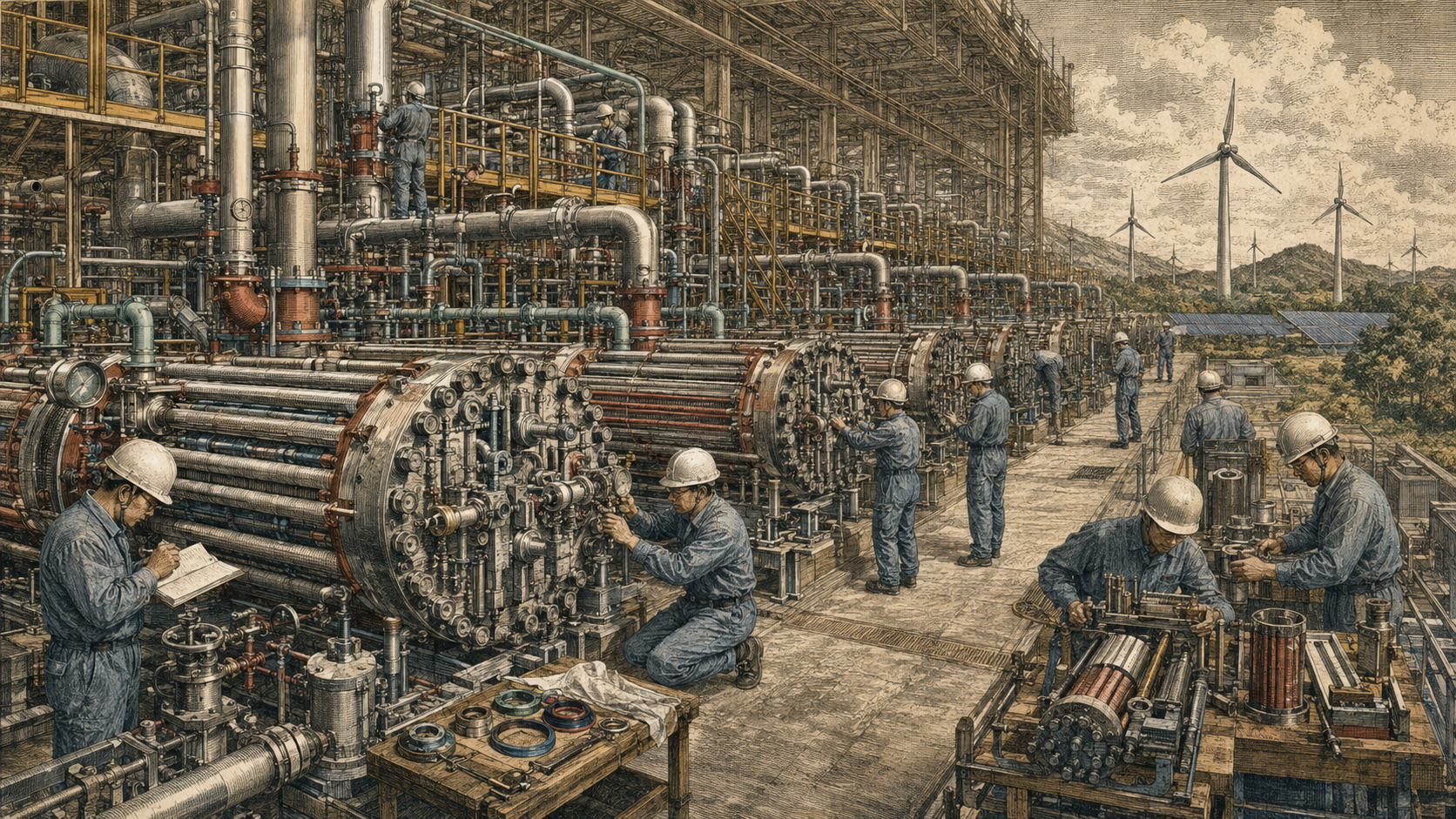
What Six Years of Operating a 10-MW Hydrogen Electrolyzer Has Taught Japan
Namie’s long operating record tests renewable-load following, component aging, maintenance and downtime. The commercial value of a large electrolyzer may depend more on reliability than nameplate power.
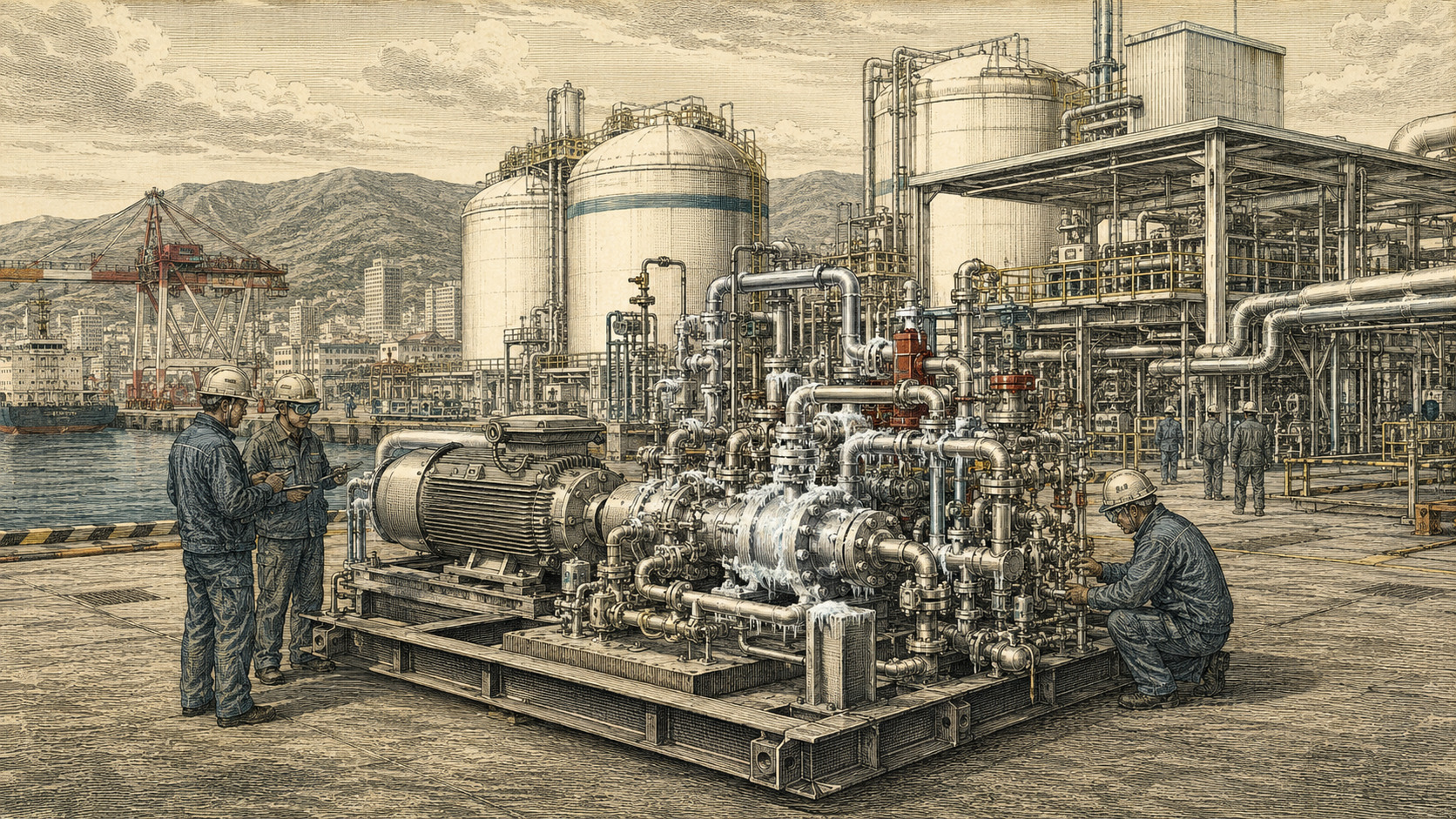
The Pump Problem Behind a Hydrogen Economy
Nikkiso supplied the liquefied-hydrogen pump skid for Kawasaki and Kobe Steel’s next-generation cogeneration system—an example of the less-visible suppliers that make infrastructure possible.
Honda Ends Its GM Fuel-Cell Production Partnership—But Not Its Hydrogen Ambitions
Honda will stop producing the current joint-venture system before the end of 2026 and move to an independently developed successor. It is a strategy reset, not a retreat from hydrogen.
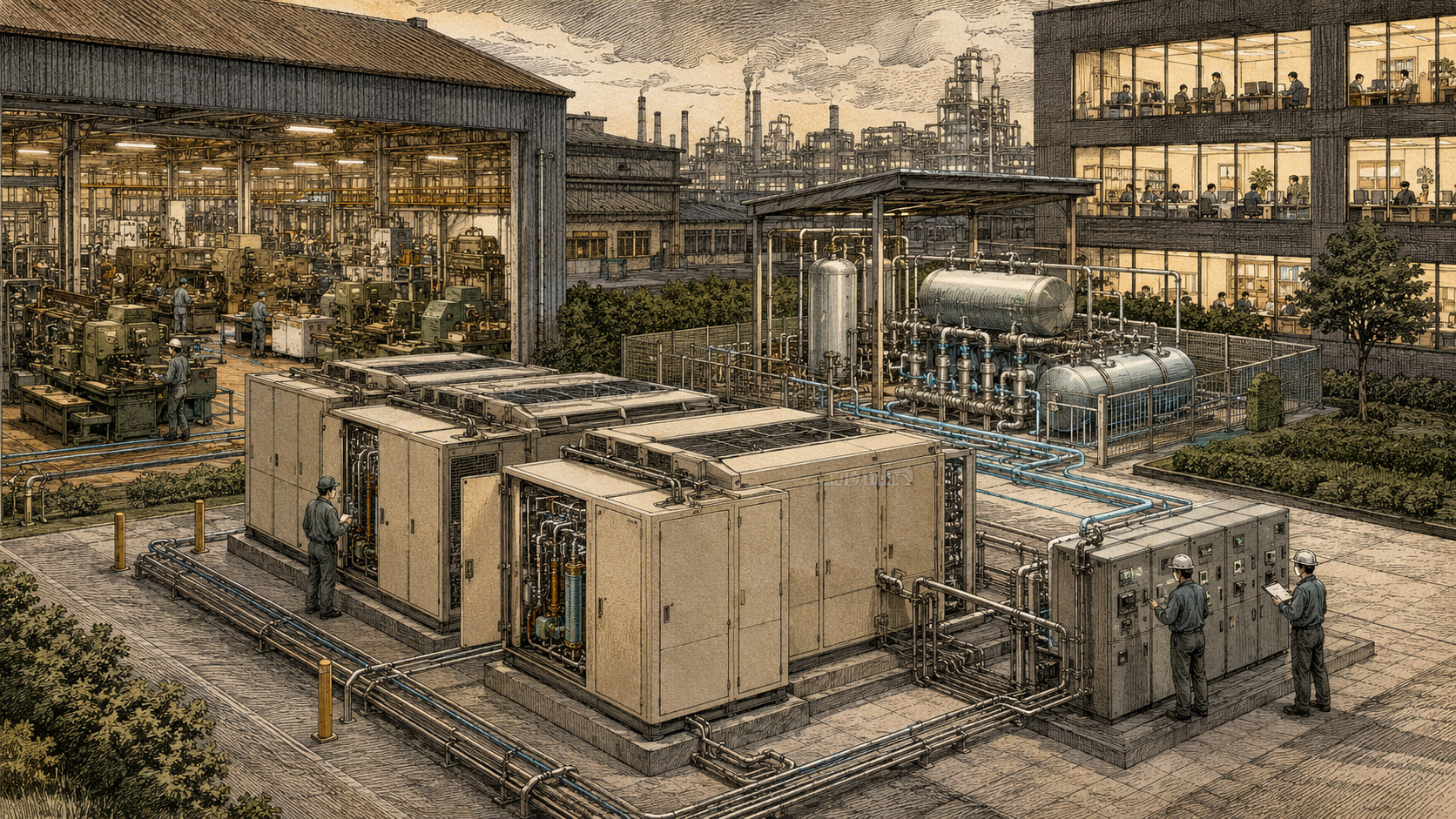
Honda Wants Fuel Cells Outside the Automobile
A planned fuel-cell generator targets factories, offices and backup power as hydrogen shifts toward commercial and industrial applications with concentrated demand.
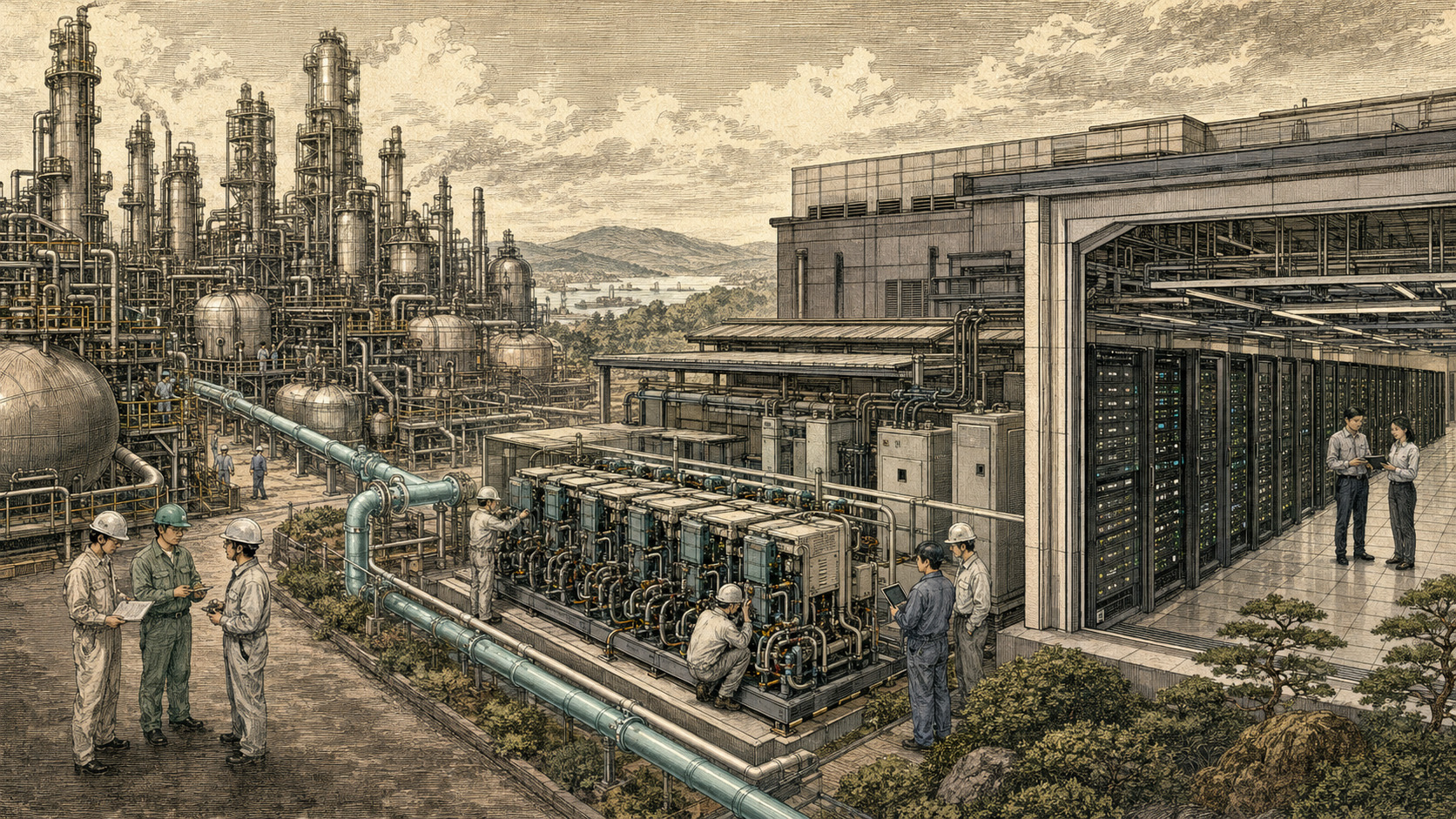
A Data Center Powered by Chemical-Plant By-Product Hydrogen
Honda, Tokuyama and Mitsubishi are testing reused automotive fuel-cell systems to make electricity from an industrial by-product—giving both molecules and retired hardware a second job.
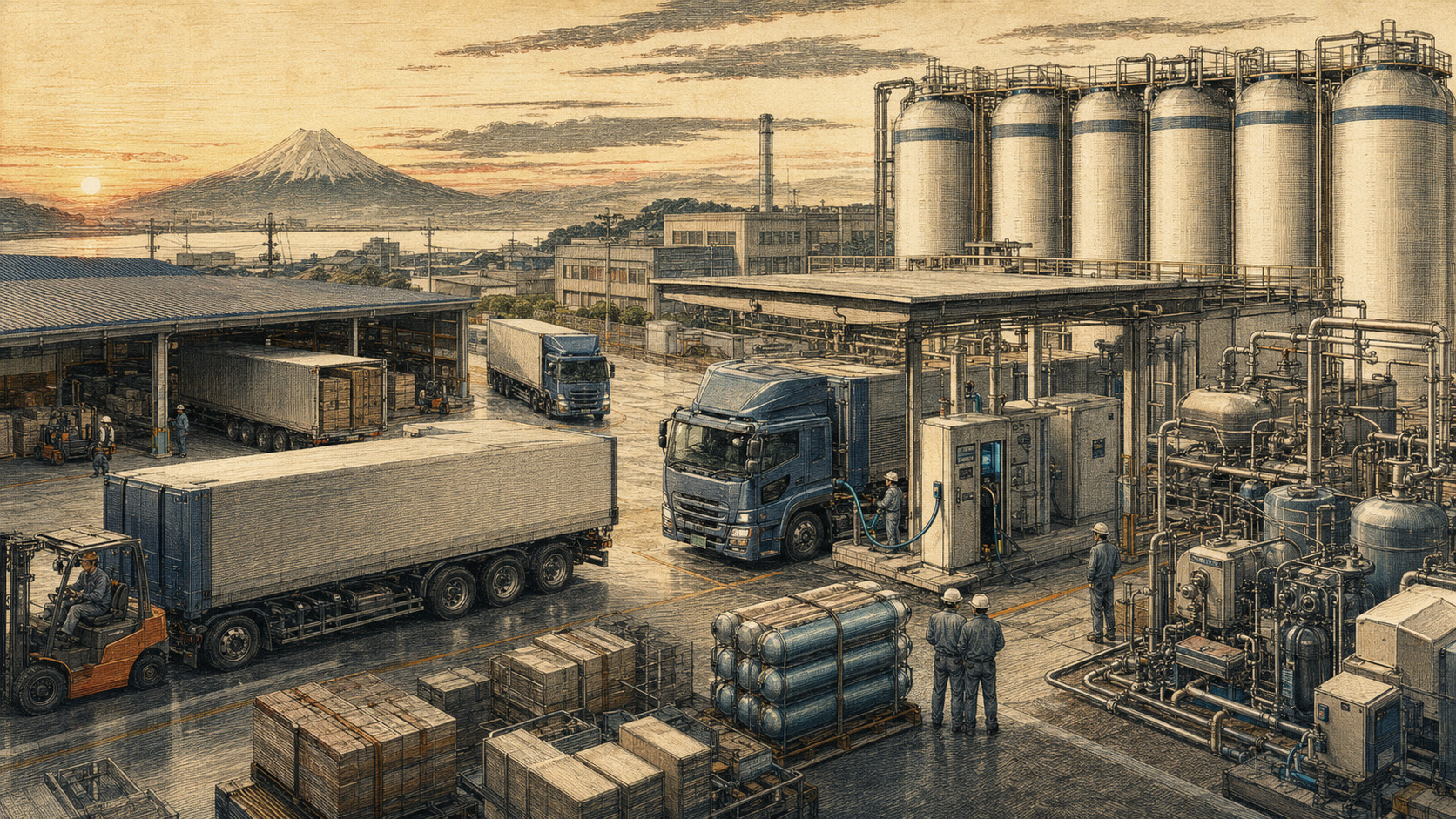
Toyota’s Hydrogen Bet Is Moving from Passenger Cars to Heavy Trucks
The 2026 Hyroad collaboration reinforces a shift toward high-utilization commercial fleets, where centralized refueling gives hydrogen a more coherent economic case.
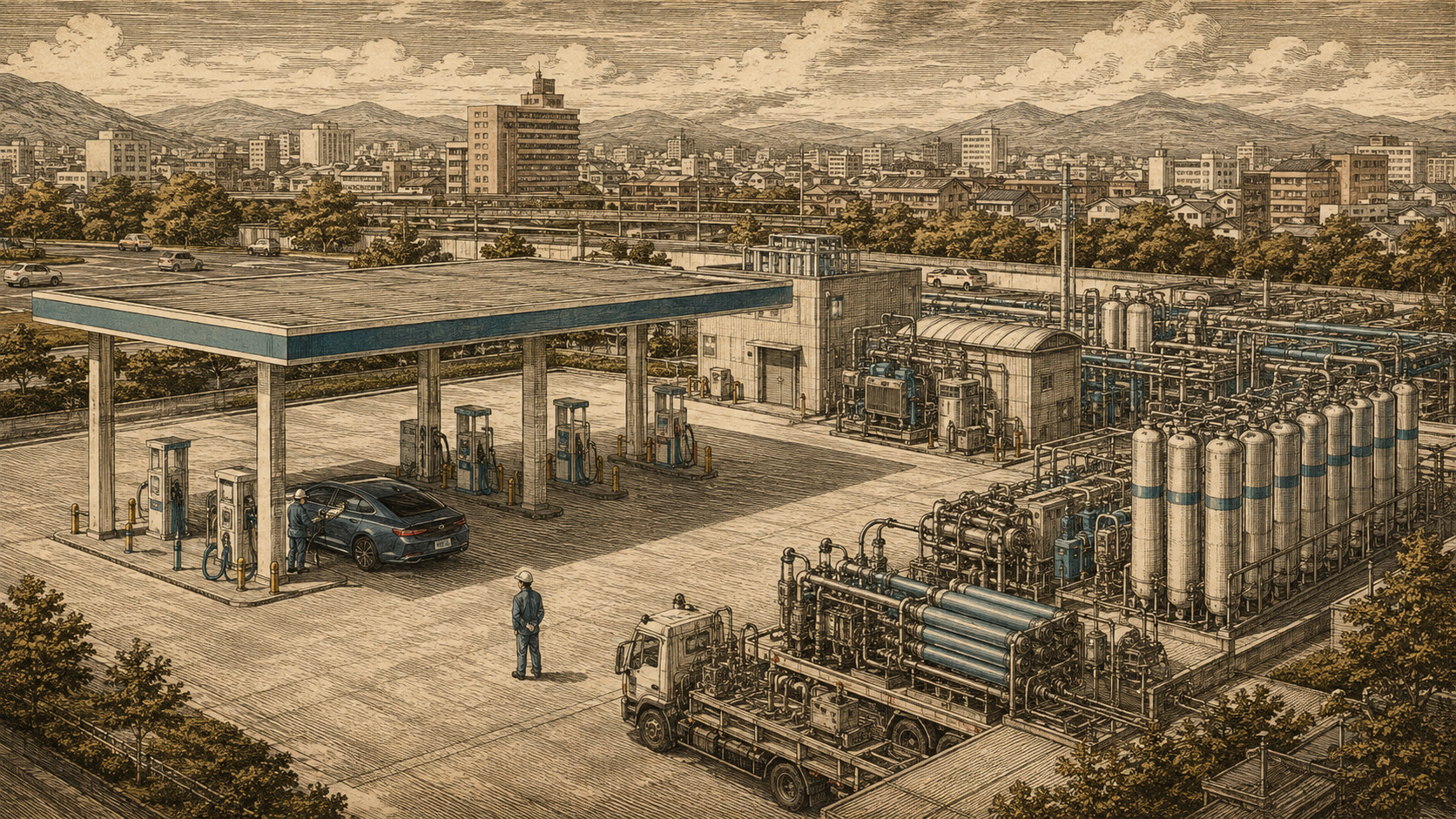
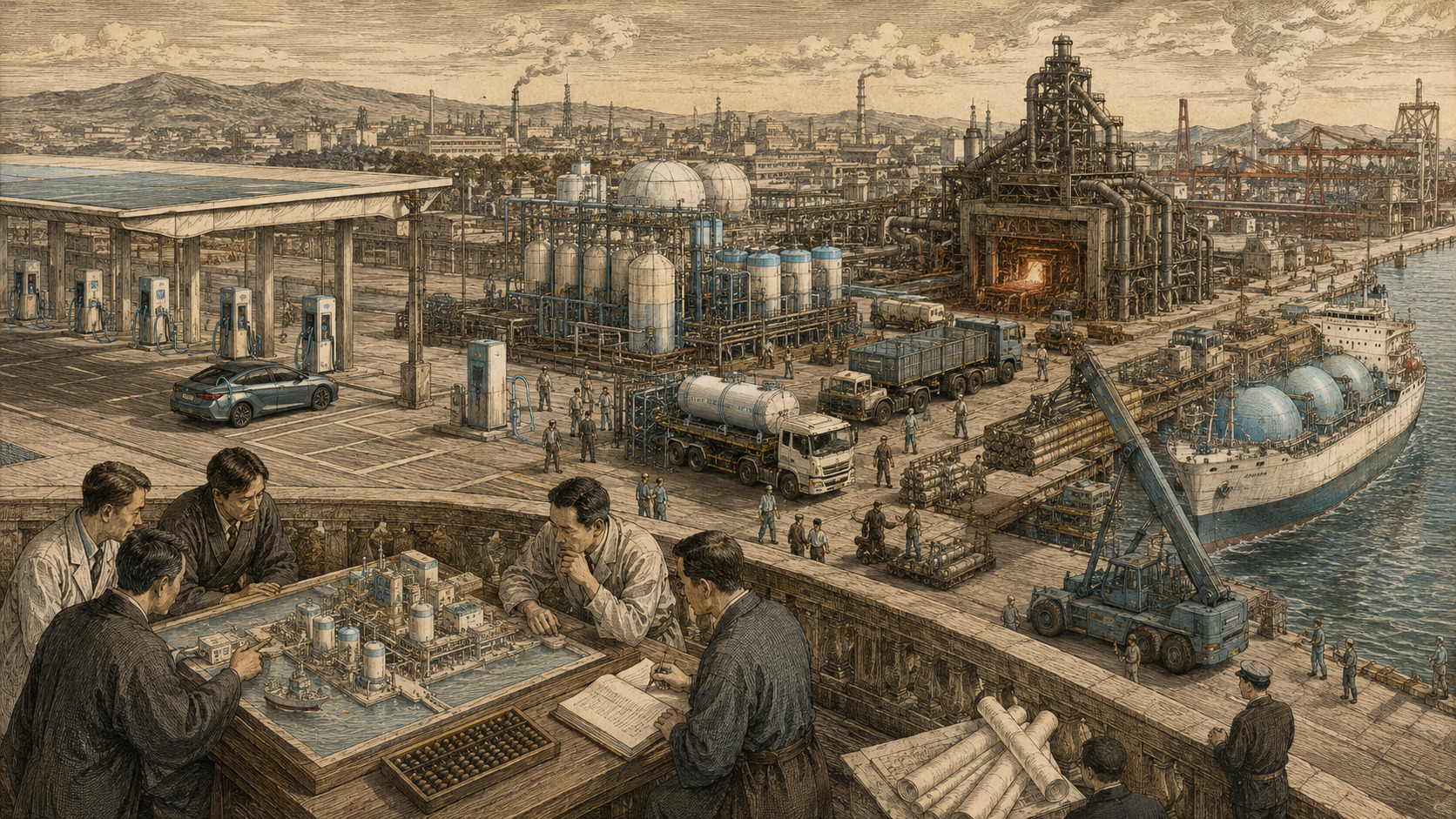
Iwatani Operates 52 Hydrogen Stations—So Why Is Refueling Still the Bottleneck?
Station count is only the beginning. Utilization, fixed costs, delivery, operating hours and vehicle density determine whether the network can move beyond demonstration economics.
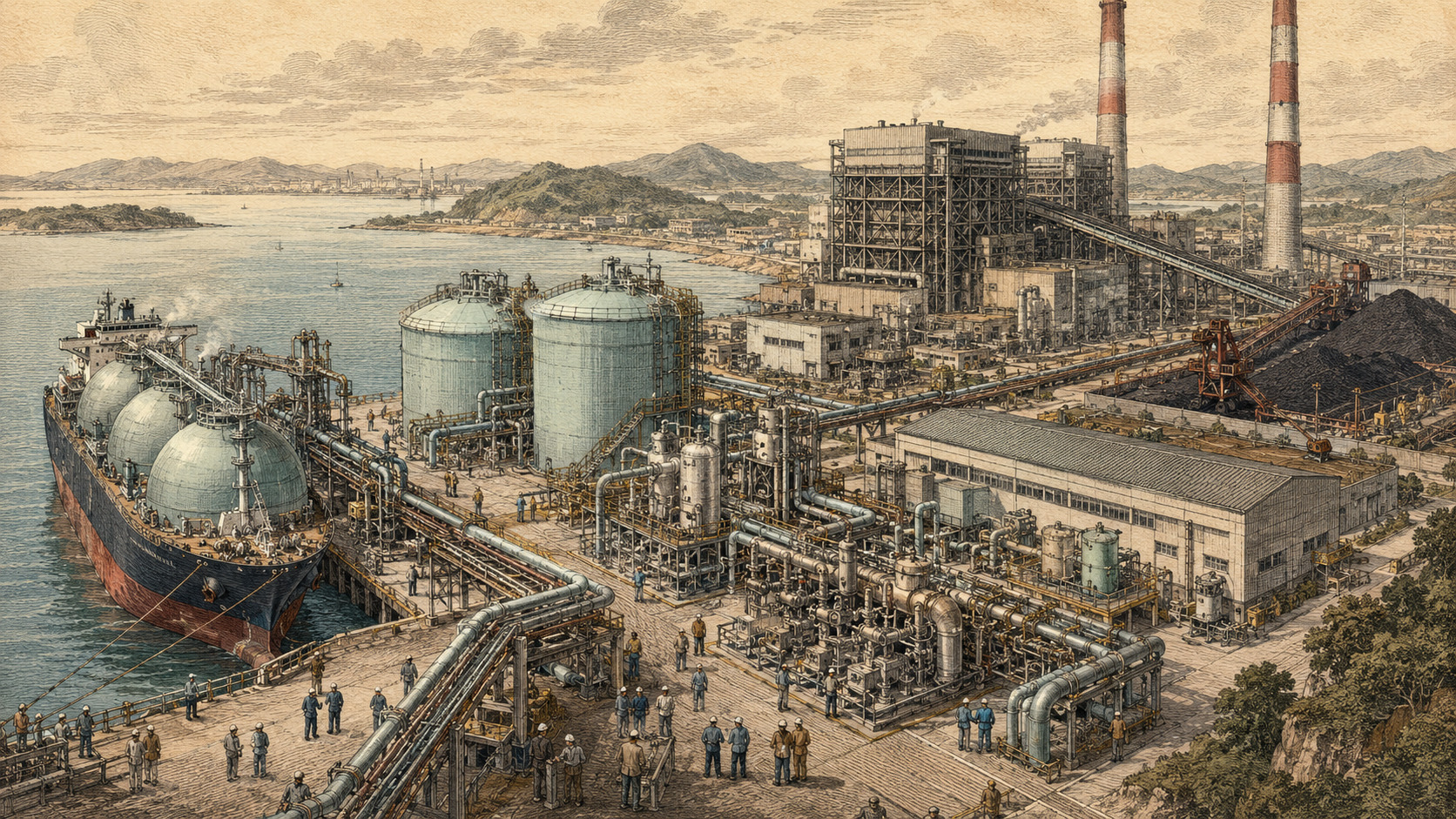
Hekinan Is Japan’s Test of Whether Hydrogen-Derived Ammonia Can Scale
JERA remains on track for commercial 20% ammonia co-firing in fiscal 2029, backed by long-term price support. Emissions, supply and cost will decide what “scale” means.
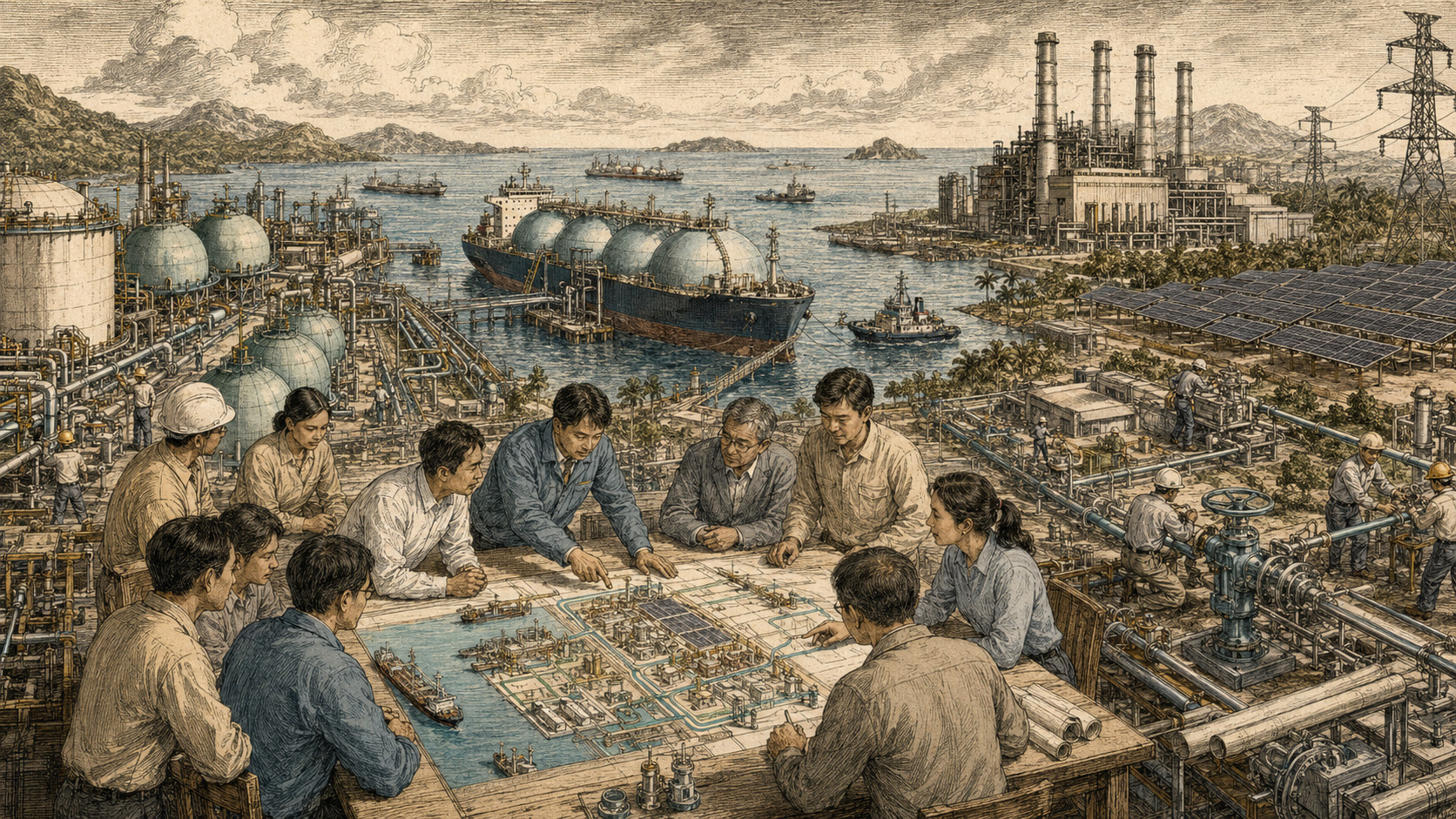
Japan Looks to Thailand for the Next Hydrogen and Ammonia Supply Chain
JERA and Thailand’s EGAT signed a June memorandum covering value-chain development, joining production, transport and power demand in a regional business and diplomacy story.
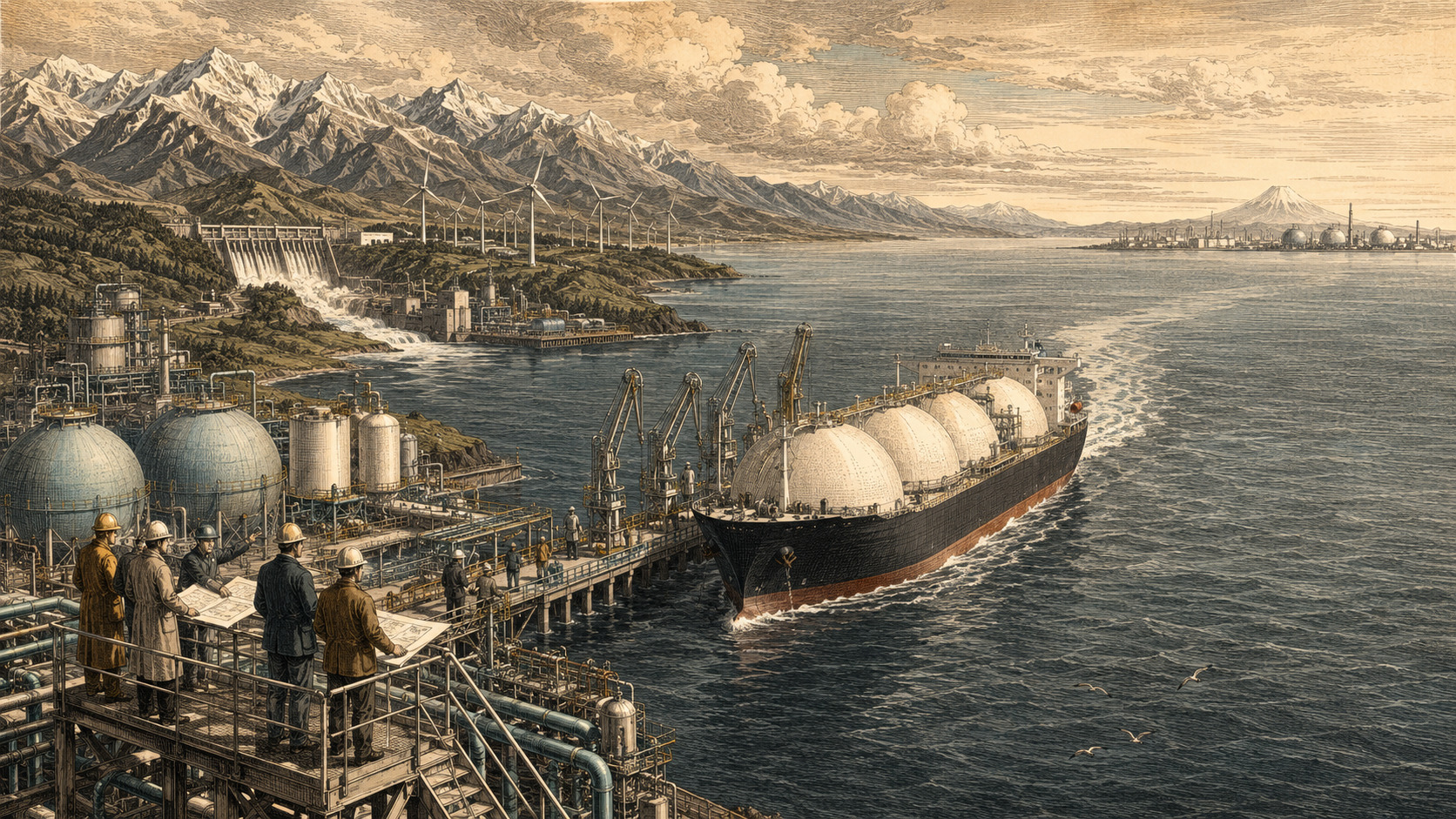
Japan and New Zealand Begin Designing a Hydrogen Corridor
Kawasaki, Obayashi and partners are studying commercial links between the two countries, including the ports, ships, contracts and certification behind an international supply chain.
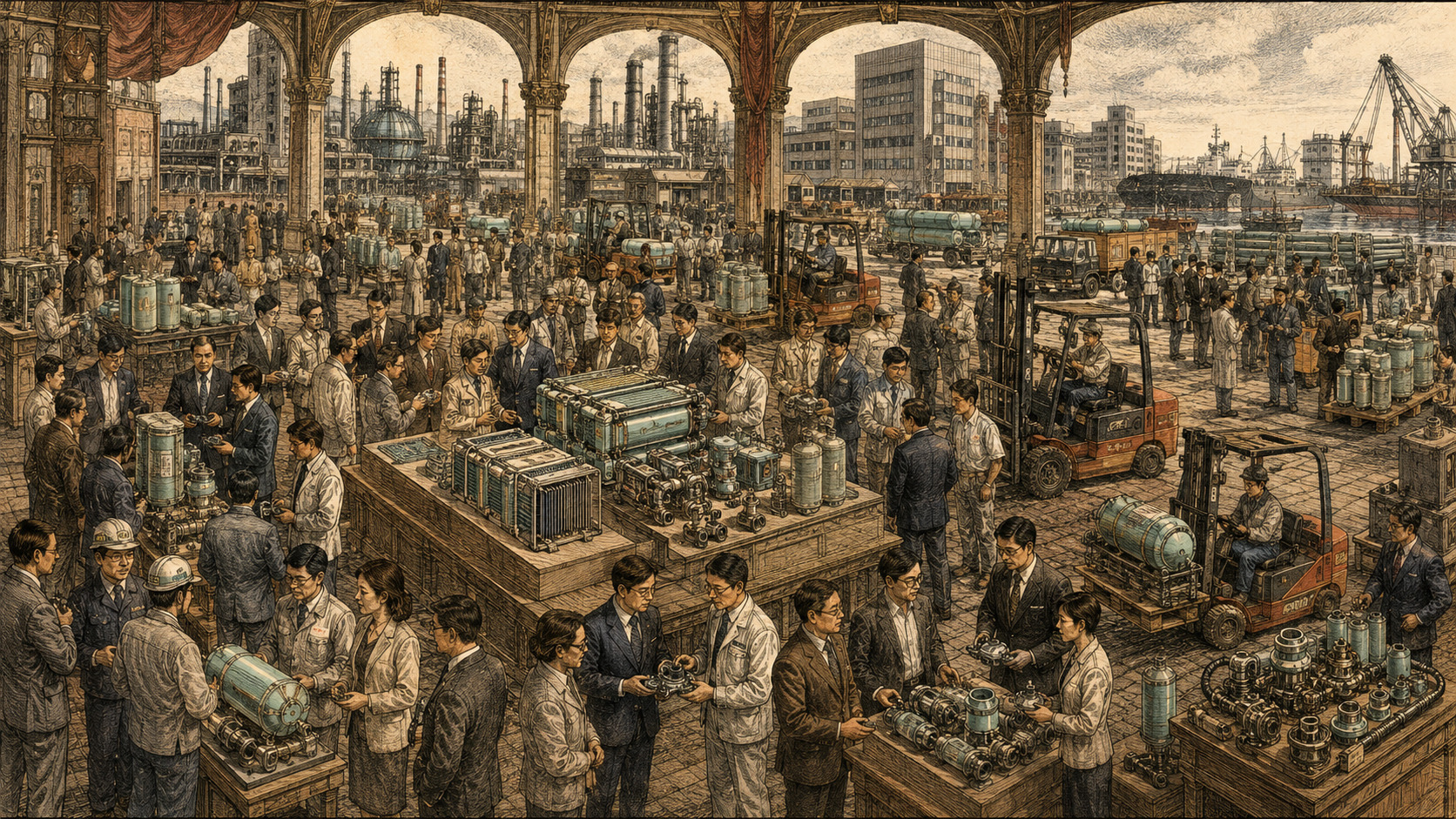
More Than 60 Japanese Organizations Pledge to Give Hydrogen 1% of Procurement
Buyers cannot purchase fuel without supply, and suppliers cannot build without buyers. A small, coordinated procurement pledge attacks hydrogen’s chicken-and-egg problem from the demand side.
Japan’s Hydrogen Reality Check: The Technology Works. Can the Economics?
Slow FCEV adoption, expensive refueling and high fuel prices explain Japan’s turn toward industry, trucks, shipping and clustered demand instead of an all-purpose passenger-car vision.
JR East and Iwatani Plan the Next Generation of Hydrogen Trains
The partners aim to turn HYBARI experience into 70-MPa storage and practical operation. Can hydrogen displace diesel on regional lines that are difficult to electrify?
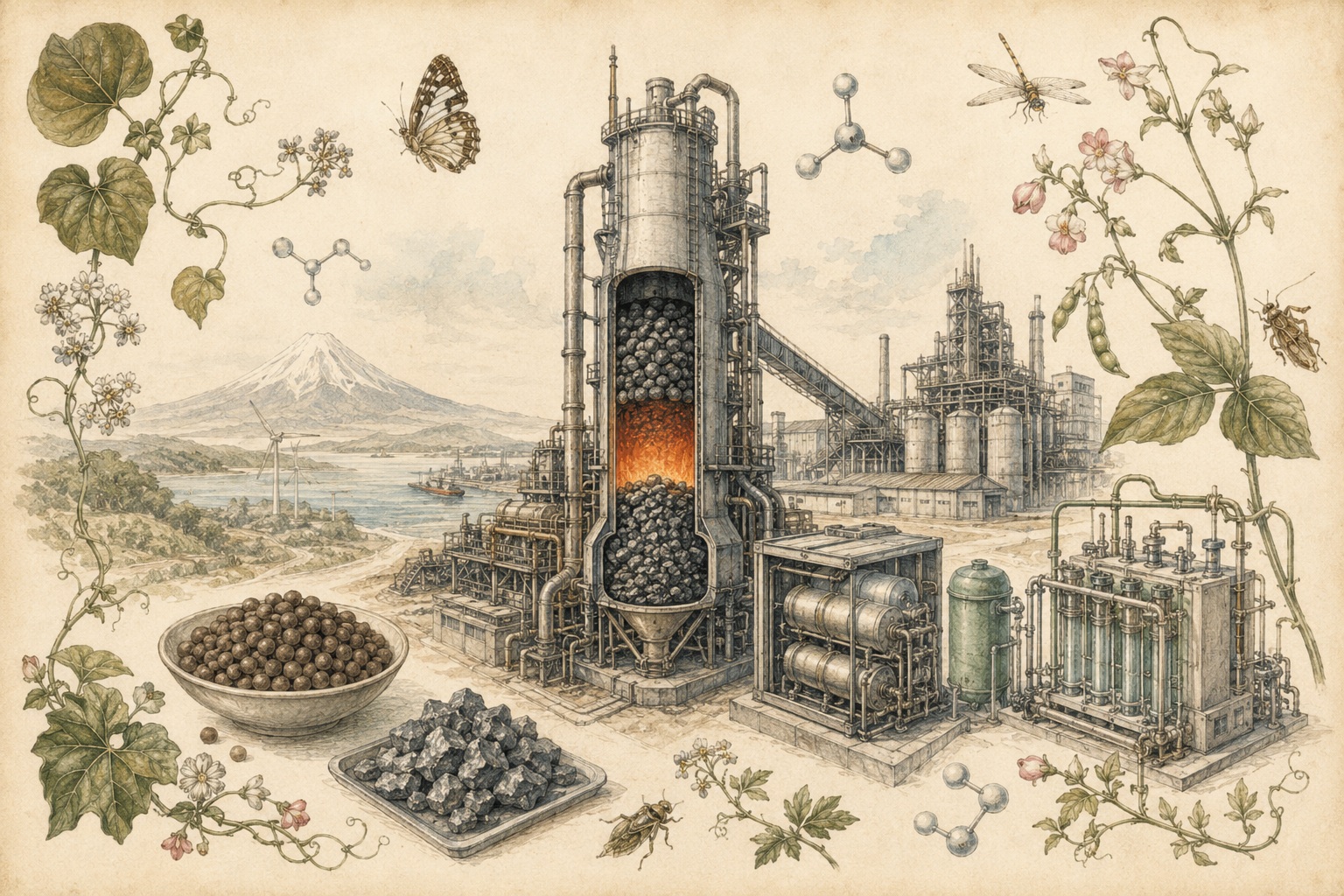
JFE Tests Green Hydrogen Direct-Reduced Iron in Chiba
Renewable hydrogen made in Yamanashi is transported to Chiba to reduce iron ore. The experiment asks whether hydrogen can replace coke in Japan’s steel transition.
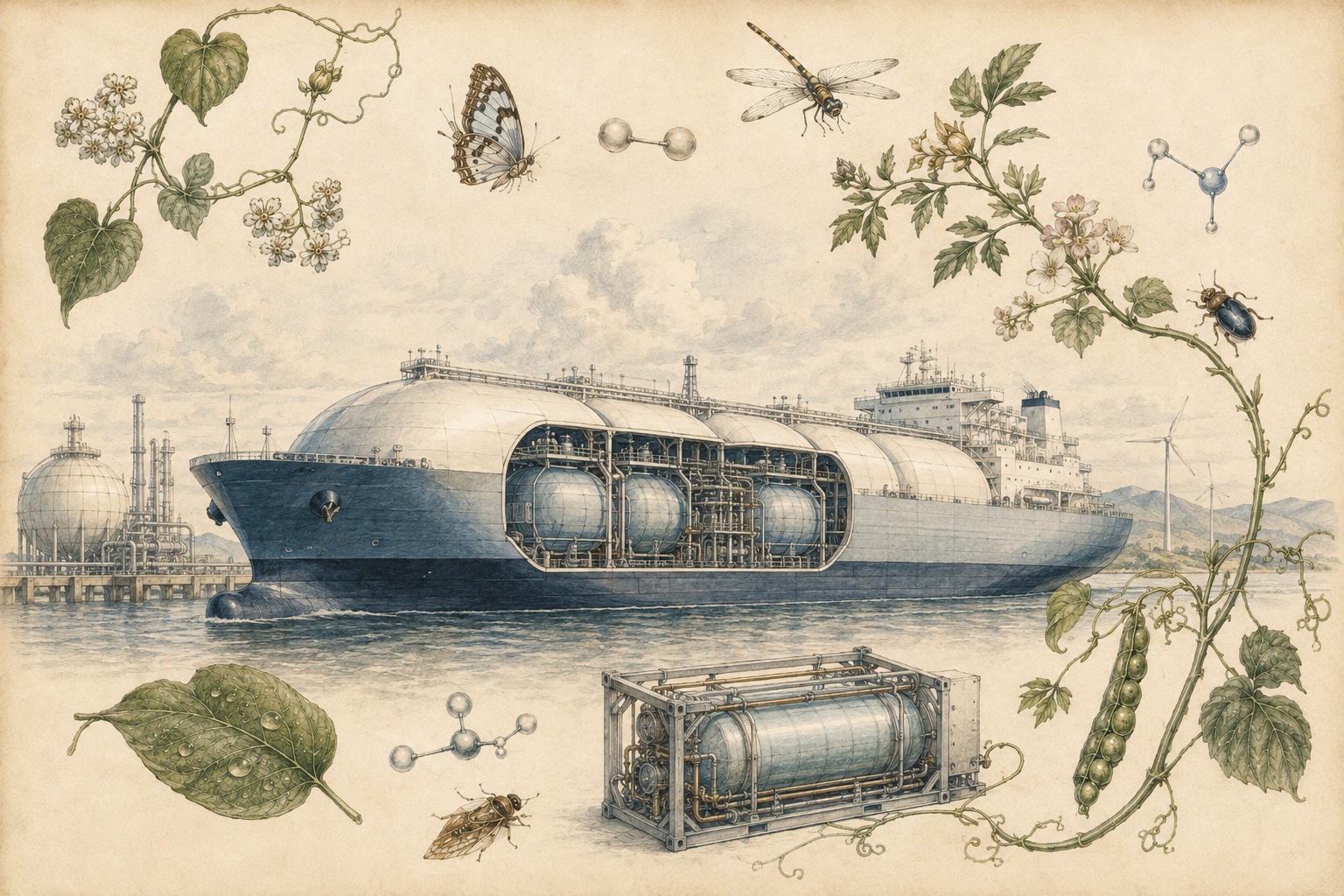
A 40,000-Cubic-Meter Liquid Hydrogen Carrier
A tank roughly 32 times the capacity of Suiso Frontier’s could turn liquid hydrogen into an internationally traded energy commodity—if cost and boil-off can be controlled.
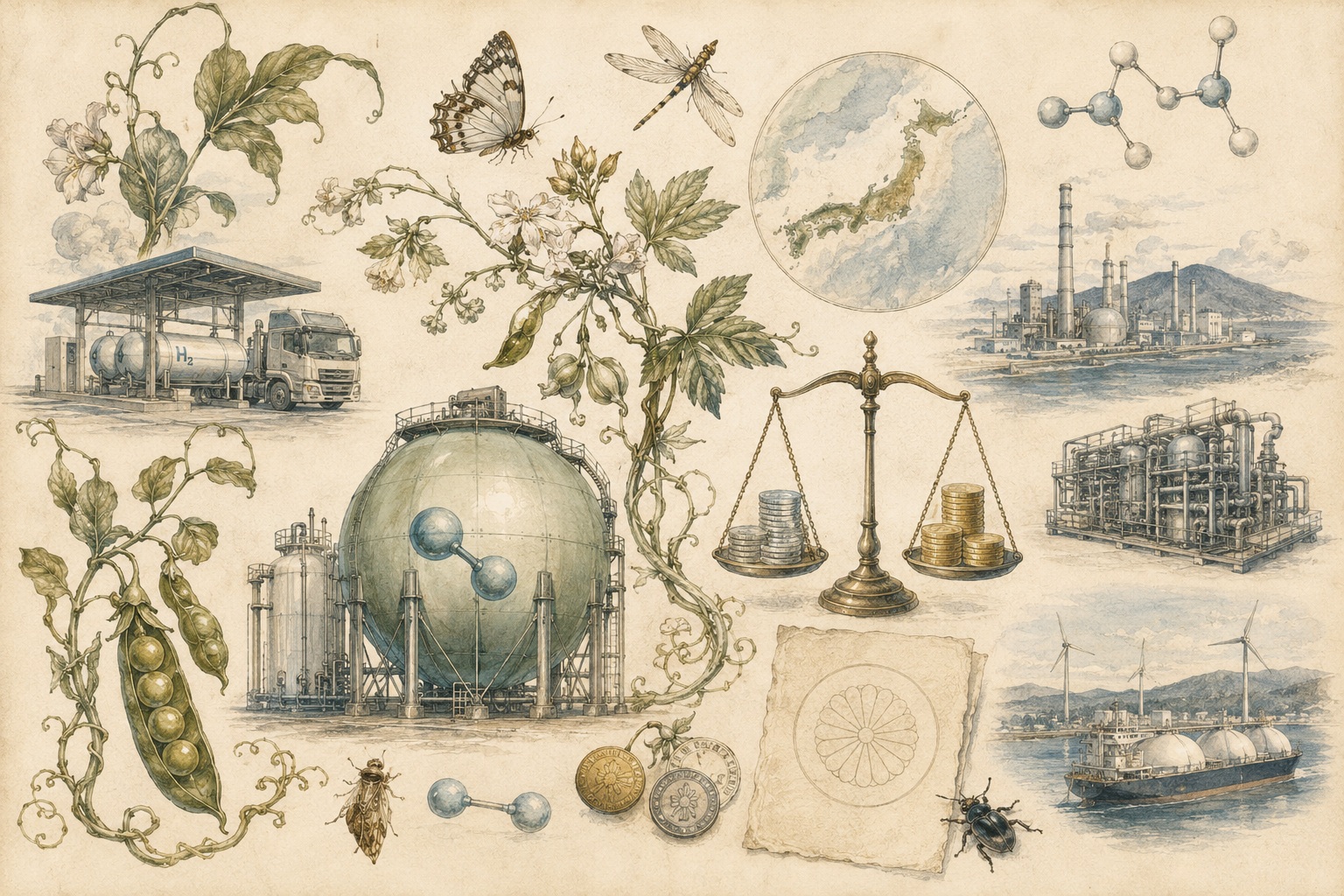
Can Hydrogen Walk Without Subsidies After 15 Years of Support?
Japan will support the gap between low-carbon hydrogen or ammonia and conventional fuel for 15 years. The real test is whether a market survives after the bridge.
20. Today’s Art Choice
Stradanus · Renaissance Theater of Invention

Today’s Art Choice: Stradanus and the Renaissance Theater of Invention
His Nova Reperta turned inventions, instruments, workshops, furnaces and complex production systems into intricate engravings. It lets us see electrolyzers, pumps, excavators, stations, ammonia plants and international supply chains as one industrial world built and operated by human hands.
