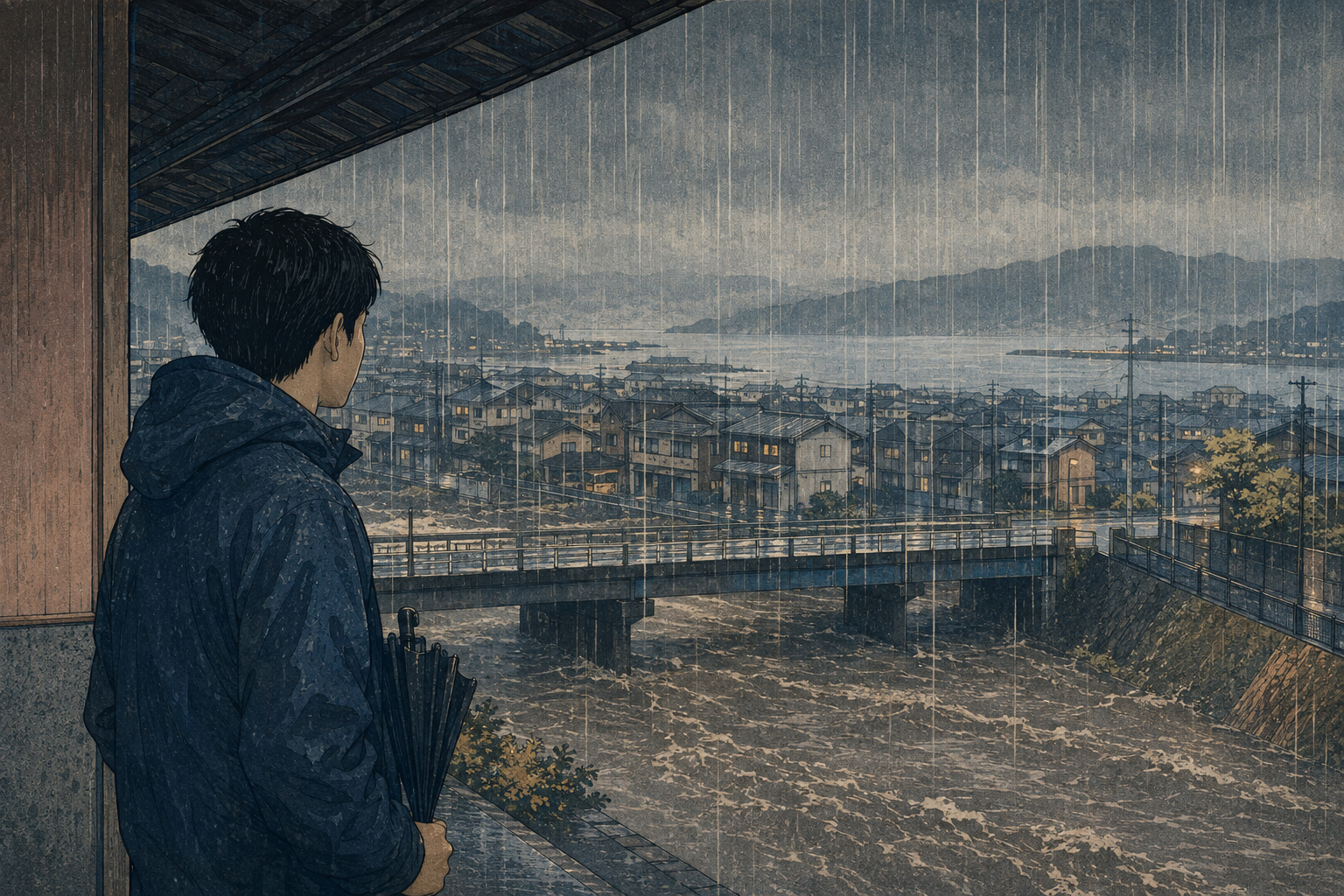
Himi’s Level 5 Emergency Ends; Danger Does Not
Updated Aug. 27 at 9:25 p.m. JST
Himi recorded 358.0 millimeters in 24 hours, an all-time station high. Four communities were partly isolated, while flooding, outages and road damage were reported. The Level 5 warning ended, but warning-level rain could return by Friday morning.
Read the breaking report →Four Stories to Read First
Toyama rain, coral refuges, Kyoto sento, Hashiguchi Goyō
Fifteen New Reports
Five desks · Three stories each · 02–16
Business & Work
Business & Work · 02–04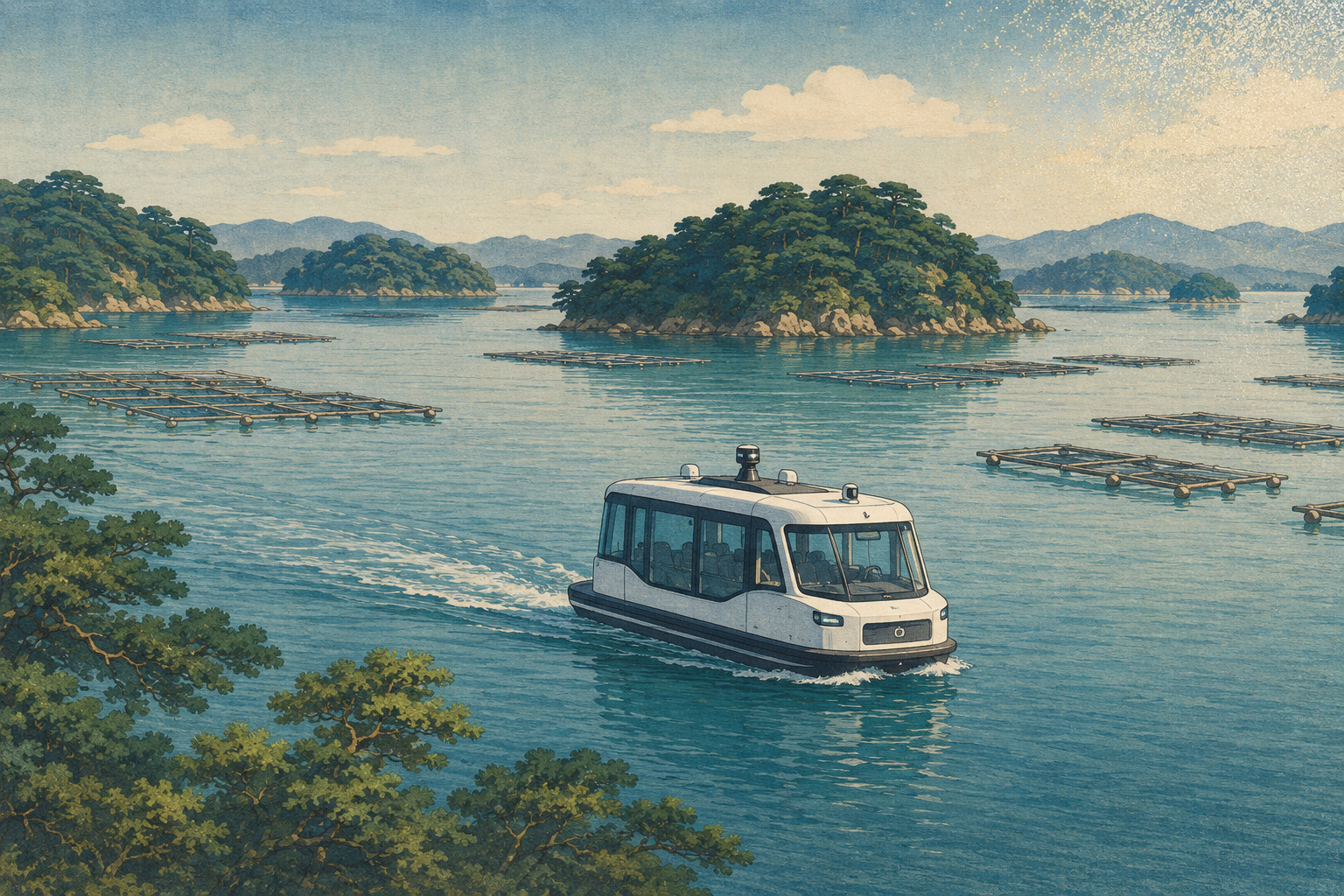
Before a Boat Can Navigate Ago Bay, the Bay Must Be Read
A Shima-backed project will survey the conditions an autonomous system may one day have to understand: islands, pearl rafts, fishing traffic and passenger routes. It is groundwork, not the launch of a driverless service.
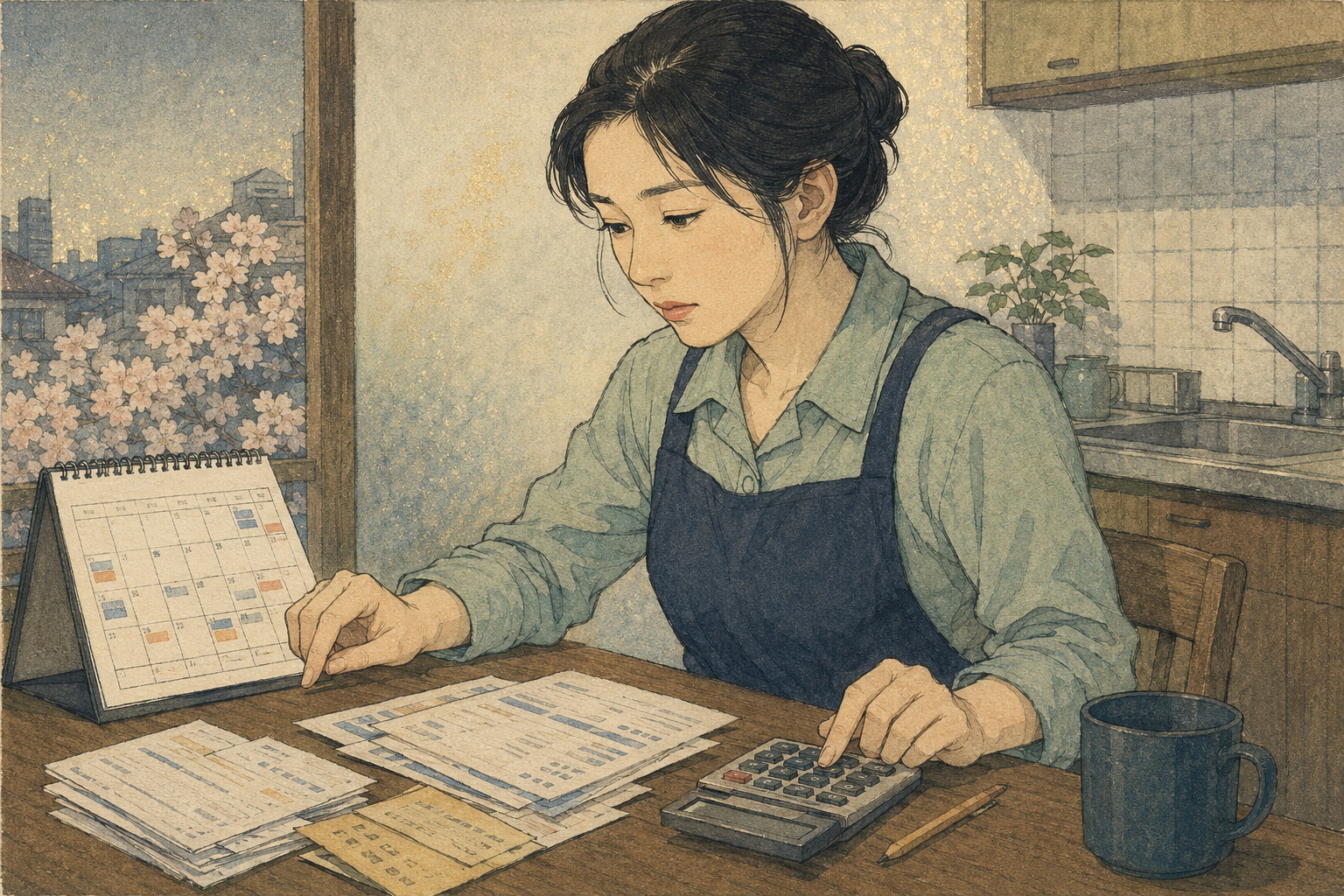
Half Would Work More—If More Work Did Not Cut Take-Home Pay
Of 1,630 married women in part-time work, 380 said they were deliberately limiting work. Among that narrower group, 50.9% would add hours if the loss disappeared. Japan’s tax and social-insurance walls are not one rule.
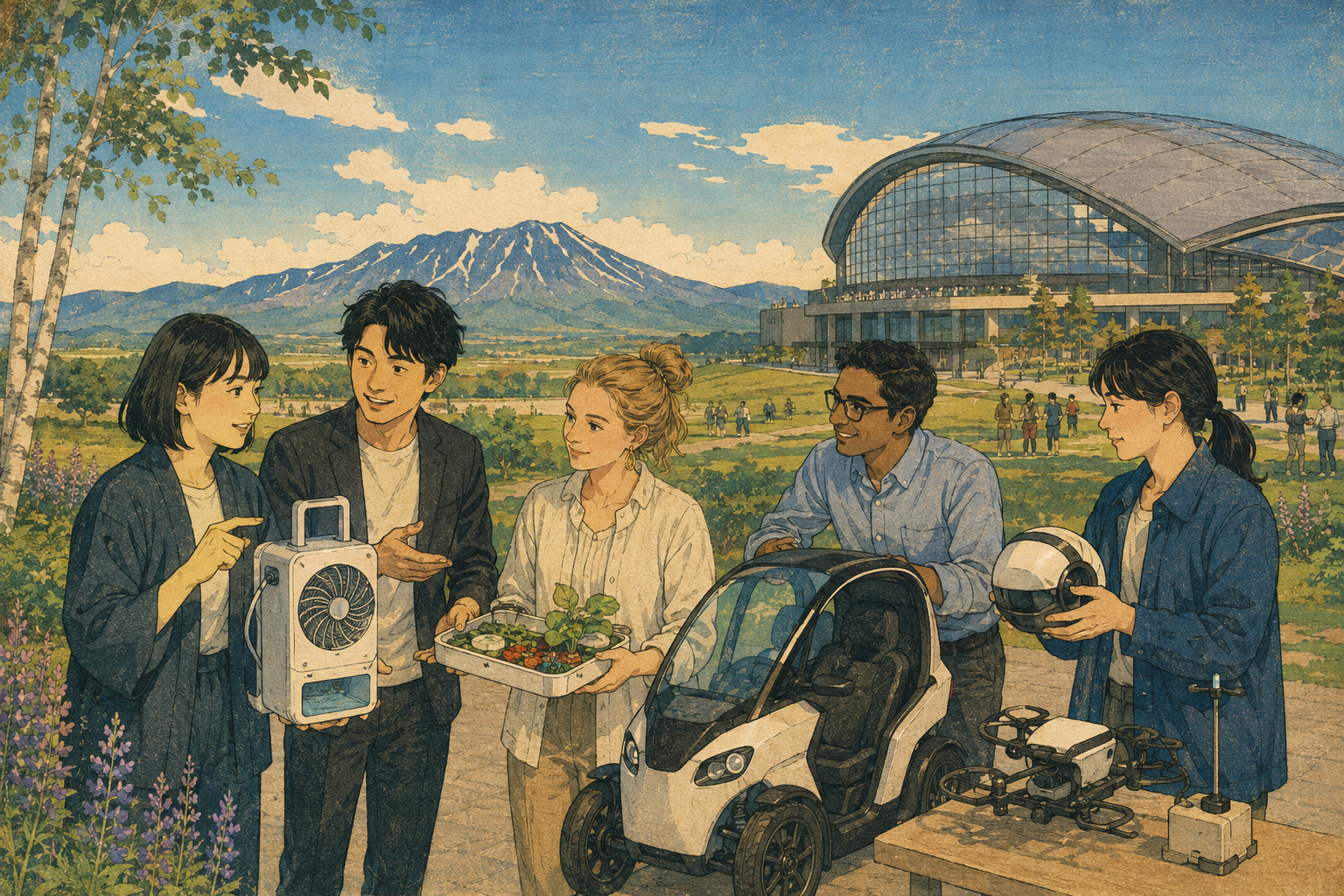
Eight Startups, One Living Laboratory
Hokkaido F Village X selected eight companies from 245 applicants across 36 countries. Their work spans transport, food, heat, fire and resource recovery. Selection begins a six-month co-creation phase; it does not establish deployment.
Universities & Research
Universities & Research · 05–07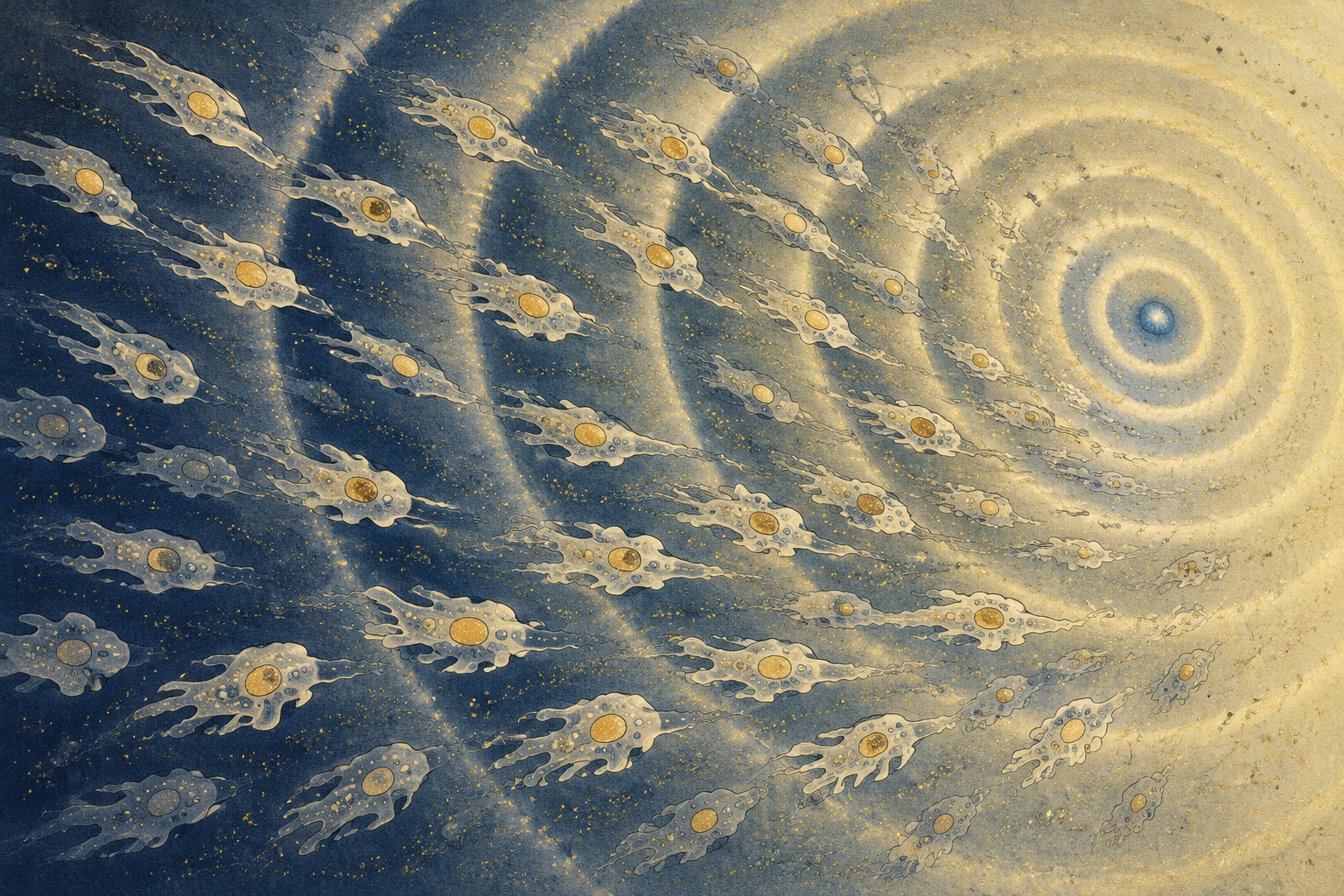
Starving Cells Wait for the Wave
Food-deprived social amoebas move toward each approaching cAMP crest, then lose direction after it passes. A four-university team mapped the transition across roughly fifteen hours—using one colony observed once.
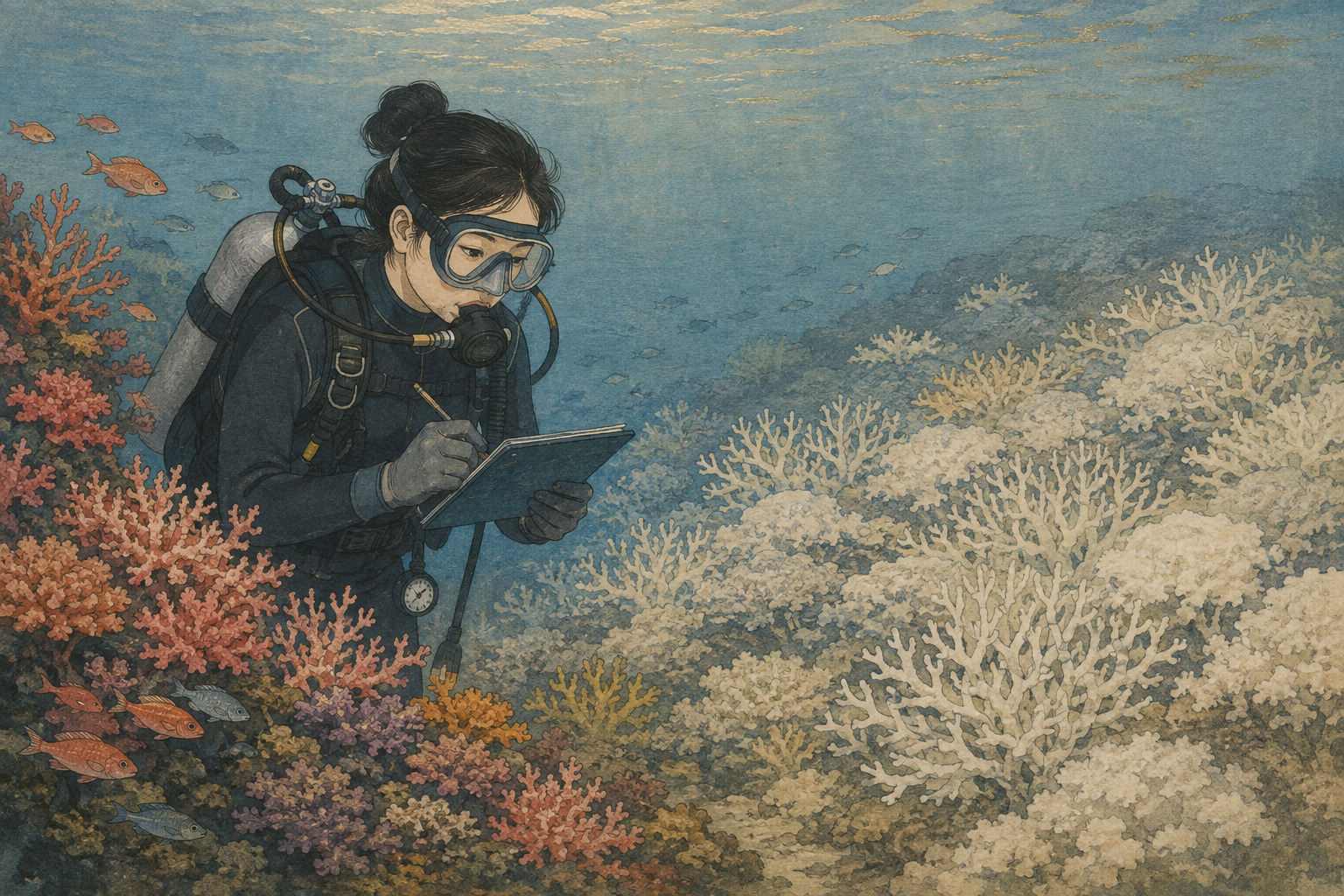
The Summer Japan’s Coral Escape Route Overheated
Heat stress crossed a major danger threshold at all eight Japanese coastal sites in a new study, and bleaching appeared at seven. Cooler northern water is still part of the refuge story—but latitude alone did not provide safety.
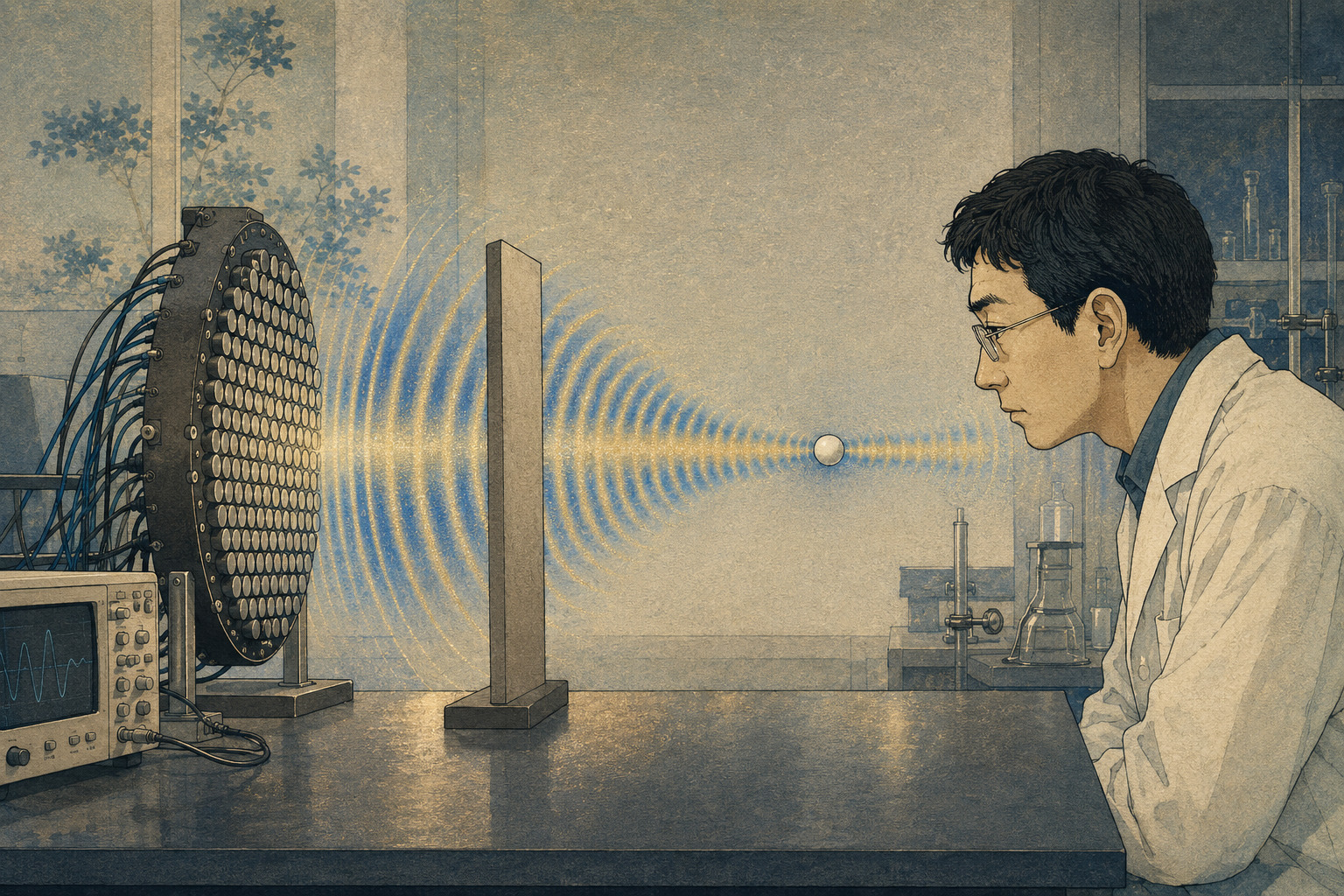
The Ultrasonic Beam That Rebuilt Itself
A Japan–UK team held a 1.5-millimeter bead in the strong core of a Bessel beam, reaching 397 millimeters with one-sided ultrasound and maintaining levitation beyond an obstacle. It remains a laboratory result with an exceptionally light object.
Life & Society
Life & Society · 08–10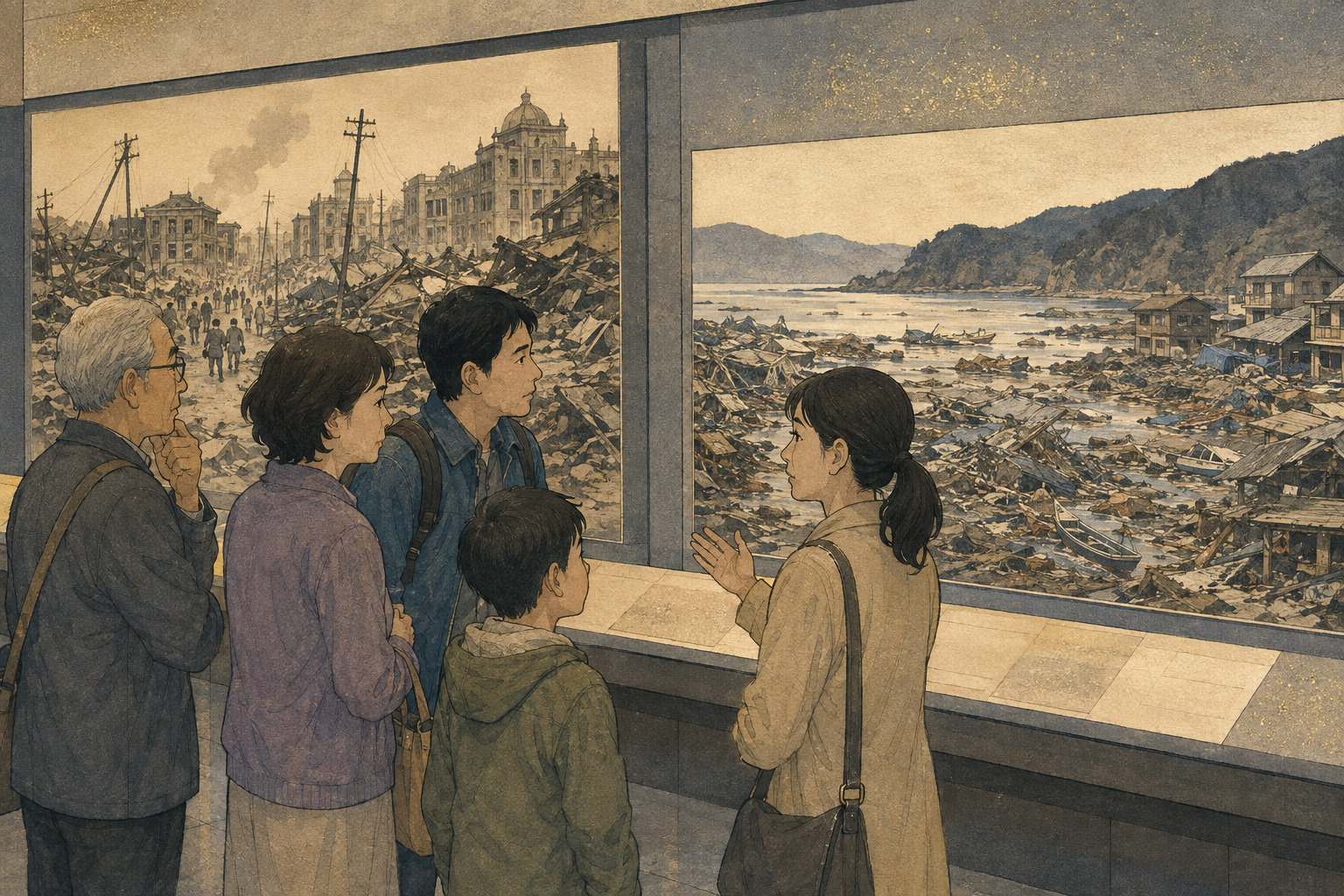
What Two Great Earthquakes Ask of the Living
An Ishinomaki museum will place the 1923 Great Kantō Earthquake beside the 2011 Great East Japan Earthquake. The disasters differ sharply; the exhibition’s real test is whether memory changes a home, workplace or neighborhood.
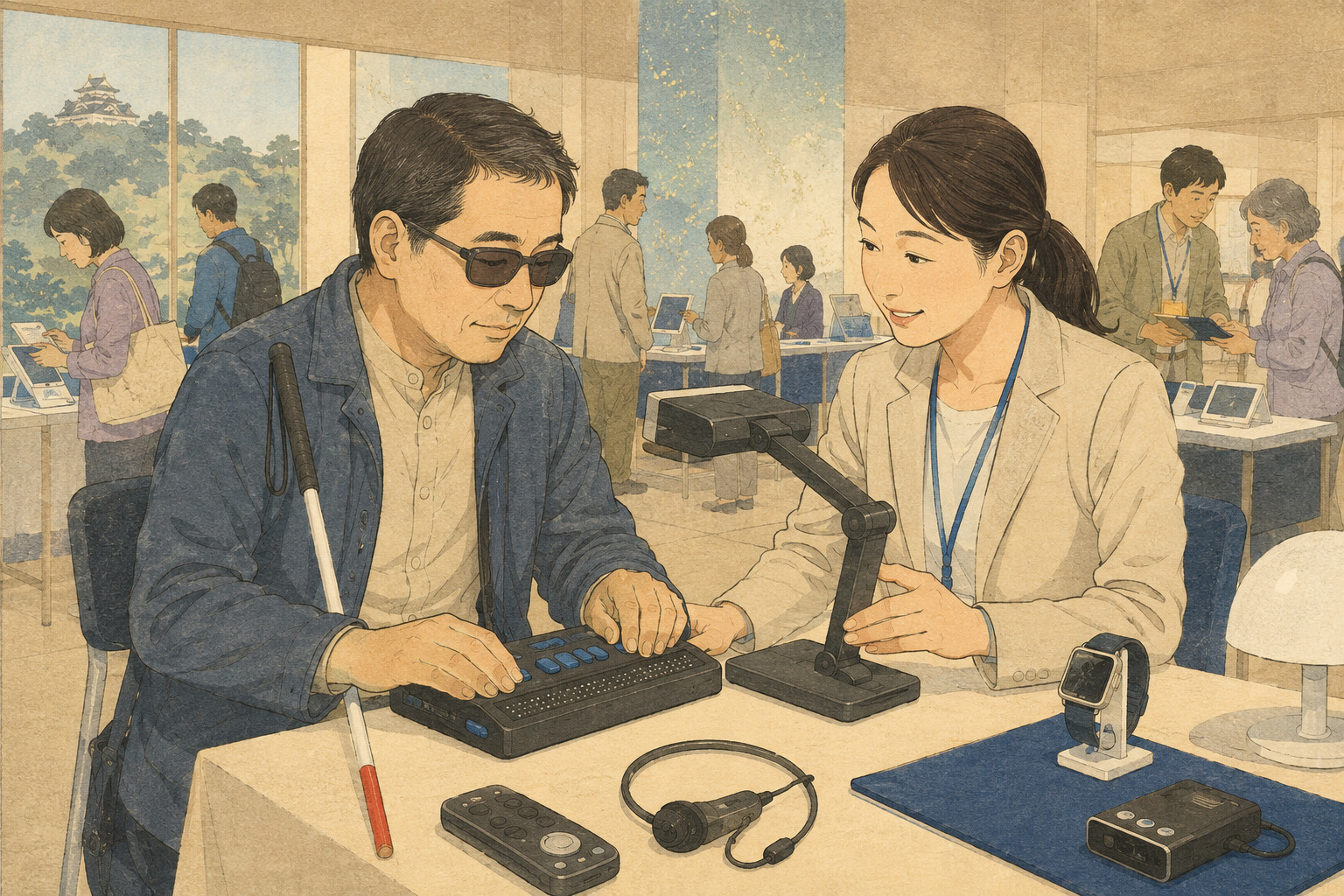
The Assistive Technology You Have to Touch
Sendai’s Eye Eye Welfare Equipment Fair brings devices from seventeen companies together with fourteen support groups. Magnification, speech, Braille, canes and remote guidance can be tested as combinations rather than as competing gadgets.
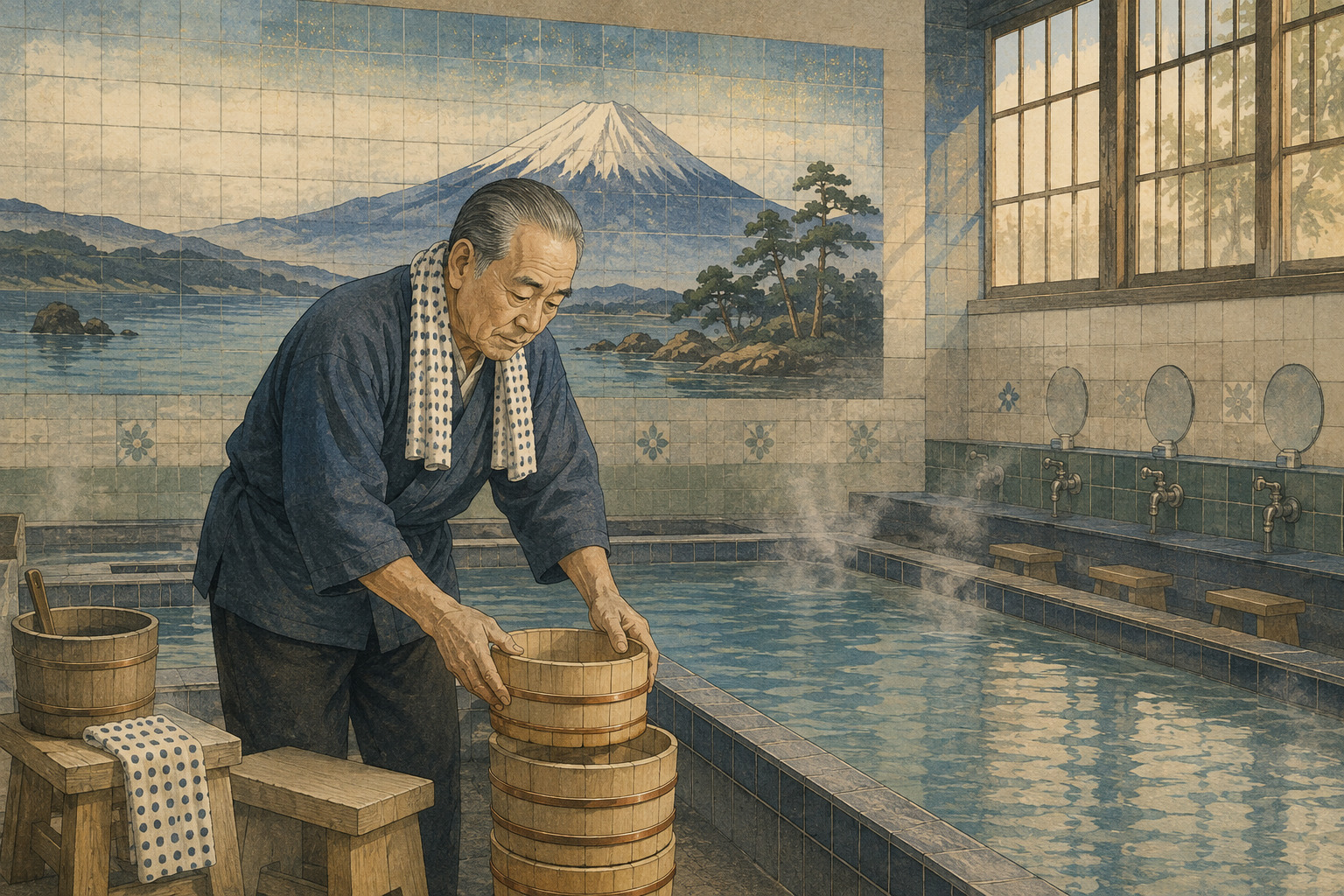
Who Pays to Keep Kyoto’s Baths Warm?
Kyoto’s operating sento fell from 187 to 87 in fifteen years. A ¥550 admission ceiling, boilers, labor, succession and disaster value all lead to one question: who funds a public benefit delivered by small private businesses?
Sports
Sports · 11–13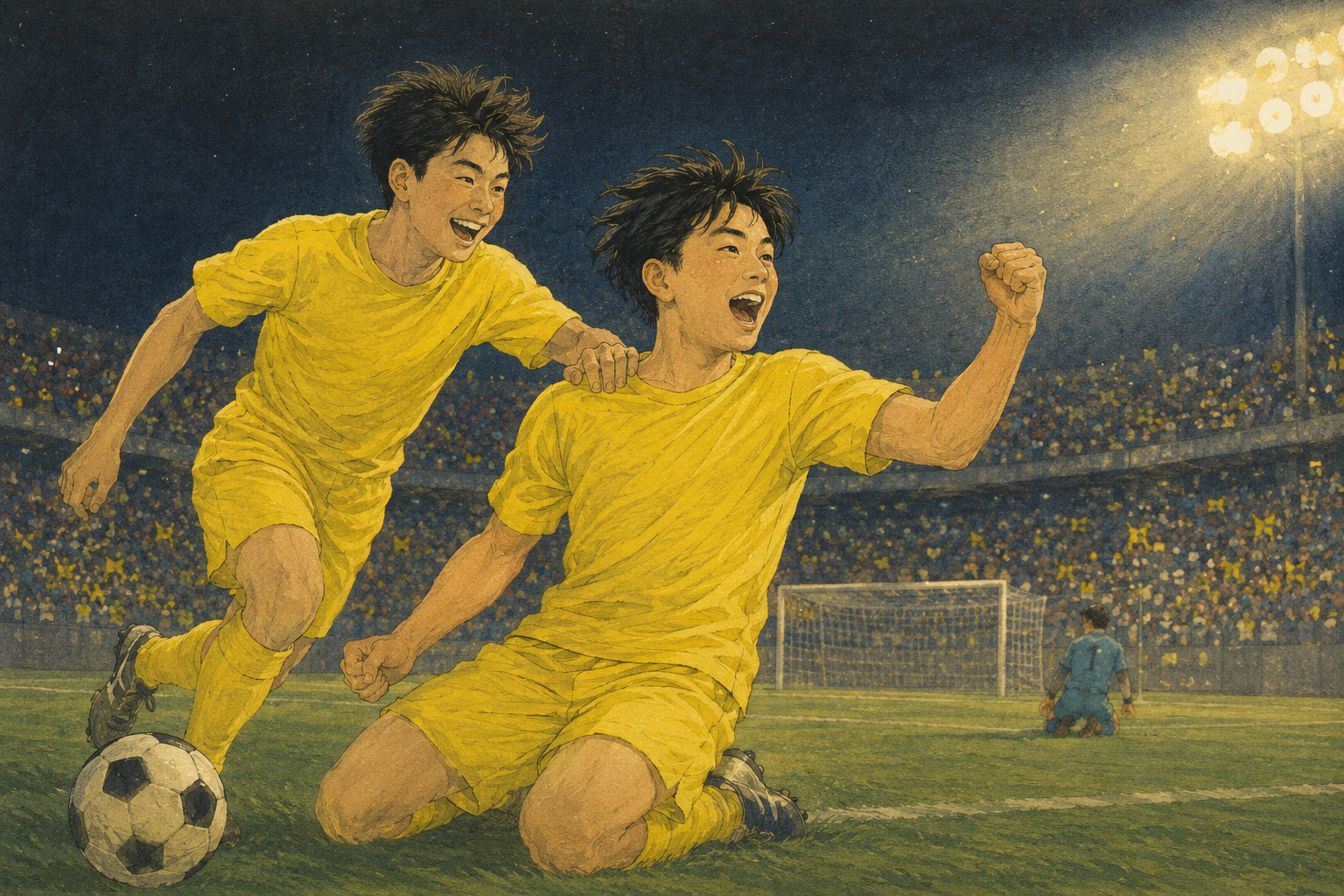
The Club Record That Lasted 83 Minutes
Kaiji Chōnan started at 17 years, four months and 19 days, supplied an assist and scored the winner. In the 83rd minute, 16-year-old Ryo Igarashi entered and made Kashiwa Reysol’s competitive-appearance record younger again.
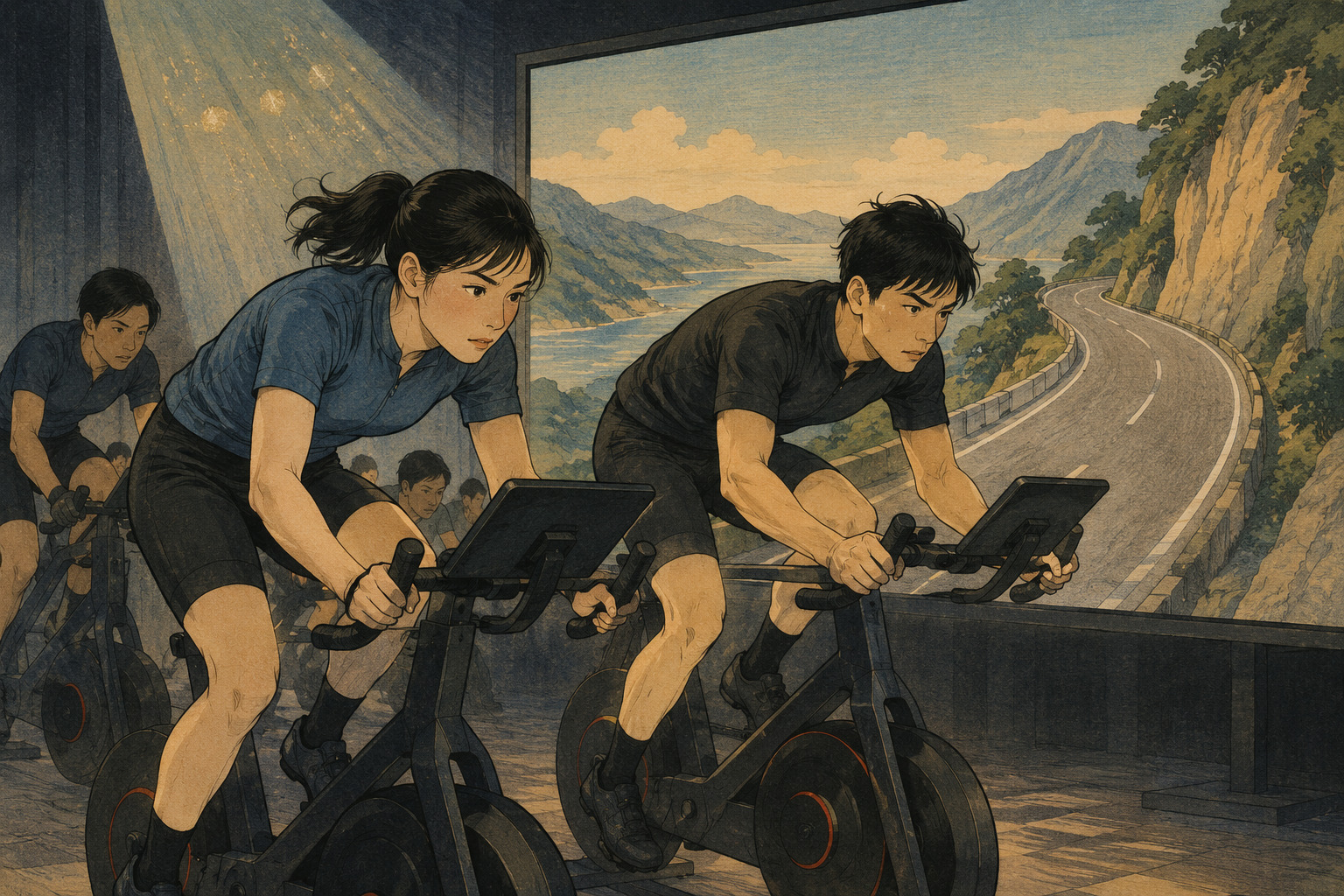
The National Champions Who Went Nowhere
Junsei Honda and Yuka Yamamoto won the first federation-sanctioned Japanese cycling esports titles. Fixed bicycles, body data, smart trainers and virtual roads turn a national championship into a test of measurable trust.
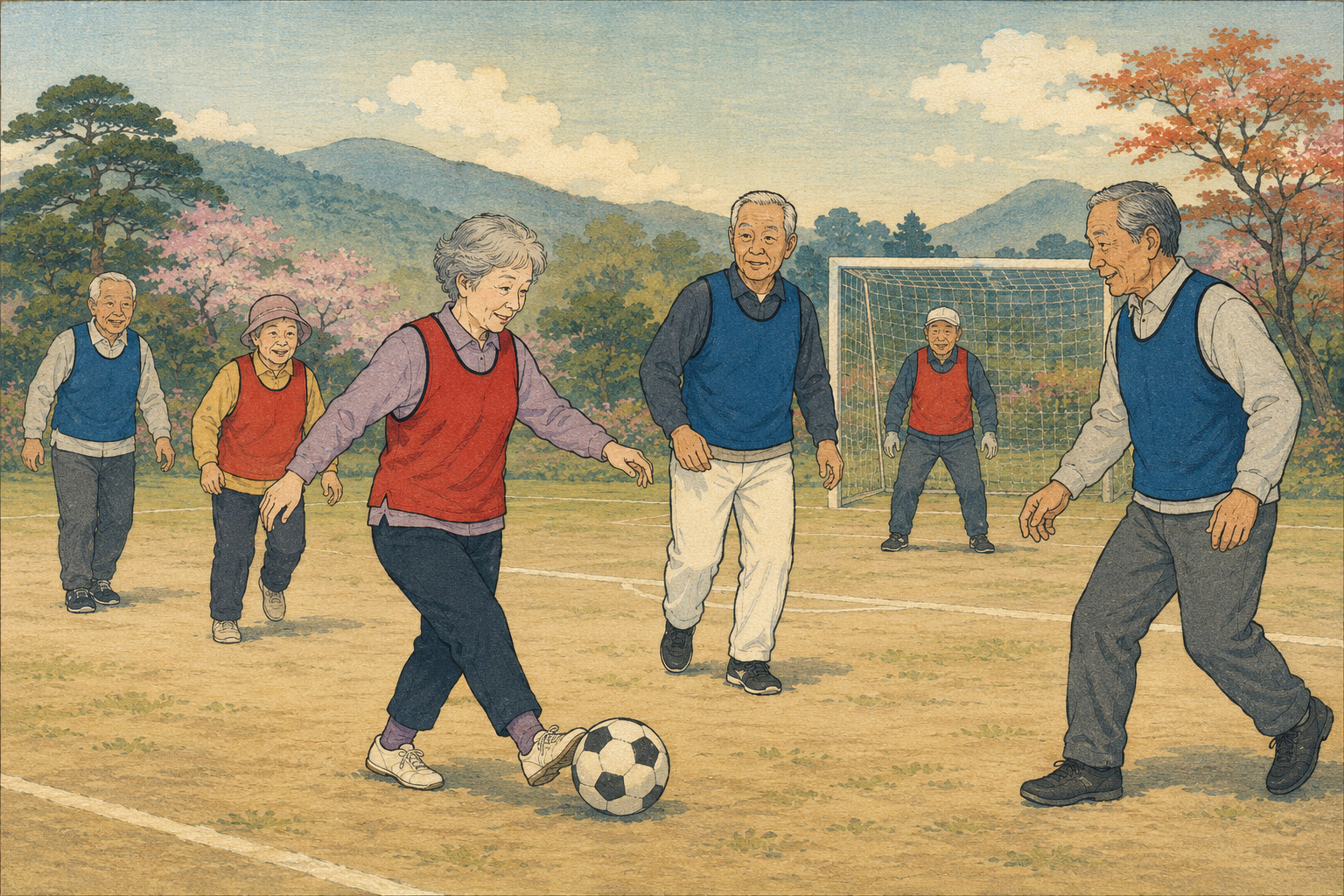
The Game They Thought They Had Lost
JFA’s Shizuoka competition invites men 50 and older and women 40 and older into a six-a-side game where running is an offense. Walking is not automatically safe; the deeper test is whether play continues after the reunion.
Music & Culture
Music & Culture · 14–16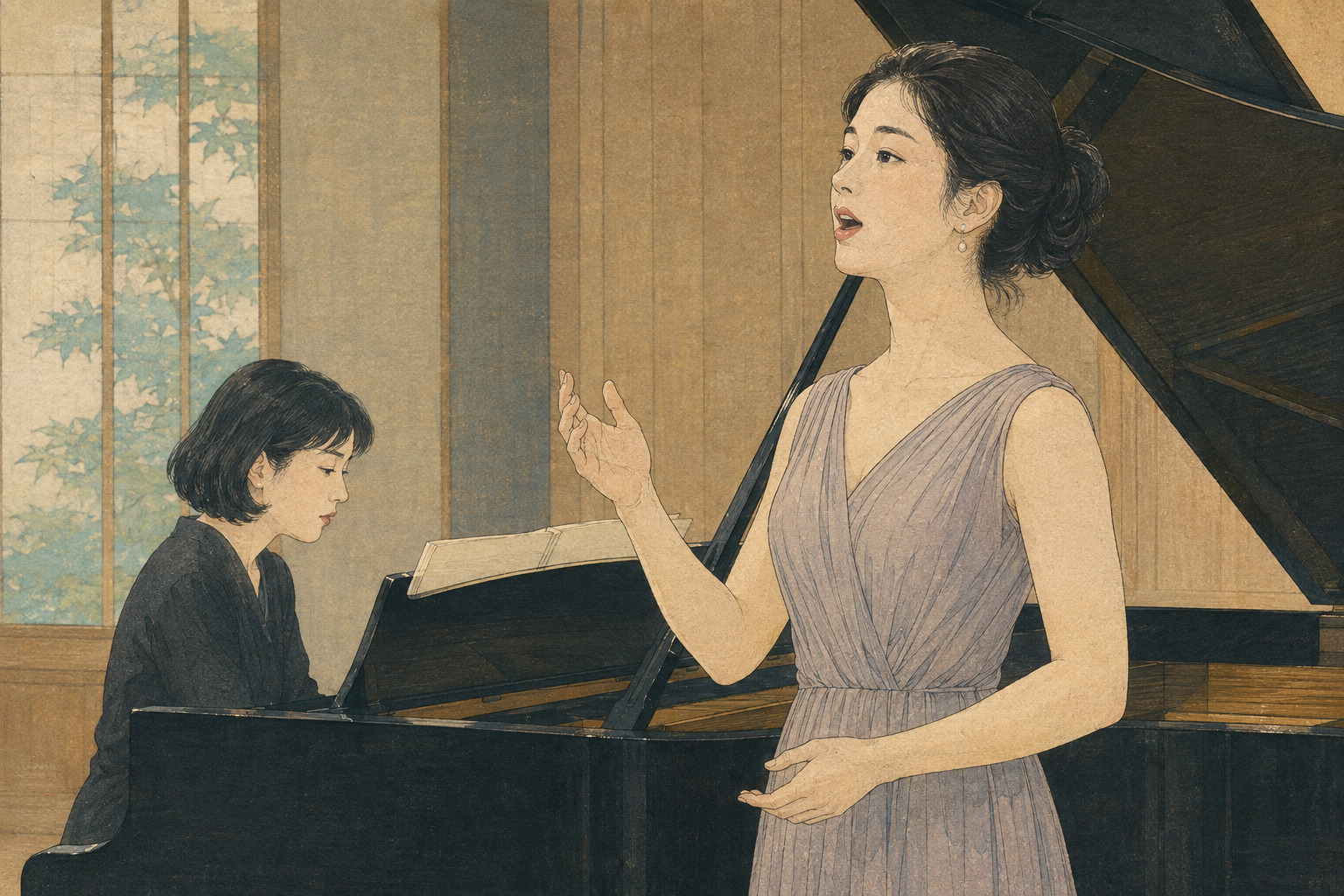
Sixteen Ways Back to Takemitsu
Thirty years after Toru Takemitsu’s death, soprano Yuma Kumaki makes her recording debut with sixteen songs. Conductor Kazuki Yamada moves to the piano bench, approaching the composer at human scale rather than as a monument.
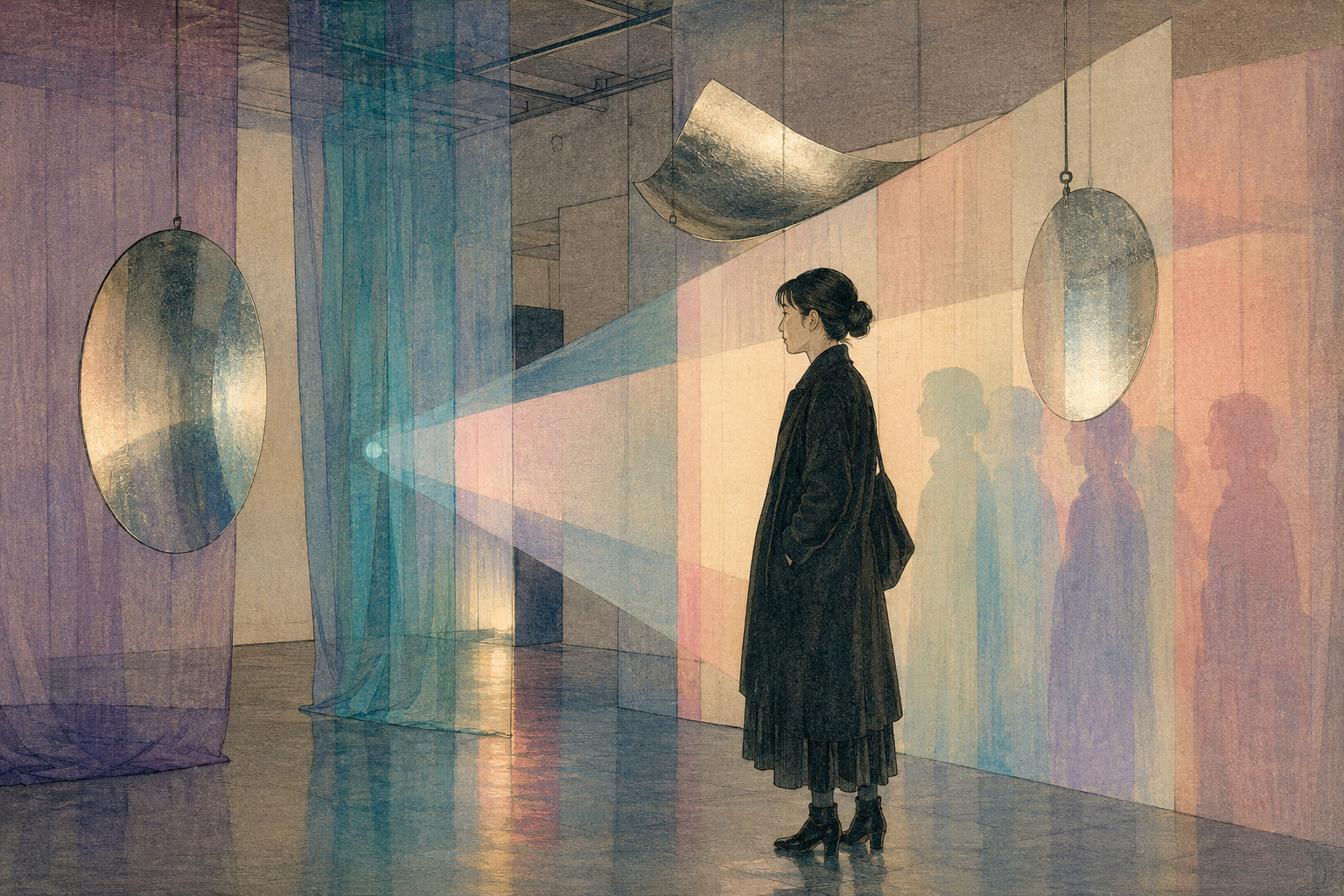
What Remains After Light
Shinya Imanishi, Yuka Shimura and Teppei Kaneuji use accumulated paint, optical material and reassembled objects to ask what light changes after it has already passed through perception.
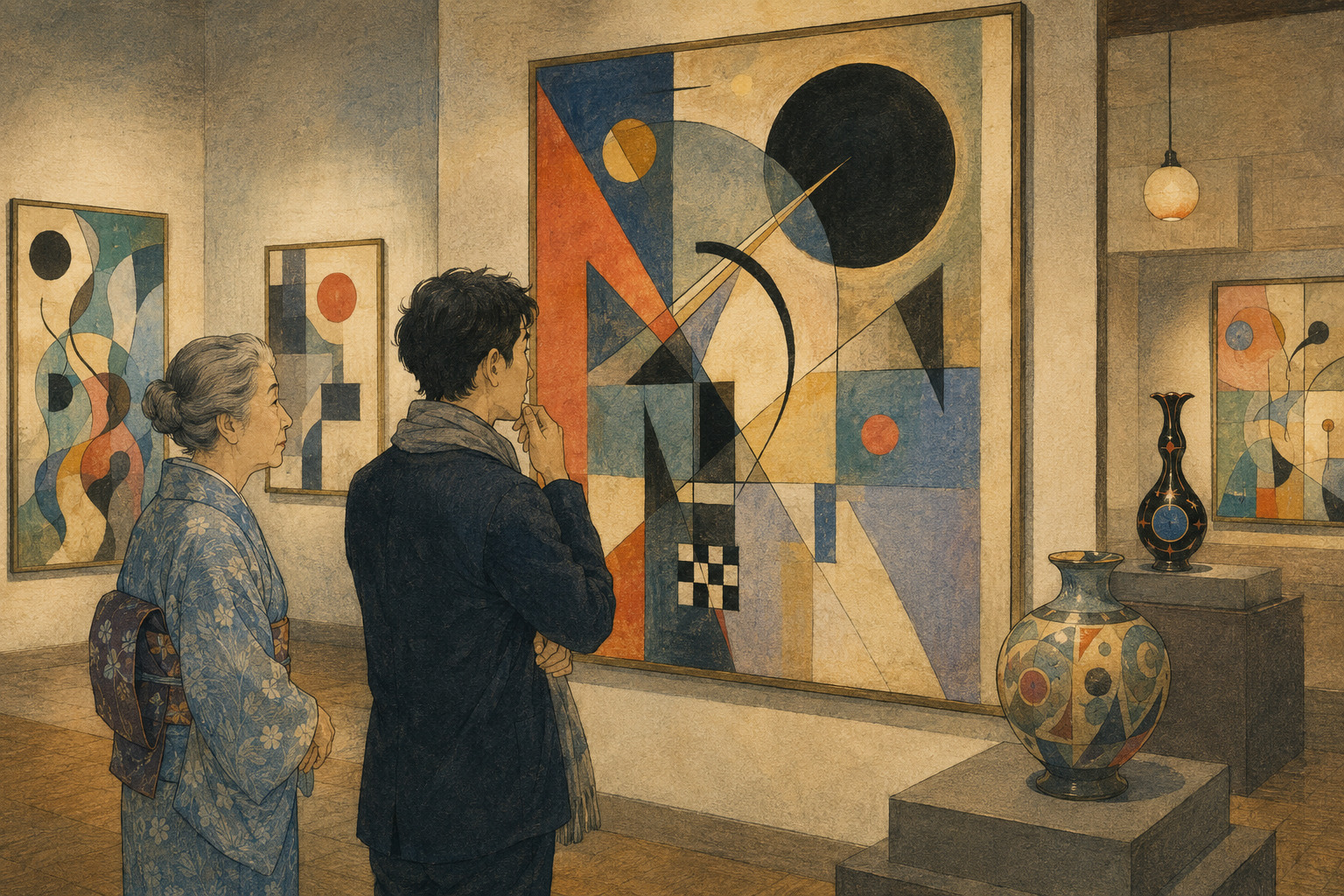
A Country’s Collections Rebuild Kandinsky’s Restless Century
The Miyagi Museum of Art places Kandinsky among the Blue Rider circle, books, portfolios, a Bauhaus chair and Japanese responses. Modernism appears as something carried, taught, translated and changed.
Three From the August 27 Edition
Women founders, nanometal, Okinawan Obon
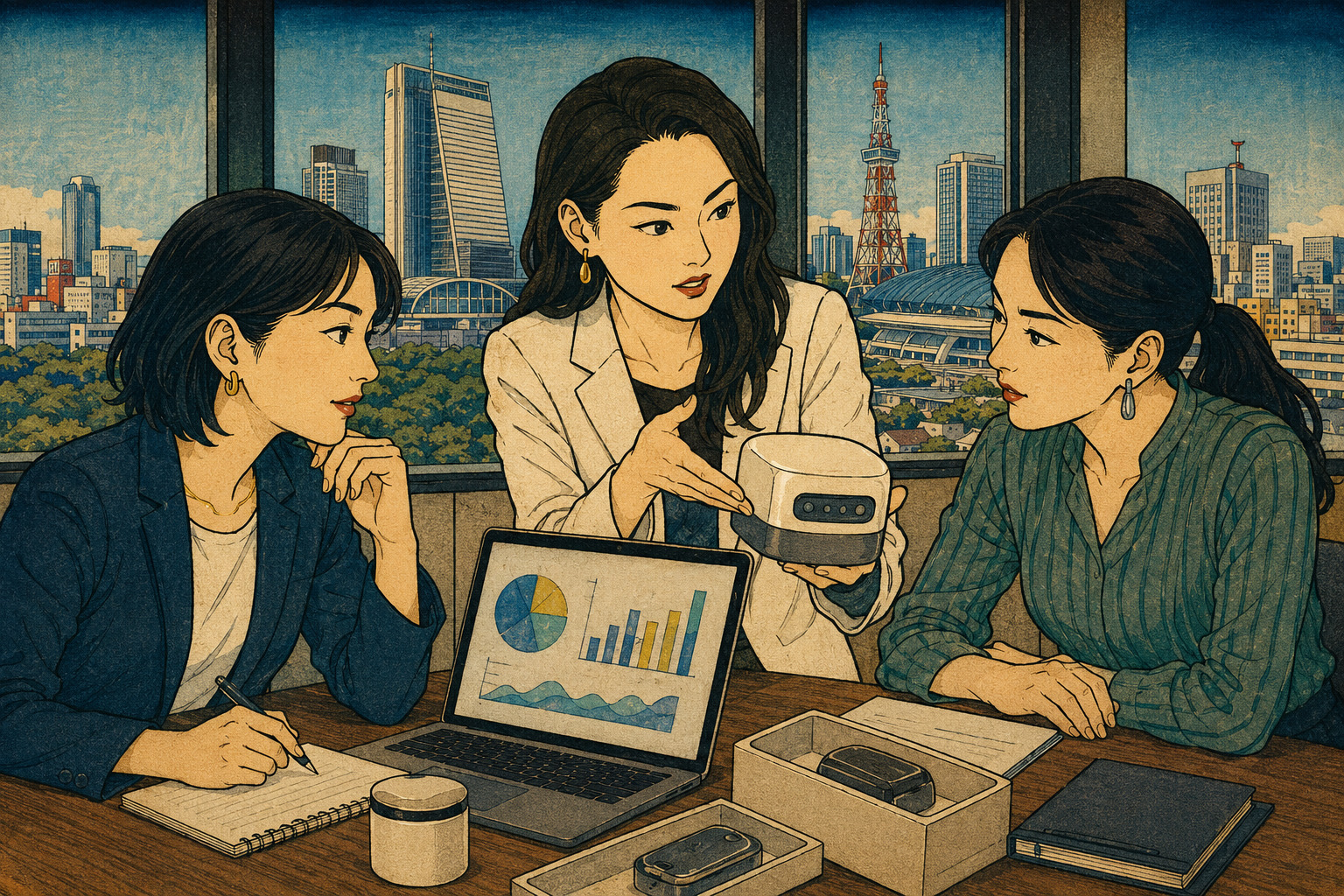
Build the Network Before Asking Women to Scale
FLARE AICHI’s second class now includes women preparing for business succession or a “second founding.” The five-month accelerator will matter if access to Aichi’s customers, capital and industrial network outlives the program.
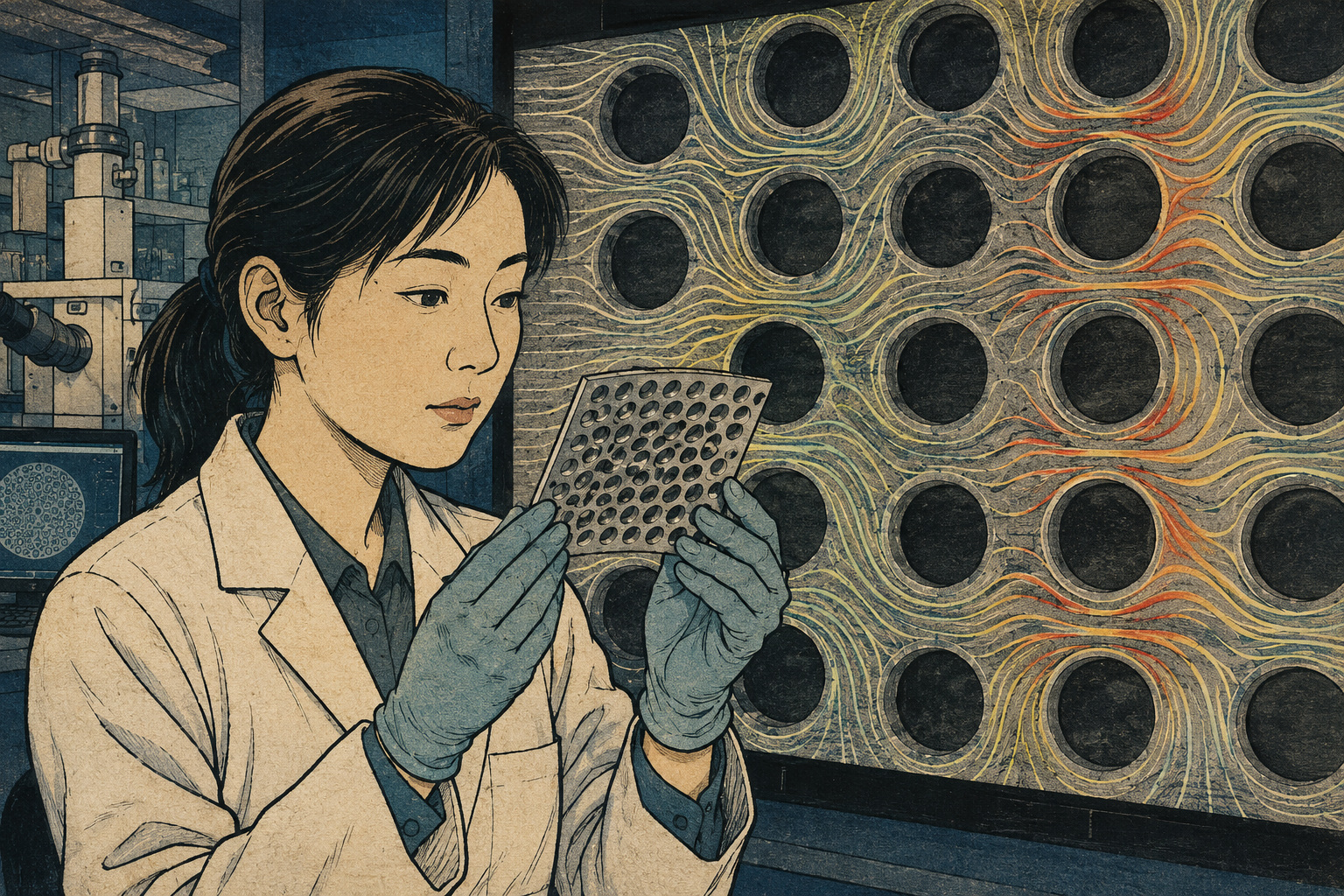
The Hole That Became an Exit
A Japanese team patterned periodic nanoholes into single-crystal nickel, reaching roughly half the relative density and about twice the resistance to fatigue-crack initiation. It is a microscopic design principle, not yet a manufacturable component.
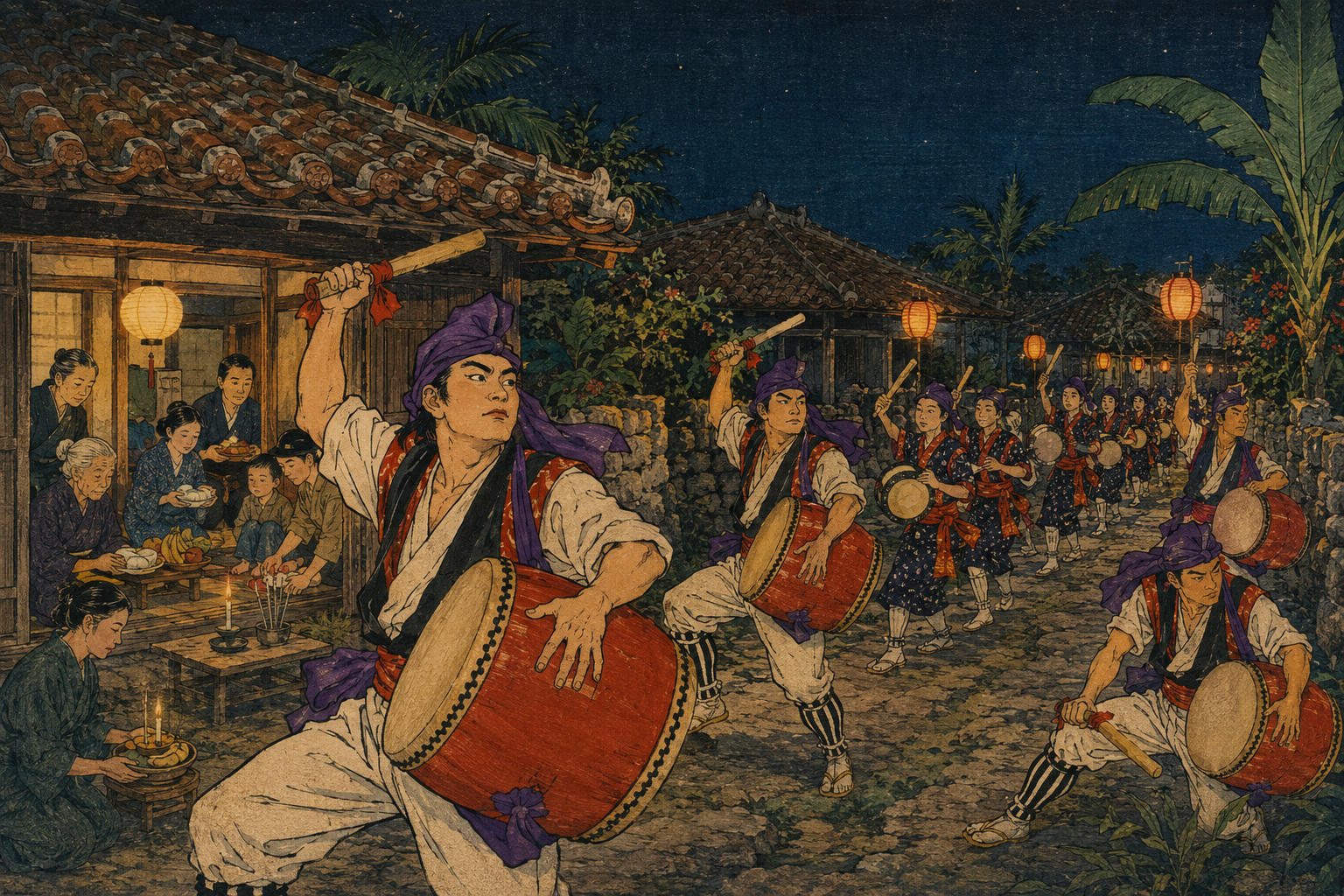
When the Ancestors Go Home, the Drums Take the Road
August 27 was Uukui, the final day of Okinawa’s 2026 old-calendar Obon. Household ancestral observance and community Eisa belong to the same season without being the same practice—a distinction the spectacle can obscure.
20. Today’s Art
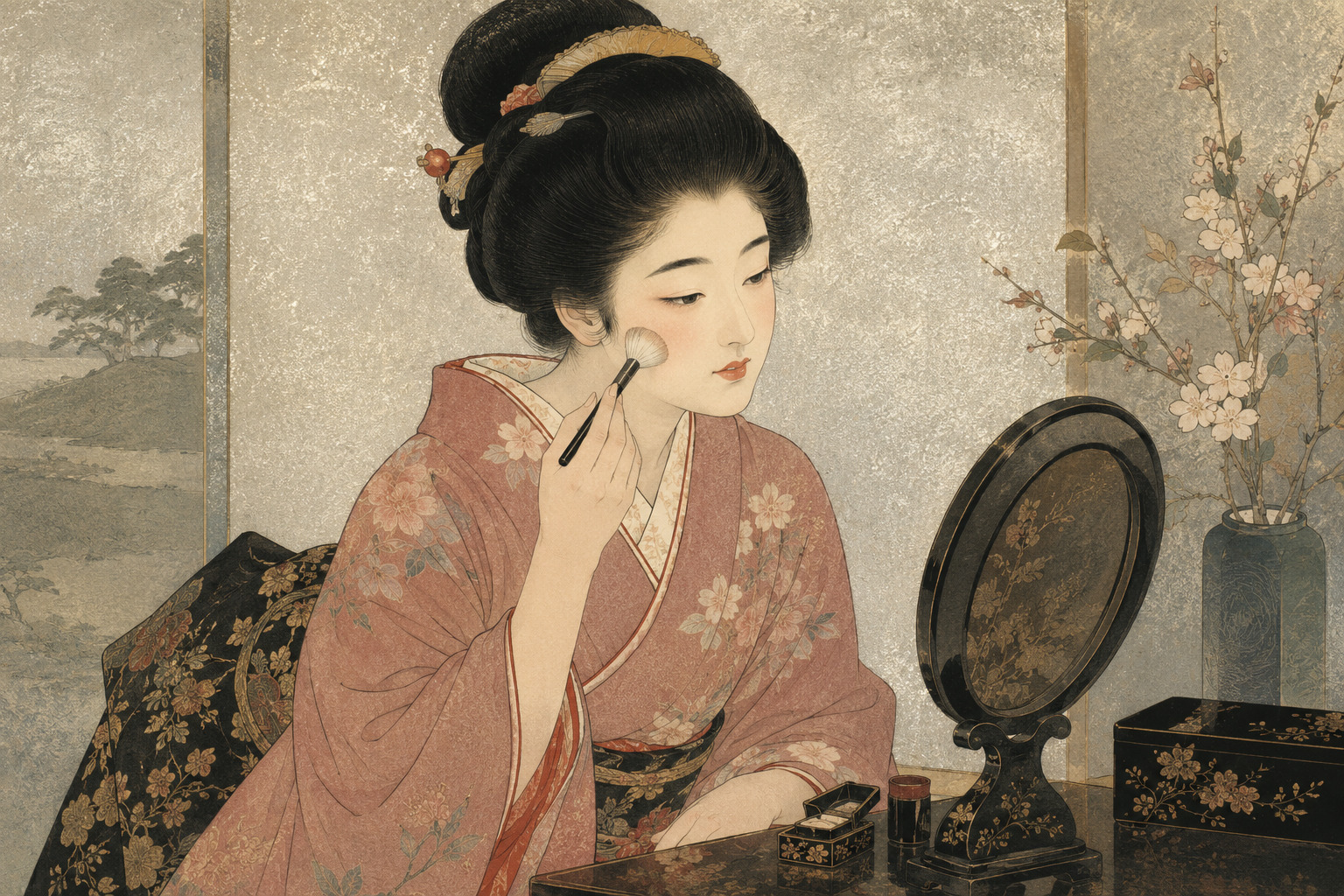
Hashiguchi Goyō · Woman Applying Makeup
Hashiguchi Goyō: The Portraits the Earthquake Could Not Erase
Hashiguchi Goyō privately published Woman Applying Makeup in 1918. Hair, gold, mica and blind embossing preserve not only an exacting artist’s line, but the decisions of the carver and printer who made it visible.
The image is an editorial illustration inspired by Hashiguchi Goyō’s Woman Applying Makeup and Taishō-period shin-hanga. It is neither a reproduction of the print nor documentary photography.
Read the art long-form →