Life, science, ships and the future share one ocean
A cap carrying 307 organisms; krill escaping penguins; Japan’s returning bluefin; new species and a mystery animal in the deep; the structure beneath the Noto tsunami; electric and autonomous vessels; generative AI at a shipping center; an Arctic classroom and an ocean-investment roadmap. Fifteen marine stories meet four reports that connect the sea to Japan’s wider economy and culture.
Start with these four
Rafting life, the deep, tsunami science, ocean investment
Japan Market Desk
Tokyo mid-session / July 17

AI and chip selling accelerates in Tokyo’s afternoon session
The precise public reading at 12:30 p.m. put the Nikkei down 3.05%. Later open reporting described the fall widening toward 5%. The yen traded in the ¥162-per-dollar range while oil rose. The report keeps time-stamped market data separate from later approximations.
Read the mid-session report →Four selected from July 18
AI, climate, energy, food culture
Today’s edition: 19 news stories
Fifteen Marine Special reports + four selected from July 18
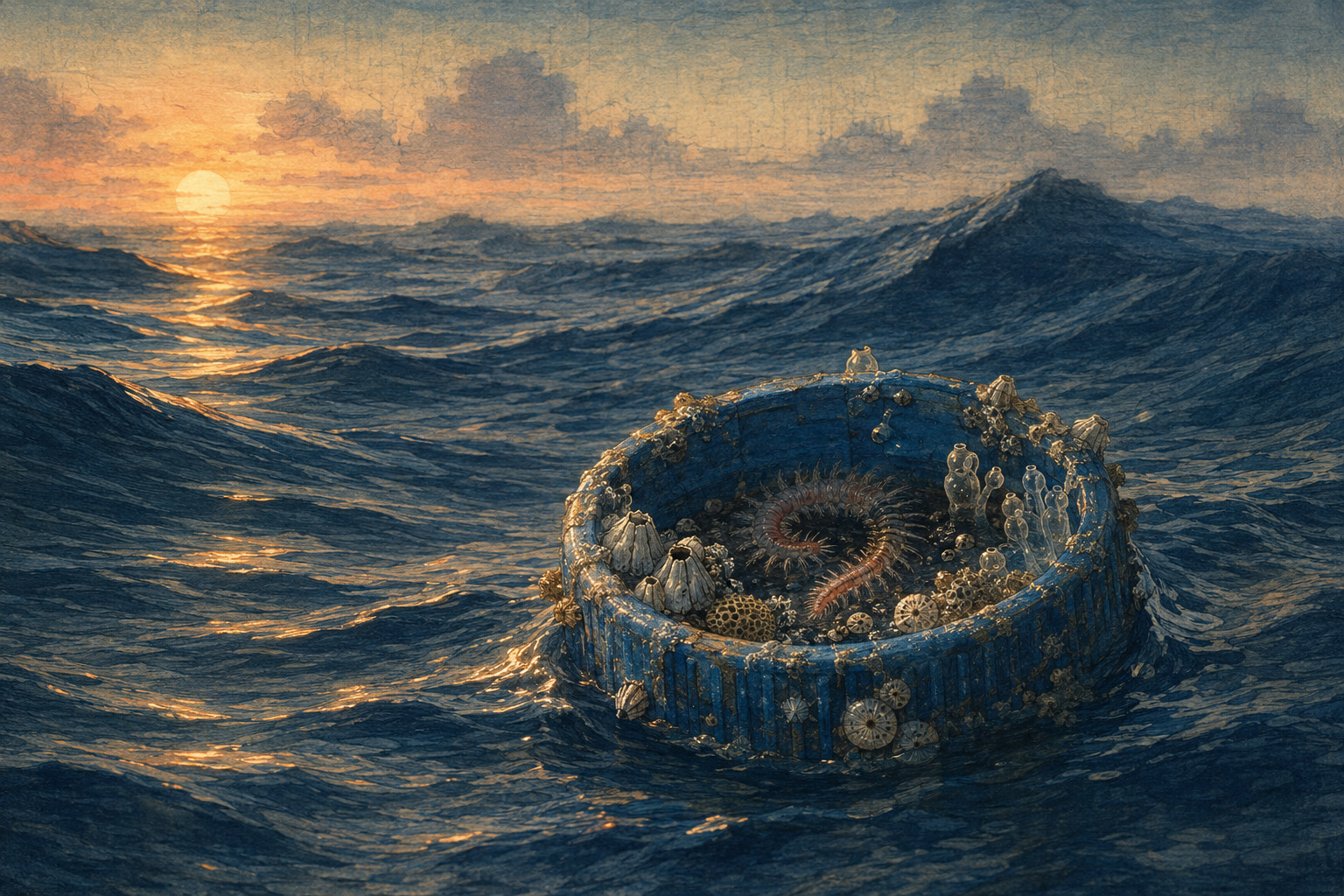
A Bottle Cap Carried 307 Creatures from the Philippines to Japan
Nine taxonomic groups lived on an object about 3.5 centimeters wide. Its label, isotopes and current model trace a tiny moving island’s journey of at least about 70 days.
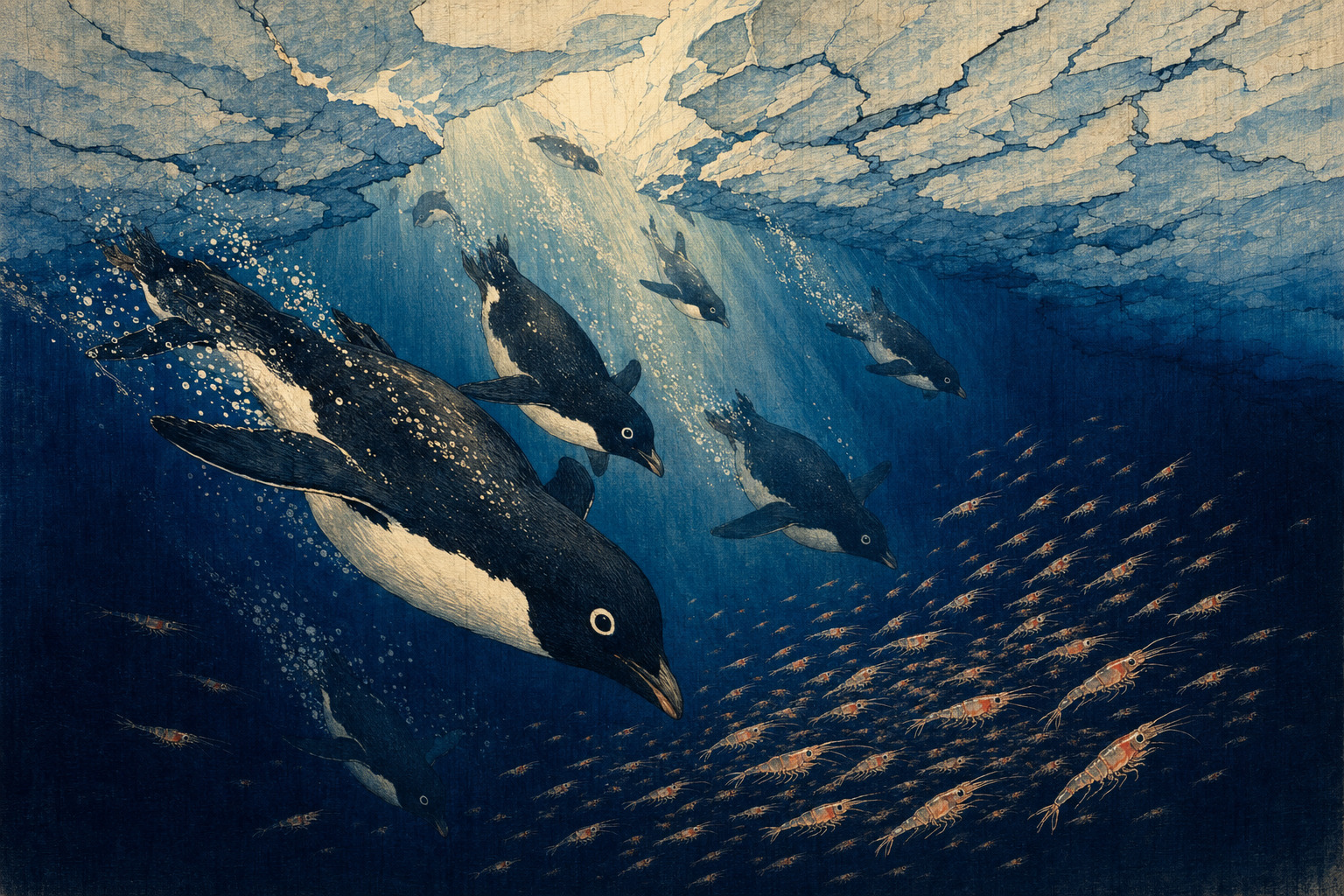
The Krill Escape: Penguins Must Dive Deeper Beneath Antarctic Ice
Twenty-three birds, 30 trips and more than 6,000 dives reveal prey moving into harder-to-reach water—a possible form of functional prey depletion.
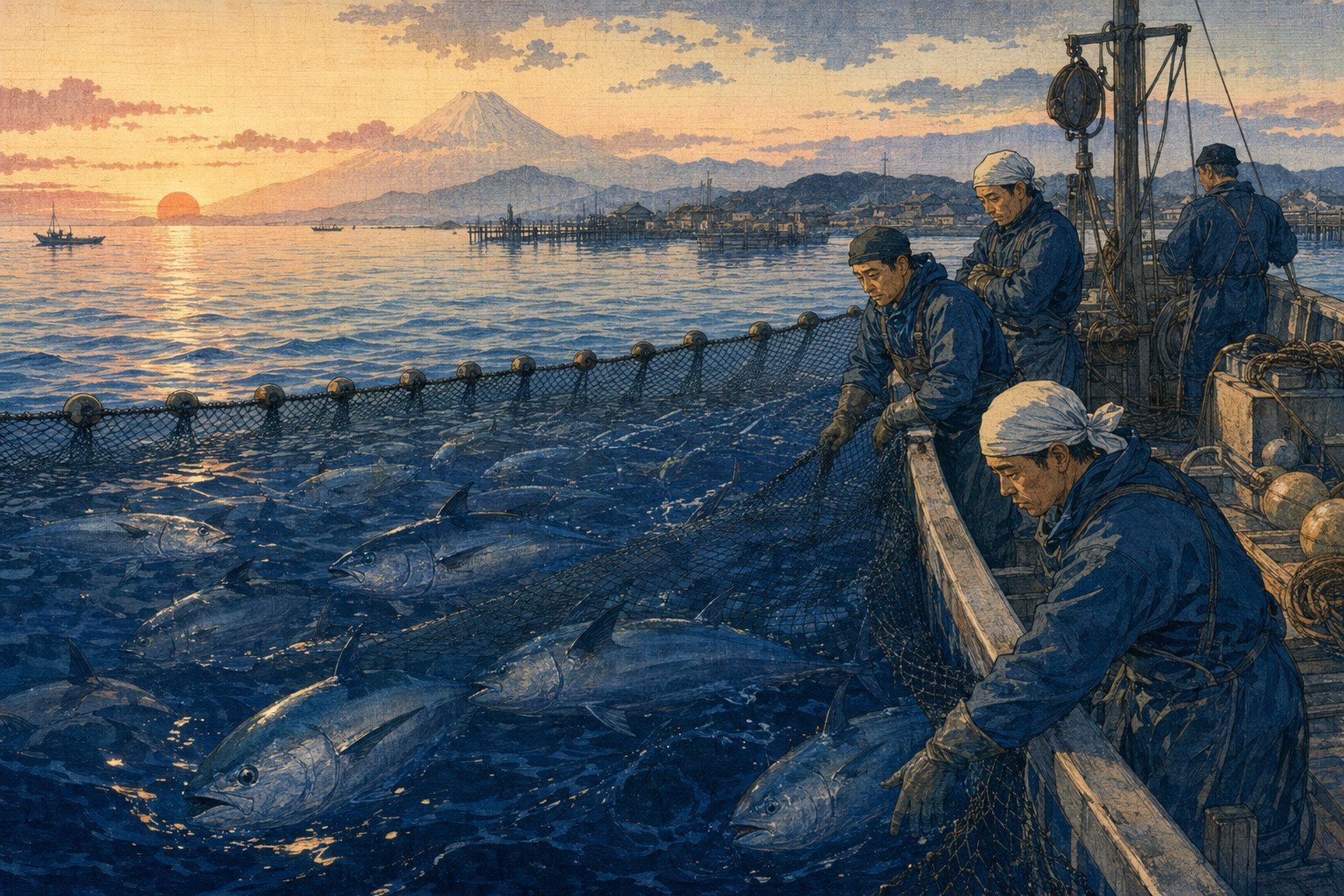
Japan Has Too Much Bluefin Tuna—and Fishermen Must Throw It Back
Recovery, a sudden coastal concentration and rigid allocation collide. A management success creates a new paradox for crews at sea.
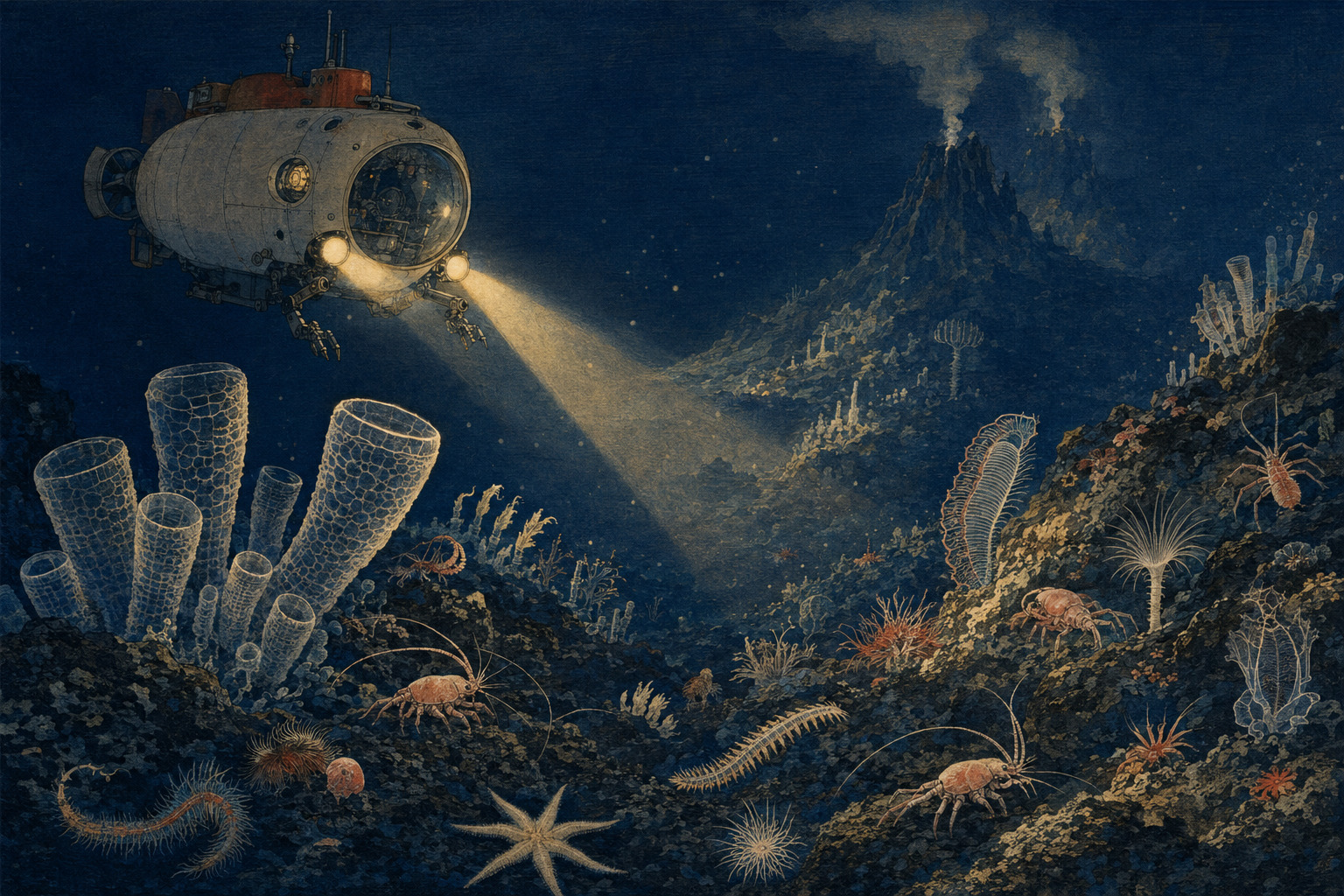
Japan’s Deep Ocean Yields 38 Confirmed New Species
Ten Shinkai 6500 dives and more than 528 specimen lots show why discovery, confirmation and formal naming are separate stages.
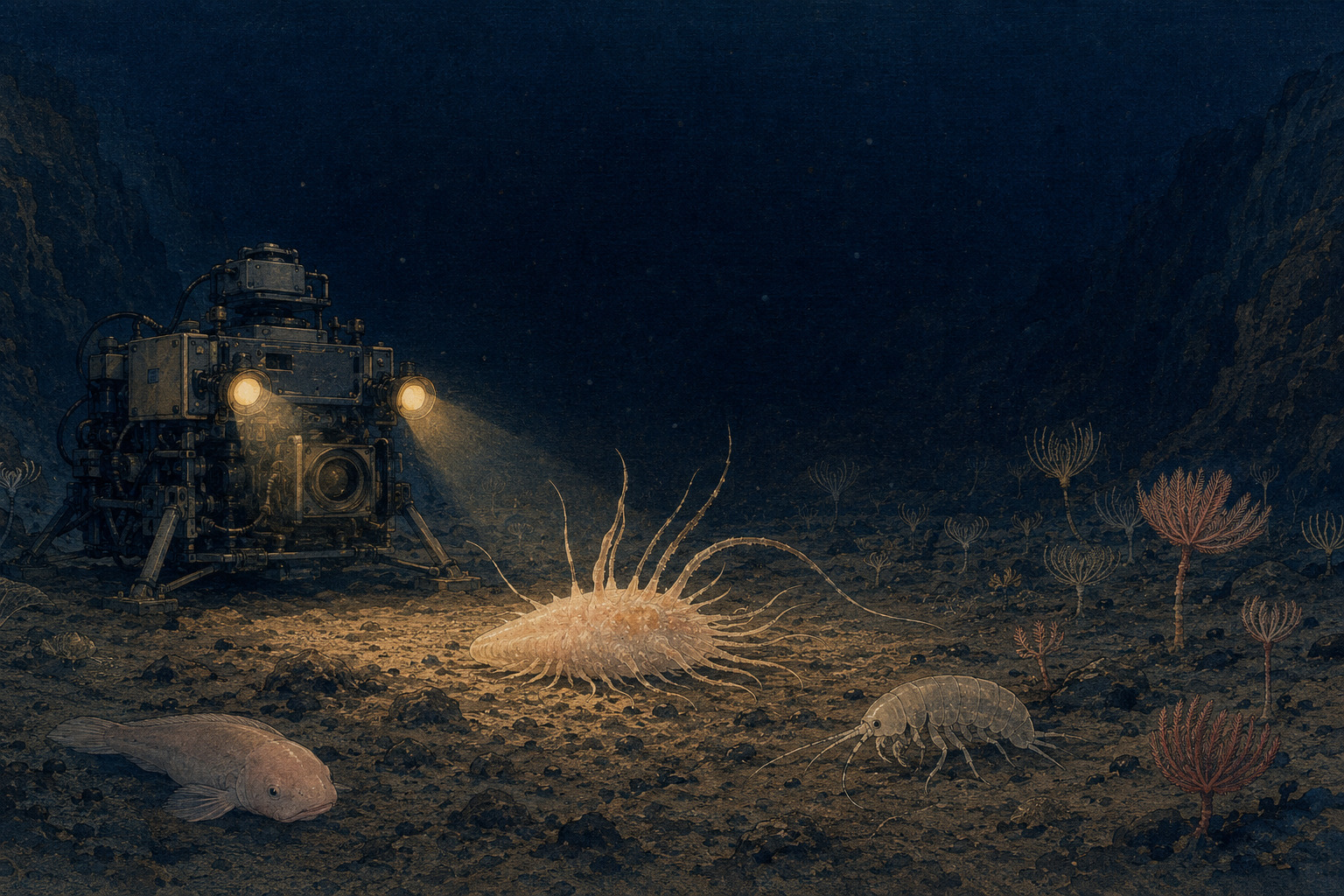
Japan’s Deepest Trenches Reveal 108 Forms of Life—and One Mystery Animal
They are morphotaxa, not 108 new species. Two sightings without a specimen remain so unfamiliar that even the animal’s phylum is unresolved.
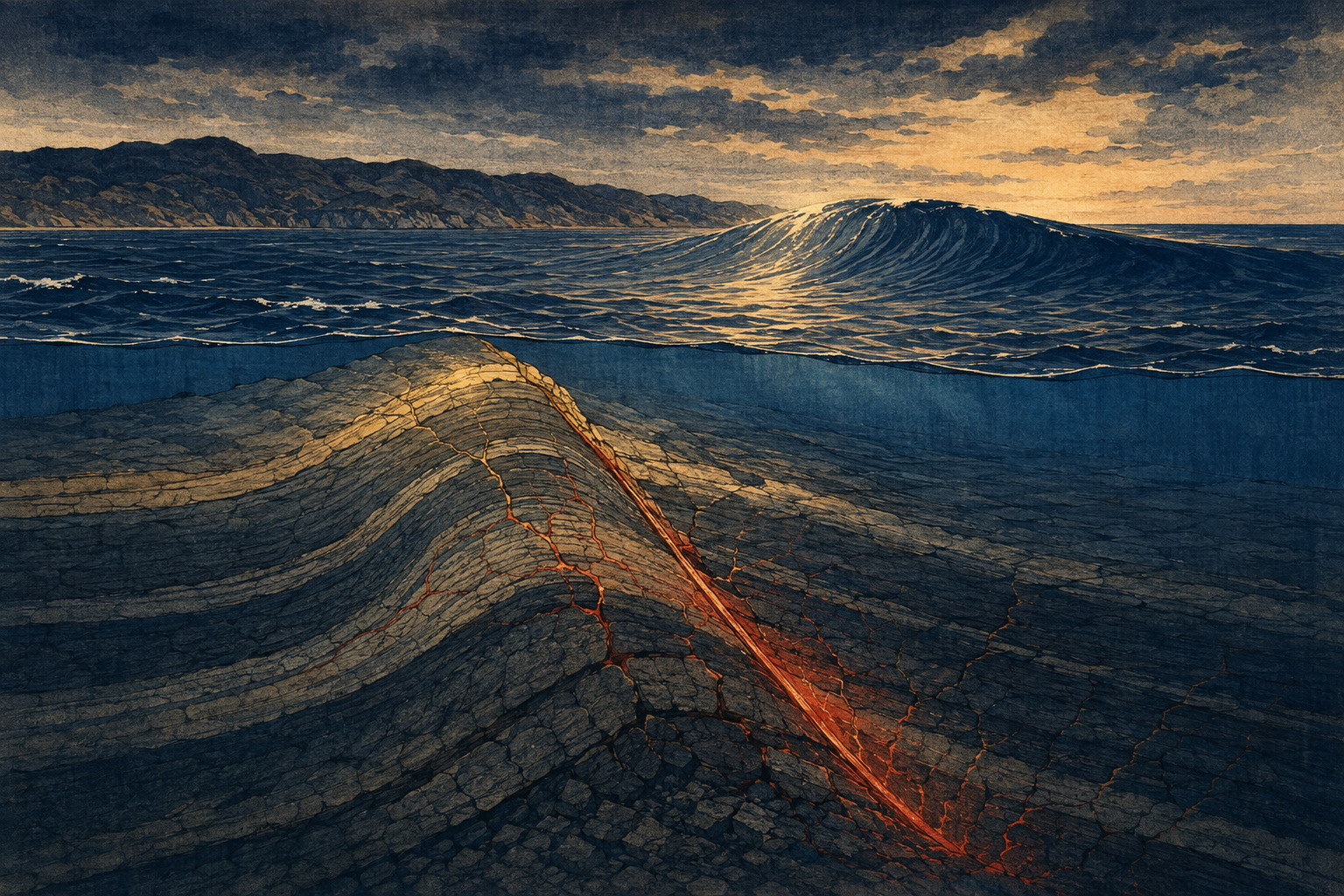
The Undersea Structure That May Have Powered the Noto Tsunami
A corridor of reverse faults, branches, folds and uplift extends about 30 kilometers. The article separates direct observations from tsunami modeling.
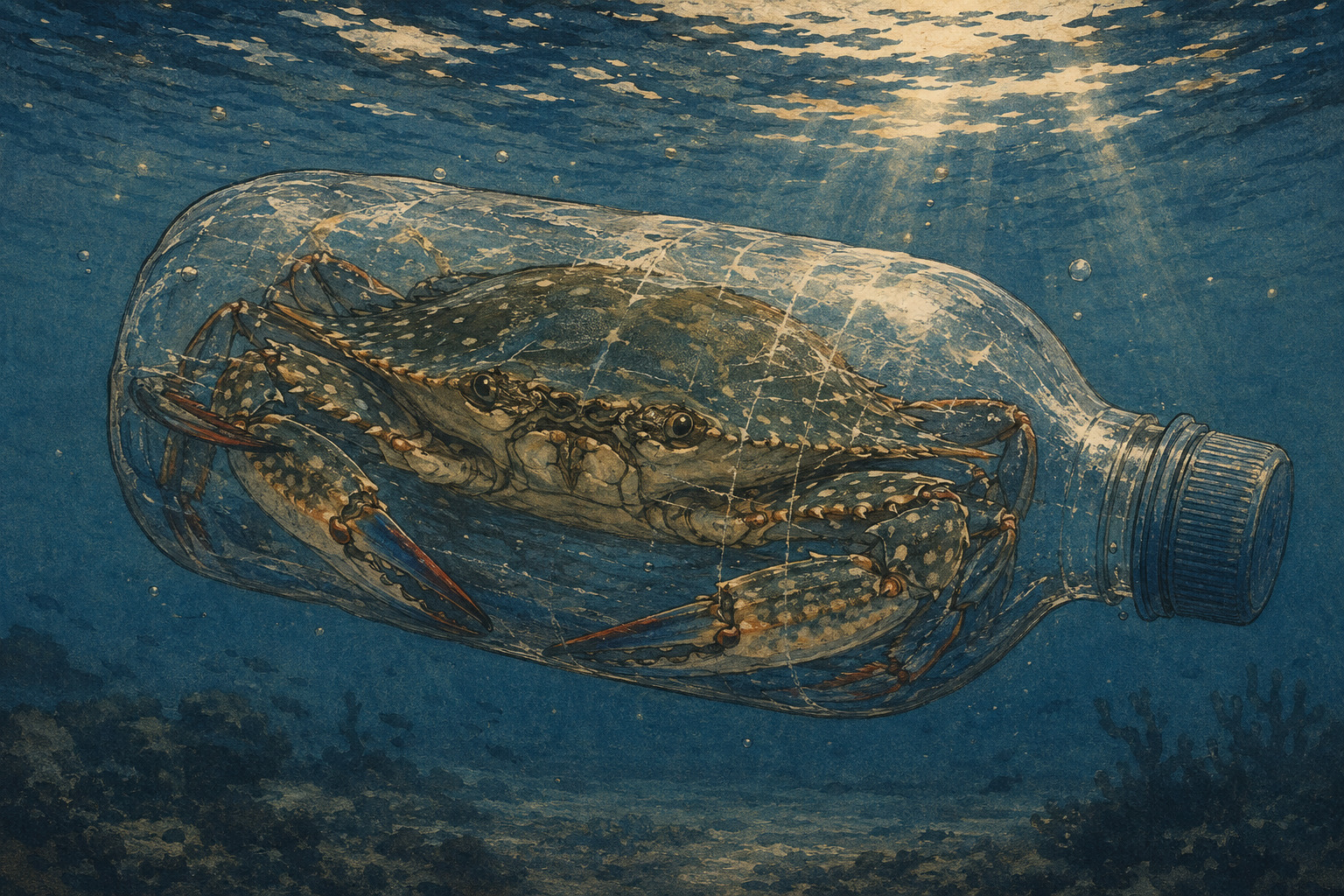
A Crab Survived Two Months Trapped Inside a Plastic Bottle
Fish scales, DNA and attached barnacles reconstruct feeding and time. The evidence supports a minimum drift period, not an observed 62-day confinement.
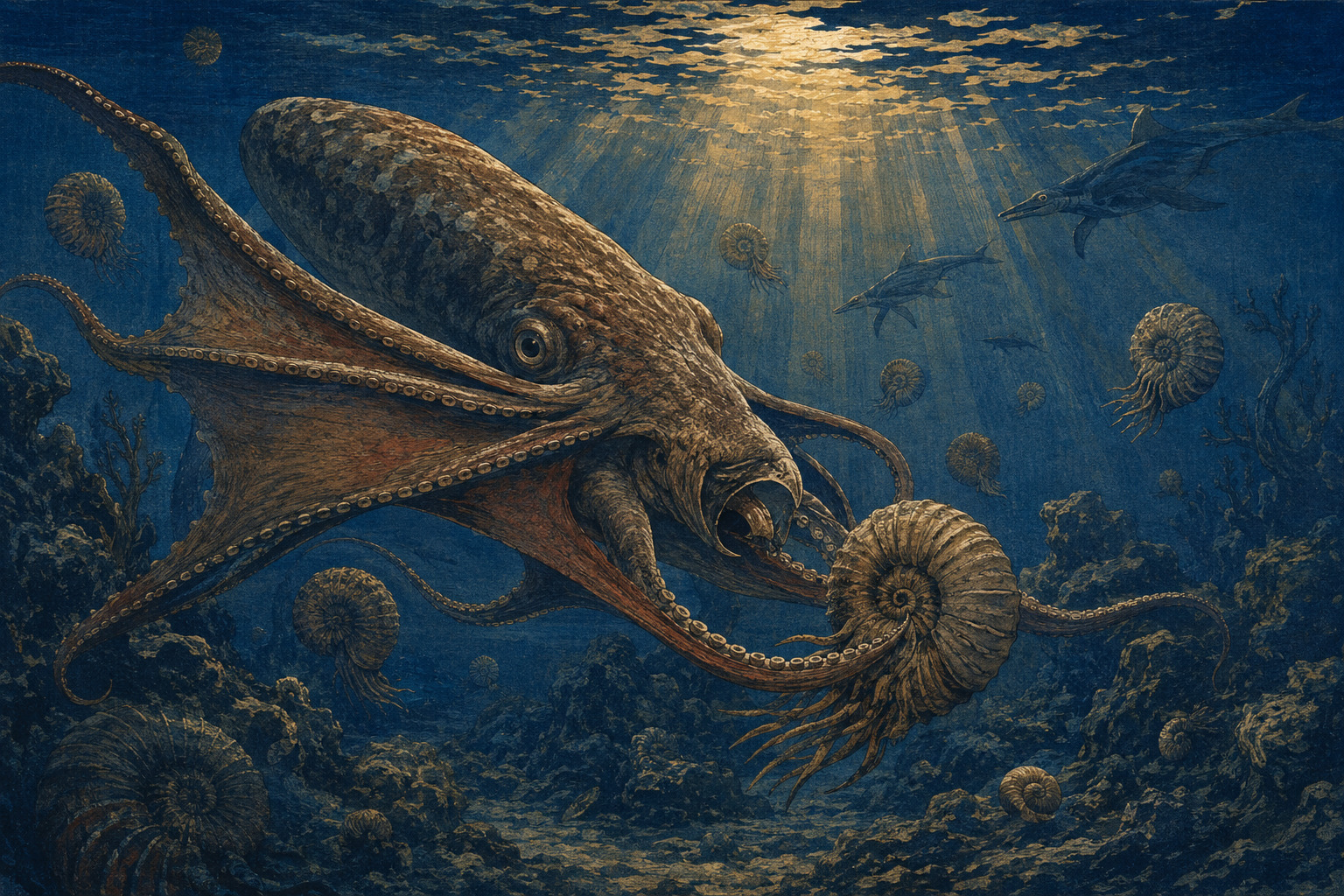
The Real Kraken: Giant Octopuses Ruled Ancient Seas
Twenty-seven fossil beaks support a 7–19-meter estimate. The report keeps the hard evidence, calculation and visual reconstruction distinct.
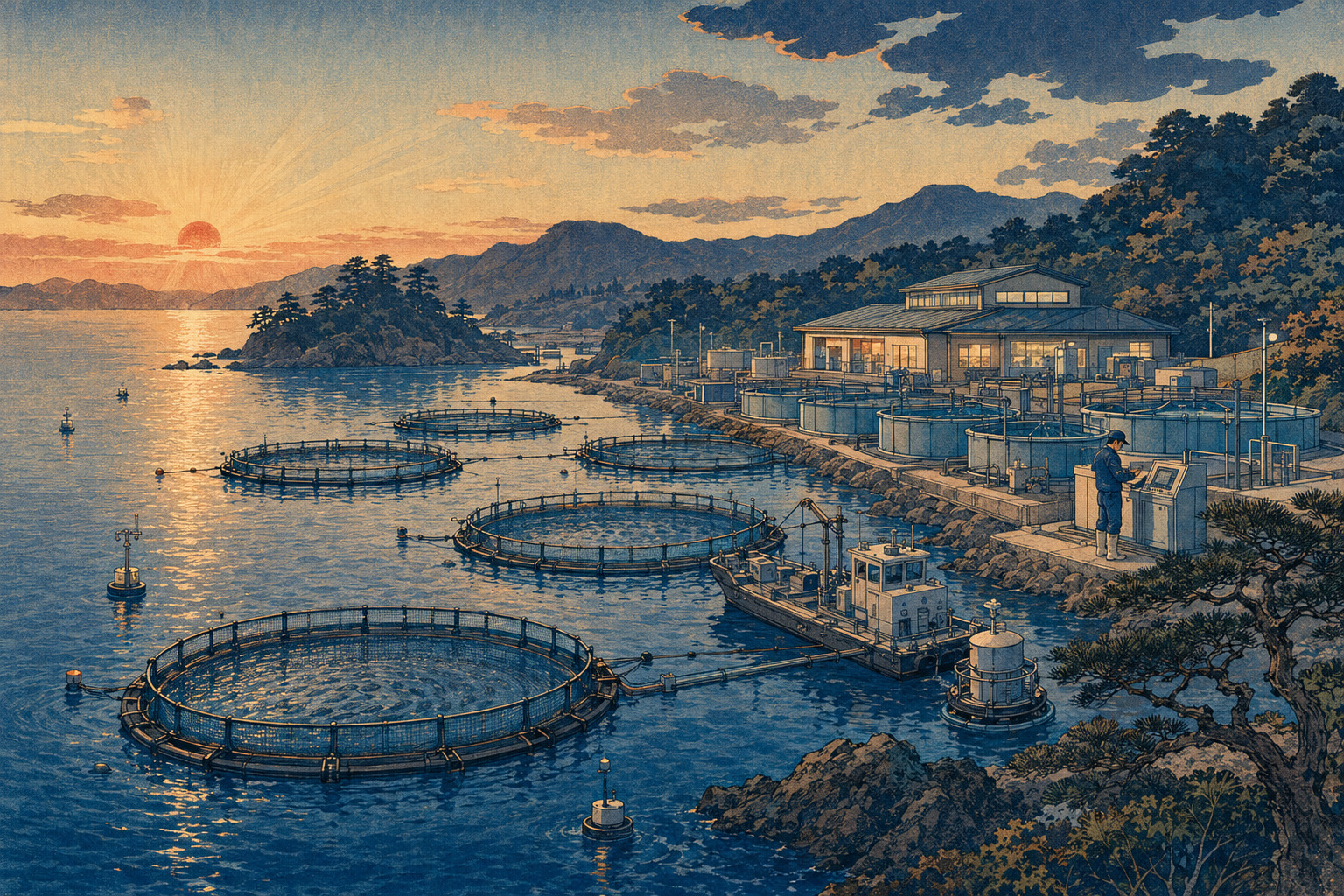
Japan’s Fisheries White Paper Bets on an Aquaculture Future
Output is about 42% below its peak, yet aquaculture produces roughly 44% of fisheries value. Quality, exports, breeding and ecological limits shape the wager.
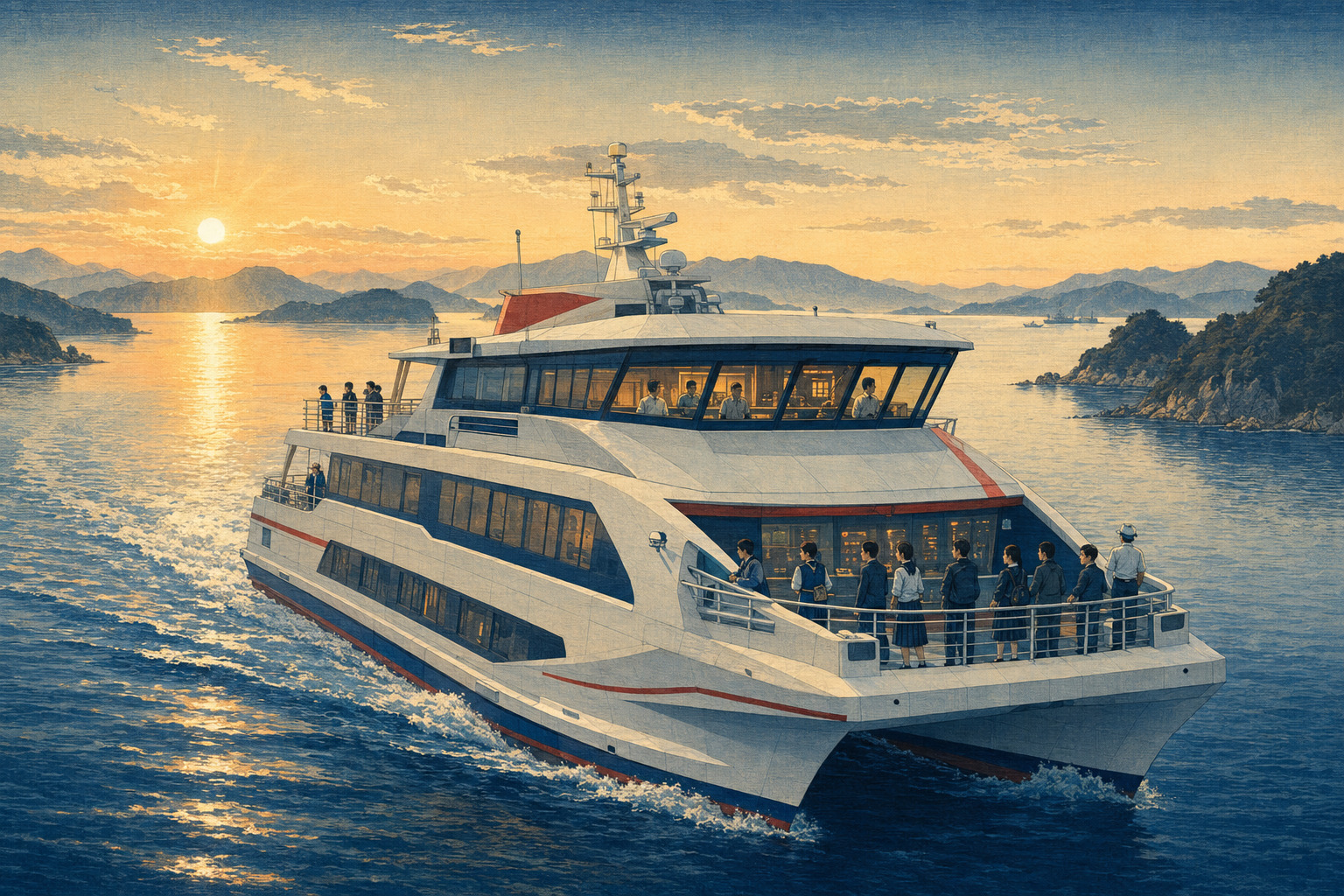
Japan’s World-First Commercial Autonomous Ferry Carries Its Next Generation
A quiz voyage for 94 passengers follows a more consequential crossing into level-4-equivalent commercial service—with qualified crew and intervention still aboard.
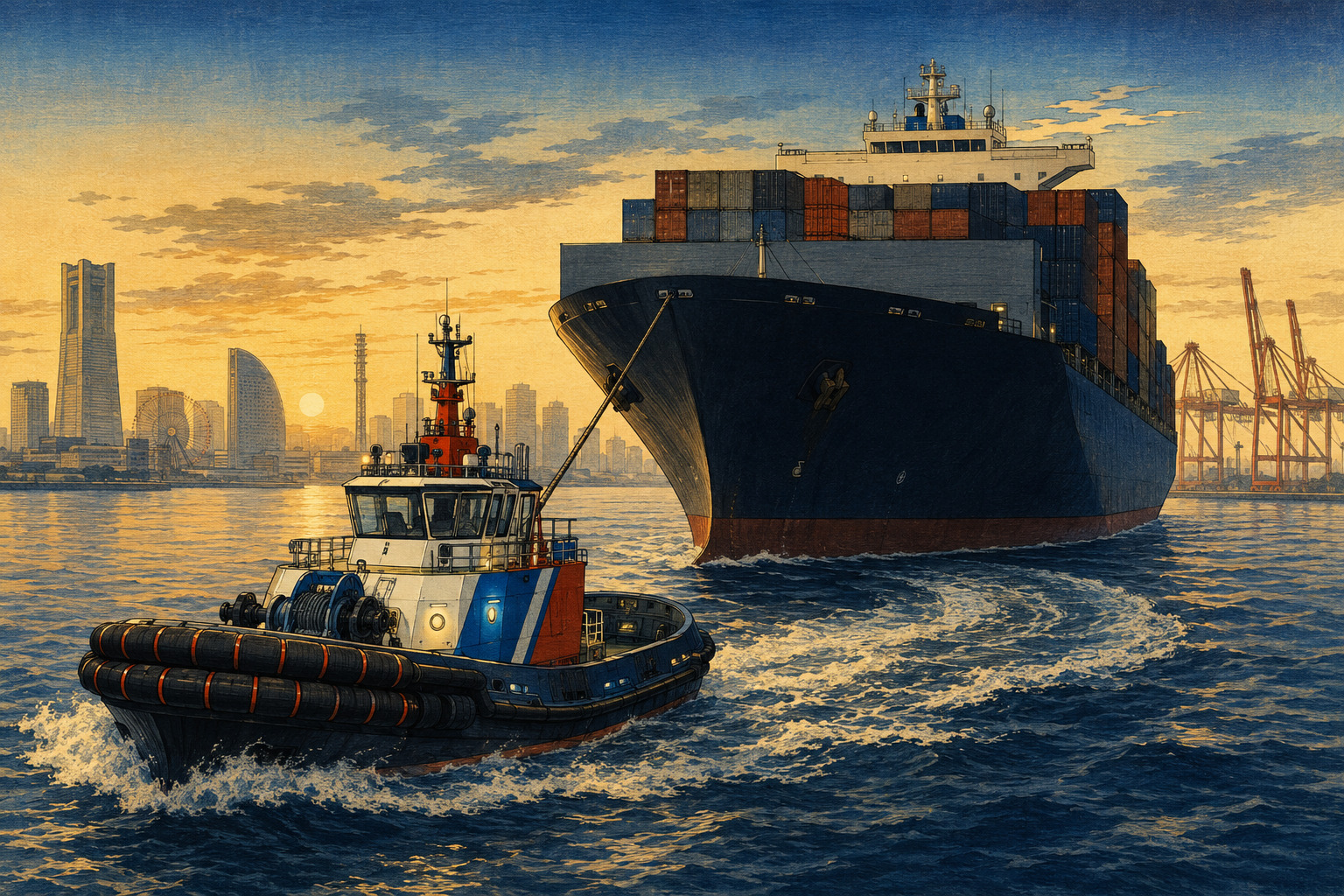
Tokyo Bay Is Getting a More Powerful Electric Tugboat
A 3.2 MWh battery, 4,400 PS and 52 tonnes of bollard pull meet the harder question: how much auxiliary generation and what electricity mix?
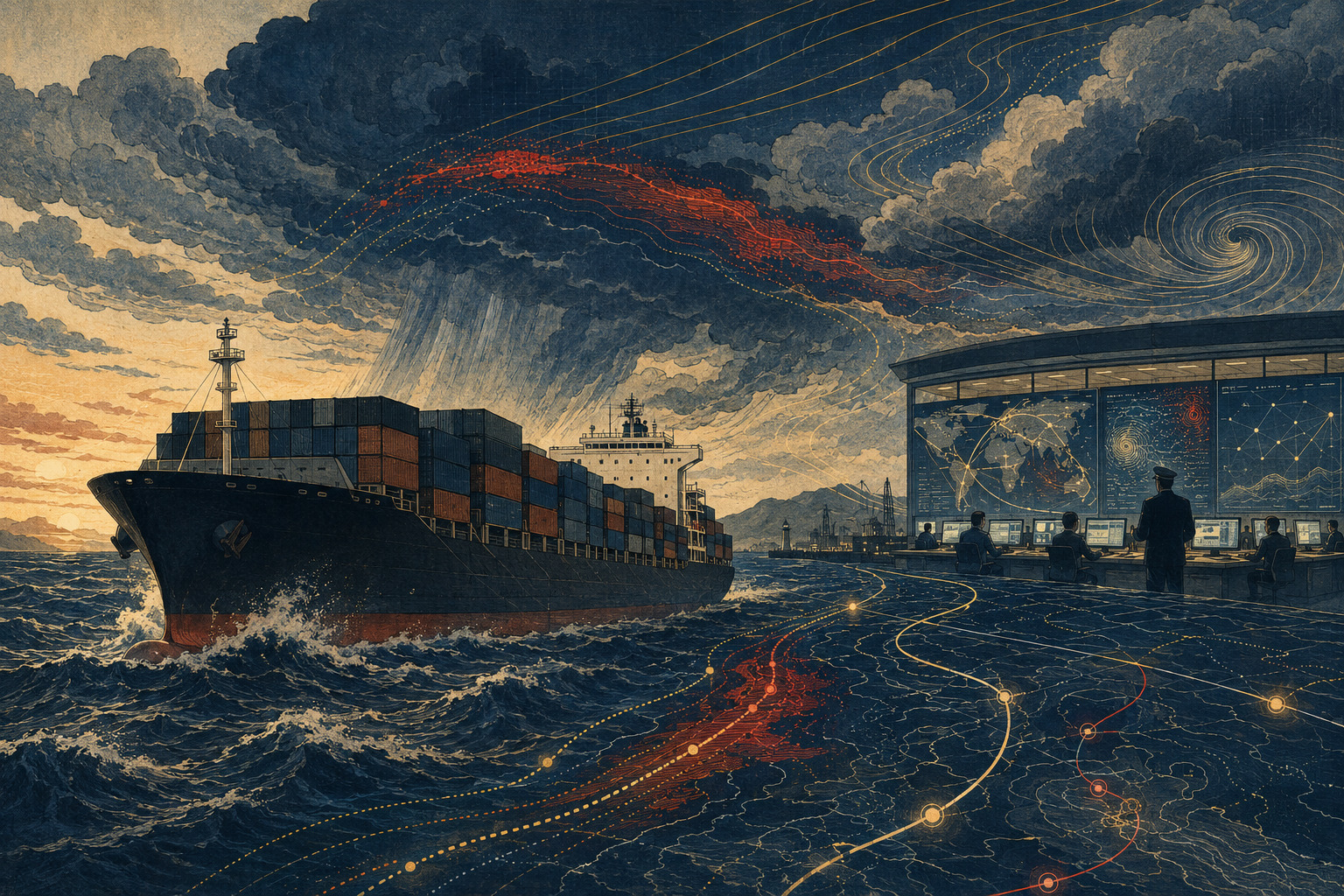
MOL and IBM Put Generative AI Inside Global Ship Operations
Weather, ocean, vessel, geopolitical and accident data meet at a Tokyo center. The AI supports former captains; it does not command the helm.
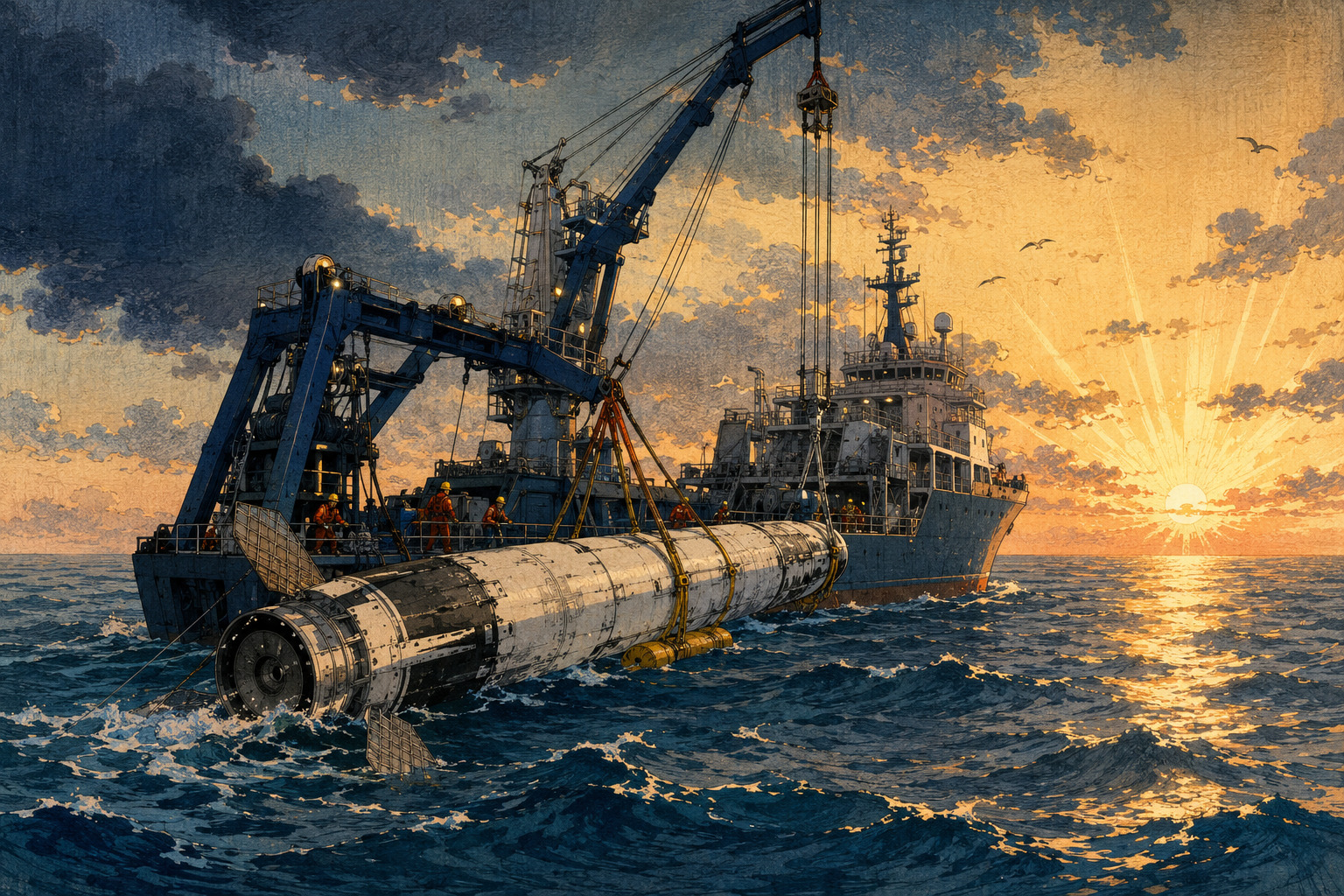
Where Ocean Meets Space: Japan Designs a Ship to Recover Reusable Rockets
Approval in Principle covers a recovery ship, support vessel and shore control. It is not a construction contract, class certificate or landing success.
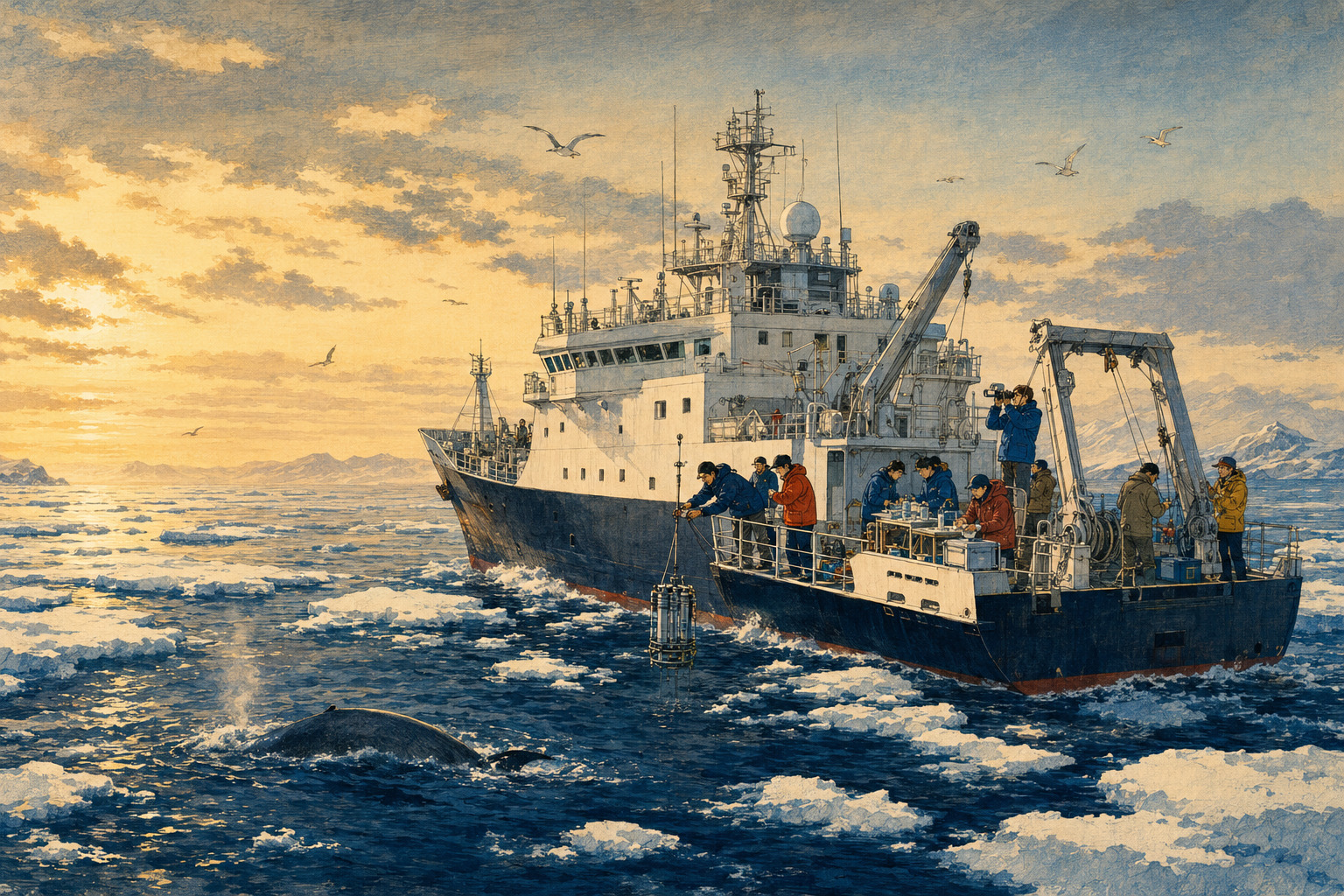
Japan’s Floating Arctic Classroom: Oshoro Maru Sails North
Eight research themes, a national student practicum and five ships across 117 years make one vessel an observatory, classroom and dormitory.
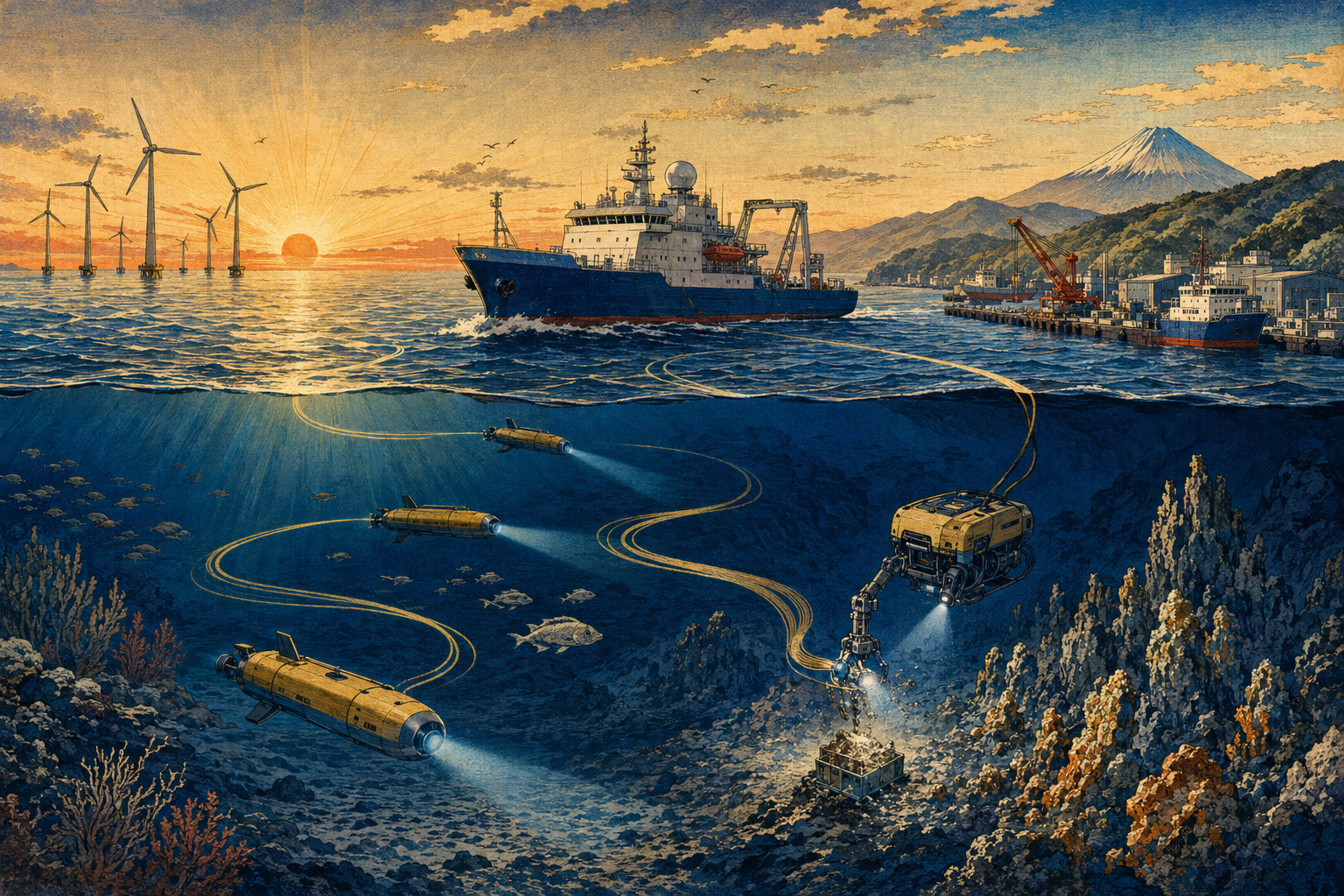
Japan Draws an Investment Roadmap for Its Ocean Economy
The ¥3.3 trillion vision covers marine drones, maritime-domain awareness and seabed systems. It is not an enacted budget or binding pledge.
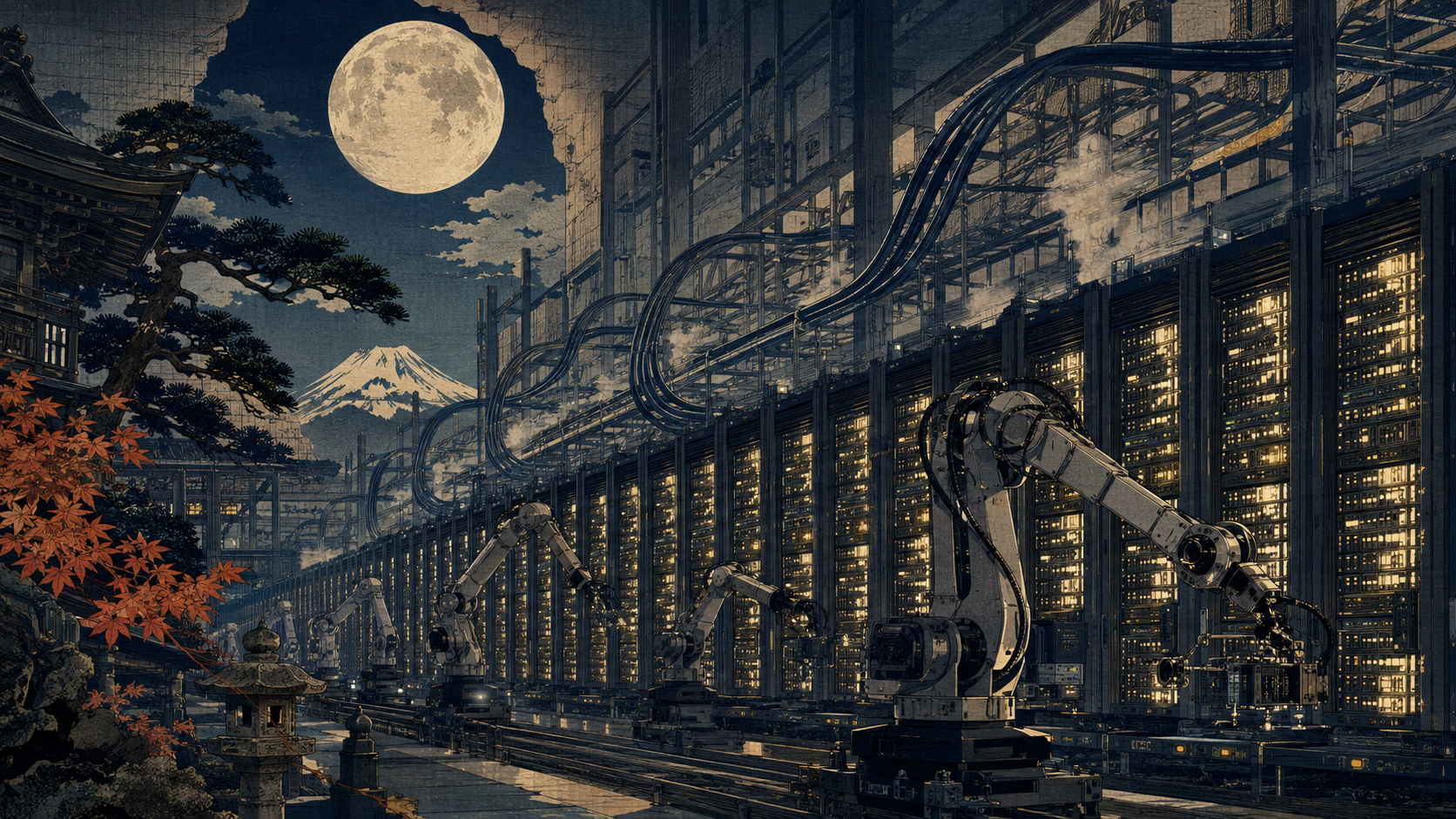
Japan Plans an AI Factory for the Physical World
Some 27,500 Rubin GPUs and 140 MW of computing capacity raise questions about electricity, robotics and technological sovereignty.

Japan’s Summers Are Becoming Longer, Hotter and More Dangerous
Extreme days, hot nights and the urban heat island reshape health, schools, agriculture, electricity and work.
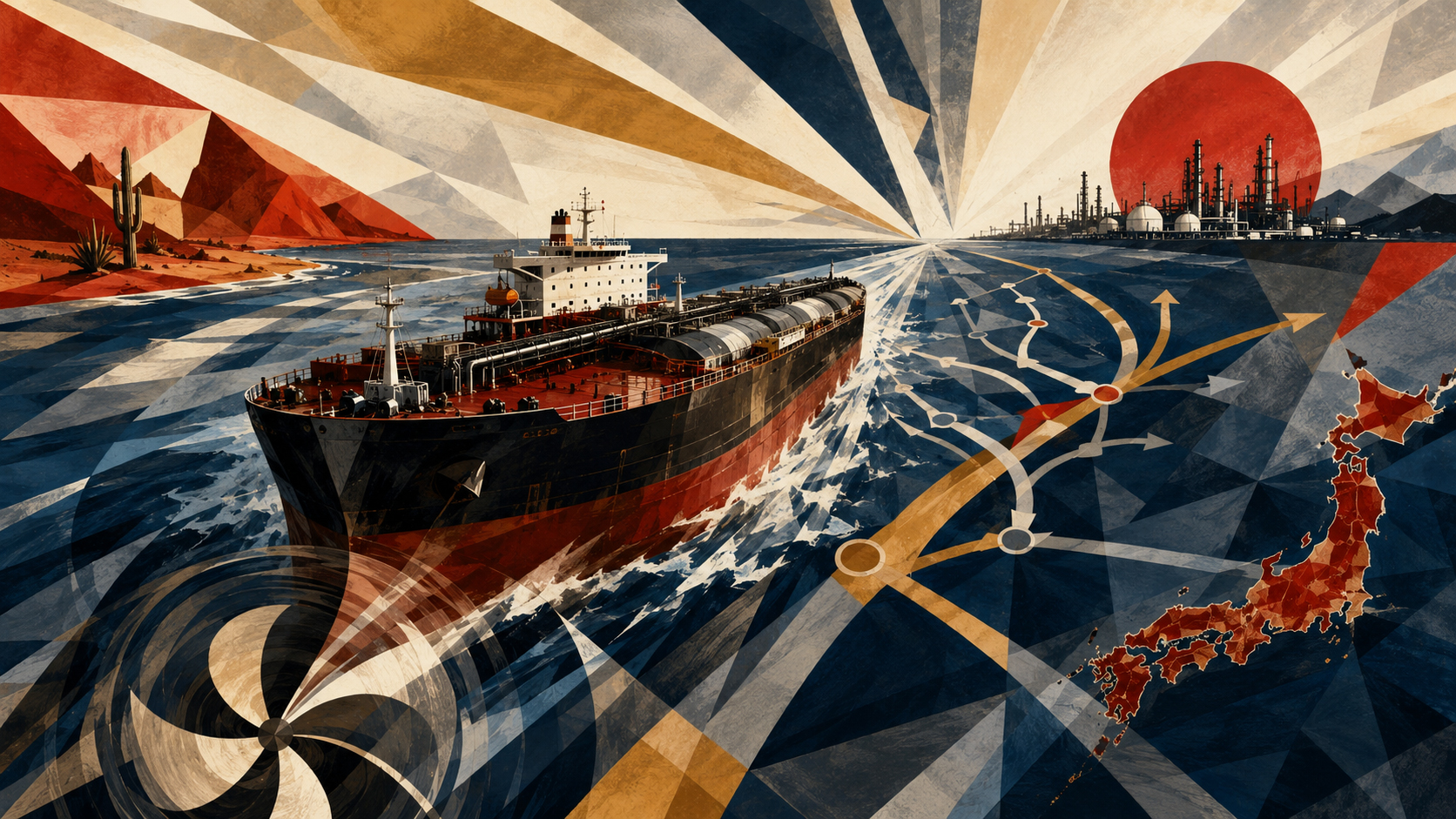
Mexican Crude Sails for Japan—Searching Beyond Middle East Dependence
One tanker opens a larger history of post-oil-shock stockpiles, refinery compatibility and what diversification actually requires.

Foreign Visitors Fuel a New Boom in Japanese Kitchen Knives
Sakai and Seki, sharpening, fish-specific blades and currency-driven tourism show how a working tool becomes portable culture.
More ways into today
Weather, horoscope, prefectures, archive
20. Today’s Art Choice
Kobayashi Kiyochika–inspired Meiji kōsen-ga

Drawing the Modern Ocean Through Kiyochika’s Language of Light
Deep indigo and Prussian blue, muted vermilion and gold, black contours, graded atmosphere and water reflection join marine wildlife, abyssal science, ships, disaster and AI. The feature also confronts the later wartime propaganda, defining what the edition borrows and what it rejects.
Read the art feature →