Japan’s overlooked discoveries, brought into focus.
Kyoto University's cat-and-human oxytocin study leads 15 reports, news briefs, Ogata Gekkō's Art Choice and six handpicked stories from October 16.
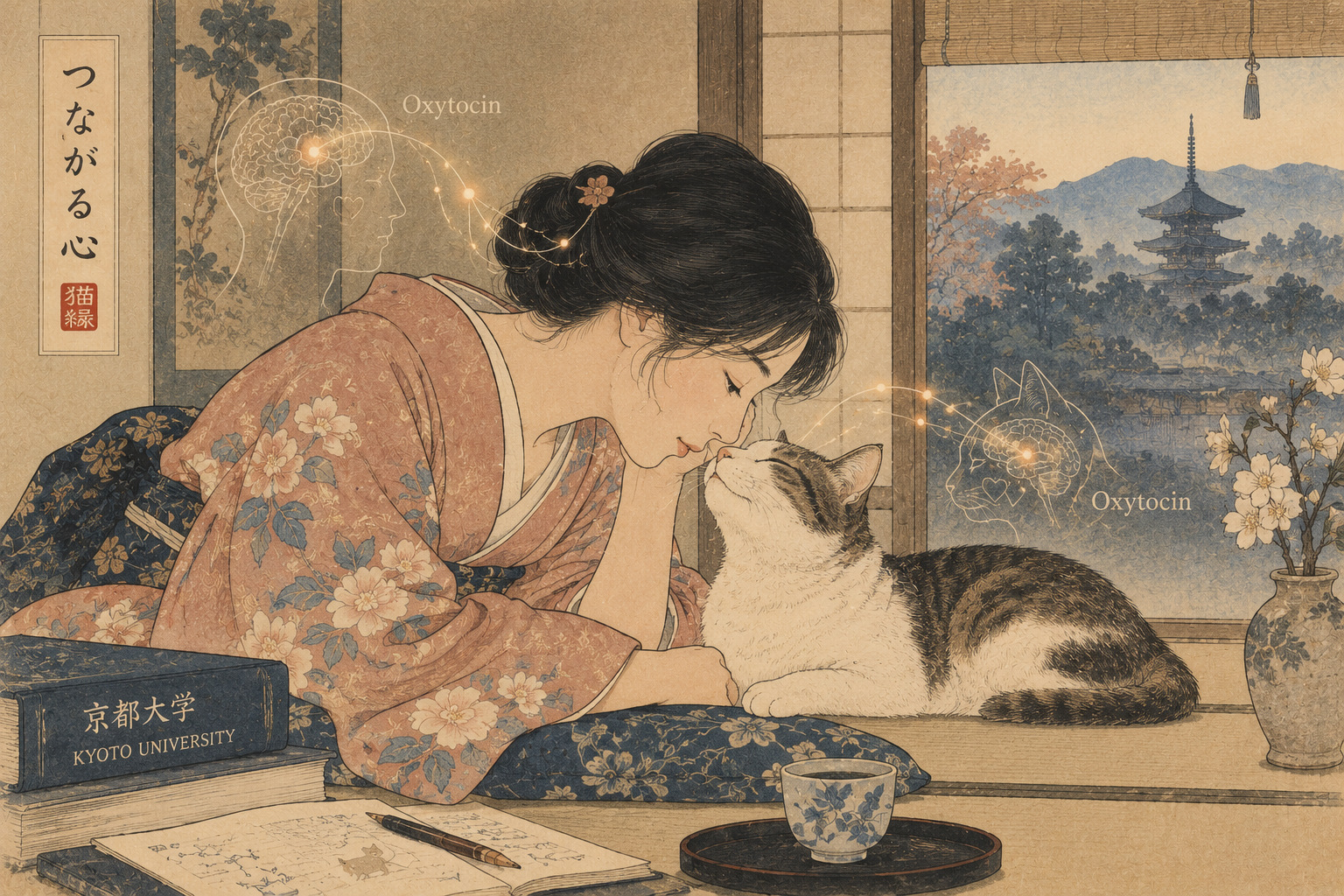
The chemistry between cats and their humans
Researchers in Kyoto have found intriguing oxytocin correlations between cats and their humans. The science is real; the cause of the connection remains unresolved.
Read the full report →Saturday, October 17, 2026 · Bradley L. Bartz
Four Stories to Explore
Science, Business and Culture
Seven developments across Japan
Seven independently selected developments in energy, technology, communities and the environment.
Read News Briefs →Business & Economy
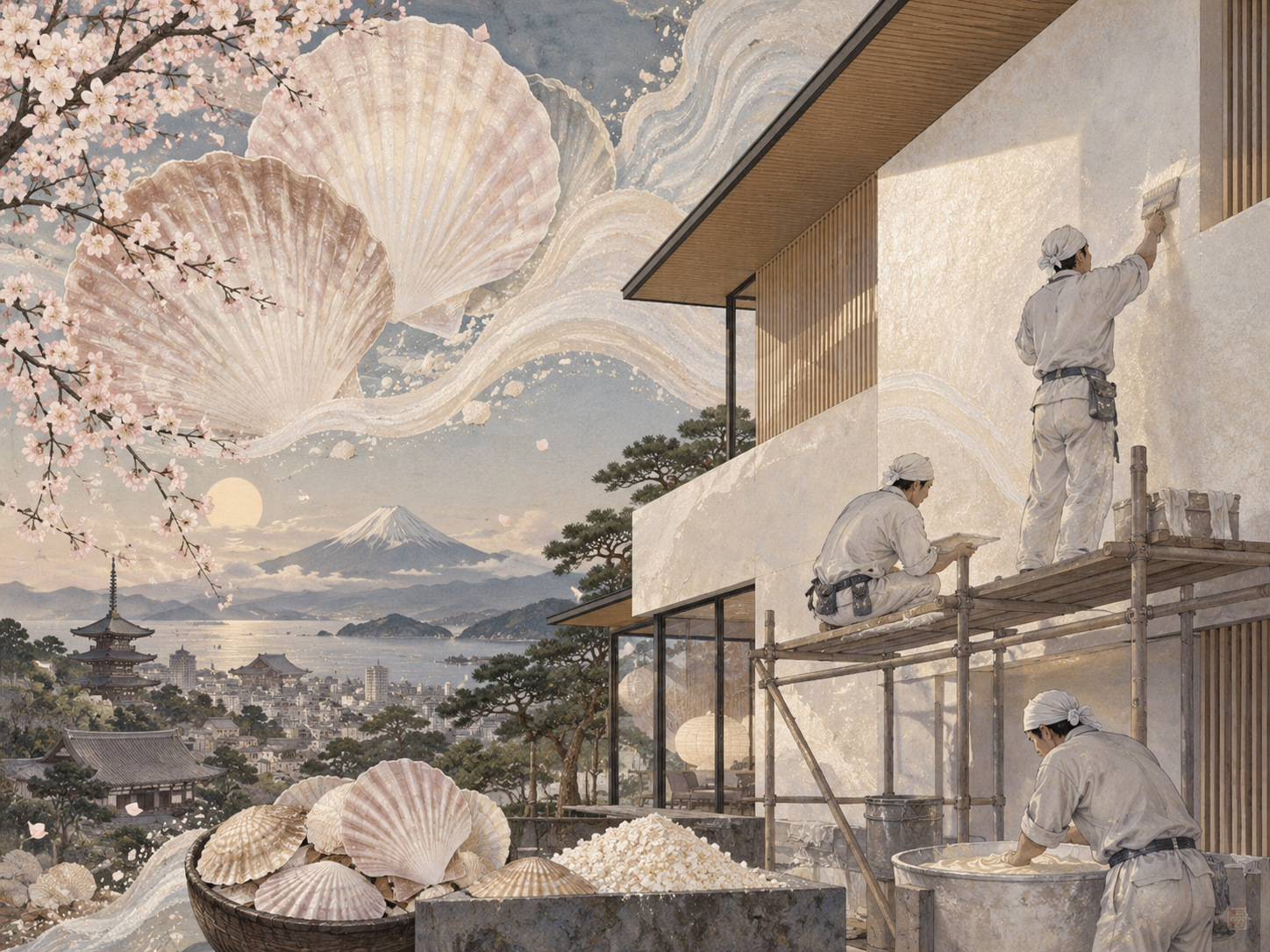
Saturday, October 17, 2026From Scallop Shells to Building Paint: Japan’s Surprising Experiment in Circular Construction
Obayashi has tested a water-based building coating with 20% powdered scallop shell. A close look at its performance, carbon claims, history and commercial hurdles.
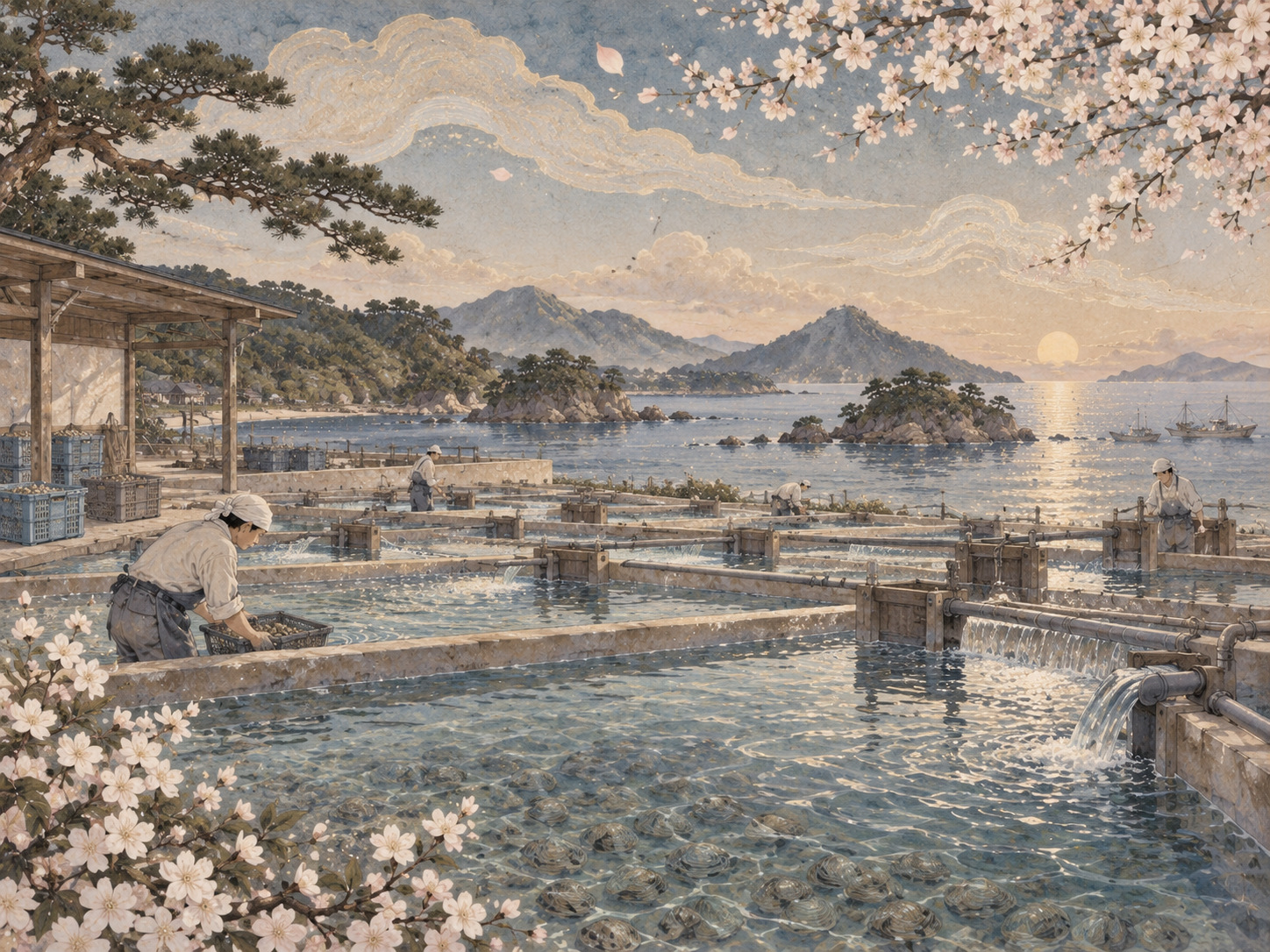
Can a Construction Company Help Save Japan’s Clams? Inside Obayashi’s Ariake Sea Experiment
In Kumamoto, Obayashi is testing tanks, rice bran and amino-acid by-products to protect juvenile Manila clams. A deeper look at the fishery’s decline, the science and the unproven economics.
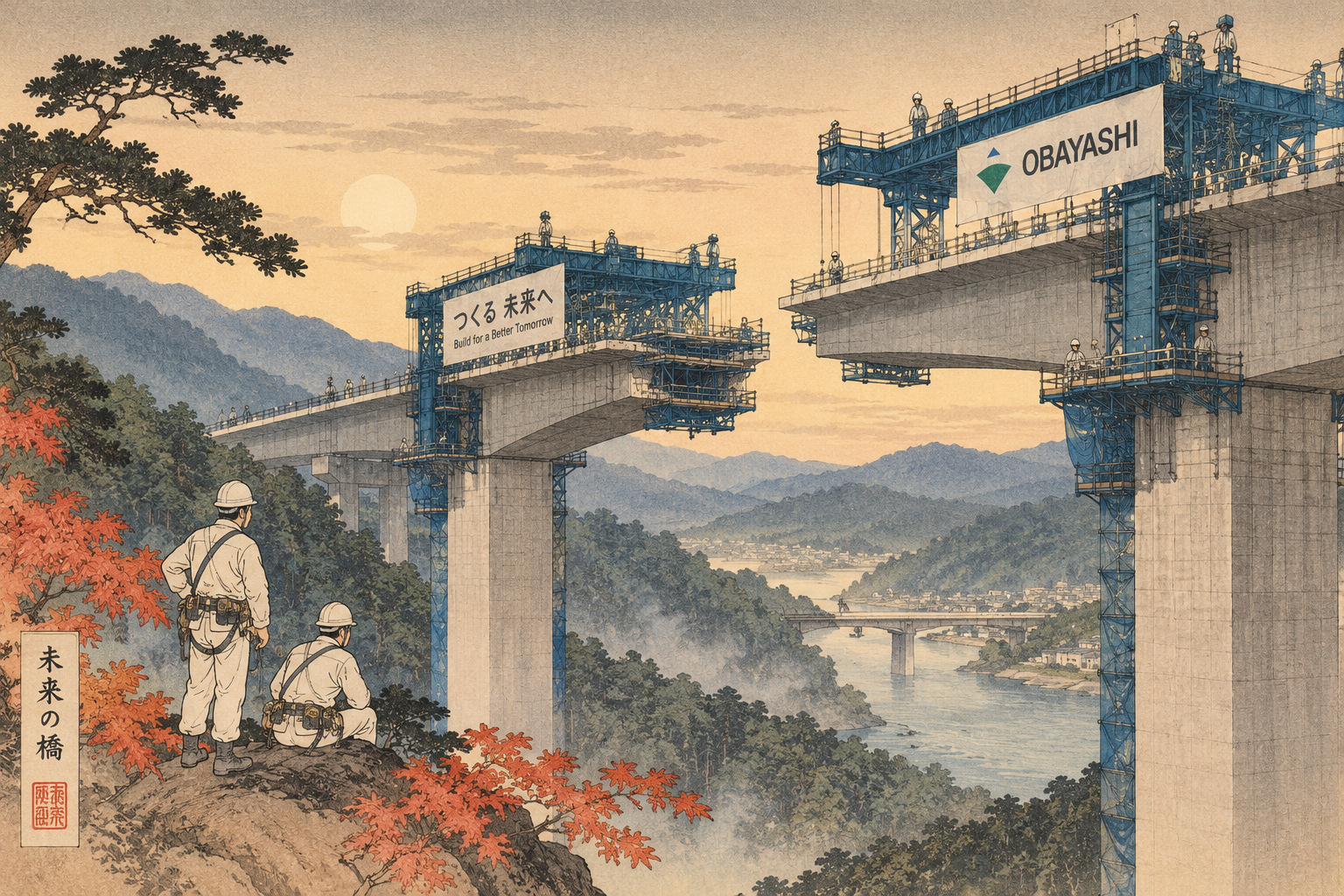
Safer Bridges Begin Before the Deck: Inside Obayashi’s Krabbe Wagen Method
Obayashi says its revised form-traveler sequence can reduce a 140-day bridge pier-head stage to 100 days. How it works, why it matters, and what remains unproven.
Science & Technology
Saturday, October 17, 2026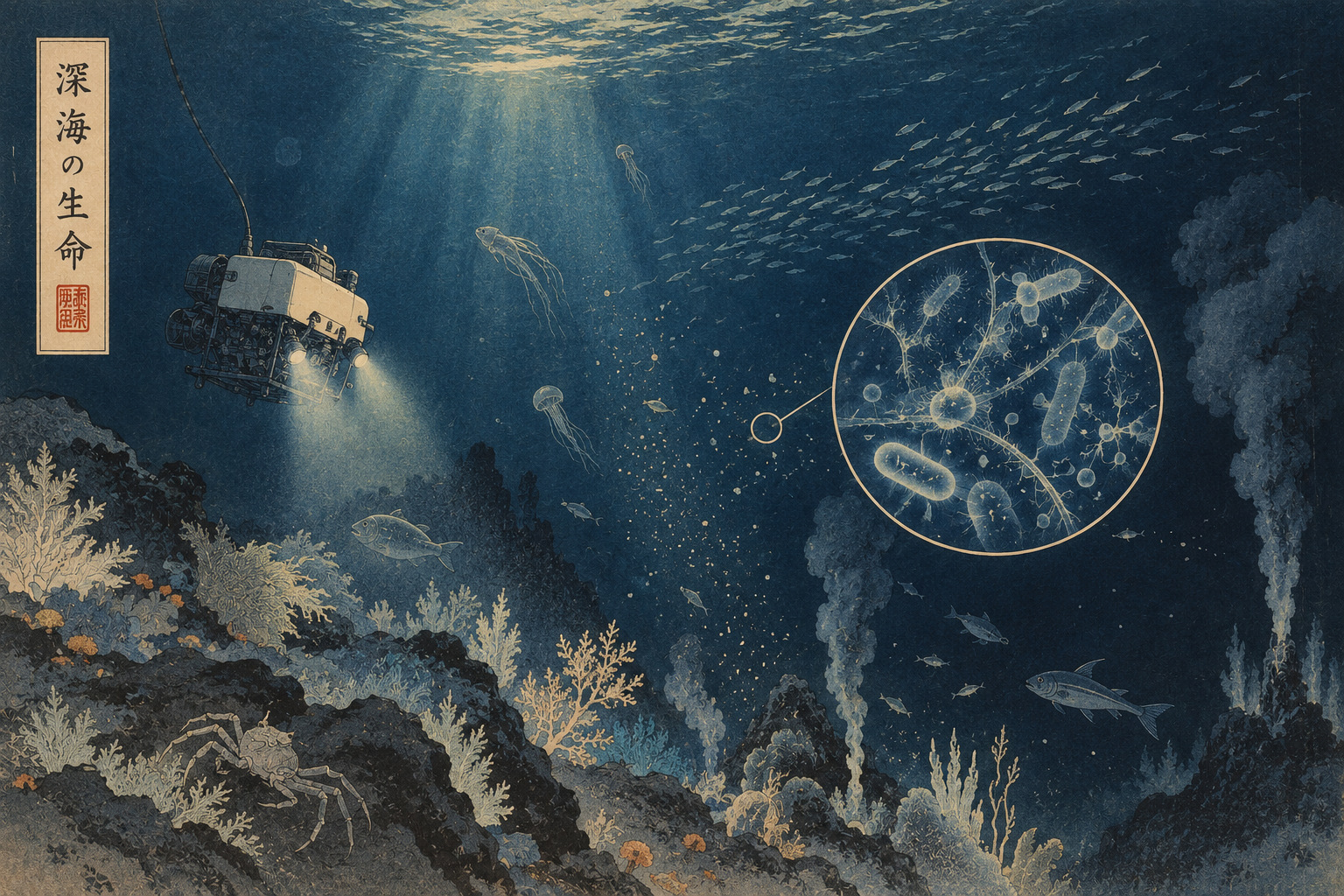
The Deep Ocean’s Hidden Carbon Fixers: What a Japanese-Led Study Really Found
A Hokkaido University-led study finds an overlooked role for heterotrophic bacteria in dark-ocean carbon fixation. The evidence, methods, history and limits behind the 17% estimate.
The Chemistry Between Cats and Their Humans: What Japan’s New Study Really Shows
Kyoto researchers tracked hormones, mood and everyday proximity in cats and owners. What the study found, what it cannot prove, and the history behind the science.
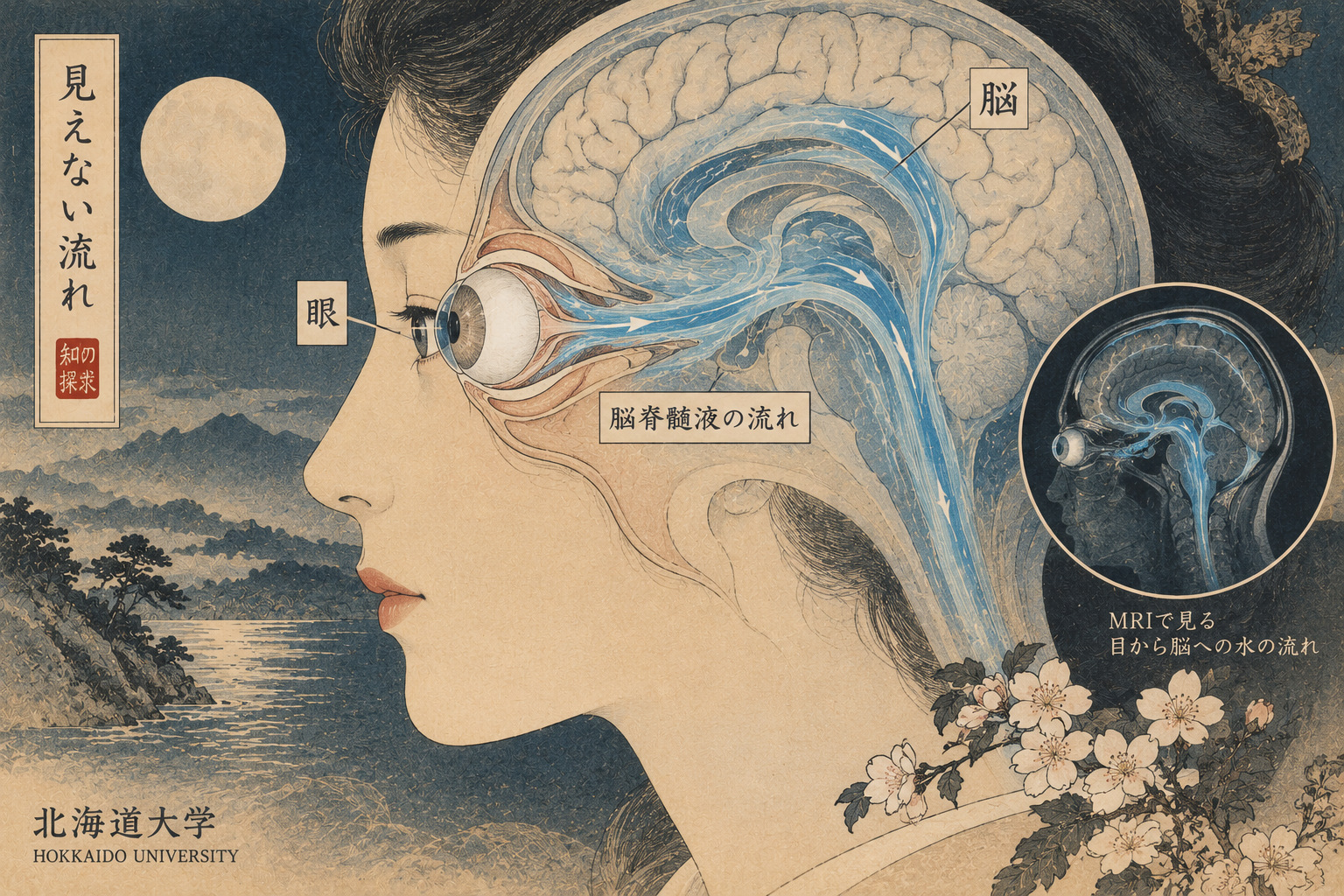
Where Does an Eye Drop Go? Japan Tracks Labeled Water Toward the Brain
Japanese researchers used oxygen-17-labeled eye drops and specialized MRI to detect water-tracer signals toward the brain. The science, history and limitations behind the announcement.
Communities
Saturday, October 17, 2026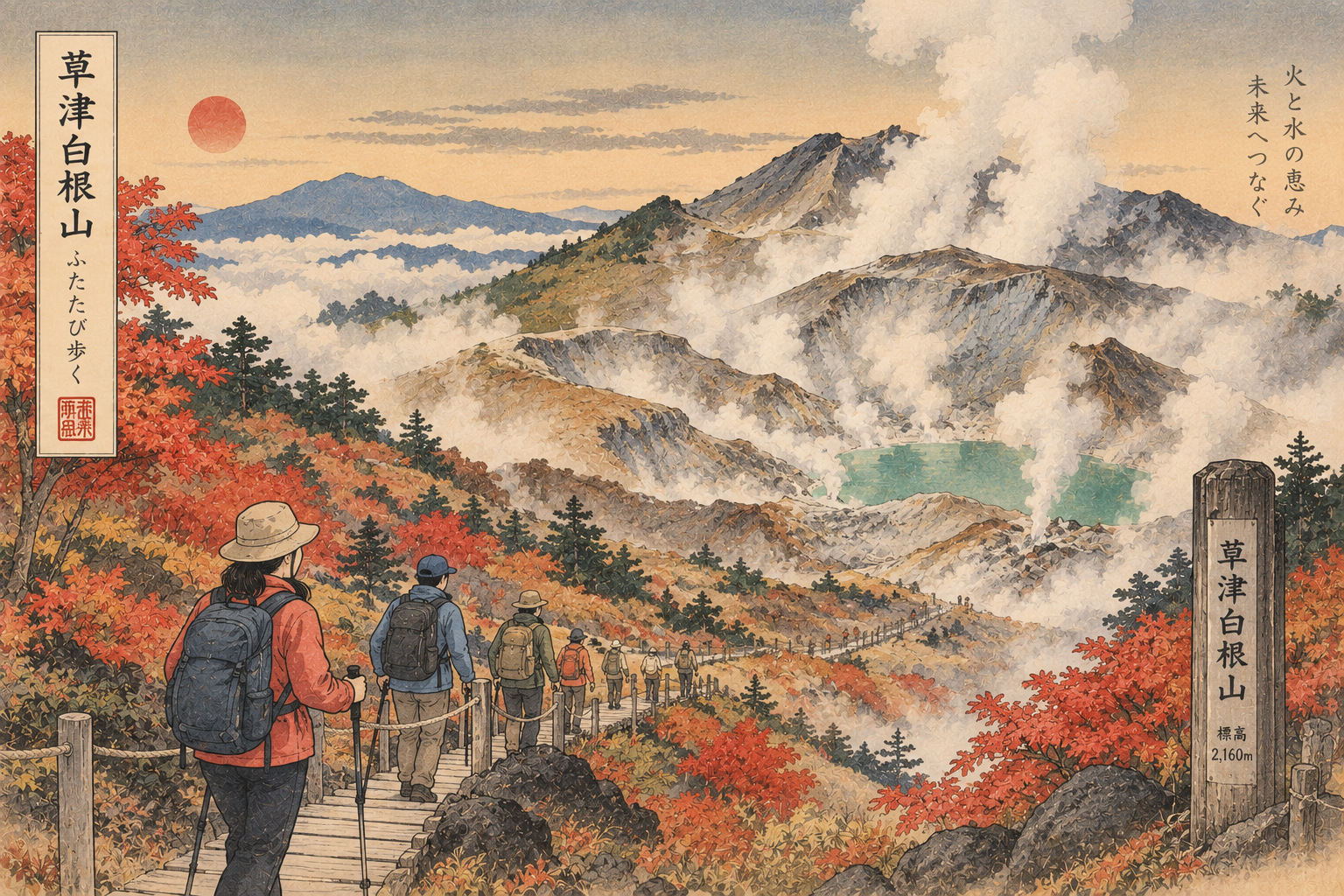
Kusatsu-Shirane Reopens a Trail—and Confronts the Limits of Volcano Tourism
Cars queued on Route 292 and visitors crossed boundaries after a carefully limited reopening. The deeper story is how a mountain town governs public access to a volcano that remains active.
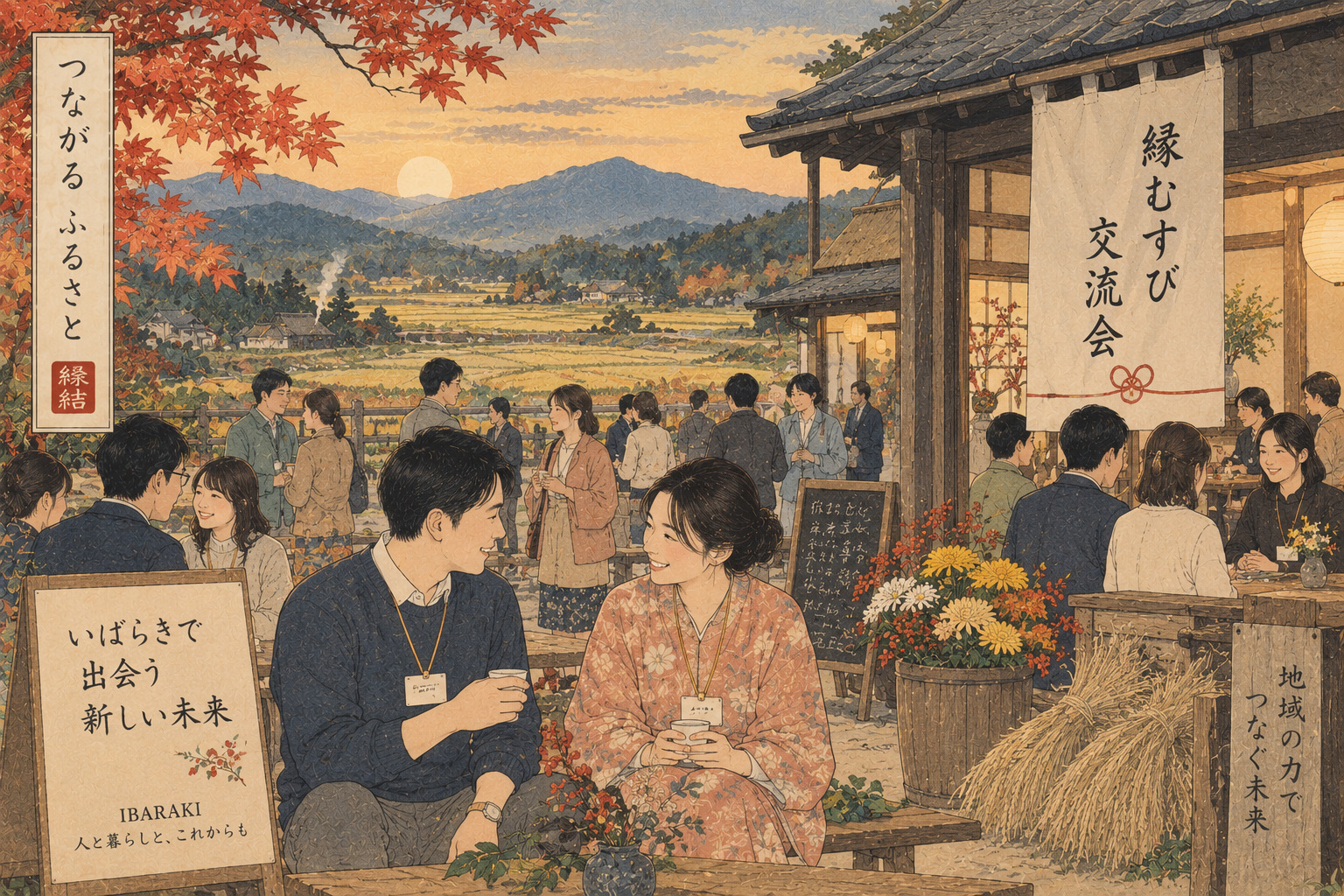
A Date Across the Prefectural Line: Six Japanese Municipalities Try Community Matchmaking
One Ibaraki town and five Saitama municipalities are joining forces for a 30-person gathering. The deeper question is what community matchmaking can—and cannot—change.
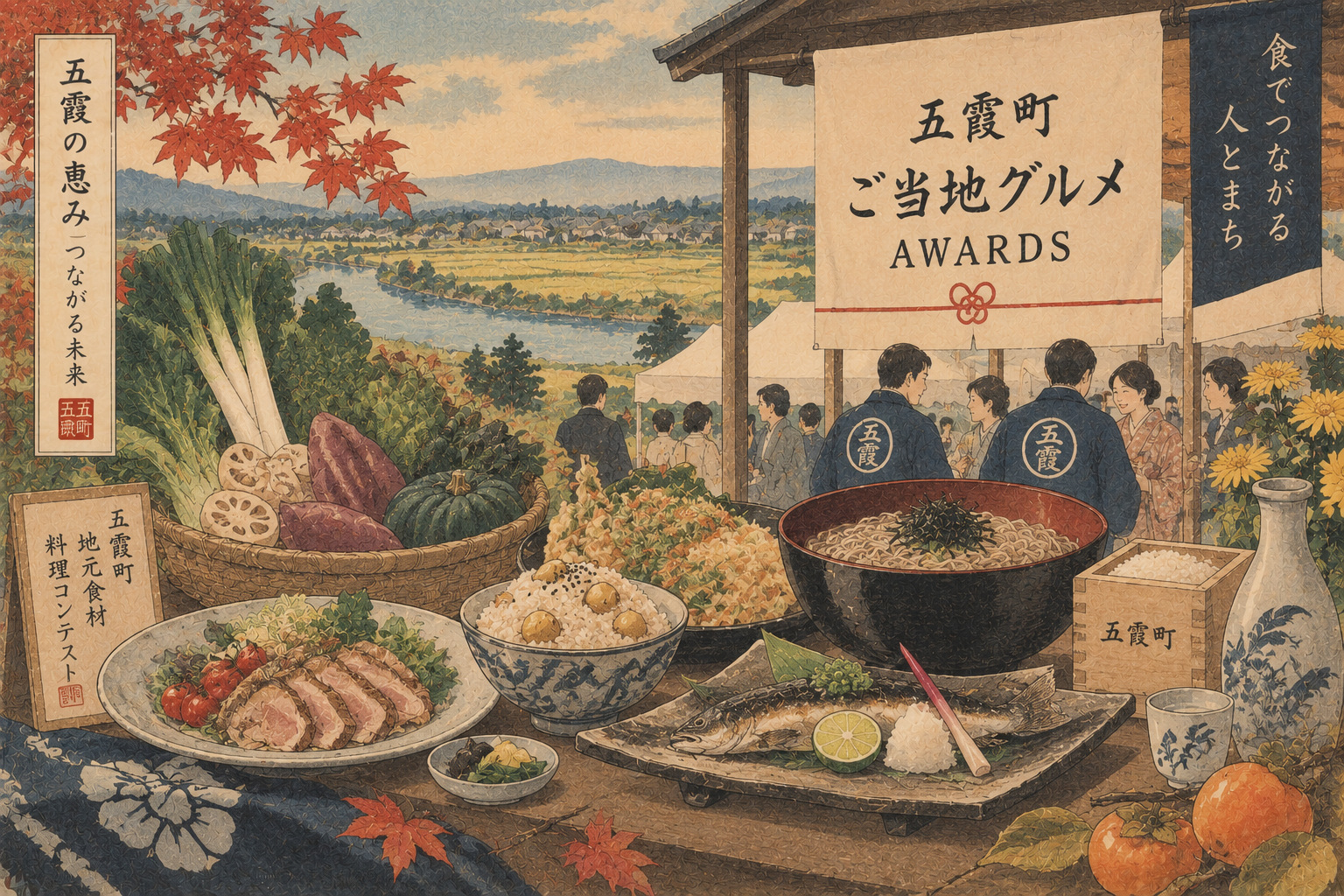
A Pork Bun, a Five-Layer Sweet and Two Silver Prizes: How Goka Is Building a Food Identity
Goka Town won runner-up honors in both categories of Ibaraki's 2026 food contest. Behind the inventive dishes lies a harder question: can the attention turn into lasting local business?
Sports
Saturday, October 17, 2026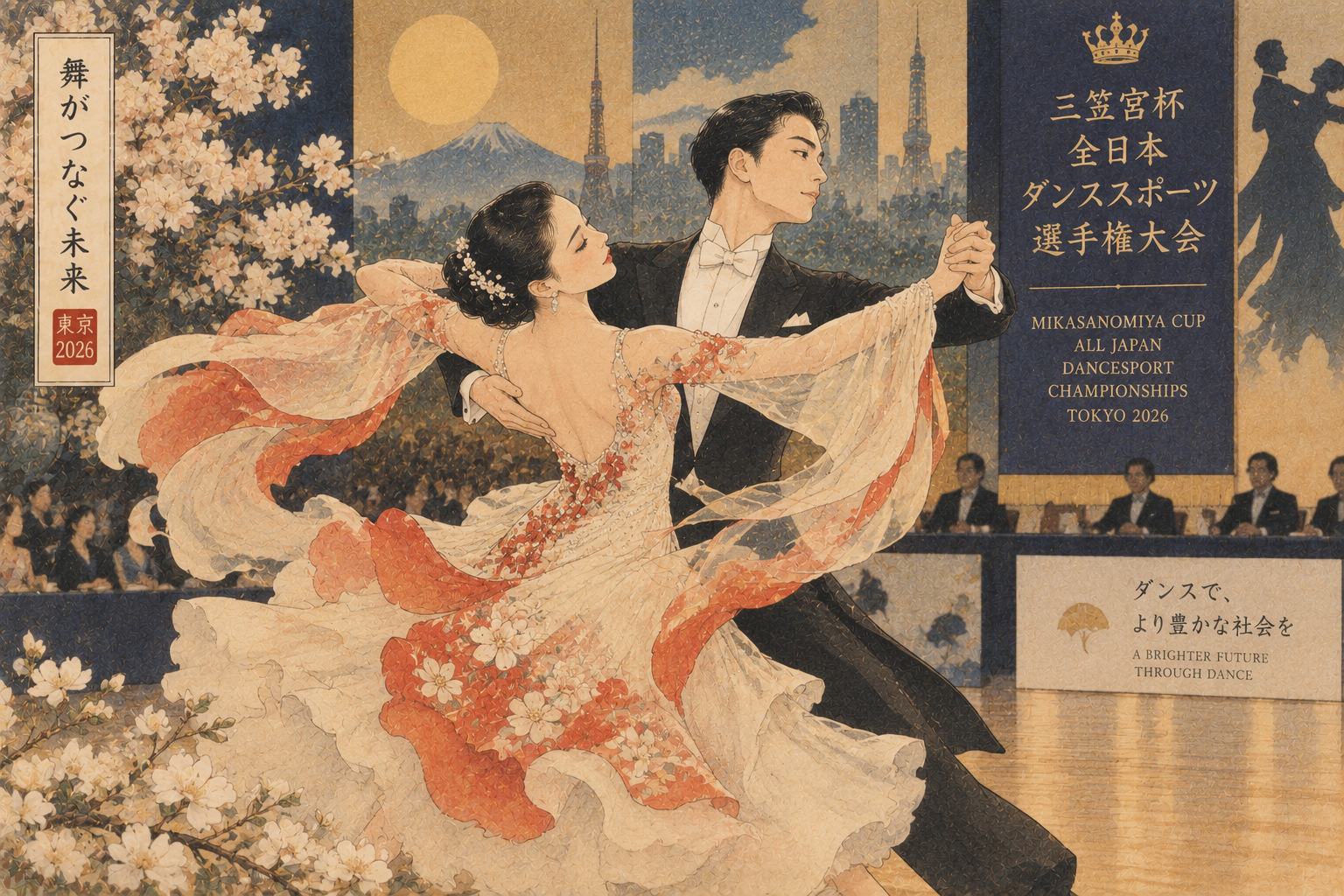
At Tokyo’s Mikasanomiya Cup, Ballroom Elegance Becomes Elite Sport
Japan’s 46th Mikasanomiya Cup brings elite DanceSport to Tokyo on October 17–18. Its imperial origins, qualification system, judging rules and multigenerational future.
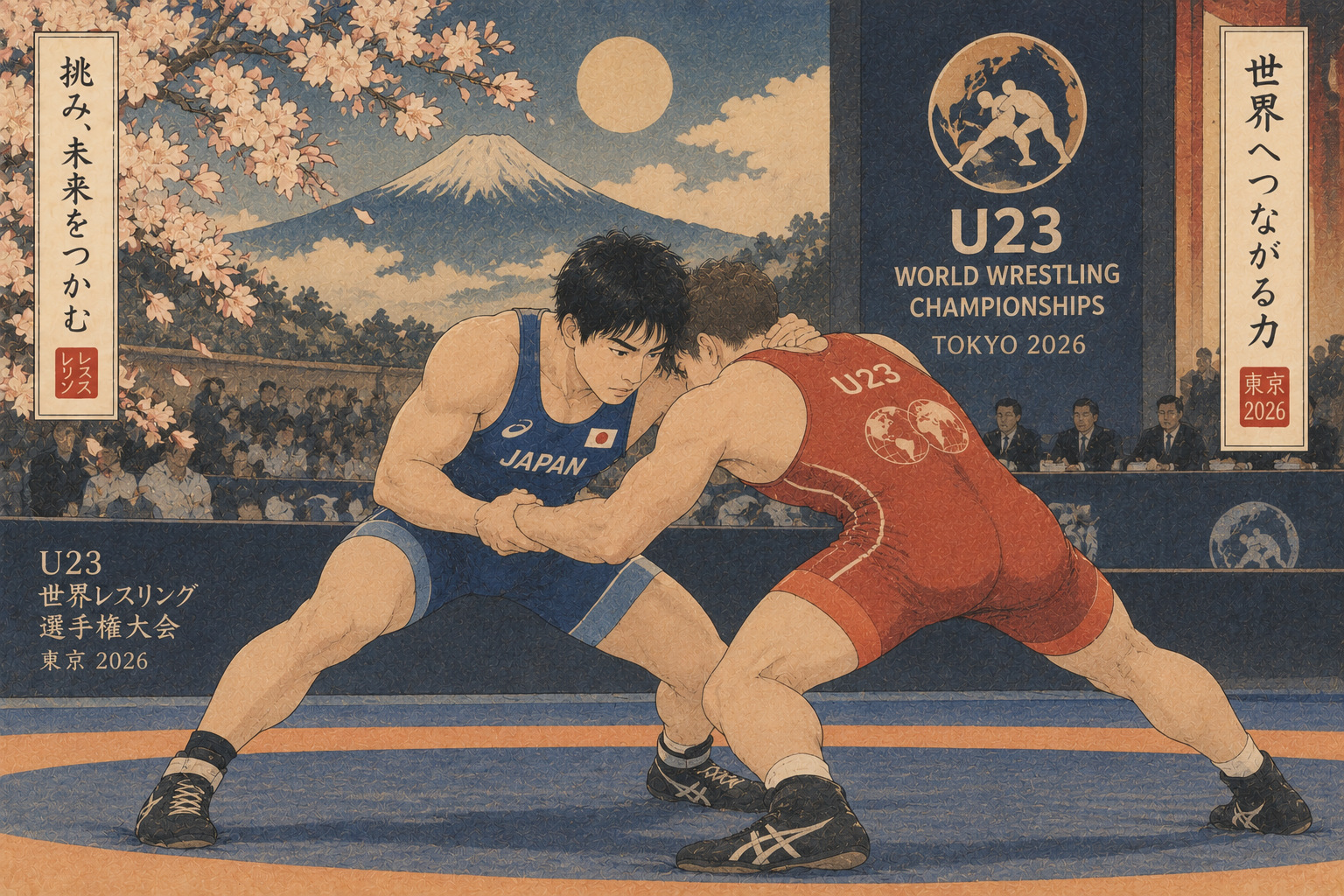
One Point from Gold: Japan’s Young Wrestlers Show Their Depth in Las Vegas
Masato Nakamura claimed U23 world silver at 63kg, while Seima Tokuhara and Hiraku Suzuki added Greco-Roman bronze medals. A closer look at the decisive bout, Japan’s university pipeline and the road ahead.
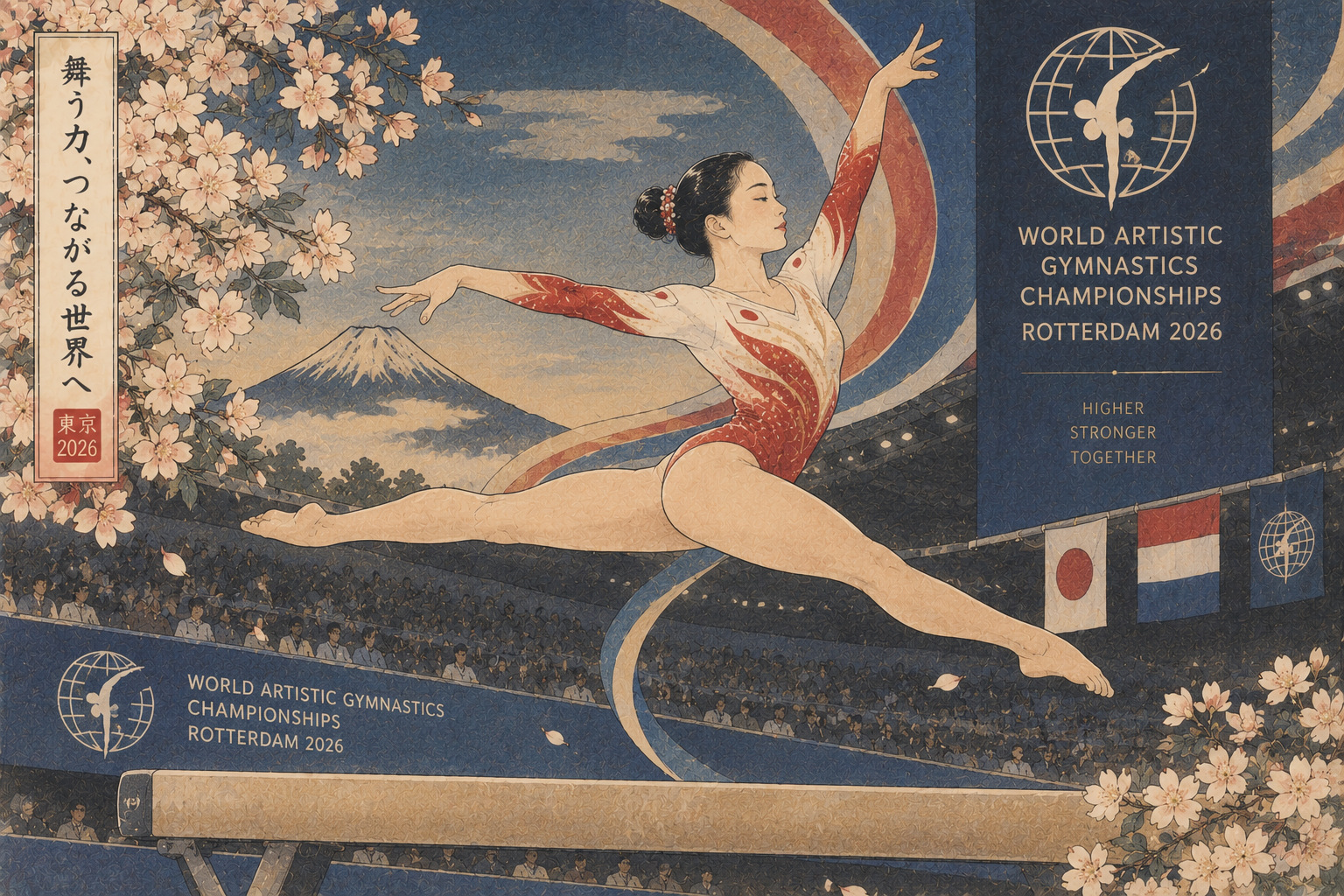
Japan Returns to Rotterdam: Ten Gymnasts, a World Title Challenge and a Sixteen-Year Legacy
Japan’s men begin qualifying October 17, its women October 18. The team’s return to the city of Kohei Uchimura’s 2010 triumph brings Olympic ambition, new talent and demanding technical tests.
Culture
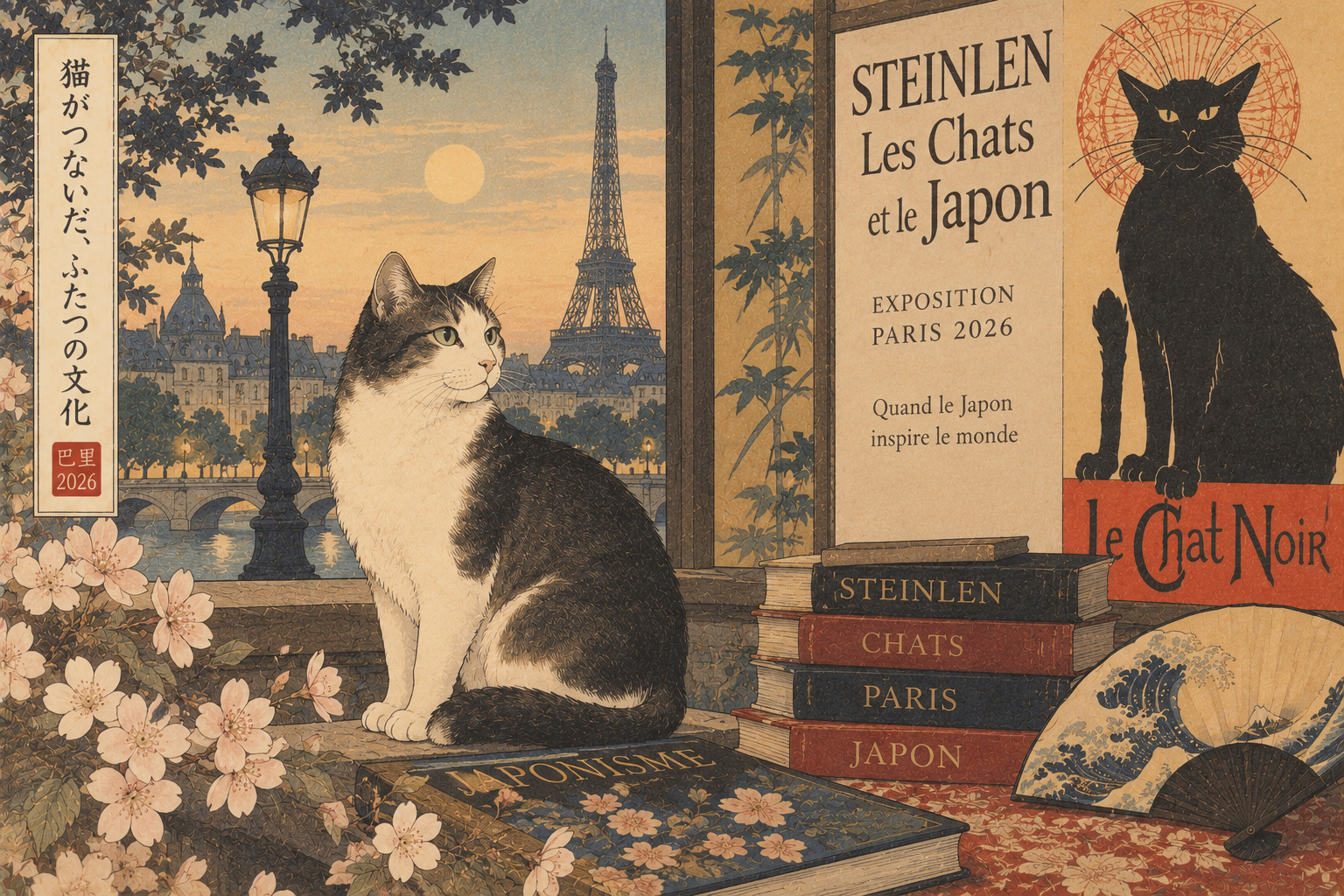
Saturday, October 17, 2026The Black Cat Between Japan and Paris: Steinlen, Japonisme and the Art of Being Seen
A Tokyo exhibition traces Steinlen’s famous black cat, the influence and stereotypes of Japonisme, and the rise of modern graphic culture in Paris.
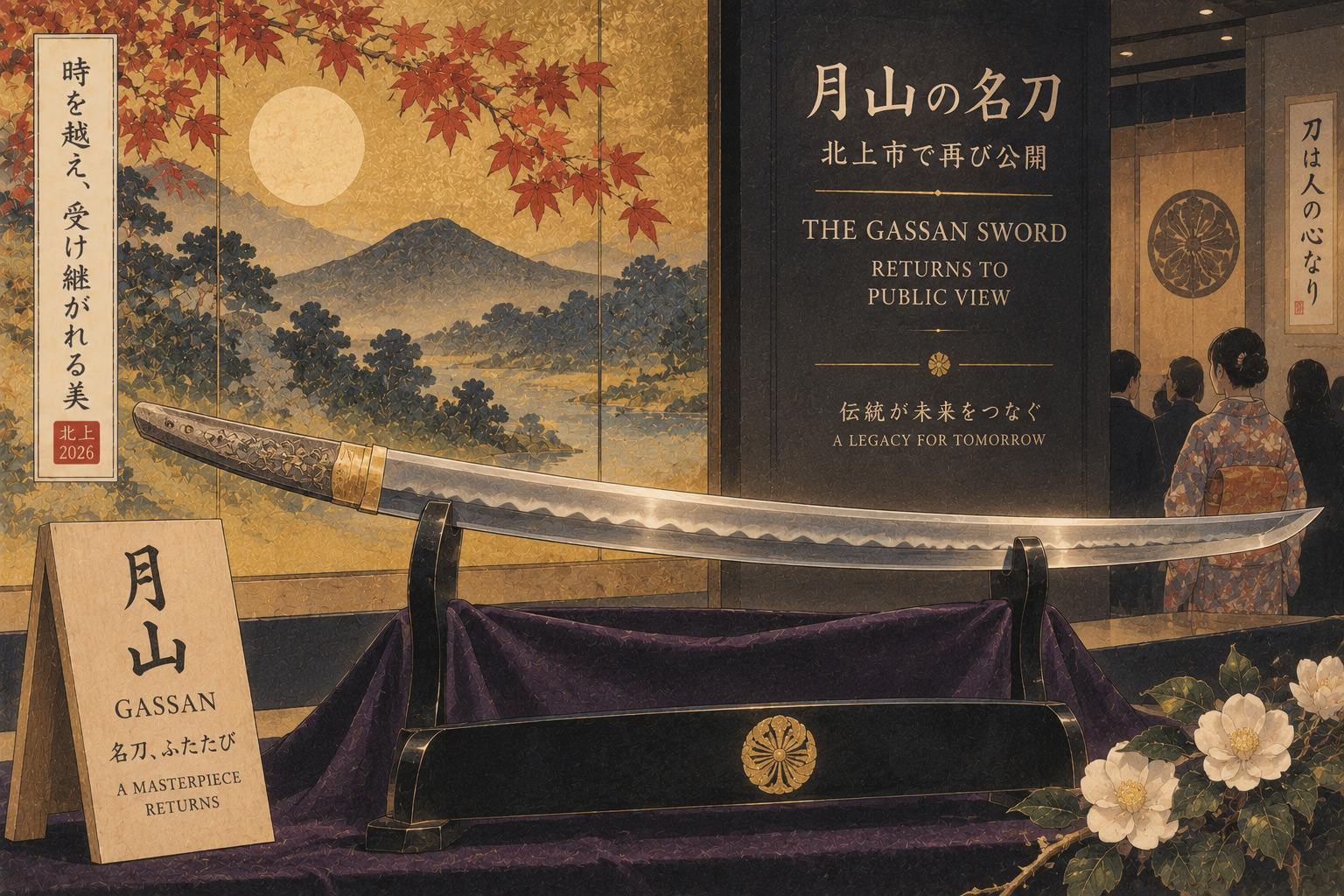
A Sword Dated 1396 Returns to View: Japan’s Gassan Steel and the Craft Behind Its Waves
Kitakami City Museum is exhibiting a privately owned Gassan sword inscribed 1396. We explore its distinctive ayasugi steel, northern Japan’s sword history and the craft’s survival.
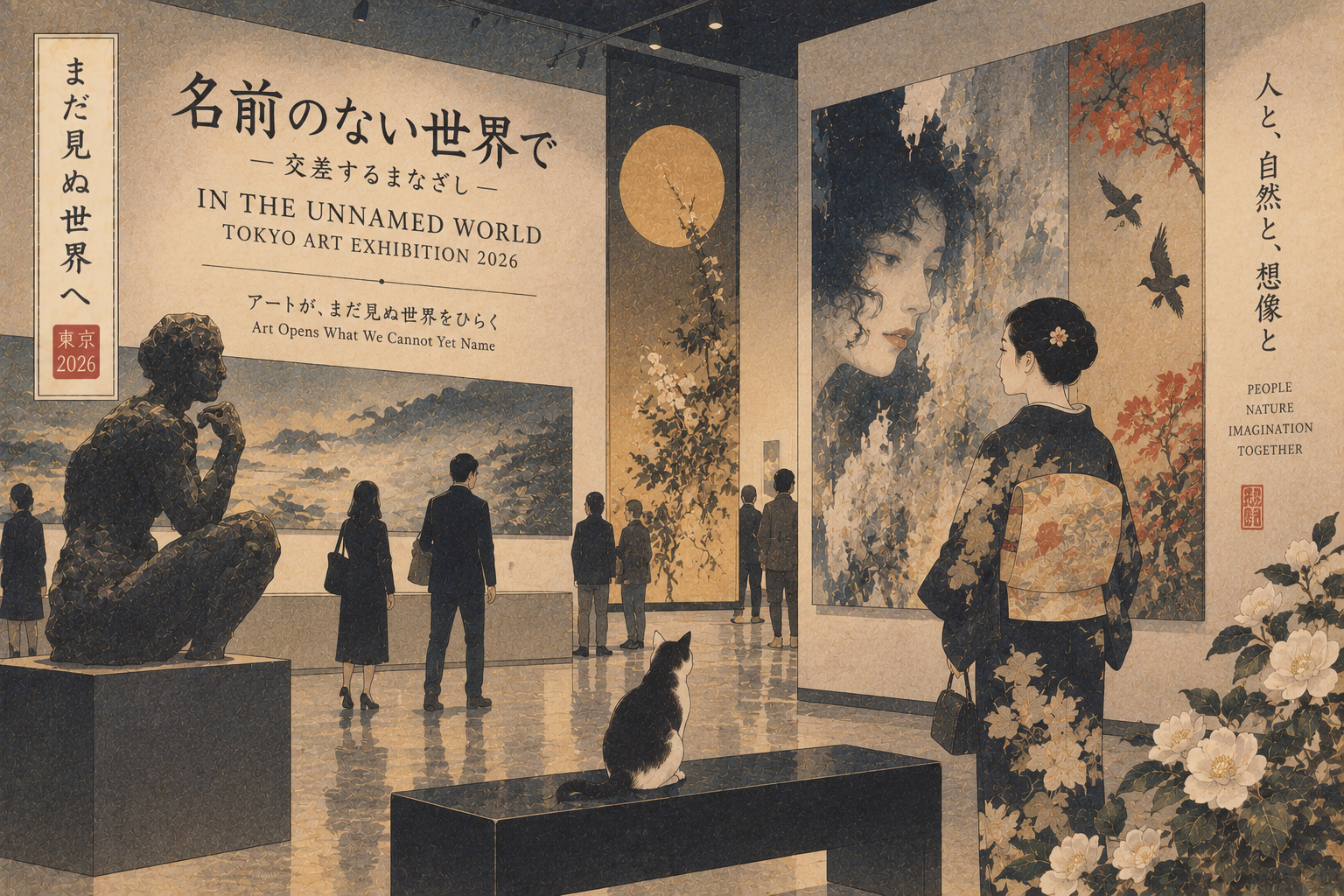
Four Artists, Unnamed Worlds: Tokyo’s New Painting and the Characters Who Live Inside It
A Kyoto-trained painter, a self-taught illustrator, an artist sewing digital images into material form, and a maker of imagined worlds meet in a Tokyo gallery.
Art Choice
Ogata Gekkō · 尾形月耕 (1859–1920)
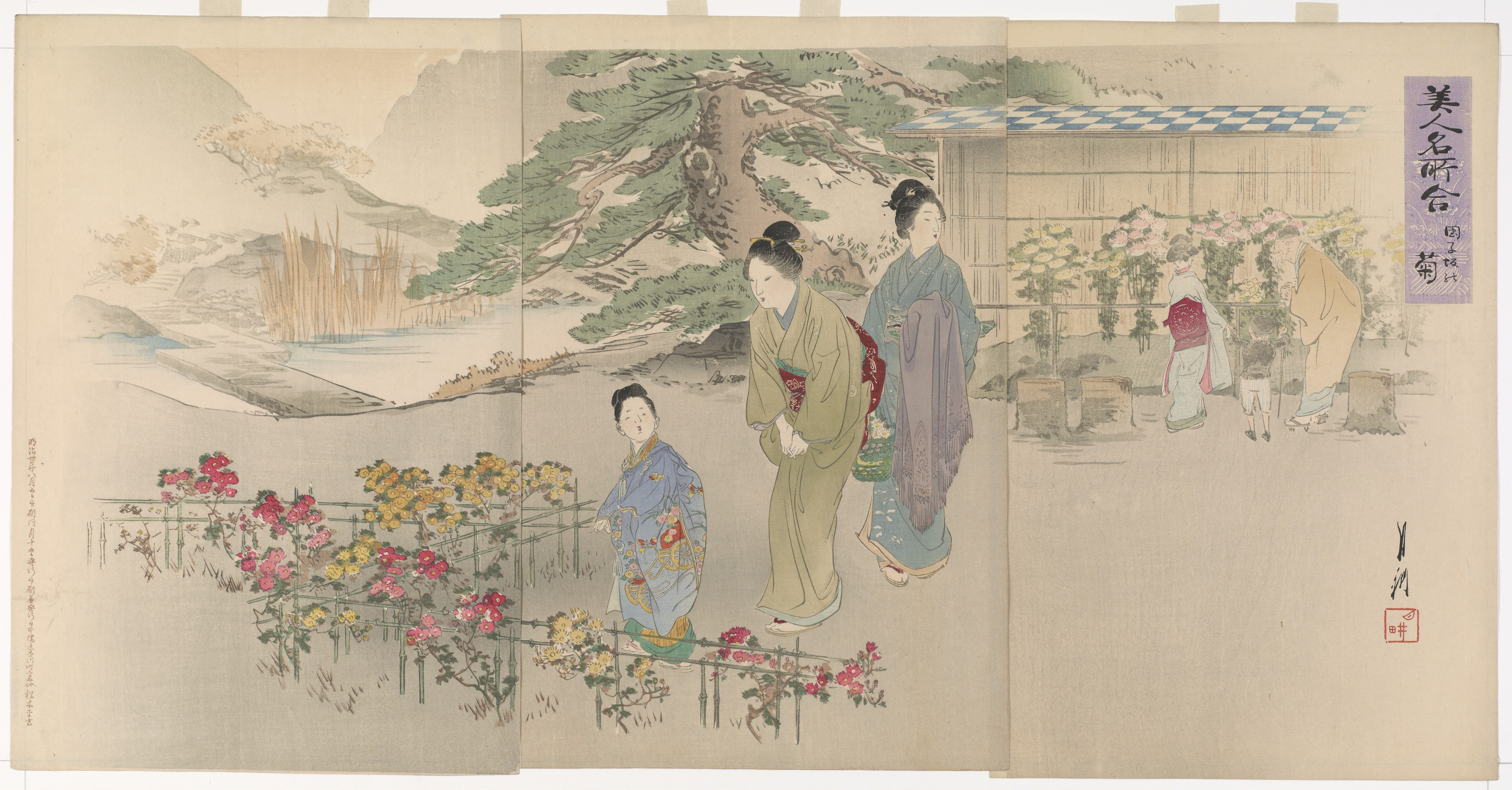
When Tokyo Wore Chrysanthemums: Ogata Gekkō and the Lost Autumn Spectacle of Dango-zaka
Ogata Gekkō’s 1897 triptych reveals the chrysanthemum-figure spectacles of Meiji Tokyo, the artist’s unusual career, and the history of a lost autumn attraction.
Explore the artwork →Historical woodblock triptych by Ogata Gekkō (1897), Smithsonian National Museum of Asian Art; not AI-generated. Confirm the collection’s reproduction conditions.
Six More Stories from October 16
Originally published October 16.
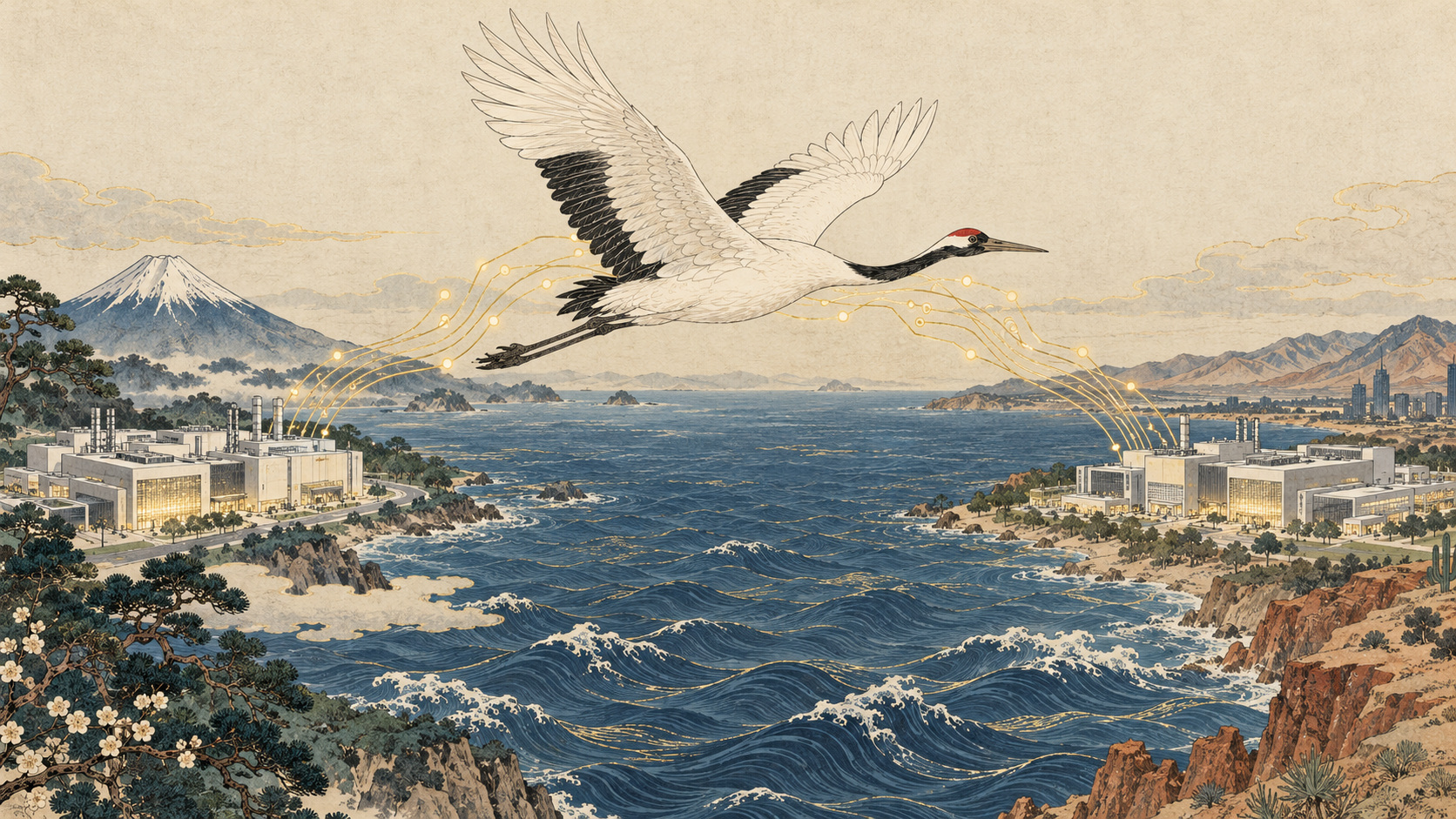
Japan’s $21 Billion U.S. Chip Investment
GlobalFoundries outlines a phased U.S. factory plan. The second plant remains conditional, while financing details still require scrutiny.
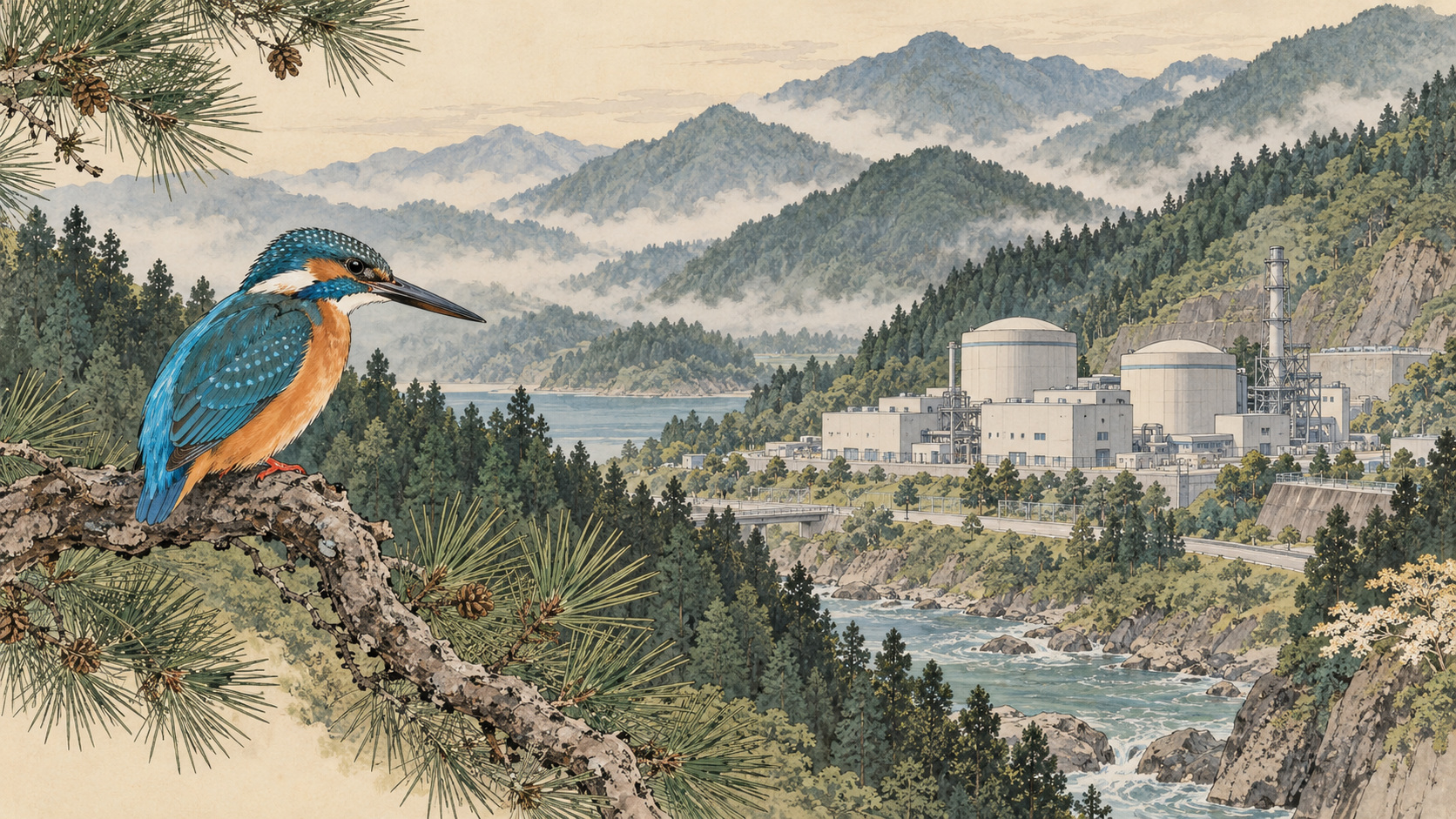
Hitachi Weighs Small Nuclear Reactors for Japan
The company explores domestic SMR deployment amid energy demand, construction-cost questions and stringent approval requirements.
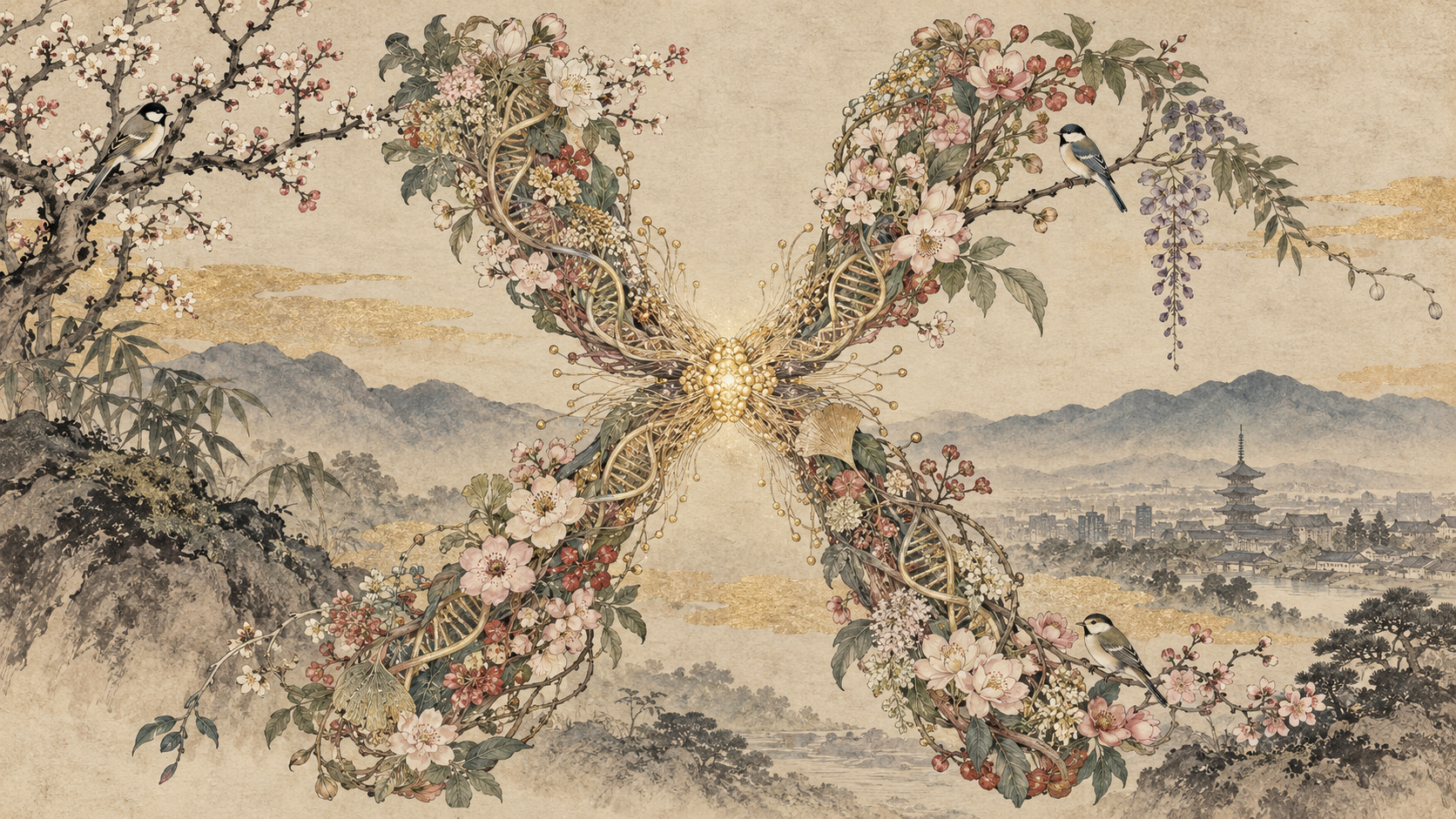
Scientists Read a Previously Elusive Part of the Human Genome
A new method examines centromere variation using data from 3,332 people, opening research possibilities while leaving major questions.
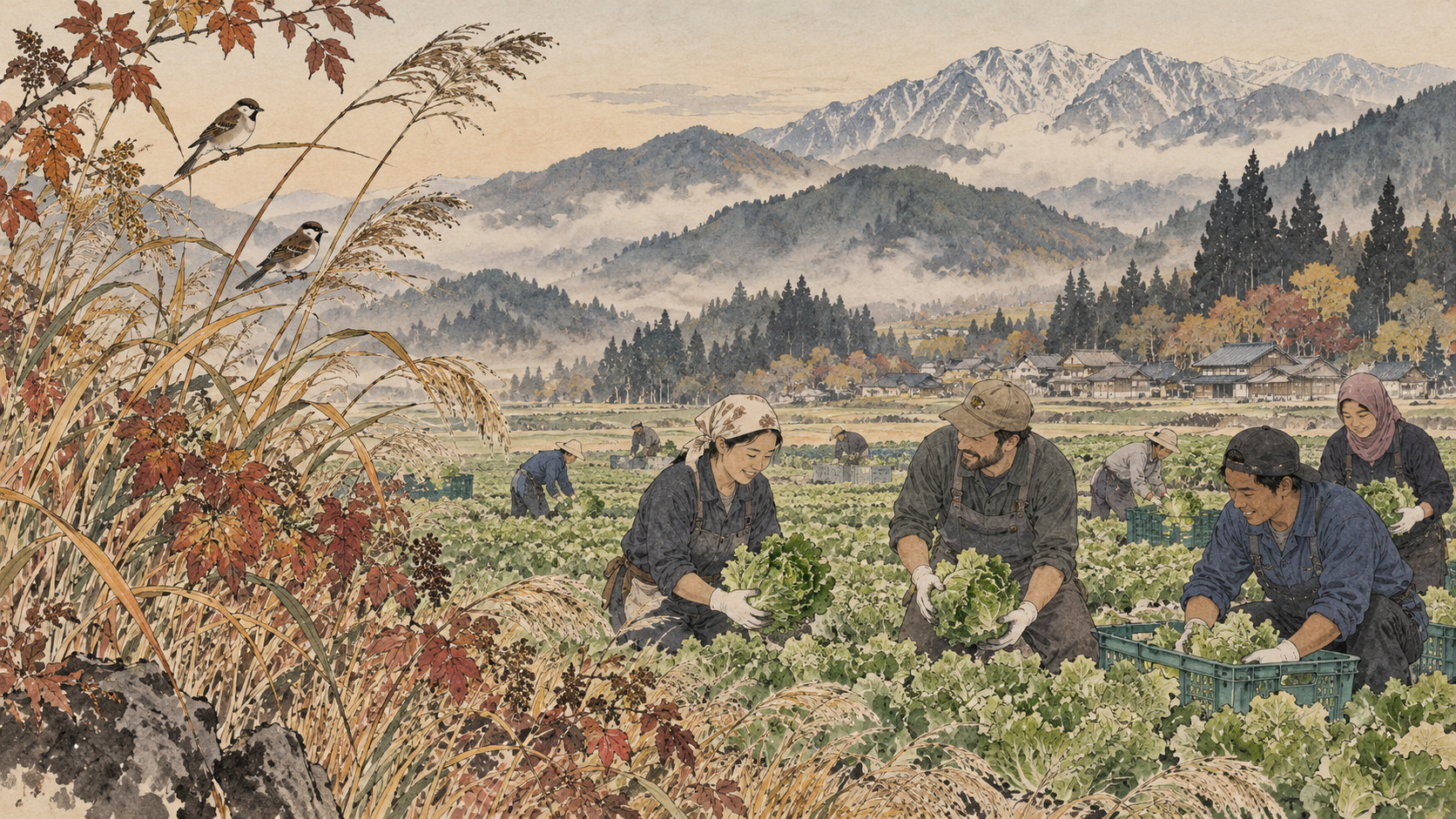
Foreign Residents Make Up 26.5% of a Japanese Lettuce Village
Nagano’s Kawakami village shows how international workers are becoming central to the future of Japanese agriculture.
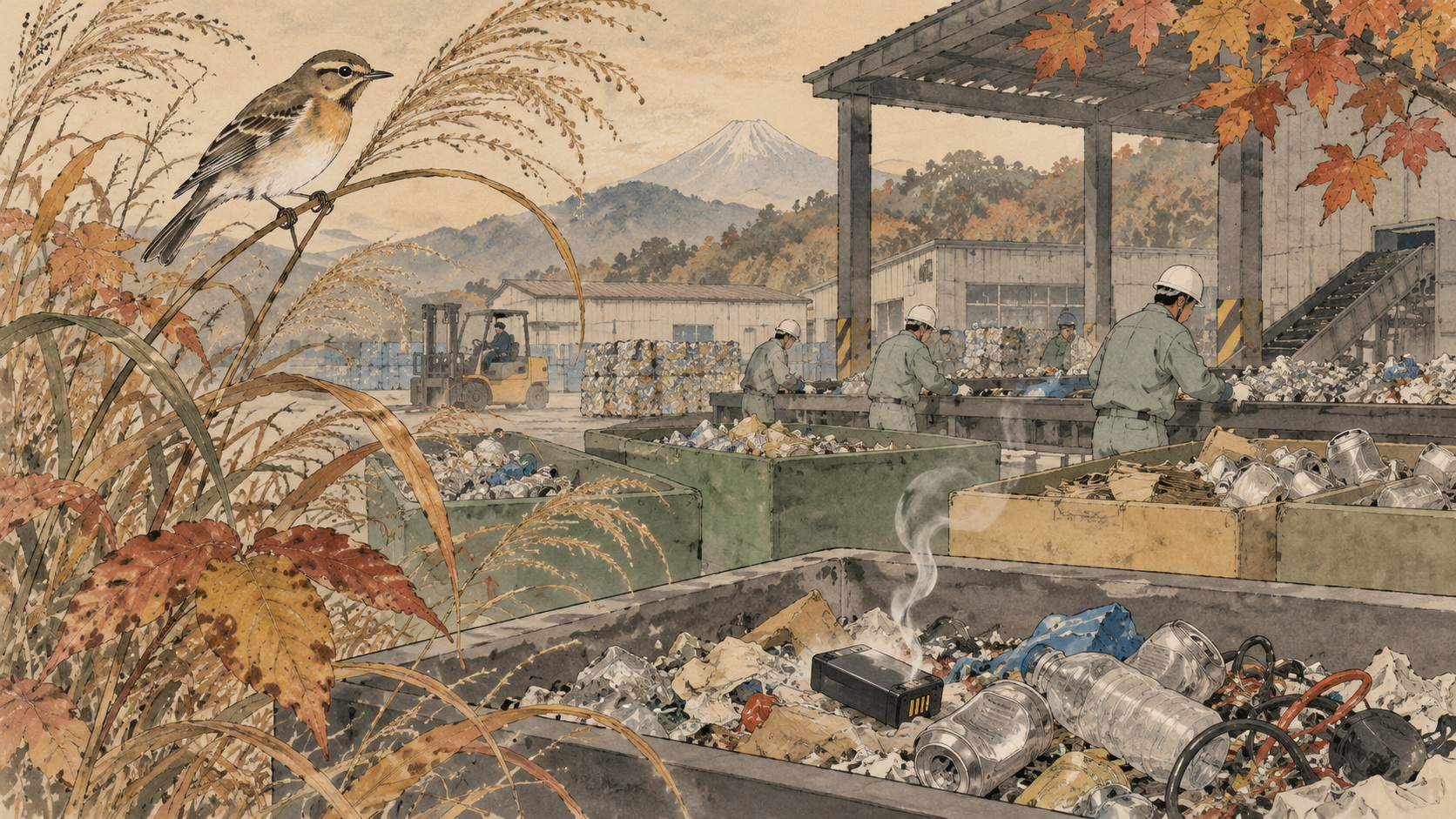
Battery Disposal Is Creating Thousands of Waste-Facility Fire Incidents
Japan records 39,282 suspected smoking or ignition incidents involving batteries in waste operations; the tally is not a count of major fires.
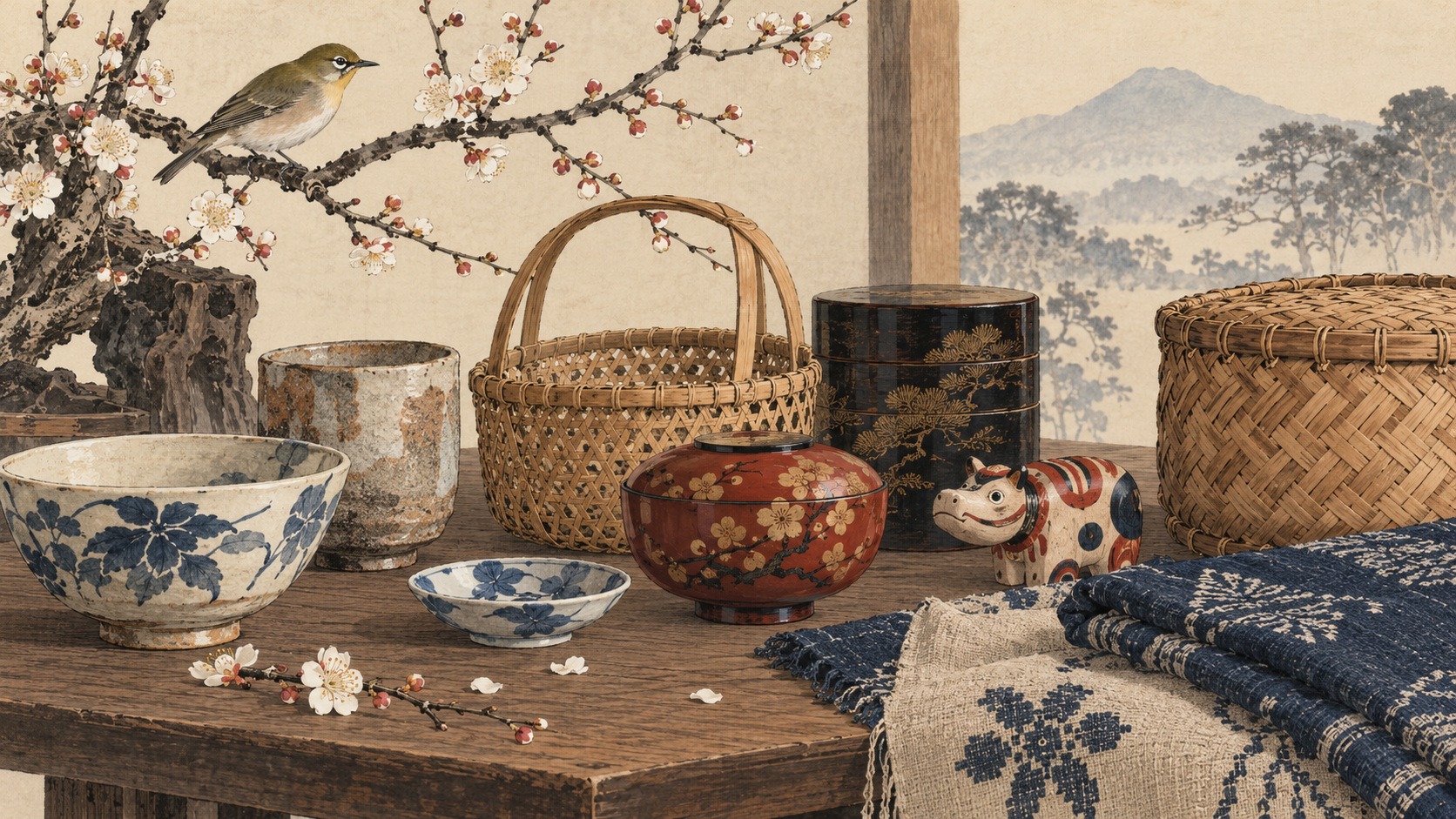
The Doctor Who Reinvented Japan’s Folk-Craft Business
Shōya Yoshida connected craftspeople, retailers and ordinary households in a visionary new approach to regional design.
Main story illustrations are AI-generated editorial interpretations inspired by Ogata Gekkō, not documentary images. The Art Choice is a historical work.
Competition results and event schedules are reported as of each story’s stated cutoff and may change.
ADVERTISEMENT
