From sound felt in the body to tax, mobility, science, communities, sport and craft.
Japan.co.jp leads with its interview with Ryo Fujimoto, then follows Japan’s proposed 1% food tax, Tokyo’s driverless-taxi push, Hamaoka’s restart reset, a rare-disease drug, optical barcode beads, the Global Hawk loss off Tottori, Yokohama’s slow mobility, Okinawa deep-sea life, Japan–India cricket, Samurai Japan, youth-football performance research, craft tourism and Hokusai’s printed books. Kubo Shunman closes the edition with a moon found in water.

Before the Mind Understands, the Body Reacts: Ryo Fujimoto on ENERGY EMBODIMENT THEORY
Ahead of the September 22 performance at SUPER DOMMUNE, Ryo Fujimoto talks with Japan.co.jp about voice, bodily vibration, ten years of friendship with Itti and Takuma Nakata, and why experimental work does not need to be understood before it is felt.
Read the interview →Thursday, September 17, 2026
Four More to Know Today
Driverless taxis, rare disease, unmanned surveillance, Japan–India cricket
Business & Economy
1% food tax, driverless taxis, Hamaoka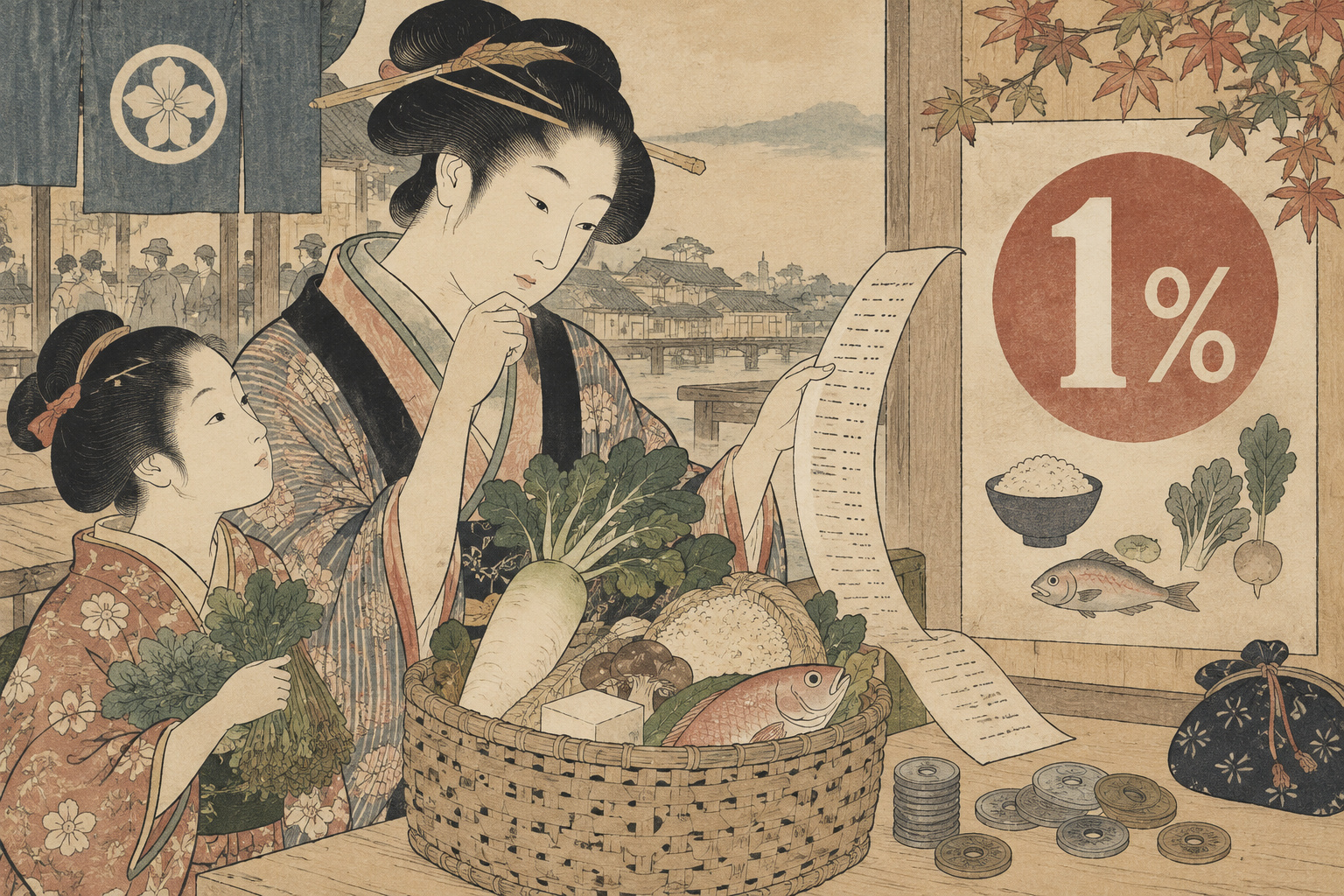
Japan’s 1% Food Tax Plan Opens a ¥5 Trillion Question
Japan has approved an outline to cut the consumption tax on qualifying food from 8% to 1% for two years from April 2027. The shopper’s saving is easy to see; the unresolved fiscal question approaches ¥5 trillion a year.
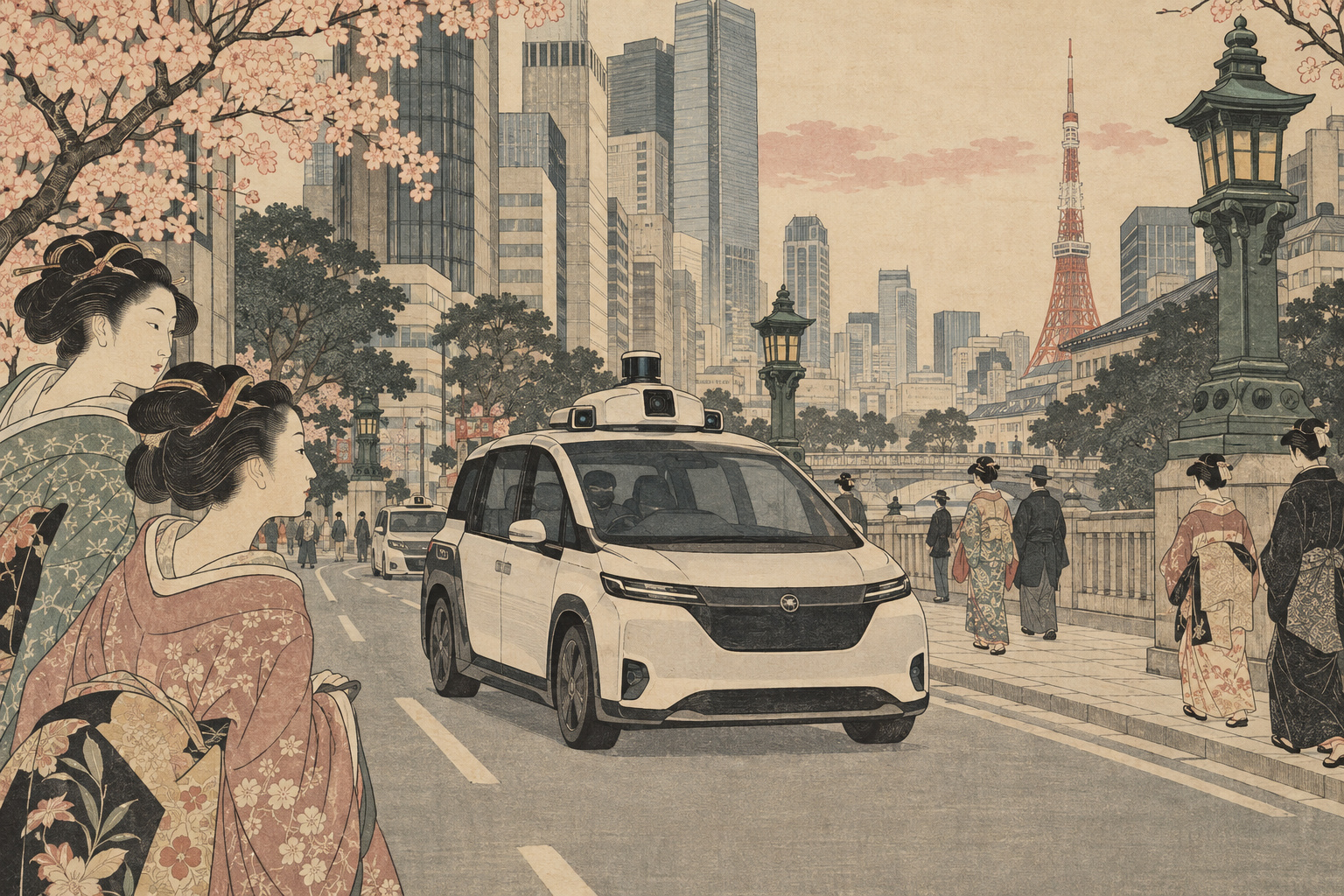
Tokyo’s Driverless Taxi Race Moves from Testing to a 2027 Launch
After mapping and supervised testing in seven central wards, Waymo, GO and Nihon Kotsu are preparing a fully driverless commercial service. The difficult part now is turning autonomy into an ordinary Tokyo taxi.
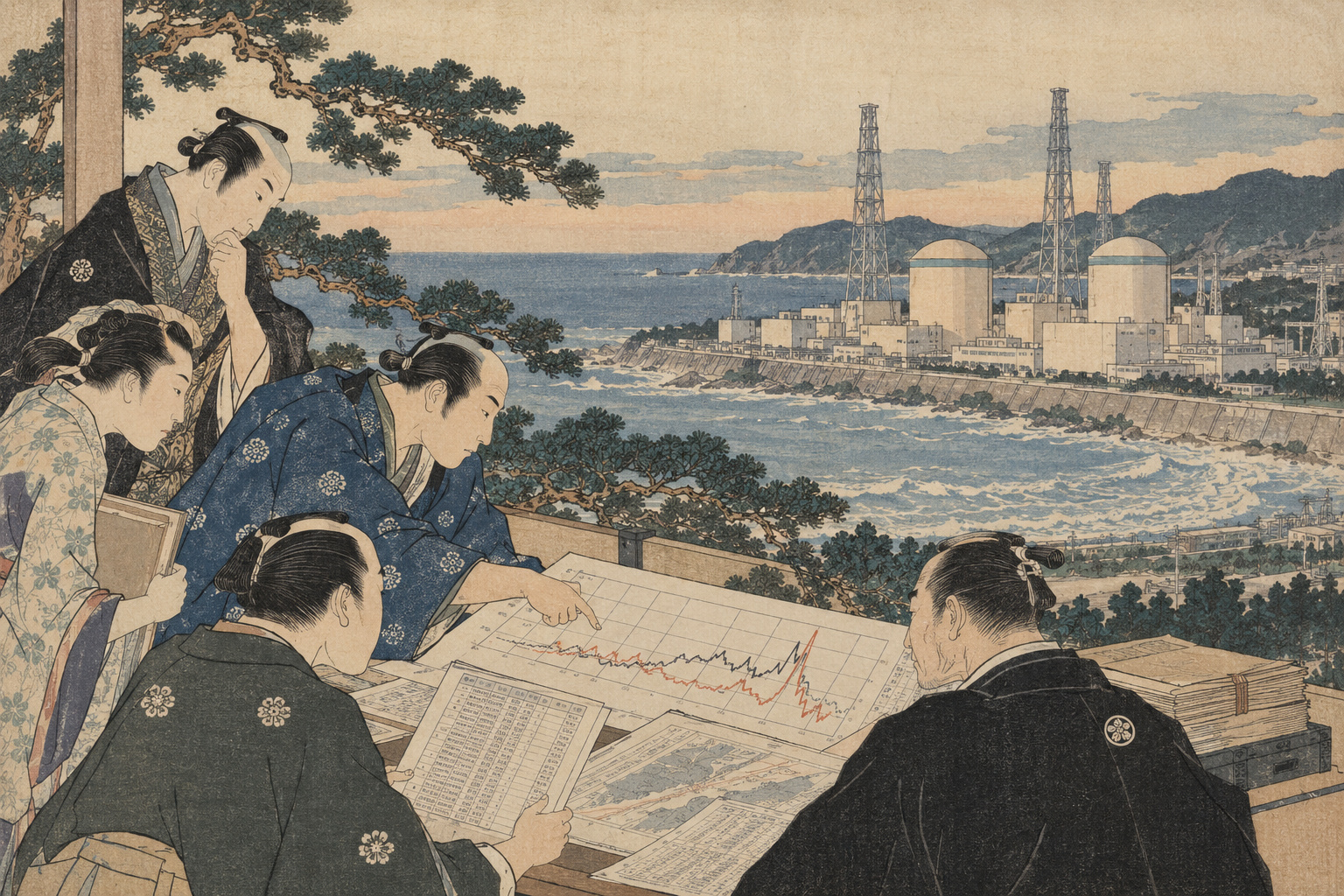
Hamaoka Restart Reset: Data Scandal Forces Chubu Electric Back to Square One
Chubu Electric is abandoning the current safety applications for Hamaoka Units 3 and 4 after an independent investigation found improper conduct in seismic-motion work and serious governance failures.
Science & Technology
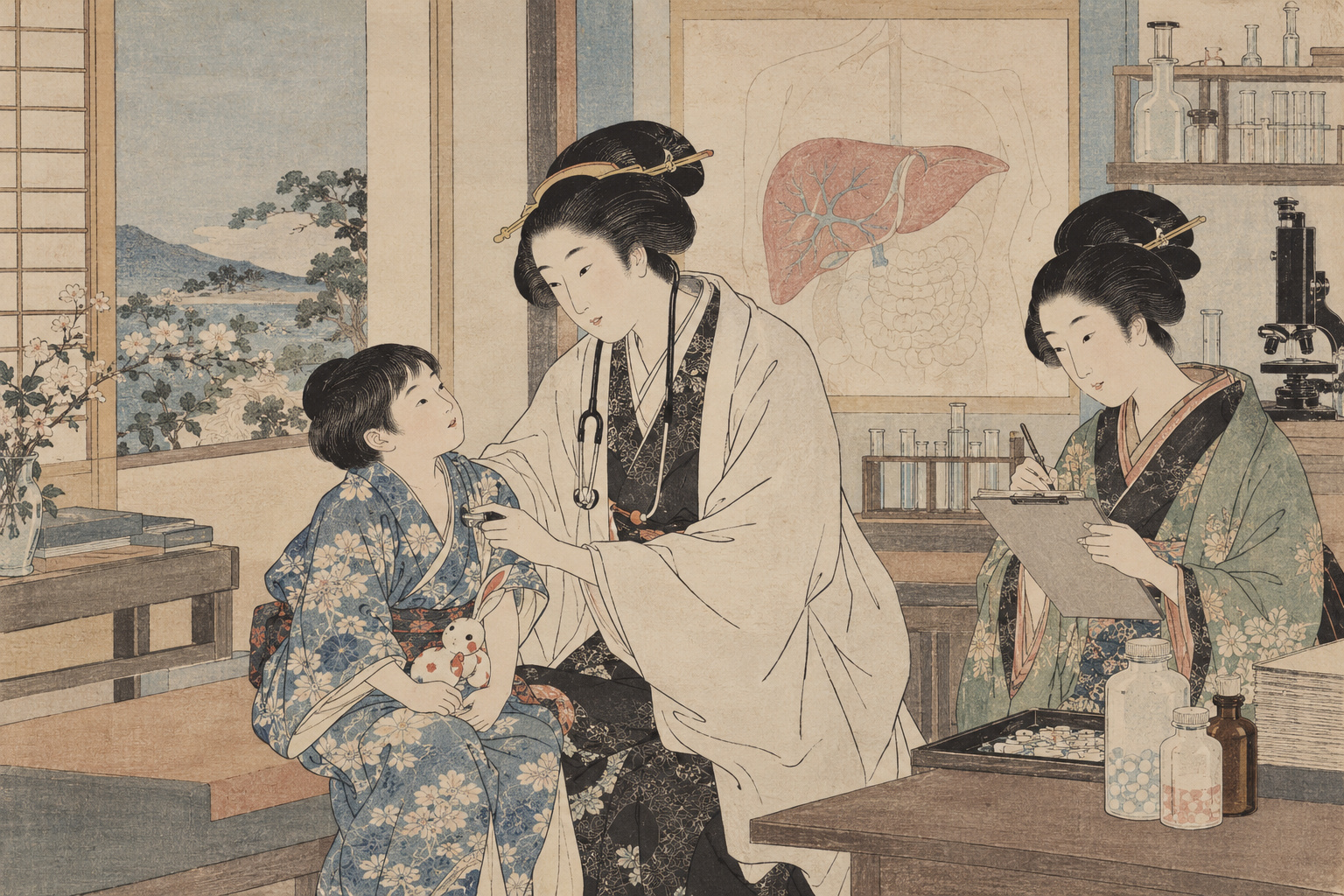
PFIC, optical barcodes, knee MRIA 20-Year Path from Discovery to Approval Gives Children with PFIC a New Option
An old urea-cycle drug has gained a new PFIC1/2 indication after two decades of Japanese research, from a protein-trafficking discovery to a six-patient trial.
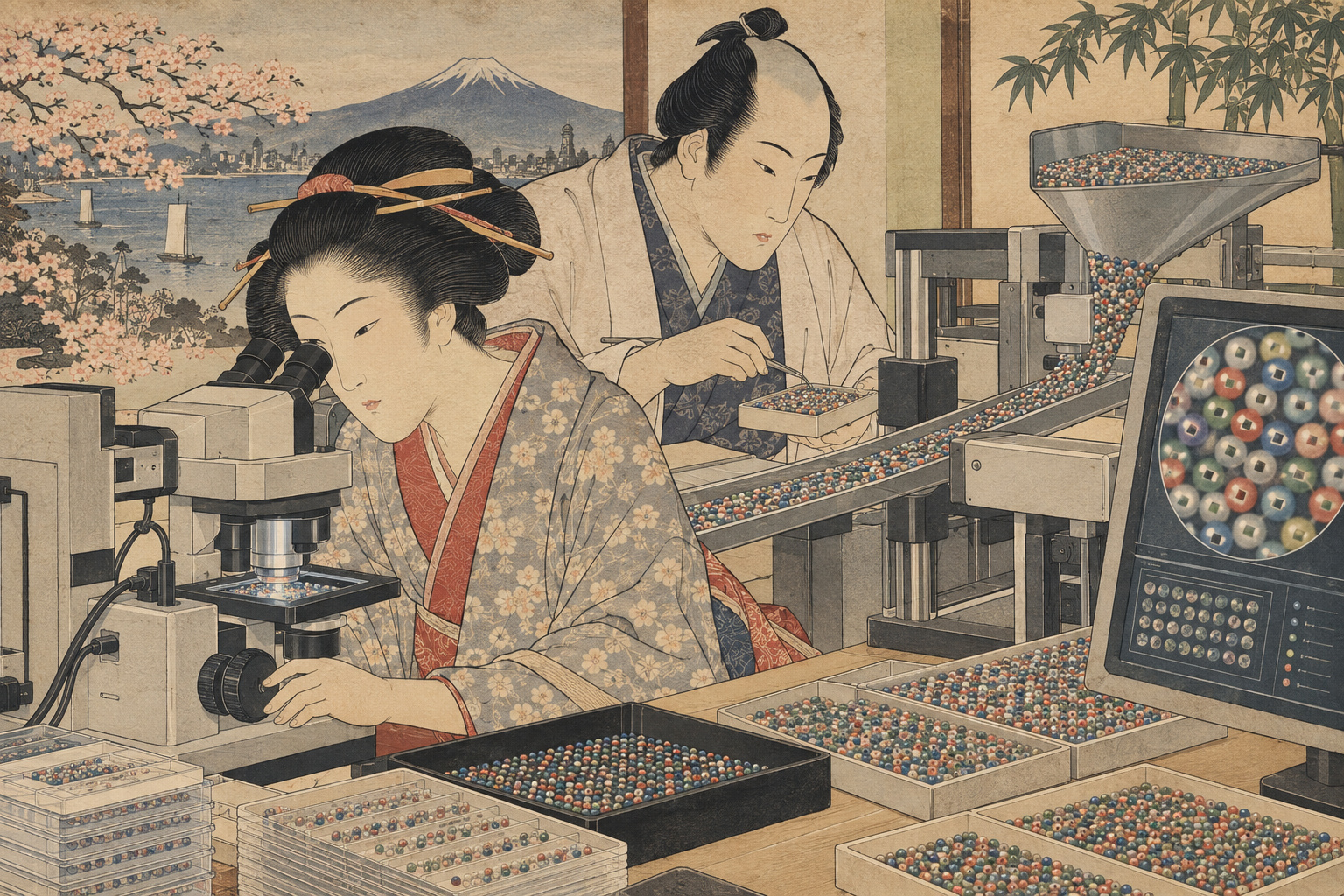
A Million Tiny Barcodes an Hour: Tokyo Team Scales Optical Beads
The University of Tokyo team makes a common five-domain hydrogel template at more than one million particles an hour, then writes selected optical identities afterward.
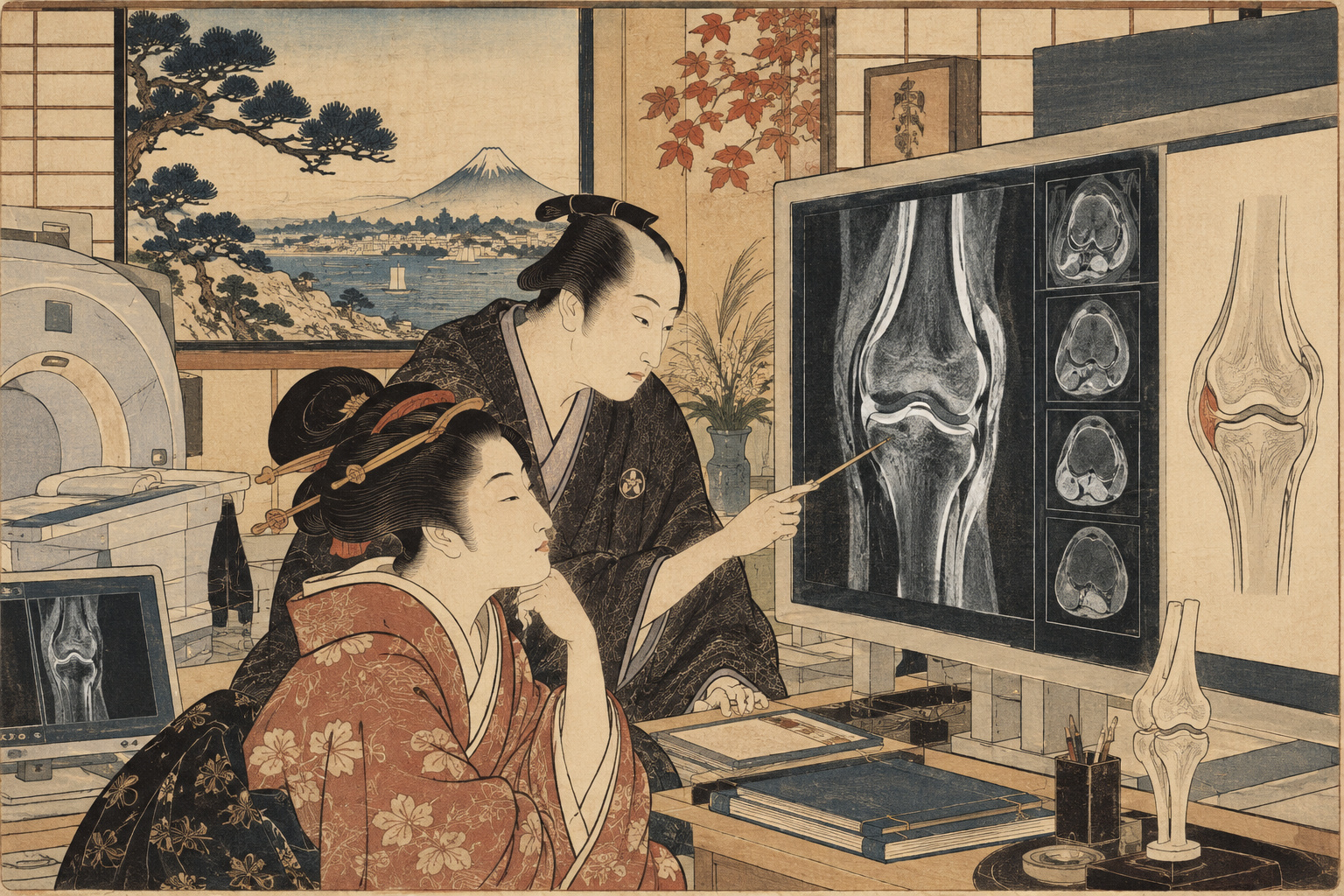
Before the Knee Hurts: Japan Tries to See Osteoarthritis Coming
Japan’s Kanagawa Knee Study is returning to the same participants roughly eight years later to test whether an early MRI signal can identify whose knee is actually going to worsen.
Communities
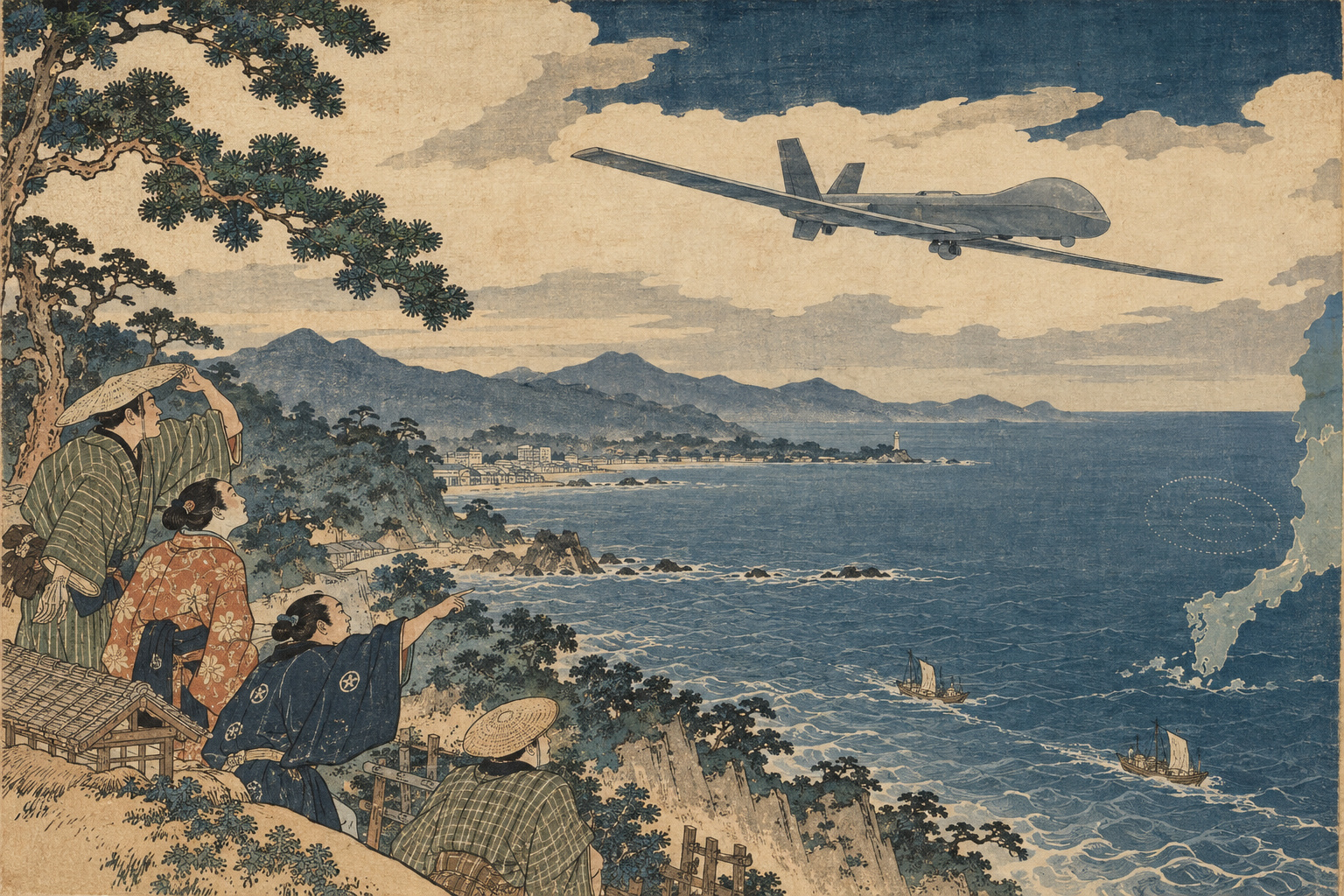
Global Hawk, Slomobi, Okinawa deep seaJapan Loses Contact with a Global Hawk off Tottori
A communications-system problem was followed three minutes later by radar loss off Tottori. Debris, fishing vessels offshore and a fleet of only three aircraft turn a surveillance story into a coastal one.
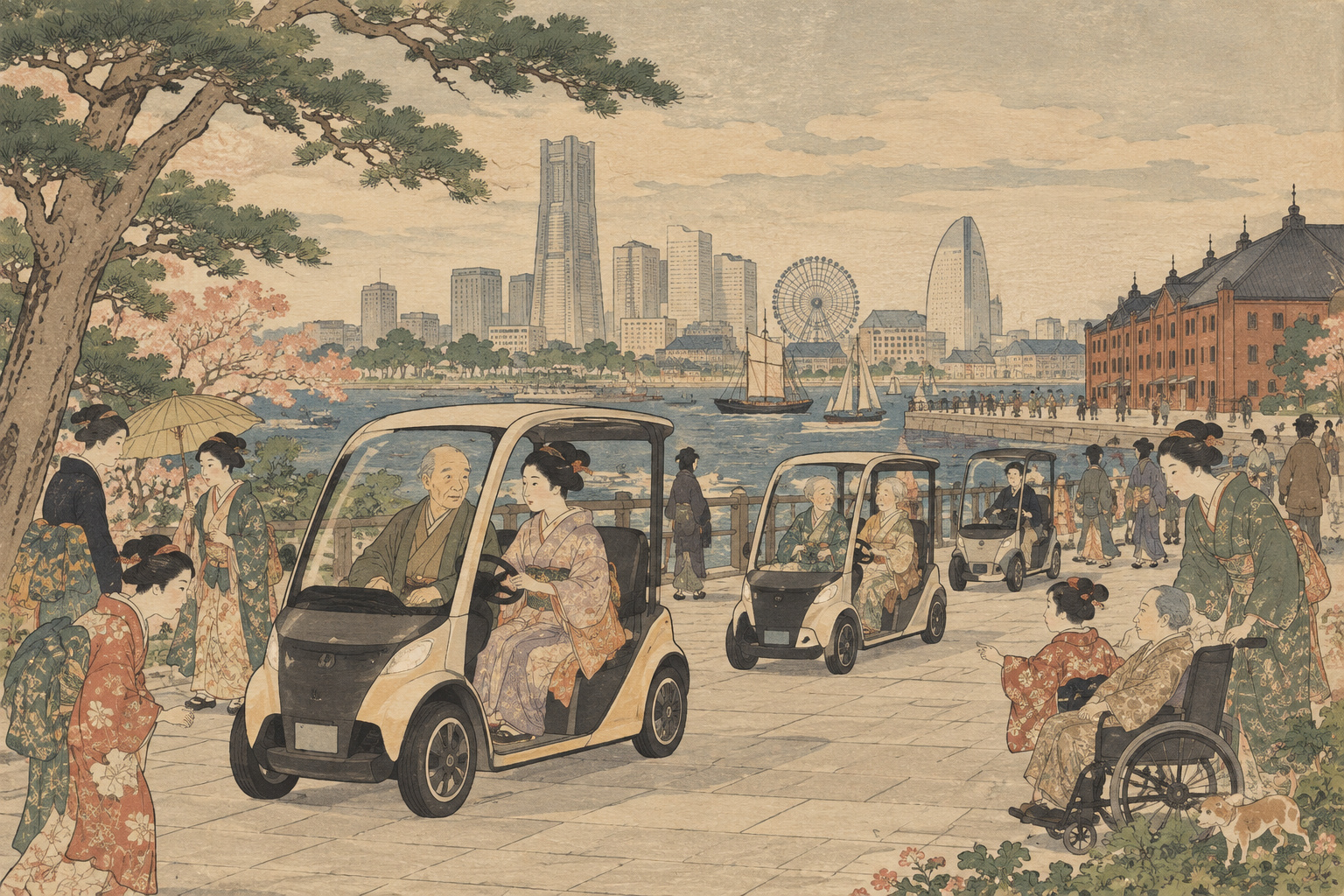
Yokohama Tries a Slower Kind of Shared Mobility
Because it is slower than a bicycle, it may fit where a bicycle does not. Yokohama’s 6 km/h sharing experiment asks whether the last few hundred meters of a city can become easier.
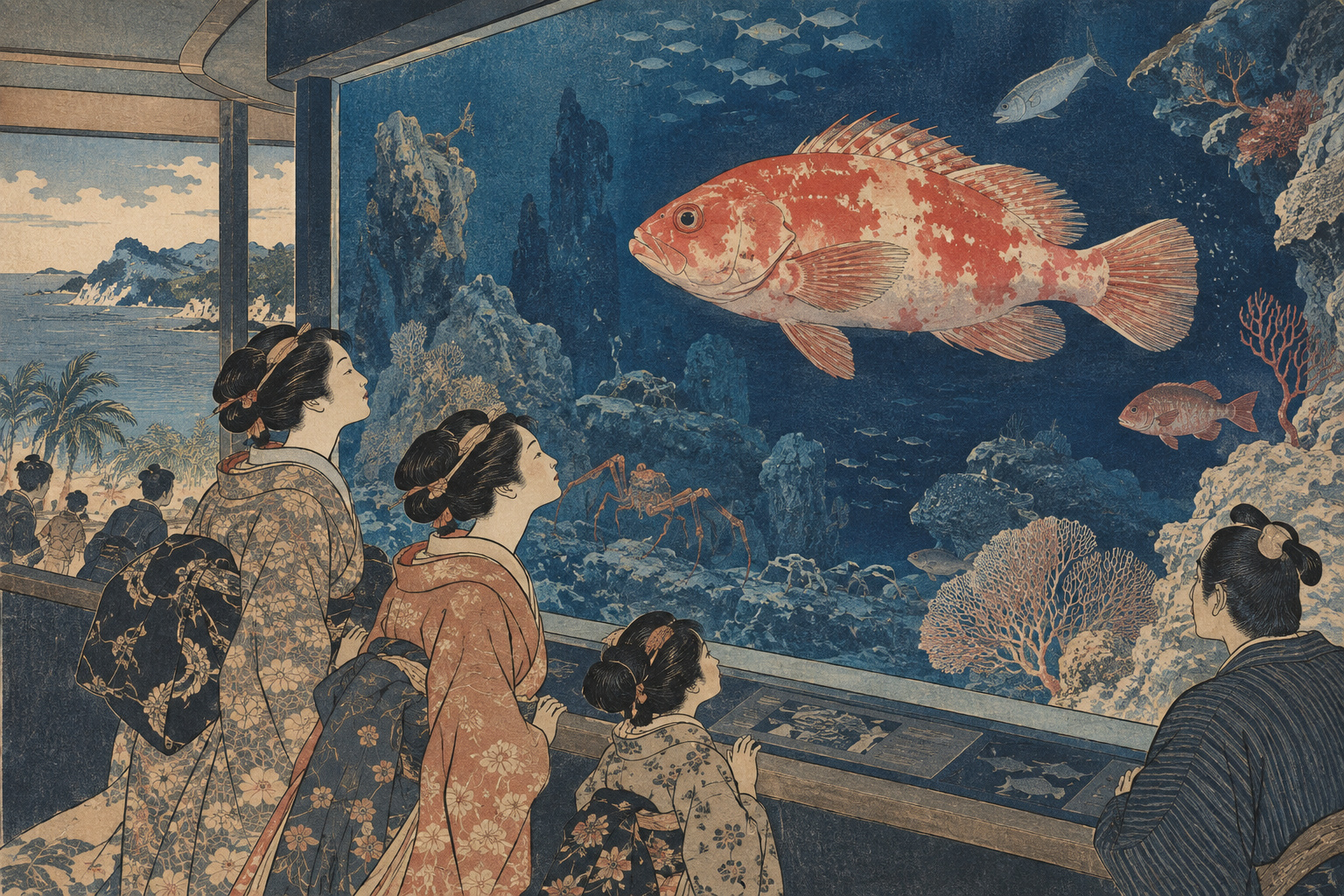
A Red-and-White Deep-Sea Wrasse Comes Up from the Waters off Kumejima
A species described from only three preserved specimens now has a living representative from 130 meters off Kumejima, linking taxonomy, ROV exploration and deep-water husbandry.
Sports
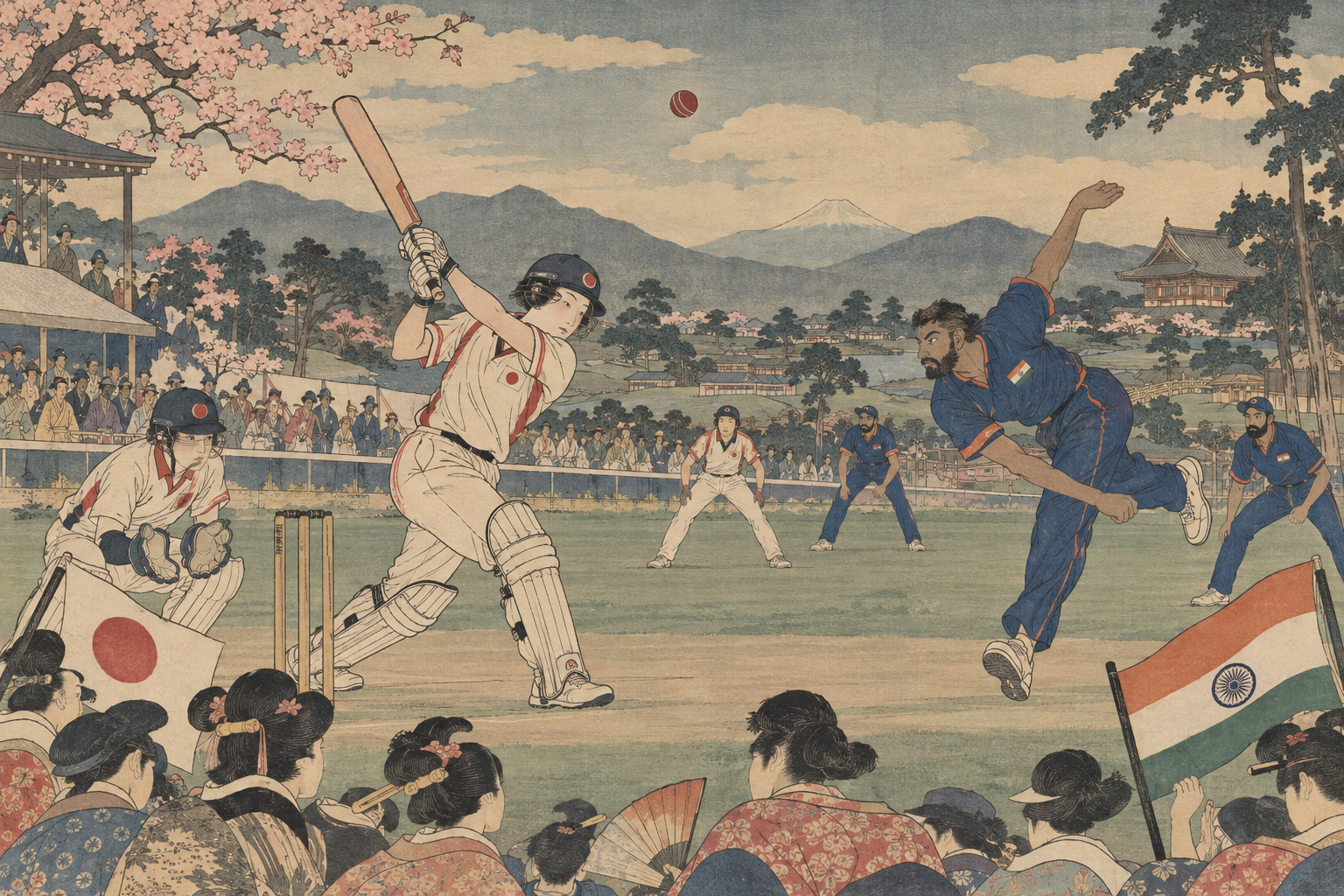
India cricket, Samurai Japan, U-21 researchCricket’s Biggest Test Yet in Japan: India Comes to Sano
The reigning world champions and No. 1 men’s T20I side arrive September 22 for Japan’s first men’s international against an ICC Full Member.
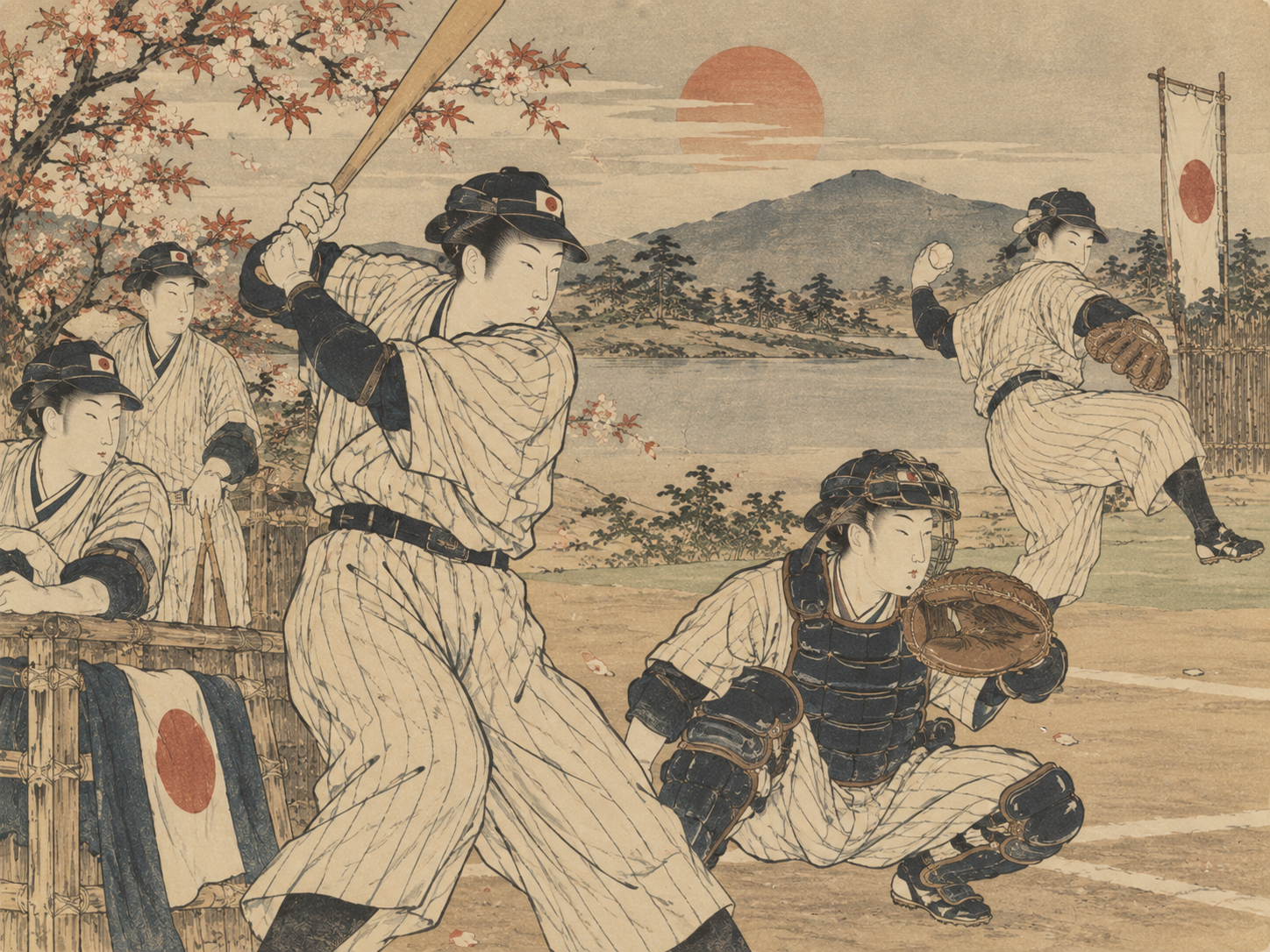
Samurai Japan Chases a Baseball Gold It Hasn’t Won in 32 Years
Japan’s only Asian Games baseball gold came in Hiroshima in 1994. Now a back-to-back BFA champion made entirely from the corporate leagues gets a home chance to end the 32-year gap.
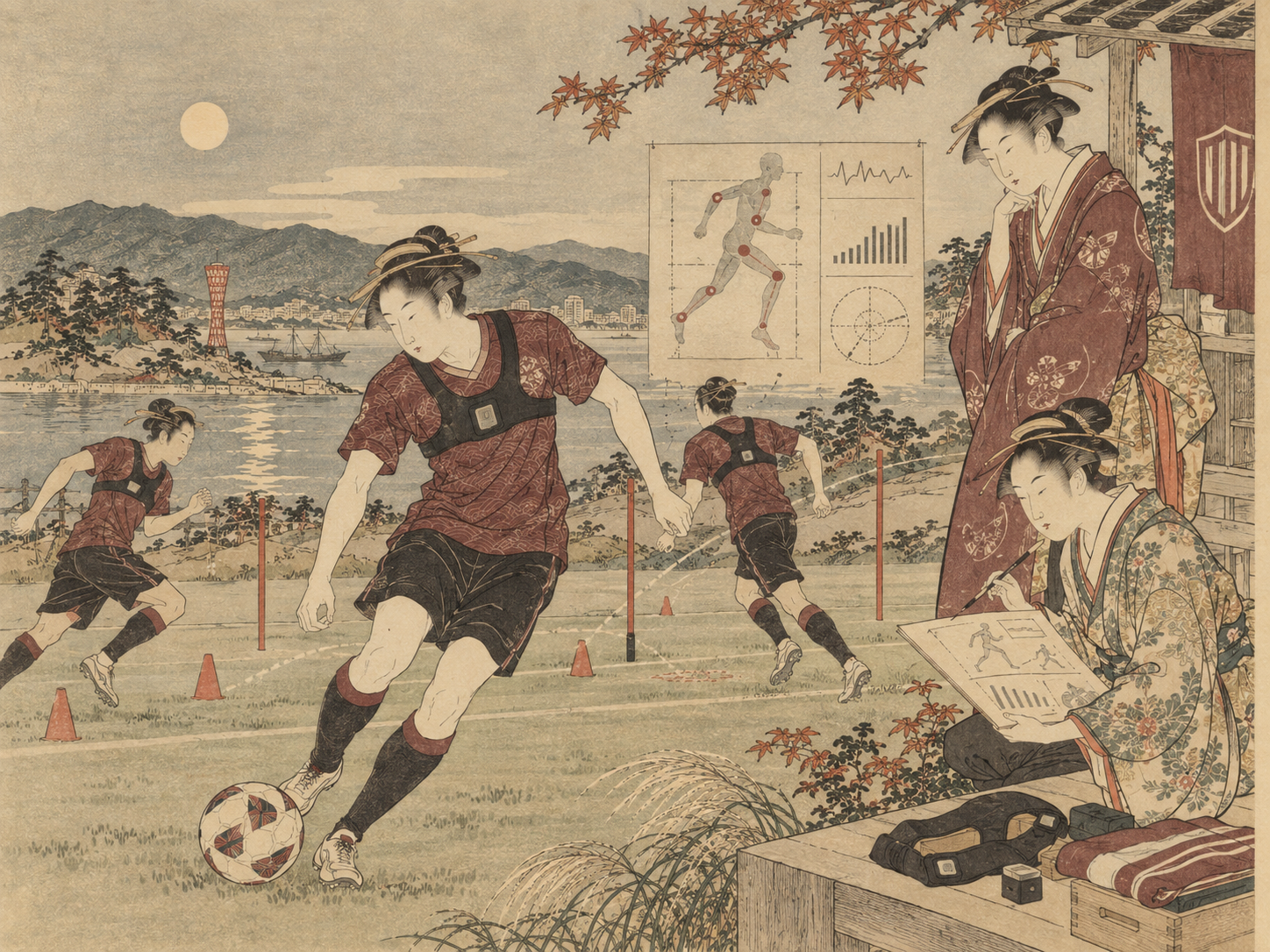
Can Training Data Change Football Performance? ASICS and Vissel Kobe Start Joint Research
Can repeated measurement of acceleration, deceleration and change of direction reveal how young players actually develop? ASICS and Vissel Kobe are trying to connect sports engineering with the U-21 competitive cycle.
Culture & Craft
Ryo Fujimoto, ART KOGEI, Hokusai booksBefore the Mind Understands, the Body Reacts: Ryo Fujimoto on ENERGY EMBODIMENT THEORY
Ahead of the September 22 performance at SUPER DOMMUNE, Ryo Fujimoto talks with Japan.co.jp about voice, bodily vibration, ten years of friendship with Itti and Takuma Nakata, and why experimental work does not need to be understood before it is felt.
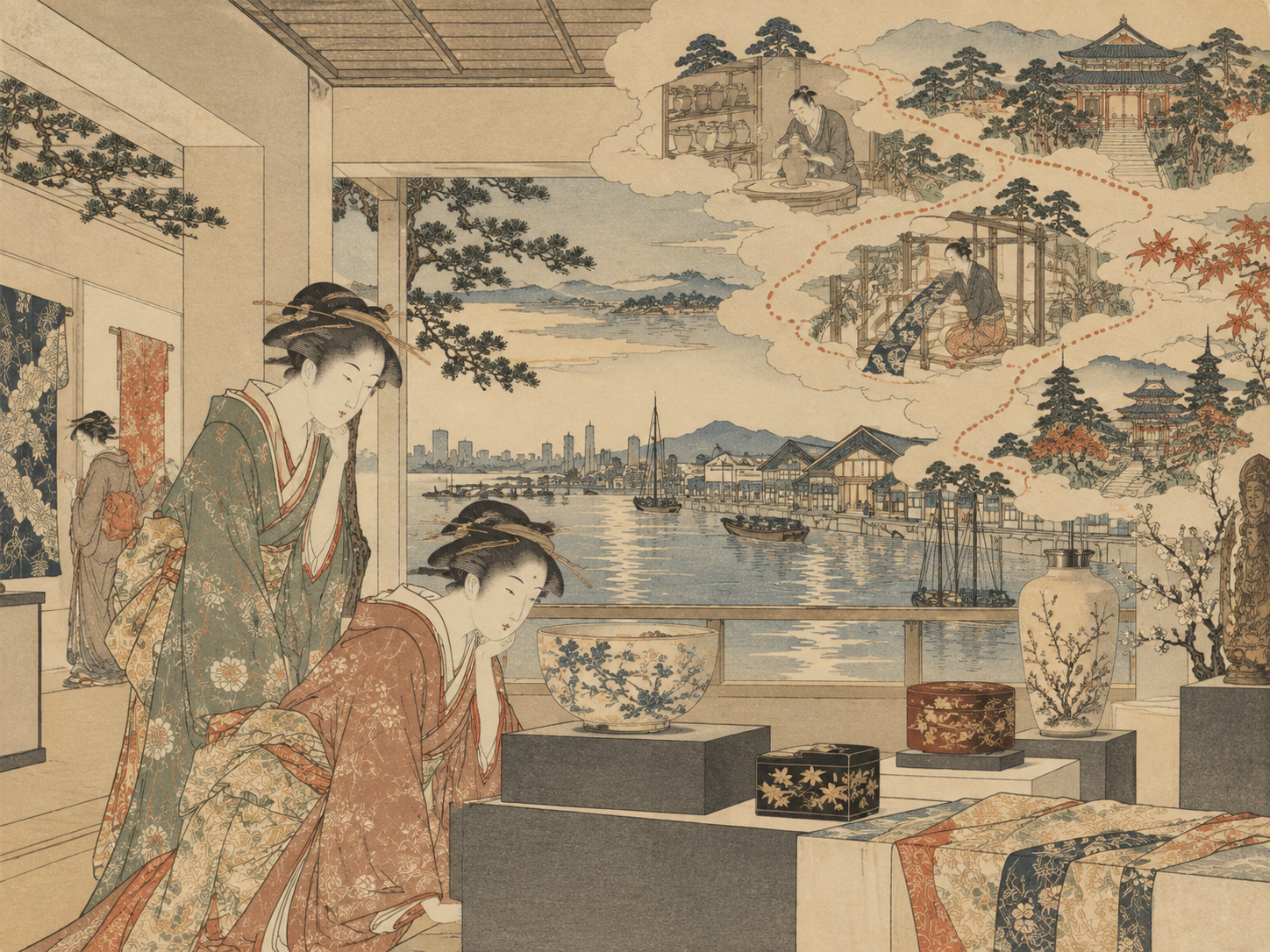
From Tennoz Gallery to the Workshop Door: ART KOGEI Turns Craft into a Journey
See the work in Tokyo, then travel for two nights and three days toward its “source.” Tennoz’s DMO is connecting craft sales, multilingual AI guidance and regional workshops.
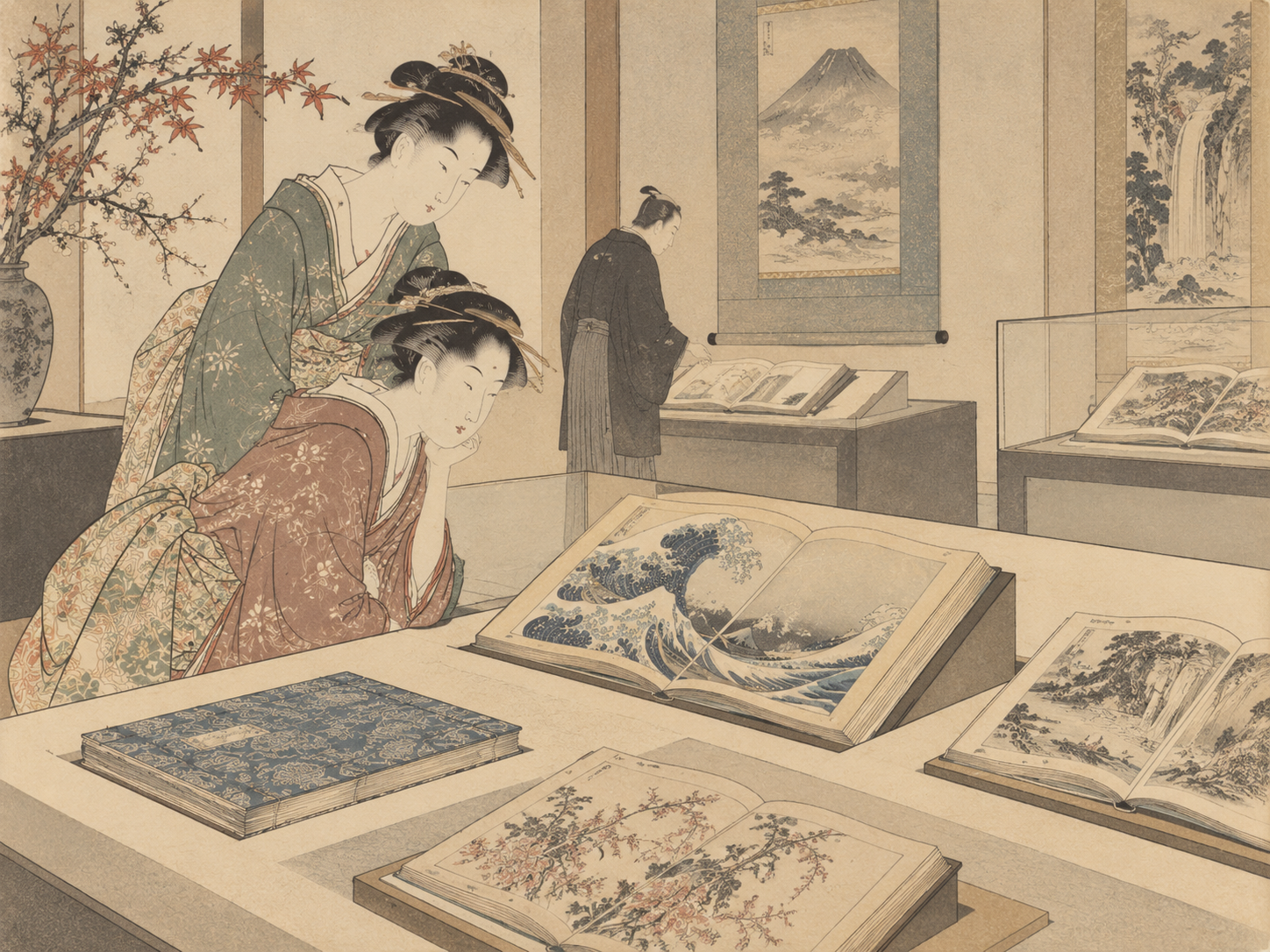
The Hokusai Books That Stayed in Shimane
Before the Wave made Hokusai global, books made him powerful. Iwami follows illustrated novels, drawing manuals, Hokusai Manga and the Tsuwano scholar whose donation kept the collection in Shimane.
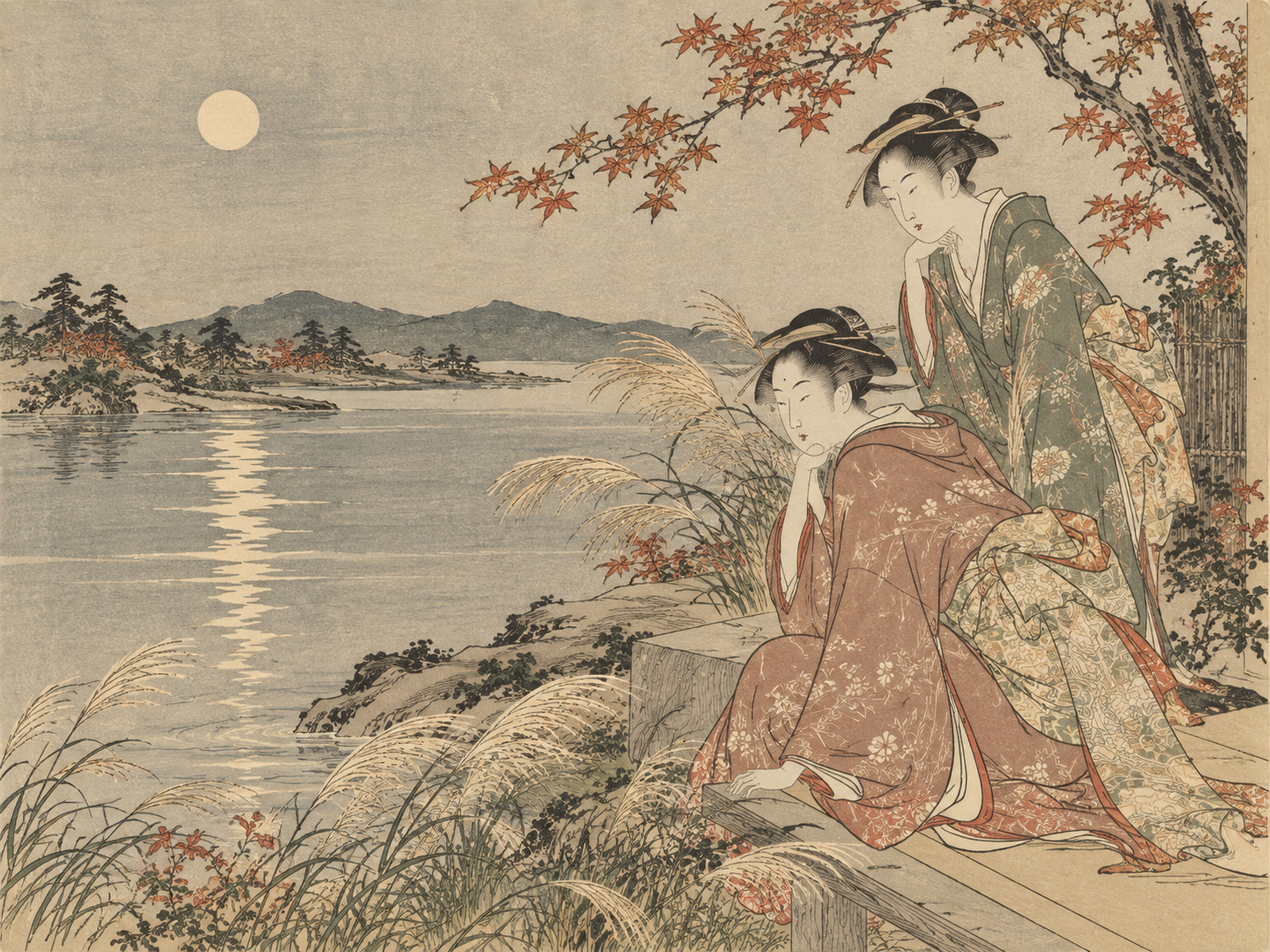
The Moon Is Below Them: Kubo Shunman Turns Autumn into Reflection
The women do not look up. Shunman brings the moon down into water and makes a crouching body guide our eyes toward reflected light, opening onto bijinga, kyōka, surimono and indirect seeing.
Read the art essay →Kubo Shunman, Autumn: Two women gazing at the reflection of the moon, early 19th century. The image used on this edition page is a Japan.co.jp AI-generated editorial illustration inspired by Shunman and the work, not a reproduction. The long-form art essay also presents the Smithsonian’s CC0 image of the original. View the edition illustration
Six Selected from September 16
Energy, physical AI, tactile sensing, recovery, Japan–Korea exchange, AI art

Japan’s LNG Security Test: Stockpiles, Flexibility and Cooperation After the Hormuz Shock
The 2026 LNG Producer-Consumer Conference put resilience, flexible supply, investment and emergency cooperation at the center of Japan’s energy-security debate.
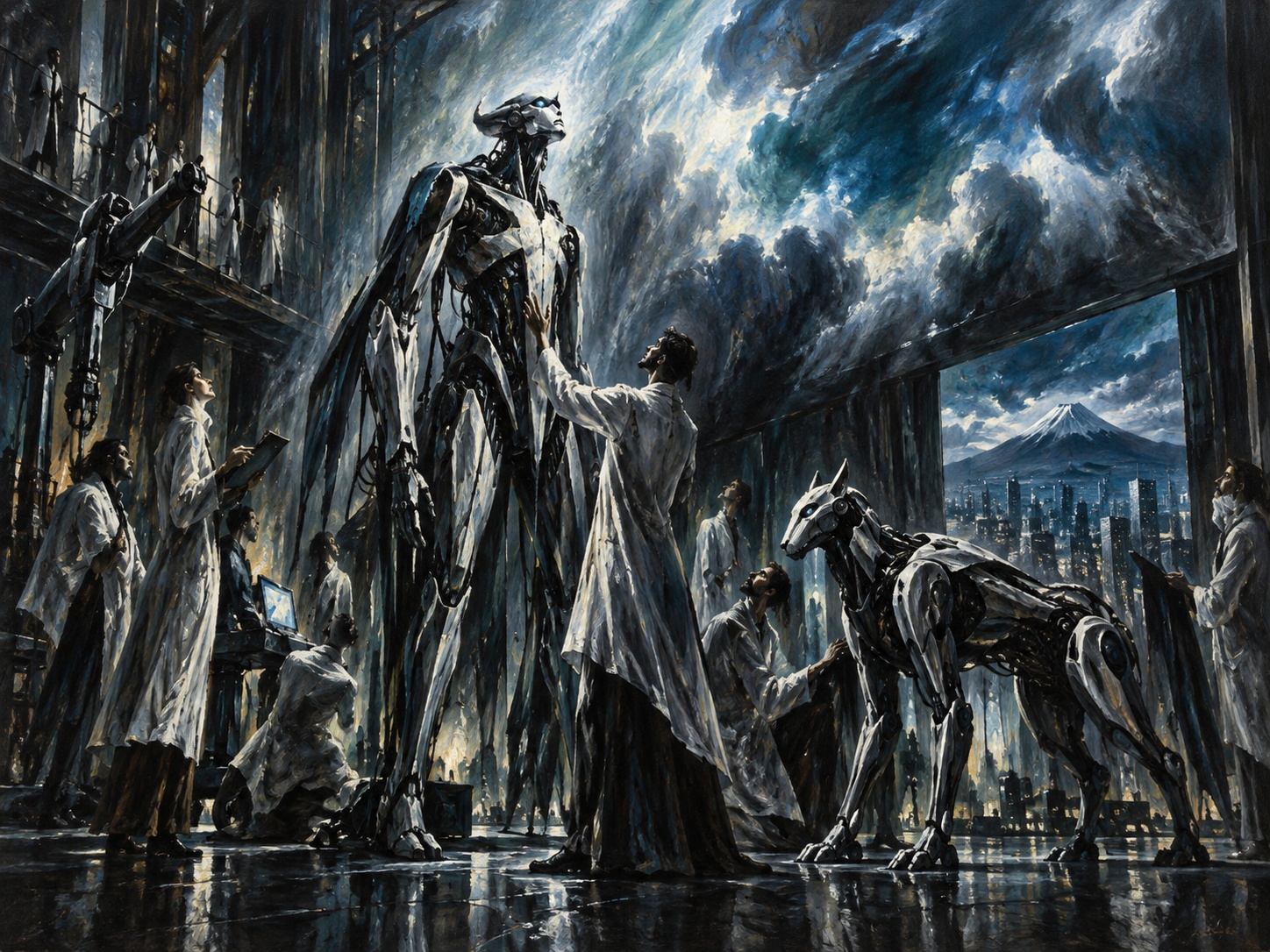
From Selling Robots to Keeping Them Running: GMO and TechShare Push Japan’s Physical-AI Deployment Race
GMO AI & Robotics Commerce is investing in TechShare to strengthen sales, maintenance, technical support and solutions around Unitree robots as Japan’s physical-AI race moves toward deployment.
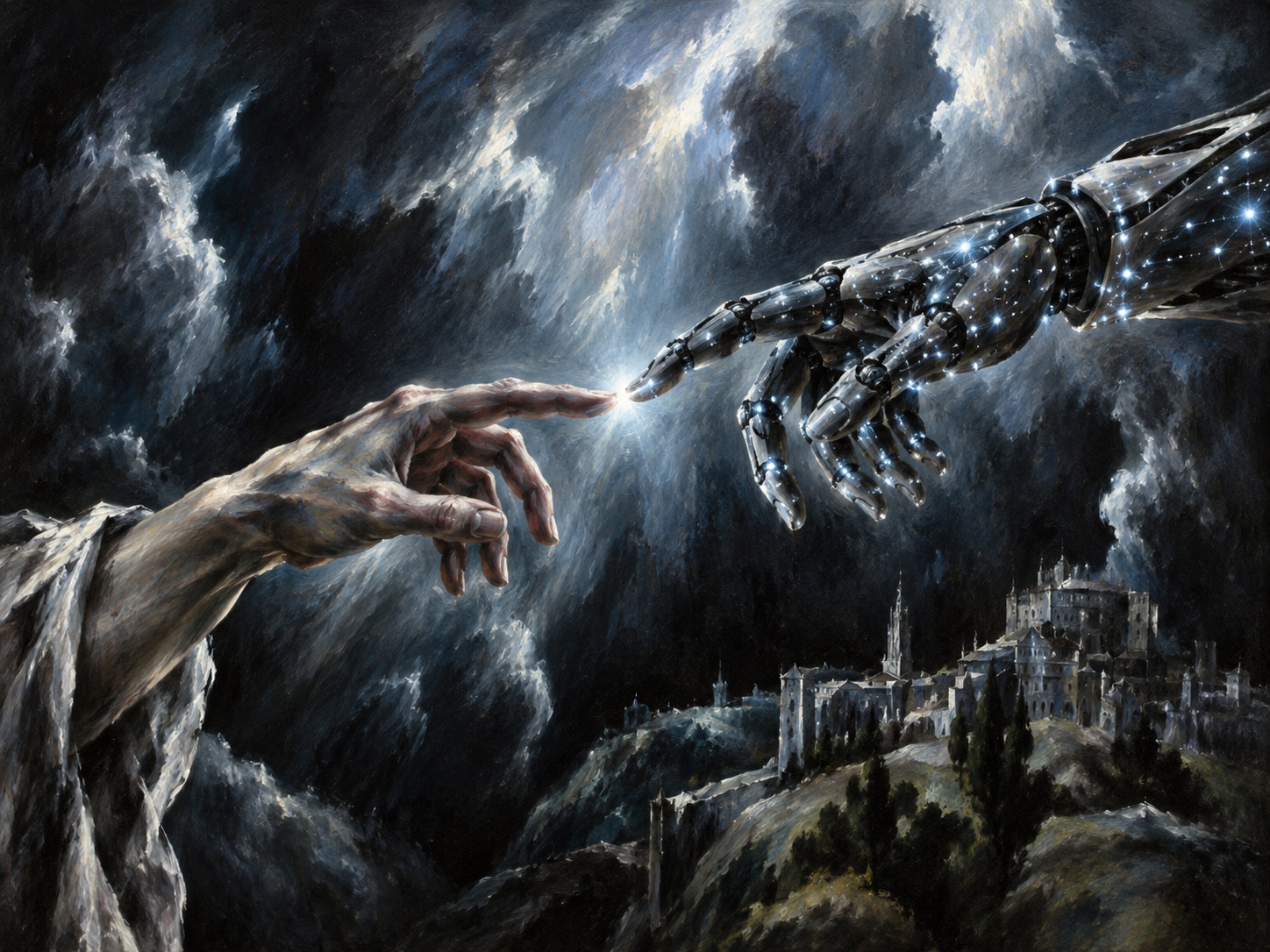
The Wiring Problem Inside Robot Skin: Japan’s AIST Looks to Turn Sensor Variation Into AI-Readable Touch
AIST is exploring high-dimensional tactile sensing that uses device variation to modulate and combine signals from many sensors, aiming to preserve AI-useful touch information with fewer wires.

From Staying Away to Showing Up: Kyushu’s Recovery Discount Tries to Put Tourism Back Into the Recovery Cycle
Japan’s Kyushu recovery discount is designed to turn travel demand back on after earthquake-related cancellations, reviving a policy tool first used after the 2016 Kumamoto disaster.
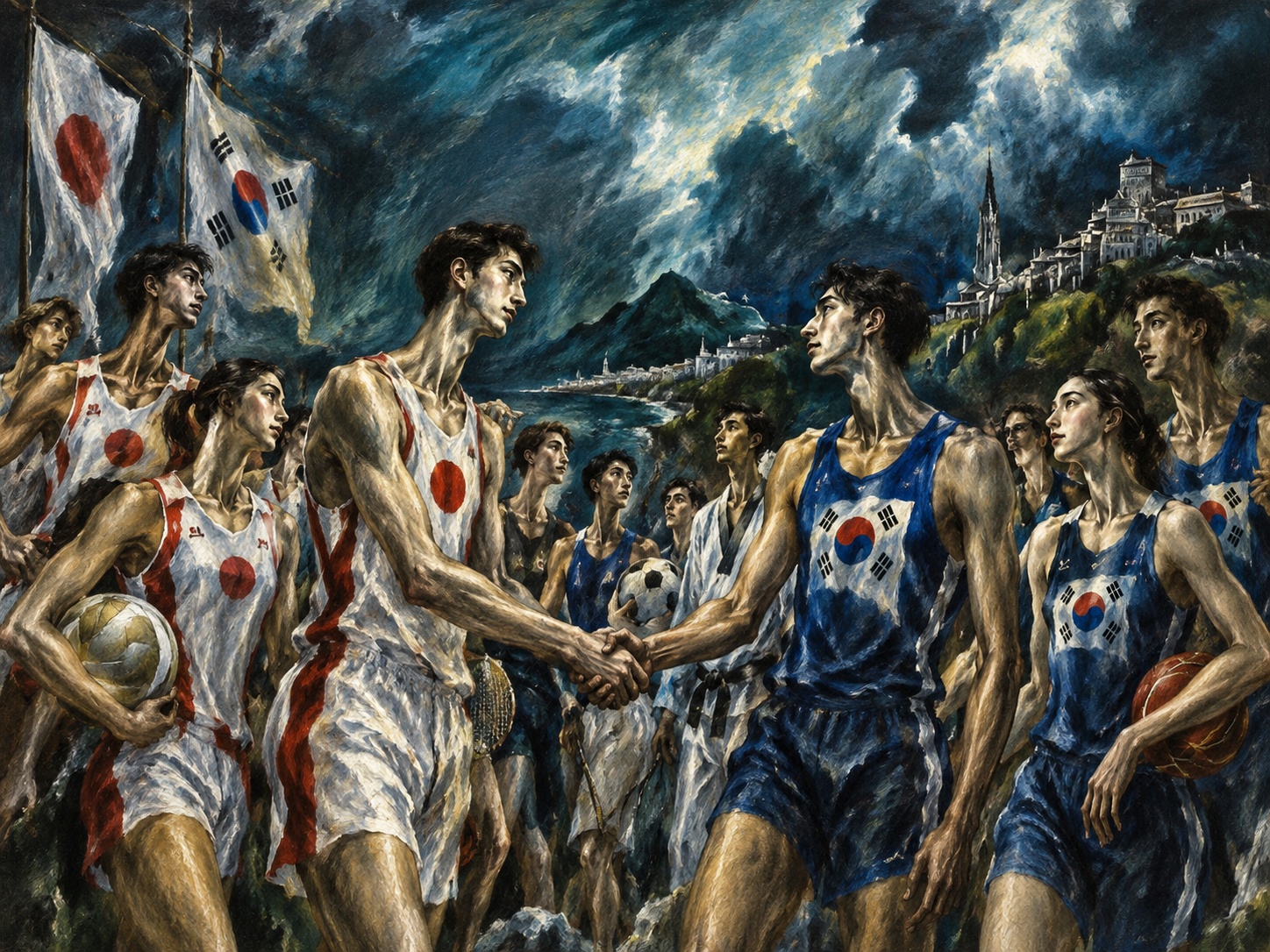
Thirty Years Beyond the Scoreboard: Japanese and Korean Masters Athletes Meet Again in Ishikawa
A 157-member Korean delegation visits Ishikawa from September 17 to 22 for the 30th Japan–Korea Adult Sports Exchange, competing in eight Masters sports and continuing a three-decade grassroots program.
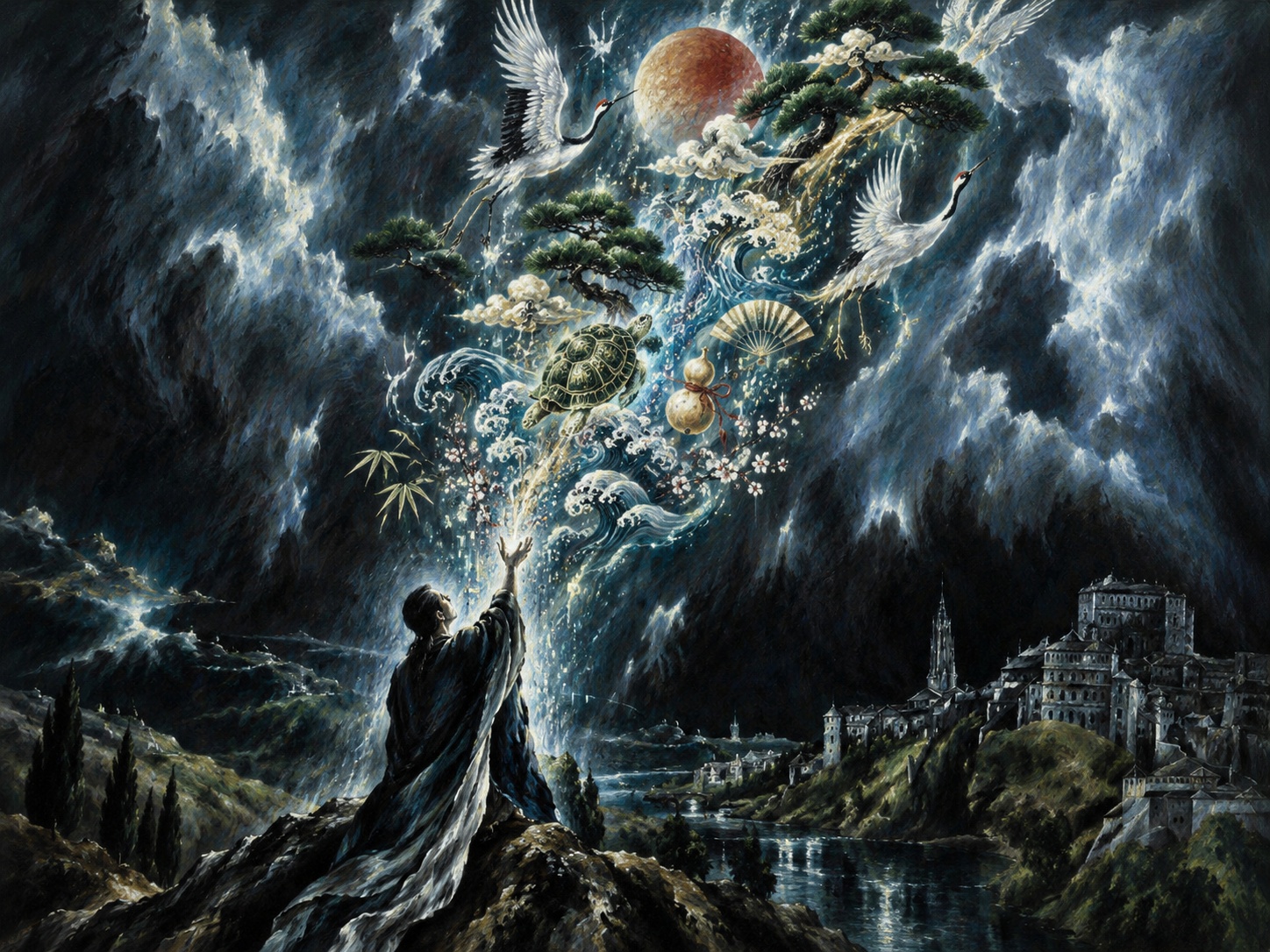
If AI Can Produce Infinite Good Omens, Are They Still Auspicious? Sputniko! Layers Wishes and Doubt Across the Sky
Sputniko!’s A Sky of Infinite Wishes uses generative AI to keep producing auspicious skies, asking what happens when signs once valued for rarity become effectively infinite.
The Ryo Fujimoto interview uses an image supplied to Japan.co.jp and published with permission. The other 14 current-report images plus Today’s Art Choice are Japan.co.jp AI-generated editorial illustrations inspired by Kubo Shunman; they are not documentary photographs or reproductions of artworks. The six September 16 carryovers retain that edition’s El Greco-inspired editorial illustrations.
