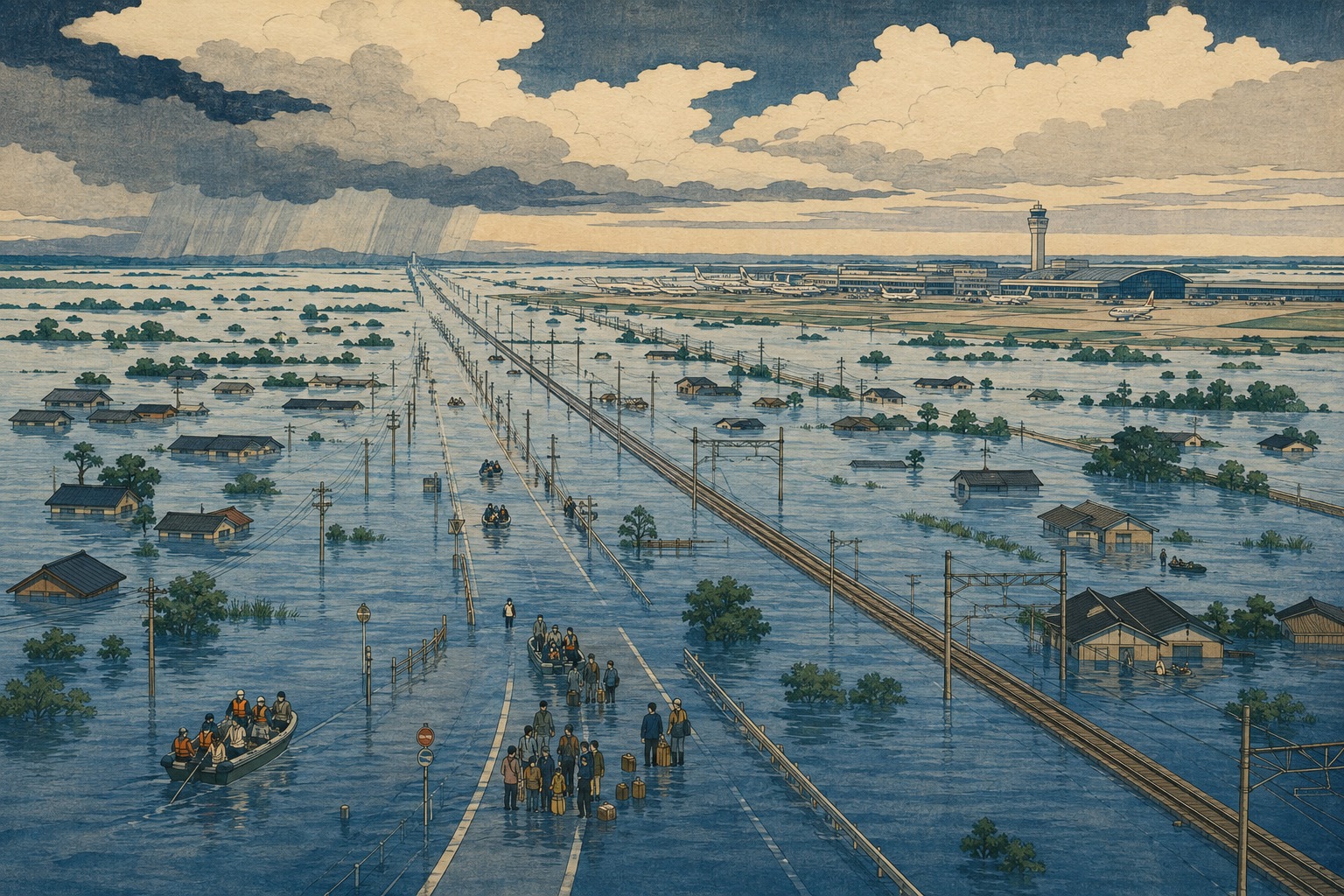
The Night Water Erased the Roads
The runways remained usable. Yet 6,680 people could not leave Narita Airport. Chiba City recorded 367 millimeters in 24 hours and 115 millimeters in one hour as water severed roads, slopes, substations, sewers and railways at once. From that flooded ground, today’s edition descends six kilometers to strategic mud, enters the memory that survived artificial hibernation, listens to an 83-year-old avatar recount Manchuria, reads two ancient genomes and follows a clinic that comes to town only once a month. Its subject is the invisible connection—and what happens when it holds or breaks.
Four Essential Reads
Disaster, resources, testimony, records
Four Selections from August 15
Remembrance, calendars, the journey home, evening graves
Today’s News: 19 Stories
15 new reports + four from August 15
The Night Narita Became an Island
Chiba City received 367 millimeters in 24 hours and 115 millimeters in one hour. Roads and railways failed, leaving 6,680 people unable to exit Narita Airport at 3 a.m.
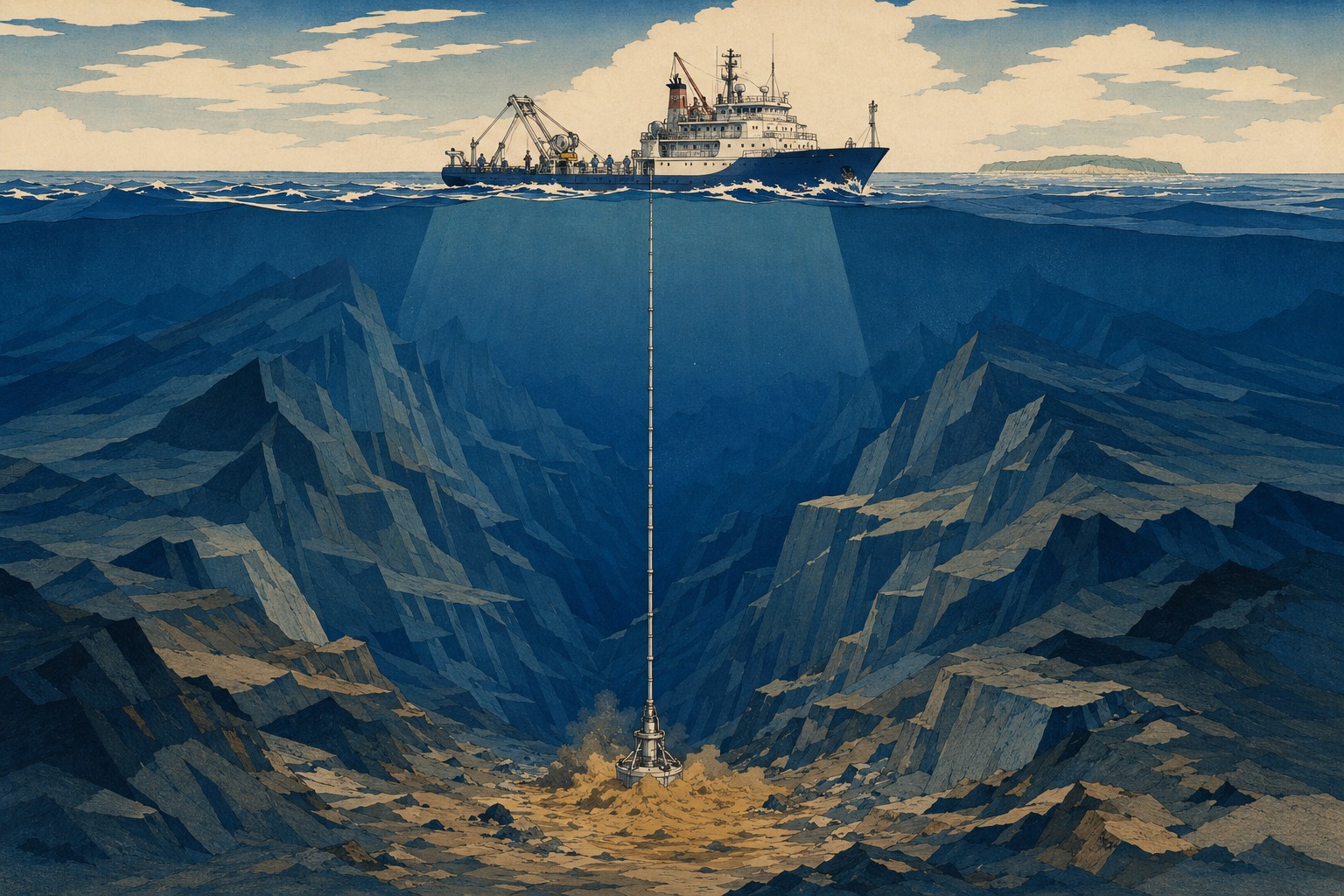
Six Kilometers Down, Japan’s Strategic Future Is Mud
Japan recovered about 50 tons from 5,569 meters. A 350-ton-a-day trial comes next—along with unresolved questions of price, processing and deep-sea ecology.
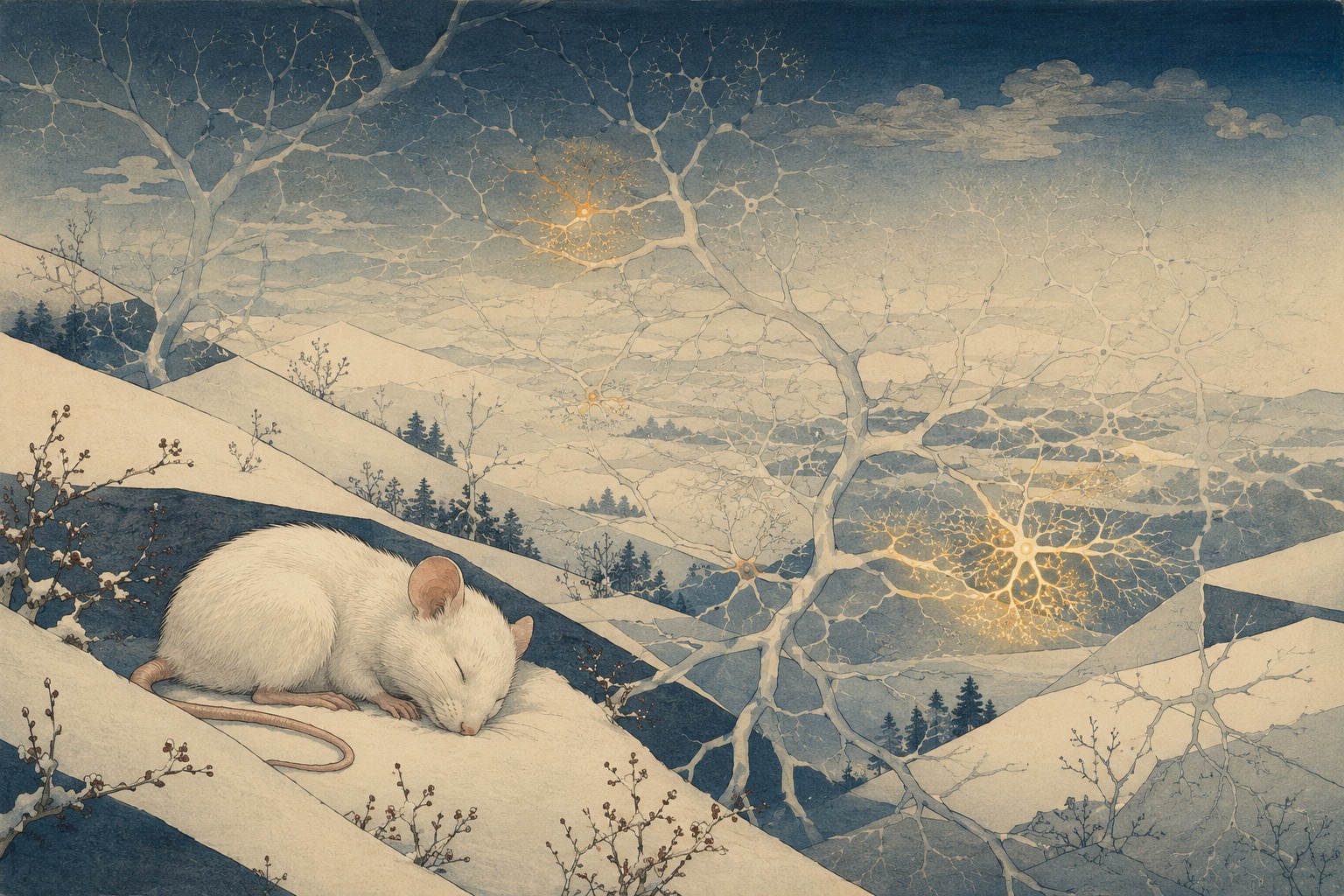
More Than Half the Connections Vanished. The Memory Remained.
Hippocampal firing fell by about 70% and more than half the observed synapses disappeared, yet mice retained what they had learned.
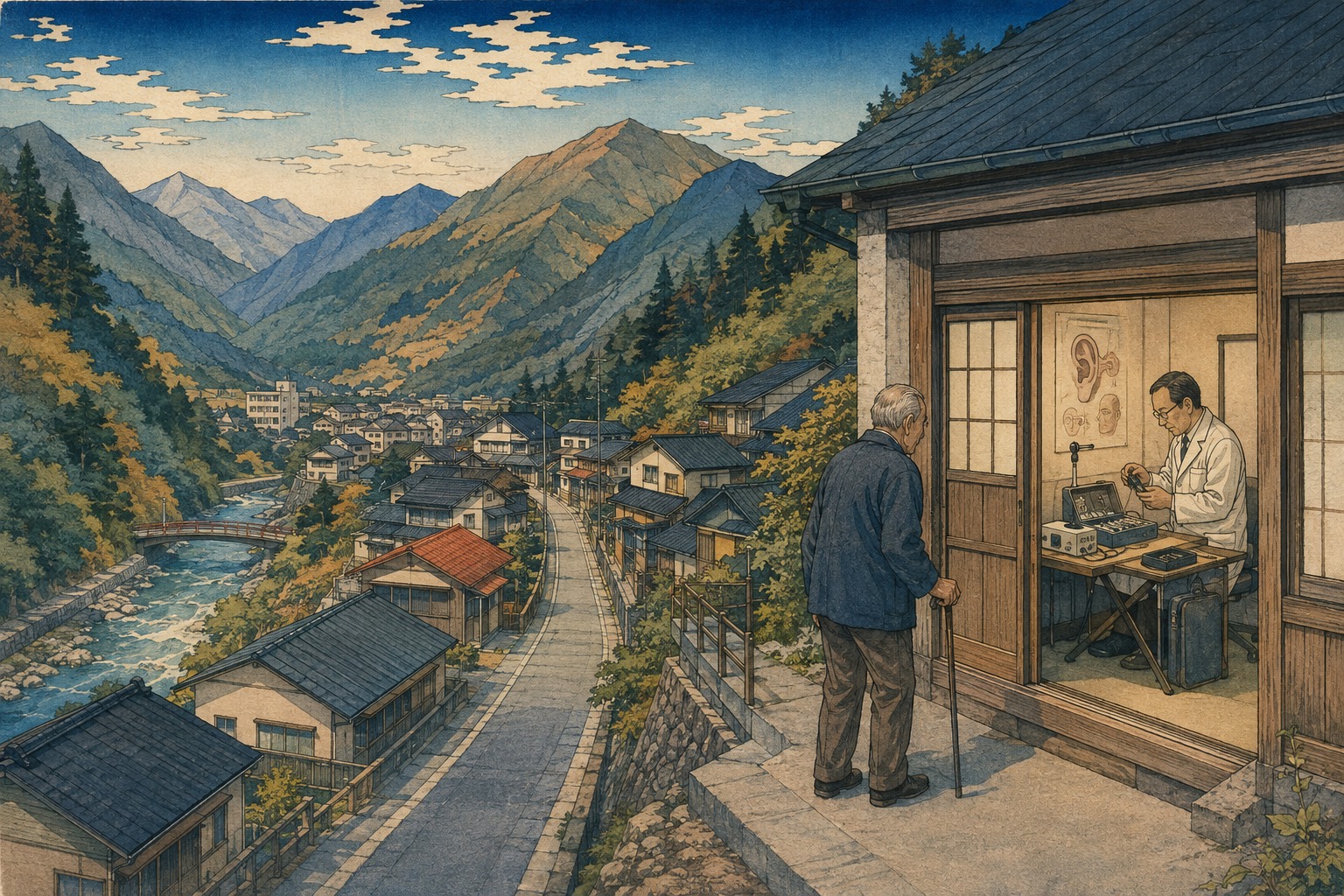
Once a Month, Hearing Care Comes to Town
A six-month trial will bring a physician, portable testing, hearing-aid fitting and continuing support to a Tottori town with no ENT clinic or hearing-aid shop.
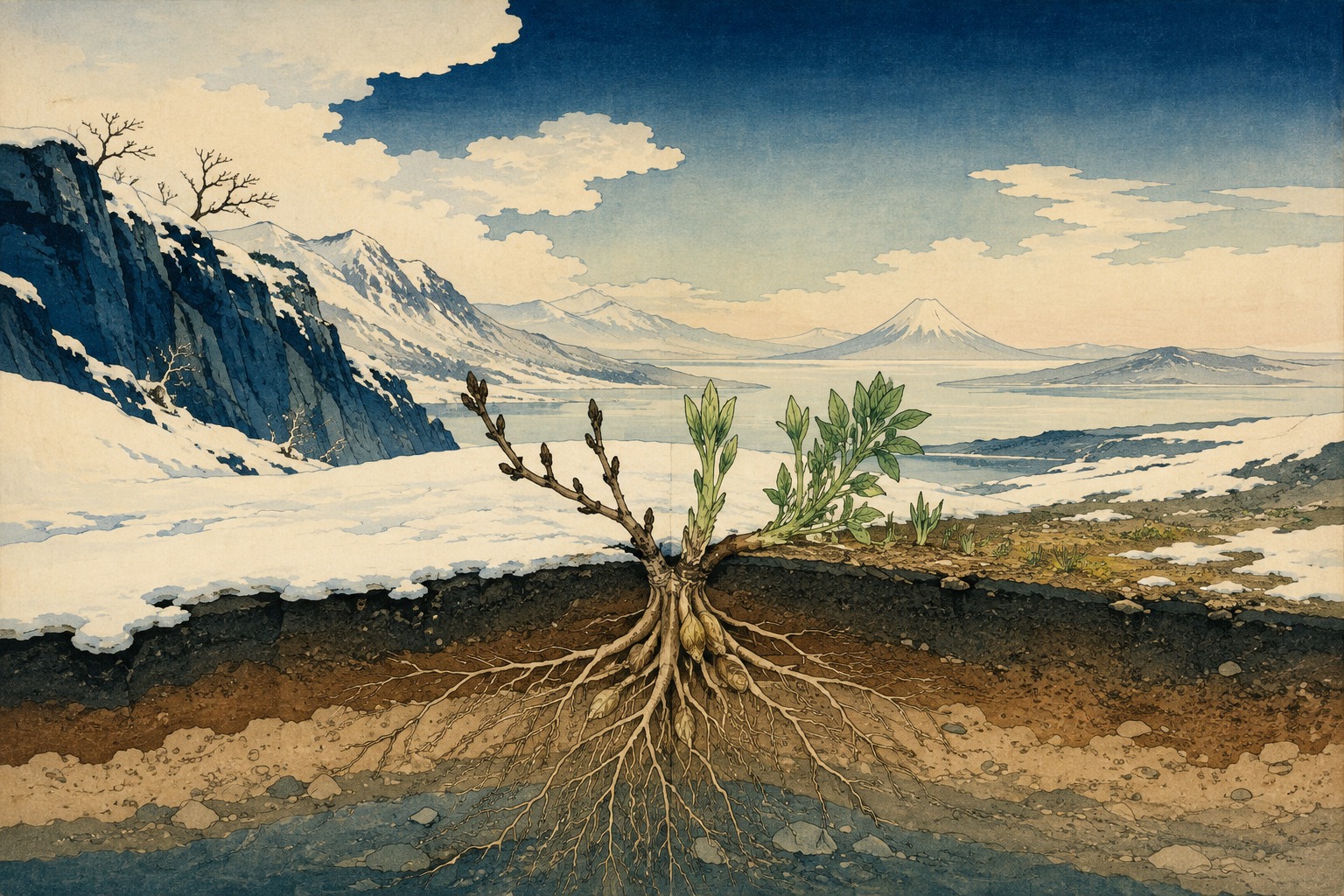
After Winter, a Plant Rises More Readily From Its Wounds
Six weeks at 4°C prepared chromatin so wounded cells could more readily become roots and shoots, giving a molecular pathway to an old horticultural observation.
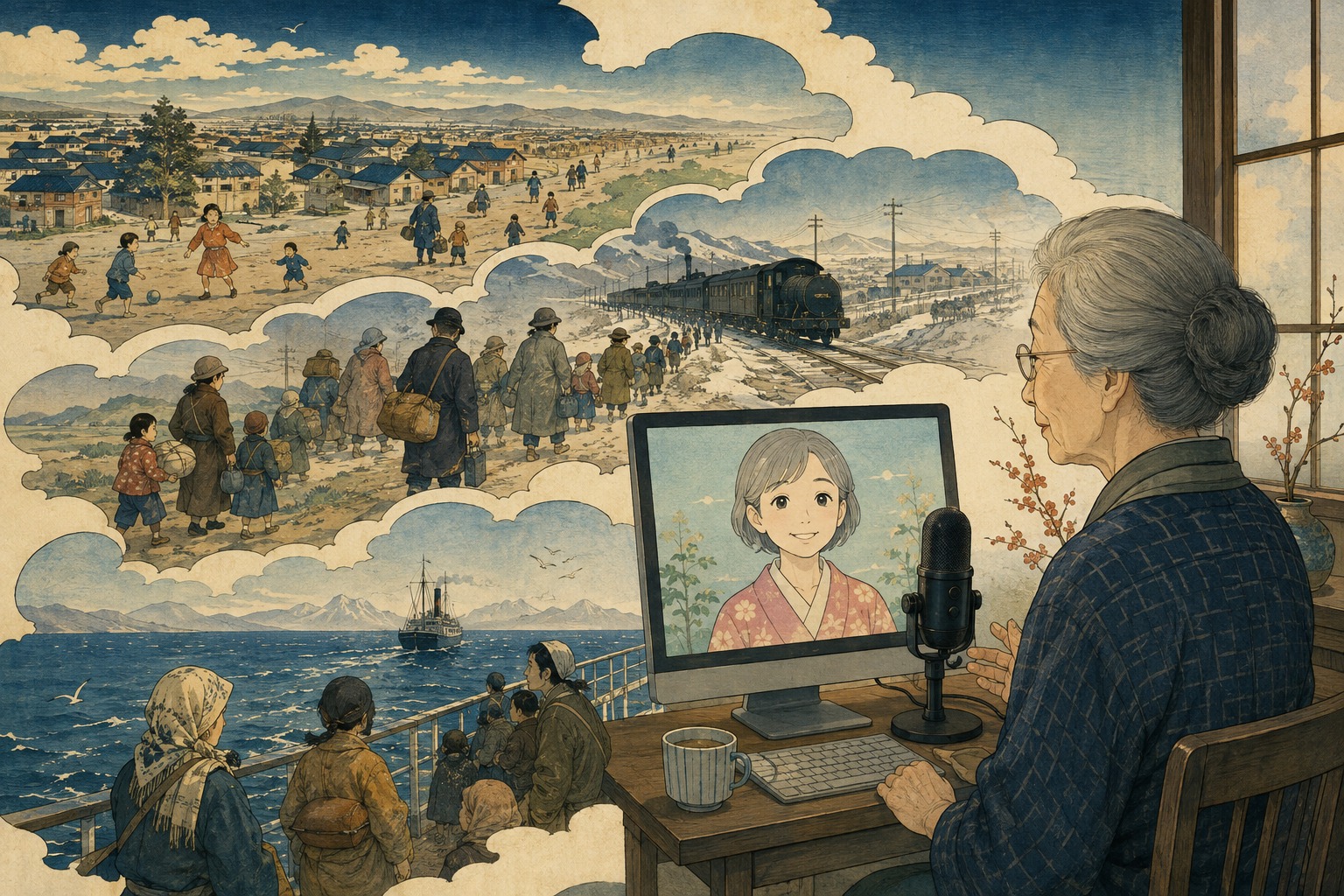
At 83, She Sends a Childhood Memory of Manchuria Through an Avatar
Kuniko Asai is preserving wartime Manchuria and a difficult return to Japan in a form familiar to younger audiences—a new doorway into testimony.
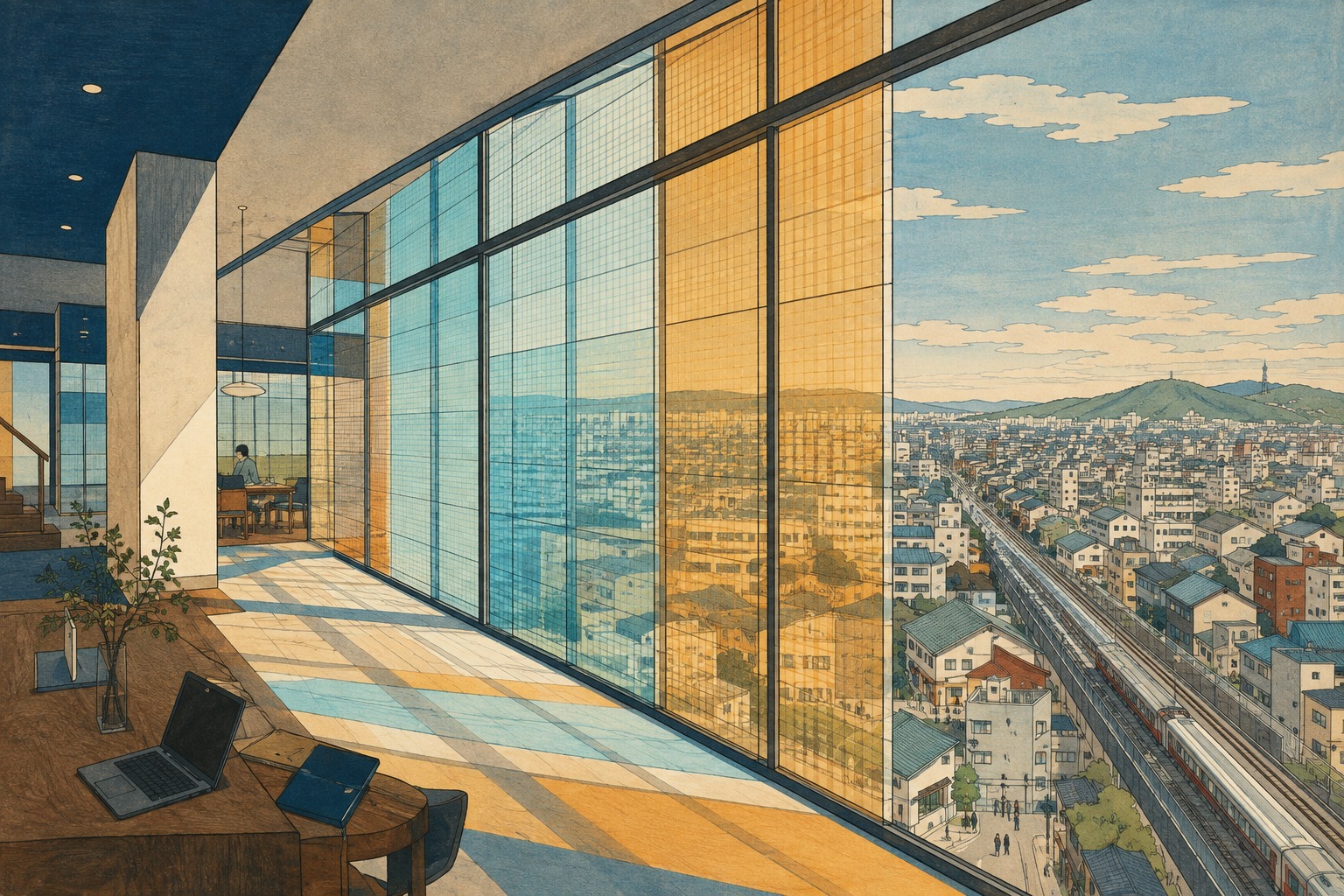
Can a City Window Become a Power Plant?
YKK AP will exhibit lightweight perovskite photovoltaics inside an existing window. Transparency, durability, wiring, lead and cost stand between concept and power.
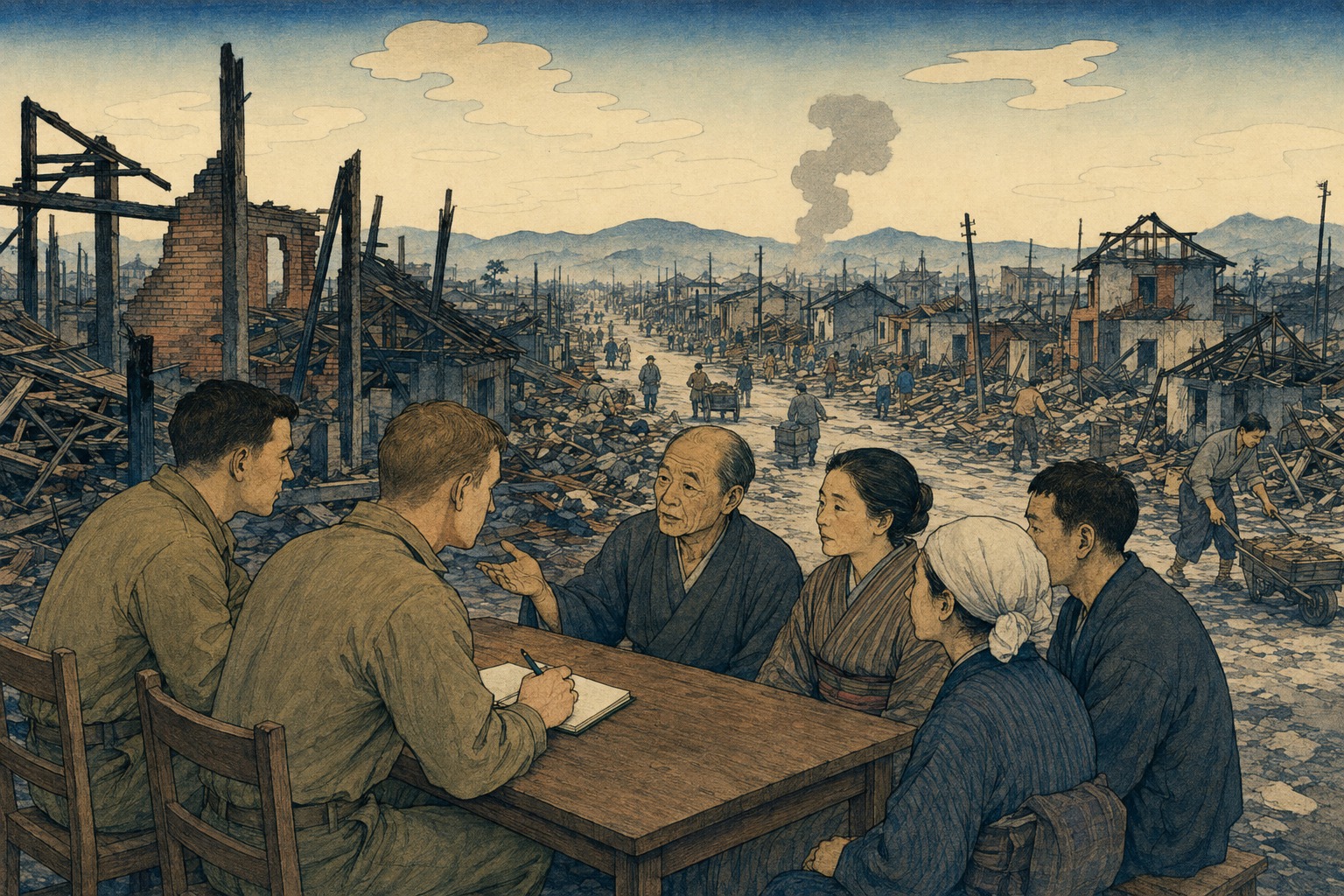
What Did the Country That Bombed Utsunomiya Ask Its Survivors?
In winter 1945, American investigators questioned civilians about the raid, surrender, daily life and the future. Records first exhibited in 2026 reveal both testimony and purpose.
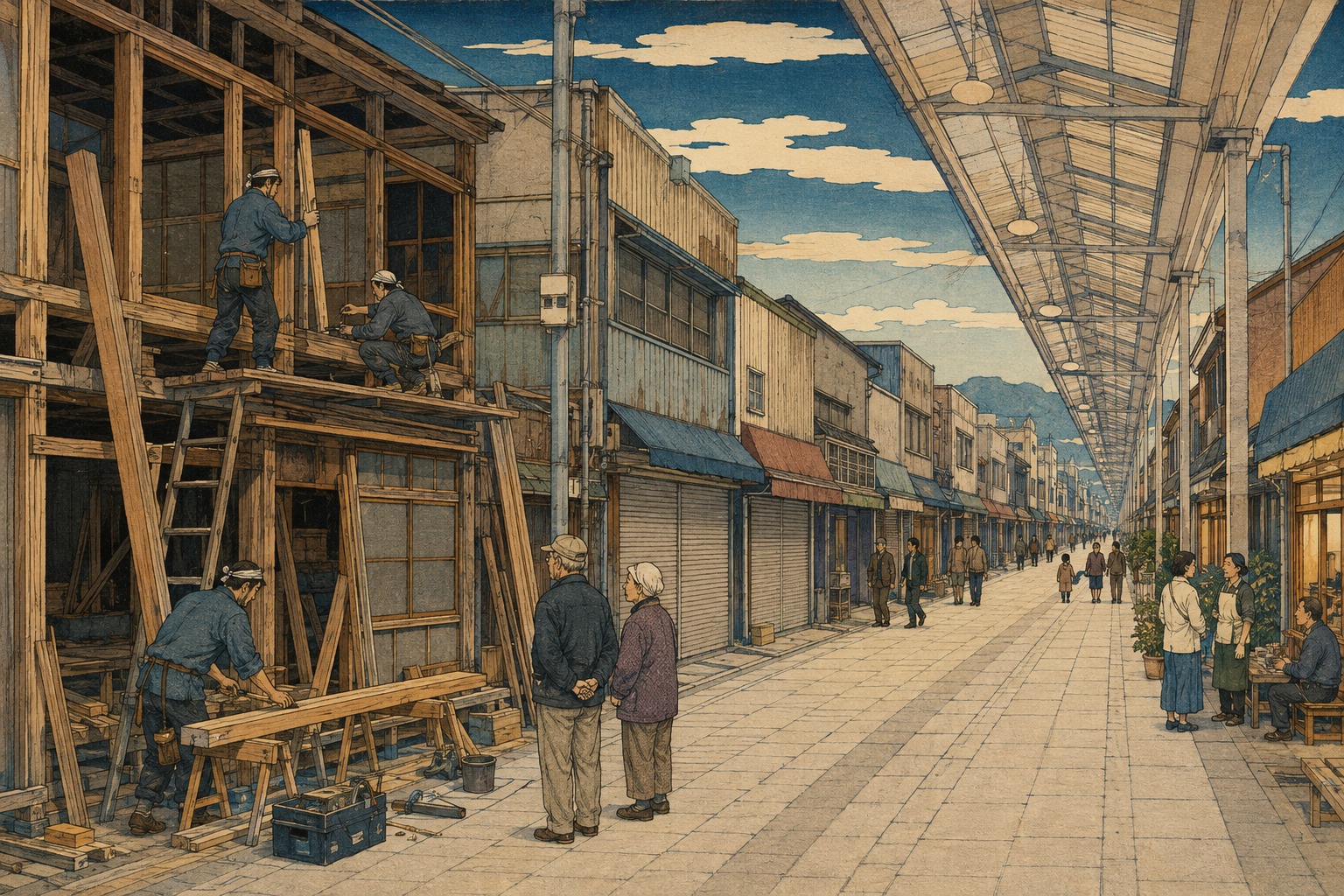
Can Renovating Empty Shops Bring a Shopping Street Back?
Japan is considering support for area-wide private renovation, but buildings are only one part of the loss: successors, residents, destinations and owner coordination matter too.
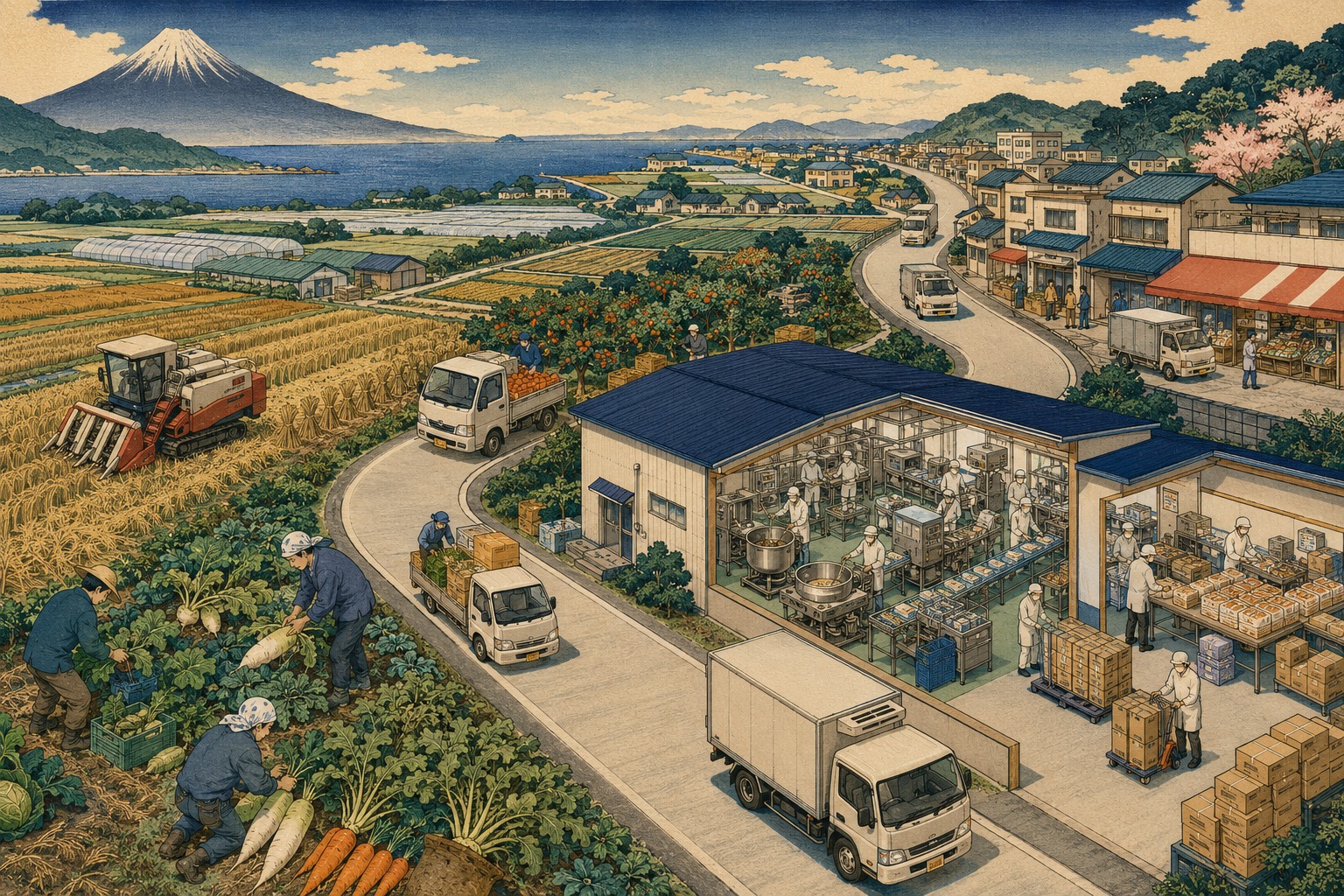
How Do You Count the Carbon in One Packaged Food?
A model must combine ingredients, factories, packaging, distribution, use and disposal without making the calculation too costly for smaller producers—or too simple to trust.
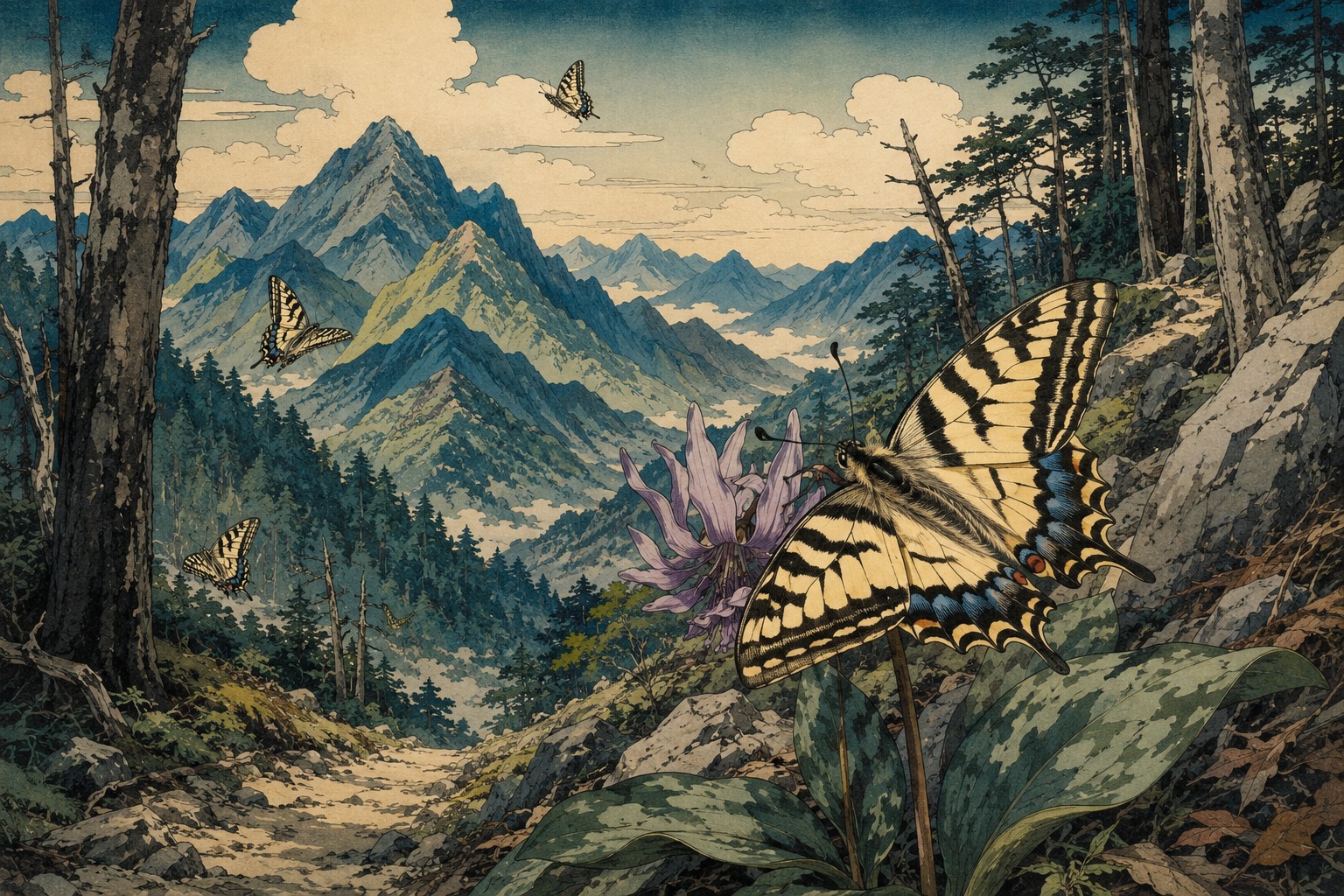
What Did Released Butterflies Leave in the Mountain’s Genes?
The estimated introduced component in an isolated Kanagawa population was only 1.6%–2.4%. Conservation value remains; that does not make past releases safe.
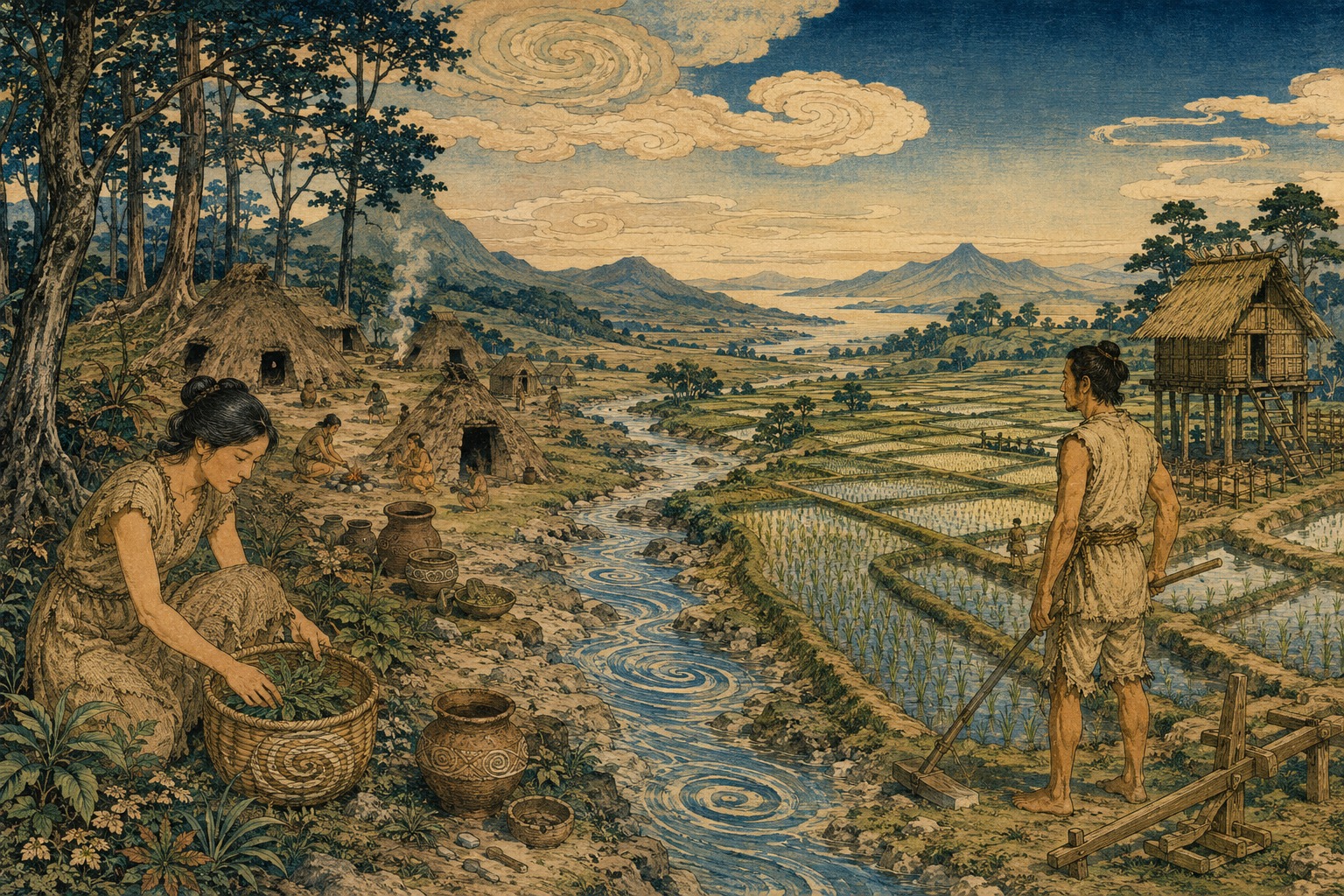
Two Ancient Genomes, Six Thousand Years Apart
High-coverage genomes from an 8,300-year-old Jomon woman and a 2,300-year-old Yayoi man illuminate migration, demography and starch-related variation.
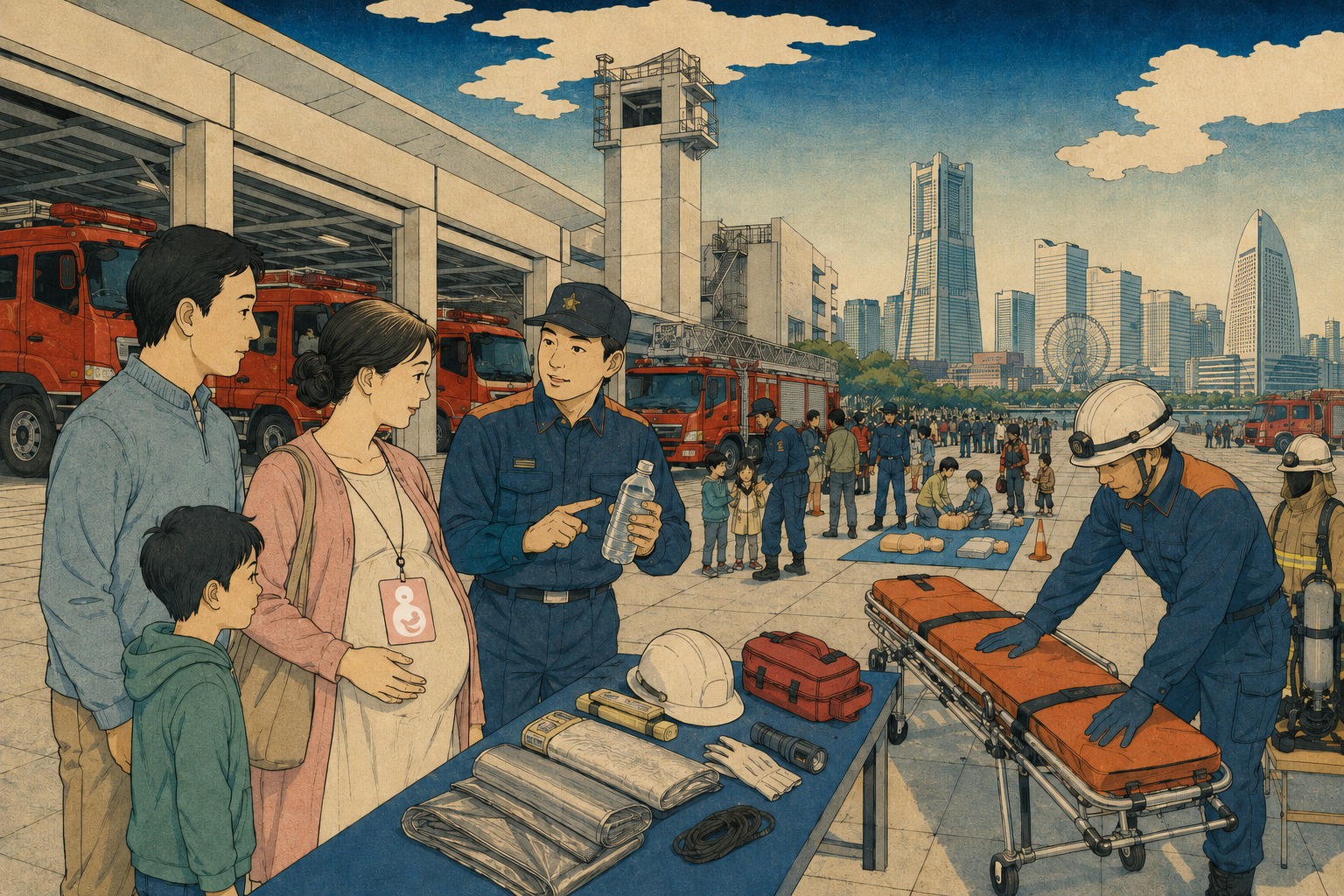
When an Emergency Silences a Patient, a Small Marker Can Speak First
Asahi Fire Station created an emergency maternity marker and joined it to education about pregnancy risks, childhood injury, preparedness and ambulance use.
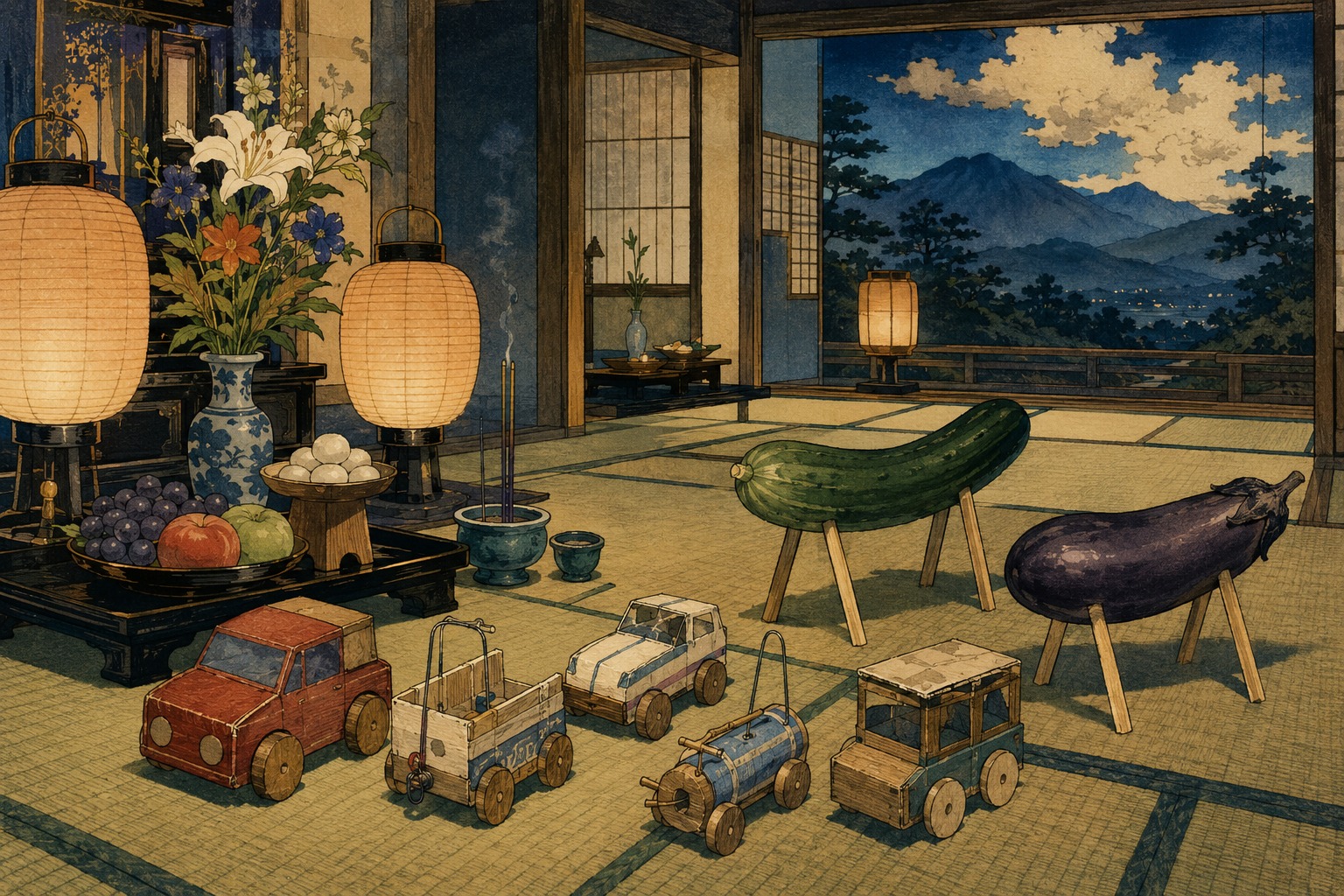
The Toy Cars Under the Eaves Are a Road Home
In one part of Yuza, miniature cars, buses, trains and aircraft carry ancestral spirits—a local adaptation carefully distinguished from Japan’s older spirit animals.
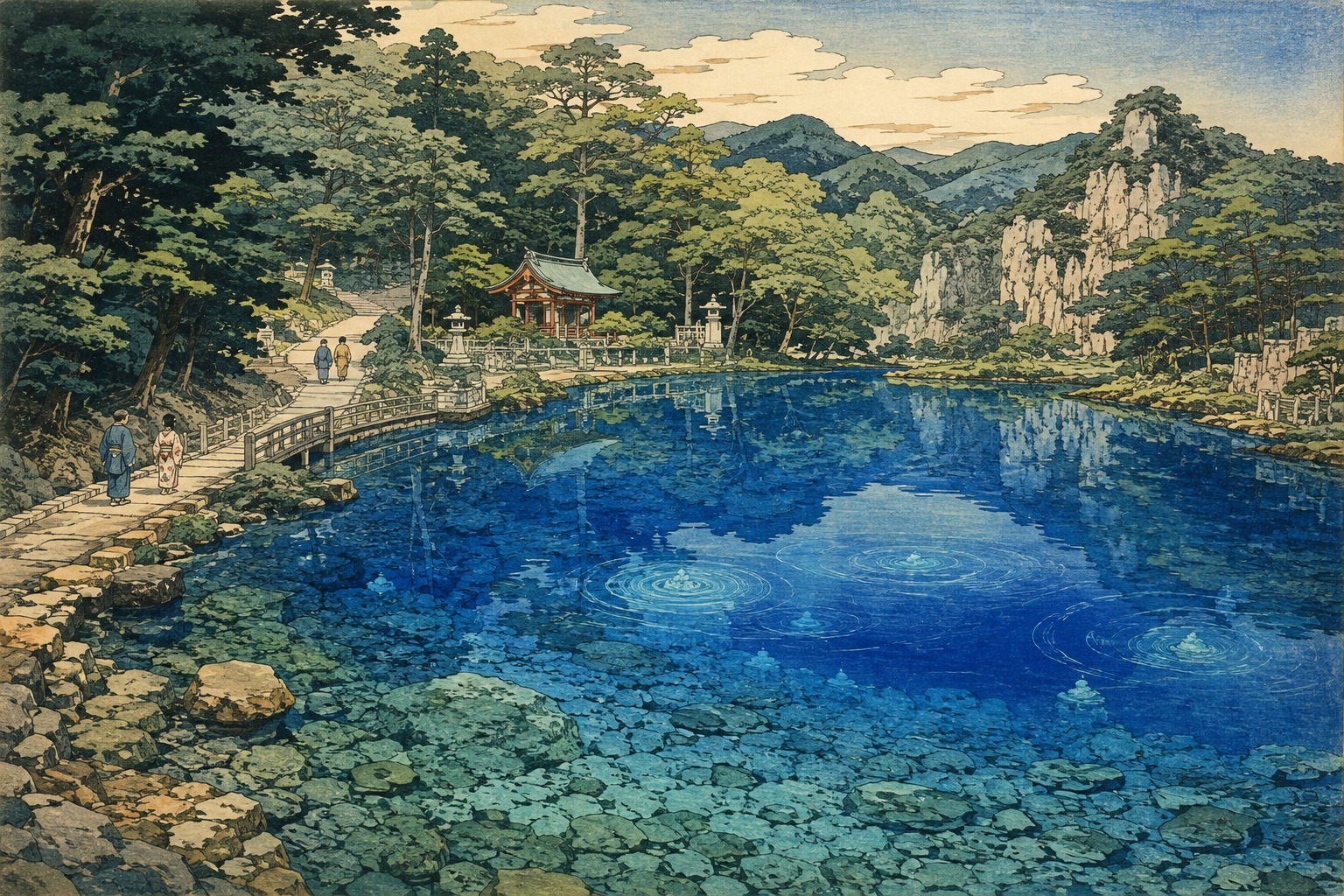
Why the Water Is Blue—and Why It Became Sacred
Mine’s Beppu Benten Pond stays near 14°C and rises at about 180 liters a second. Geology, worship, dance and community all flow through its blue water.
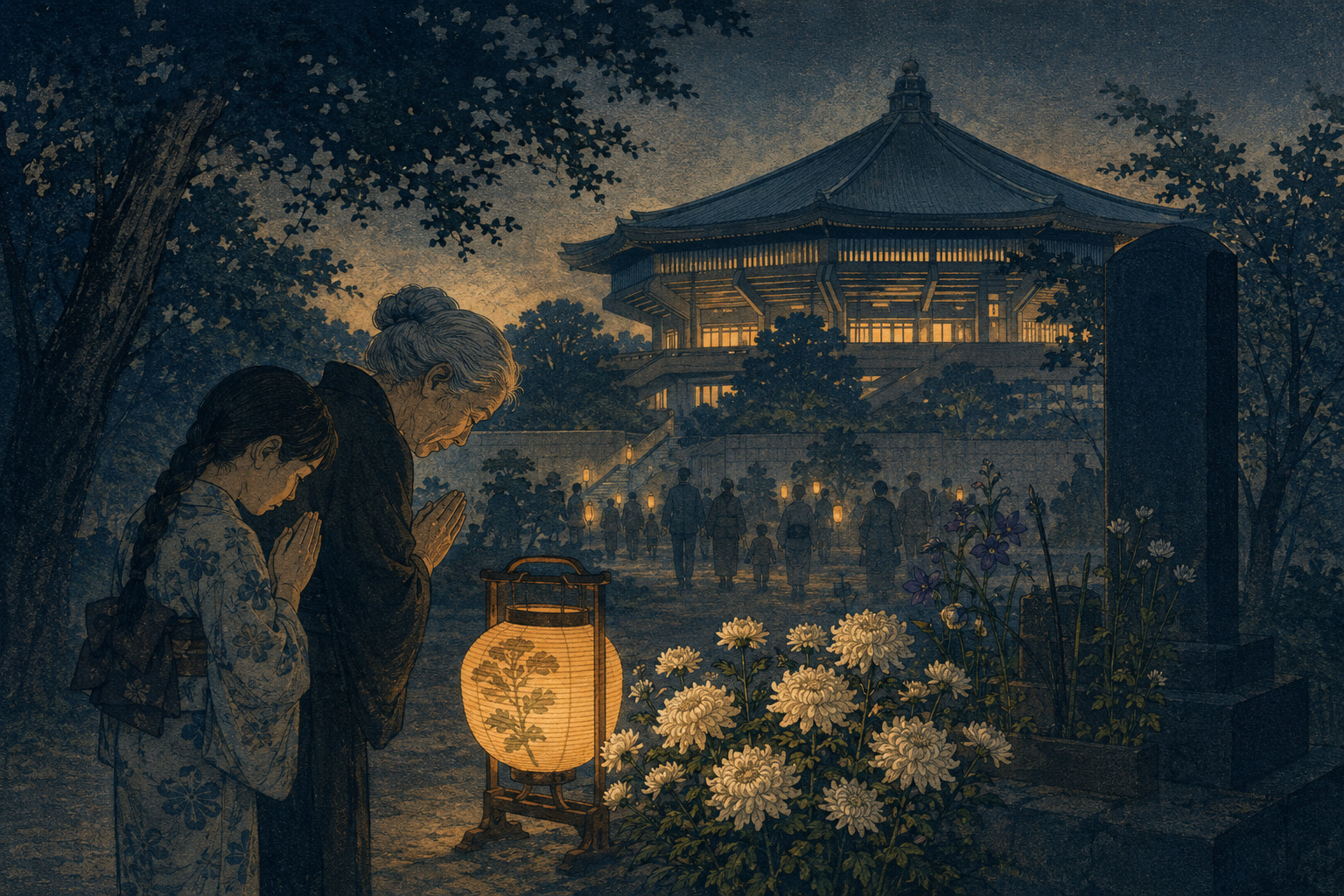
Noon Silence: Whom Does Japan Remember—and How?
Household observance and the national memorial ceremony meet on August 15. The surrender broadcast, bereaved families and unrecovered remains frame remembrance and responsibility.
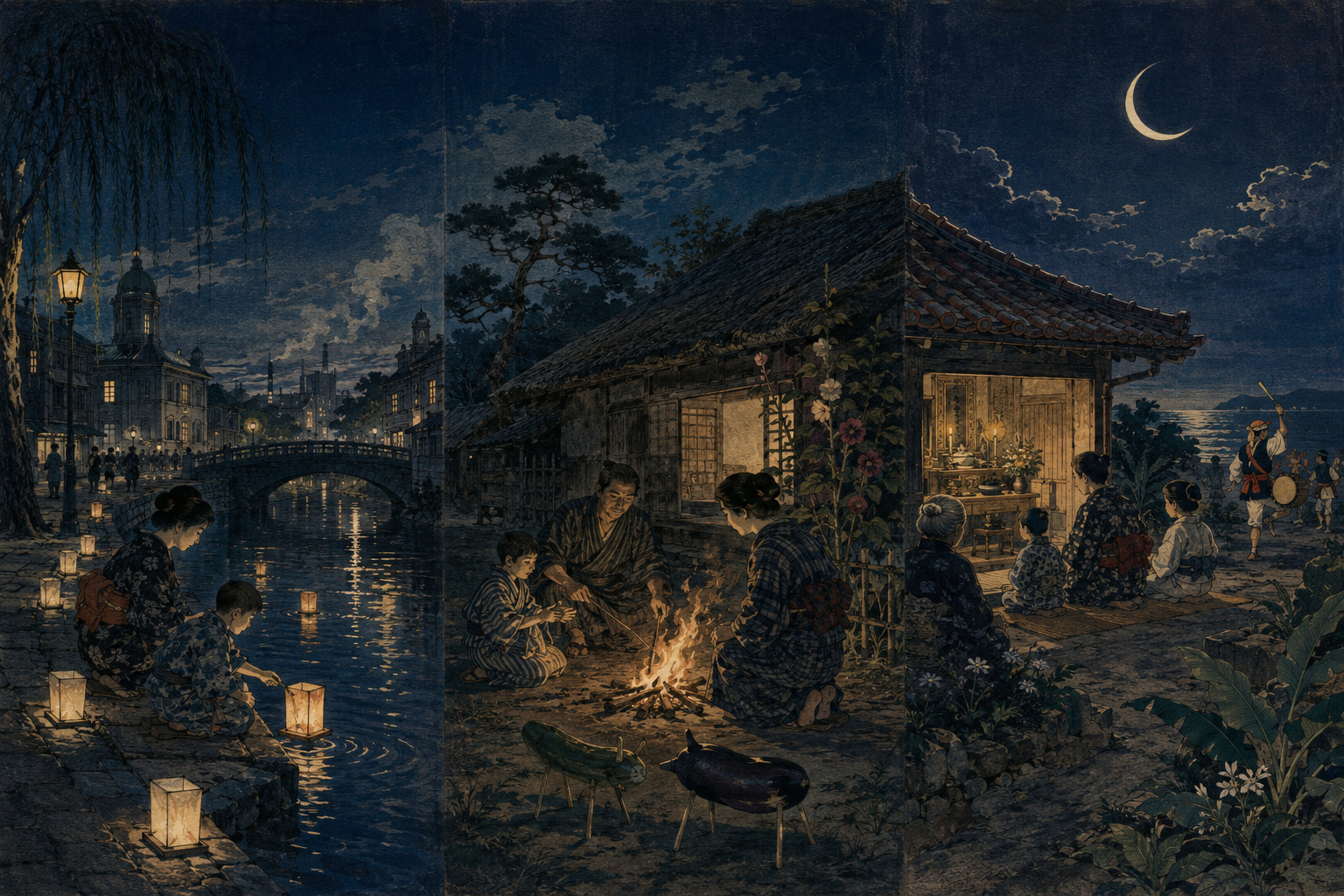
One Country, Three Obons
July Obon, month-late August Obon and lunar-calendar Obon survive through the history of Urabon rites, Meiji calendar reform, farming, homecoming and Okinawa.
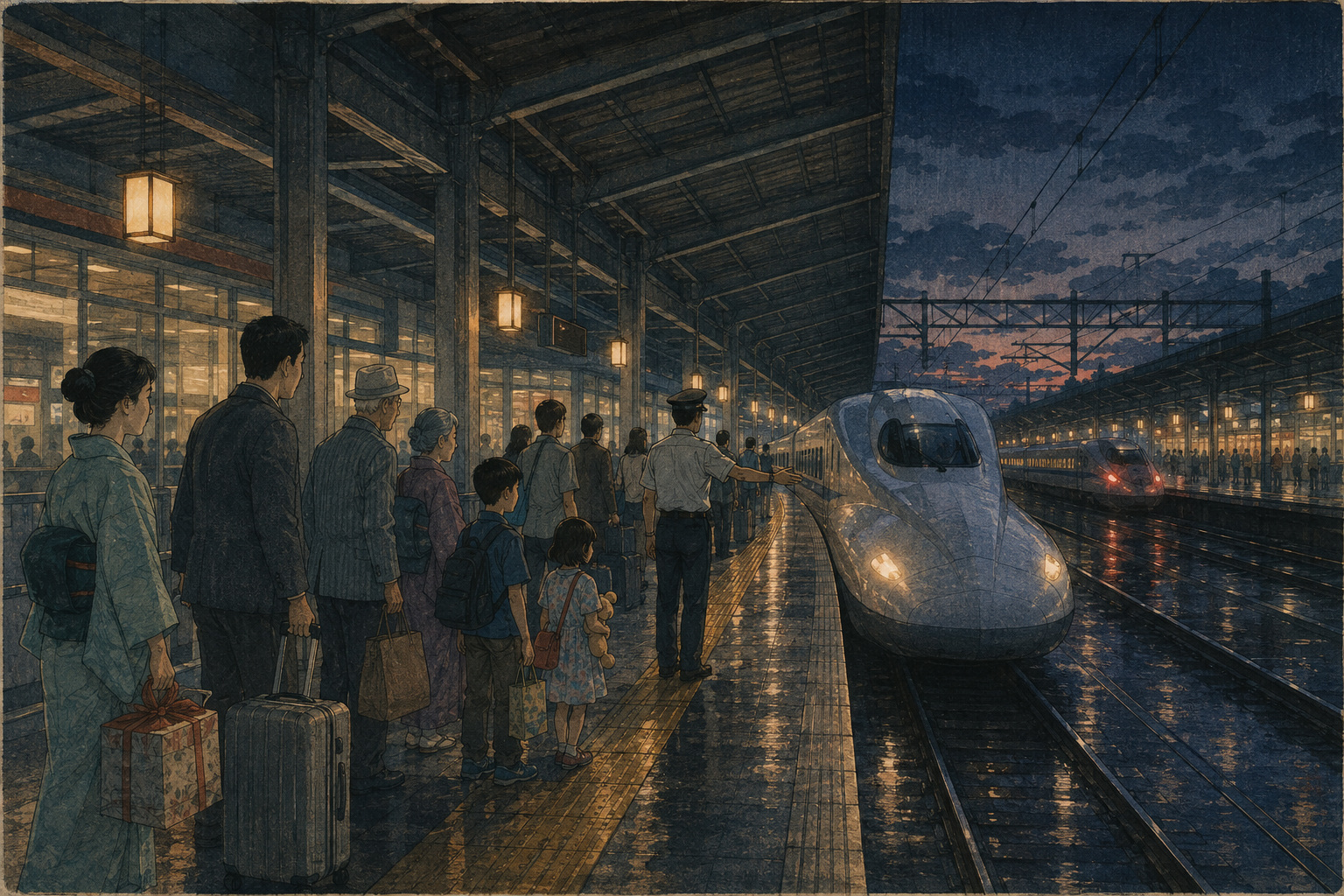
Two Days to Go Home
The return rush is divided between August 15 and 16. Some 2.99 million reservations, extra trains and all-reserved Nozomi services show how railways design the migration.
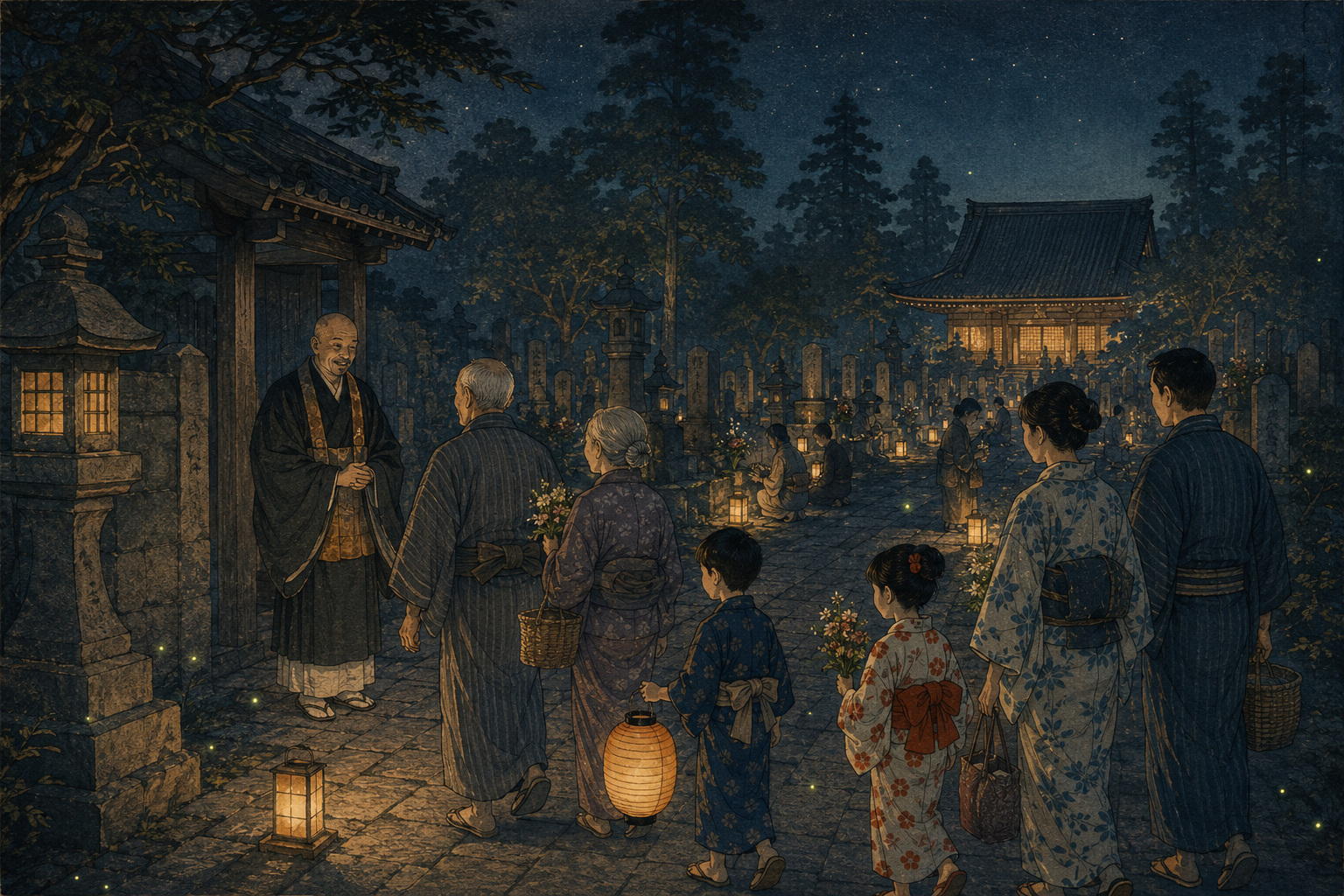
When Cemeteries Wait for Sunset
Temples and cemeteries move visits toward evening, protecting older people from dangerous daytime heat. Lantern light and climate adaptation create a new hour of prayer.
20. Today’s Art Choice
Shotei Hokuju · The strange geometry of landscape
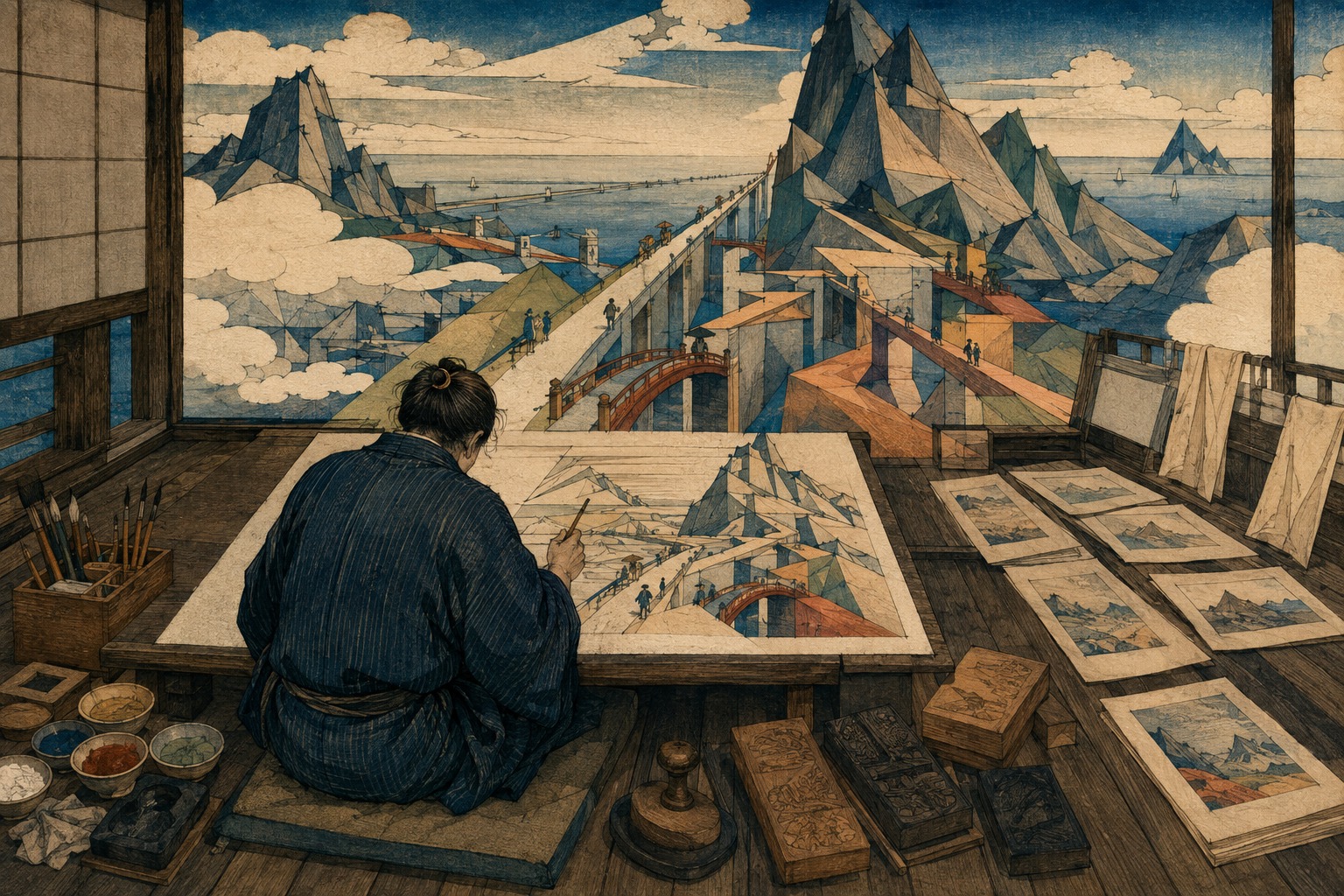
Today’s Art Choice: Shotei Hokuju and the Strange Geometry of the Japanese Landscape
A road vanishes into one point, a bridge cuts open a city and mountains fold into planes. Hokusai’s pupil used a perspective like no one else’s to turn Japanese places into something between map, stage and dream.
