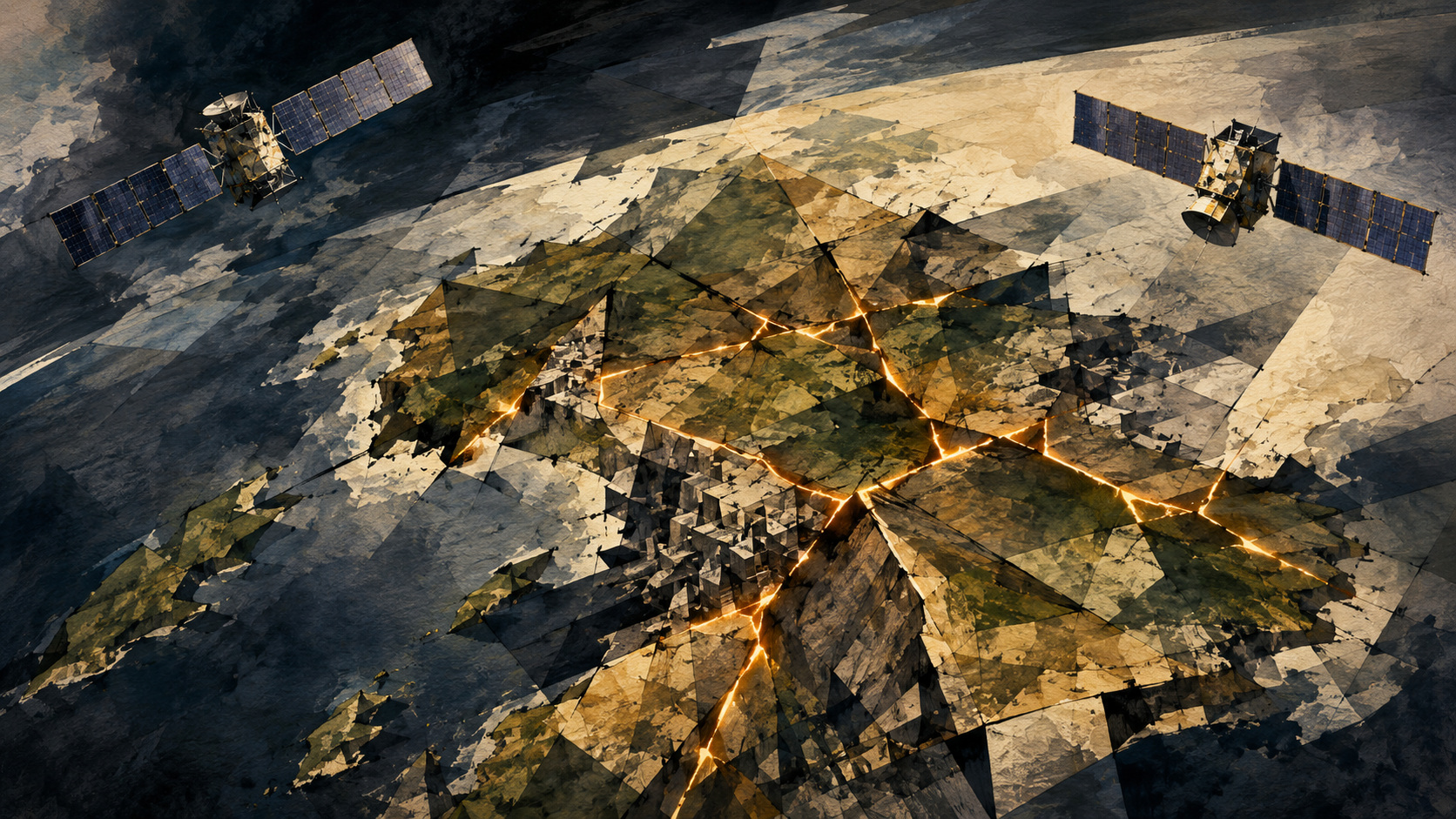
After the Ground Moved, Life Had to Continue
Satellites showed Kumamoto’s surface shifting in three directions. On the ground, 39 people were dead, 3,585 remained in shelters and about 29,200 households were still officially without water. A paper mill stood silent, five tatami looms were lost, a youth baseball field broke apart and pets endured evacuation. Beyond the disaster, autonomous transport, chip-based identity, ocean forecasting and children’s future cities showed a country still moving forward.
Four Stories to Read First
Ground, shelter, water and urban transport
Four Selections From the August 13 Edition
Space, climate, healthcare and memory
Today’s News: 19 Stories
15 new reports + 4 selections from August 13
The Earth Moved in Three Directions
ALOS-2 and ALOS-4 mapped eastward, northward and downward displacement, turning radar observations into evidence for fault analysis, surveying and recovery.
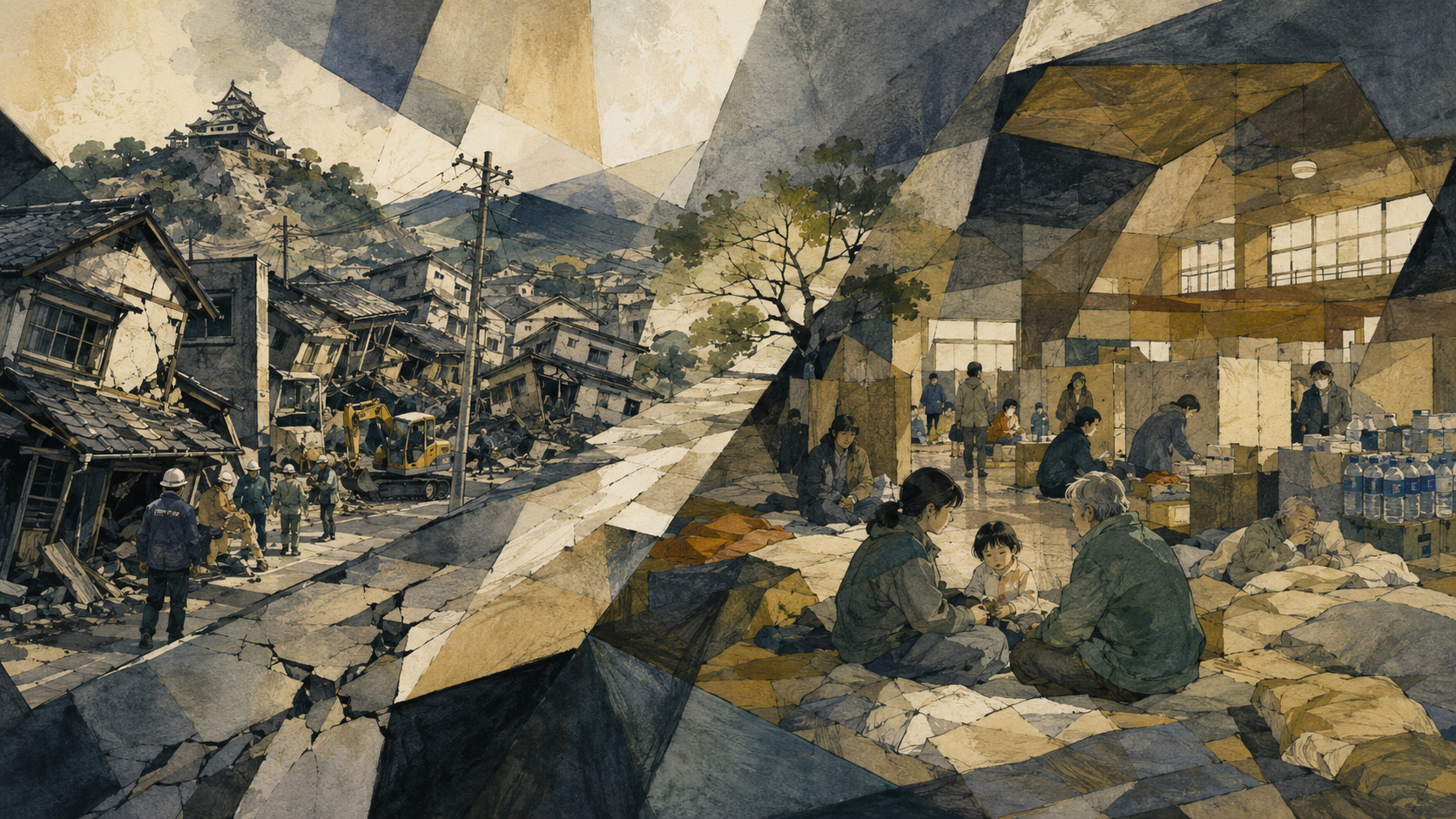
The Count at Two Weeks
The official count reached 39 deaths, 3,585 people in 81 shelters and 26,906 damaged or possibly damaged homes as recovery entered its hardest phase.
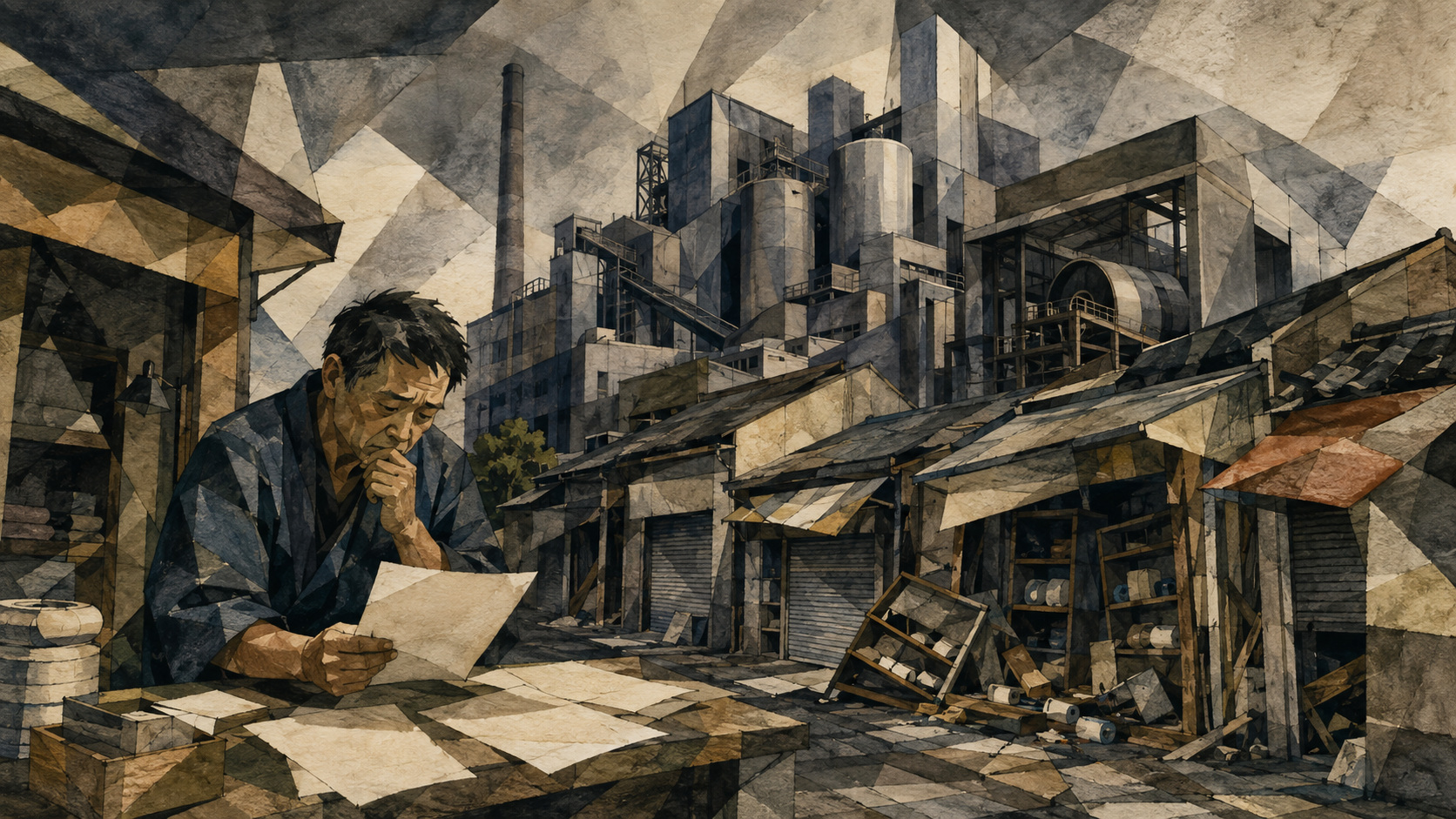
A City Built on Paper Counts the Cost
Estimated business losses reached about ¥9 billion and consultations roughly 380 while the shutdown of Nippon Paper’s Yatsushiro mill deepened concern over jobs and local suppliers.
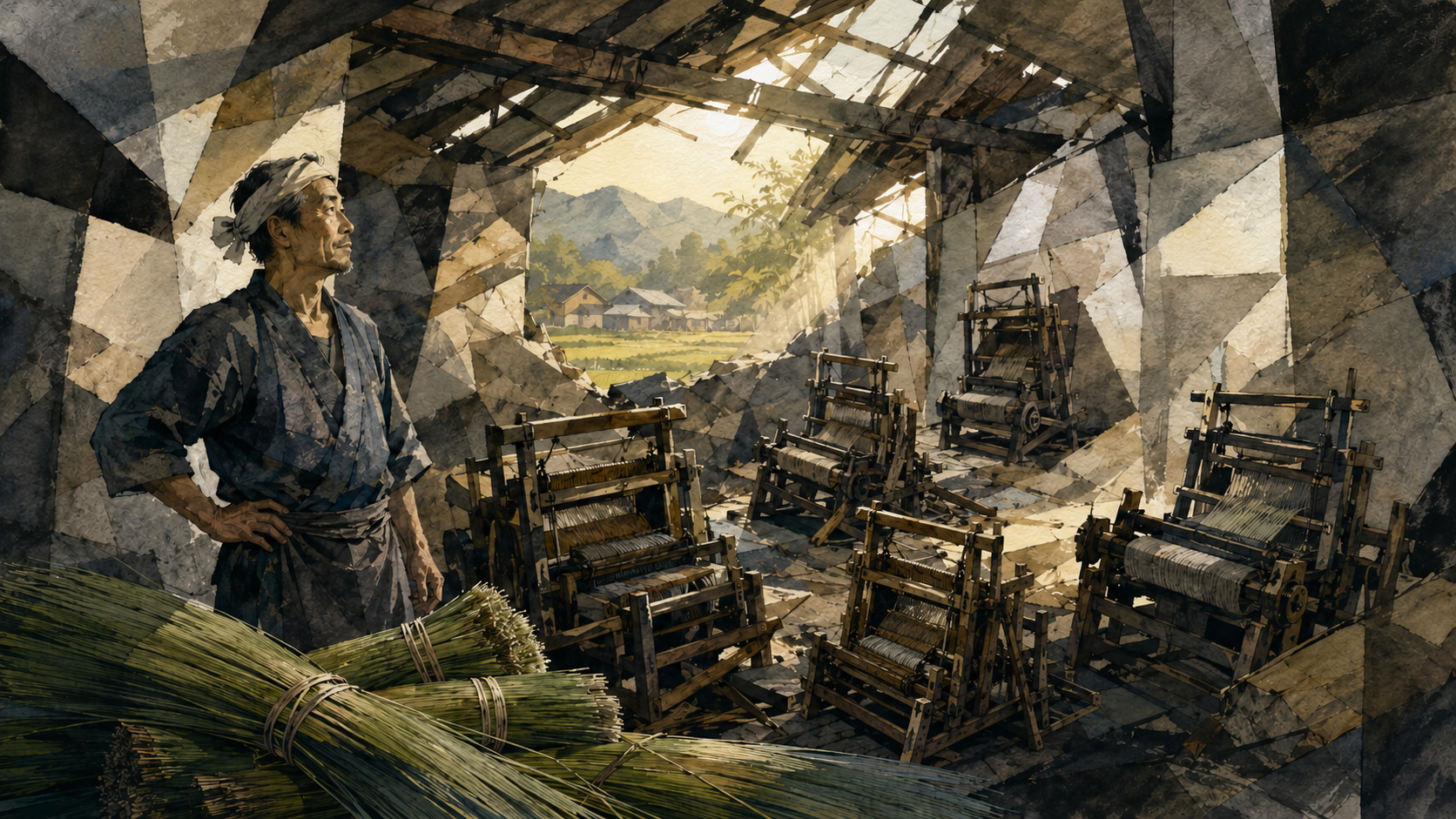
Five Looms Beneath a Fallen Roof
One year after serious flooding, an igusa farmer lost his workshop and all five tatami looms—then chose to rebuild within a 500-year regional tradition.
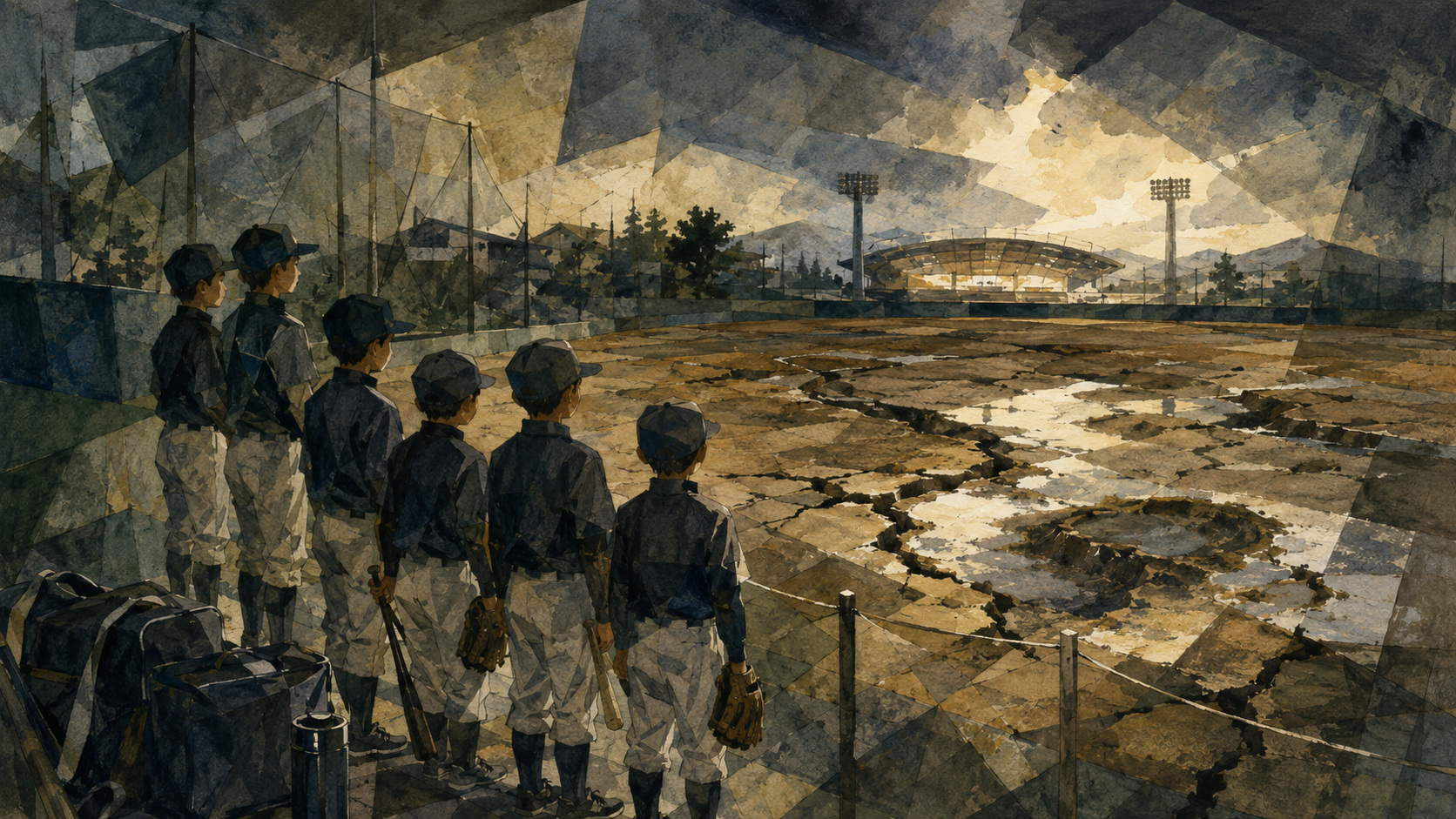
The Diamond That Broke
Cracks, steps and liquefaction closed a youth field. Its 22 elementary-school players are searching for practice space and drawing hope from Kumamoto’s Koshien representatives.
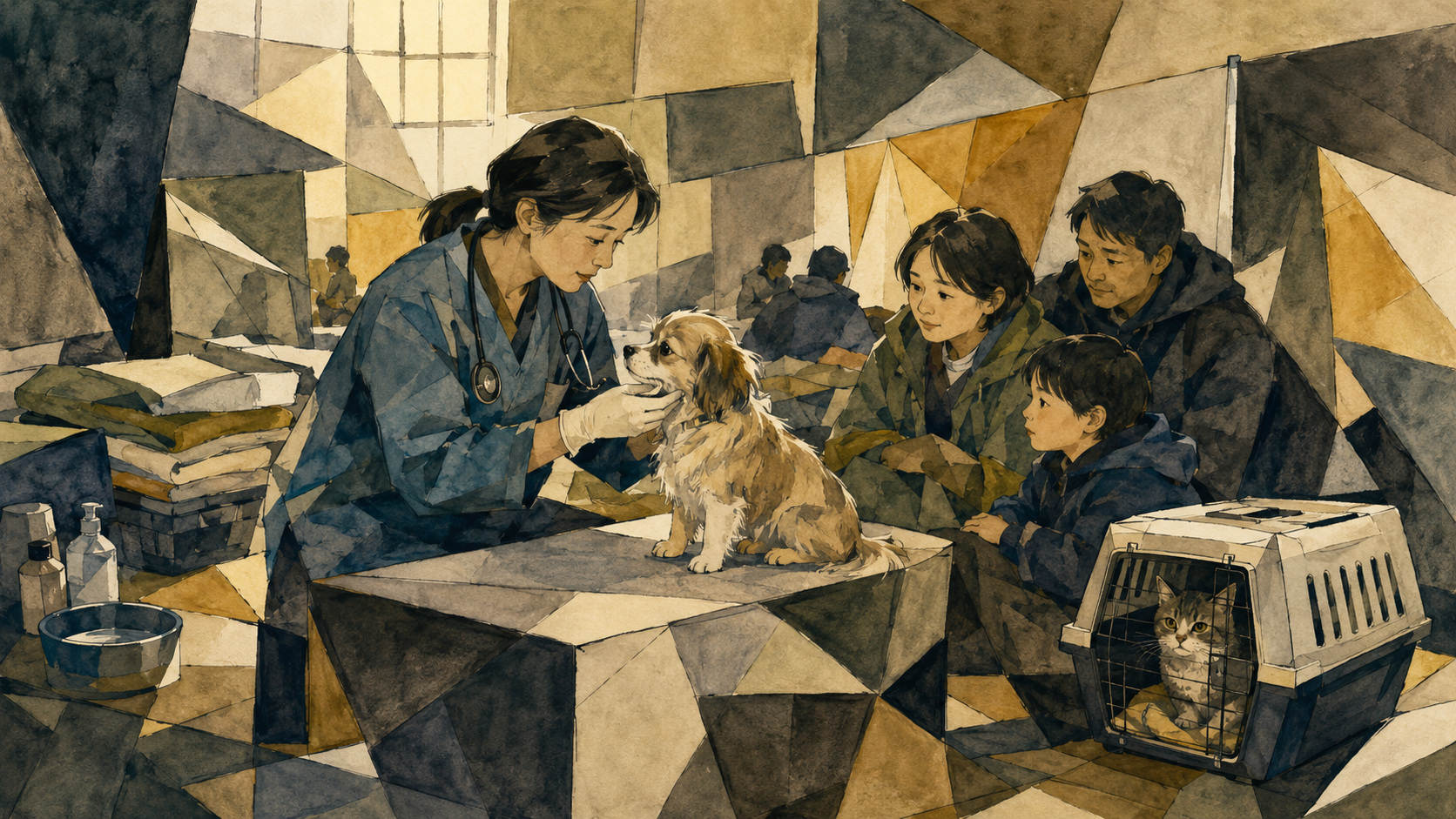
The Evacuees Without a Voice
Veterinarians are offering free consultations while families struggle to protect animals from illness and stress in shelters, vehicles and temporary homes.
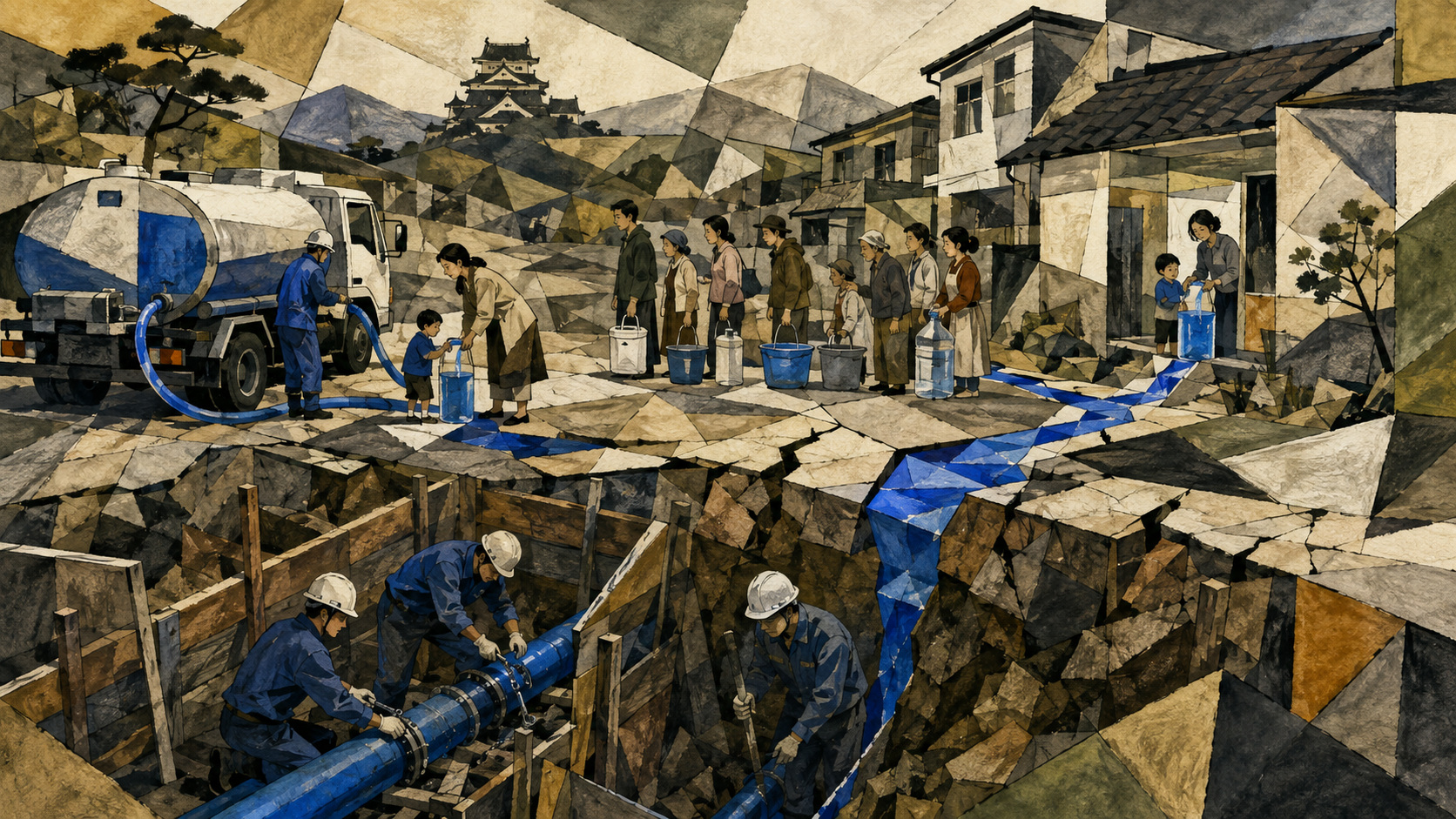
Until the Pressure Returns
About 29,200 households remained officially without water as crews searched for underground leaks and rebuilt enough volume and pressure to test damaged networks.
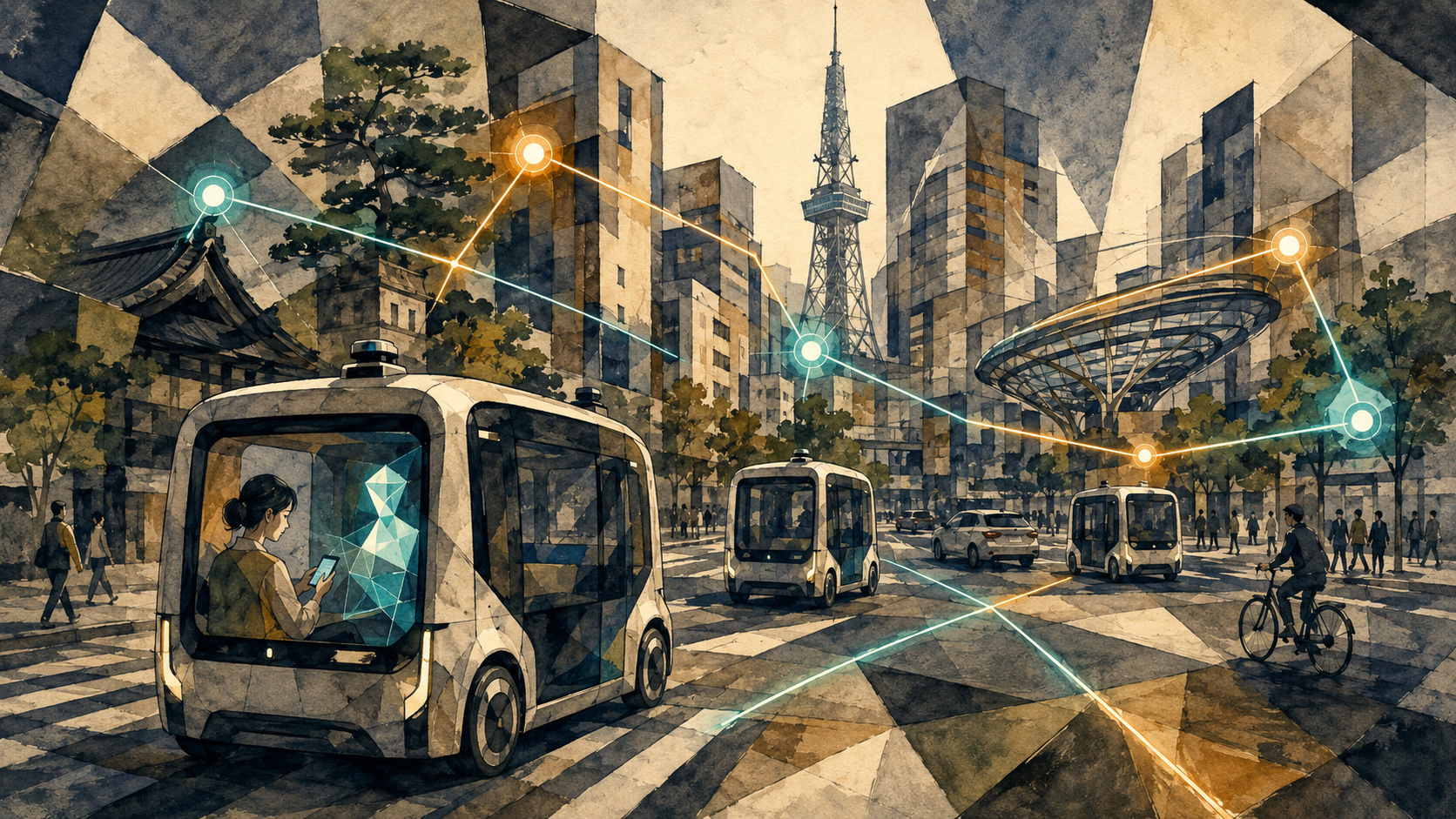
Three Cars Leave the Timetable
Three automated minivans will serve five stops and 20 directed routes by app, testing how on-demand service and an AI guide could evolve toward Level 4 urban transport.

Beyond the Face on the Card
From August 20, selected store procedures will read government-ID chips and combine facial matching with electronic authentication to deter forged contracts and criminal phone use.
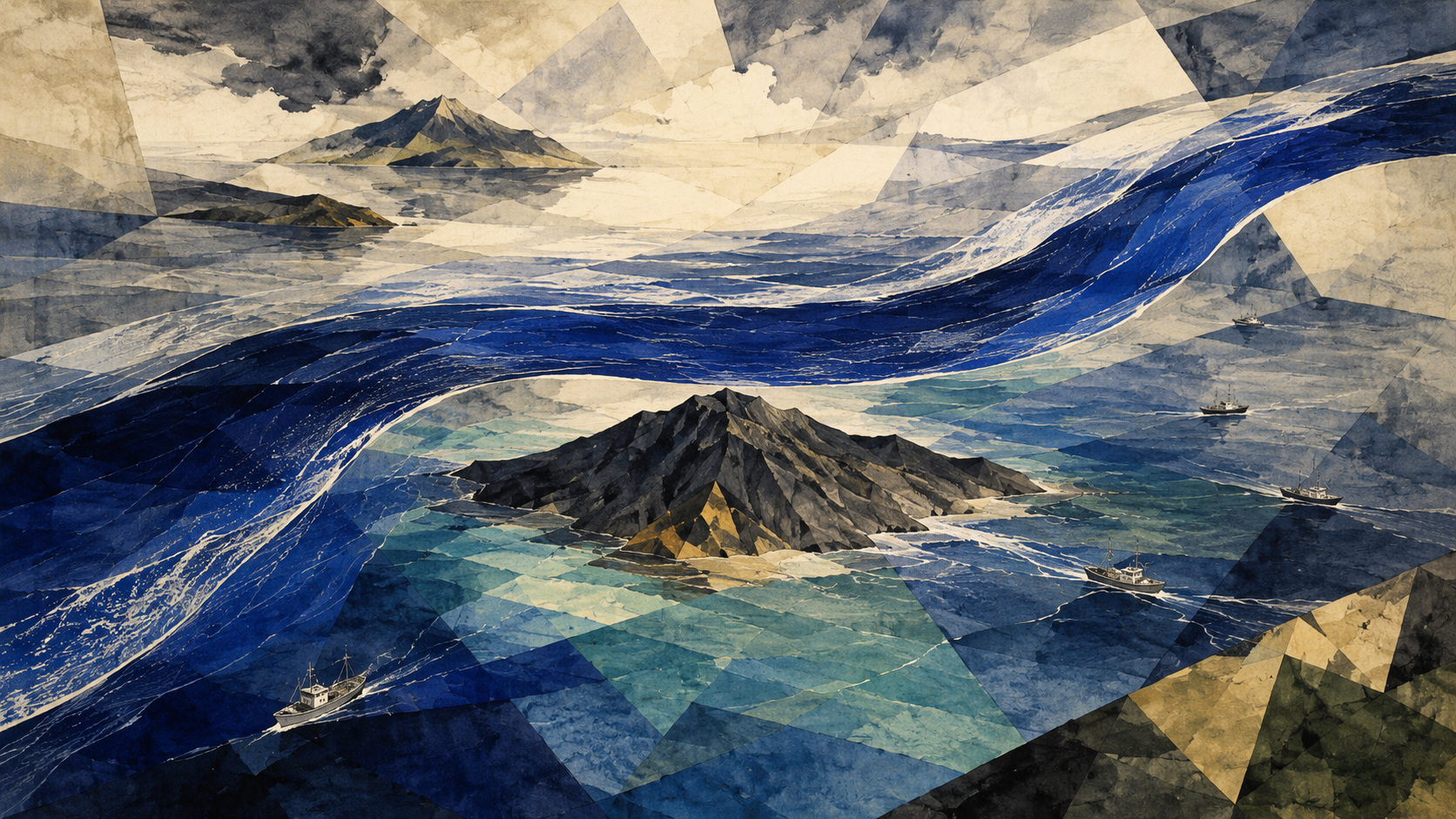
The River That Moves Around an Island
JAMSTEC expects the Kuroshio to remain north of Hachijojima through October 9, with consequences for water temperature, fisheries, sea level and shipping.
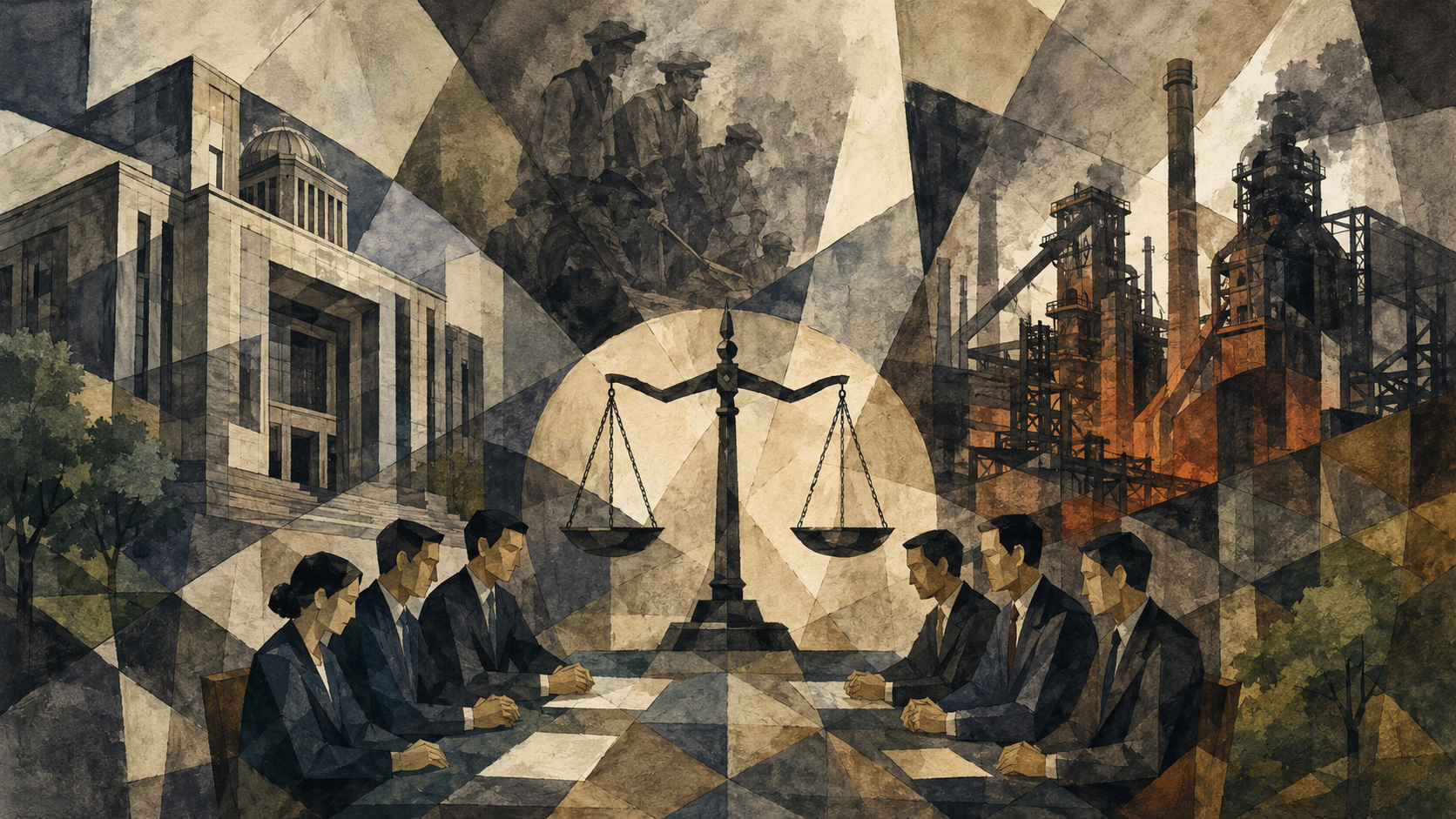
The Verdict Between Two Legal Worlds
South Korea’s Supreme Court finalized an 80 million won judgment against Nippon Steel, reopening the divide among the plaintiffs’ claims, Japan’s treaty position and diplomacy.
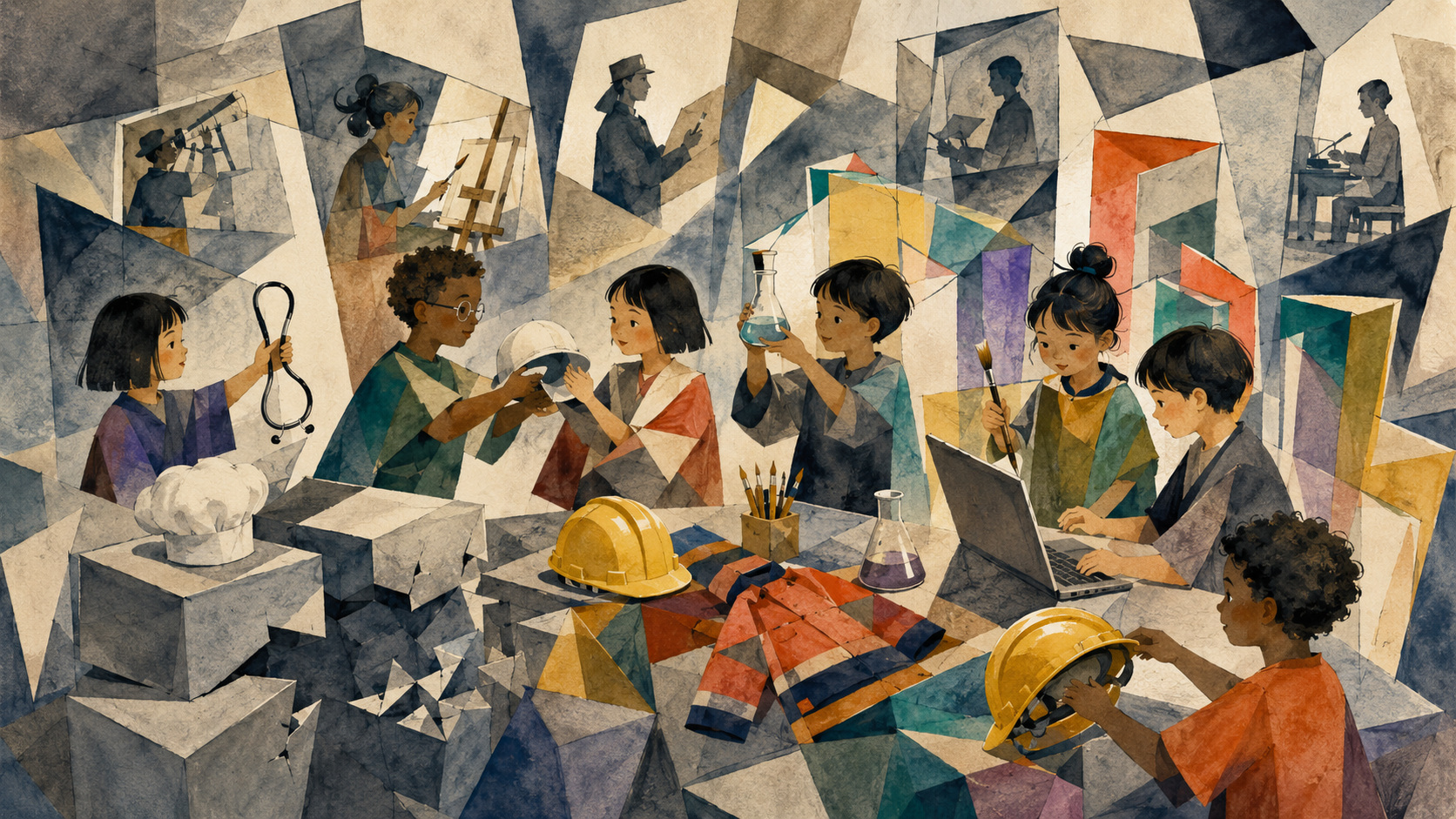
Who Gets to Imagine the Future?
More than 2,800 applications arrived for an interactive event where children, parents and teachers examined unconscious assumptions about occupations and social roles.
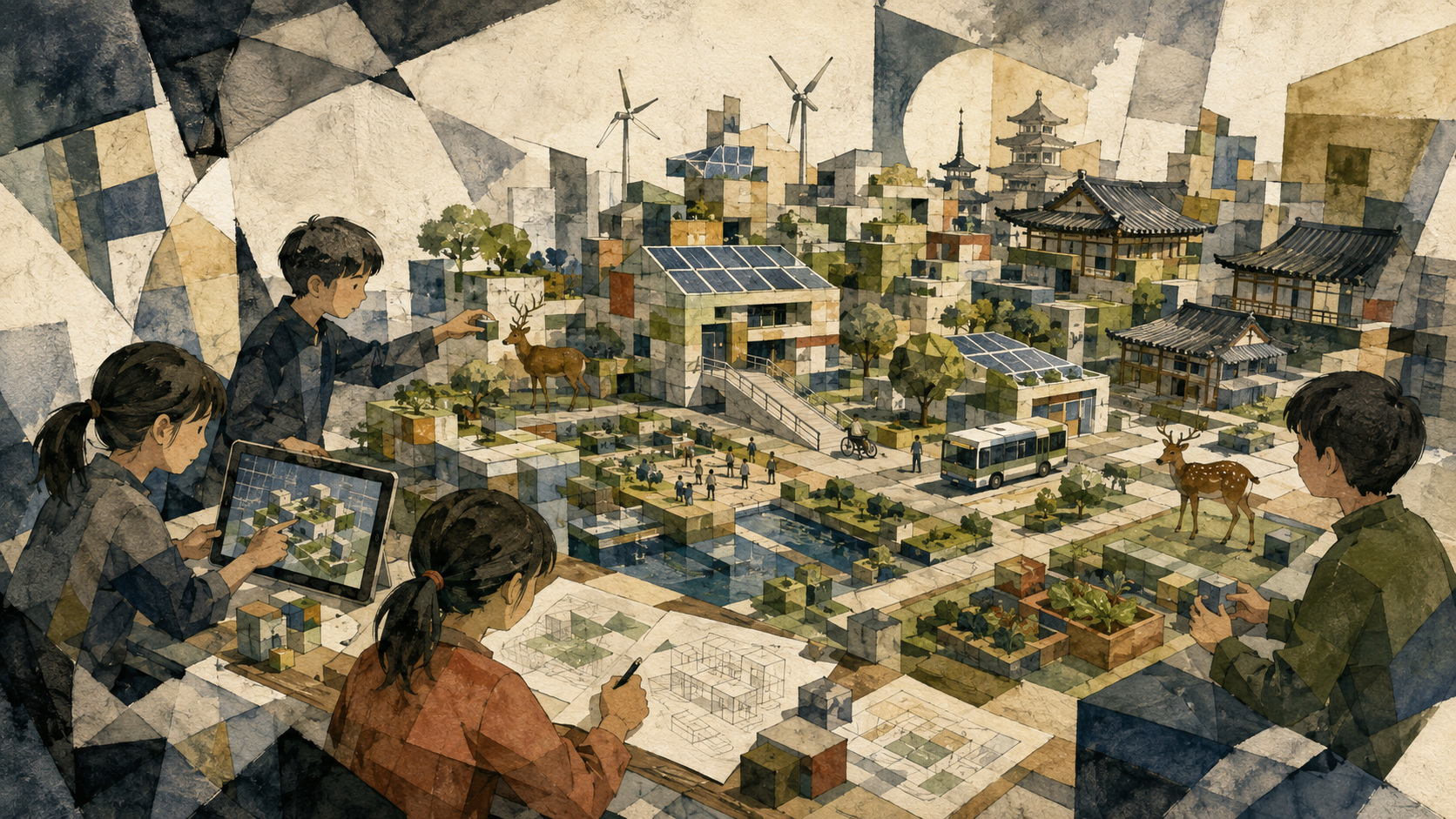
The Old Capital and the Unbuilt City
Nara is supporting the eighth Minecraft Cup, where children research demographic, environmental and community problems before building proposed solutions.
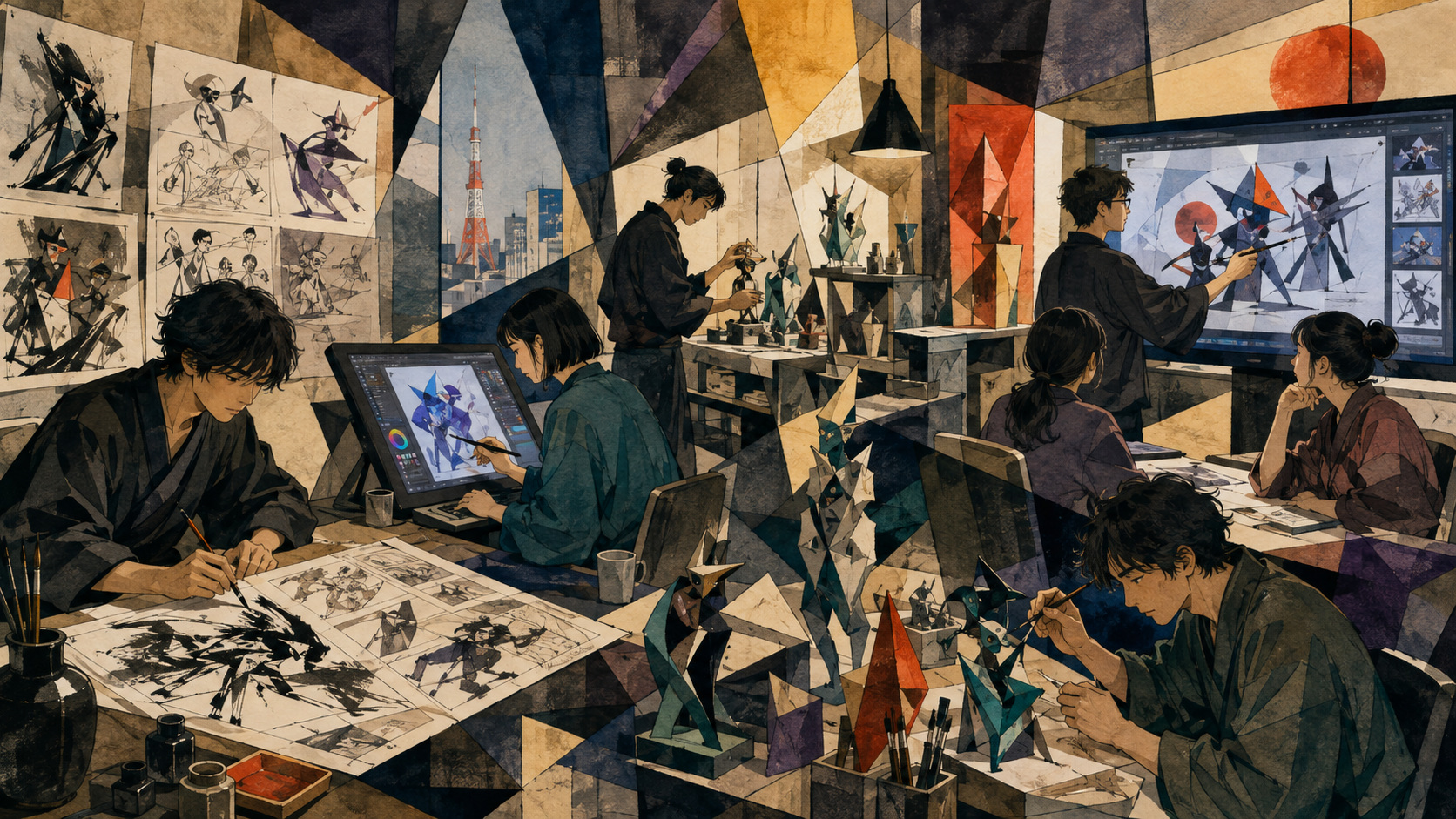
Beyond the Drawing Desk
The first Modern Tokiwa-so cohort will present original anime and manga prototypes with business plans, confronting ownership, collaboration and sustainable creative income.
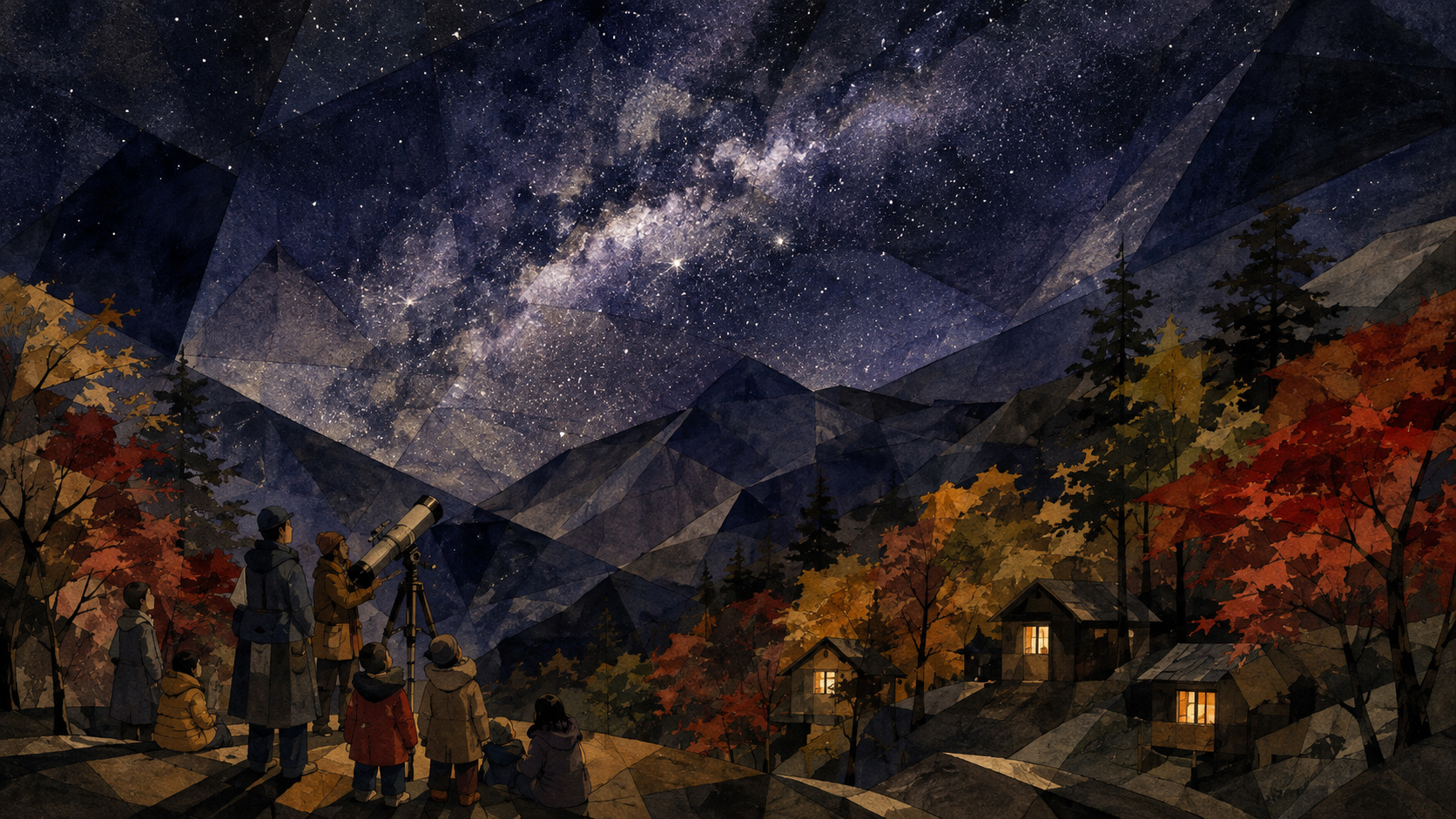
When Darkness Becomes a Destination
At 1,300 meters, Choja no Mori is offering seven guided autumn stargazing sessions, using darkness itself to extend rural tourism beyond summer.
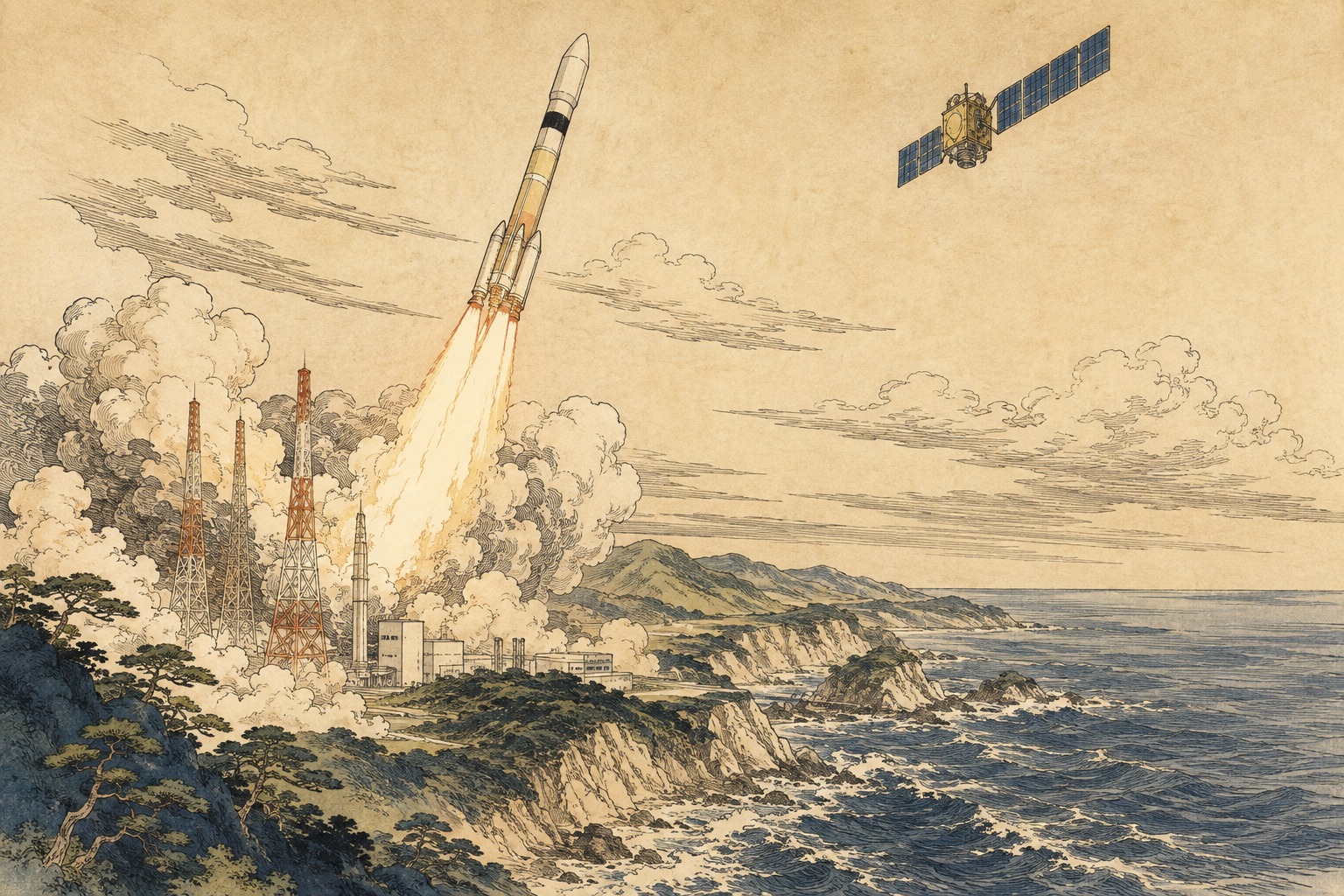
H3 Flight No. 9 Sends Michibiki-7 Into Orbit
Eight months after a failed mission, H3 carried Michibiki-7 from Tanegashima into orbit and moved Japan’s independent positioning network closer to completion.
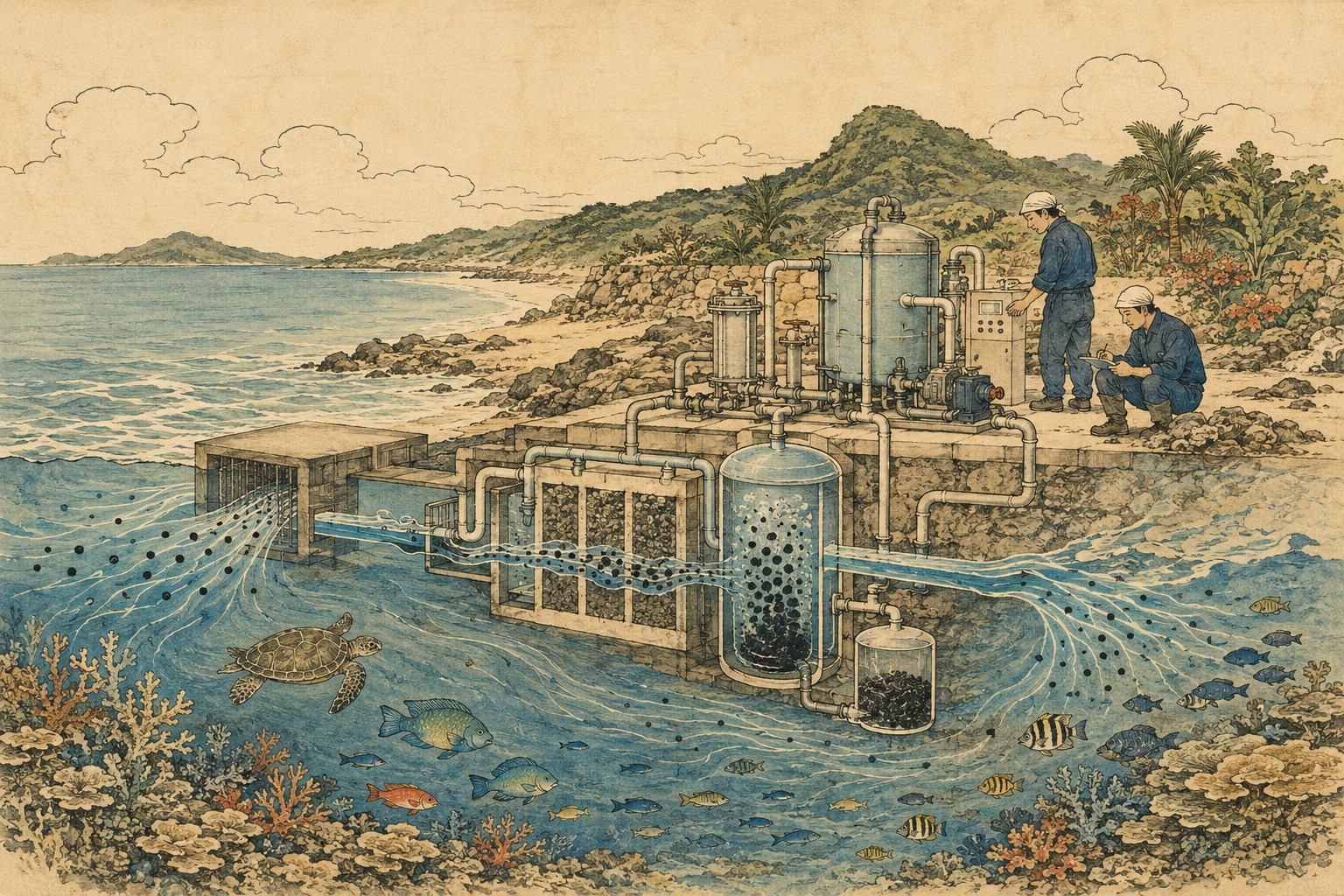
What Kumejima’s Ocean Carbon Pilot Must Prove
Hitachi, MOL and JAL plan Japan’s first direct ocean carbon-capture demonstration, testing chemistry, environmental effects and practical coastal use.
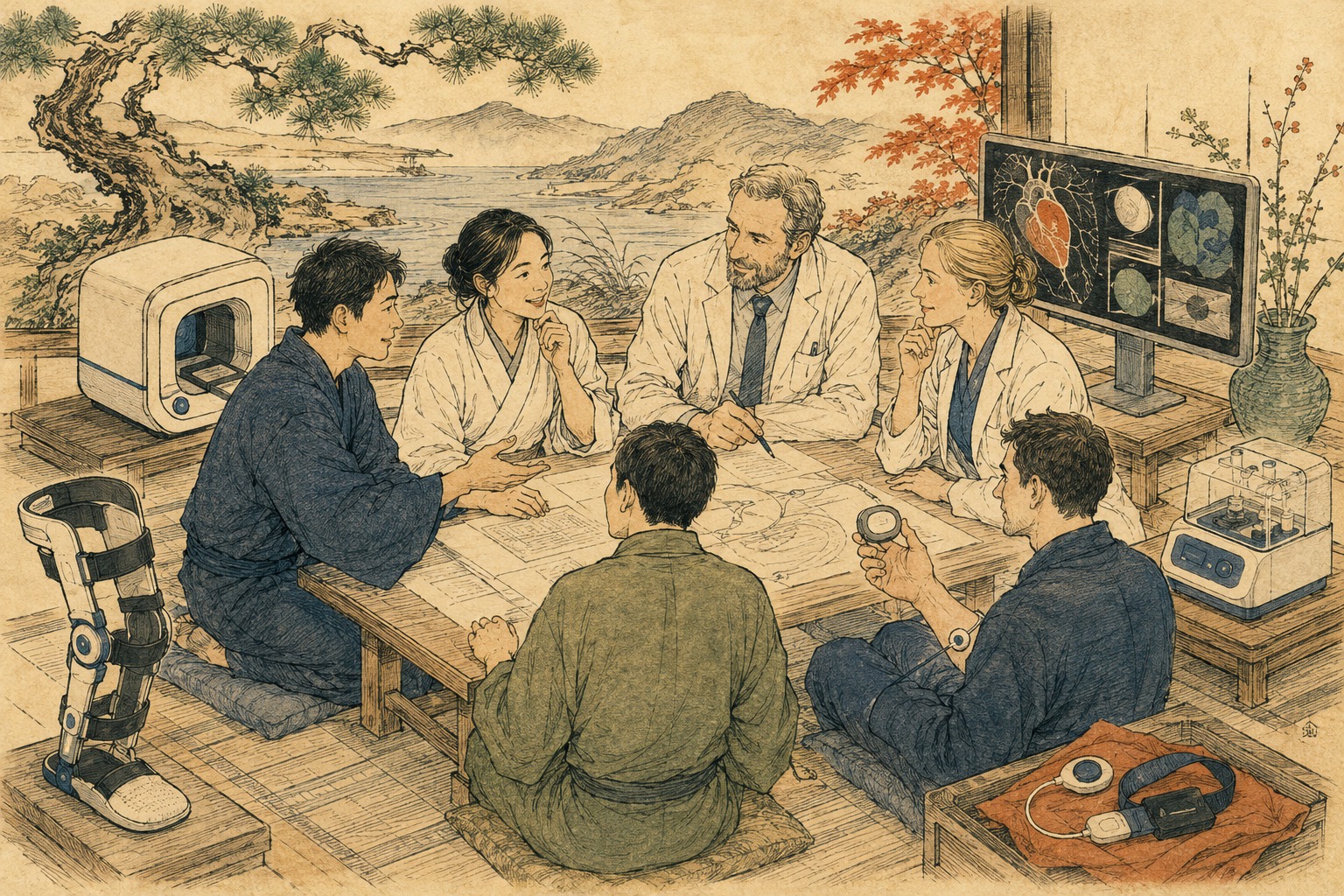
Can Japan’s Health Startups Cross America’s Last Mile?
Fifteen Japanese startups spanning medical AI, home dialysis and rehabilitation enter a U.S. program focused on evidence, regulation and reimbursement.
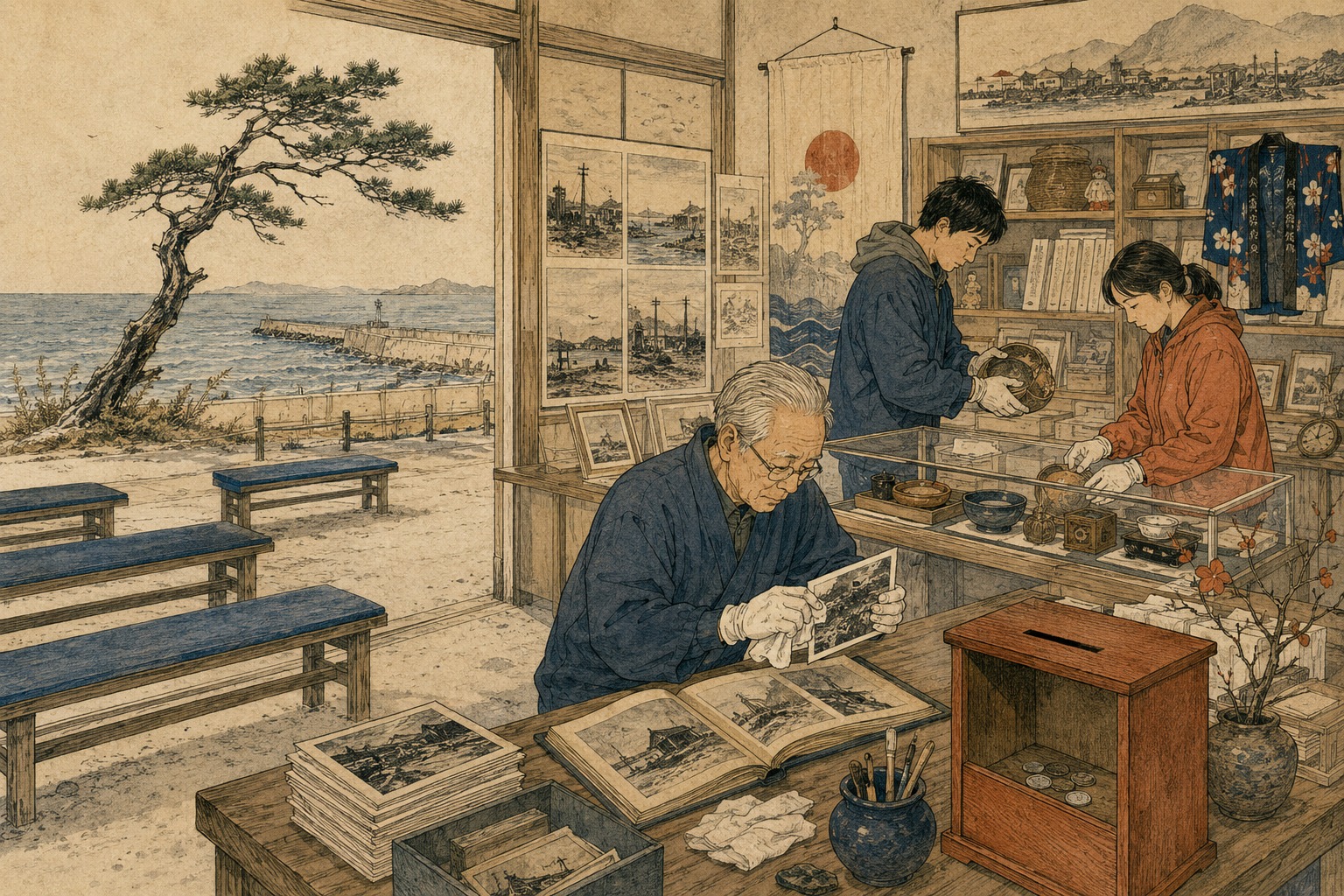
A Memory Cannot Live on Ticket Sales Alone
Fifteen years after 3.11, memorial facilities and education programs still depend on public funding, unrelated income and community labor.
20. Today’s Art Choice
Gaganendranath Tagore · India’s Reinvention of Cubism
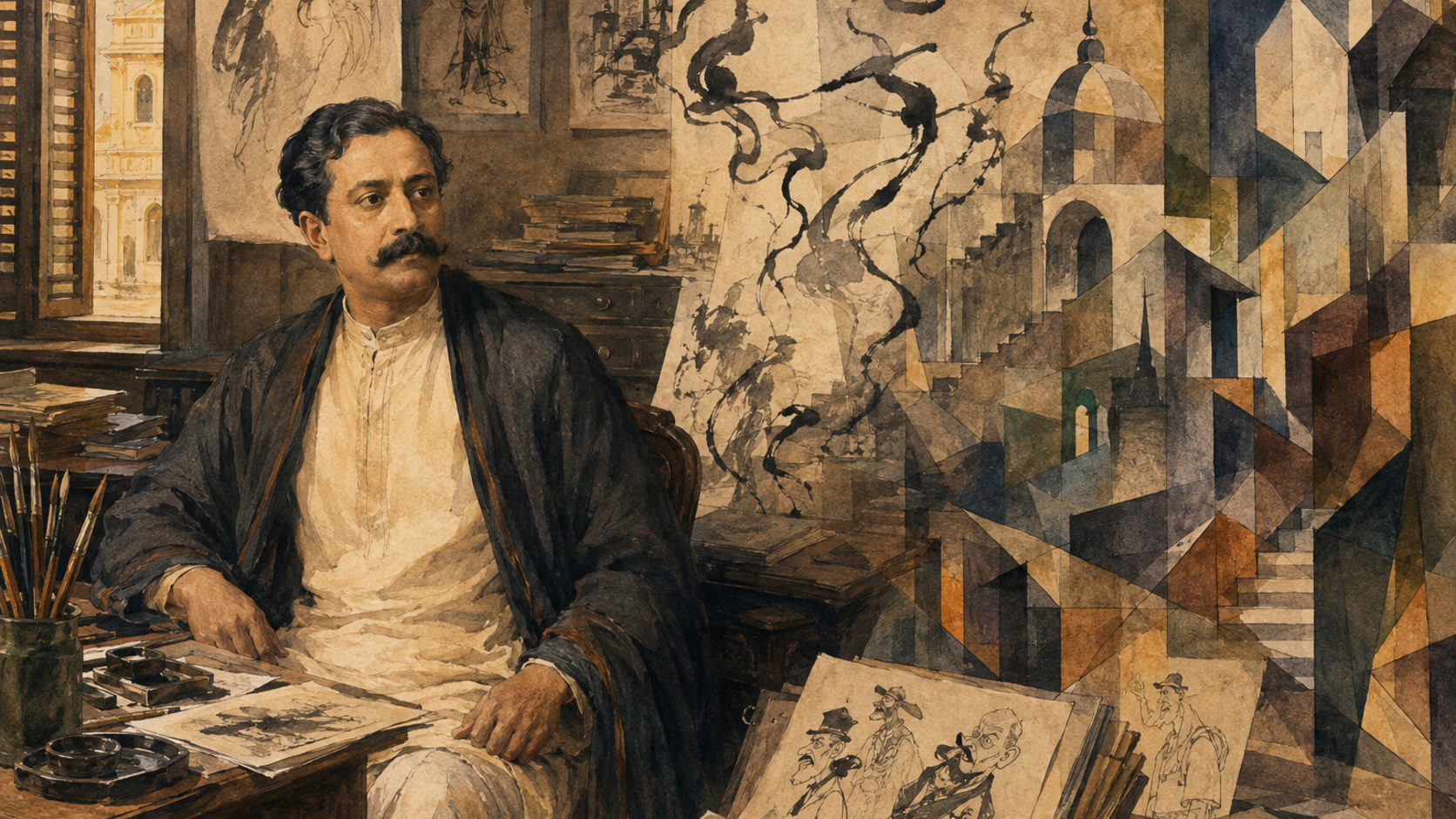
Today’s Art Choice: Gaganendranath Tagore and India’s Reinvention of Cubism
The self-taught Calcutta modernist transformed Japanese brushwork, Bengali satire, theater, photography and European modernism into an Indian Cubism of fractured interiors and moving light.
