Space, Life, Travel and Craft
Japan Tests Its Future
The Epsilon S comeback, families cutting food and cooling during extreme heat, Hiroshima survivors challenging nuclear policy and chimpanzee Ai’s intellectual legacy—alongside medical AI, video-speed e-paper, cancer screening, Kurobe’s hidden route, Matsushima tourism and portable Kyoto tatami. Fifteen new reports, four selections from yesterday, and the Edo treasures preserved by the British Museum.
Start with These Four
Space, household survival, cognition, medical AI
Four from the July 24 Edition
Imports, empty homes, infrastructure, materials
Today’s News: 19 Reports
15 new stories + four from July 24
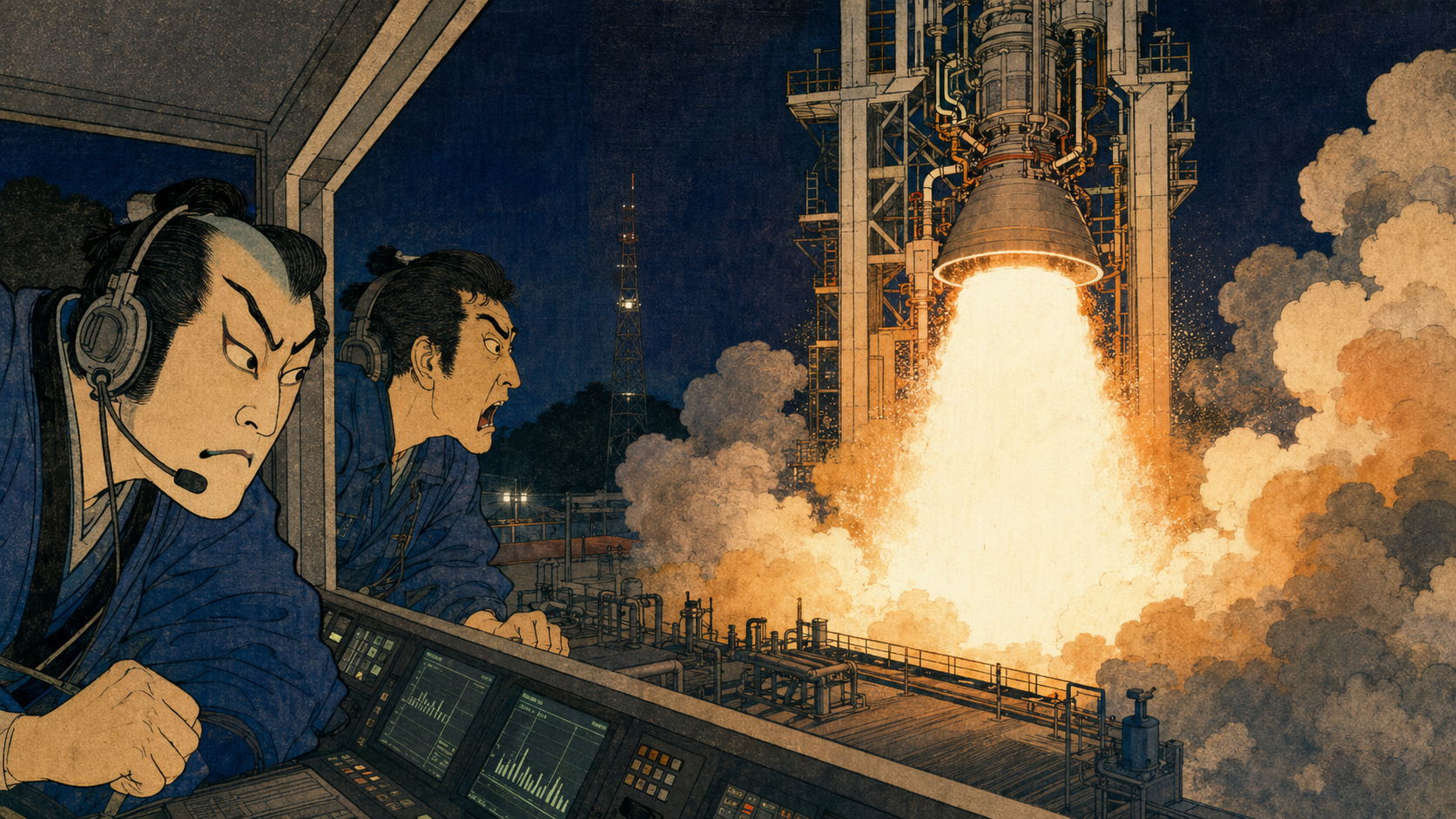
Epsilon S Passes Critical Firing Test of Redesigned Second-Stage Engine
What did Japan change after an accident stopped its small-launcher program, and how can trust be rebuilt? The report traces the Epsilon family and the meaning of this test.
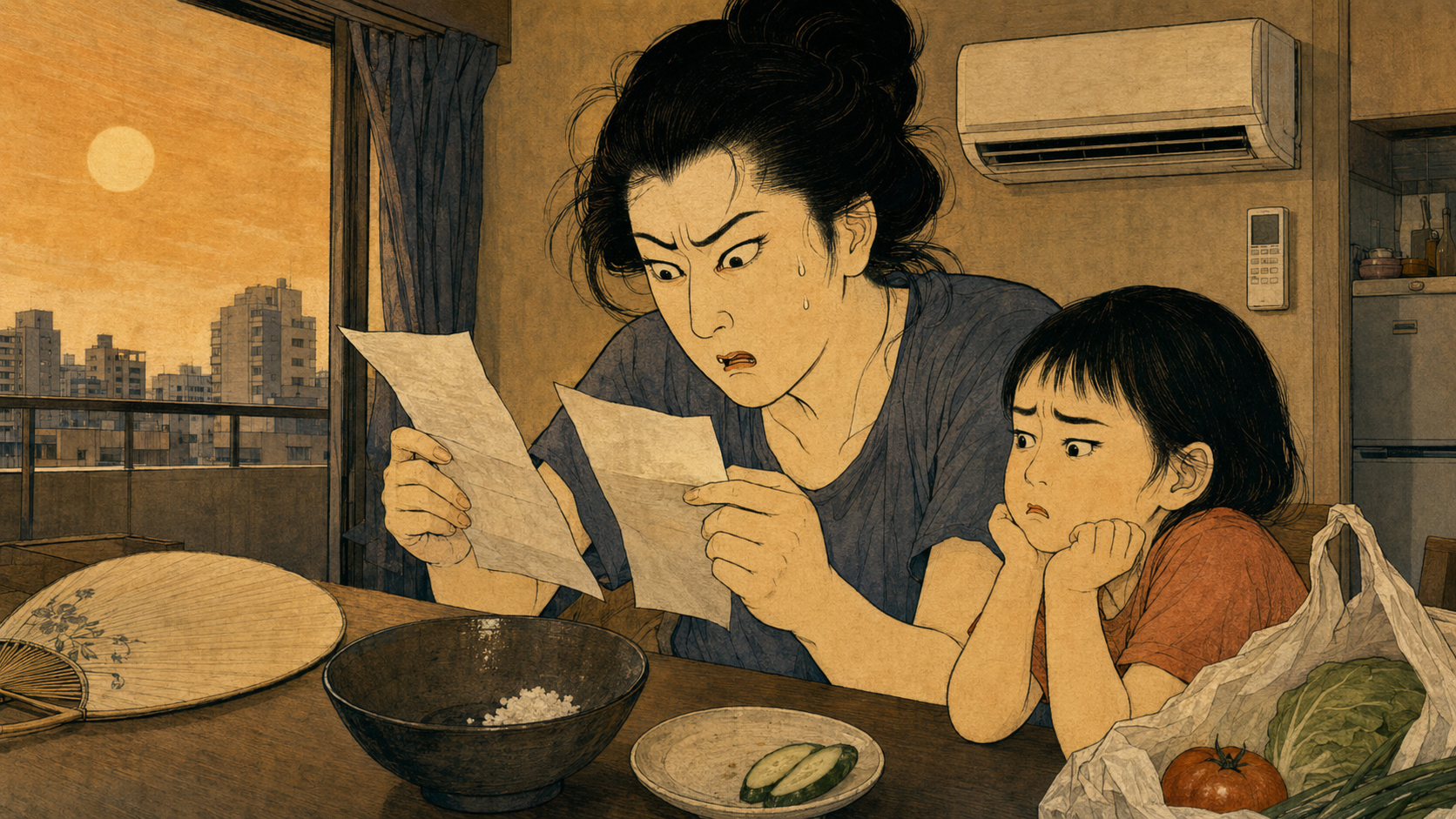
Struggling Japanese Families Cut Food and Cooling During Extreme Heat
A national survey finds families buying less food and fearing electricity bills even in dangerous temperatures. Inflation, energy and child health have become one crisis.
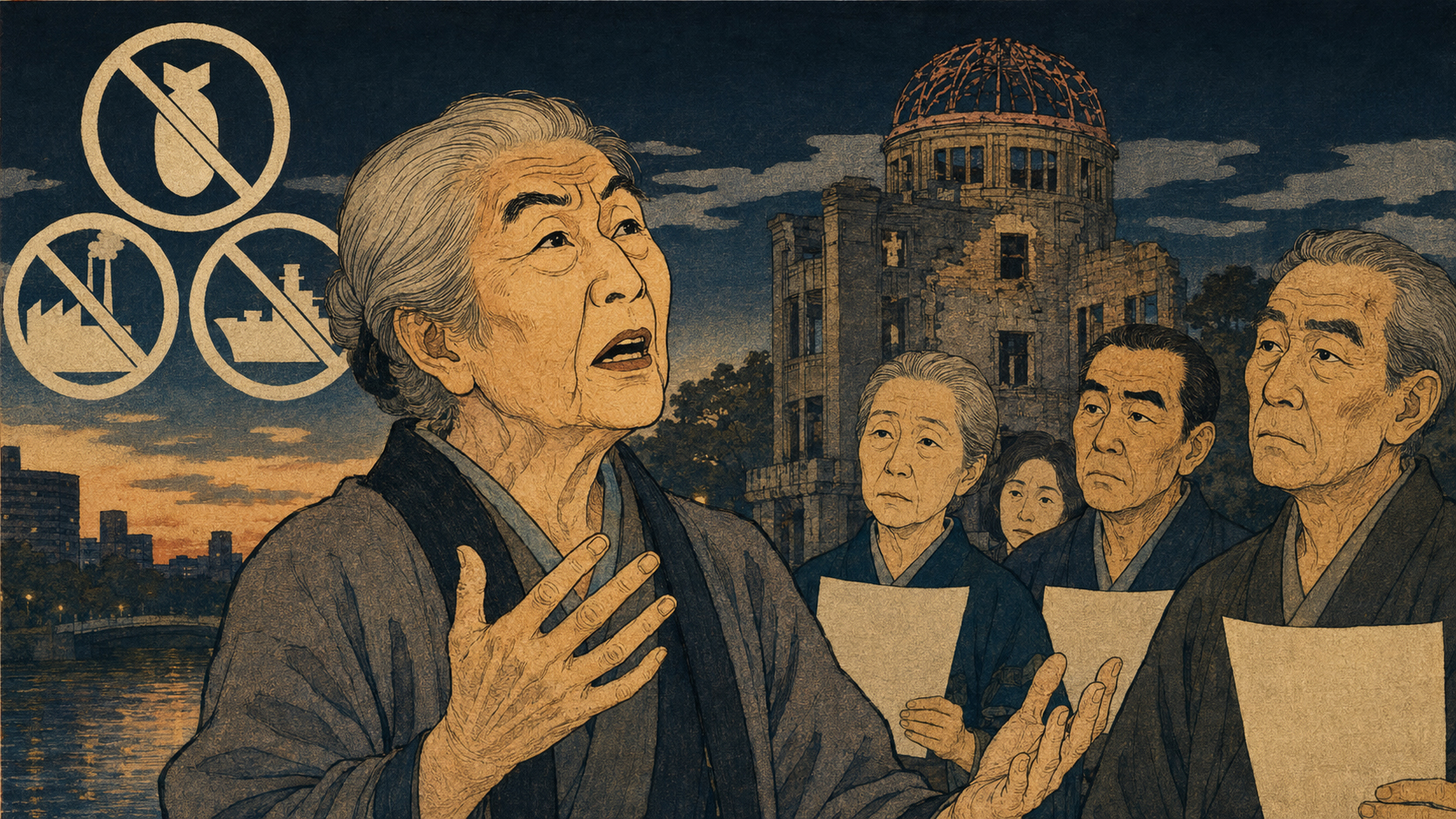
Hibakusha Groups Challenge Calls for a “Taboo-Free” Nuclear-Defense Debate
As politicians discuss nuclear sharing and deterrence, survivors invoke the Three Non-Nuclear Principles, the U.S. nuclear umbrella and the authority of lived experience.
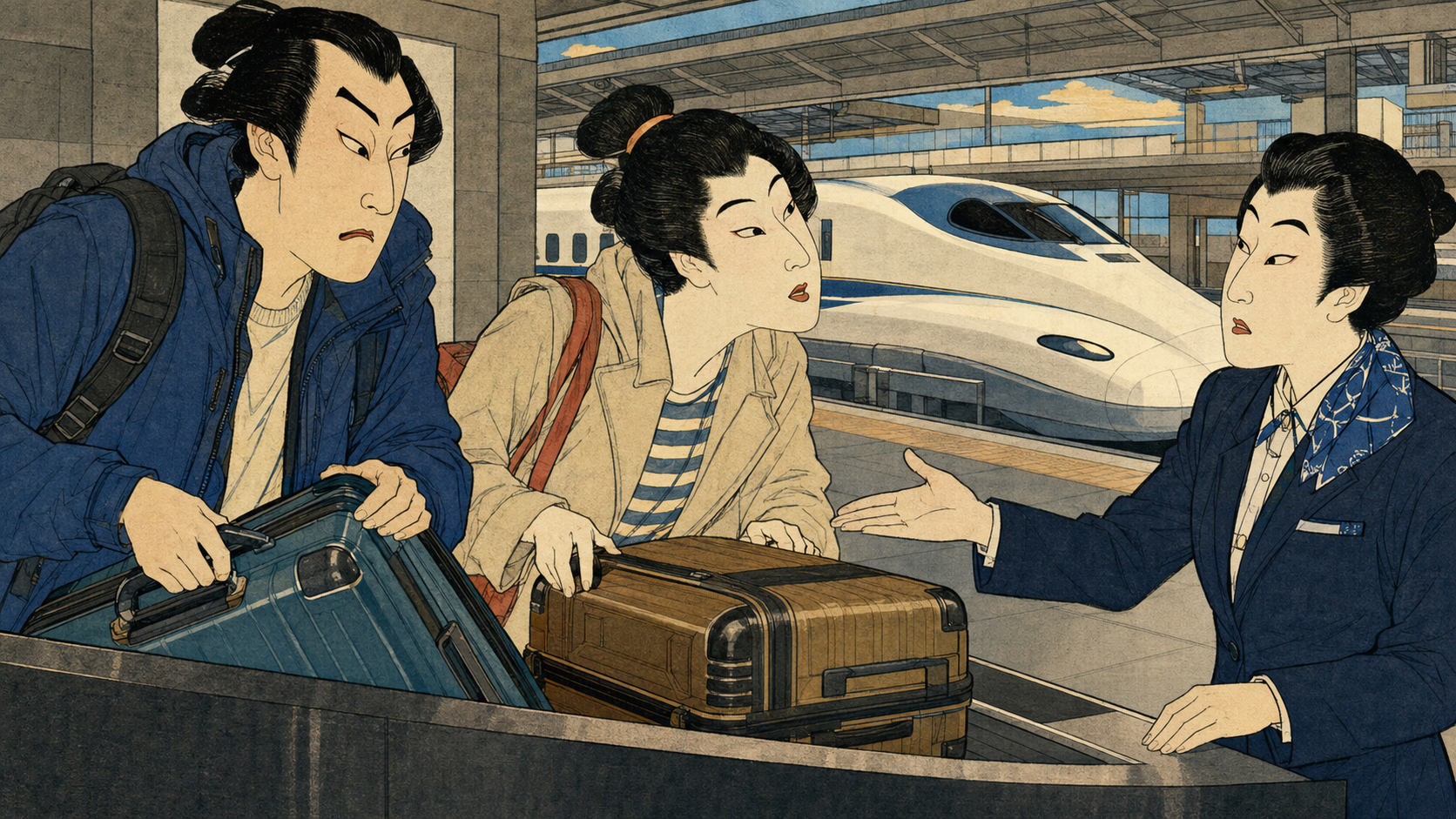
New Station Service Lets Shinkansen Passengers Drop Large Luggage Before Travel
The service accepts bags before passengers move through crowded stations, extending Japan’s hands-free travel system as inbound tourism grows.
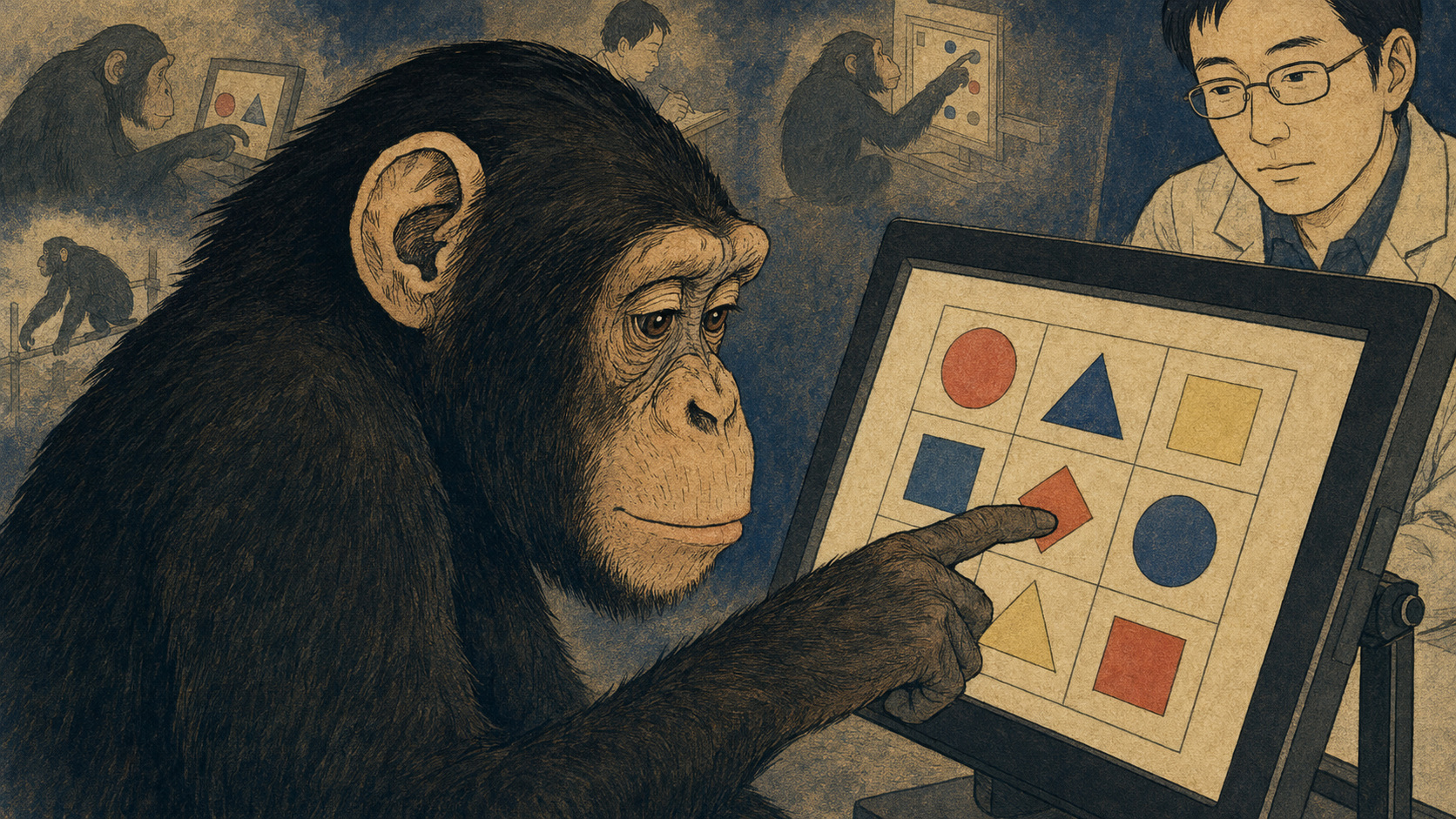
Kyoto University Records Chimpanzee Ai’s Intellectual Legacy
Through numbers, colors, symbols and memory, Ai challenged assumptions about uniquely human intelligence. Her long study also reshaped debate over animal welfare.
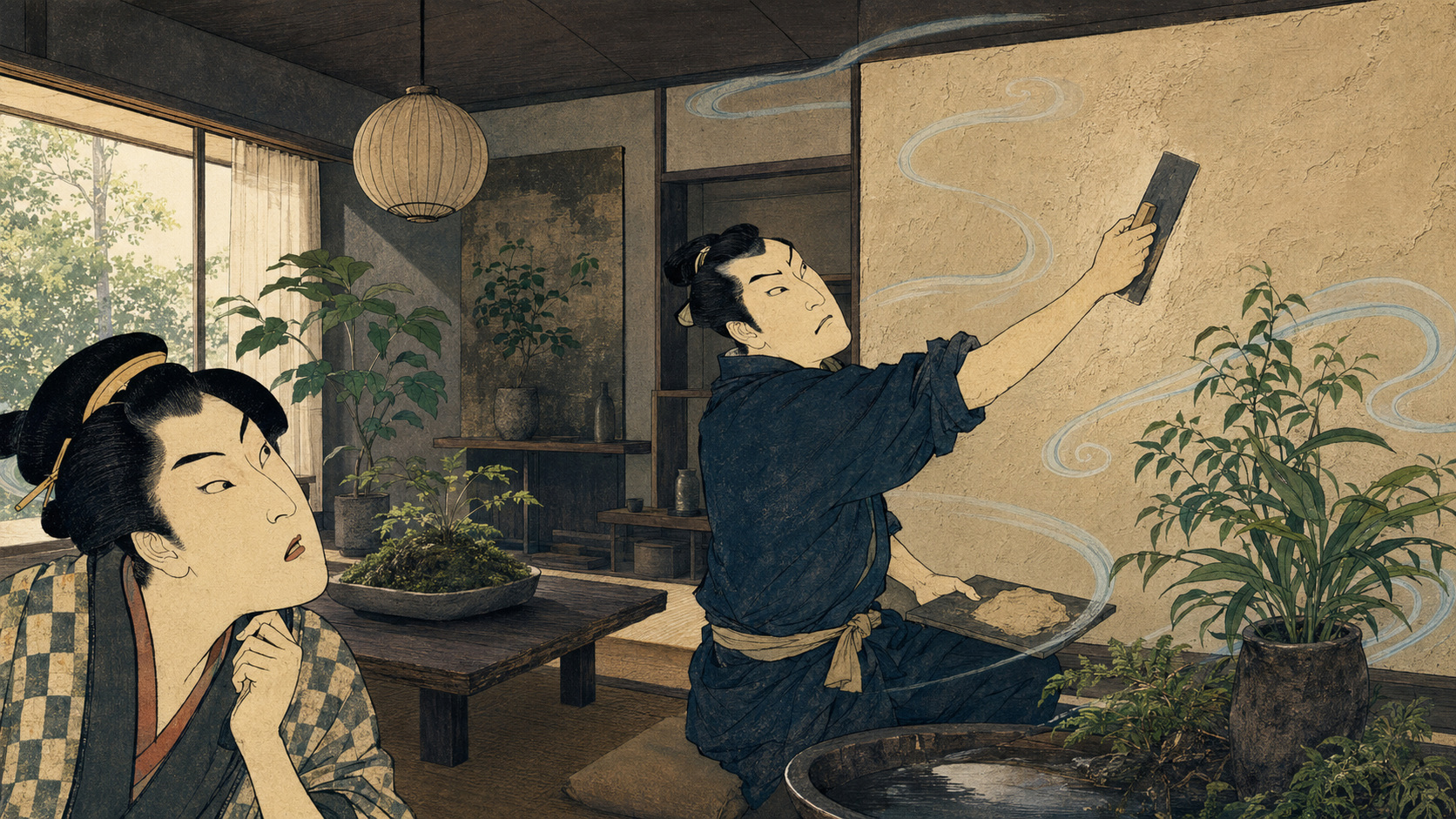
Japan Develops “Invisible Wallpaper” That Cleans Indoor Air
An almost entirely natural wall coating is designed to improve indoor air without changing a room’s appearance, joining earthen-wall tradition to modern materials science.
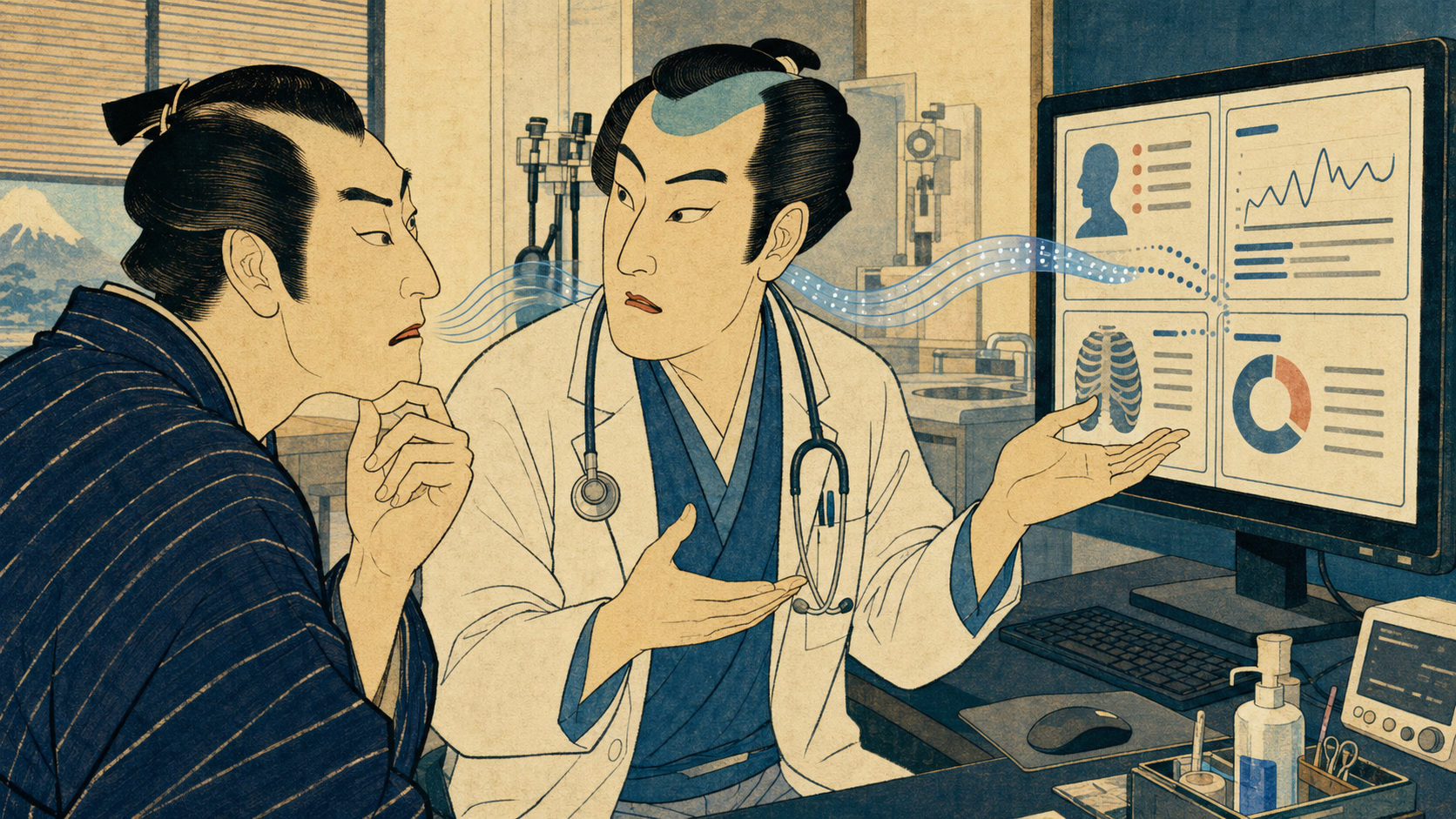
Fujitsu AI Turns Medical Conversations into Structured SOAP Notes
The system organizes subjective findings, objective findings, assessment and plan from speech. It may reduce documentation—but raises questions about errors, accountability and privacy.
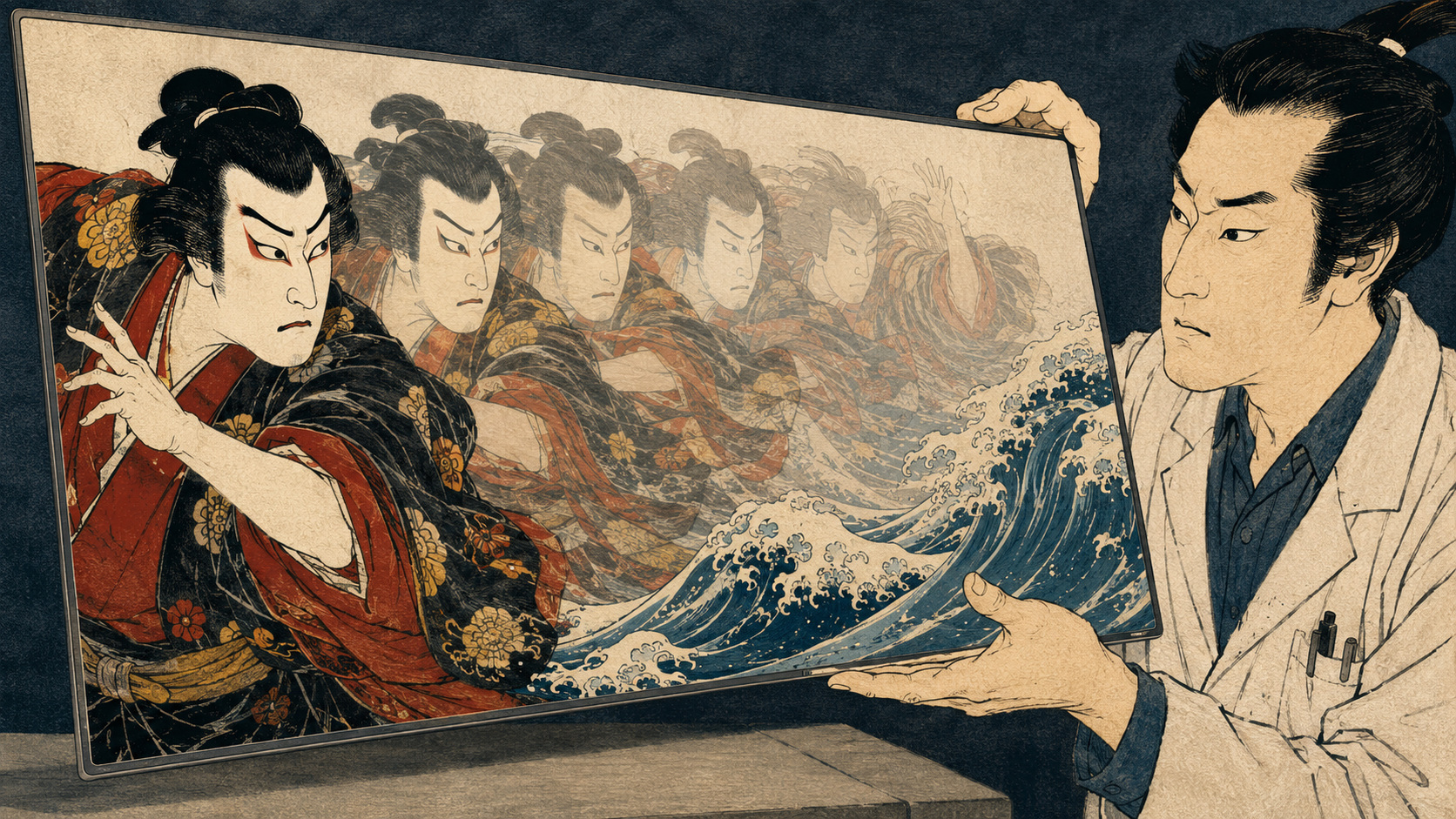
25.3-Inch Color E-Paper Display Reaches Video-Capable 60fps
A technology known for paper-like texture and low power moves into fluid motion, potentially changing advertising, public signage, education and device design.
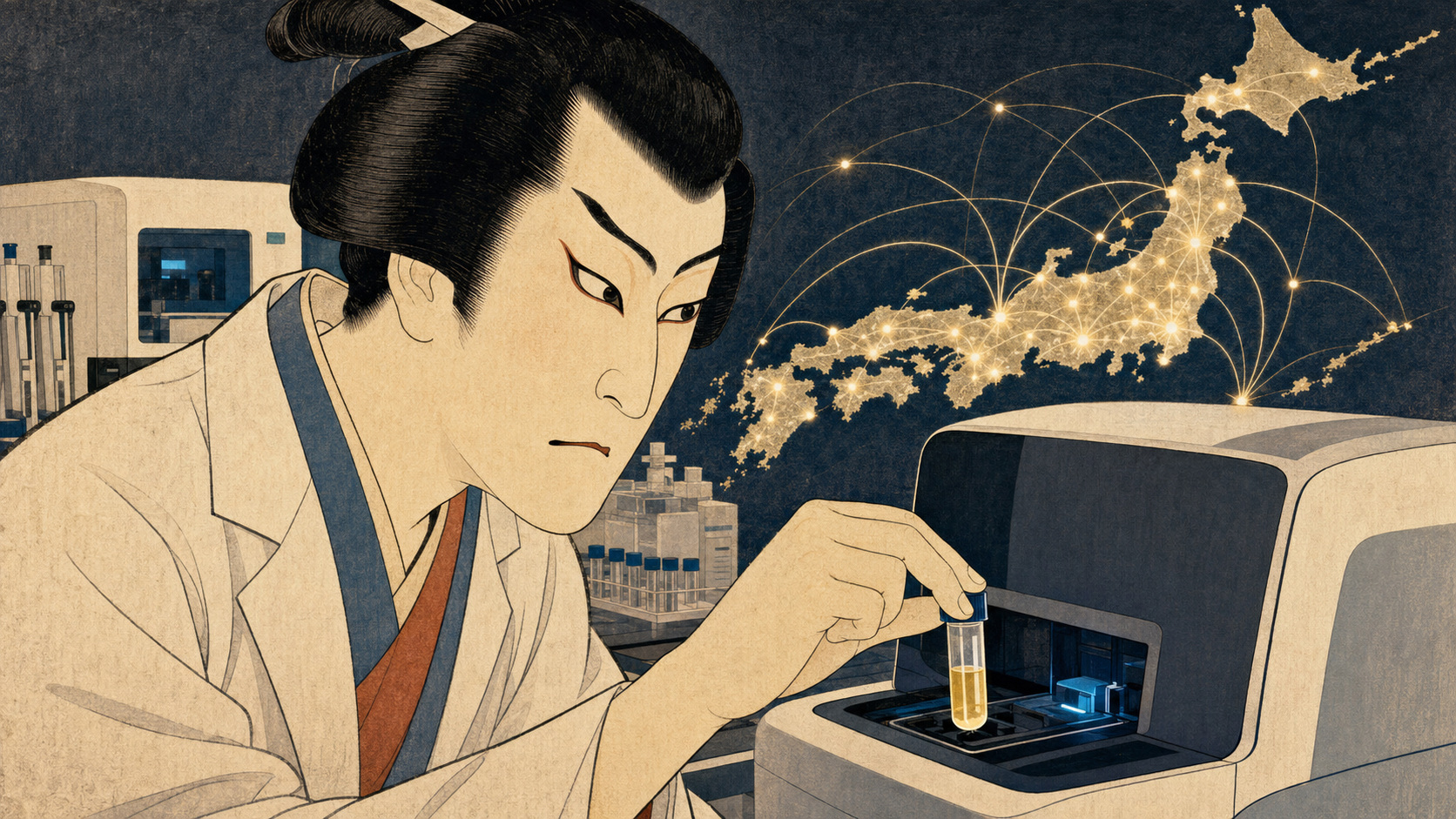
Craif’s Urine-Based Cancer-Risk Test Expands to 2,500 Japanese Clinics
A familiar sample may flag risk before imaging or invasive testing. The expansion brings hopes for earlier detection—and a need to interpret screening results carefully.
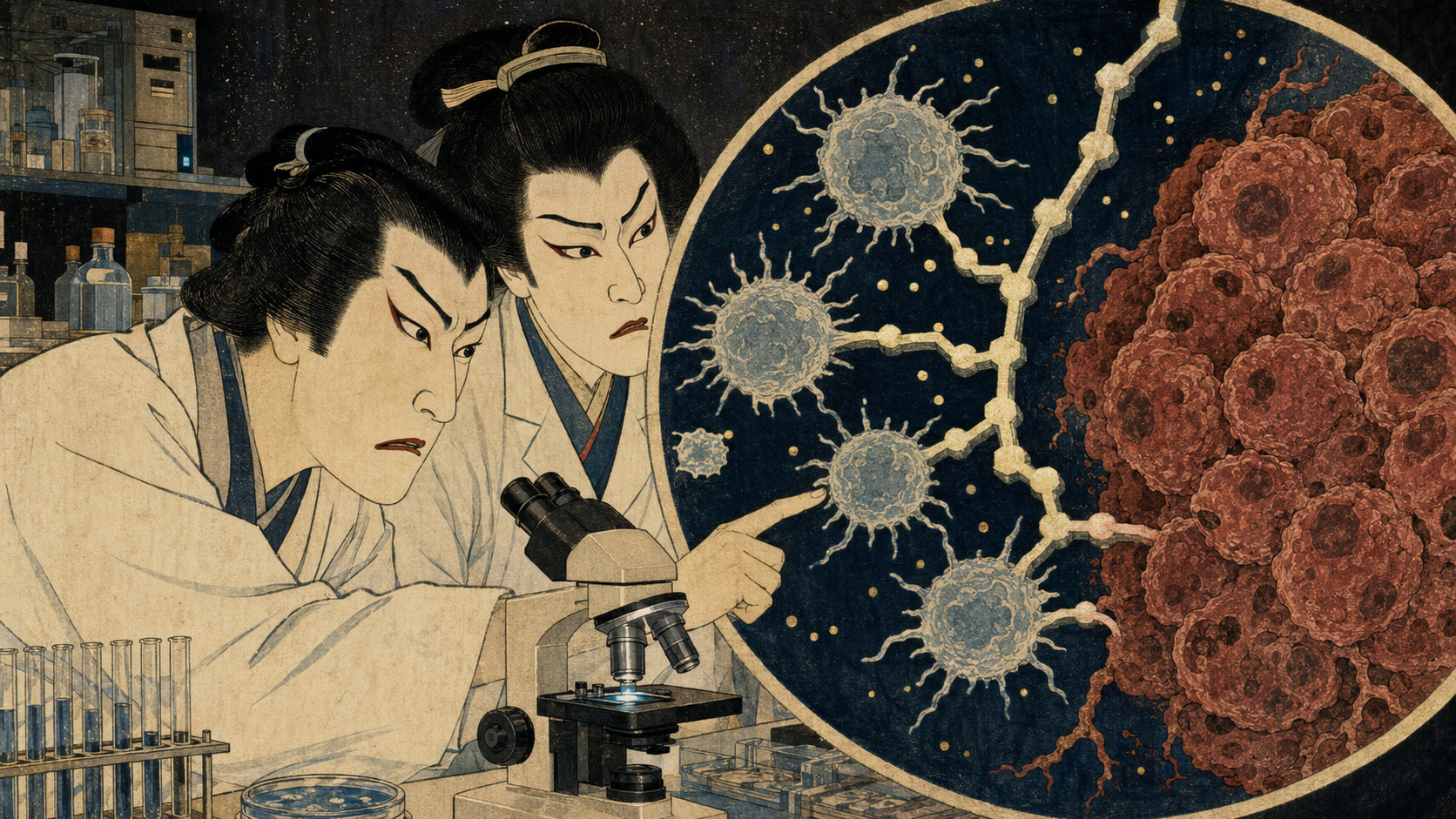
Juntendo Researchers Identify Mechanism Linking Colorectal Cancer Progression and Immunotherapy Resistance
A molecular pathway helps tumors evade immune attack while promoting disease progression, pointing researchers toward possible new treatment targets.
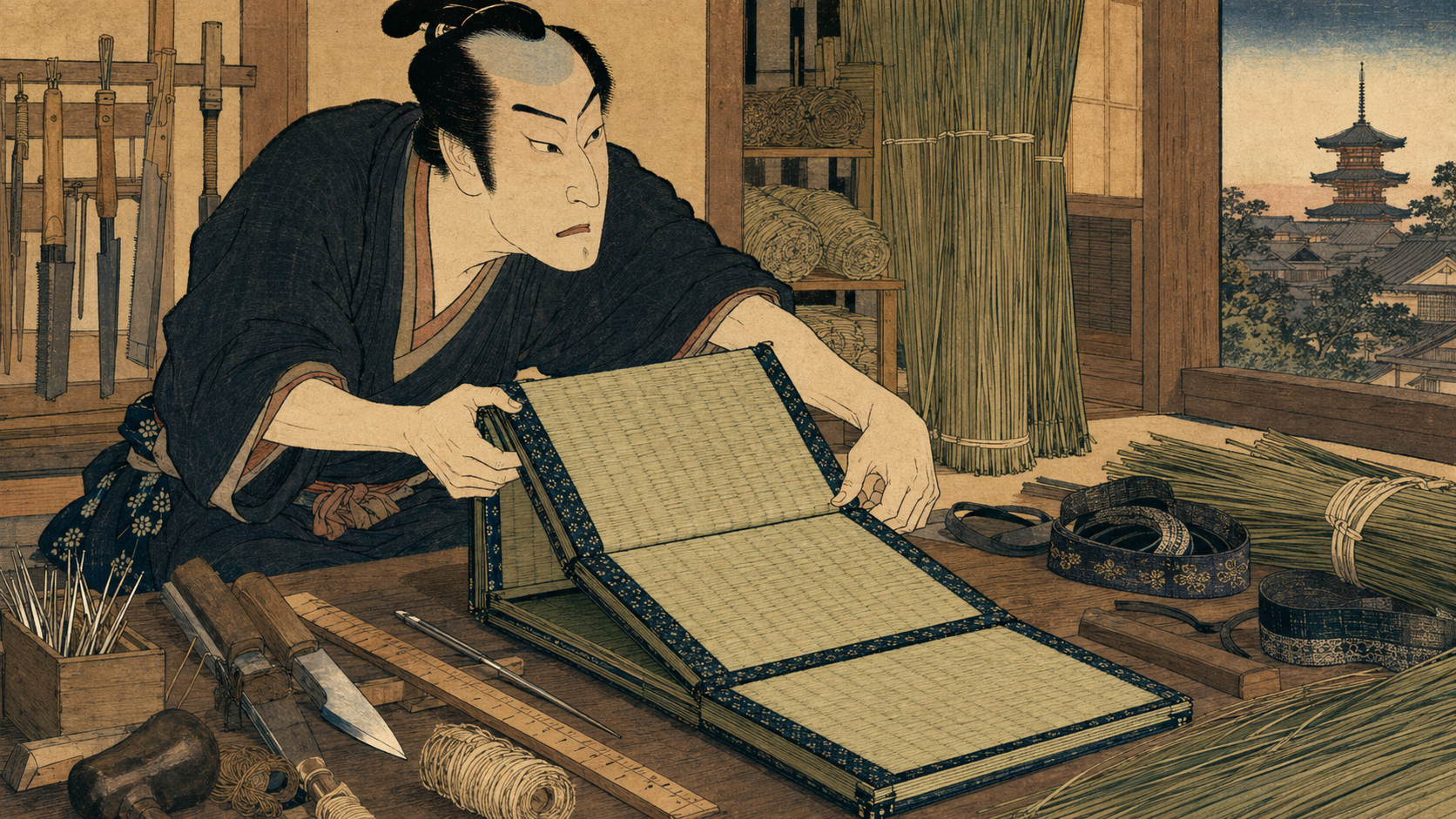
Kyoto Craftsman Turns Traditional Tatami into Portable Folding Mat “AGURA”
Rush grass, dimensions, edging and precise folds are condensed into one small mat—a way to carry tatami skill into homes no longer built around washitsu.
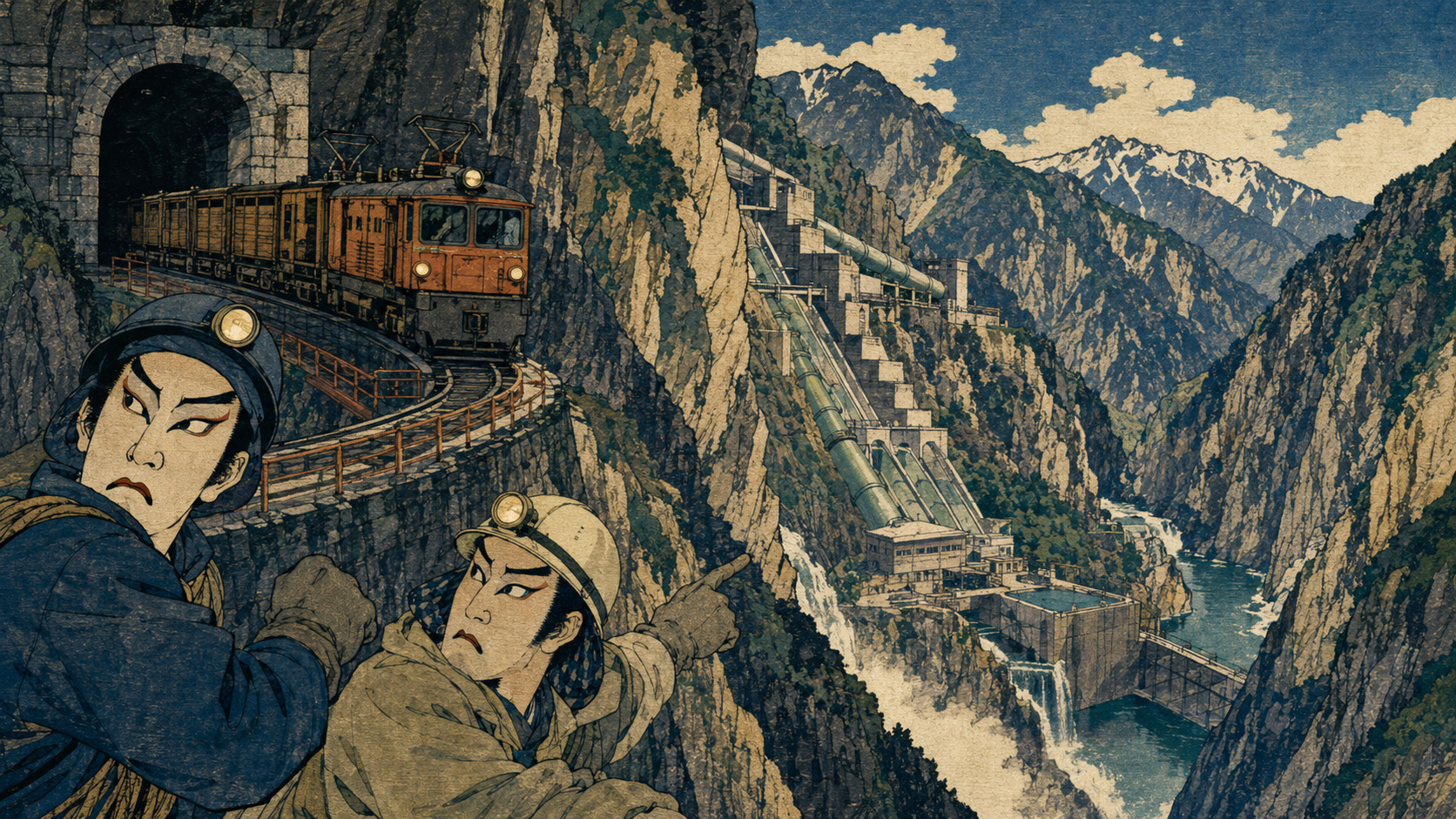
Restricted Kurobe–Unazuki Industrial Route Opens to General Travelers
Railways, shafts and tunnels built for hydropower become a journey through Japan’s electrification history and the severe engineering of the mountain canyon.
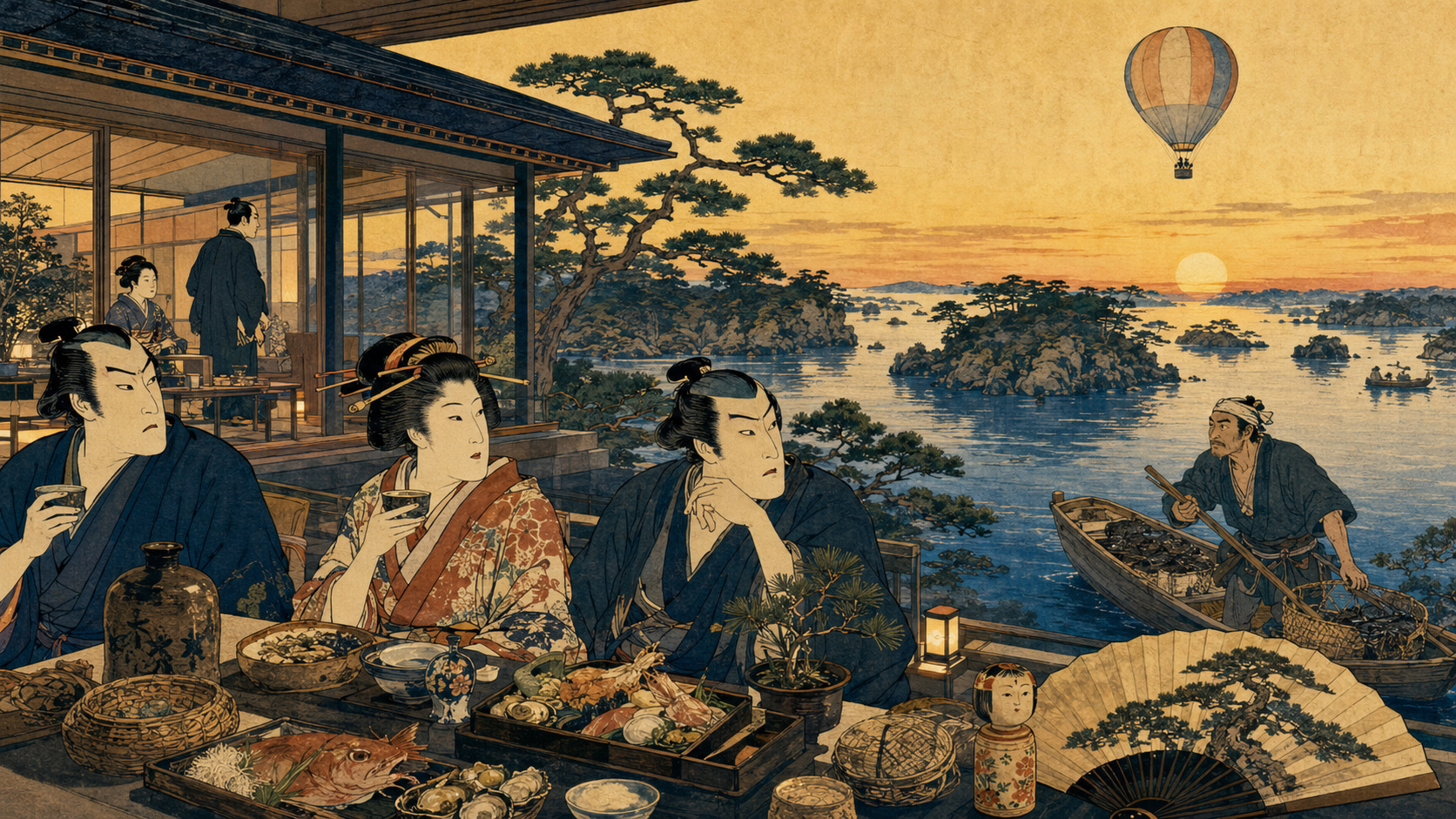
New 26-Room Matsushima Hotel Builds a Model of “Slow Luxury”
Local craft, fishermen, food, the bay and ballooning become one small hotel stay—an effort to replace pass-through tourism with time and spending that remain locally.
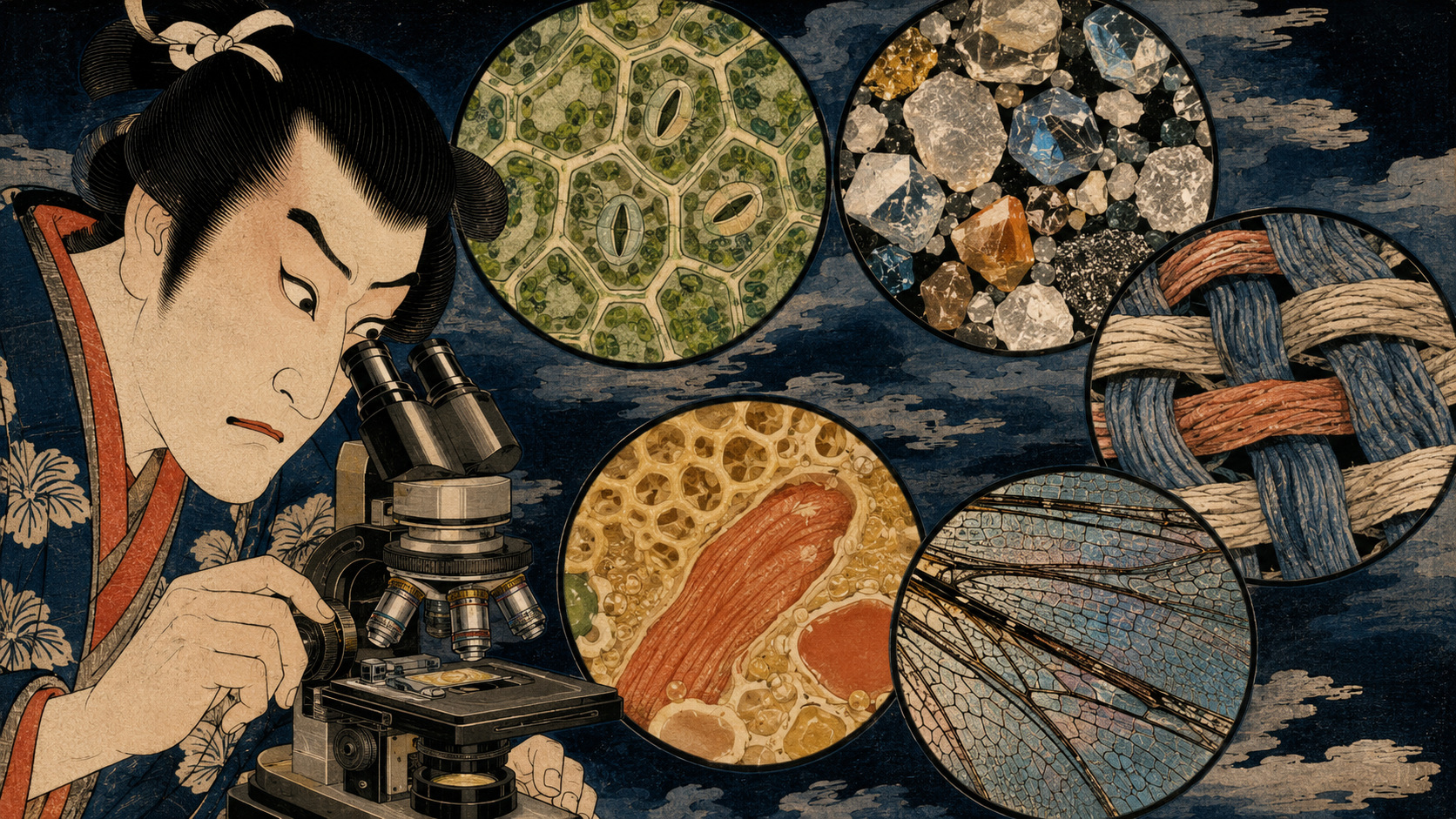
National Contest Seeks the Microscopic Worlds Hidden in Everyday Life
Leaves, sand, fabric, food and insects become different universes under magnification, inviting people outside laboratories to become observers.
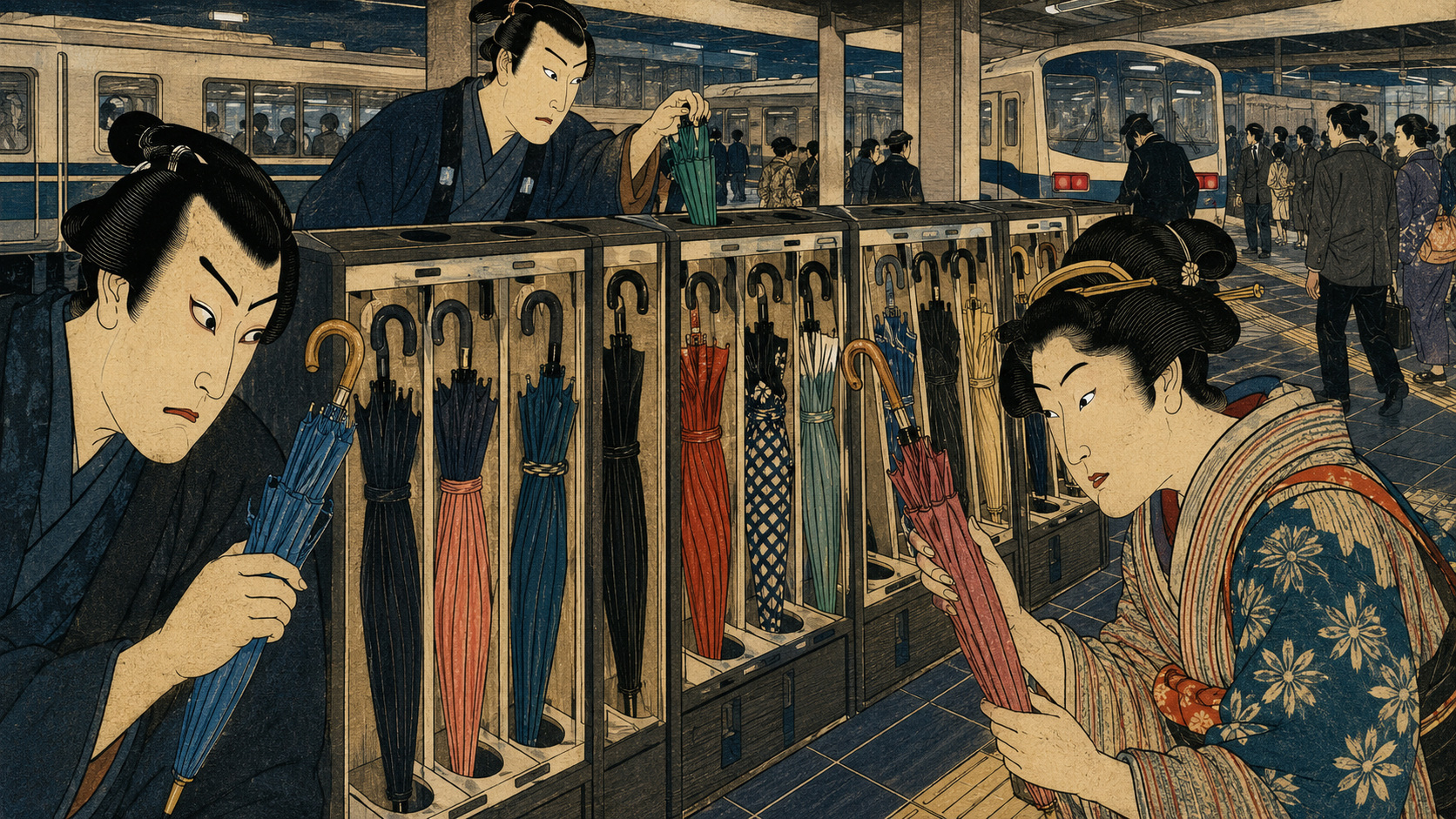
JR West Launches Japan’s First Self-Service Resale System for Unclaimed Umbrellas
Umbrellas past their storage period return to passengers instead of becoming waste, joining lost-property management, unattended retail and reuse.
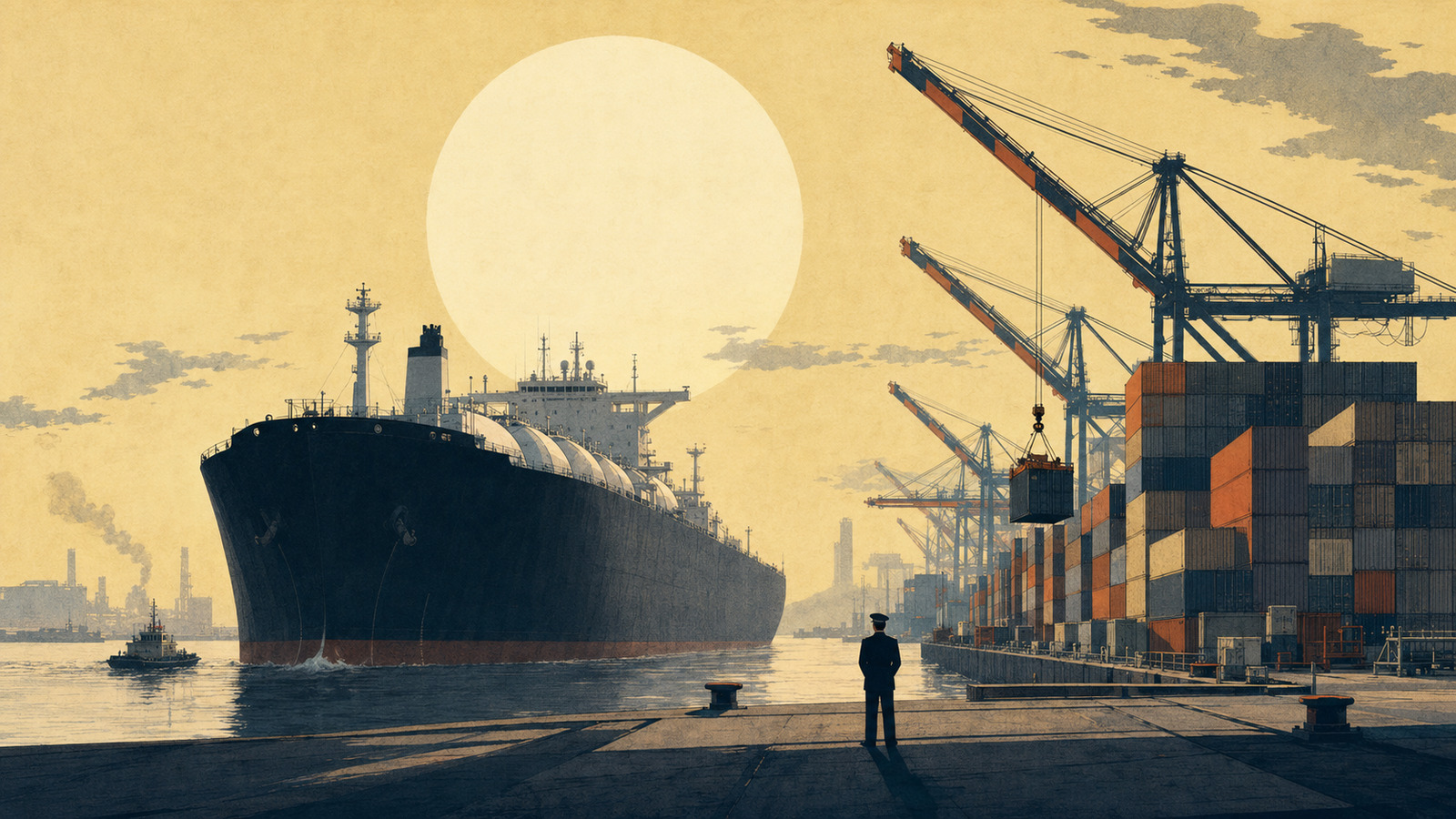
Weak Yen and Oil Shock Push Japan’s Imports to Record ¥11.3 Trillion
Crude-import volume fell, but the bill surged. The report connects the history of oil shocks to the new burden created by a ¥163 currency.
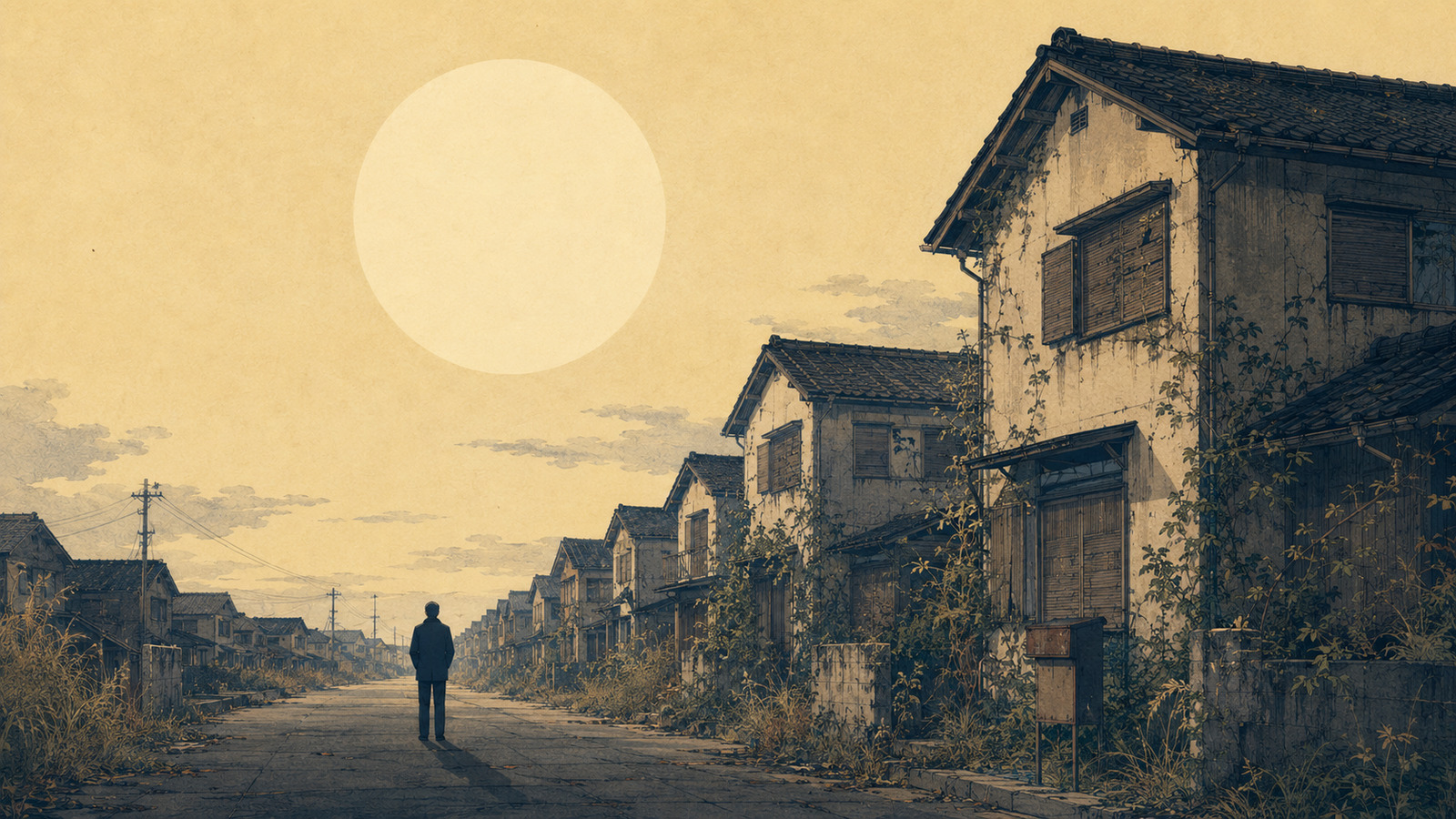
Japan’s Nine Million Empty Homes Become “Negative Real Estate”
Homes that cannot be sold, rented or cheaply demolished are turning inheritance, taxes and depopulation into a vast asset problem.
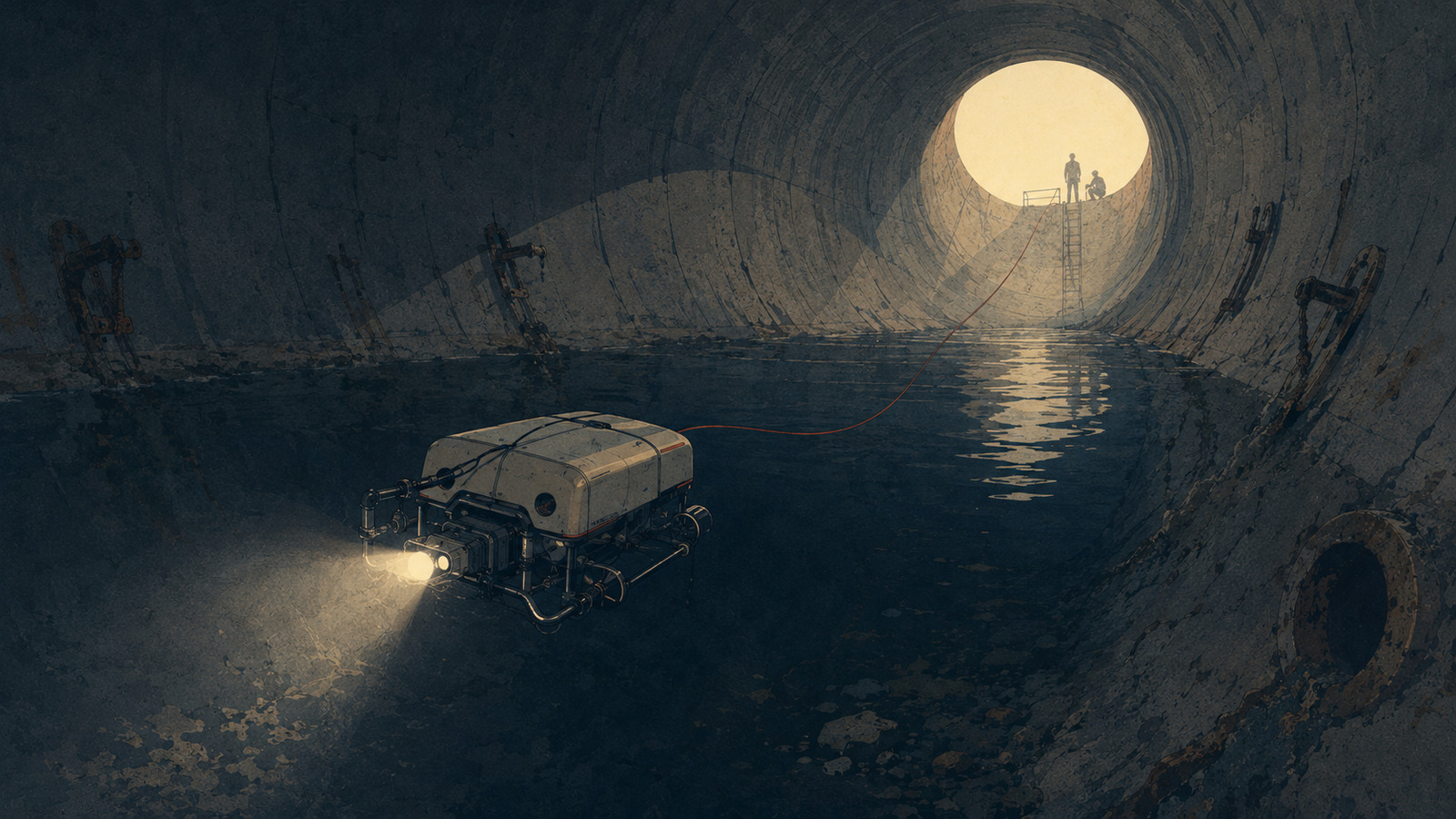
Underwater Drones Enter Japan’s Aging Sewer System
Small robots swim through flooded pipes people cannot safely enter, illuminating cracks in infrastructure built during Japan’s high-growth decades.
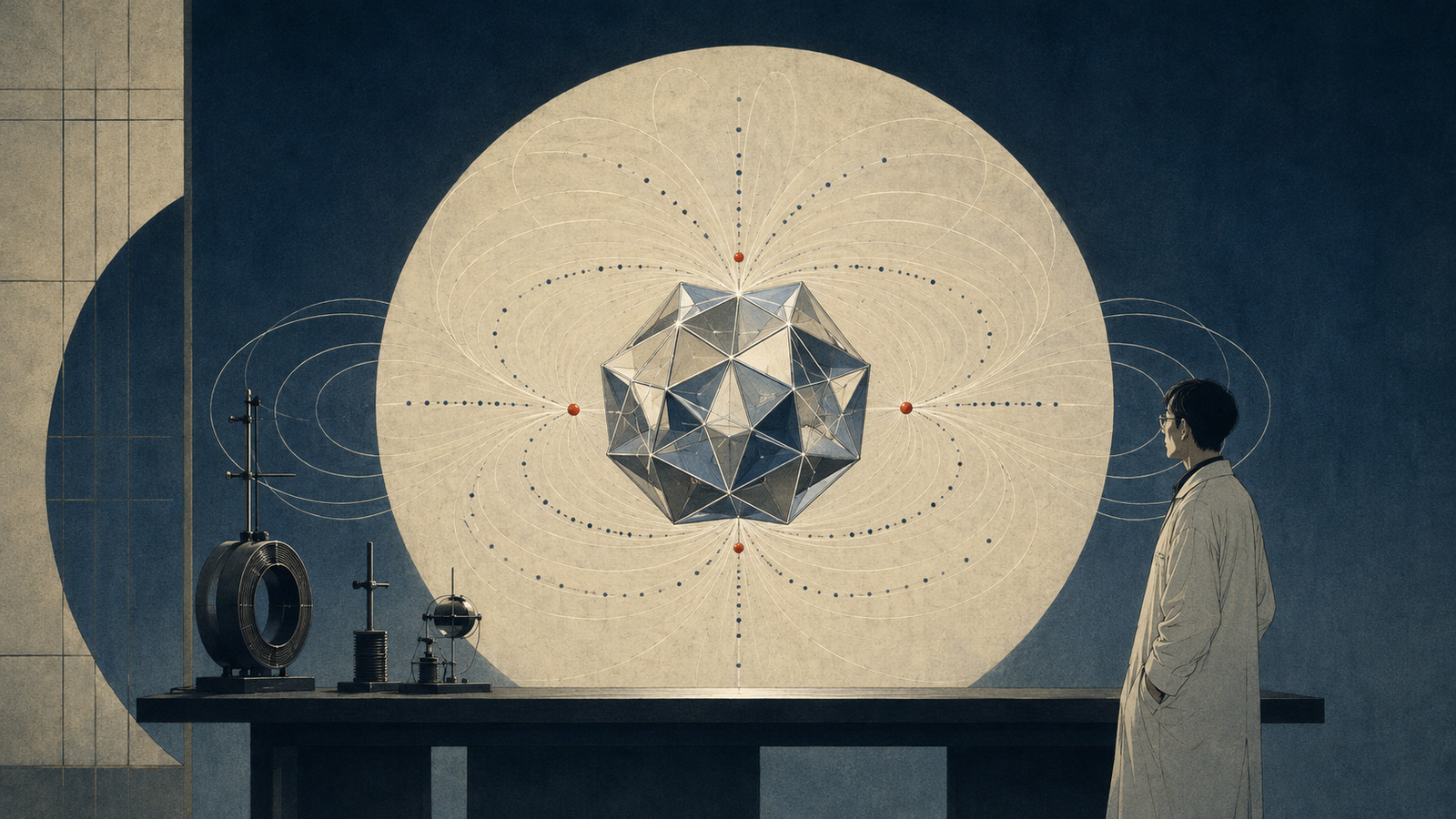
Machine Learning Helps Japan Create Stable Magnetic Quasicrystals
Ordered but nonperiodic matter defies conventional crystal rules. Machine learning helped researchers search the immense map of possible magnetic materials.
20. Today’s Art Choice
British Museum / Edo Treasures
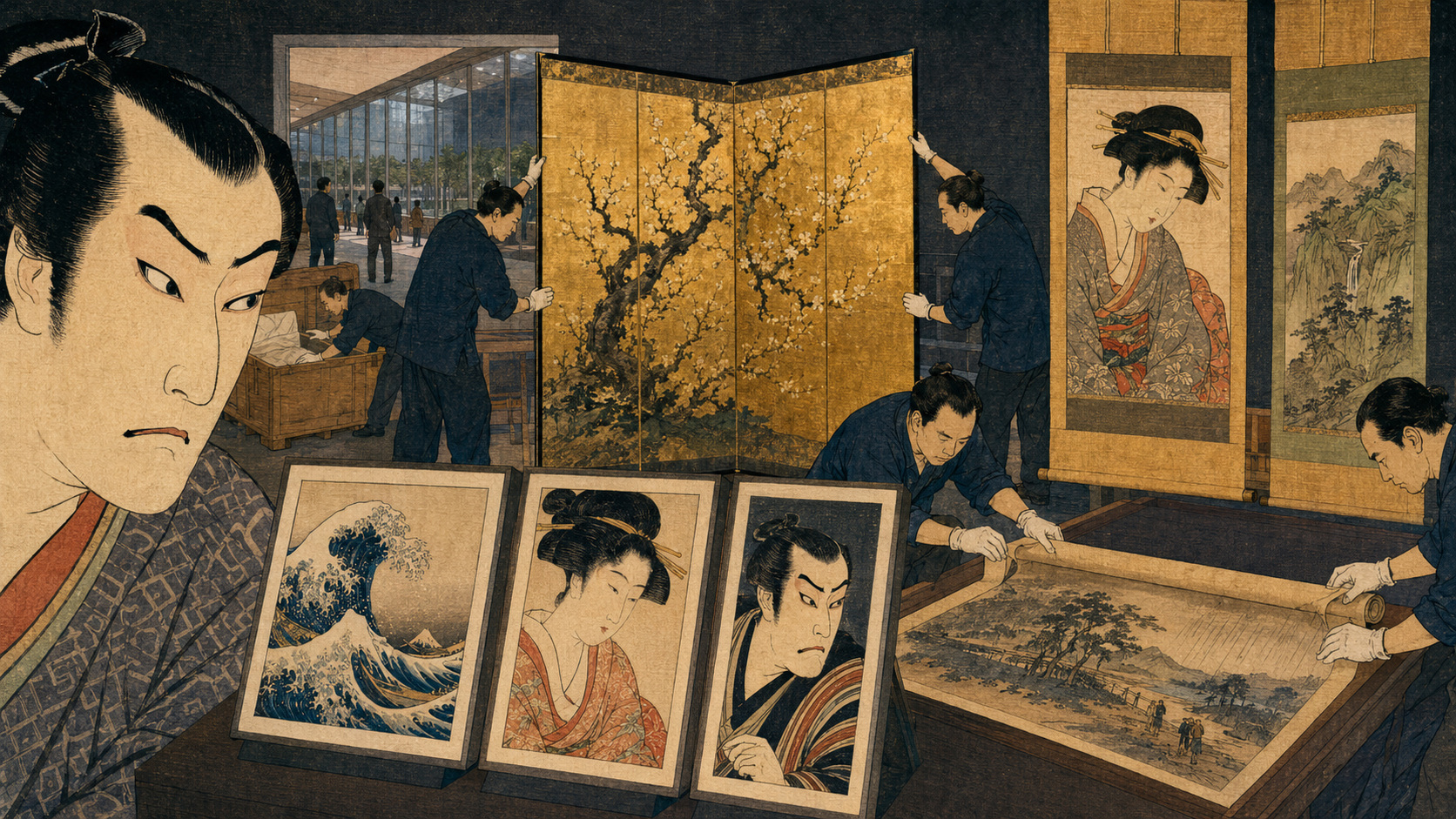
The British Museum’s Edo Treasures Come to Tokyo
One hundred years after the Tokyo Prefectural Art Museum opened, screens, hanging scrolls, paintings and ukiyo-e return to the Tokyo Metropolitan Art Museum with the history of Japanese art abroad. Works associated with Hokusai, Utamaro, Sharaku and Hiroshige ask how Edo visual culture was collected, preserved and interpreted around the world.
Read the art story →