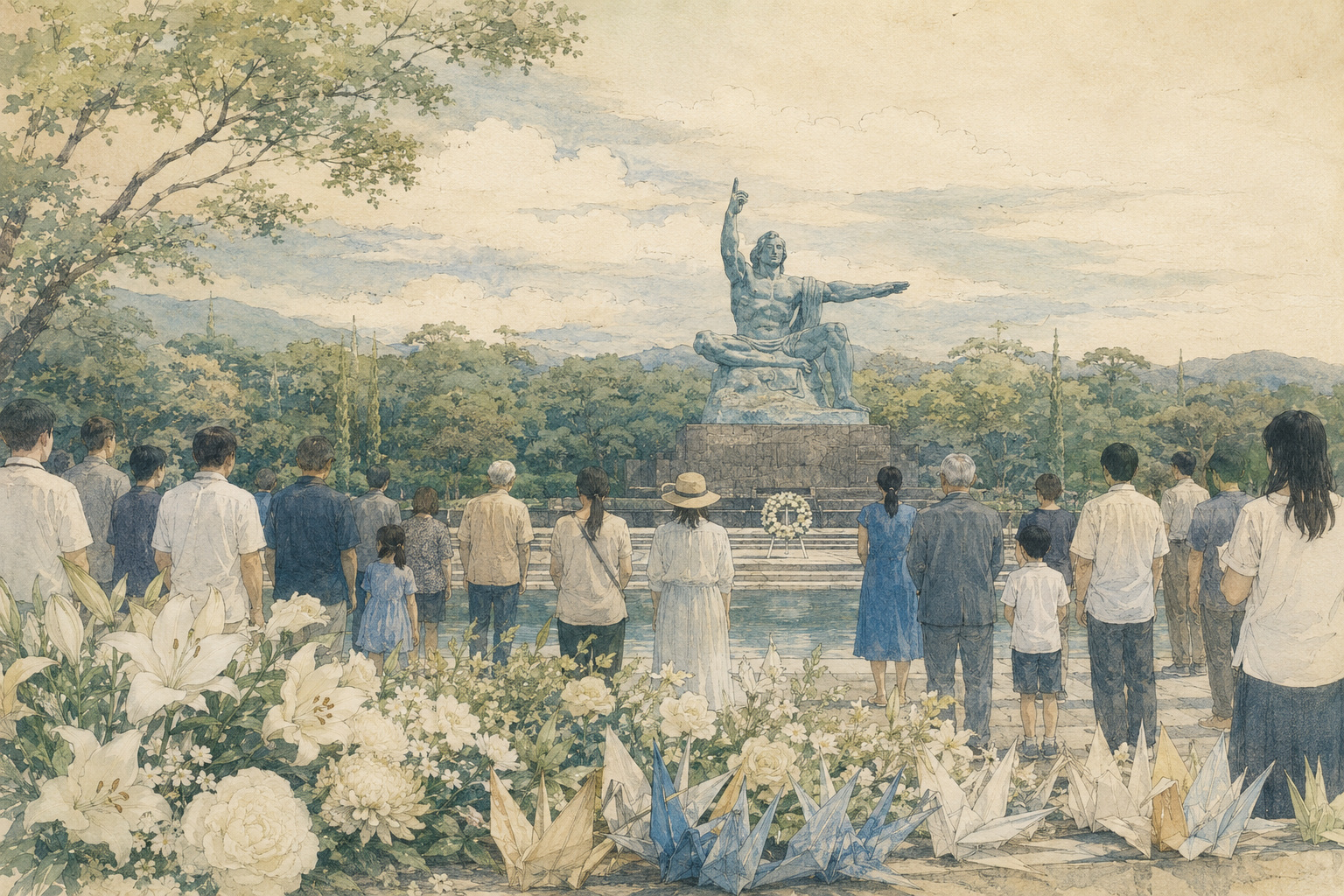
Nagasaki Marks 81 Years Since the Atomic Bombing With a Renewed Appeal for Peace
Eighty-one years after 11:02 a.m. on August 9, 1945, the peace ceremony connects survivors’ memories, the city’s reconstruction and today’s nuclear dangers in an appeal addressed far beyond Nagasaki.
Four Stories to Read First
Nagasaki, nuclear policy, typhoon and the Kumamoto earthquake
Four Selected From August 8
Hiroshima, wages, water infrastructure and AI

Today’s News: 19 Stories
15 new reports + 4 selected from August 8
Nagasaki Marks 81 Years Since the Atomic Bombing With a Renewed Appeal for Peace
At 11:02 a.m., the city pauses. Survivors’ testimony, Nagasaki’s reconstruction and a world again shadowed by nuclear danger give the ceremony’s appeal its historical force.
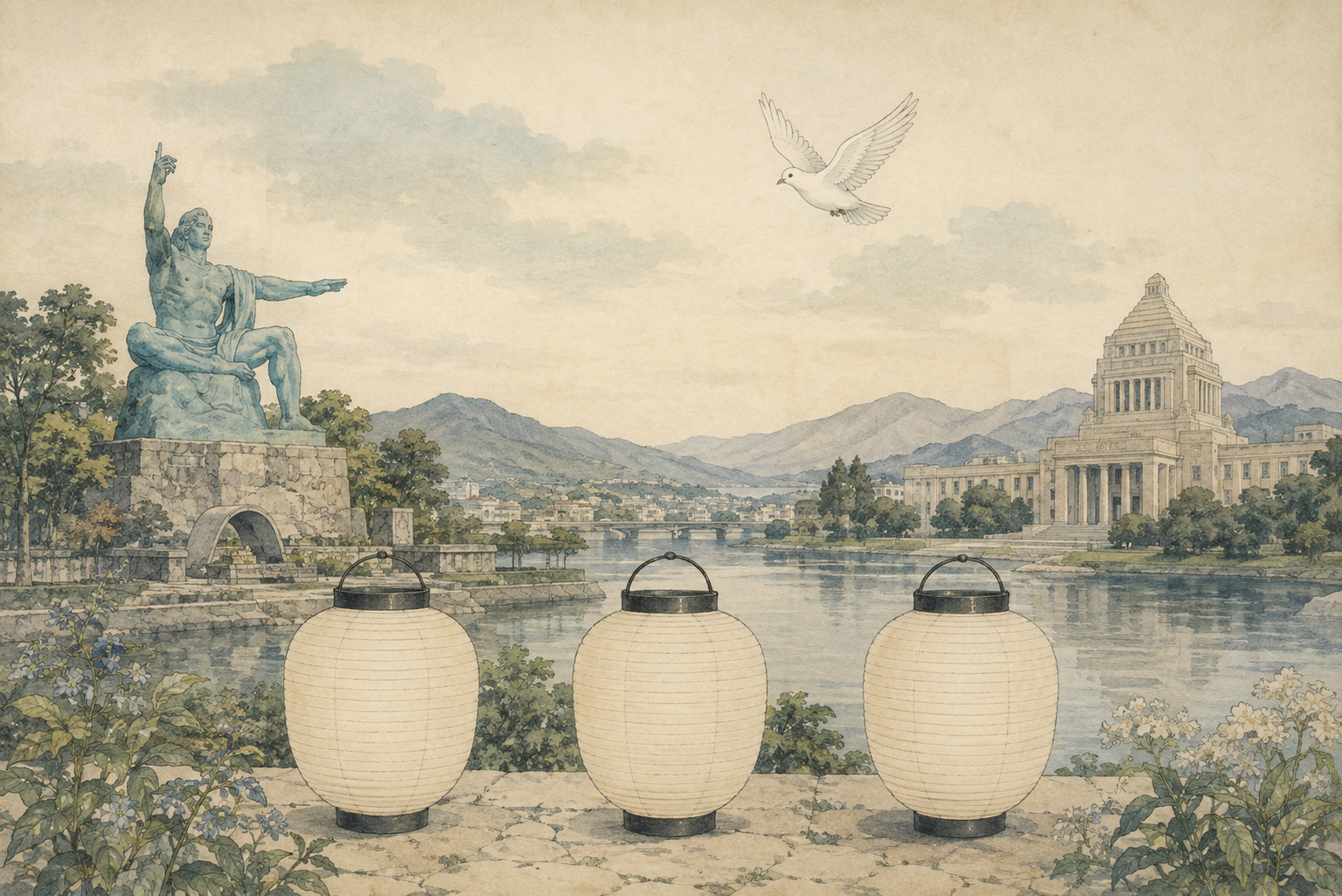
Nuclear-Policy Debate Shadows Nagasaki’s 81st Anniversary
What have “not possessing, not producing and not permitting the introduction” of nuclear weapons meant under the U.S. nuclear umbrella—and what do they mean now?
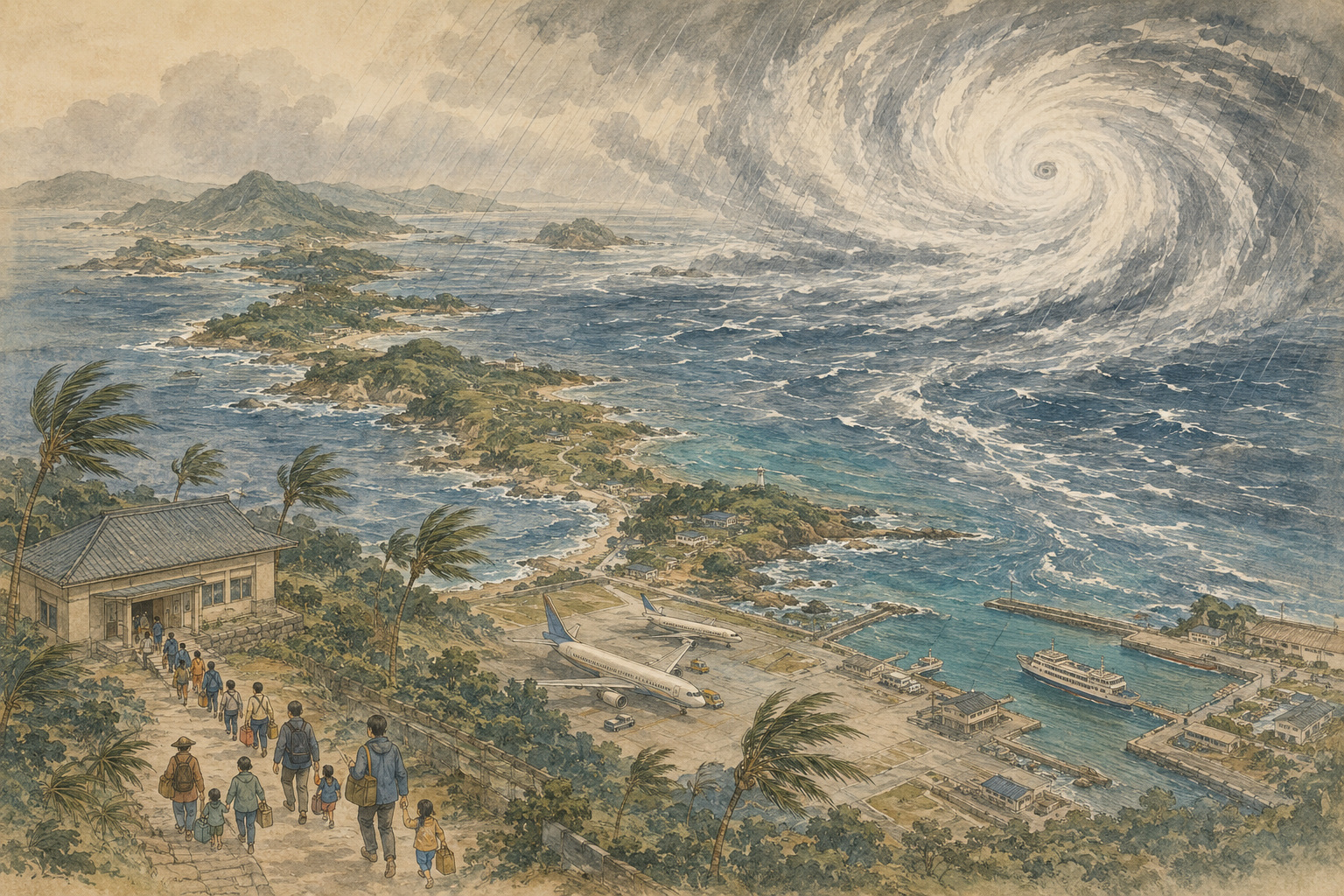
Typhoon Dolphin Forces Evacuations and Hundreds of Flight Cancellations Across Southern Japan
Strong winds and rain prompt evacuation calls and ground flights, exposing how quickly a storm can sever transport, tourism and supply lines across the islands.
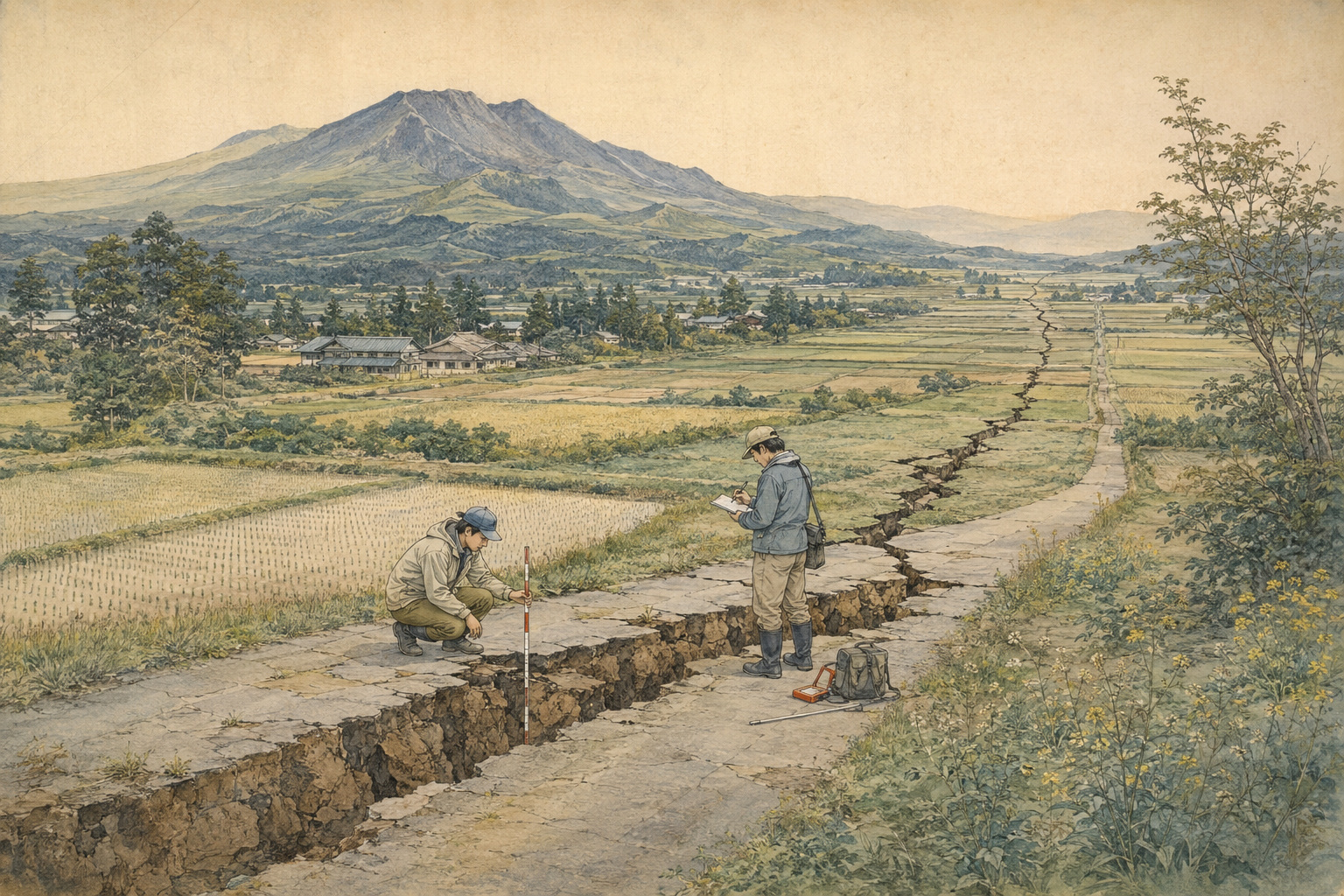
Scientists Confirm 33-Kilometer Surface Rupture From the Kumamoto Earthquake
Displacement written across the landscape maps the violence underground. Researchers explain what the 33-kilometer trace means for the quake’s interpretation and recovery.
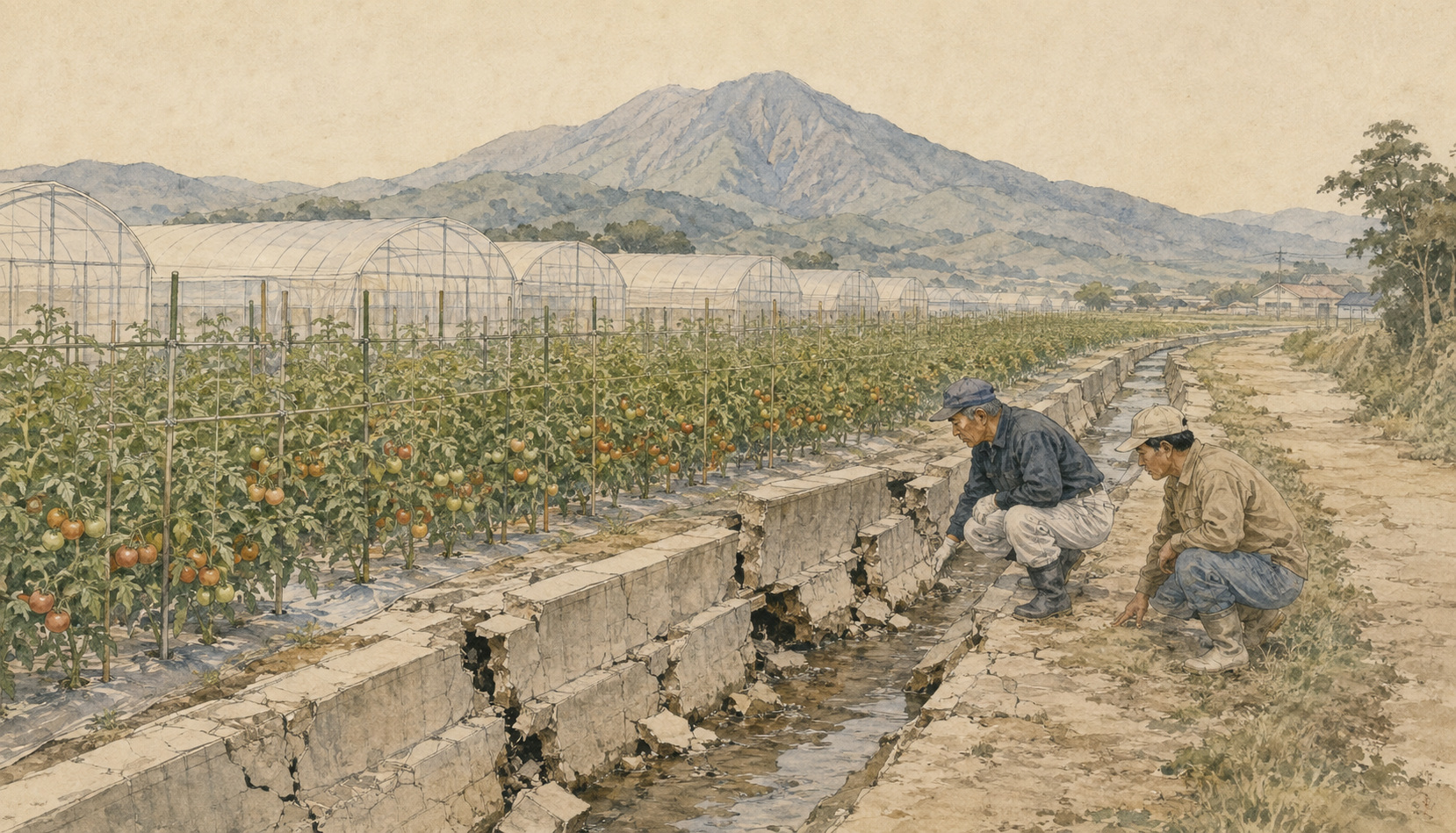
Broken Irrigation Canal Threatens Kumamoto’s Leading Tomato-Growing Region
Damage to the waterworks serving greenhouse farms threatens one of Japan’s leading tomato districts—and shows how water infrastructure links harvests to the regional economy.
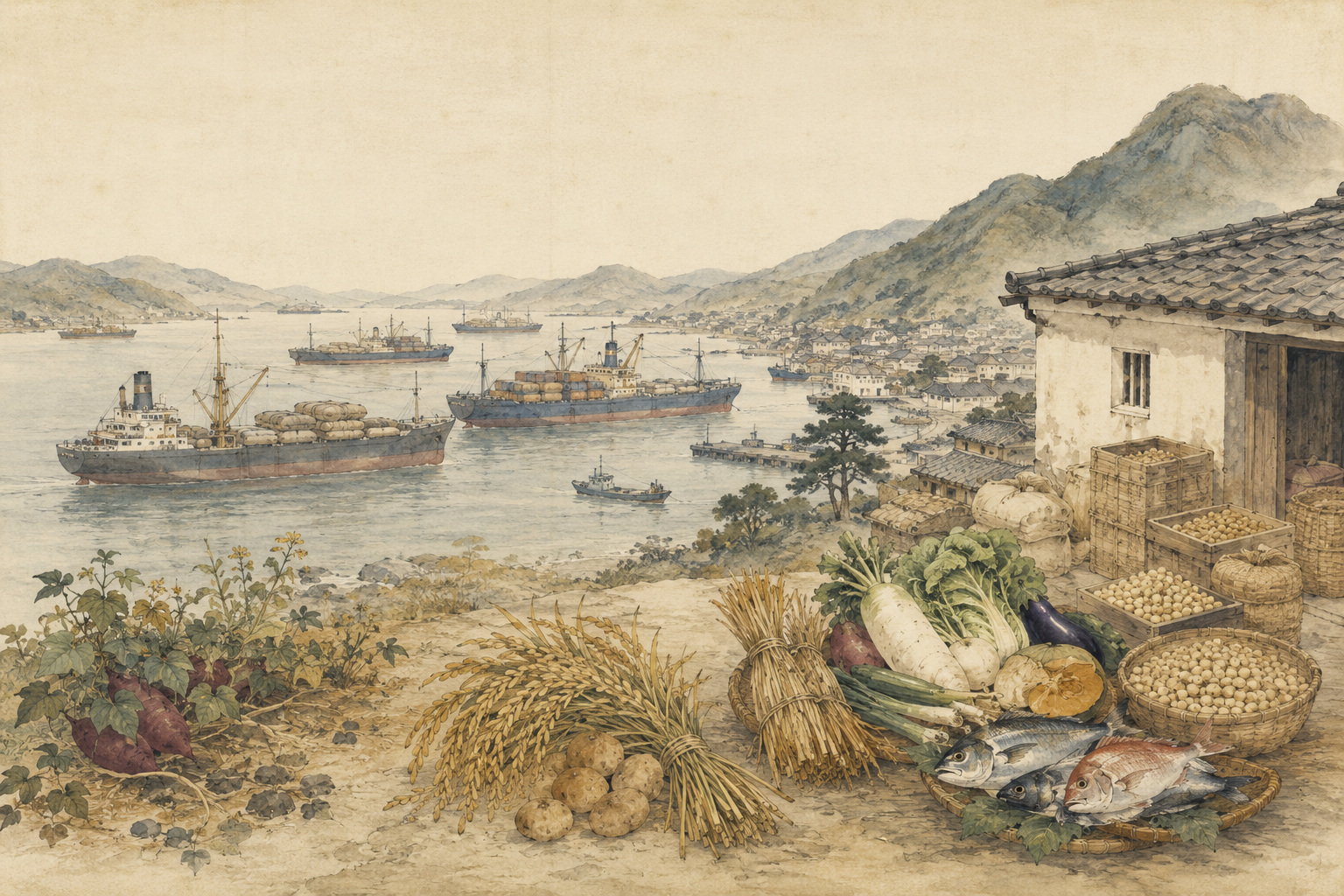
Japan’s Food Self-Sufficiency Rate Falls to a Record-Low 37 Percent
Postwar diets, imported grain, shrinking farmland and an aging farm workforce lie behind a number that measures the vulnerability of Japan’s table to global shocks.
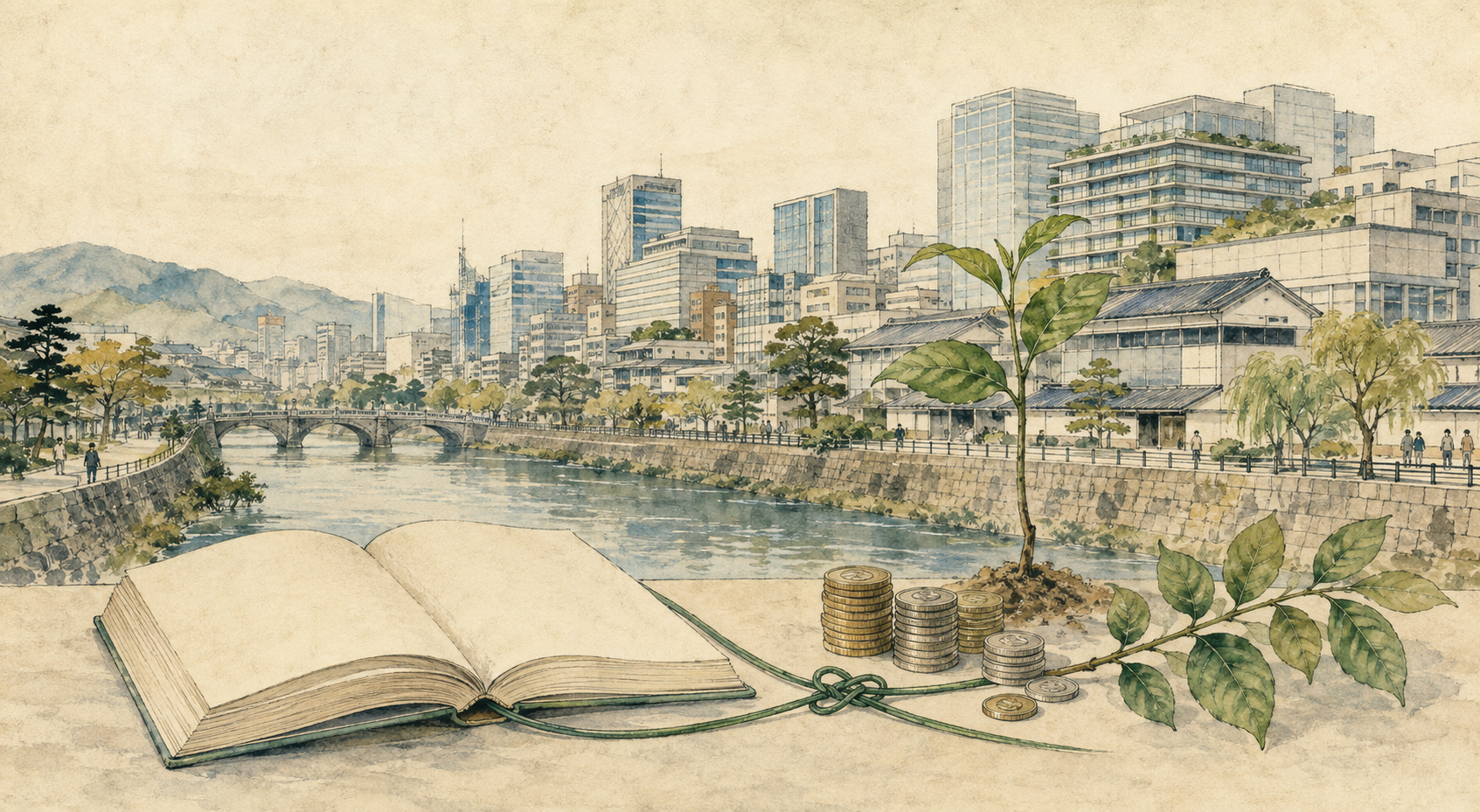
Japan Publishes Updated Green-Bond and Sustainable-Loan Guidelines
The revised rules seek clearer environmental impact and closer international alignment—while guarding against greenwashing as private capital enters the transition.
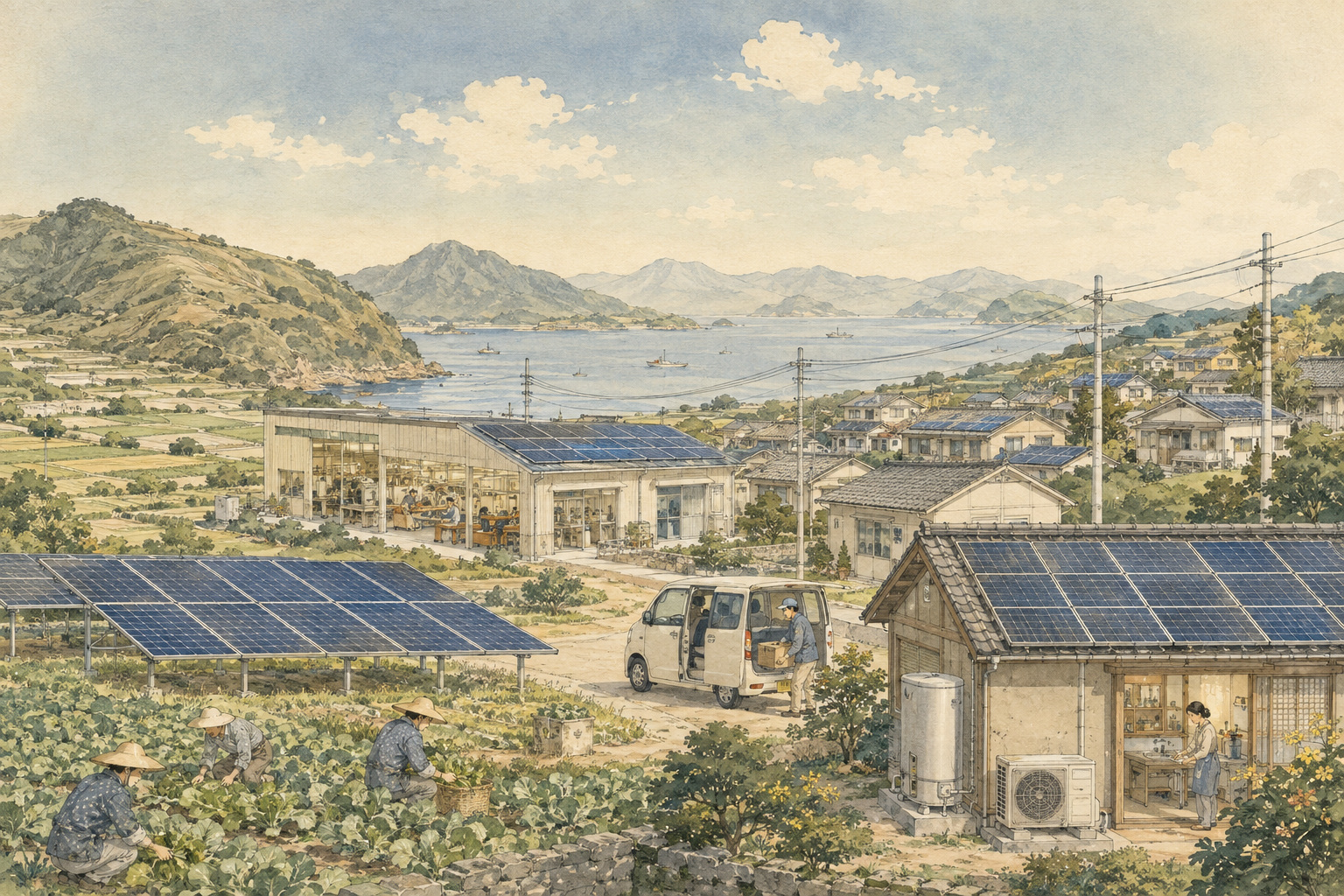
Kyushu Trial Will Encourage Electricity Use When Solar Power Is Abundant
Moving appliances and charging into surplus hours could reduce renewable curtailment. The trial asks consumers to change not how much power they use, but when.
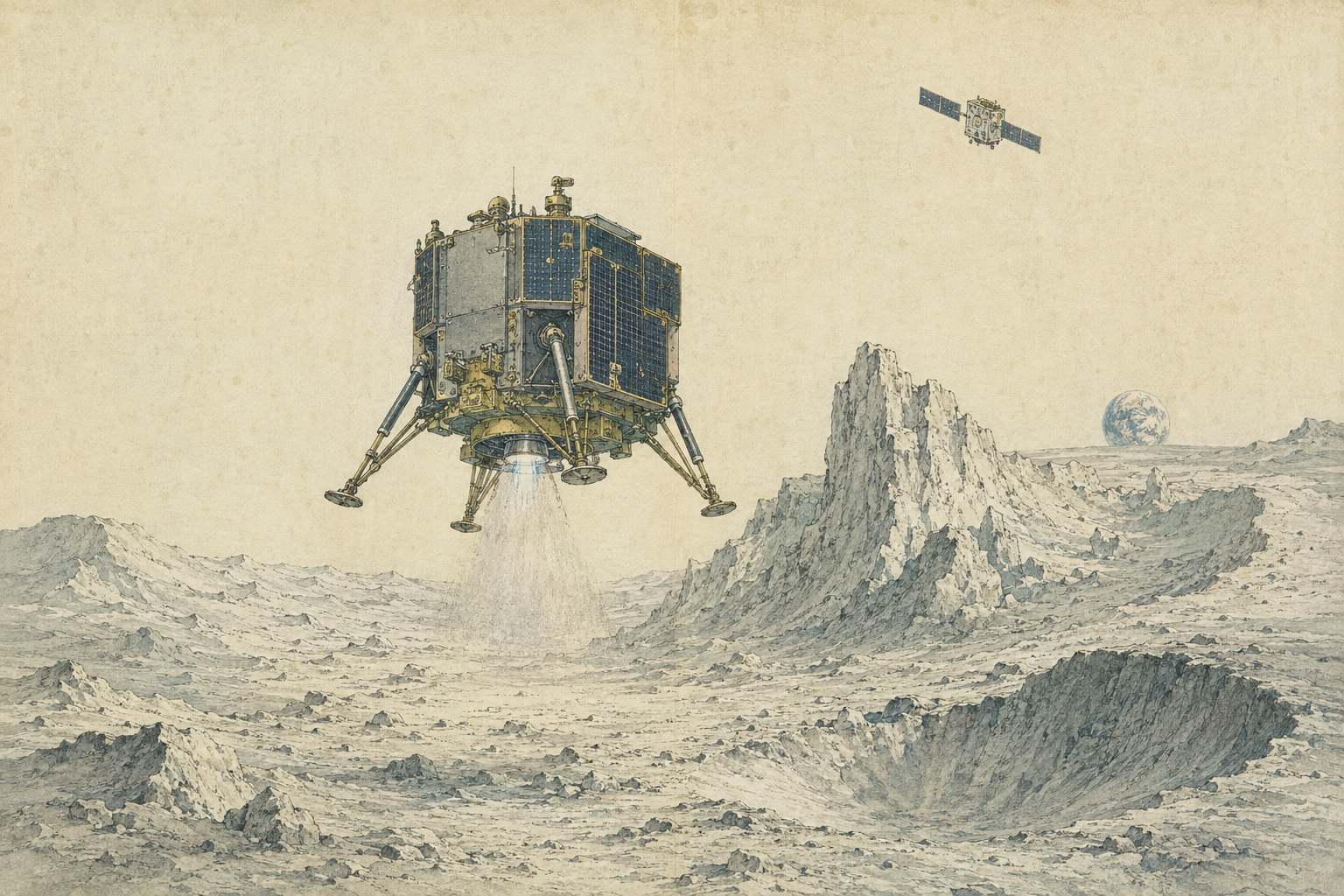
ispace Receives ¥11.6 Billion Grant Decision for Lunar South-Pole Landing Technology
With possible water resources drawing attention to the lunar south pole, the company’s precision-landing work points toward the next stage of Japan’s commercial lunar transport industry.
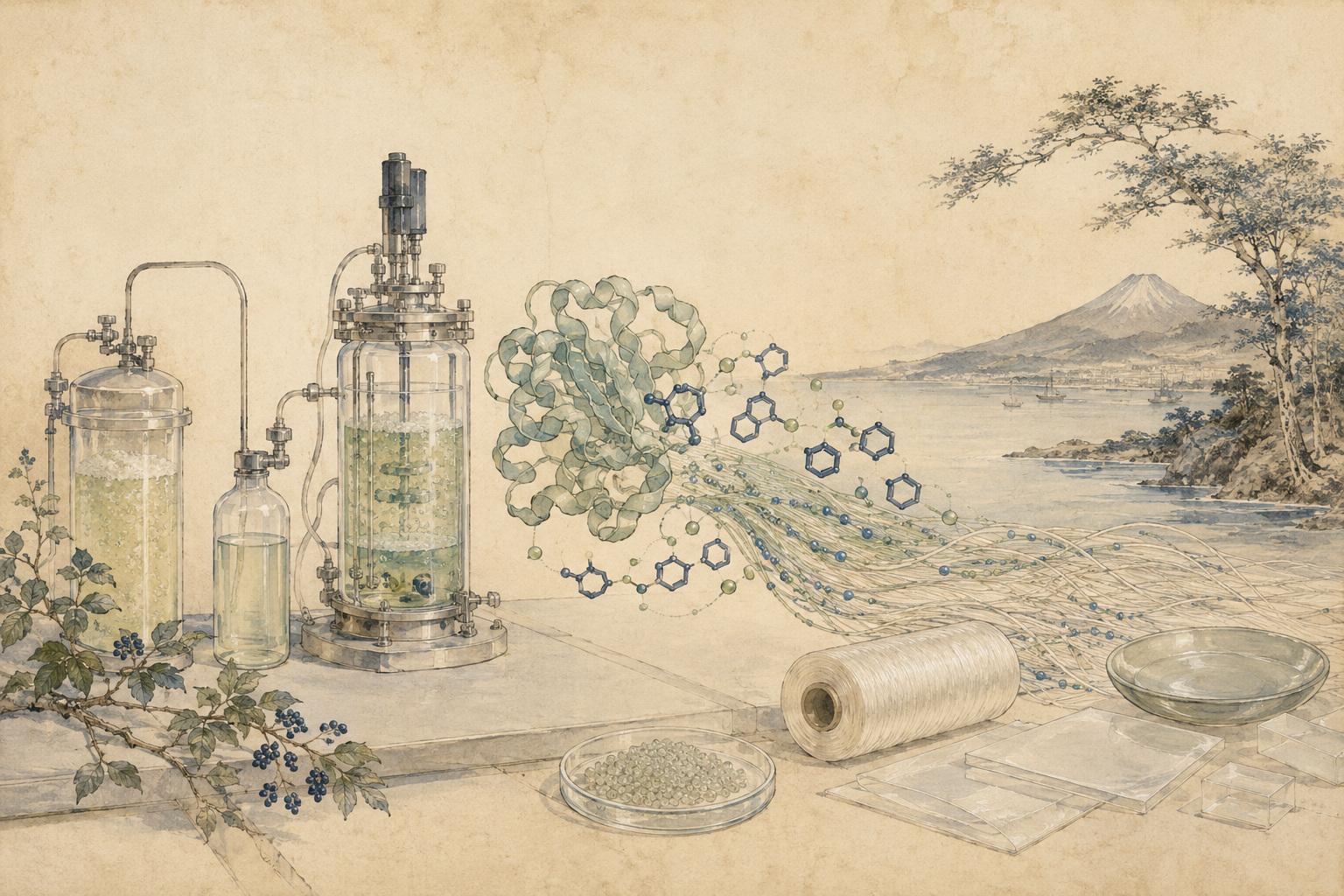
Japanese Researchers Engineer Enzyme to Produce High-Value Polymer Feedstock
An altered enzyme opens a biological route to a material long associated with petrochemicals, linking molecular design to lower-carbon manufacturing and the challenge of scale.
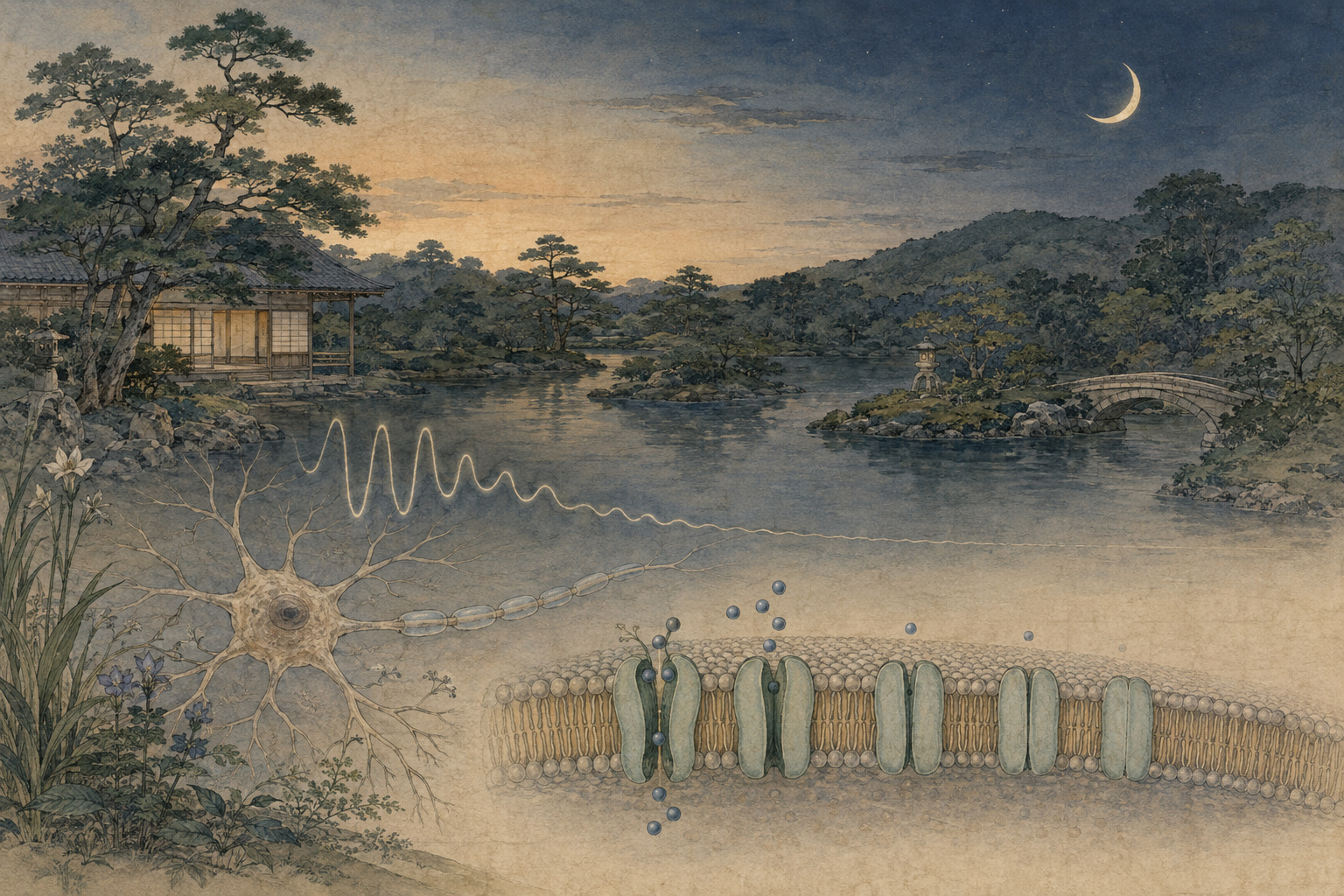
Researchers Identify the Ion Channel That Creates “Night” in the Body Clock
The newly identified channel helps explain how cells switch their electrical state between day and night, with implications for sleep, metabolism and jet lag.
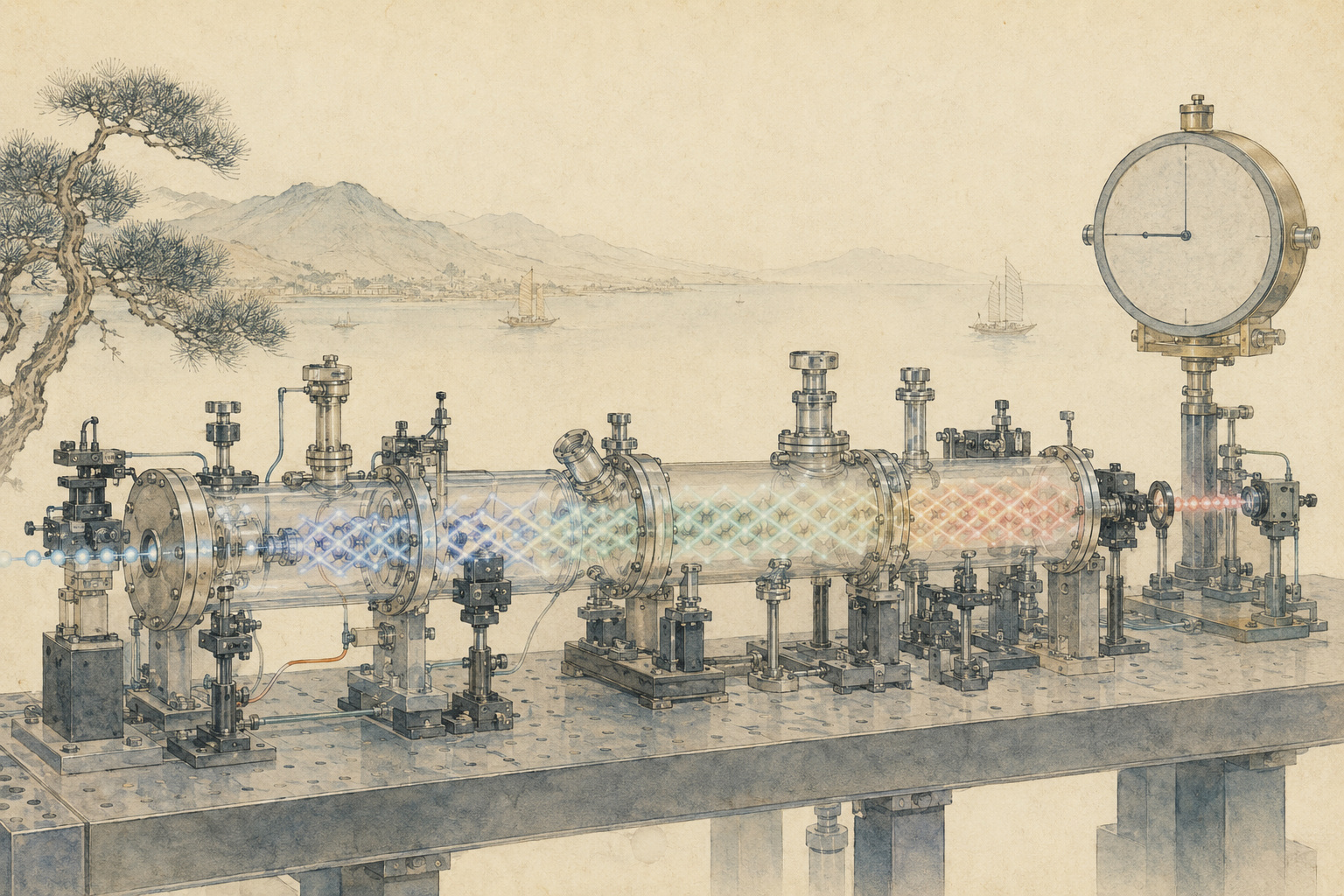
Japan Moves Toward an Optical Lattice Clock That Never Stops Measuring Time
A continuous stream of atoms could keep an ultrahigh-precision clock running, advancing the redefinition of the second, geodesy and tests of fundamental physics.
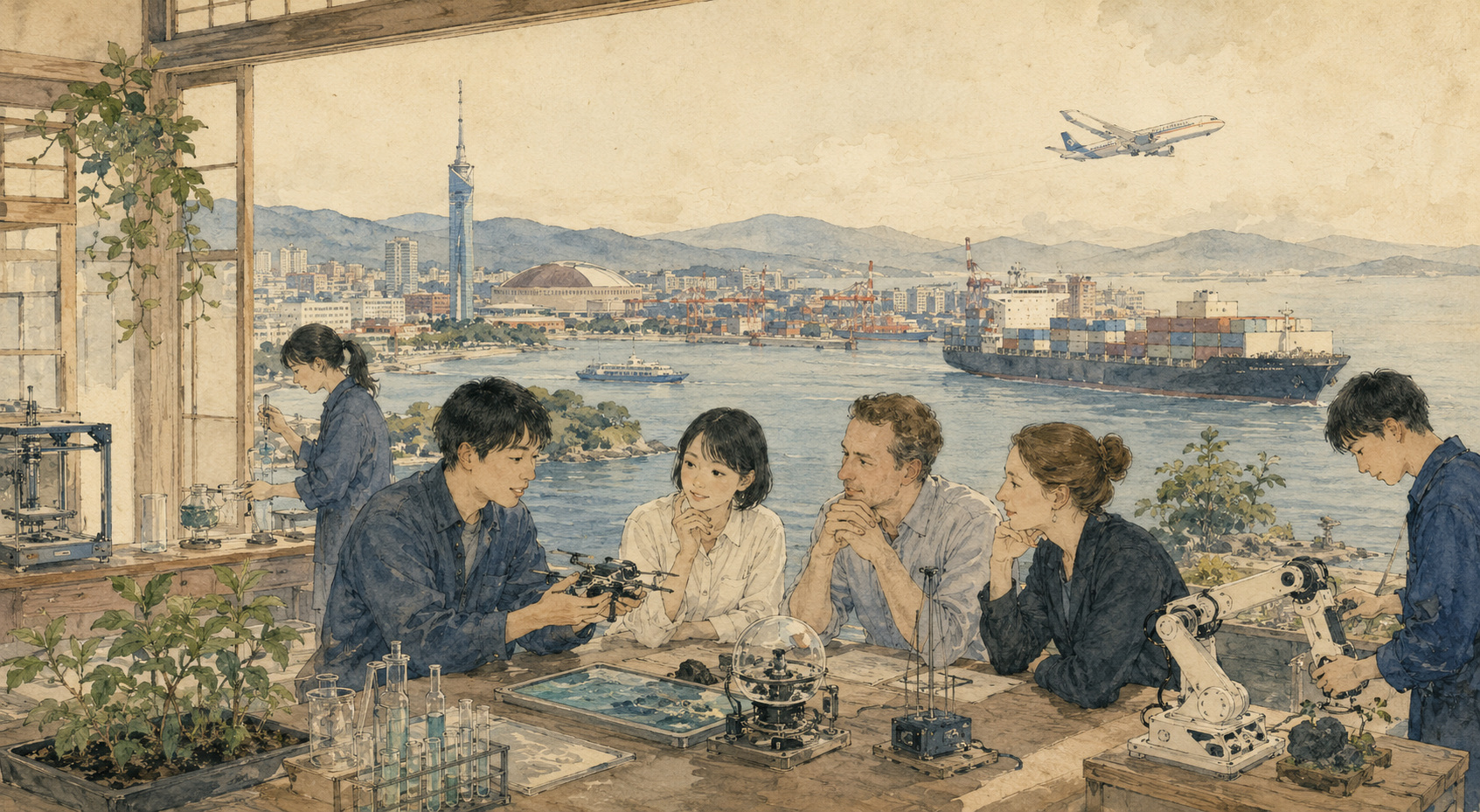
Fukuoka Opens Global Expansion Program for Regional Deep-Tech Startups
The program helps laboratory inventions cross the “valley of death” between research and global markets, where capital, regulation, intellectual property and customers converge.
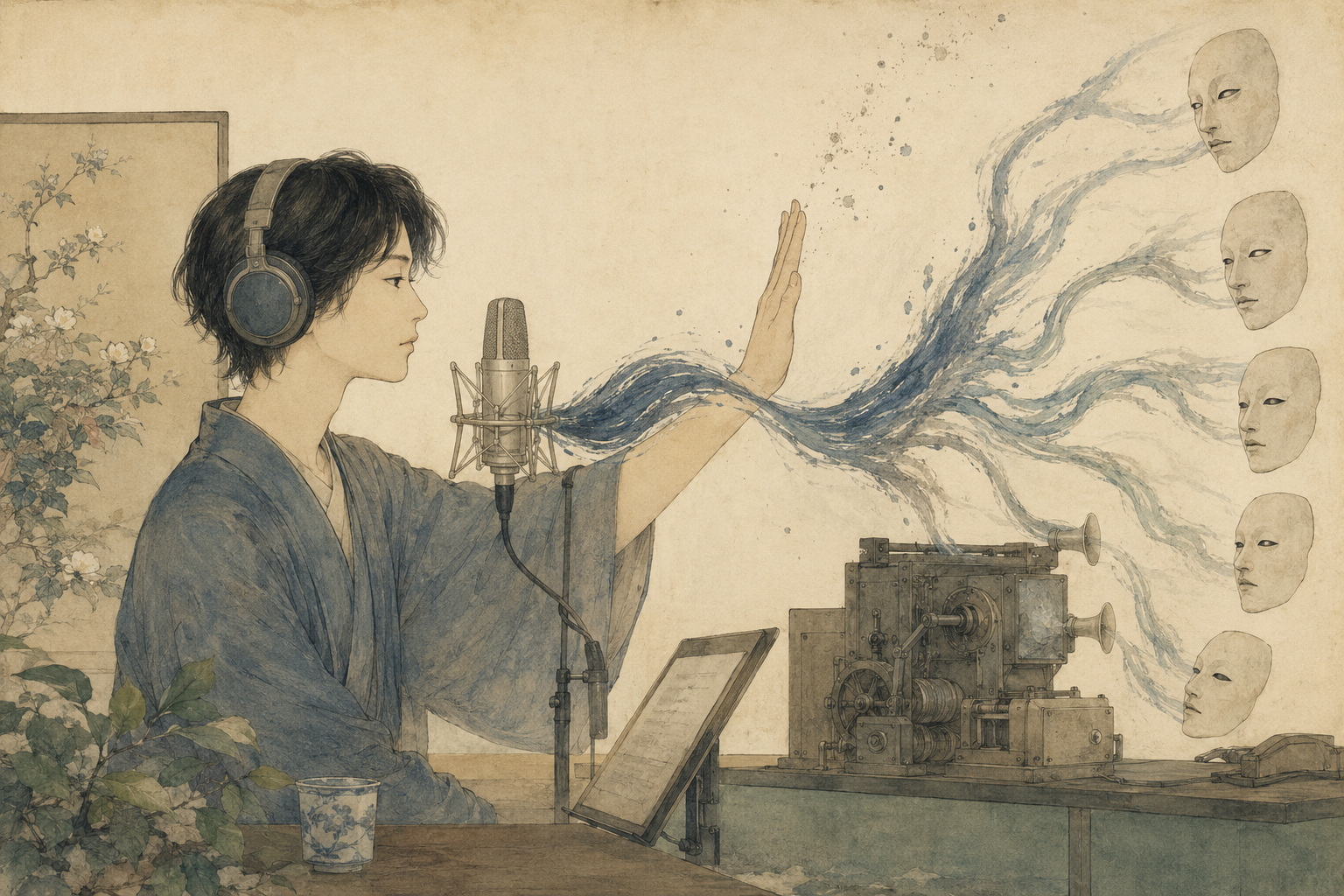
Megumi Ogata Warns Against Unauthorized AI Replication of Japanese Performers’ Voices
Is a voice data, performance or identity? Unauthorized generative-AI replicas test the boundaries of contracts, copyright, personality rights and Japan’s creative industries.
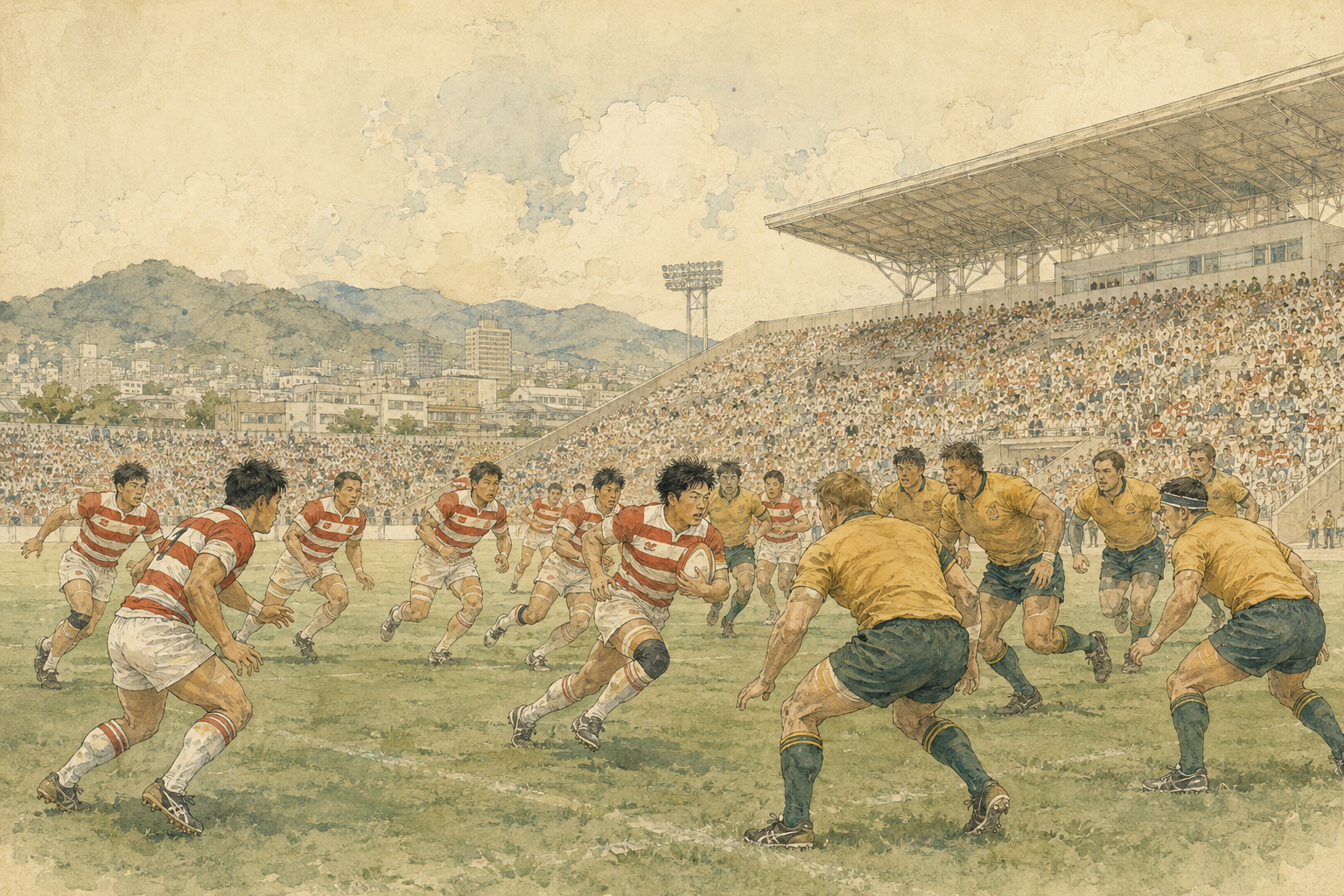
Brave Blossoms Challenge Australia in Sweltering Osaka Test
Against Australia’s size and experience, Japan’s tempo, breakdown work and heat management become decisive in the punishing humidity of an Osaka test match.
The Lost Testimony of Hiroshima—Kiyoshi Tanimoto’s Memoir
The minister who ran toward the injured after the bombing left words that were long out of view. Their return restores a personal voice to the opening of the nuclear age.
Can Wage Growth Return Japan to a Growth Economy?
Japan’s economic white paper asks whether nominal wages, prices, productivity and labor mobility can become a durable cycle—and what stands in the way.
Why Is the Tap in a “Land of Water” So Fragile?
Drought, intense rain, aging pipes and population decline are converging. The water-cycle white paper traces the weaknesses between abundant rainfall and a reliable tap.
AI Use Reaches 58.8%, Yet Japan Still Trails the World
Personal use has spread, but gaps remain in business adoption and value creation. The information and communications white paper measures Japan’s place in the AI race.
20. Today’s Art Choice
Kawahara Keiga · Nagasaki and Dejima
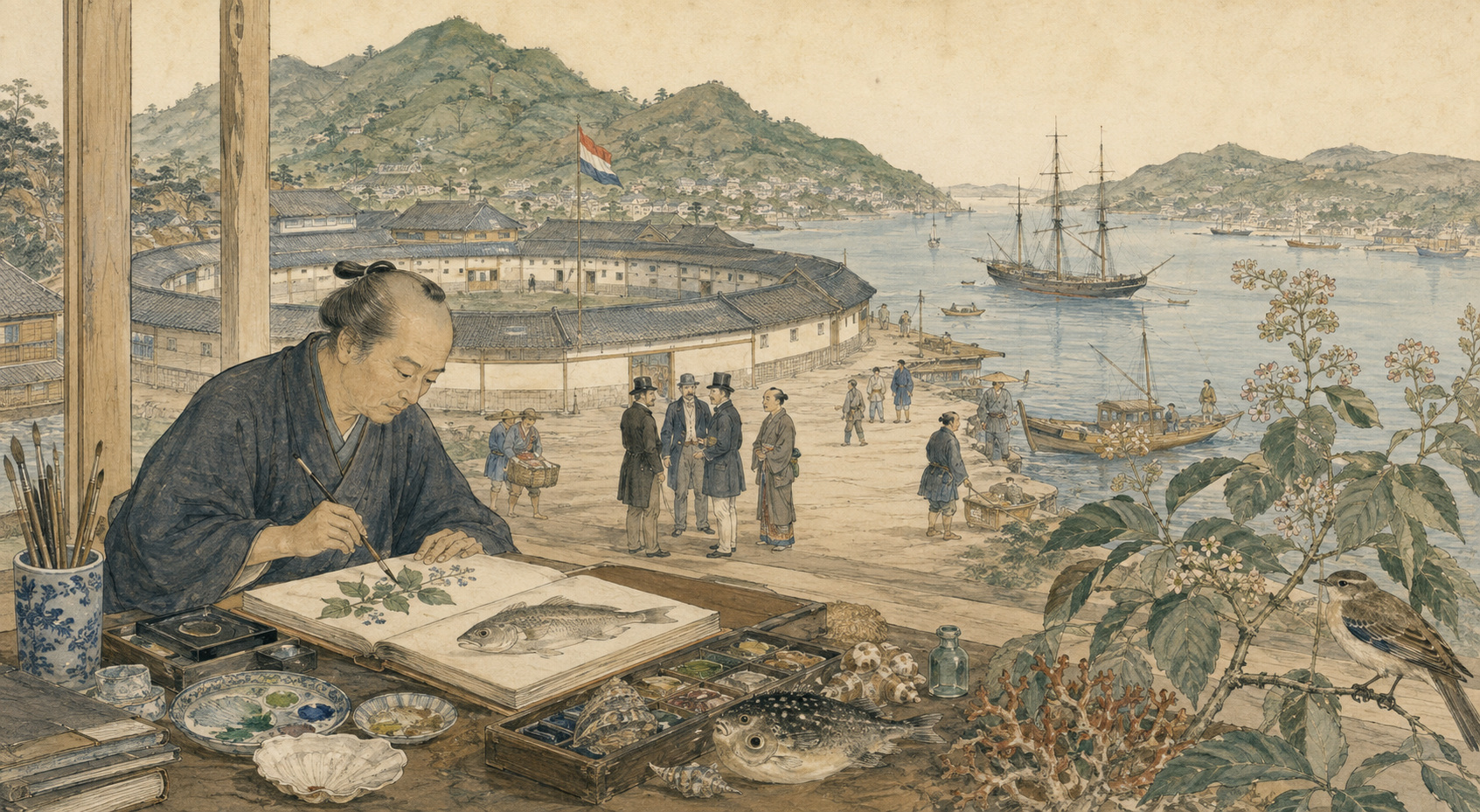
Today’s Art Choice: Kawahara Keiga and the Visual Memory of Nagasaki
Working in Nagasaki during Japan’s era of seclusion, Kawahara Keiga joined Japanese observation to Dutch knowledge. His plants, landscapes, festivals and views of Dejima preserve the memory of a vanished city.
