Look Closer. Japan Has More Stories to Tell.
A cave creature finally receives a scientific name after decades. Young fish guard their parents; Japan’s chip industry faces a financial reckoning; a coastal restoration effort is reexamined. Fifteen stories explore a country through discovery and evidence.
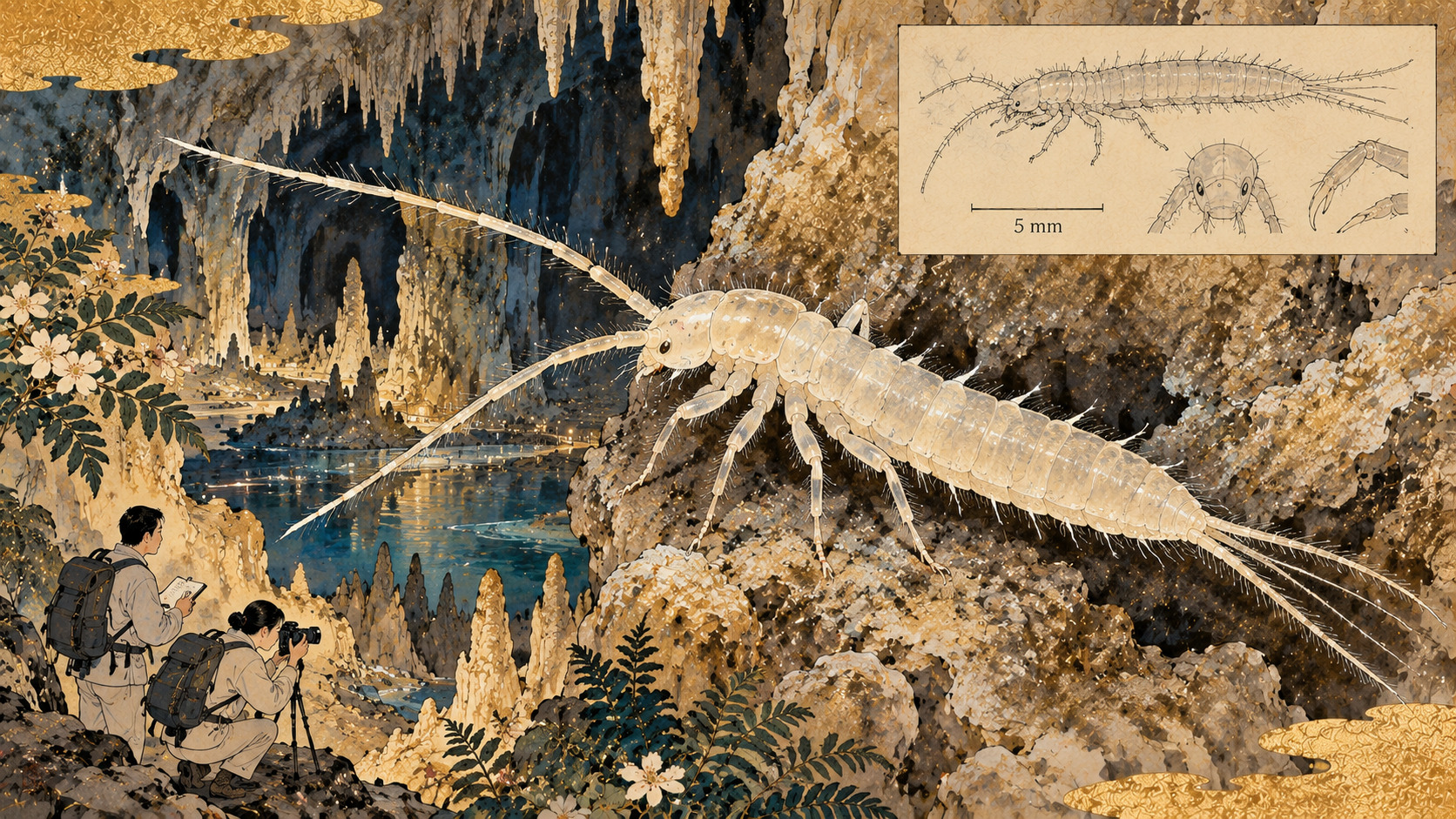
A Tiny Giant Beneath Japan: The Cave Species That Waited 70 Years for a Name
A previously known but unnamed cave animal has finally been scientifically described. The 13 mm campodeid opens a window into Japan’s hidden underground biodiversity.
Read the lead story →Friday, October 30, 2026 · Japan.co.jp
Four Stories to Read First
Biology, Industry and History
13 More Stories in News Briefs
Thirteen concise, source-linked updates complement the main edition across science, communities, sports, business and culture.
Read News Briefs →Business & Economy
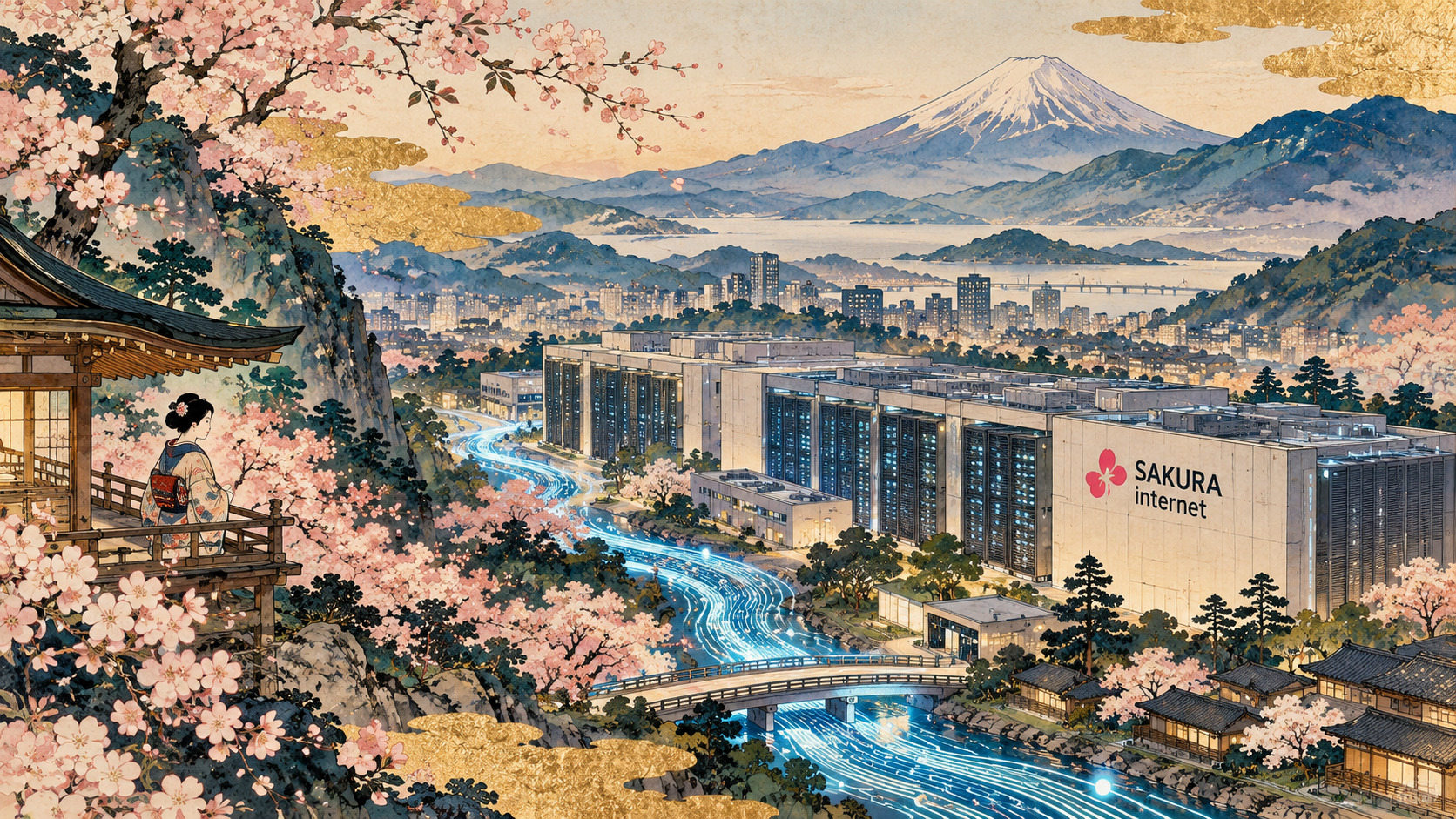
Friday, October 30, 2026Can Japan Build Its Own AI Cloud? Sakura Internet Faces the Economics of Sovereignty
Japan wants computing capacity it can control. Sakura Internet’s ambitious GPU investments reveal the costs, opportunities and limits of domestic AI infrastructure.
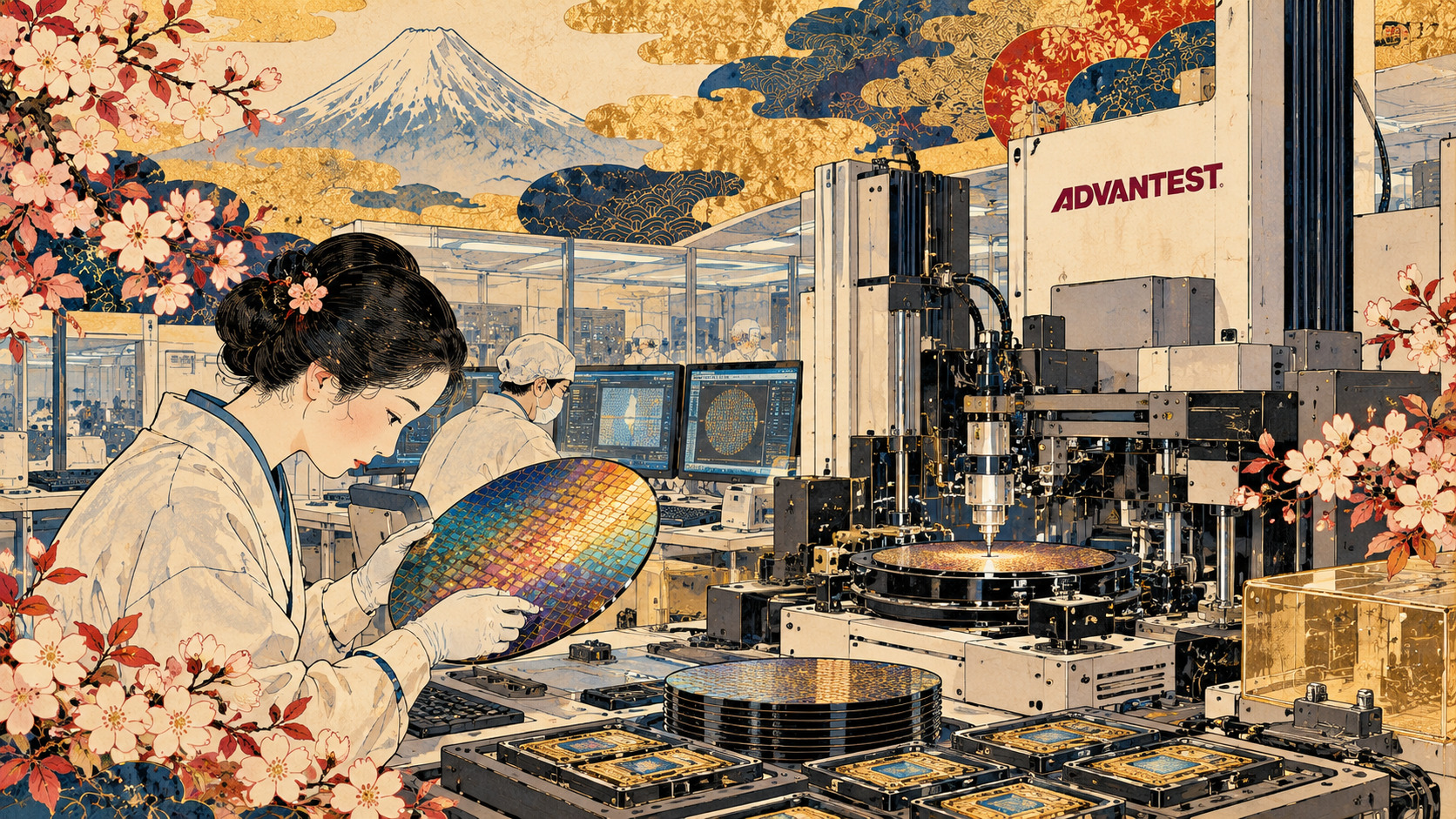
The AI Chip Boom’s Hidden Test: Advantest and a ¥1.714 Trillion Forecast
AI processors cannot ship without rigorous testing. Advantest sits at a crucial point in the chip supply chain, where rapid expansion also creates financial risk.
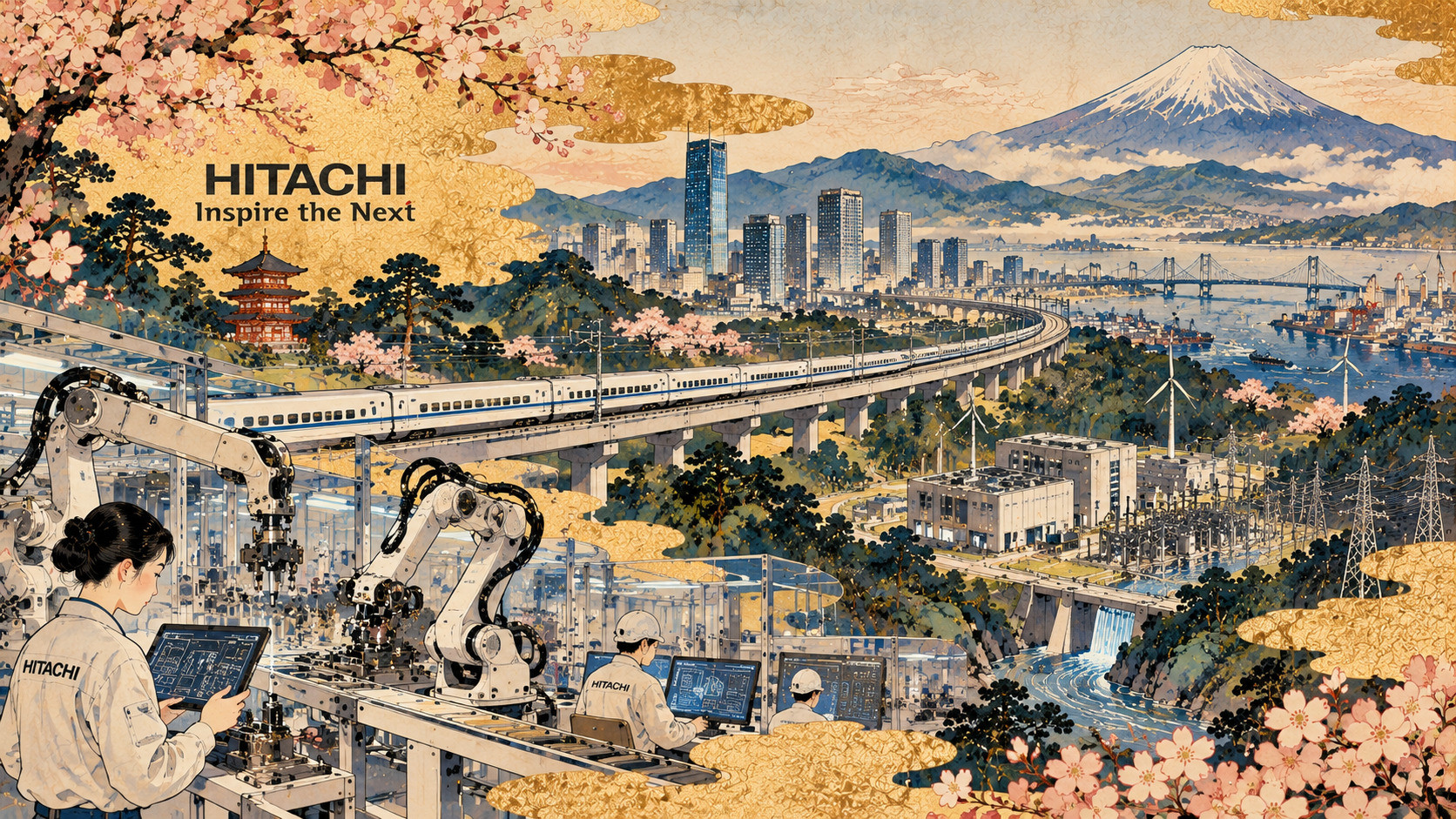
From Motors to the Infrastructure Age of AI: Hitachi’s Transformation Faces a Financial Test
The century-old industrial group is now defined by digital engineering, power grids and rail systems. Its transformation faces a test of execution and profitability.
Science & Technology
Friday, October 30, 2026A Tiny Giant Beneath Japan: The Cave Species That Waited 70 Years for a Name
A previously known but unnamed cave animal has finally been scientifically described. The 13 mm campodeid opens a window into Japan’s hidden underground biodiversity.
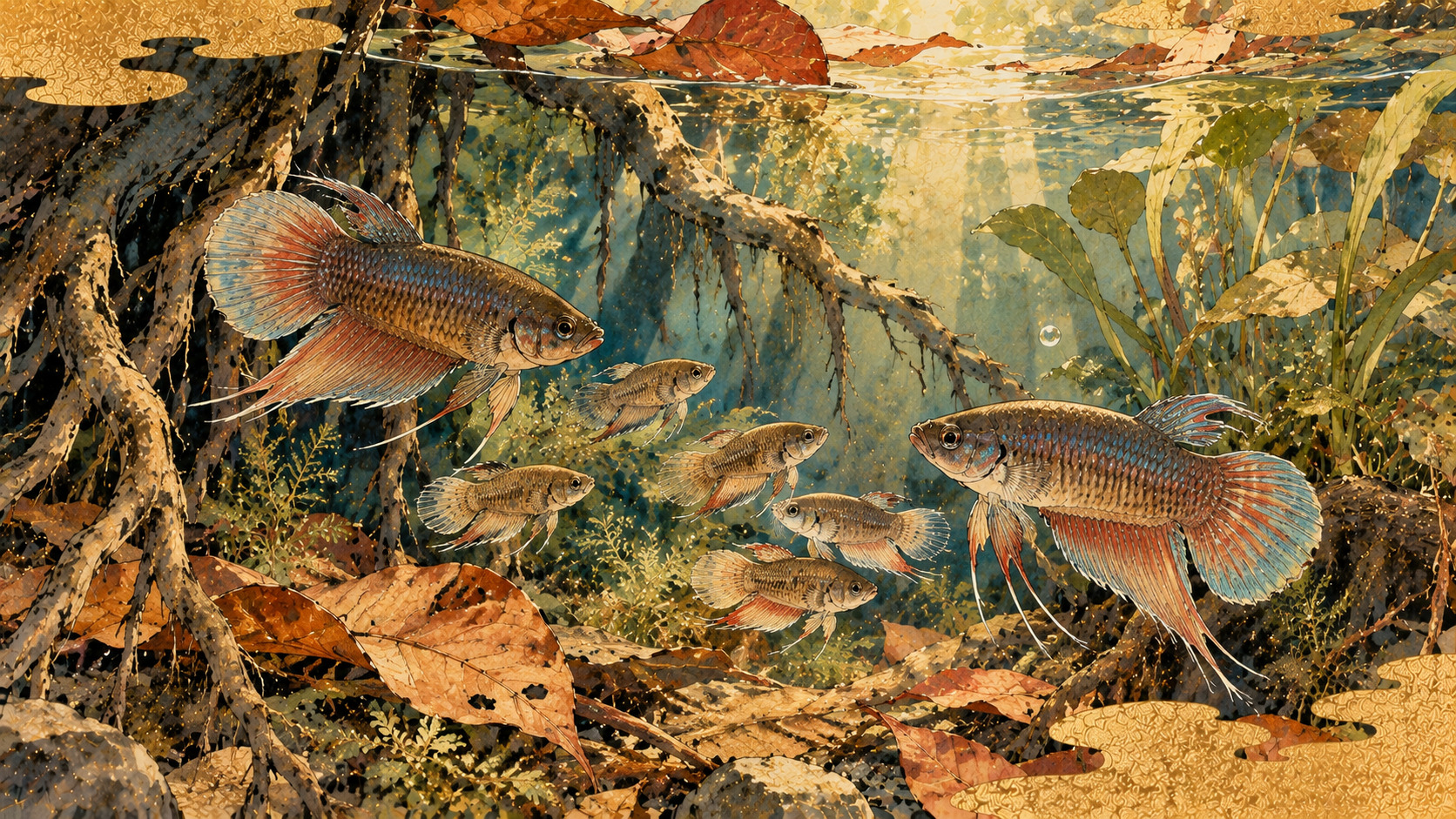
The Fish That Help Their Parents: A Clue to How Cooperative Families Evolve
Juvenile Betta brownorum help defend their family territory, offering evidence of cooperation without proof of direct care for younger siblings.
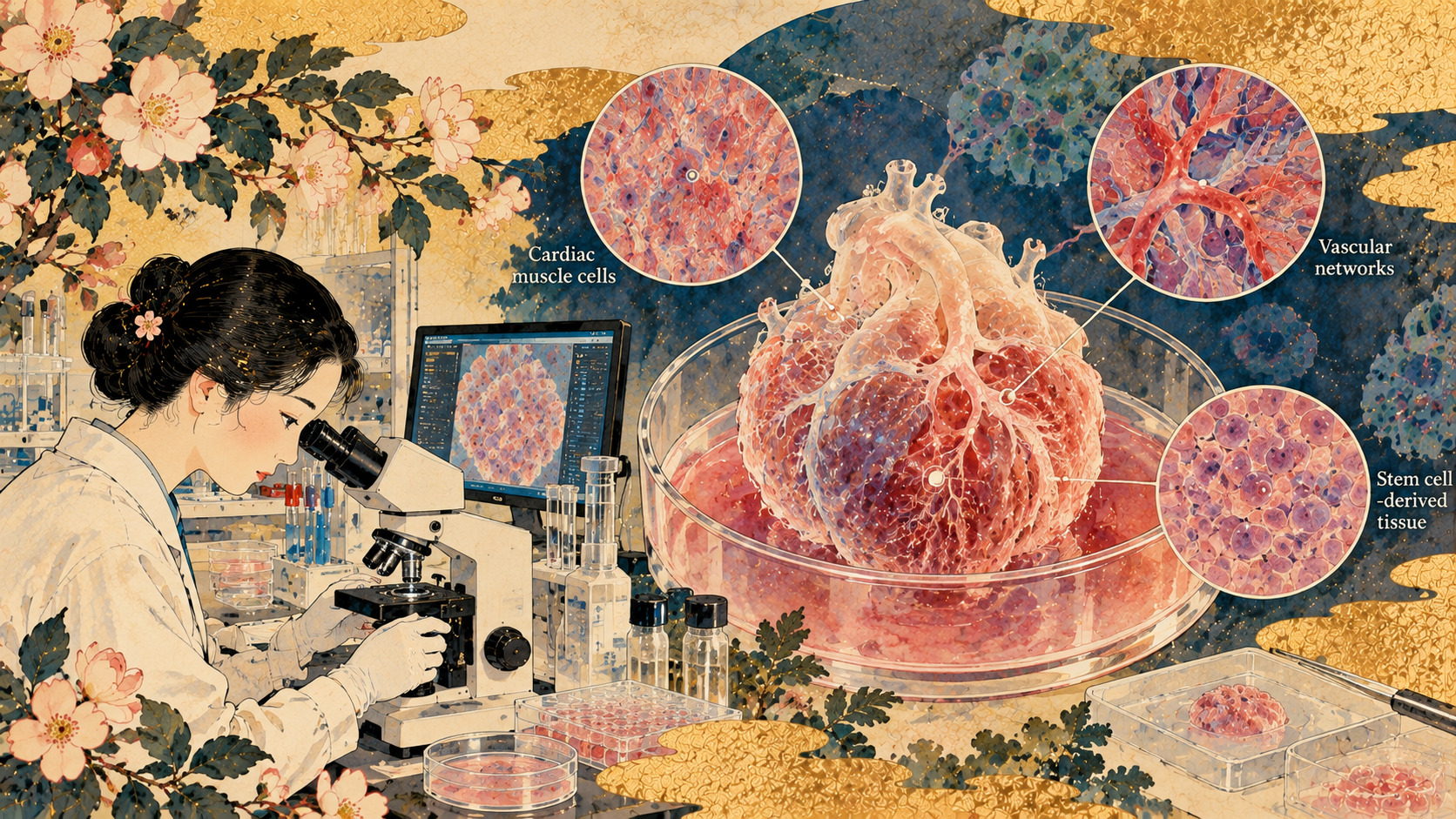
A Heart Model Reveals Progeria’s Damage After 60 Days
Kyoto researchers grew three-dimensional human heart tissue that reproduces aspects of progeria-related dysfunction—an experimental model, not a treatment.
Communities
Friday, October 30, 2026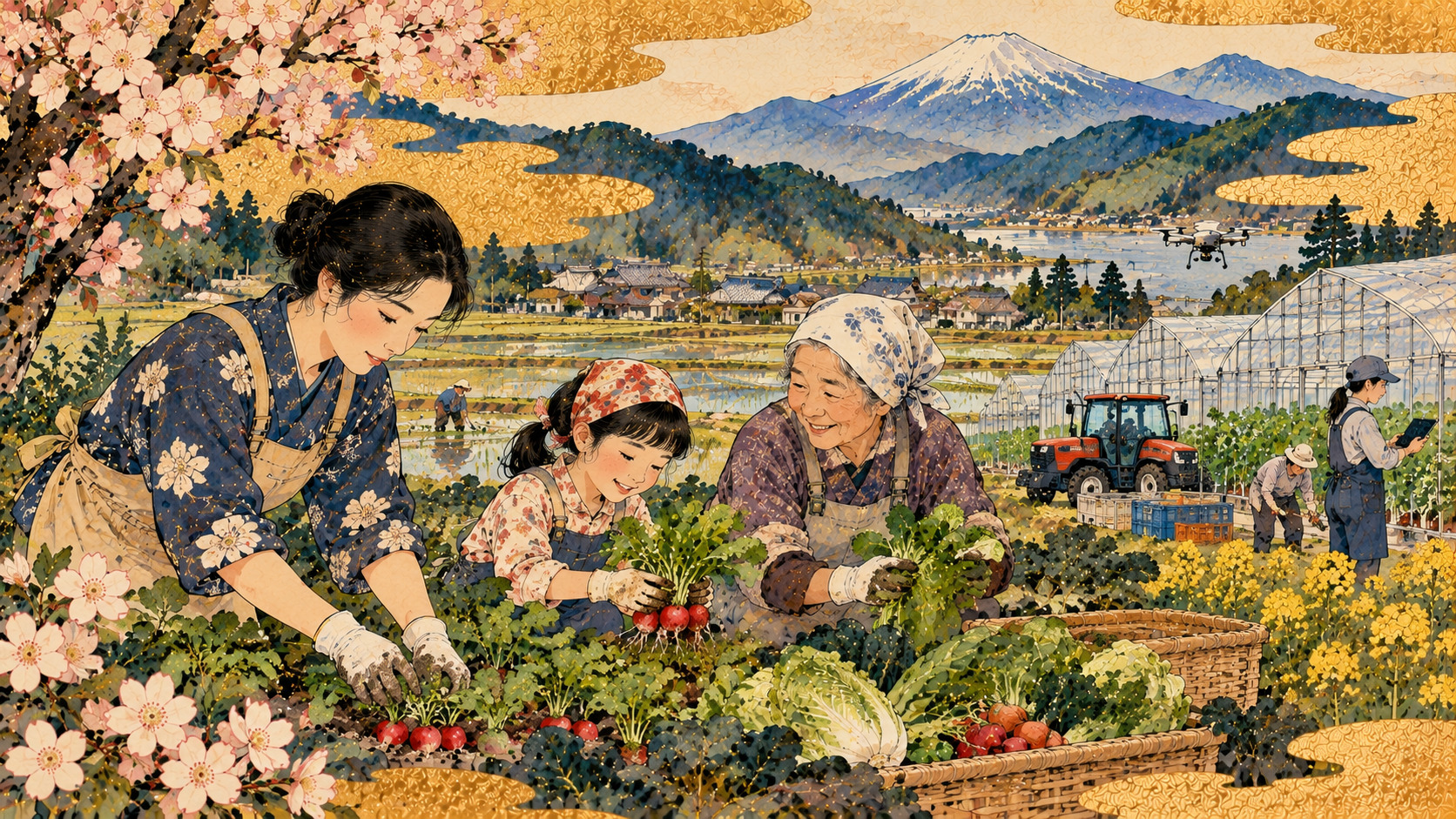
Beyond the Harvest: Japan’s Women Farmers Seek a Bigger Voice
A government-backed network of women farmers is growing, even as Japan’s agricultural workforce shrinks. Entrepreneurship and decision-making are now central questions.
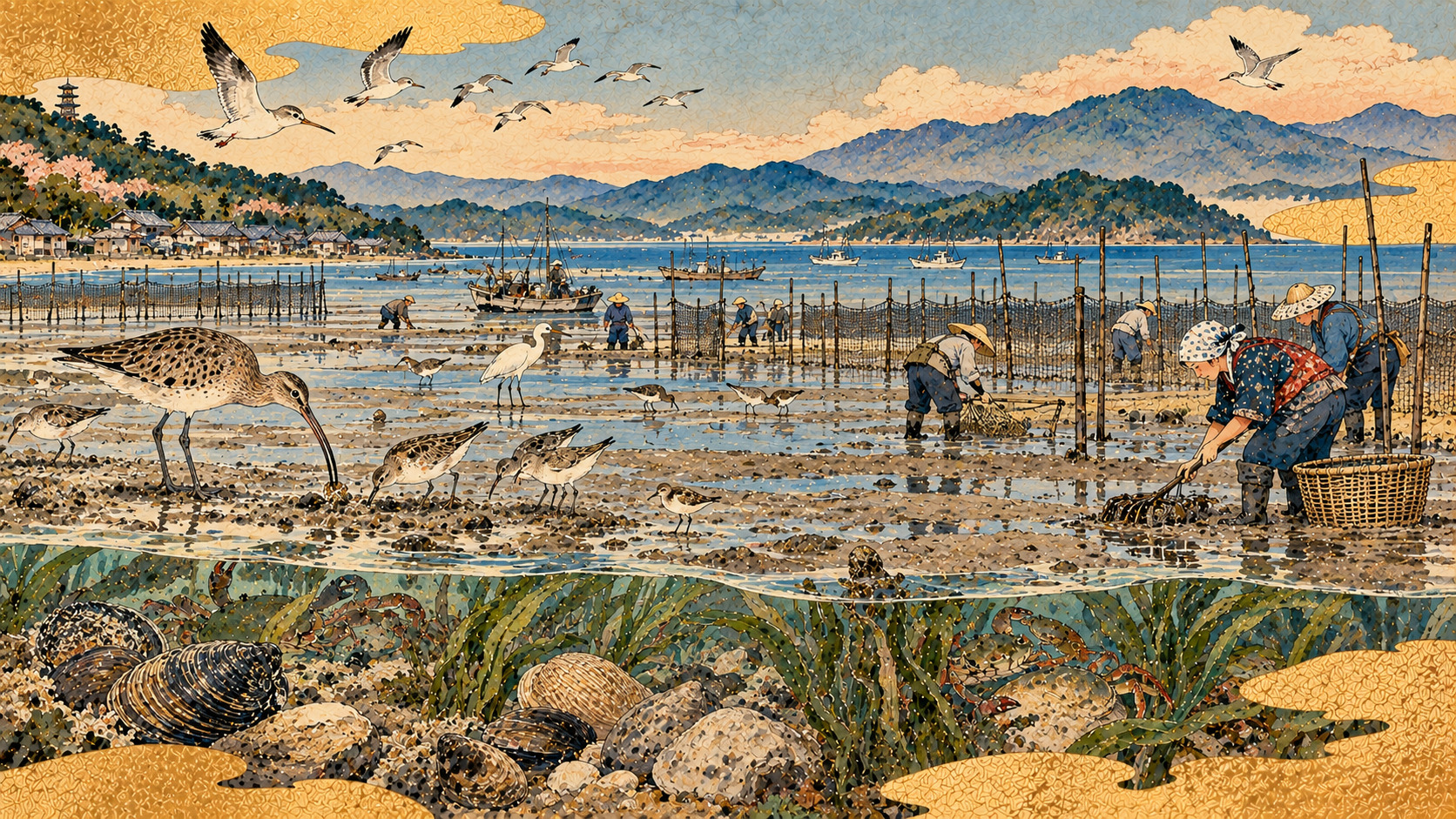
Can Japan Restore the Ariake and Yatsushiro Seas? A 24-Year Reckoning
After decades of restoration policy, coastal communities still face difficult questions about fisheries, water quality and ecological recovery.
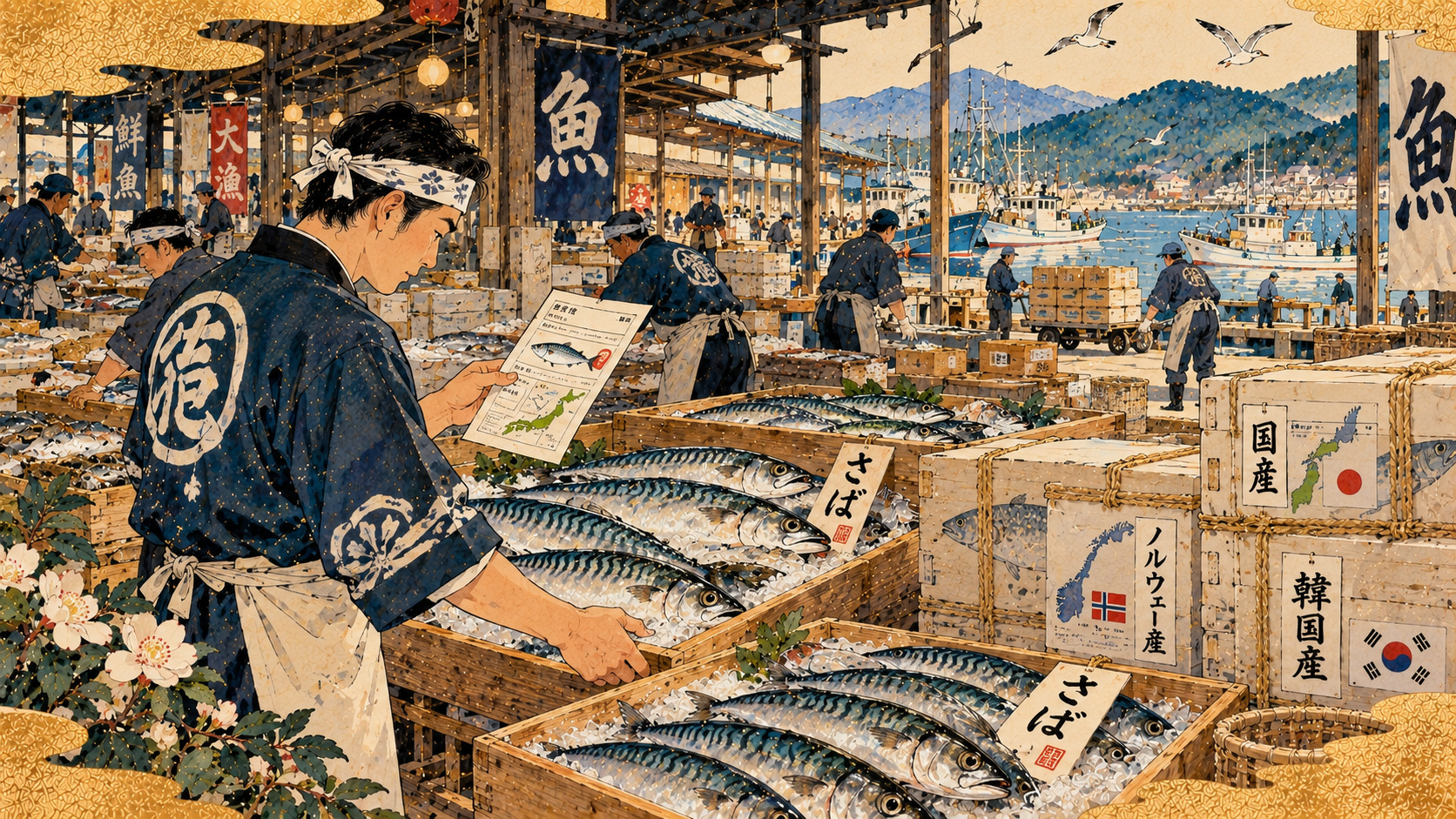
19 Tonnes of Mackerel, Wrong Origin Labels: Japan Orders Corrections
Japanese regulators ordered a seafood company to correct origin-labeling practices affecting 19,215 kilograms of salted mackerel; the finding was not a food-safety recall.
Sports
Friday, October 30, 2026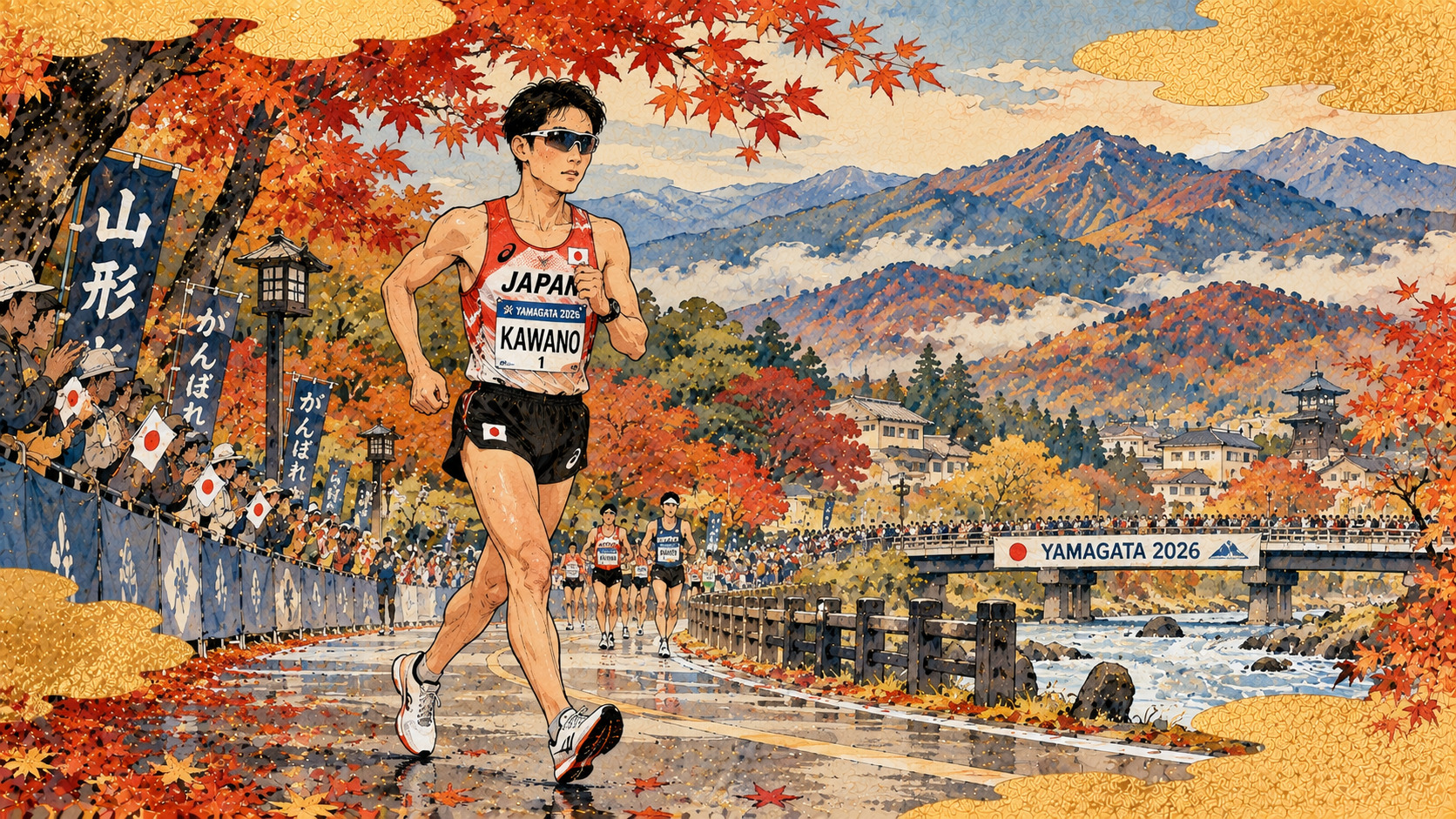
Walking into History: Masatora Kawano Sets a Marathon Race-Walk Benchmark
Masatora Kawano recorded 2:55:14 in Takahata, setting an inaugural world-record performance in the new marathon race-walk event, pending ratification.
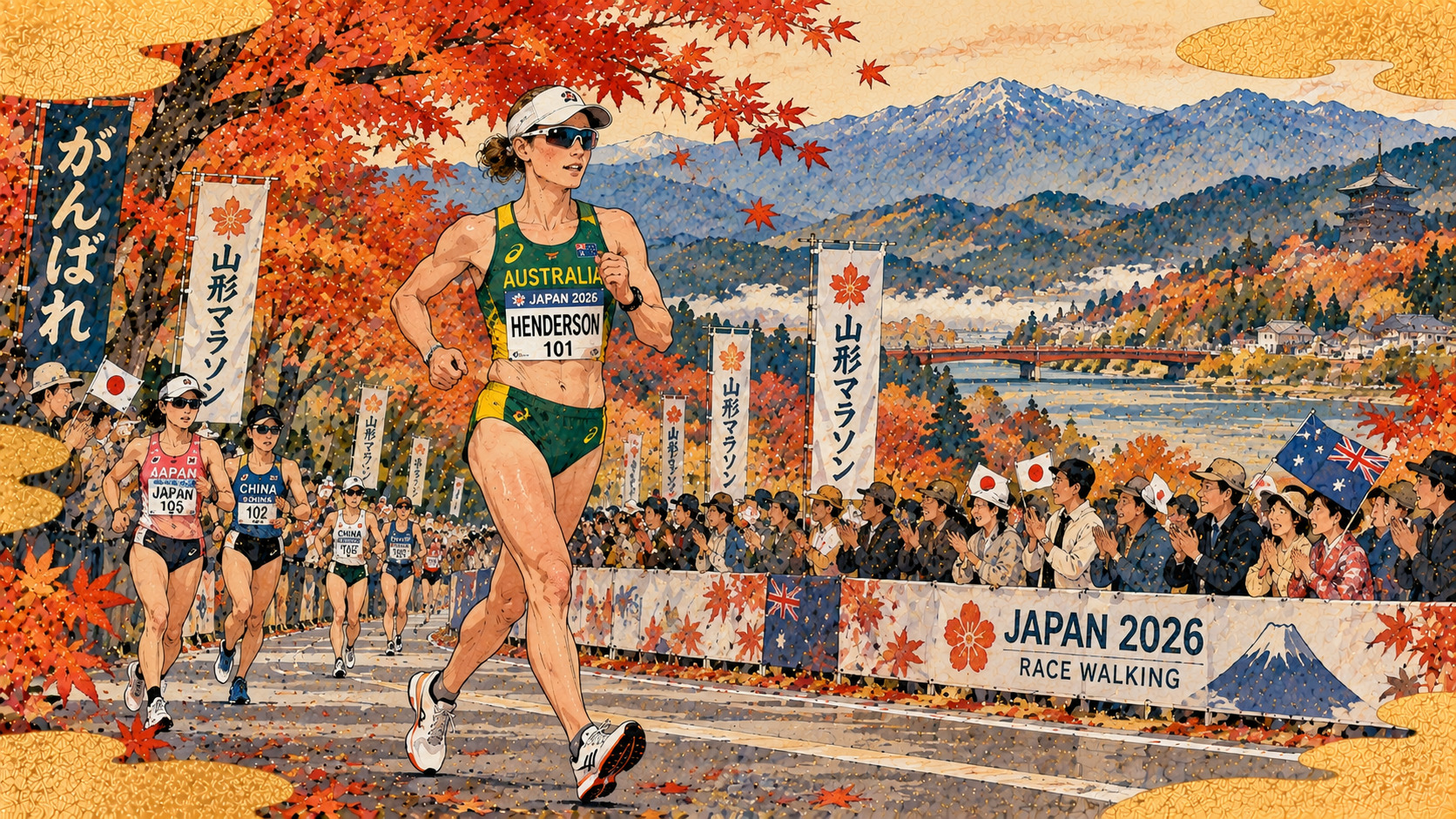
Australia’s Rebecca Henderson Walks into History in Japan
Rebecca Henderson improved the women’s marathon race-walk benchmark to 3:14:52 in Japan, subject to ratification, while competing in an open category.

Ten Minutes Changed Everything: Kawasaki and Gunma Finish Strong
Kawasaki defeated Utsunomiya 92–89 and Gunma beat Altiri Chiba 85–74. Their powerful final quarters tell the story of two league contests.
Culture
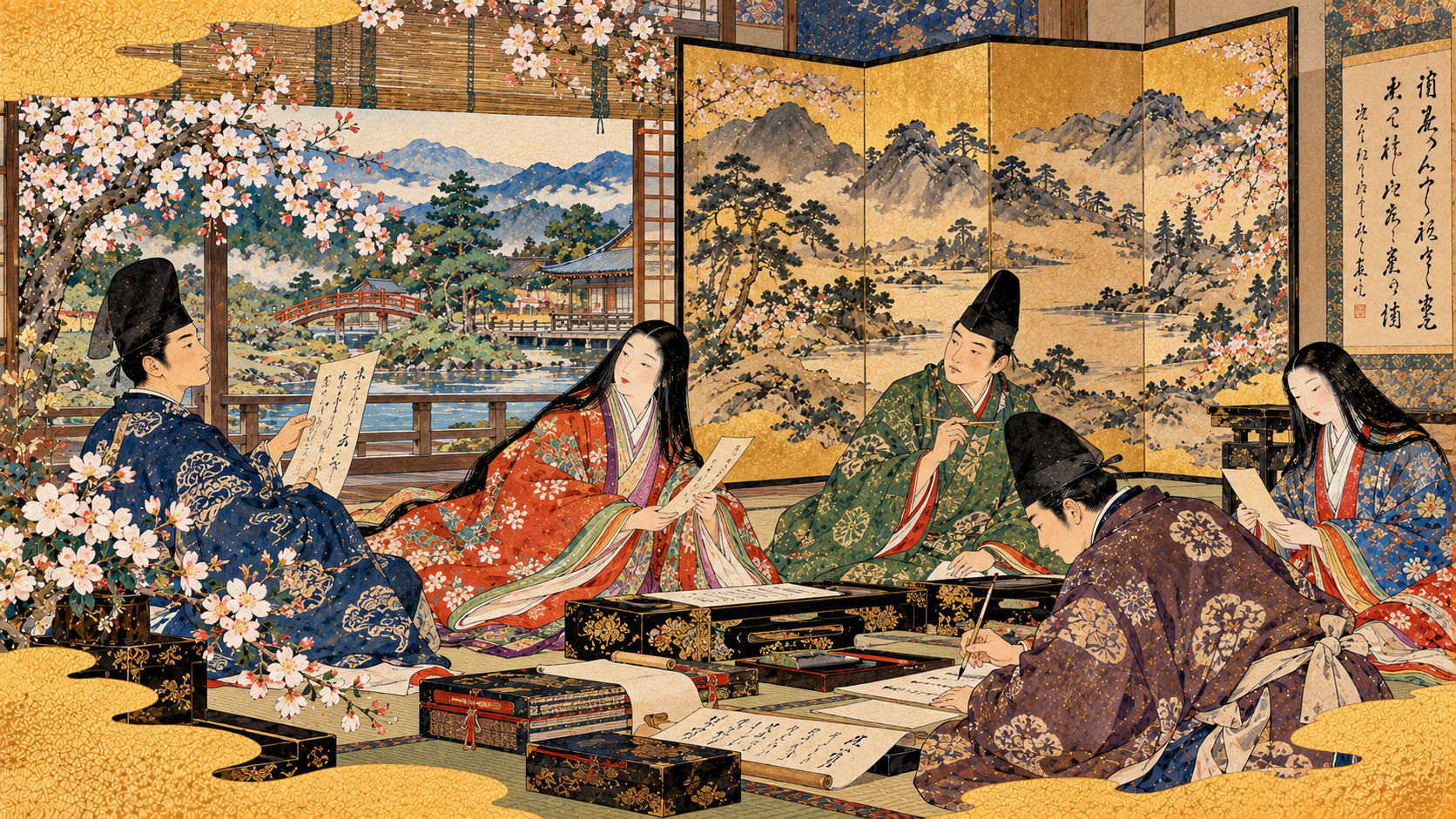
Friday, October 30, 2026When Poetry Became a Picture: Medieval Japan at the Gotoh Museum
An exhibition in Tokyo brings together collaborative verse, manuscripts and painted screens to reveal the shared visual and literary culture of medieval Japan.
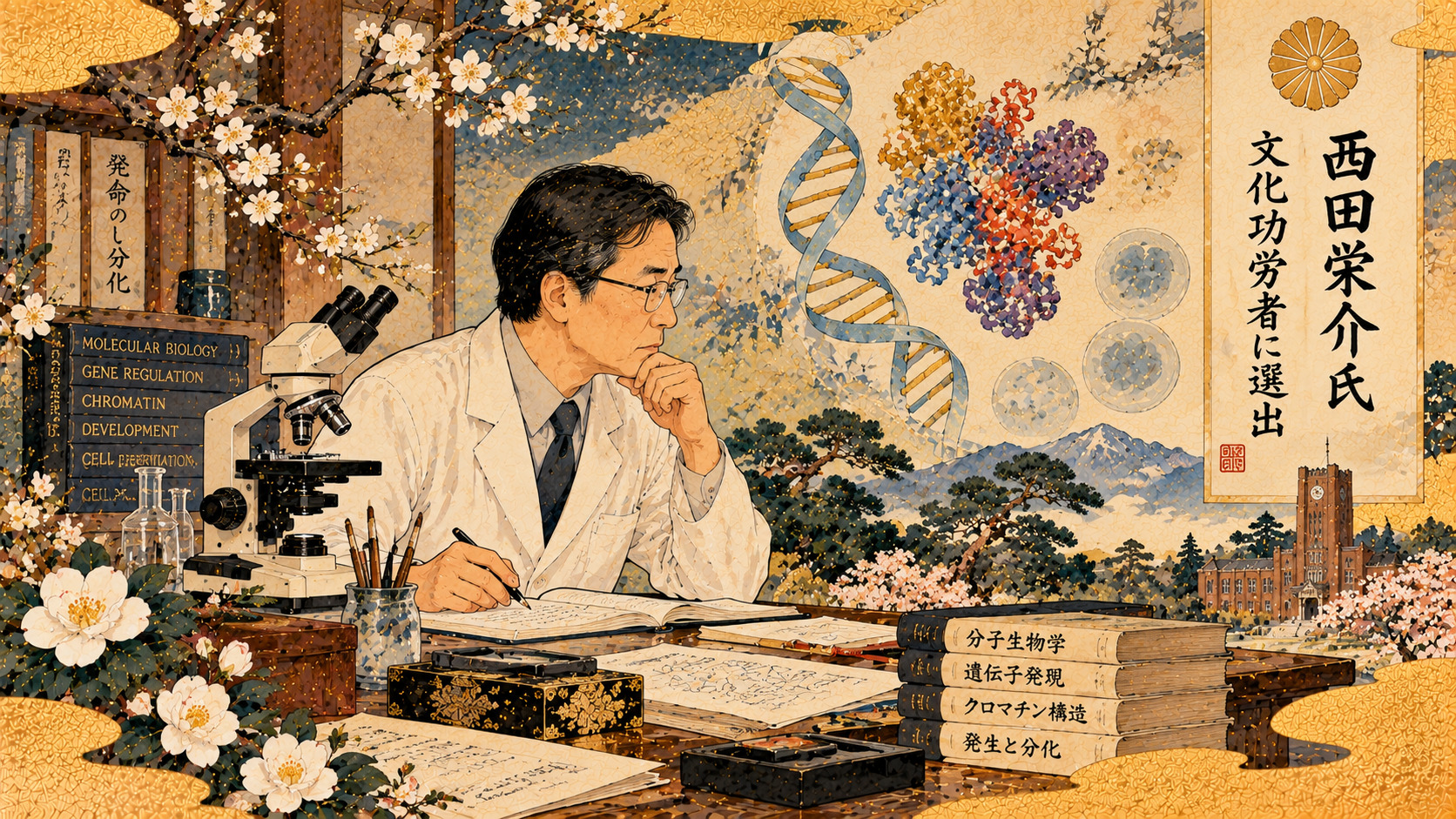
The Scientist Who Decoded the Cell’s Messages: Eisuke Nishida Honored
Molecular biologist Eisuke Nishida has been recognized as a Person of Cultural Merit for foundational work on cellular signaling.
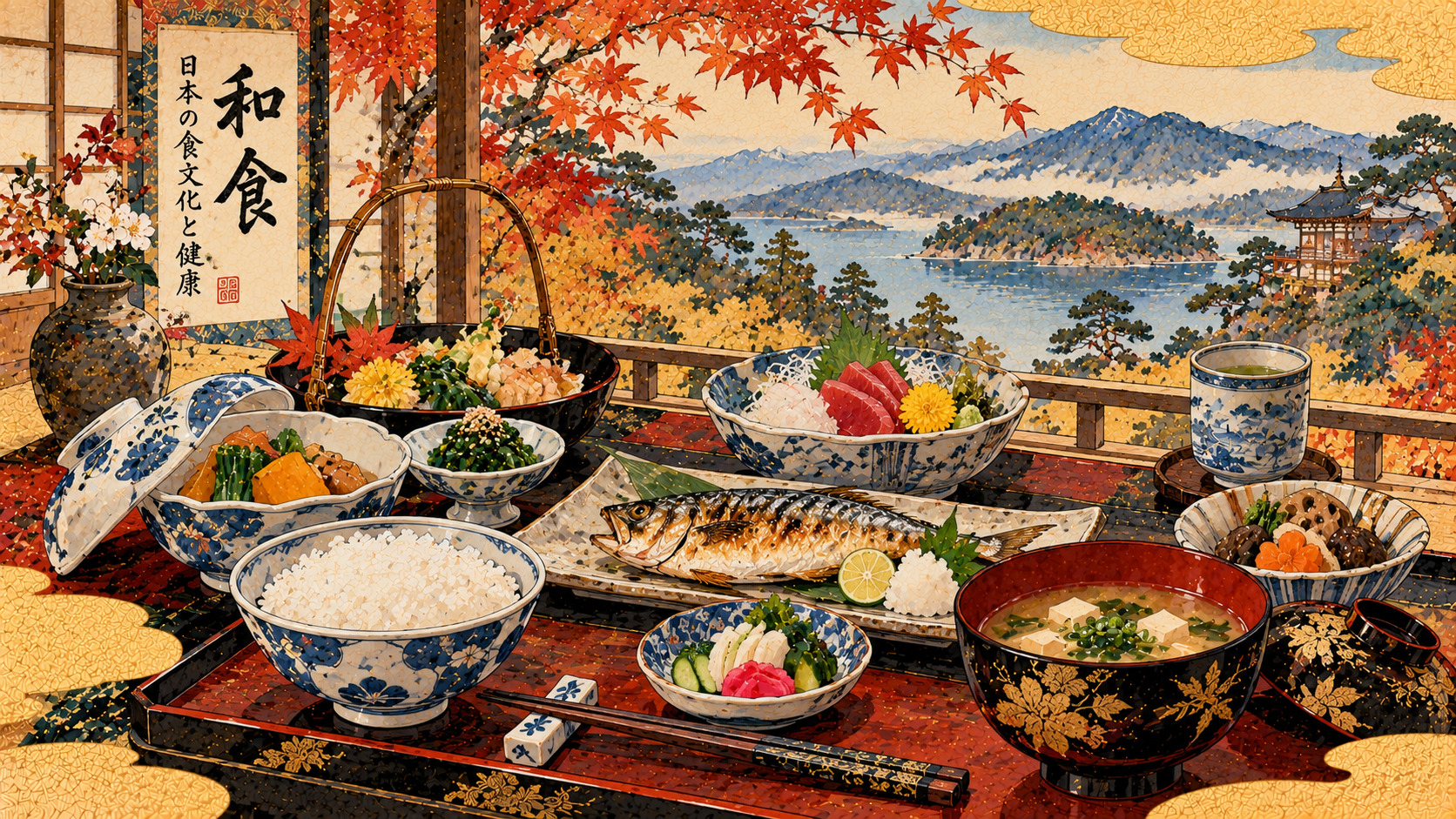
Is Washoku Really Healthy? Japan Reexamines Tradition and Nutrition
Ahead of a November symposium, Japan’s culinary heritage meets a harder question: what does the nutritional evidence actually show?
Art Choice · Kawanabe Kyōsui
Rediscovering a Meiji woman artist
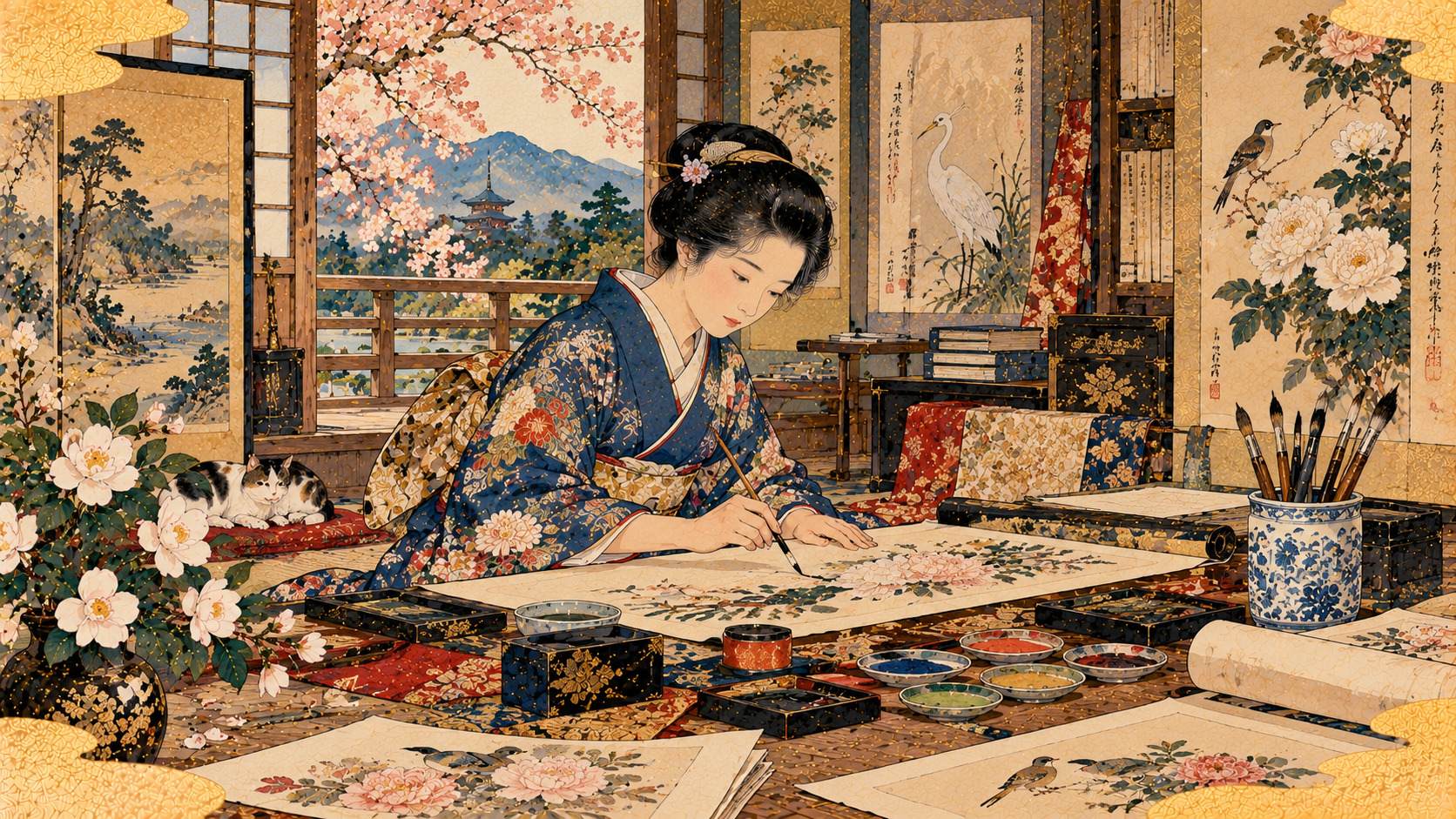
Beyond Her Father’s Shadow: Rediscovering Kawanabe Kyōsui
The painter Kawanabe Kyōsui built a career in Meiji Japan and helped shape women’s art education. Her life merits recognition beyond her famous father.
Read Art Choice →A contemporary AI-generated studio illustration inspired by Kyōsui, not an authentic portrait or historical work.
Six More Stories from October 29
Previously published; not presented as new.
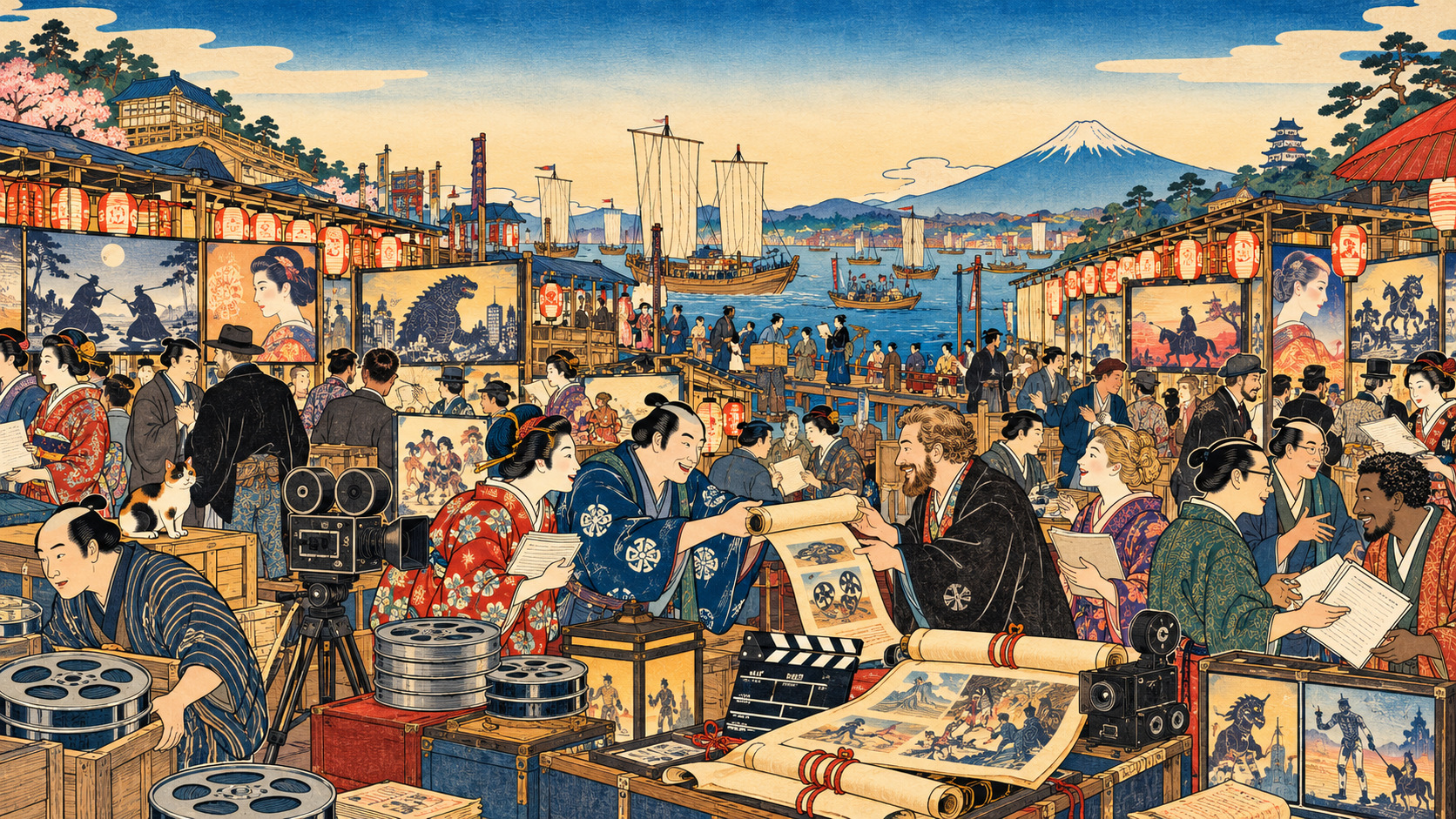
How Film and Television Rights Travel: Inside TIFFCOM 2026
Tokyo’s film-and-content market connects Japanese rights holders with international buyers and producers.
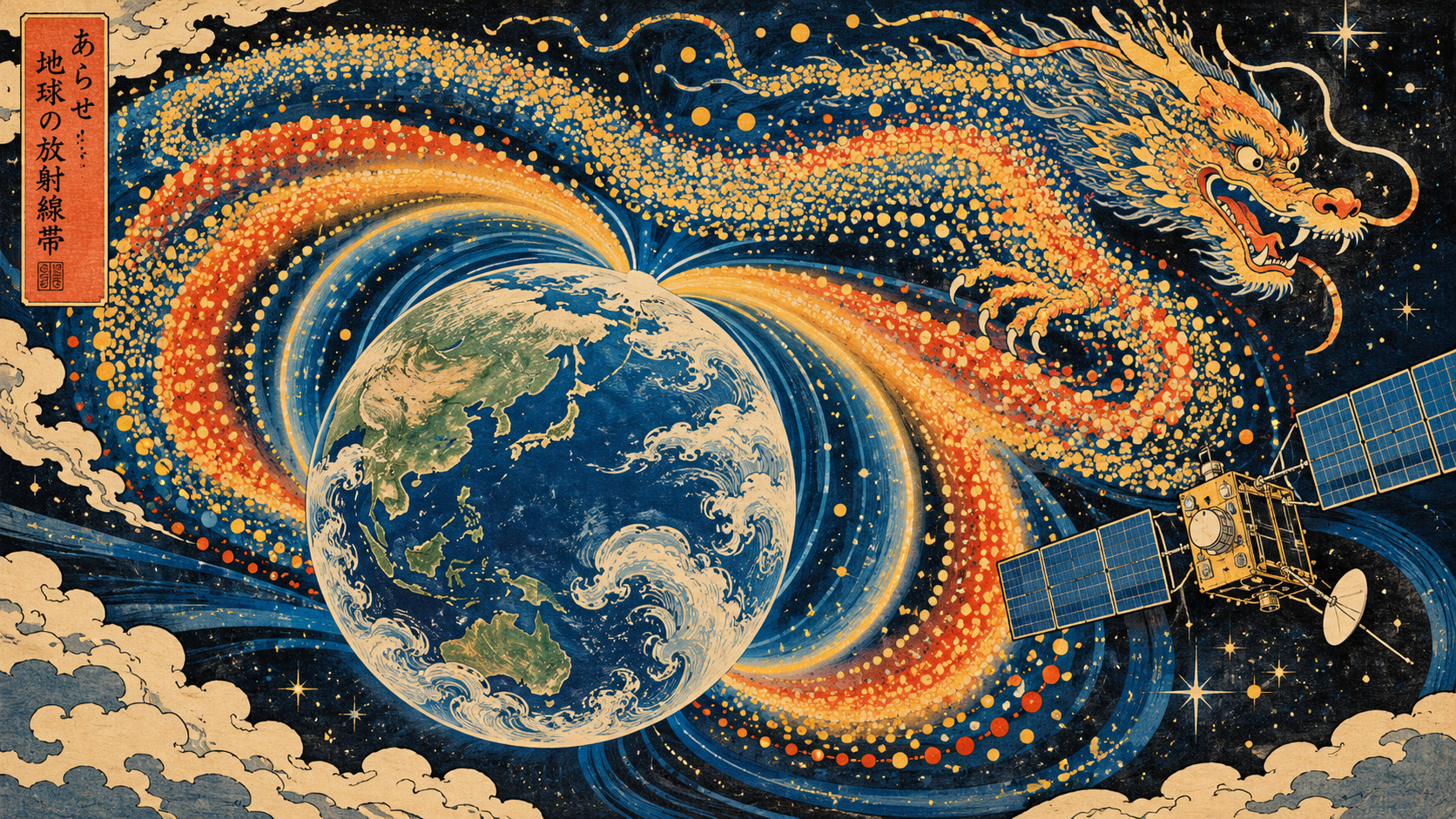
Japan’s Arase Satellite Uncovers an Unexpected Radiation-Belt Acceleration
Observations from the 2024 geomagnetic storm revealed high-energy electrons accelerated inside a region once considered a barrier.
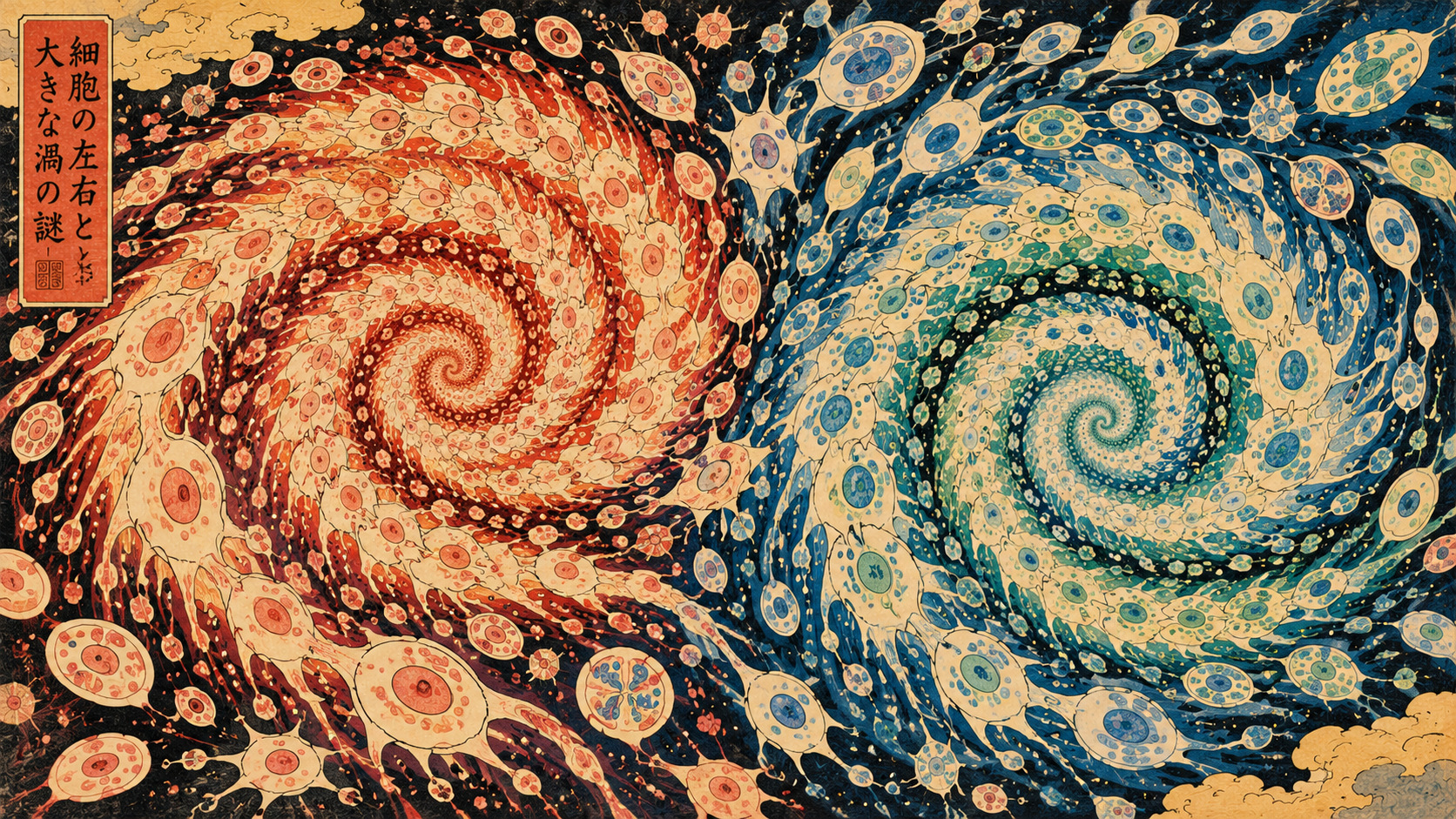
A Giant Spiral Born from Tiny Cells: RIKEN Explores Biological Chirality
Researchers found how small directional biases in slime-mold cells can produce large-scale collective rotation.
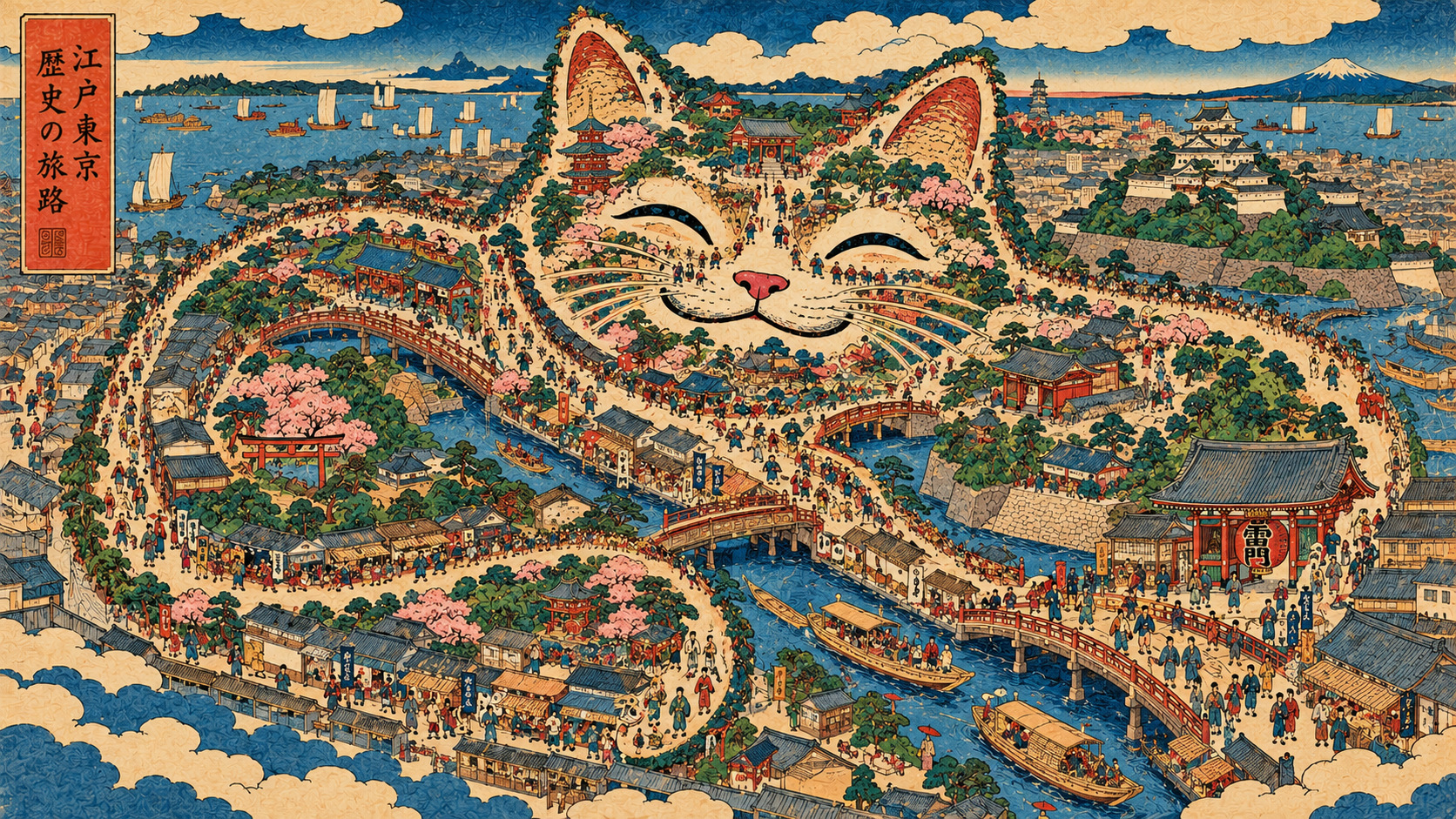
How Edo Residents Explored Their City: Historic Tourist Maps in Tokyo
An exhibition shows how printed guides and maps helped people discover famous sights in Edo.
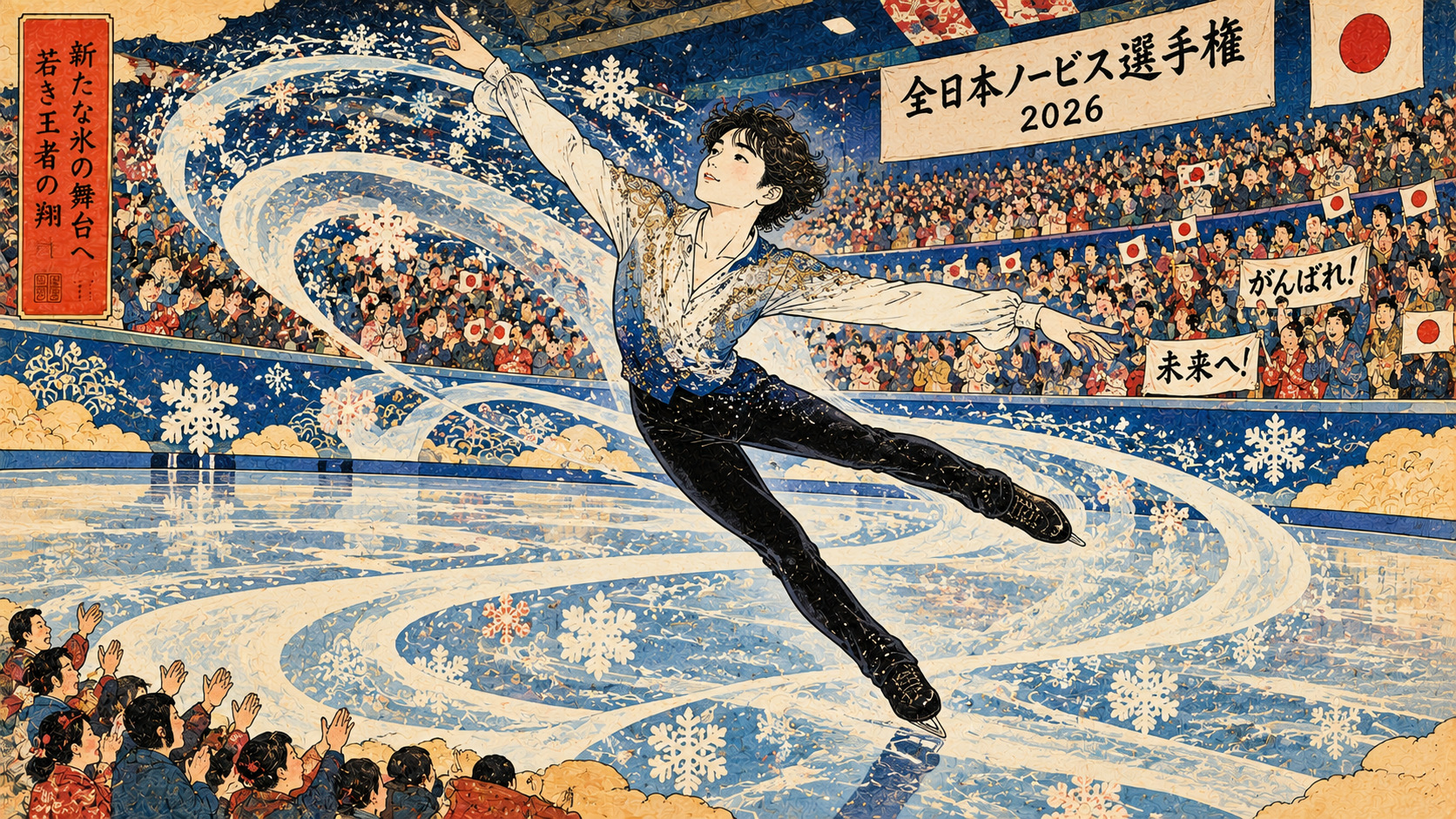
Twelve-Year-Old Eiji Kikuchi Wins Japan’s Novice Figure-Skating Title
A close victory in Sapporo marks an early milestone for the Miyagi skater.
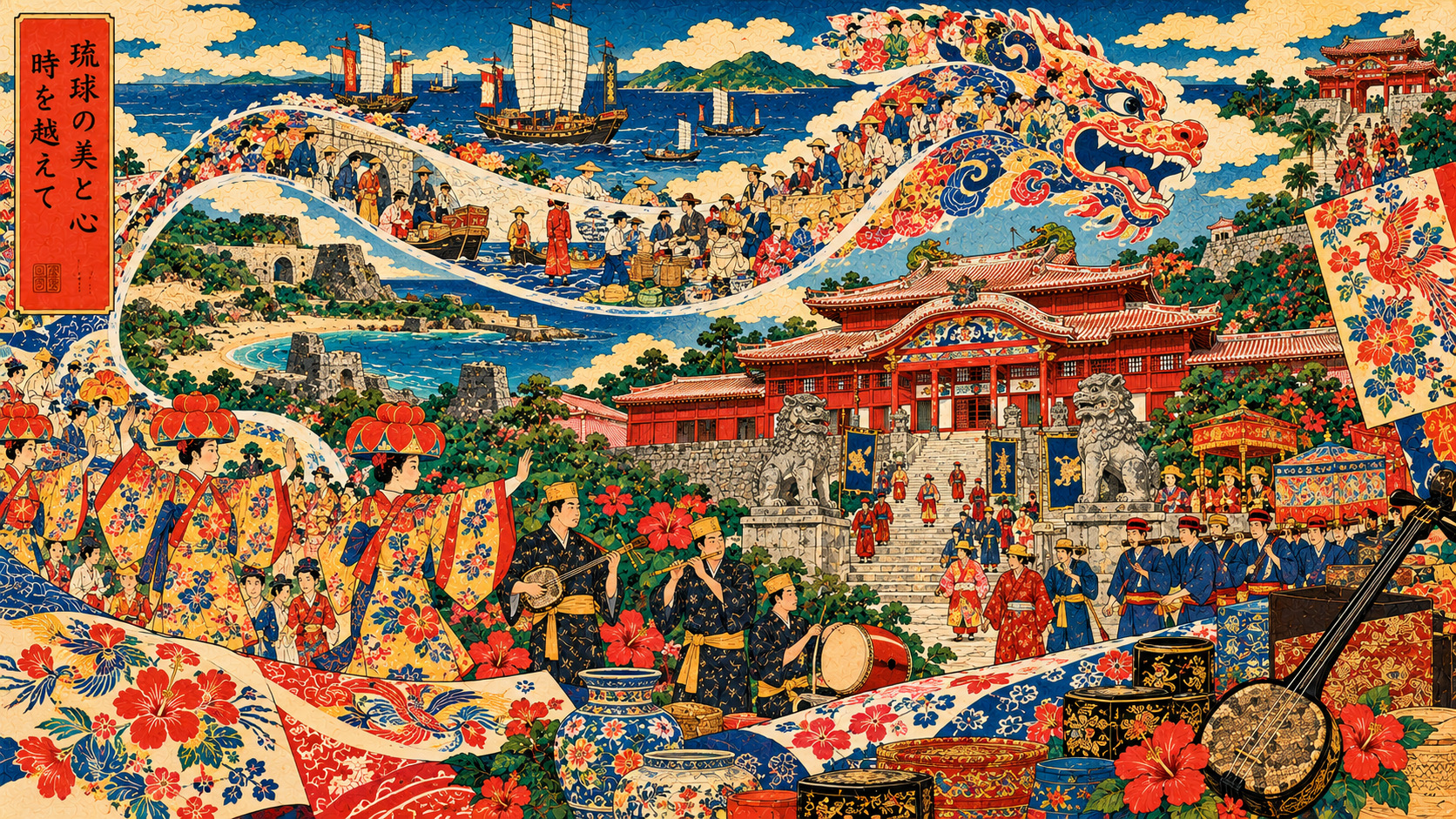
Ryukyu Treasures Travel to Kyushu: Art from a Maritime Kingdom
Textiles, lacquerwork and illustrated scrolls reveal the culture and historic connections of the Ryukyu Kingdom.
All featured illustrations are contemporary AI-generated editorial artwork inspired by Kawanabe Kyōsui, not documentary photographs or original historical prints.
ADVERTISEMENT
