Five desks, fifteen reports — and one autumn valley
Monday’s edition moves from interest rates and early Solar System history to disaster preparedness, sport and living craft. Tani Bunchō’s 1821 mountain retreat provides the visual counterpoint: a quieter place from which to read a noisy week.
What a 1.25% BOJ Policy Rate Would Mean for Japan
The policy rate is still 1.0%. But with the September 17–18 meeting approaching, markets are focused on a possible move to 1.25%. Here is how another quarter point could reach mortgages, deposits, companies, banks, the yen and Japan’s public finances.
Read the full report →Monday, September 14, 2026
Start with four
Business, space science, disaster medicine and living craft
BUSINESS & ECONOMY
Confidence, rates and workplace foodJapan’s Business Recovery Splits by Company Size as Large Firms Turn Positive
Japan’s largest companies have moved back into positive territory, led by manufacturing. Smaller corporations are improving too, but remain on the negative side of the government’s business-conditions index as labor shortages and wage costs squeeze the room for recovery.
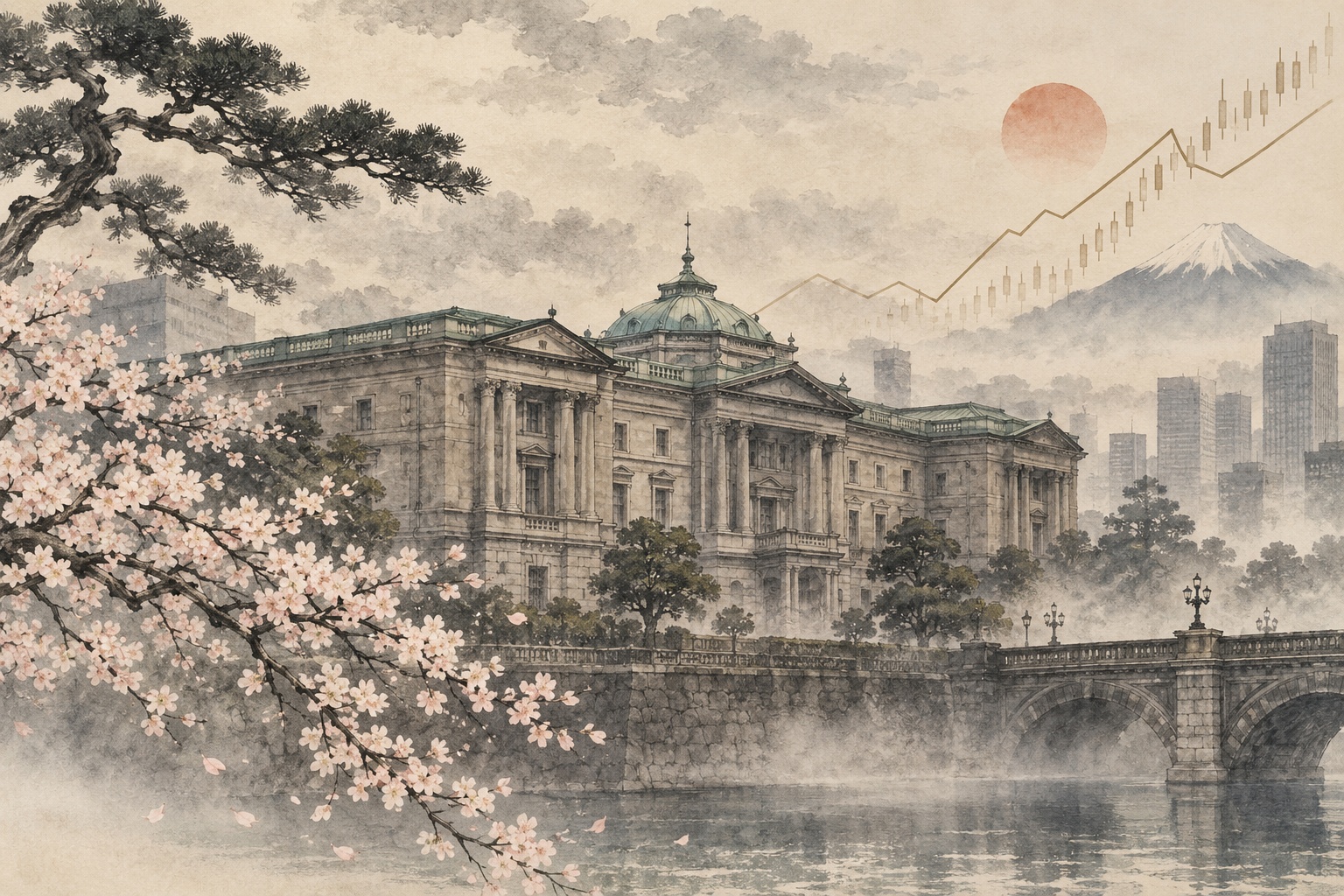
What a 1.25% BOJ Policy Rate Would Mean for Japan
The policy rate is still 1.0%. But with the September 17–18 meeting approaching, markets are focused on a possible move to 1.25%. Here is how another quarter point could reach mortgages, deposits, companies, banks, the yen and Japan’s public finances.
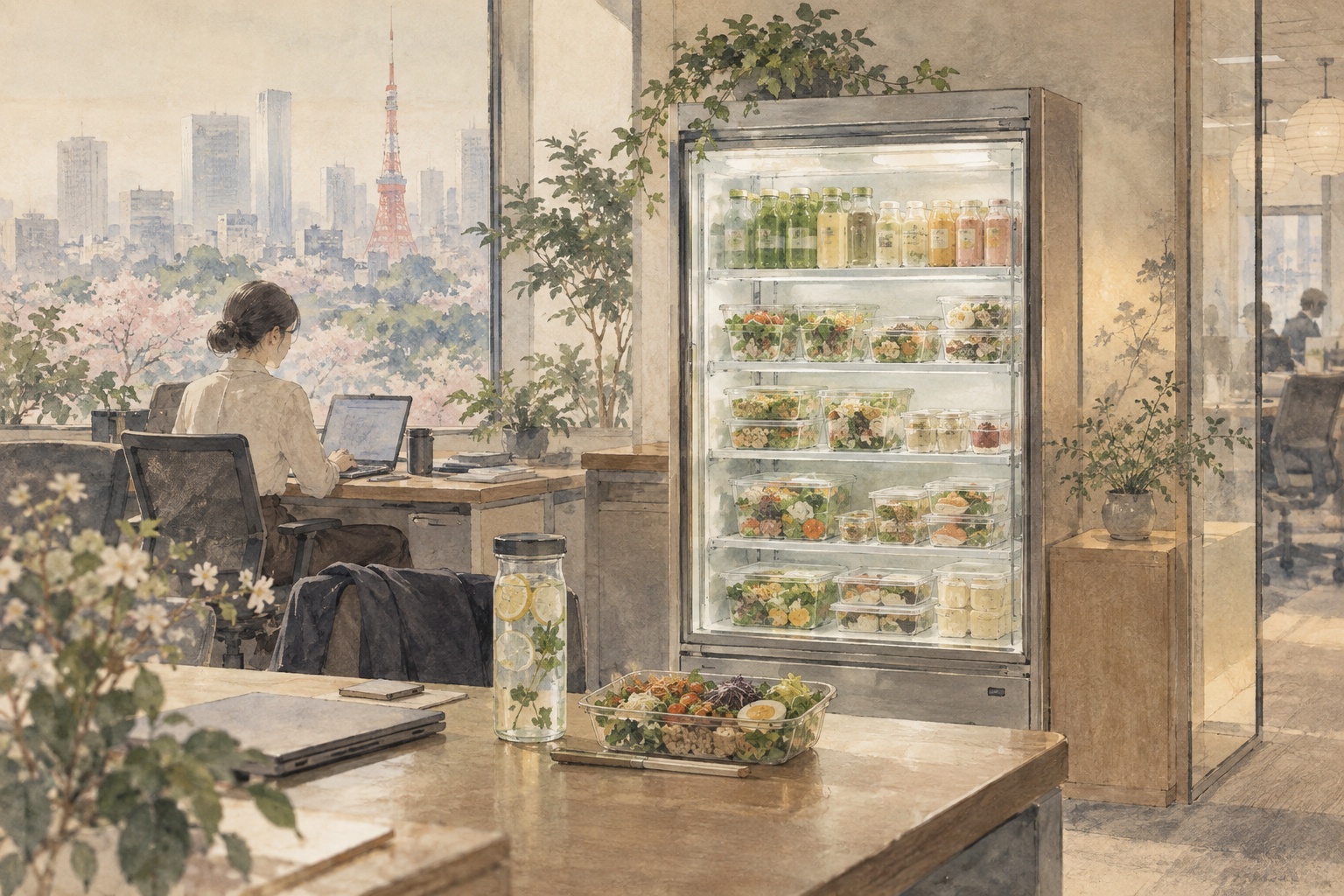
From Office Fridges to the Tokyo Stock Exchange: KOMPEITO’s Twelve-Year Bet on Workplace Food
KOMPEITO began with agricultural distribution, tried e-commerce and a neighborhood greengrocer, and found its business by bringing food into offices. Now OFFICE DE YASAI serves more than 6,600 companies — and its operator is a public company.
SCIENCE & TECHNOLOGY
Ryugu, immunity and AI for fish researchRyugu’s Ancient Clock Points to the Solar System’s First Two Million Years
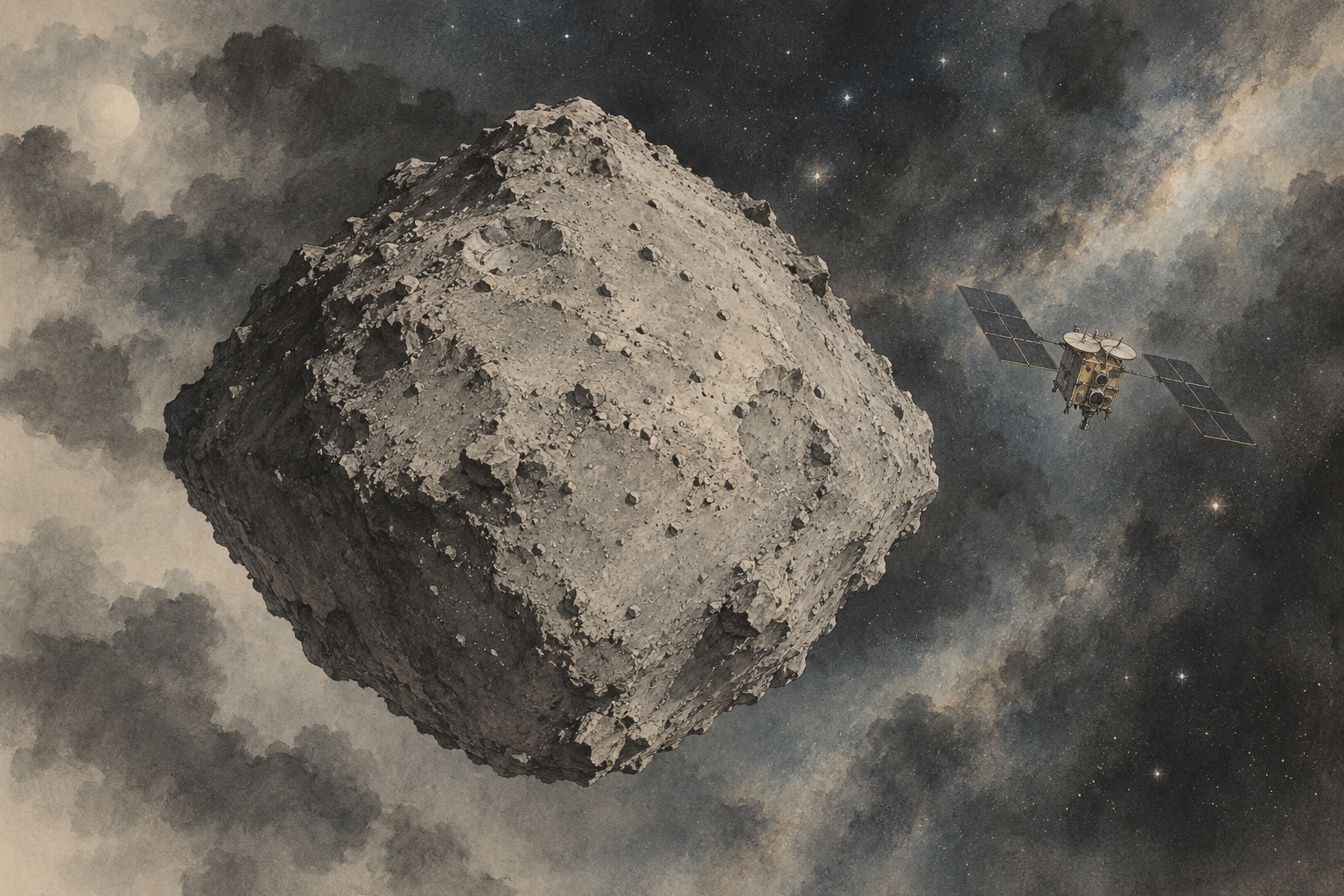
A carbonate crystal brought home by Hayabusa2 acts as both a clock and a thermometer. The new research does not simply assign an age to today’s asteroid — it reconstructs a sequence showing that Ryugu’s ancestral carbon-rich world already existed within the Solar System’s first two million years.
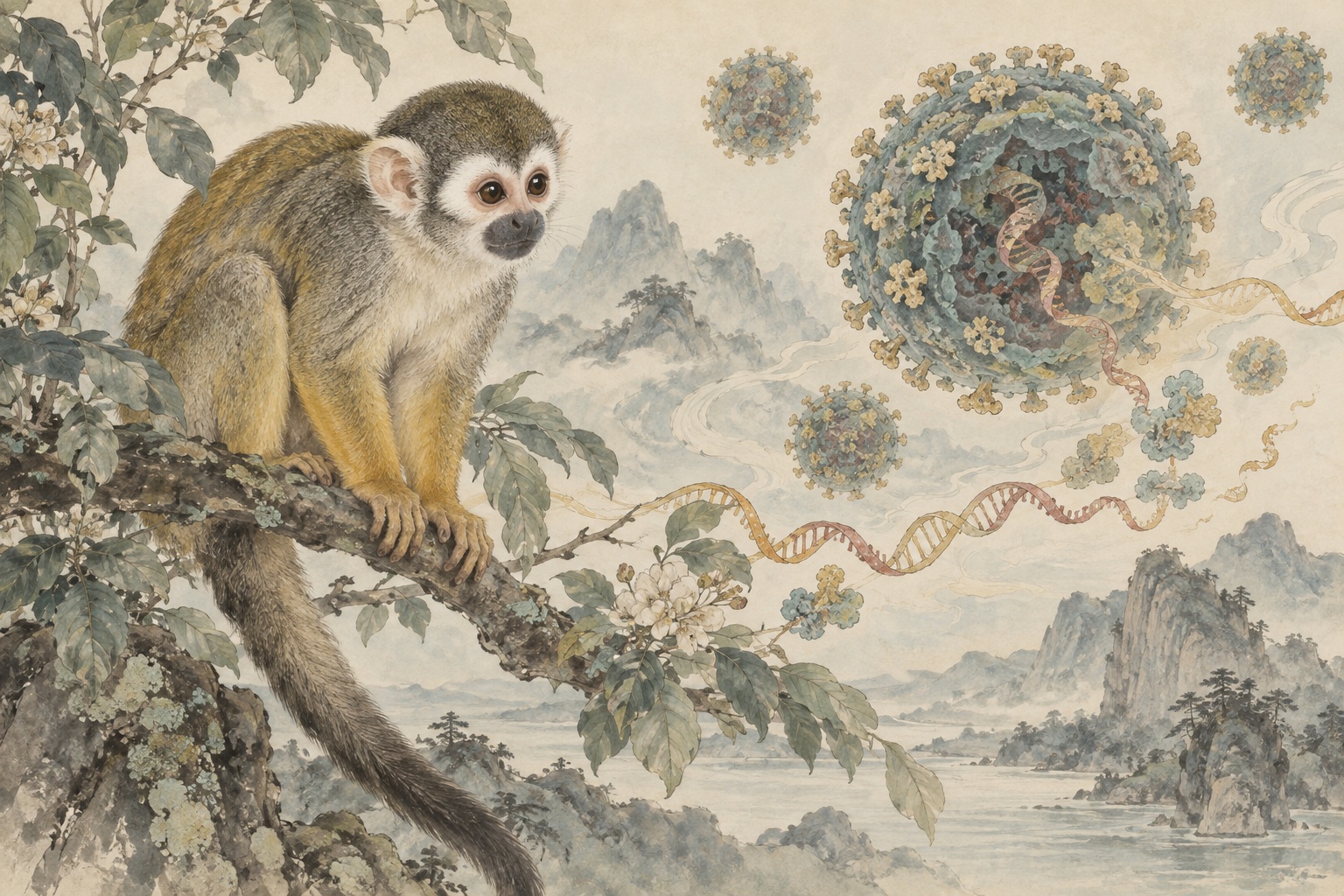
A Squirrel Monkey Virus Carries an Immune Look-Alike With a Puzzling Primate History
S9 is 60.6% identical to human HLA-A across most of the protein and has a predicted MHC-I-like architecture. Yet its evolutionary signal points not toward the virus’s New World monkey host, but toward Old World monkey MHC-I sequences. The evidence is striking; the mechanism remains unresolved.
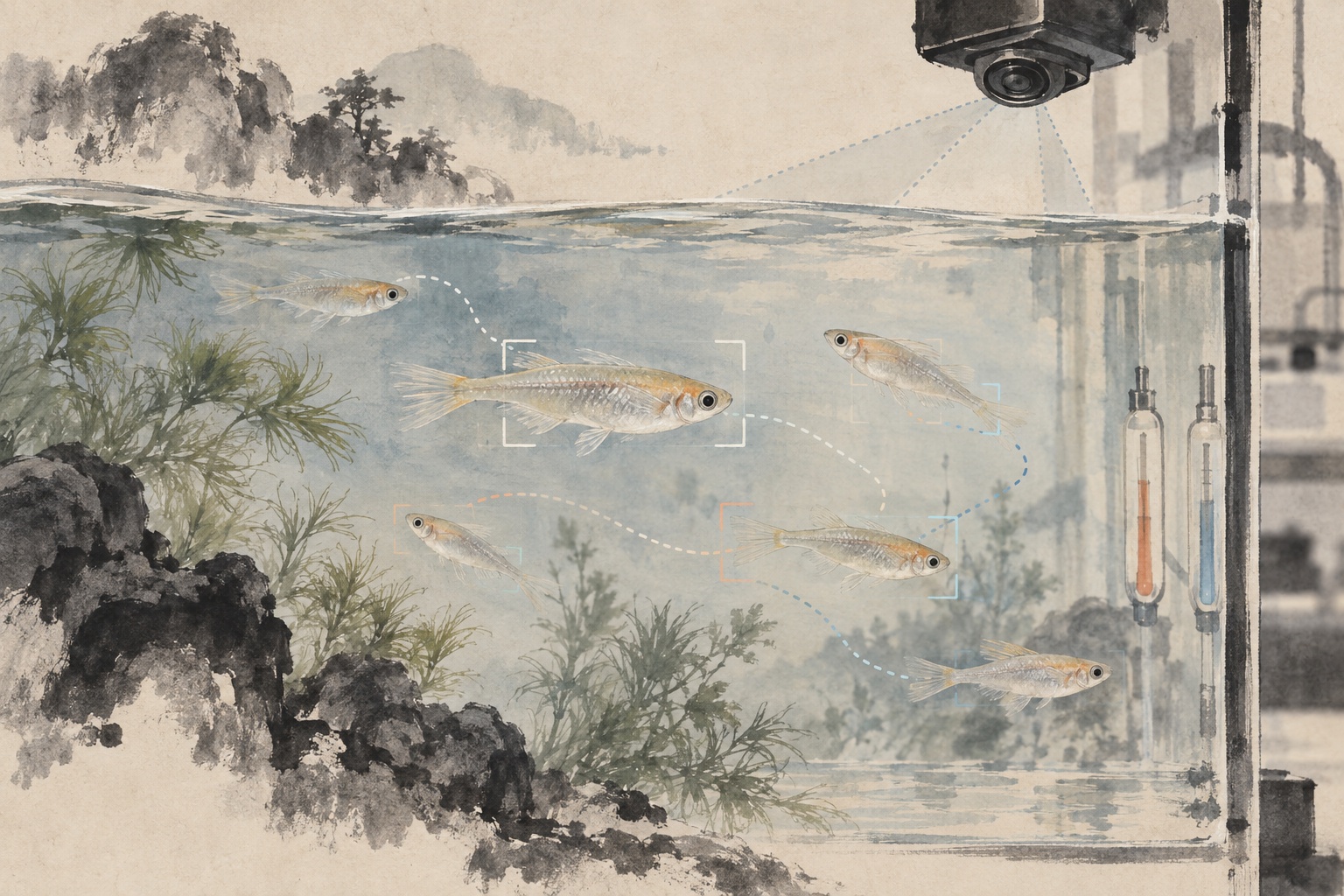
When a Fish Loses Its Balance, AI Marks the Moment — and Reveals Hidden Thermal Differences in Medaka
DeepLabCut and image-classification AI automate the loss-of-equilibrium endpoint that fish researchers have traditionally scored by eye. Applied to six medaka strains and related species, the system shows that whole-animal thermal tolerance is more complicated than a simple “northern fish tolerate cold better” rule.
COMMUNITIES
Waterfronts, shipboard medicine and isolated communities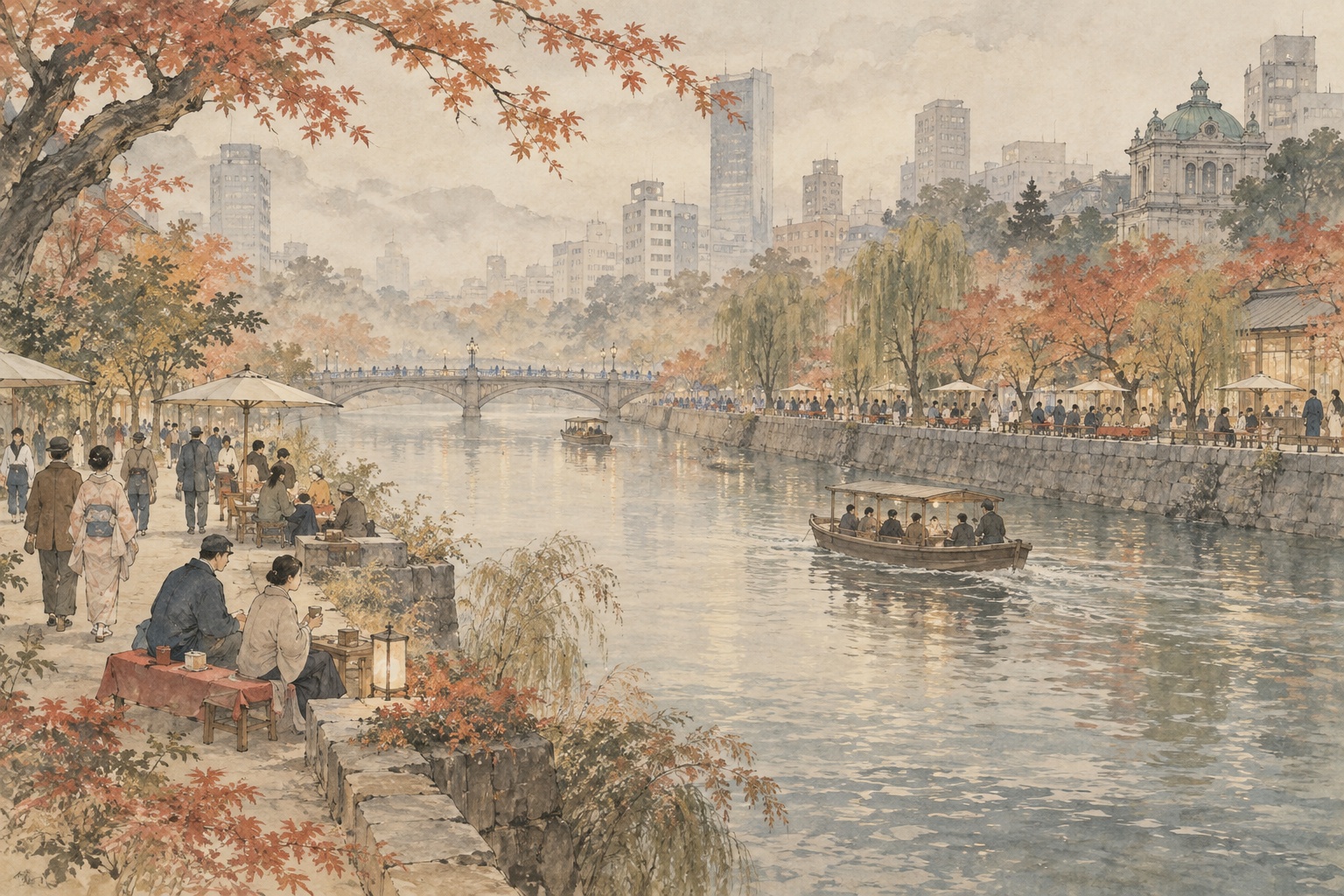
Can Osaka Turn the Space Beneath an Expressway Back Into Everyday Waterfront?
Osaka’s oldest canal has served as castle moat, freight route, expressway corridor and flood-defense system. The next challenge is to keep all of those layers while restoring something the twentieth century largely removed: a reason for people to face the water and stay.
Japan’s First Real-World Shipboard Medical Mission Leaves a Blueprint After the Kumamoto Earthquake
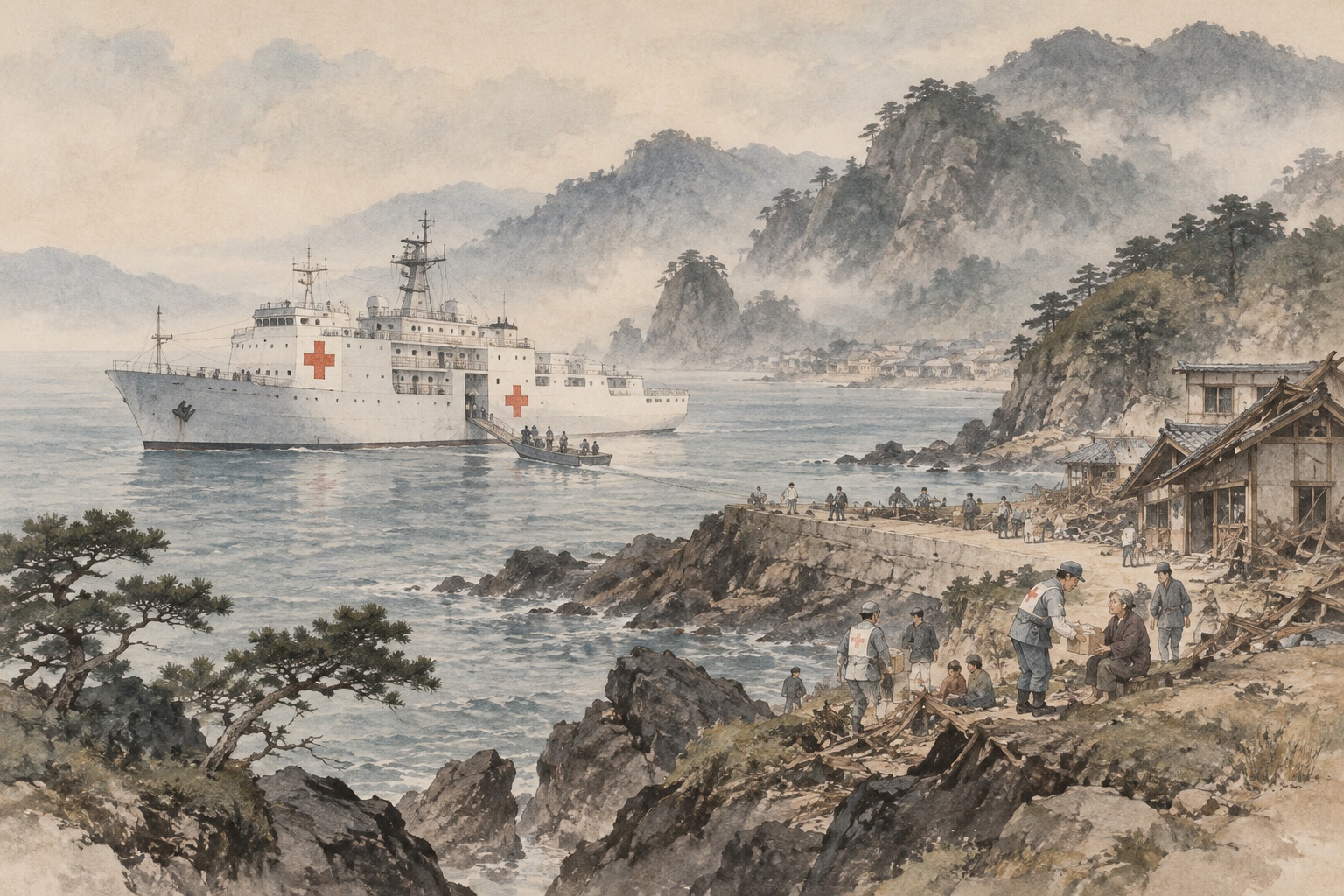
JMAT teams joined a large ferry already providing bathing and accommodation, using the ship for health checks, mild cases and referrals back into local medicine. It was not a floating surgical hospital — and that may be exactly why the model matters.
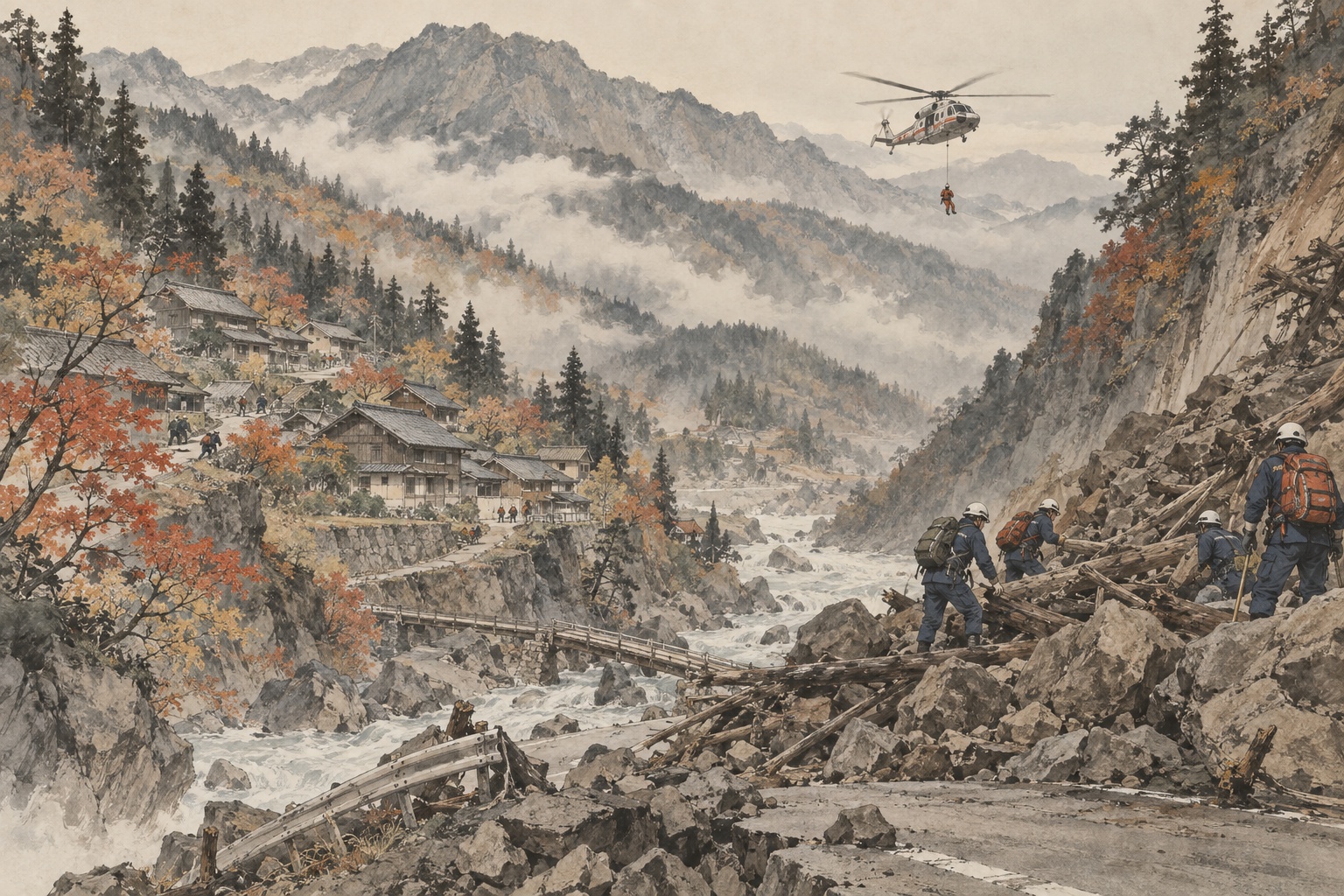
When the Road and the Phone Both Fail: Japan Trains for Communities Cut Off After Disaster
Isolation planning is not only about clearing a road or sending a helicopter. It is about knowing who remains, what they need, how they communicate and where supplies can arrive before the normal network returns.
SPORTS
Volleyball, National Sports Games and junior tennis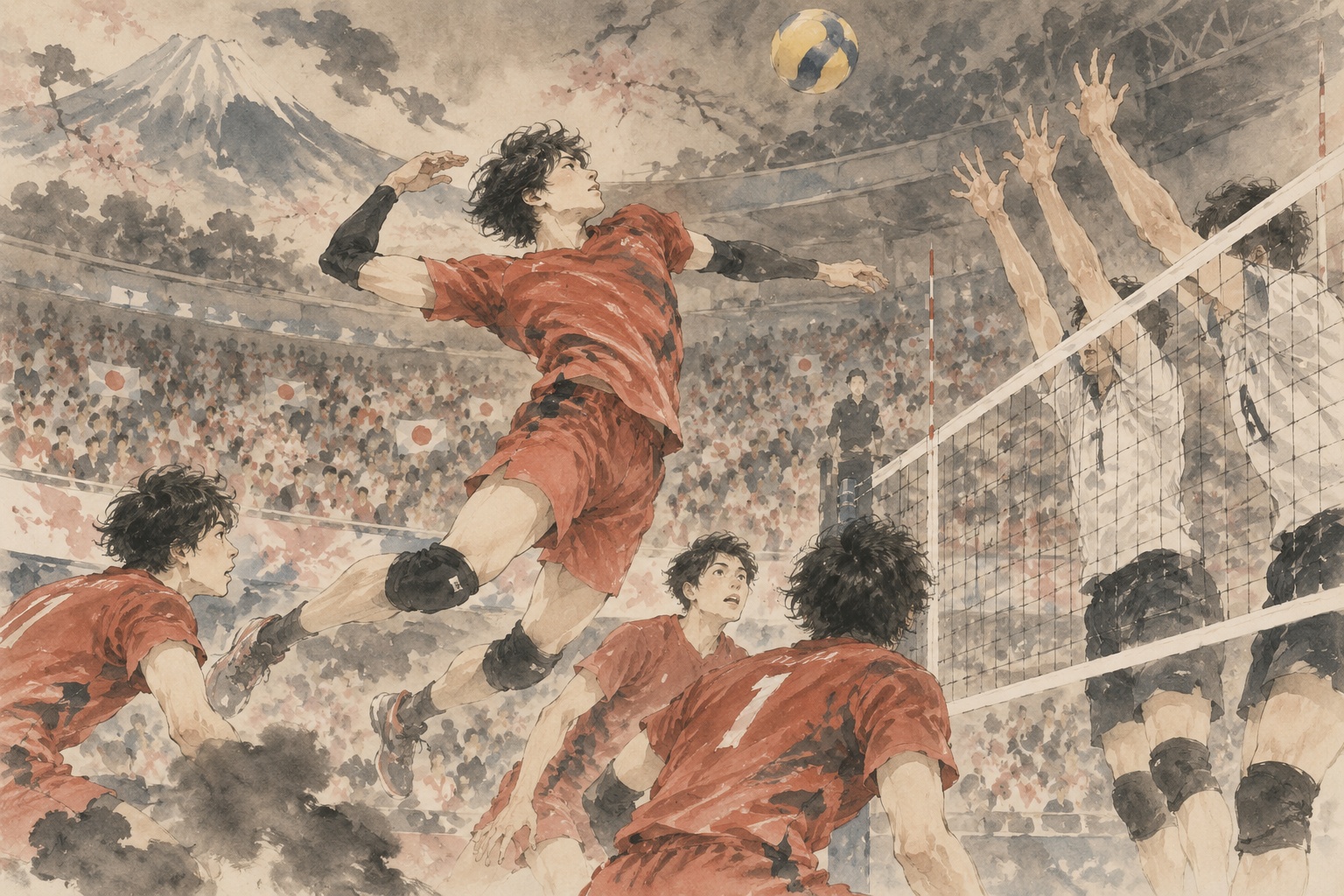
One Win From Los Angeles: Japan and Iran Meet Again With an Olympic Ticket at Stake
Japan swept Korea 25–13, 25–11, 25–14 to reach the final. Beat Iran, and Japan takes the Asian title and the Los Angeles 2028 Olympic berth on the same night. The matchup is also the third consecutive Asian Championship final between the two countries.
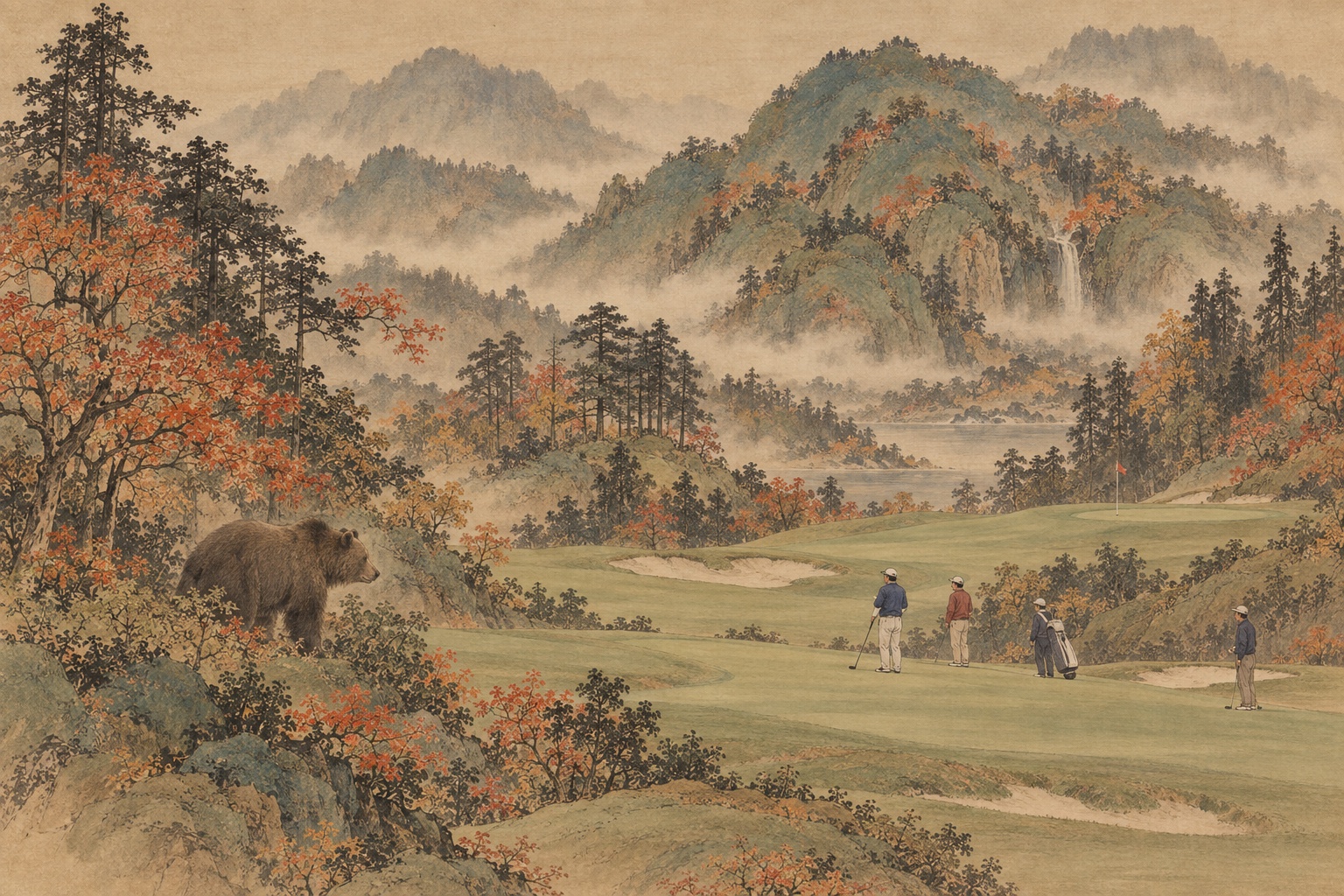
Bears on the Course End a National Sports Festival Golf Championship After One Round
The junior boys were scheduled to play 36 holes over two days. Two bear sightings ended the second round instead. Amuro Yoshiyuki of Hiroshima won at 67, Hiroshima won the team event at 207, and Aomori’s wildlife warning became part of the story of a national championship.
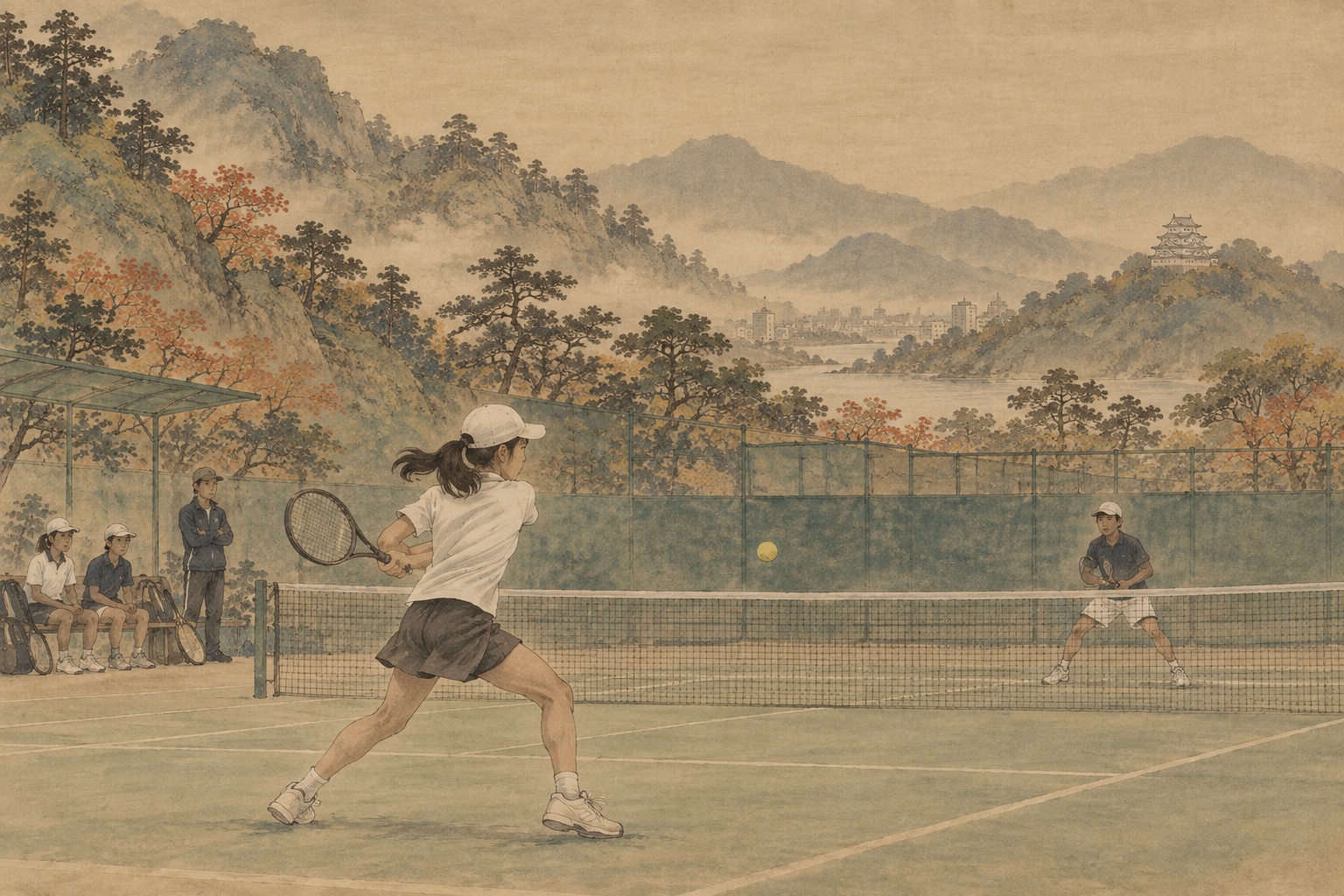
From Miki to the World: Japan Open Junior Puts the Next Generation on an International Track
Only four players from each 32-player qualifying field reach the singles main draw. J200 Miki is one of Japan’s highest-level ITF junior events — a place where ranking points, international experience and access to the next tournament are all part of the same week.
CULTURE & CRAFT
Urushi, traditional kōgei and Fukuoka performance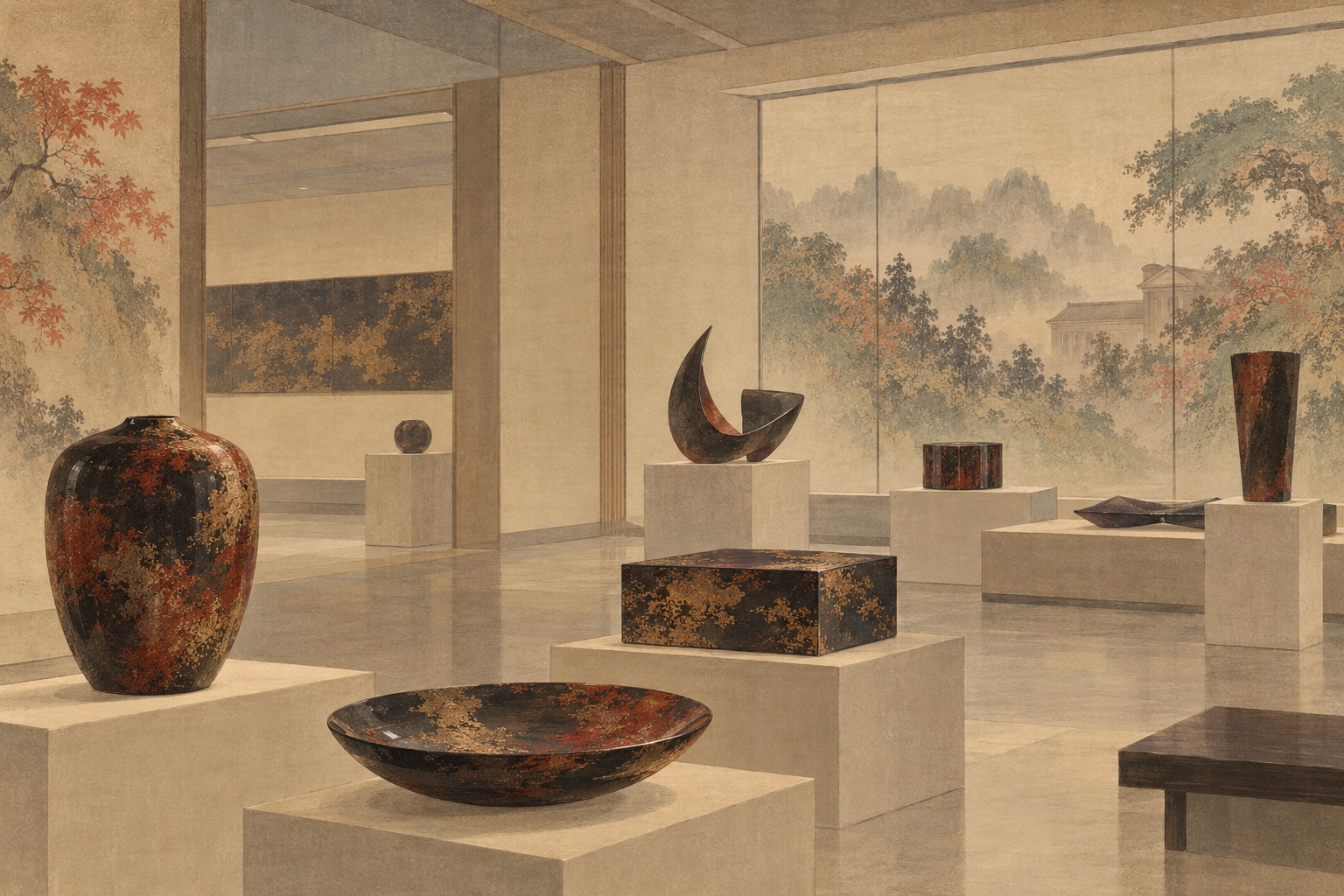
Twenty Years of Urushi no Katachi: Tokyo Geidai Shows How Lacquer Tradition Keeps Changing
The research exhibition begun in 2007 reaches its 20th year. A lacquer program whose roots go back to 1889 still teaches kyushitsu, maki-e, raden and kanshitsu — but refuses to confine those techniques to historical forms. Emeritus professors, current faculty and international graduate students answer the same material in different ways.
Tradition Is Supposed to Move: What the 73rd Japan Traditional Kōgei Exhibition Means by Keeping Craft Alive
From 1,071 public entries, 521 works were selected; new work by Living National Treasures brings the Tokyo presentation to roughly 550 pieces. What the show protects is not one old look, but a system for using inherited skill to make forms that belong to the present.
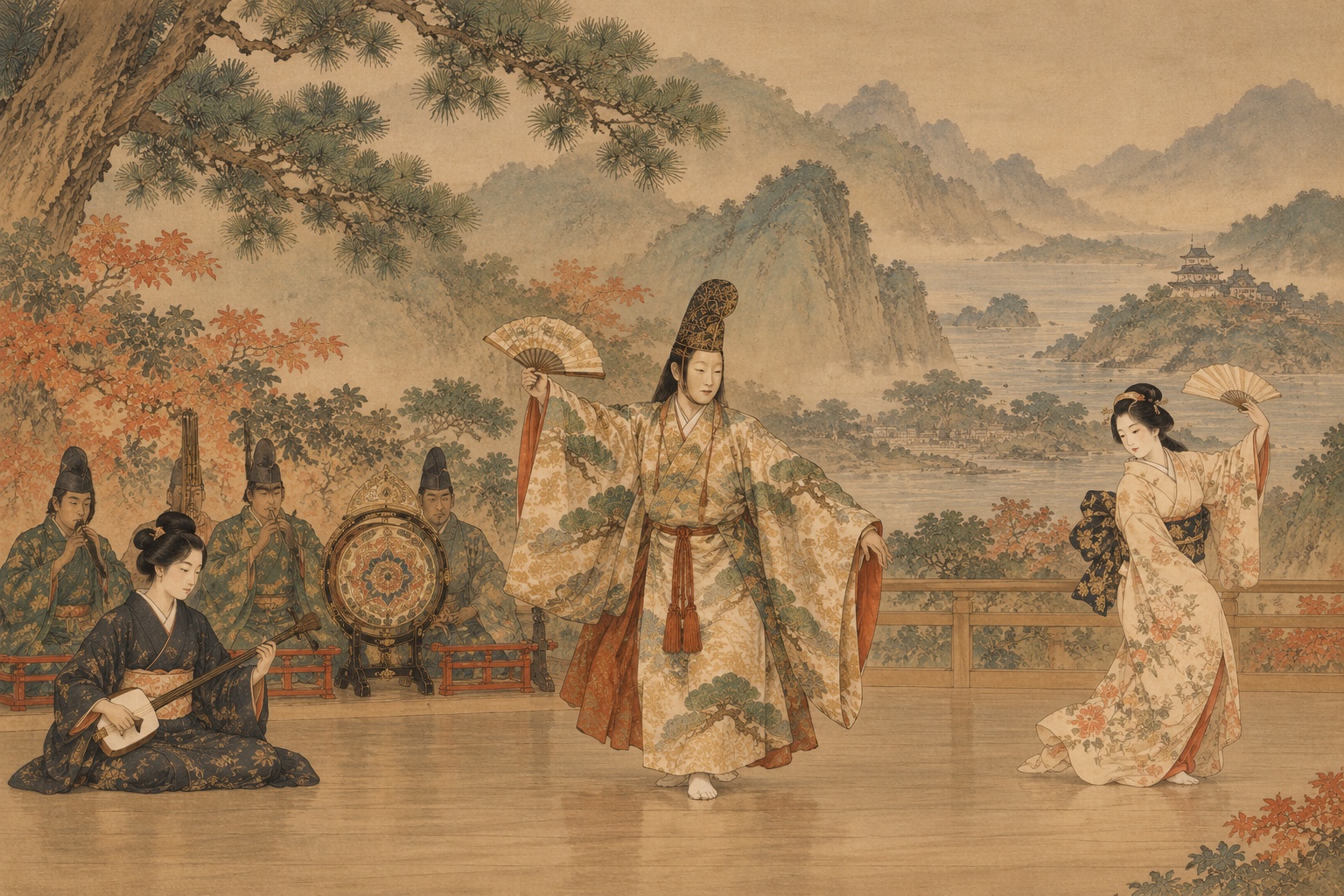
Eight Traditions, One Noh Stage: FUKUGEI Connects Fukuoka’s Performing Past to the Present
Noh, Japanese dance, Chikuzen biwa, shigin, gagaku, kagura, shamisen and rakugo enter the same theater without being flattened into one “traditional” style. At its 40th anniversary, Ohori Park Noh Theater is testing both transmission and access.
Tani Bunchō Finds Silence in an Autumn Valley
Mountains, mist, waterfall, an open gate and a scholar's retreat. Kameda Bōsai's poem makes the 1821 landscape audible — and turns Bunchō's valley into a meditation on what it means to step outside the noise of the world without leaving human companionship behind.
Read the art essay →Tani Bunchō, Quiet Residence in an Autumn Valley, with inscription by Kameda Bōsai, 1821. Ink and color on silk. The Metropolitan Museum of Art, Mary and Cheney Cowles Collection, Gift of Mary and Cheney Cowles, 2024. Public Domain. Artwork source
Six Selected From the September 13 Edition
Aichi stories worth carrying into Monday
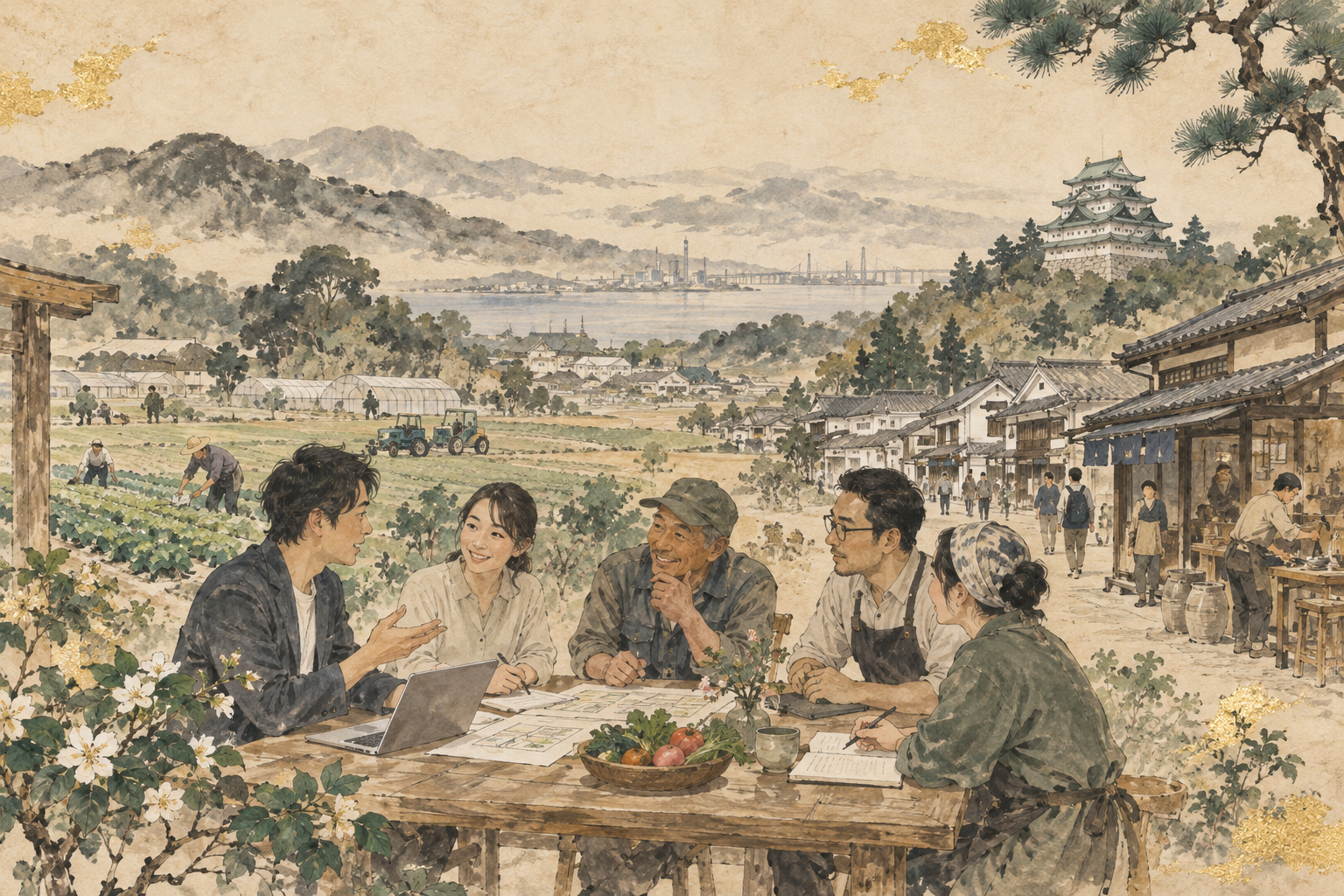
Turning Nagoya’s Startup Cluster Toward Regional Problems
Aichi’s Connect program links startups with local governments and support organizations. The deeper question is how an industrial region built from textiles to automobiles can turn local problems into durable businesses.
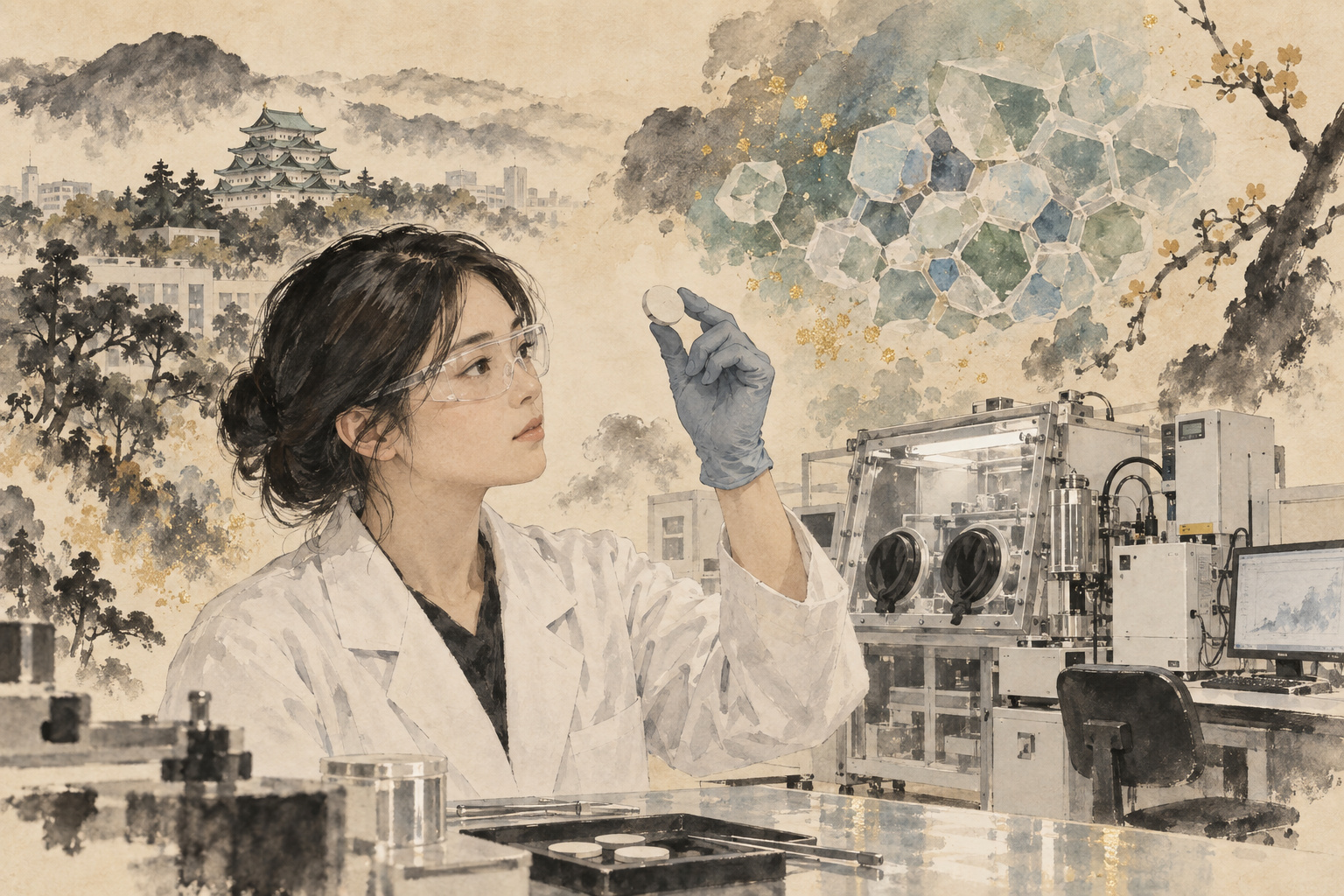
Tiny Motion Inside a Solid Could Widen the Path to Safer Batteries
Nagoya University researchers measured unusually mobile ions in an oxyfluoride single crystal. The result widens the materials map for solid electrolytes while leaving the harder engineering questions of practical batteries still ahead.
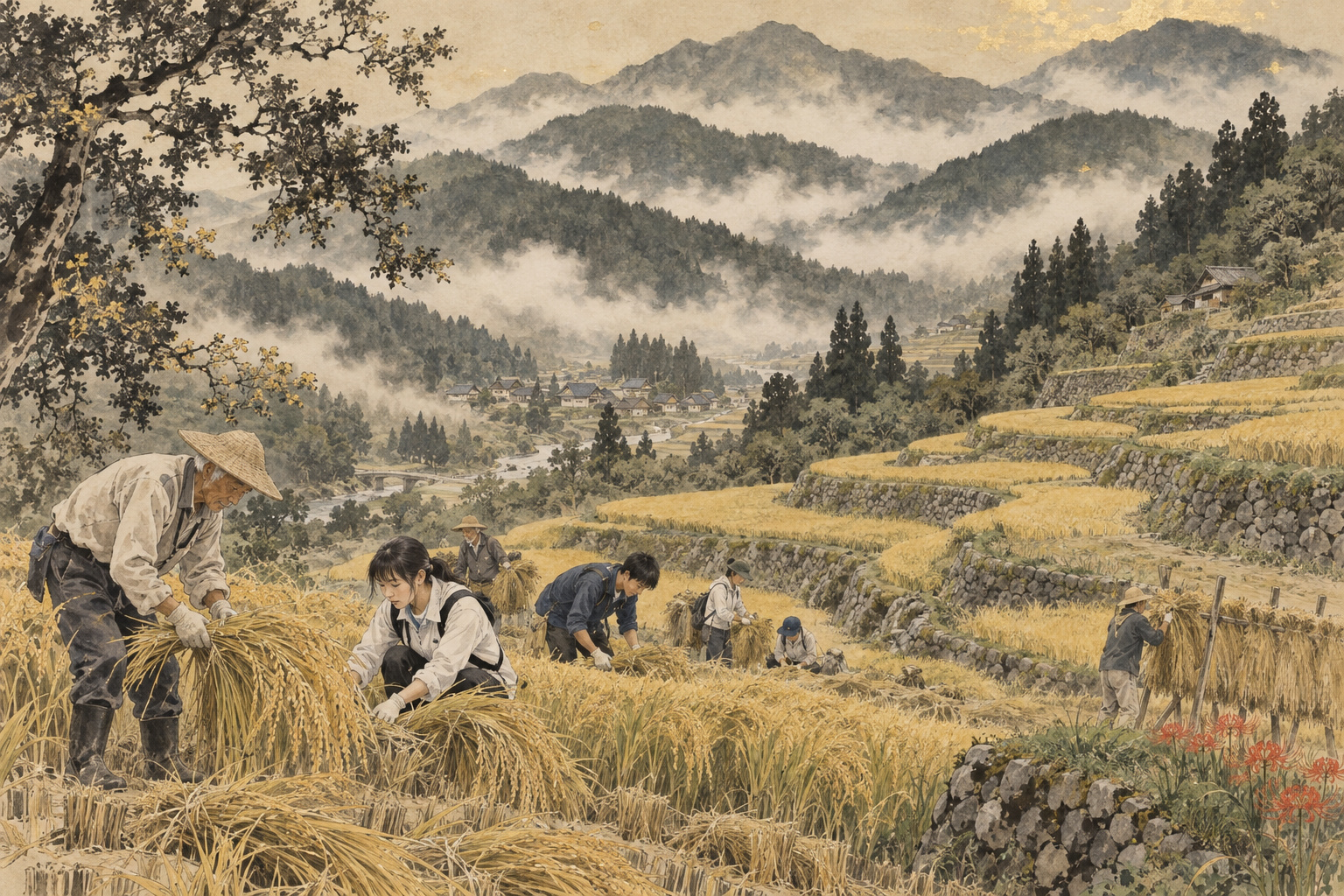
Who Will Keep Farming Yotsuya’s Rice Terraces?
Mowing, irrigation channels and wildlife damage are part of the daily work behind Shinshiro’s terraced landscape. Students are joining local residents in the practical question of how that labor can be passed on.
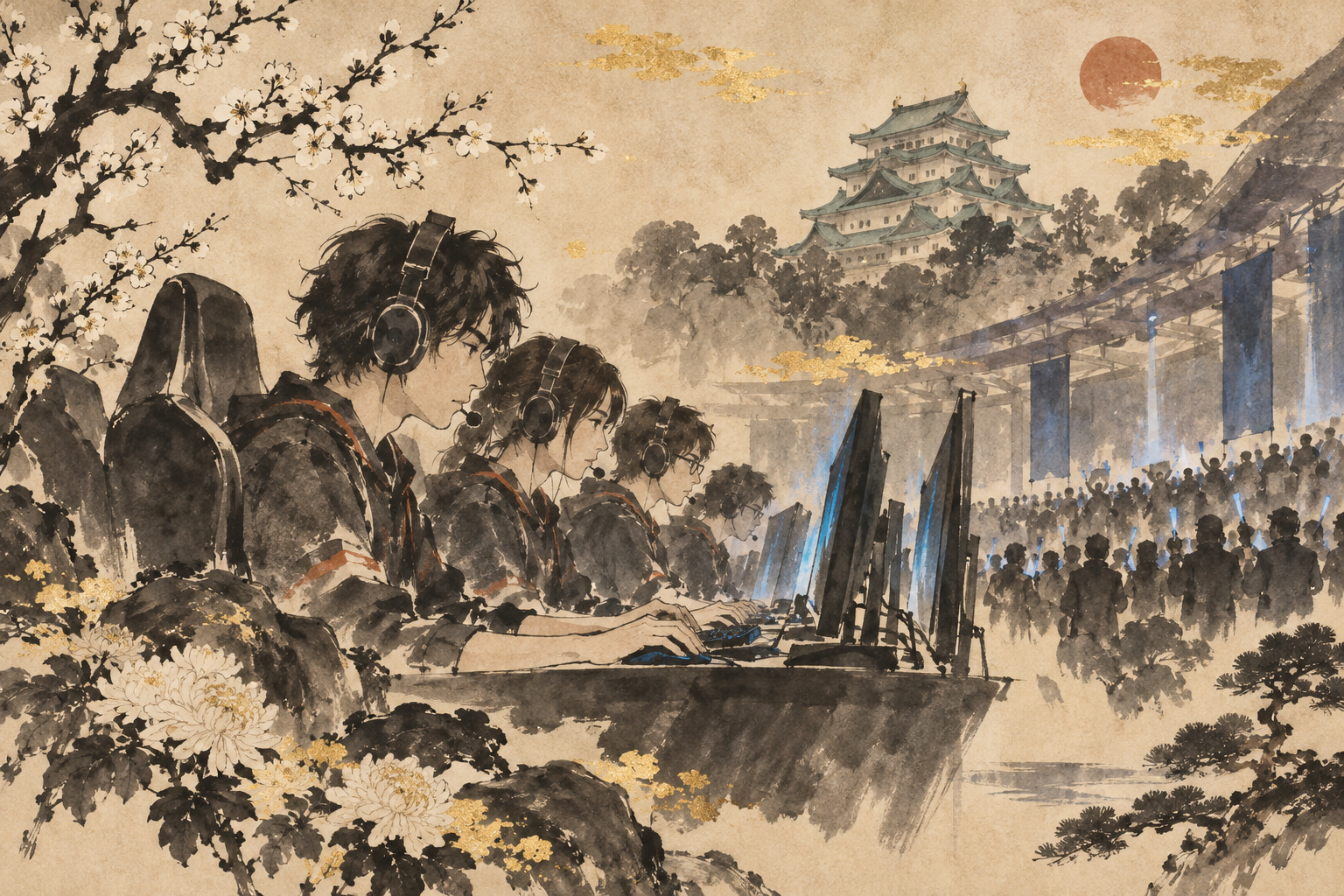
Watching the Asian Games Through Screens in Tokoname
Esports arrives in Tokoname with 11 disciplines, 13 medal titles and 25 Japanese representatives. The story traces its path from demonstration event to full Asian Games medal sport and explains what first-time spectators will be watching.
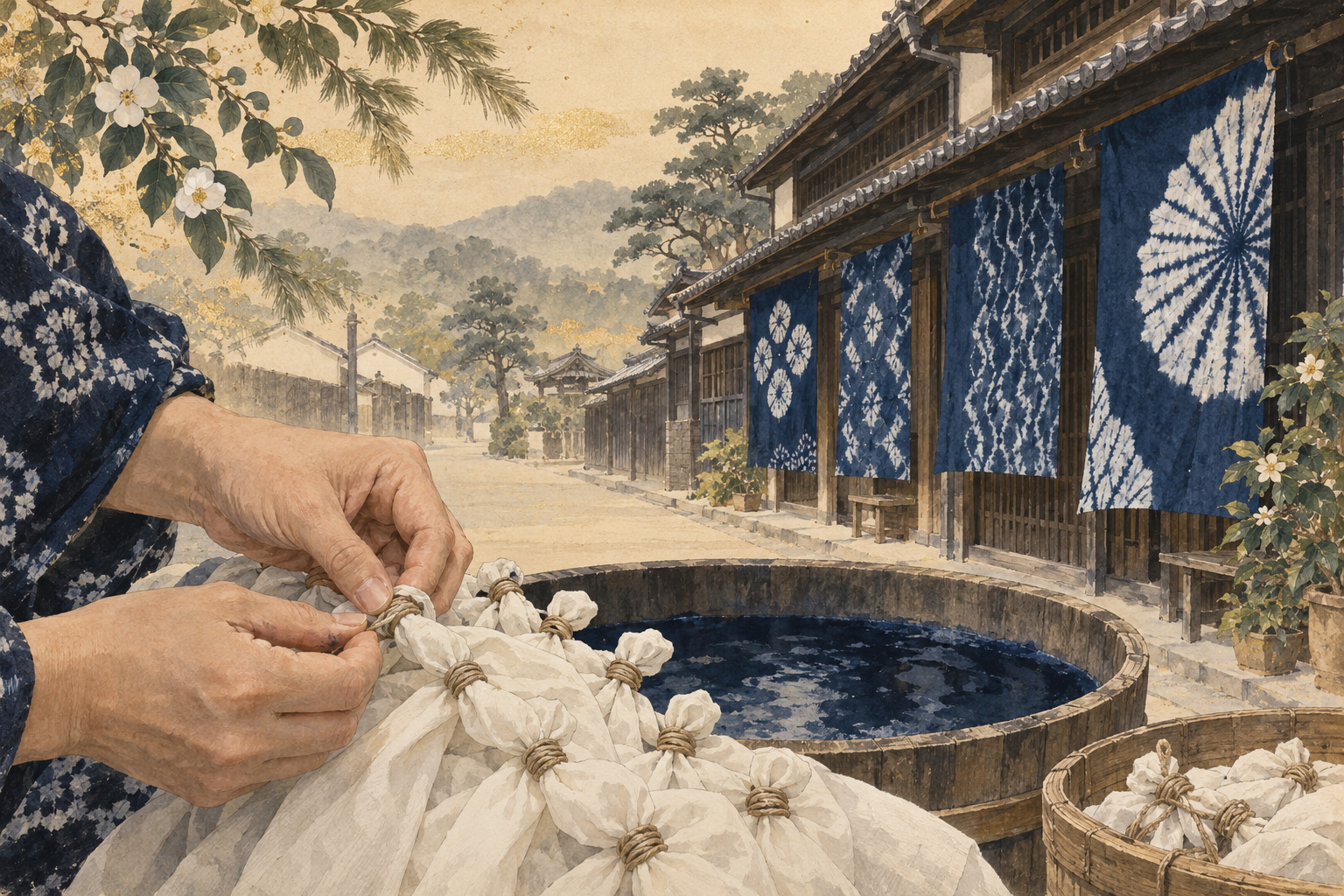
Four Hundred Years Tied by Hand: Arimatsu Shibori Along the Tōkaidō
From travelers’ souvenirs to specialized division of labor and today’s workshops, Arimatsu’s tied-dye tradition has survived by changing its business without abandoning the handwork behind the pattern.
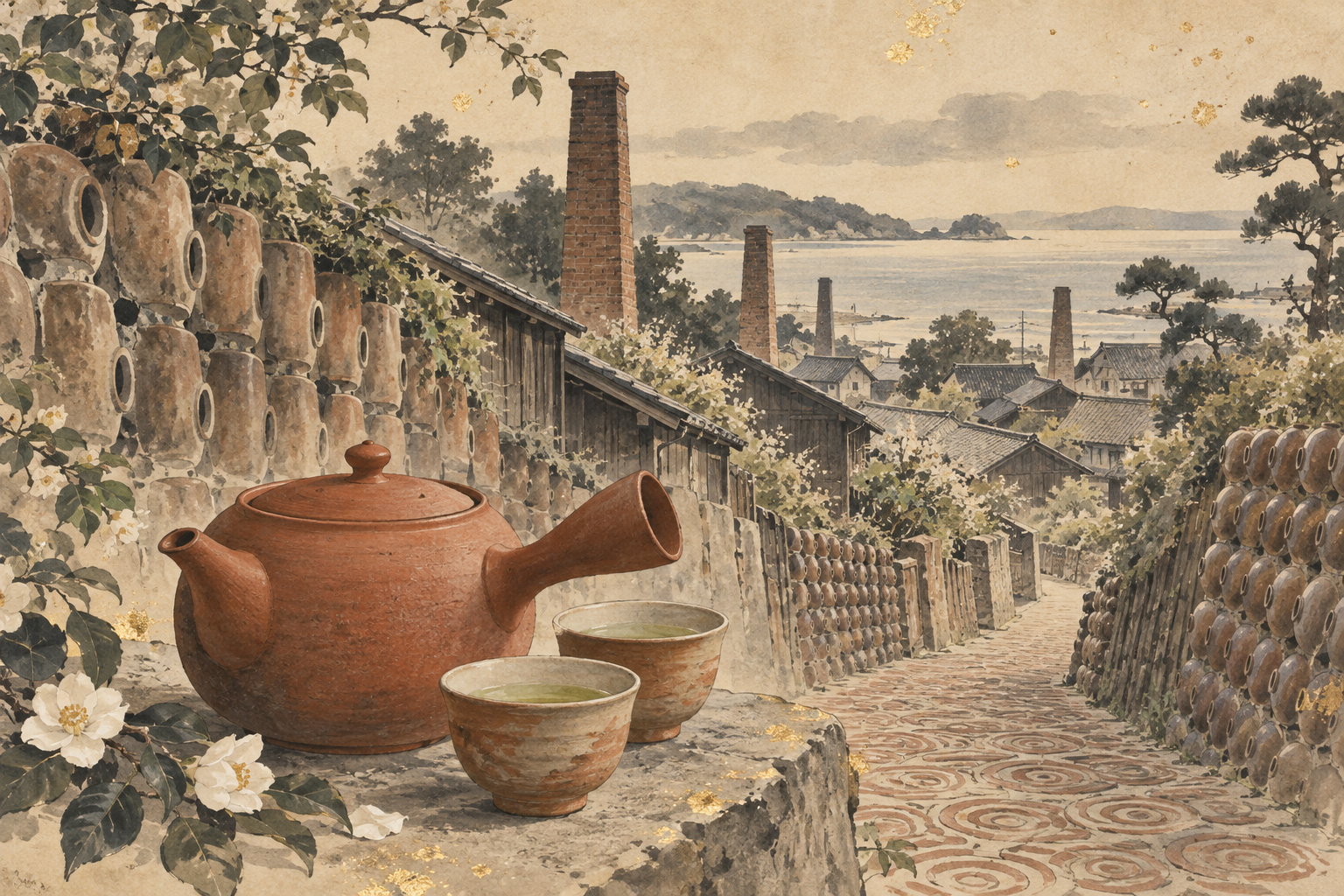
A Thousand Years of Tokoname Seen Through a Teapot
Follow a small red-clay teapot backward and Tokoname opens into a thousand-year pottery story — sea-borne jars, industrial pipes, kilns and workshops trying to train the next generation.
The 15 September 14 news images are AI-generated editorial illustrations inspired by Tani Bunchō and are not documentary photographs. Today’s Art Choice uses the museum’s Public Domain image. Carryover stories retain their existing editorial images.
