One prefecture. A whole Sunday. We begin in Aichi.
This is the first of our Sunday prefecture editions. Each week, 15 stories will explore one prefecture through its businesses, research, communities, sport and craft. We begin in Aichi, from the workshops of Bishū to the rice terraces of Shinshiro and the waters of Ise Bay, with Nagoya-born Yamamoto Baiitsu as our art companion.
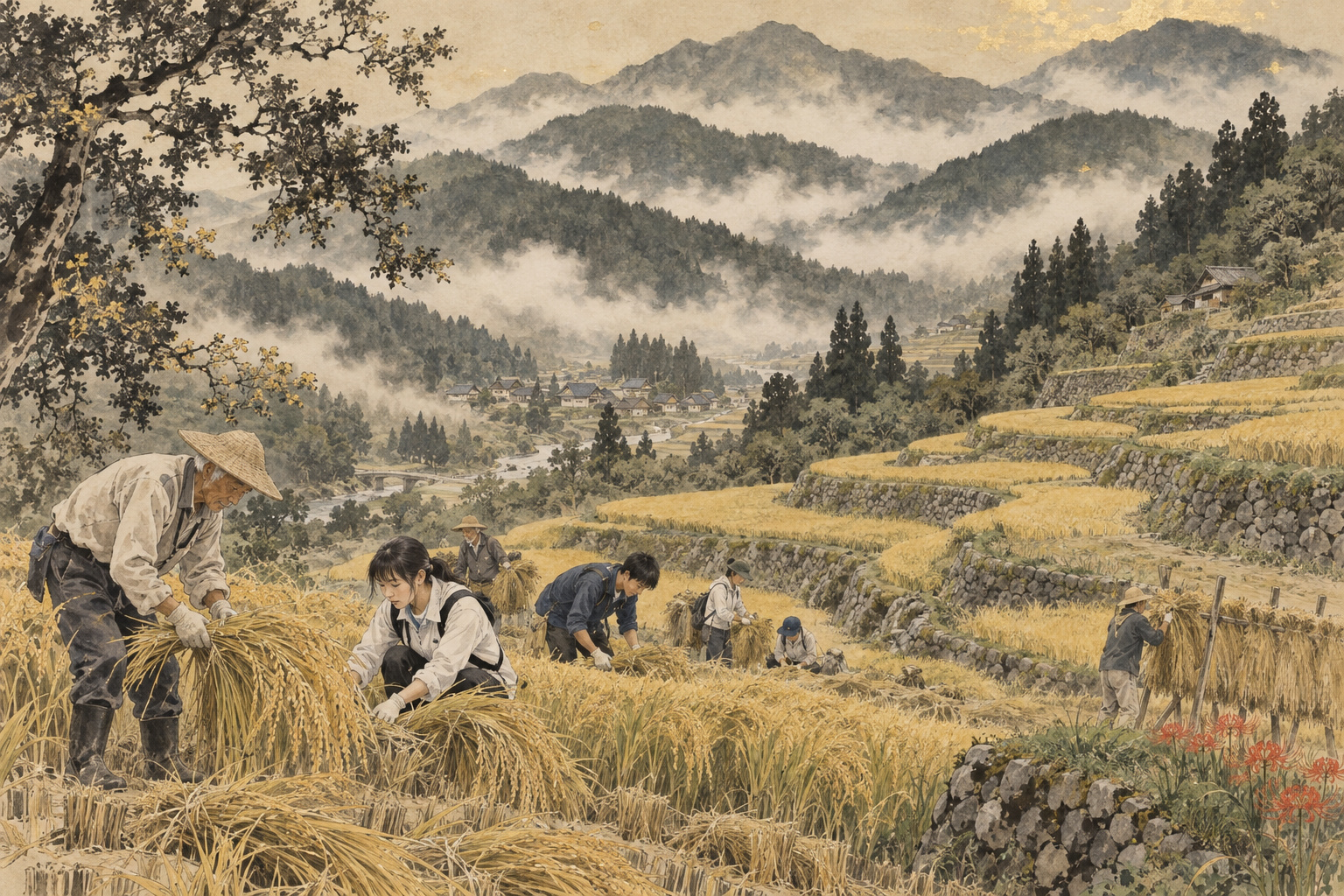
Who Will Keep Farming Aichi’s Thousand Rice Terraces?
A university project is joining decades of local conservation at Yotsuya. Behind the celebrated view lies a harder question: how to sustain the work, knowledge and relationships that keep the paddies farmed.
Read the full report →Shinshiro · Sunday, September 13 edition
Four Ways into Aichi
Startups, wool, the Games and pottery
Business & Economy
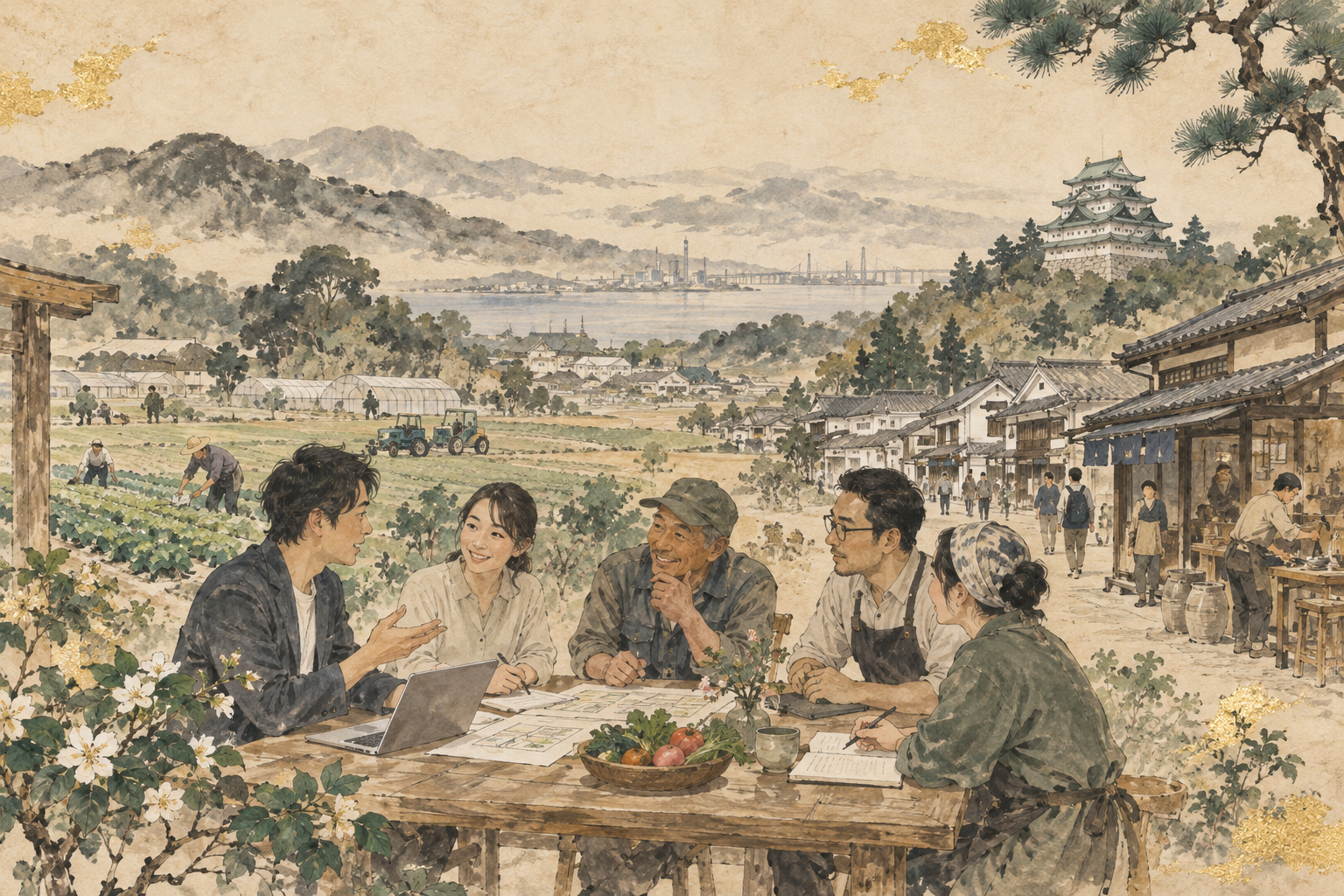
Startups, flower growers and Bishū woolAichi Wants Startups to Solve Problems Beyond Central Nagoya
The Connect course seeks to turn regional relationships into practical businesses. Aichi’s industrial history helps explain the ambition—and why introductions are only the beginning.
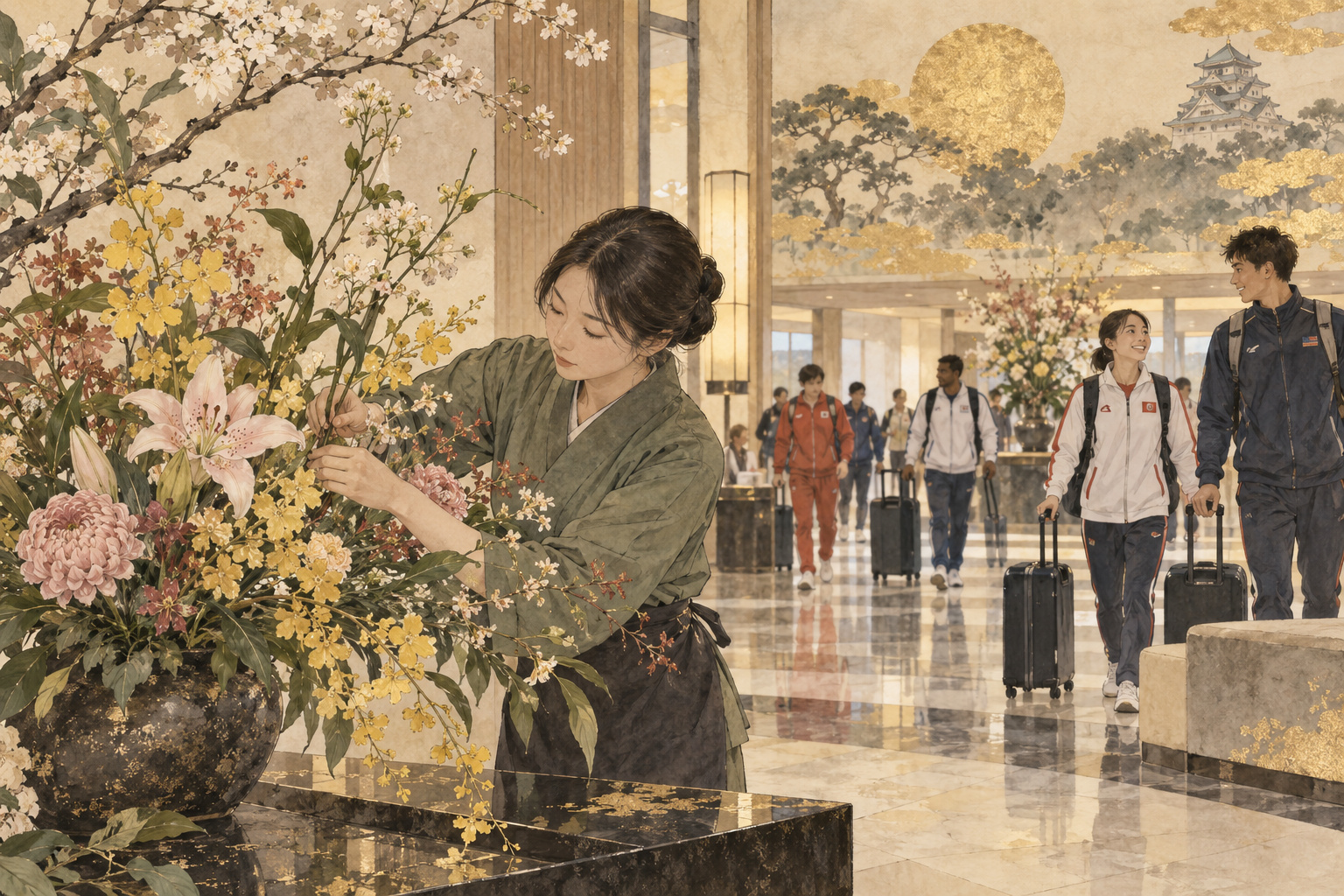
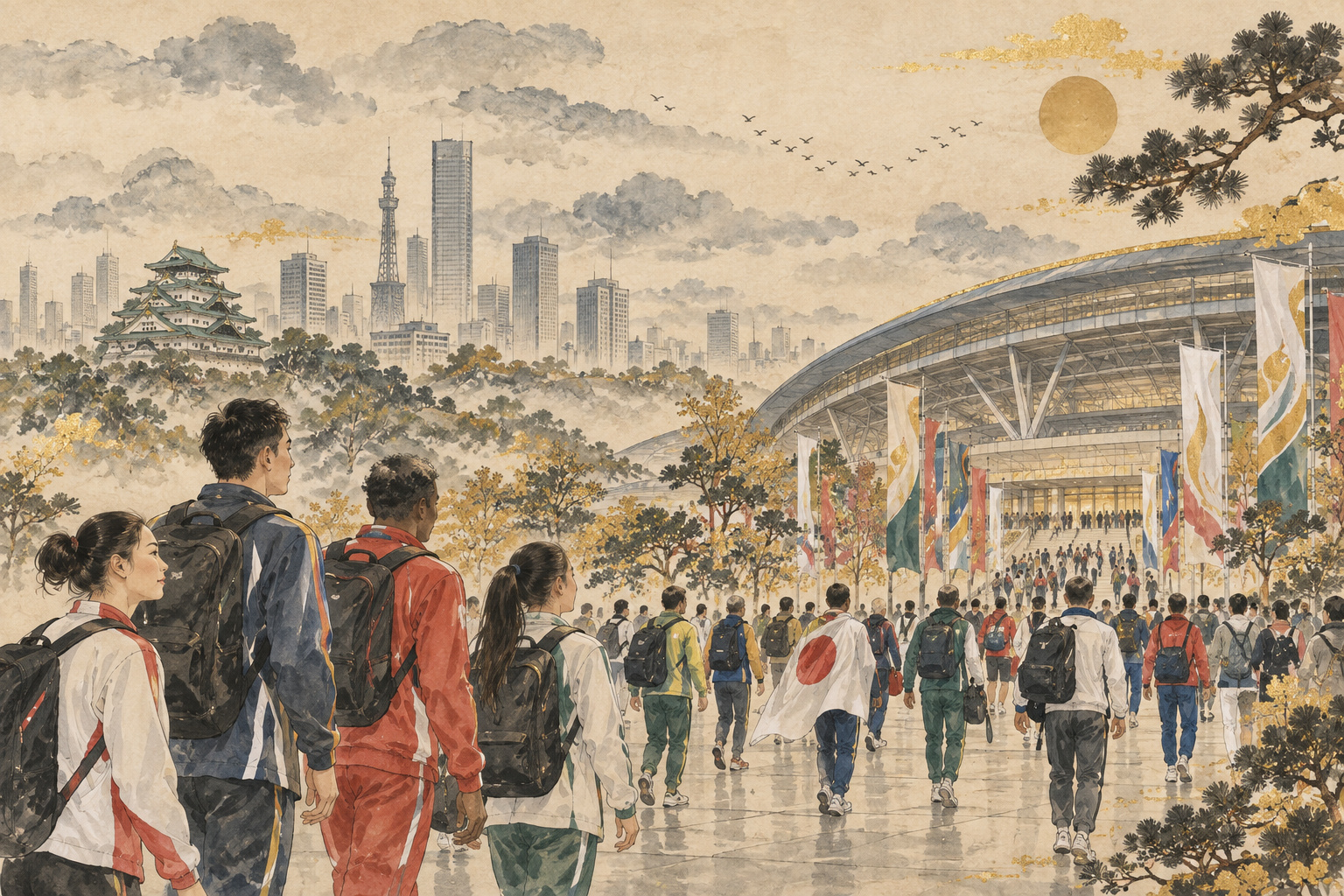
The Flowers Welcoming Asia’s Athletes Come from Aichi’s Growers
Behind the planned floral welcome at Nagoya Port is a major growing industry shaped by postwar expansion, carefully timed flowering and the search for new everyday demand.
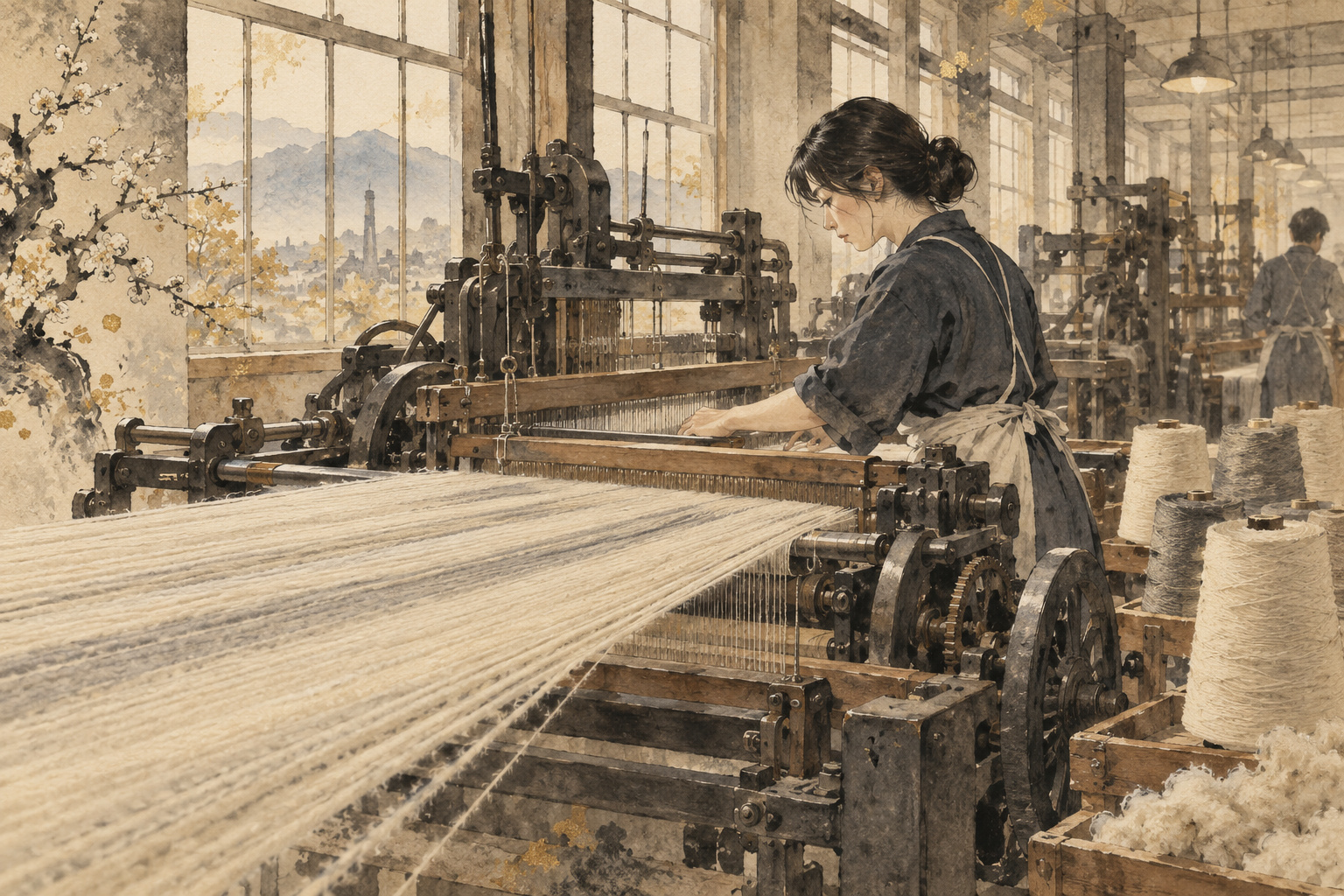
Inside Ichinomiya’s Old Looms, a Modern Luxury Fabric Business
Kuzuri Keori’s Schönherr looms reveal a business built on fabric character, preparation and regional expertise—and a textile industry already planning the seasons ahead.
Science & Technology
Battery materials, structural testing and aviation fuel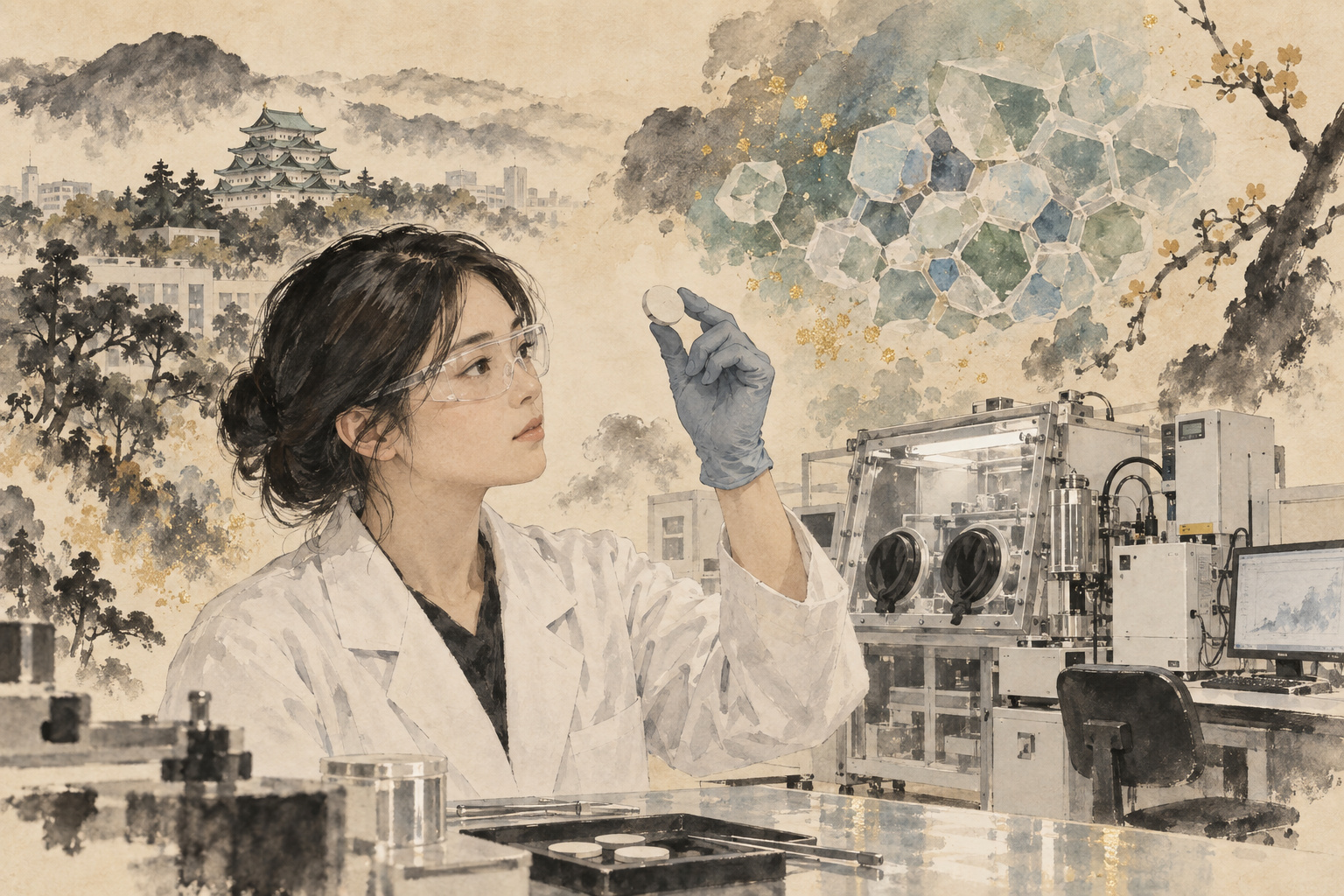
Nagoya Researchers Advance a Material That Could Make Batteries Safer
A highly conducting oxyfluoride crystal advances Japan’s search for better solid electrolytes. The result illuminates atomic motion while leaving important questions for the finished battery.
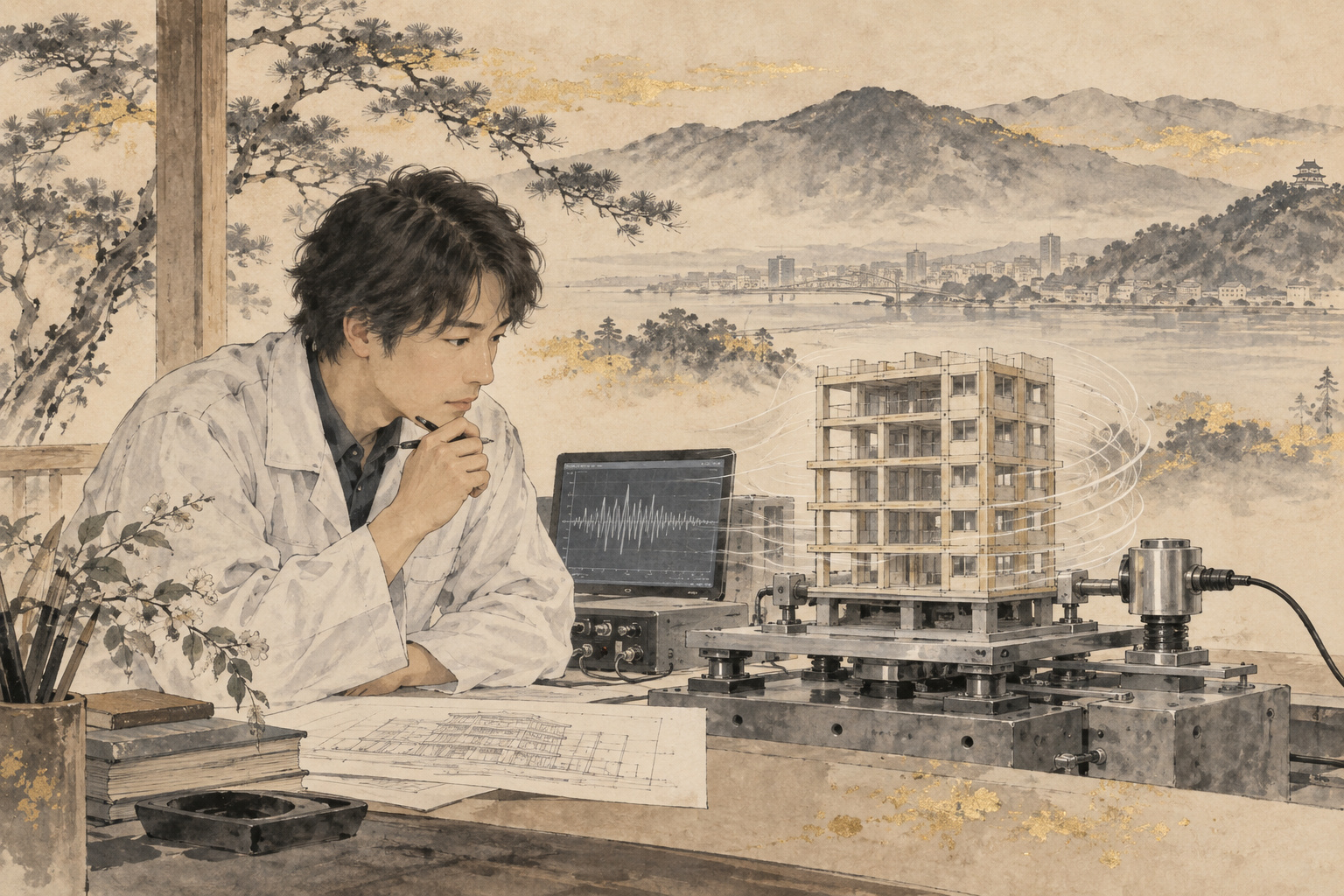
Could One Force Sensor Help Reveal a Building’s Hidden Weaknesses?
Toyohashi researchers use the force from an inertial shaker to investigate structural change. Their 2025 study suggests a simpler diagnostic approach—and sets a clear challenge for testing in real buildings.
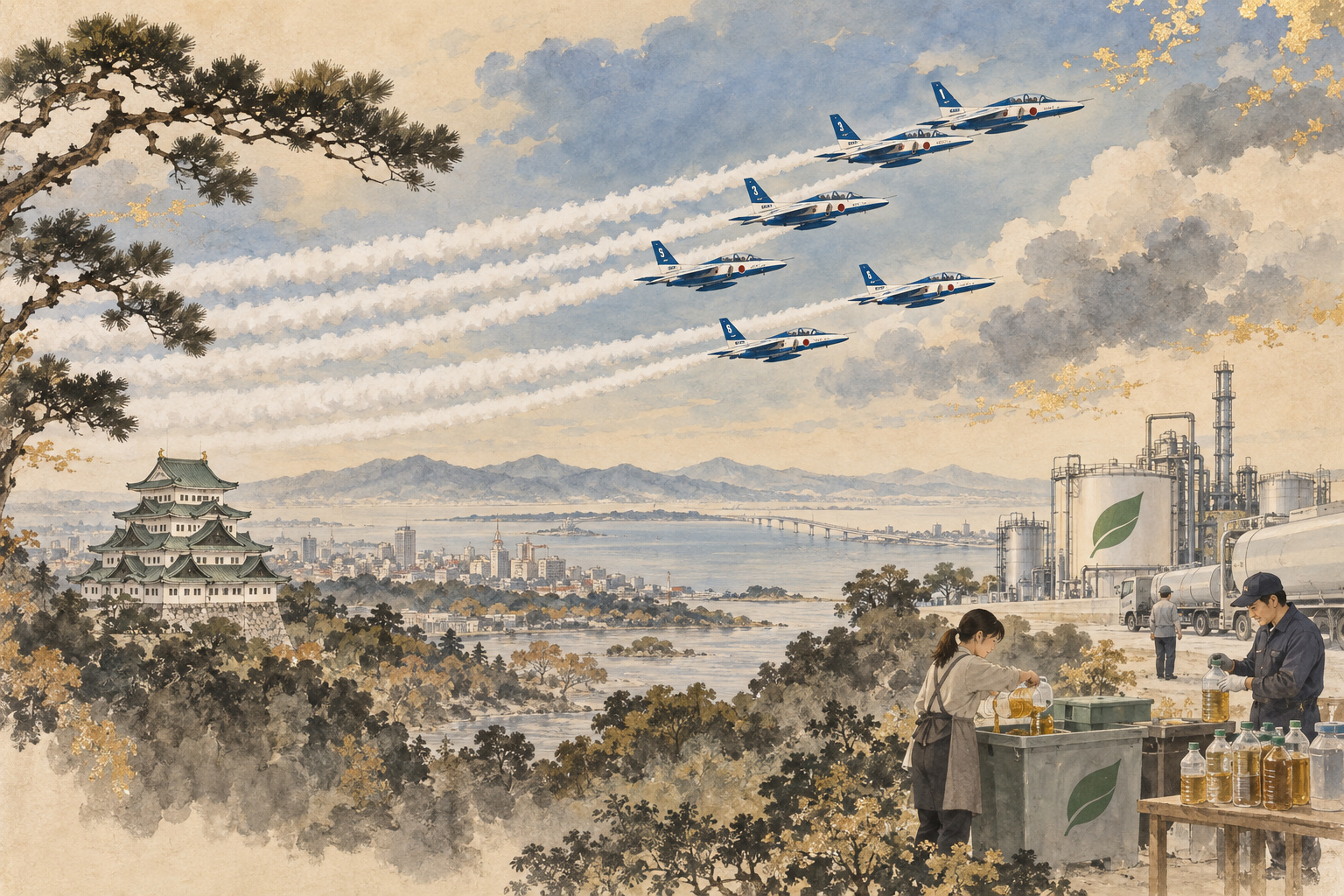
From Used Cooking Oil to Blue Impulse: Aichi’s Aviation-Fuel Experiment
A planned September 19 display connects local oil collection with domestic fuel production and Centrair. Behind the spectacle are the practical demands of supply, certification and credible emissions accounting.
Communities
Rice terraces, nori and wartime memoryWho Will Keep Farming Aichi’s Thousand Rice Terraces?
A university project is joining decades of local conservation at Yotsuya. Behind the celebrated view lies a harder question: how to sustain the work, knowledge and relationships that keep the paddies farmed.
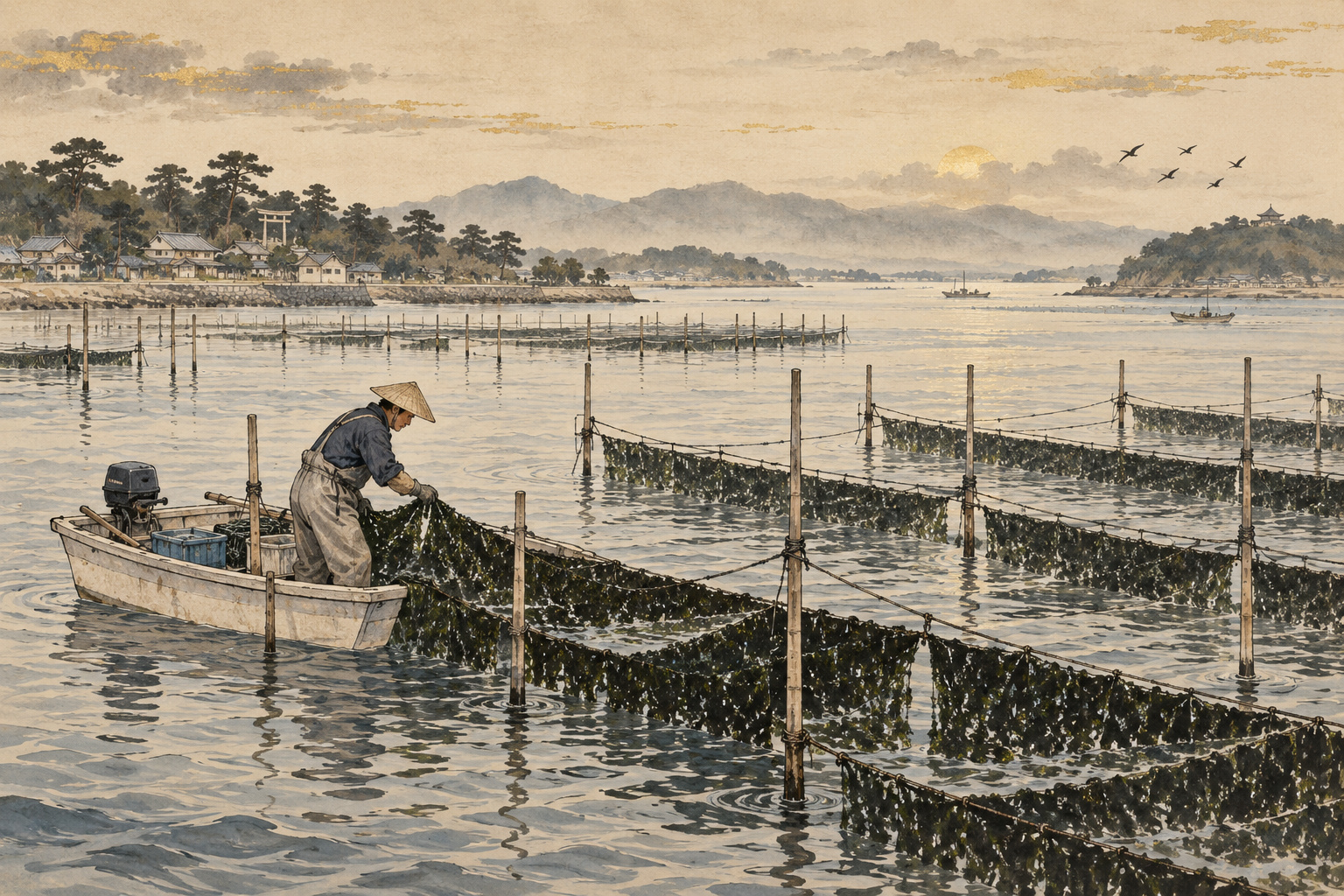
The Future of Aichi’s Nori Begins Where Rivers Meet the Sea
A Sunday symposium puts nori at the center of the river–sea debate. Aichi’s cultivation history, nutrient research and coastal business plans show what it takes to keep the harvest—and the livelihood—going.
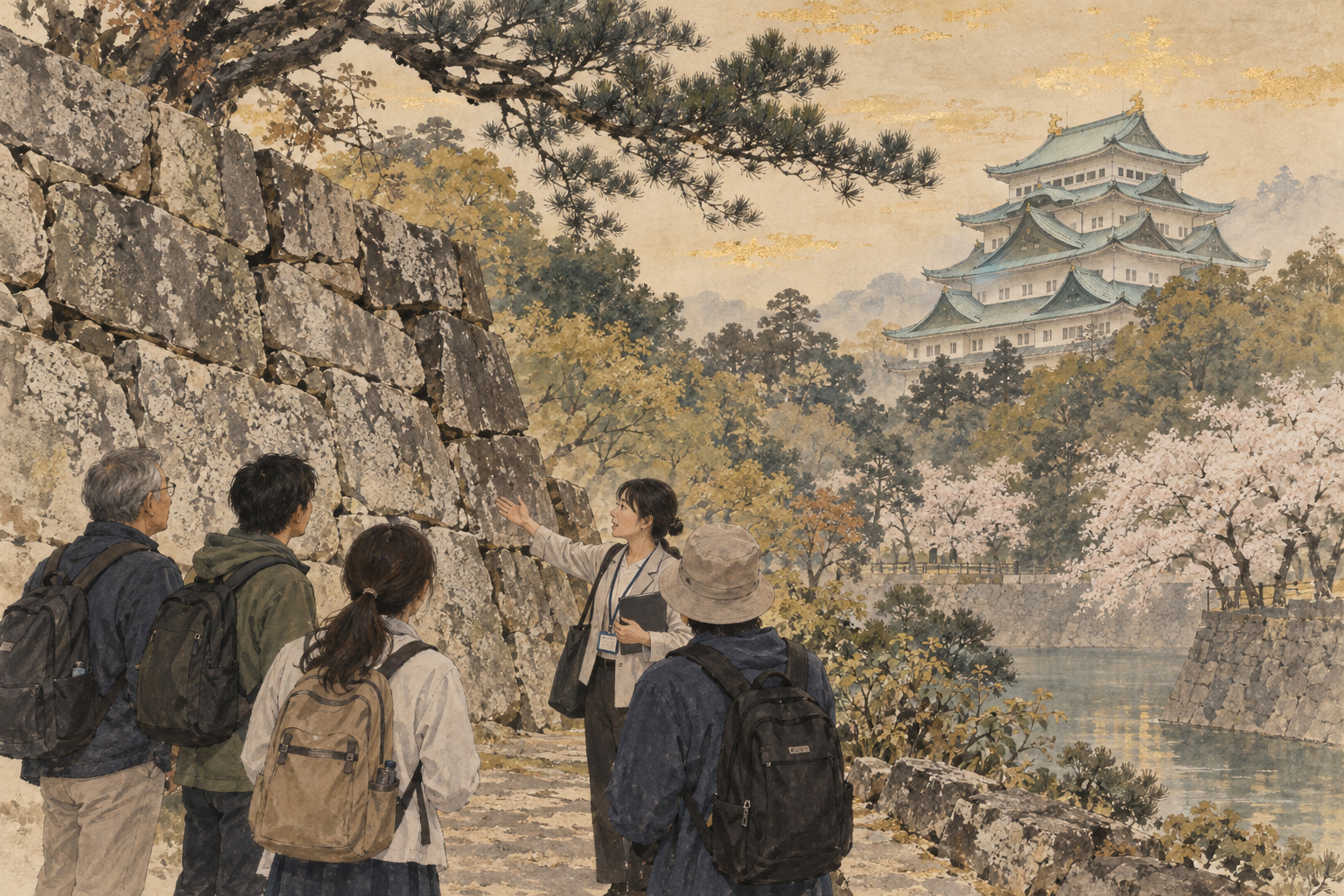
Walking Nagoya’s Wartime Scars with the People Who Preserve Them
A November walk opens a history beyond the castle skyline: military remains, household records, rescued paintings and the patient work of making the past legible.
Sports
Asian Games, esports and the Asian Para GamesSix Days to Opening: Aichi Prepares to Welcome the Asian Games
Japan’s first Asian Games since Hiroshima in 1994 will reach well beyond central Nagoya. The opening ceremony is six days away; the work of connecting athletes, spectators and communities is already the essential story.
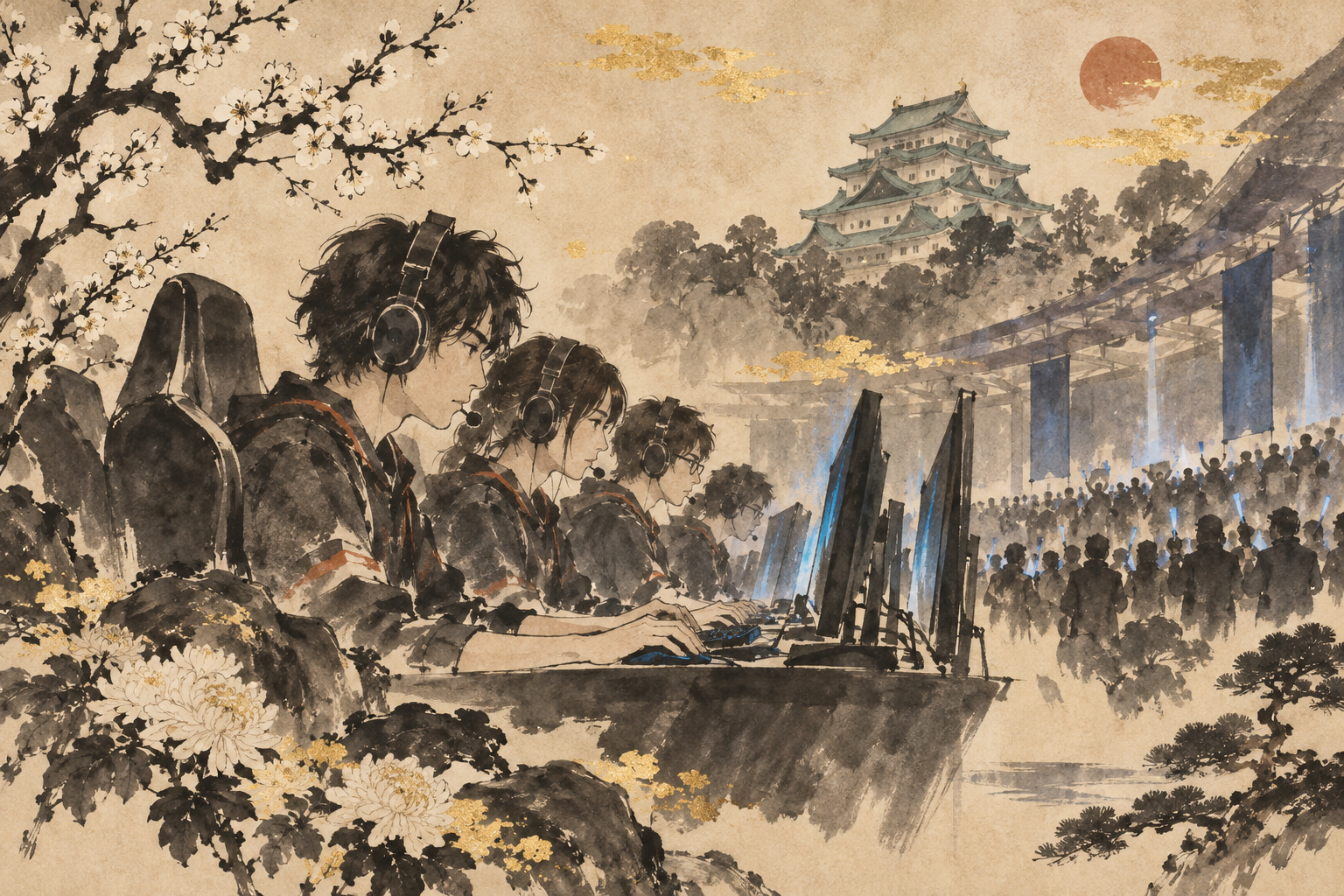
Esports Brings a Different Kind of Arena to Aichi’s Asian Games
Eleven medal events, 13 game titles and a Japanese team of 25 players: Tokoname offers a chance to understand the history, local connections and very different contests behind one familiar word.
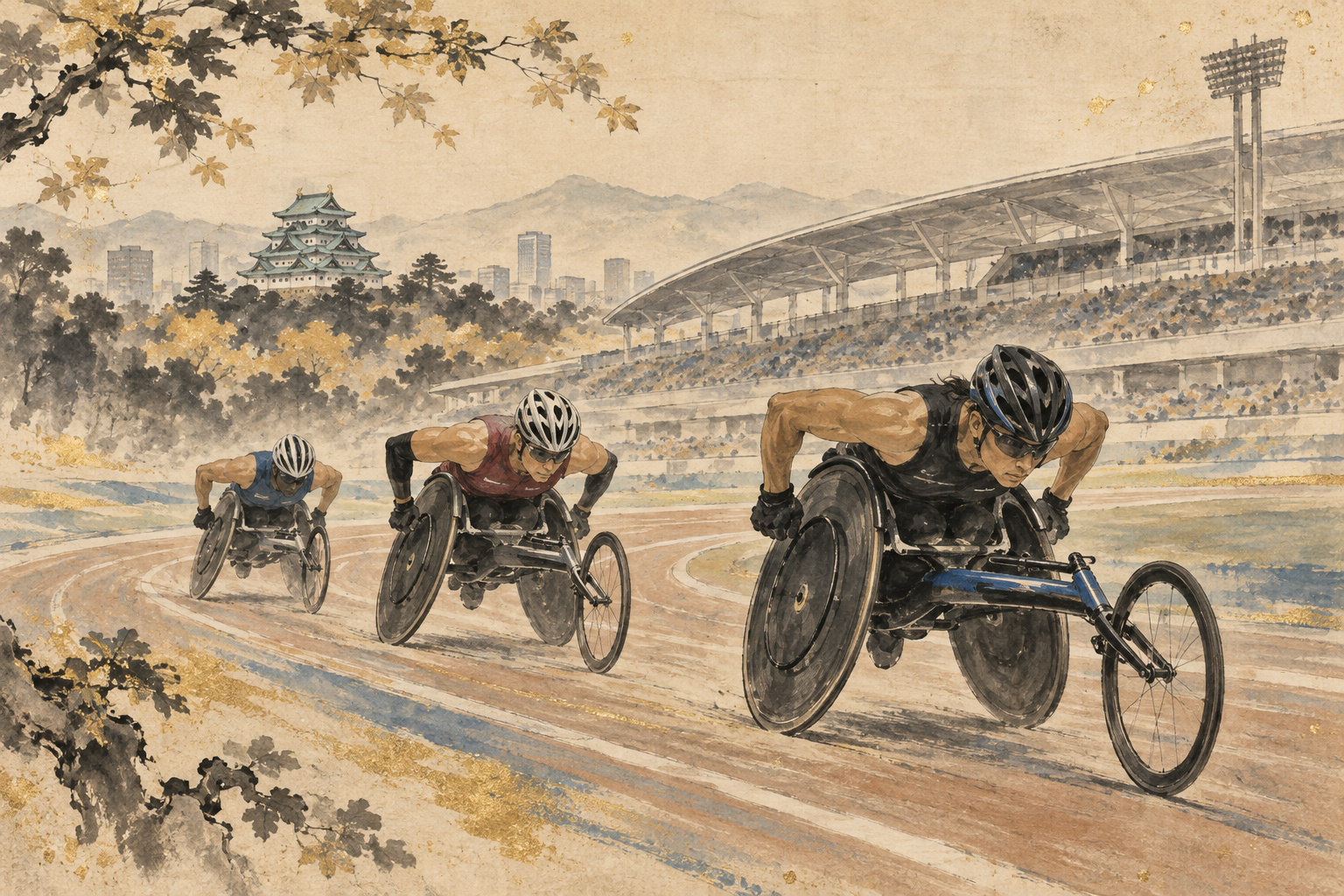
Aichi’s Sporting Autumn Continues with October’s Asian Para Games
Five weeks before the opening ceremony, Japan’s first Asian Para Games bring a longer regional history into view—alongside a 267-athlete Japanese roster, local venues and the practical work of participation.
Culture & Craft
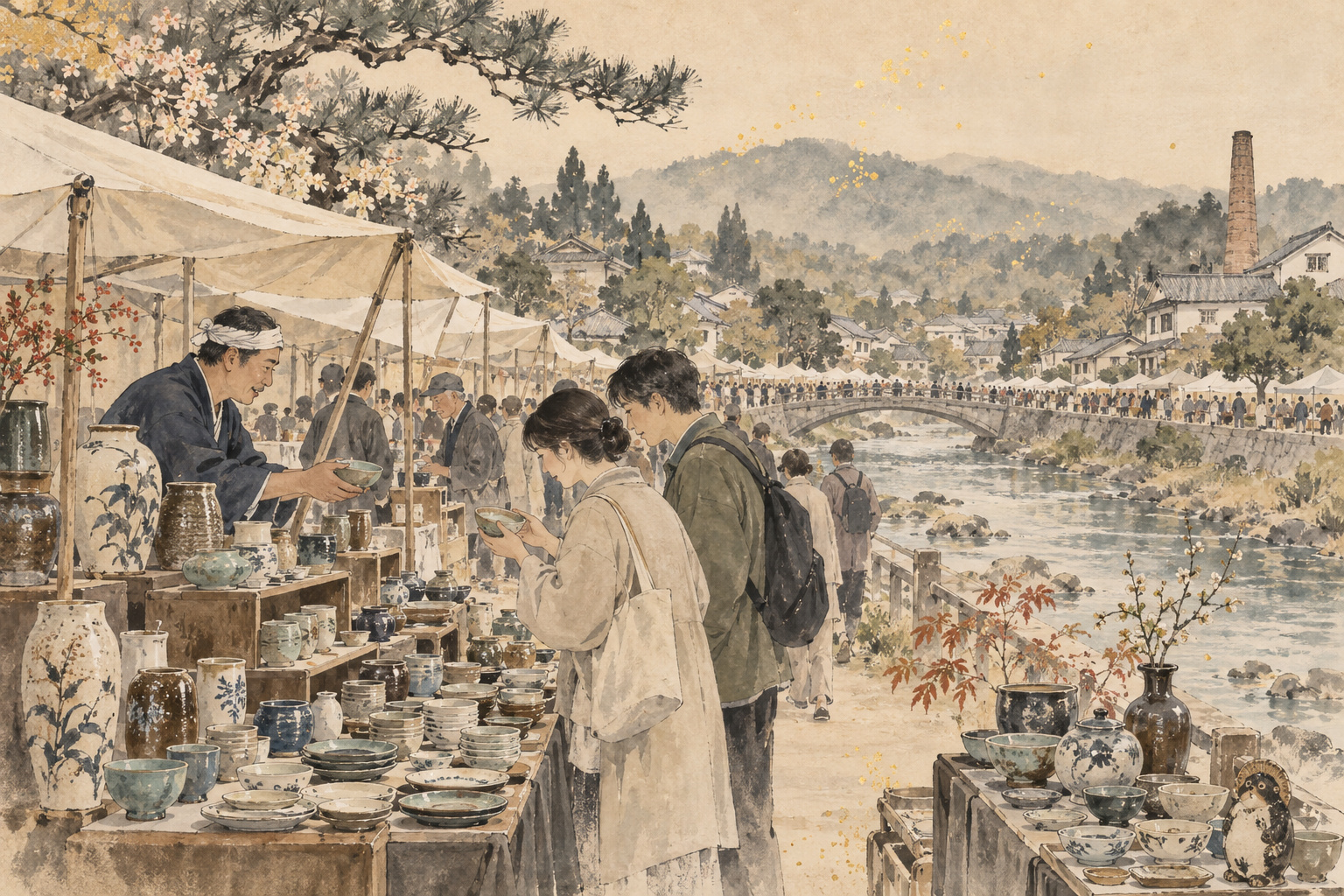
The working traditions of Seto, Arimatsu and TokonameSeto’s Streets Become a Pottery Marketplace for the 95th Setomono Festival
A market born in hard times opens a window onto a thousand years of ceramic work—from Tamikichi’s porcelain-making knowledge to Baiitsu’s connection with painted wares and the next generation of makers.
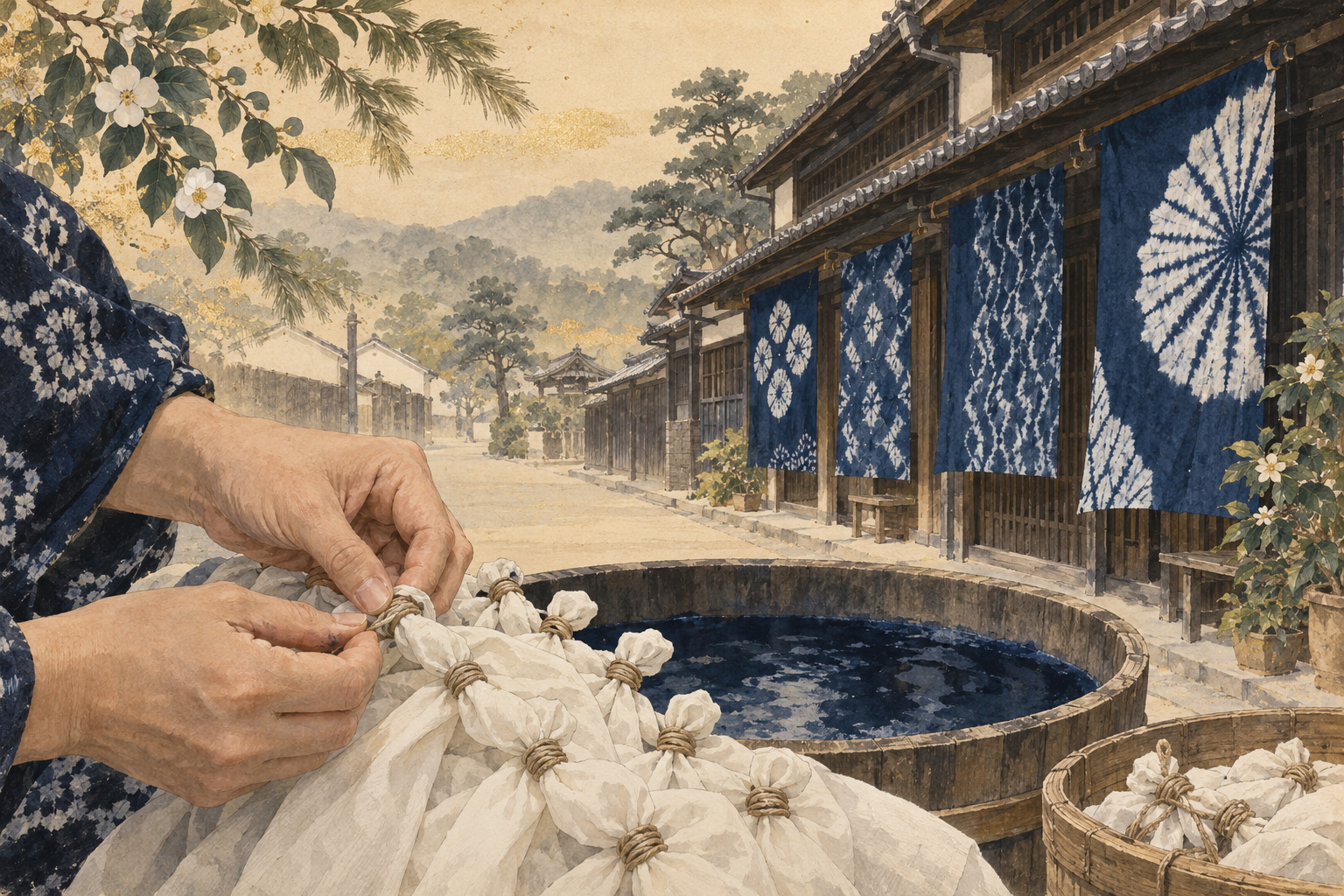
Arimatsu’s Living Patterns: Four Centuries of Shibori Along the Tokaido
Beyond the merchant houses lies a craft economy shaped by specialist skills, rebuilding and new routes into the trade. The old road’s enduring patterns depend on work that continues today.
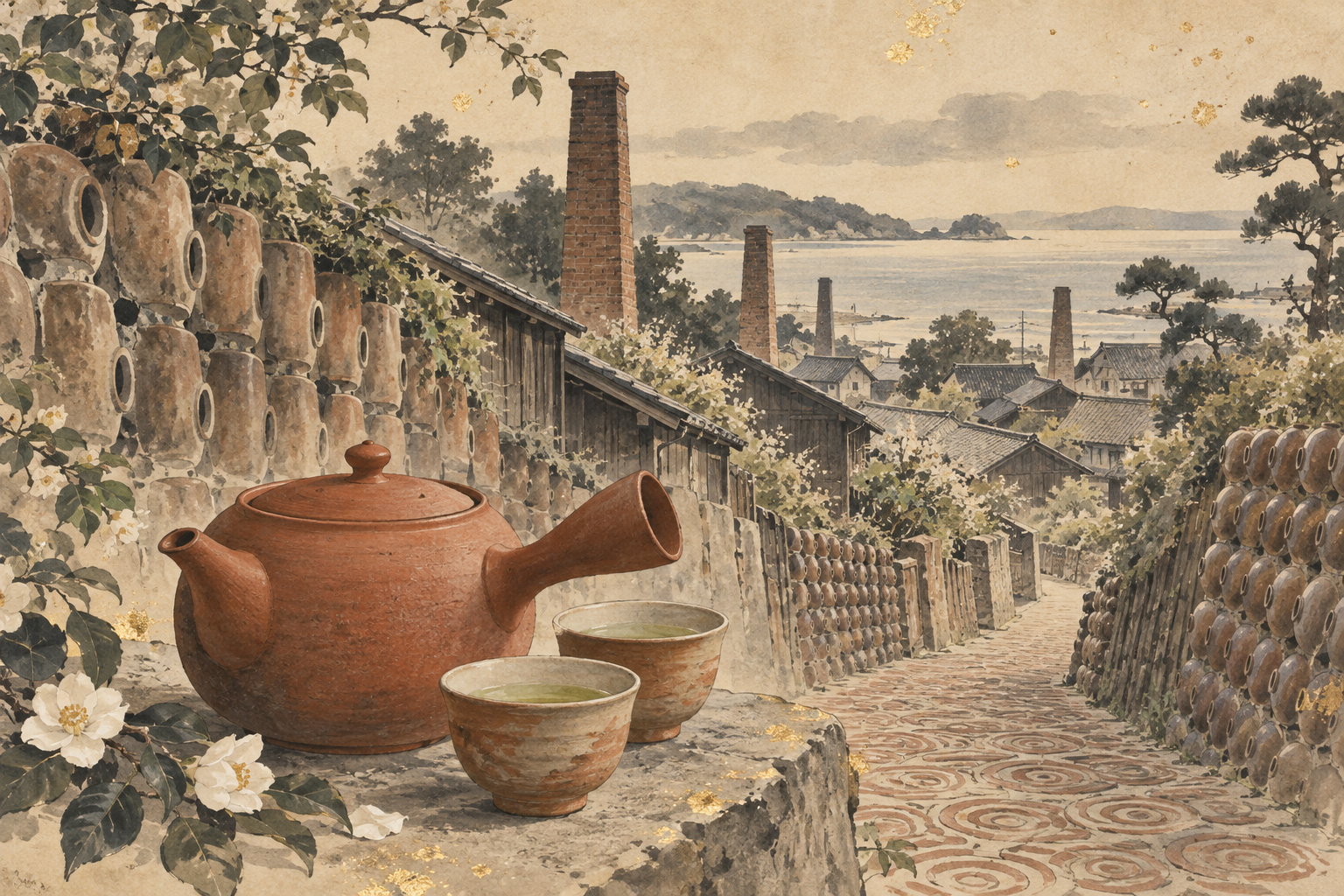
Tokoname’s Teapots Tell the Story of a Town Made from Clay
A small red teapot opens onto a much larger history of maritime trade, industrial ceramics and the skills a pottery town passes on.
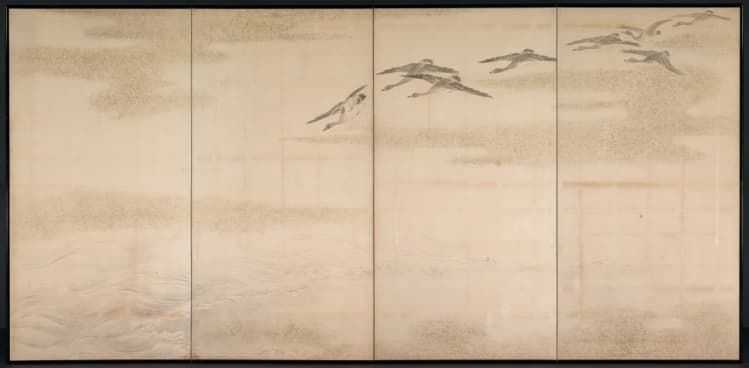
Yamamoto Baiitsu Finds Autumn’s Rhythm in Geese, Reeds and Water
Flight, stillness and pale gold meet in a pair of screens by the Nagoya-born painter. Their spaciousness invites a September reading—and their modern mounting leaves questions about the original design.
Read the art essay →Yamamoto Baiitsu, Geese, Reeds, and Water, 1800s. Pair of four-panel screens; both screens shown in full. Cleveland Museum of Art, Bequest of Mrs. A. Dean Perry, 1997.109. Museum image (CC0). Artwork and image source
Six Selections from September 12
More reading from across Japan

Who Buys Japan’s Government Bonds?
Banks, insurers, pension funds, the Bank of Japan and overseas investors occupy different parts of the market. A guide to understanding ownership, new purchases and the distinction between short- and long-term debt.

Taking Black-Hole Imaging into Space: Japan’s Role in BHEX
A proposed link between space and ground-based radio telescopes could reveal the photon ring. The report examines the receivers, cooling systems and image analysis behind the project.

A Short-Tailed Tsushima Leopard Cat Puts Conservation Judgments to the Test
A study asks what genetic evidence can tell conservationists about an unusual animal. Its unresolved tail anomaly also shows why appearance alone cannot settle questions about ancestry.

Ryogoku Awaits the Autumn Sumo Tournament
The September tournament brings the upper ranks into focus. Our preview examines the wrestlers, recent performances and history behind the contest at Ryogoku Kokugikan.

Reading Ryukyu’s History Through Cloth
At the Japan Folk Crafts Museum, textiles open a discussion of royal connections, specialist techniques and the work behind the finished garment.

The Work Behind the Toyotomi Brothers’ Power
Ahead of the Edo-Tokyo Museum exhibition, the report follows Hidenaga’s military, administrative and political work—and asks how historical documents illuminate his relationship with Hideyoshi.
The 15 Aichi news images are AI-generated editorial illustrations inspired by Yamamoto Baiitsu, not documentary photographs. Today’s Art Choice uses the original museum reproduction. For the six September 12 selections, see the individual articles’ image captions.
