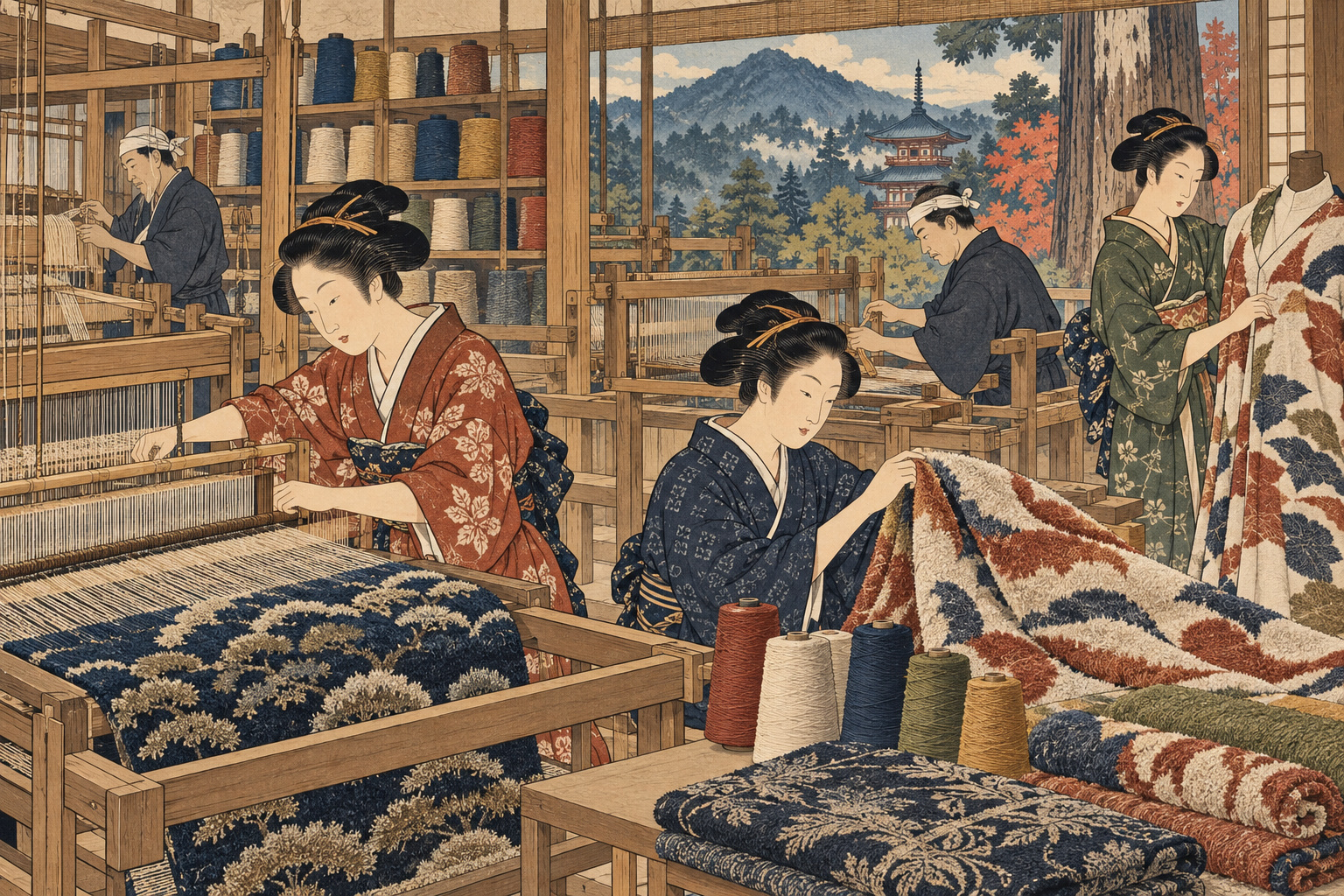
A Fabric Town Reweaves Its Future
A textile district prepares for its 150th year by asking whether inherited machinery, specialist knowledge and a new common brand can give pile fabric another generation.
Read the long-form report →September 9, 2026 edition
Four to Read First
A route into today’s edition
Business & Economy
Textiles, digital government and online safetyA Fabric Town Reweaves Its Future
Wakayama's Koyaguchi pile-fabric district launches Koyaguchi LifeTextile ahead of its 150th anniversary. A long-form report on chenille, specialist looms, industrial networks and the challenge of succession.
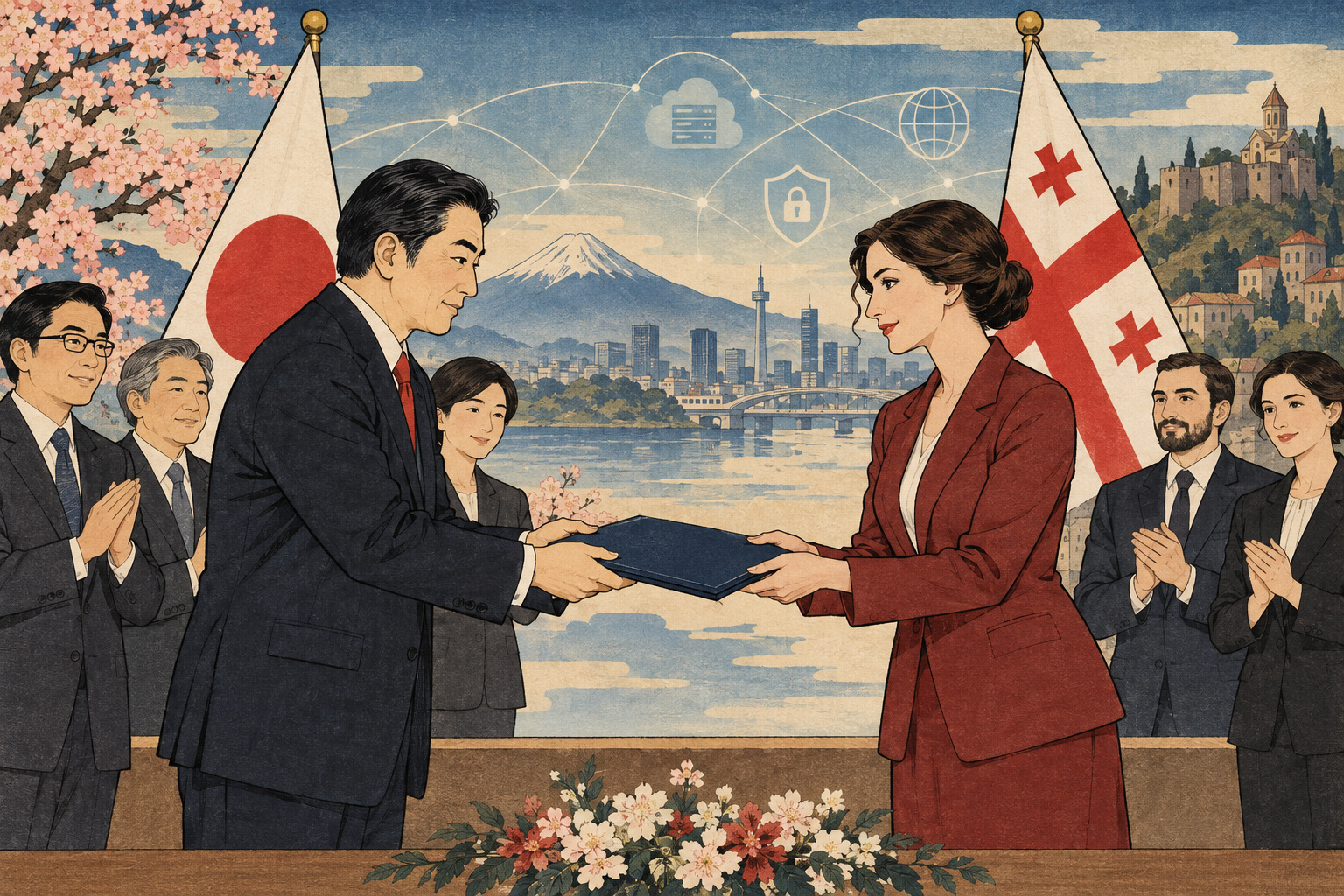
Japan and Georgia Open a Digital Workshop
Japan and Georgia have signed a three-year digital cooperation memorandum spanning DFFT, public services, AI and digital twins. What the non-binding framework can—and cannot—deliver.
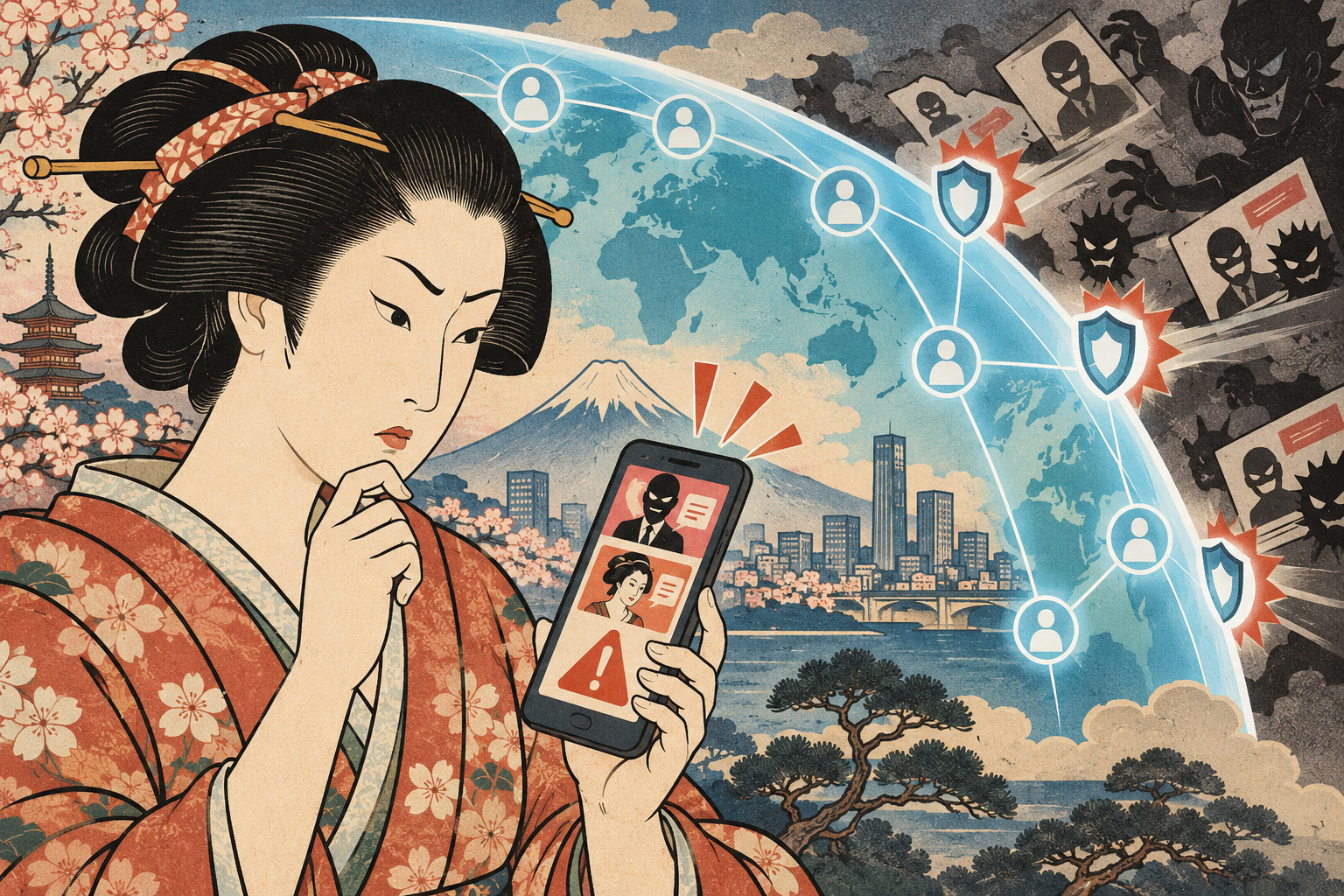
Japan’s New Scam-Signal Network Tests Whether Defenders Can Move Across Borders
Japan’s new anti-scam alliance is testing international intelligence sharing on fraudulent ads and scam sites. A close examination of the system, its history and its unanswered questions.
Science & Technology
Medicine, disaster satellites and education AI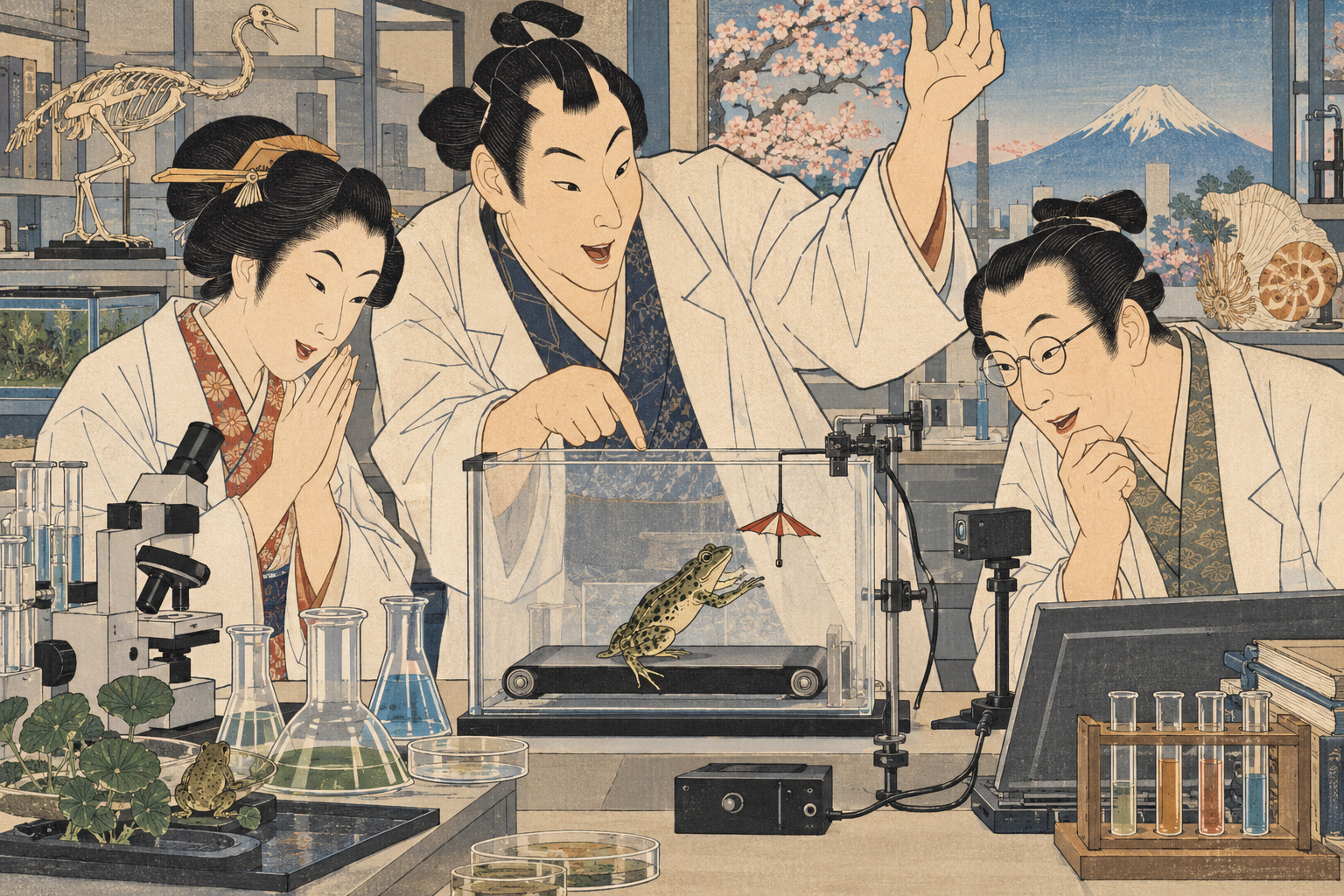
The science of blowing your nose
A 1977 airflow study by the late Tokuji Unno has won the 2026 Ig Nobel Prize in Medicine, extending a remarkable 20-year run for Japanese and Japan-linked researchers.
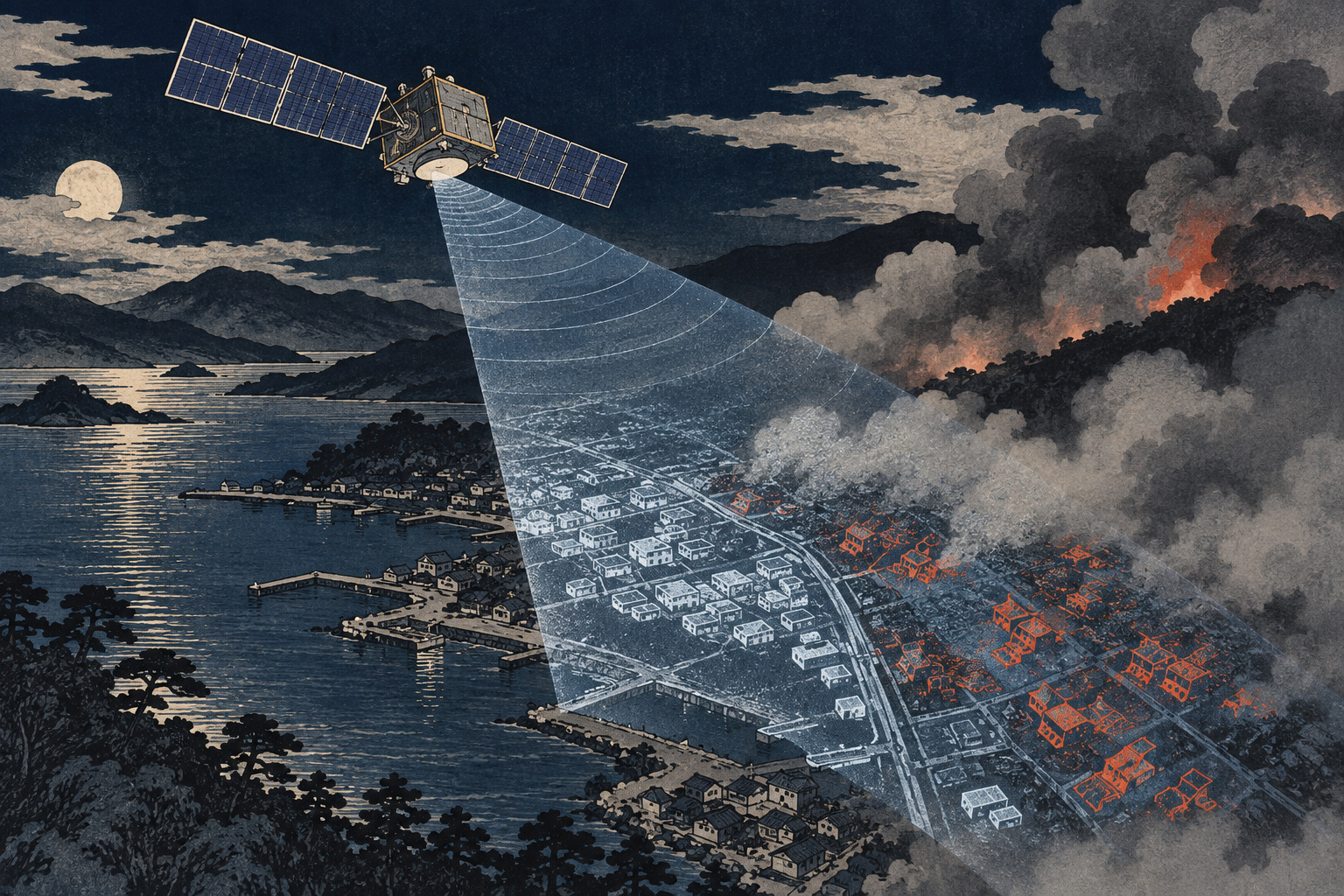
Finding the fire damage no camera can see
Japan’s NILIM has begun a joint research program to turn small-satellite radar observations into tested fire-damage maps. What SAR can see—and what it can still get wrong.
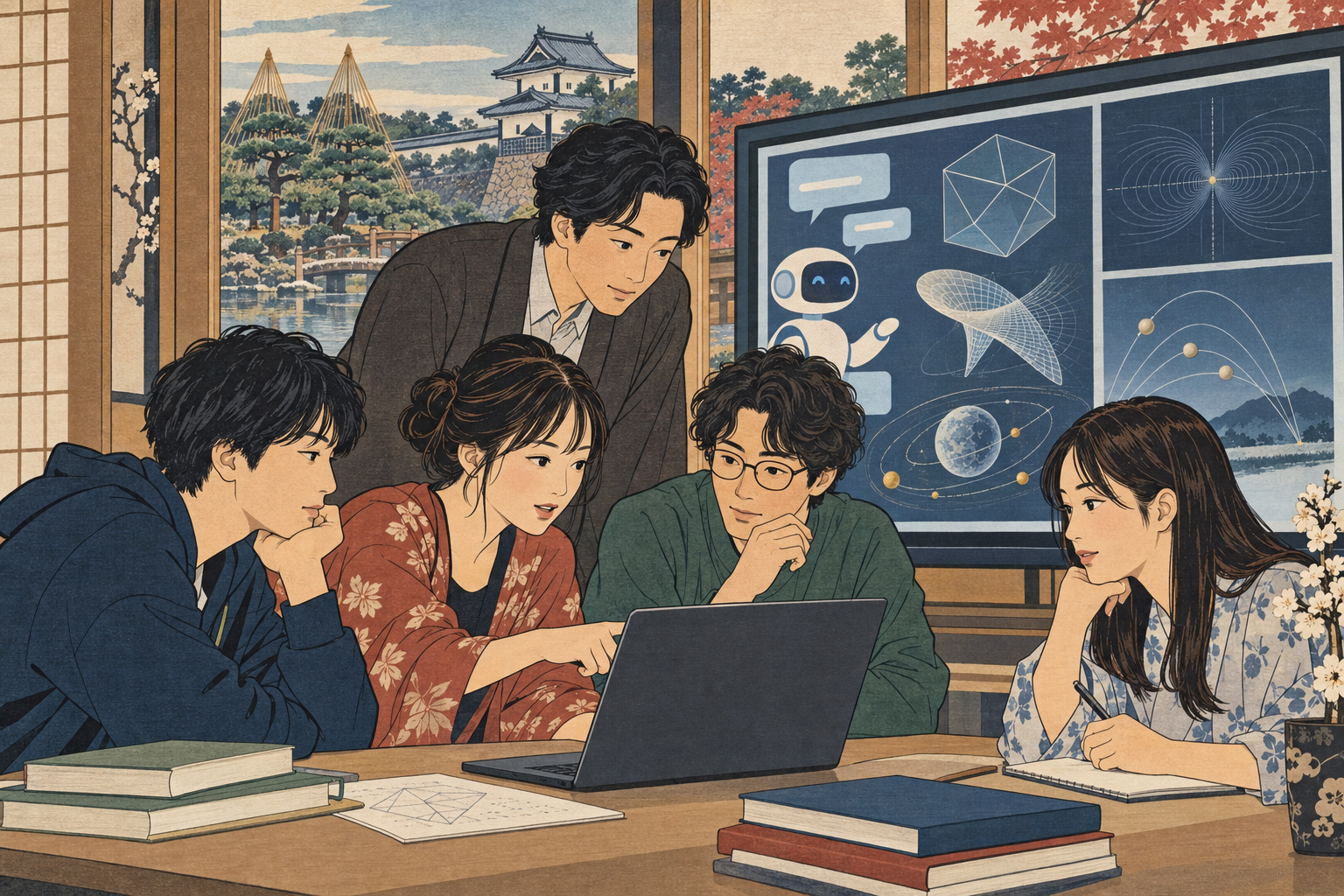
Beyond the Answer
Kanazawa Institute of Technology has opened Mathko and Quanta, generative-AI chatbots grounded in its mathematics and physics learning sites. We examine their 22-year content lineage, RAG design, prototype research and unanswered questions about accuracy, pedagogy and data.
Communities
Relief, island safety and active aging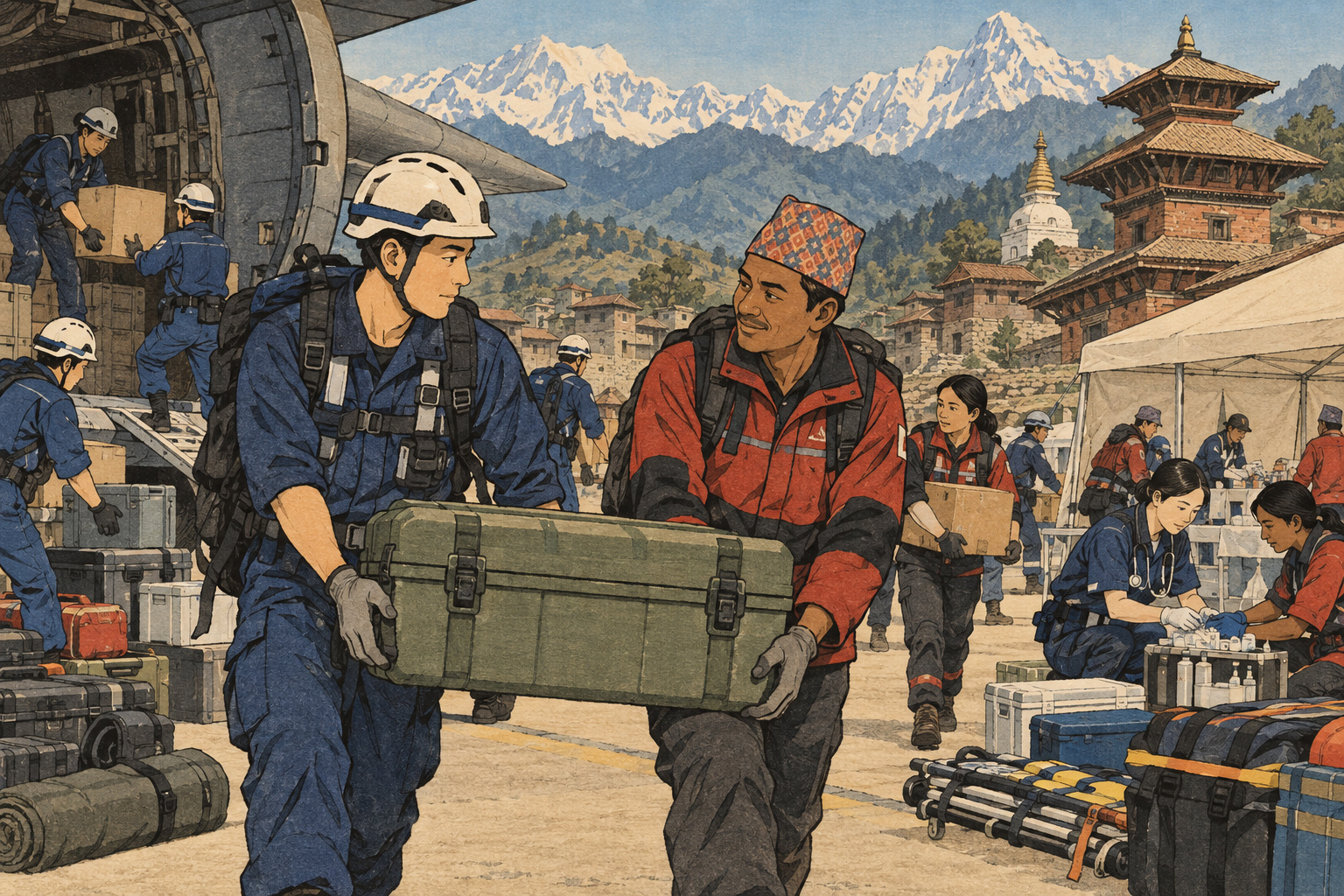
The Work of Restoring a Name
Japan dispatched a disaster-relief expert team to support victim identification after Nepal’s catastrophic flash flood and mudslides. An examination of the mission, DVI practice, the 2015 earthquake response and Japan’s emergency-aid system.
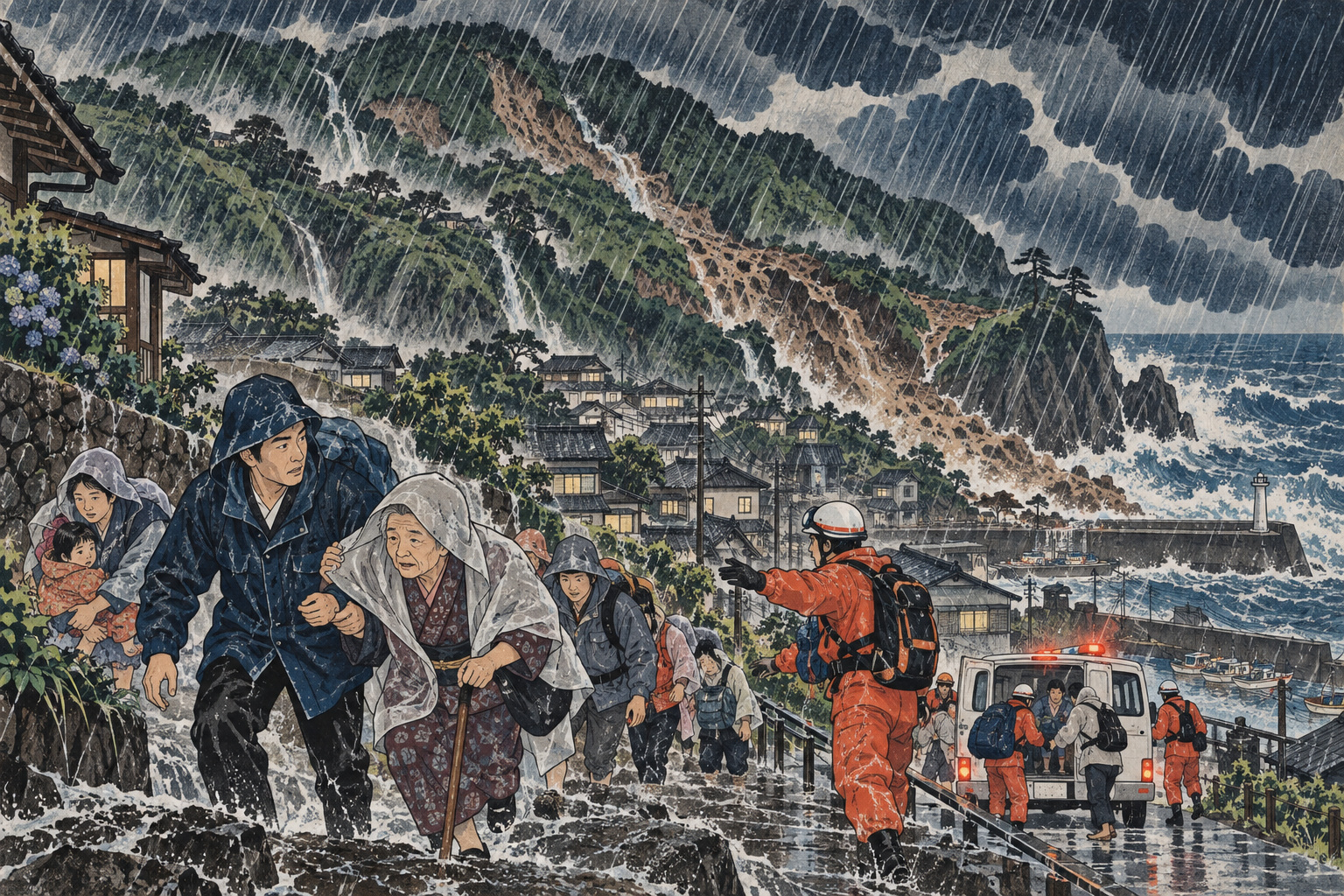
The Rain Stopped. The Islands Were Still in Danger.
Record rainfall struck the Izu Islands, prompting a Level 5 landslide warning. An evidence-based account of the measurements, evacuation decisions, island isolation and the lessons of Ōshima's 2013 disaster.
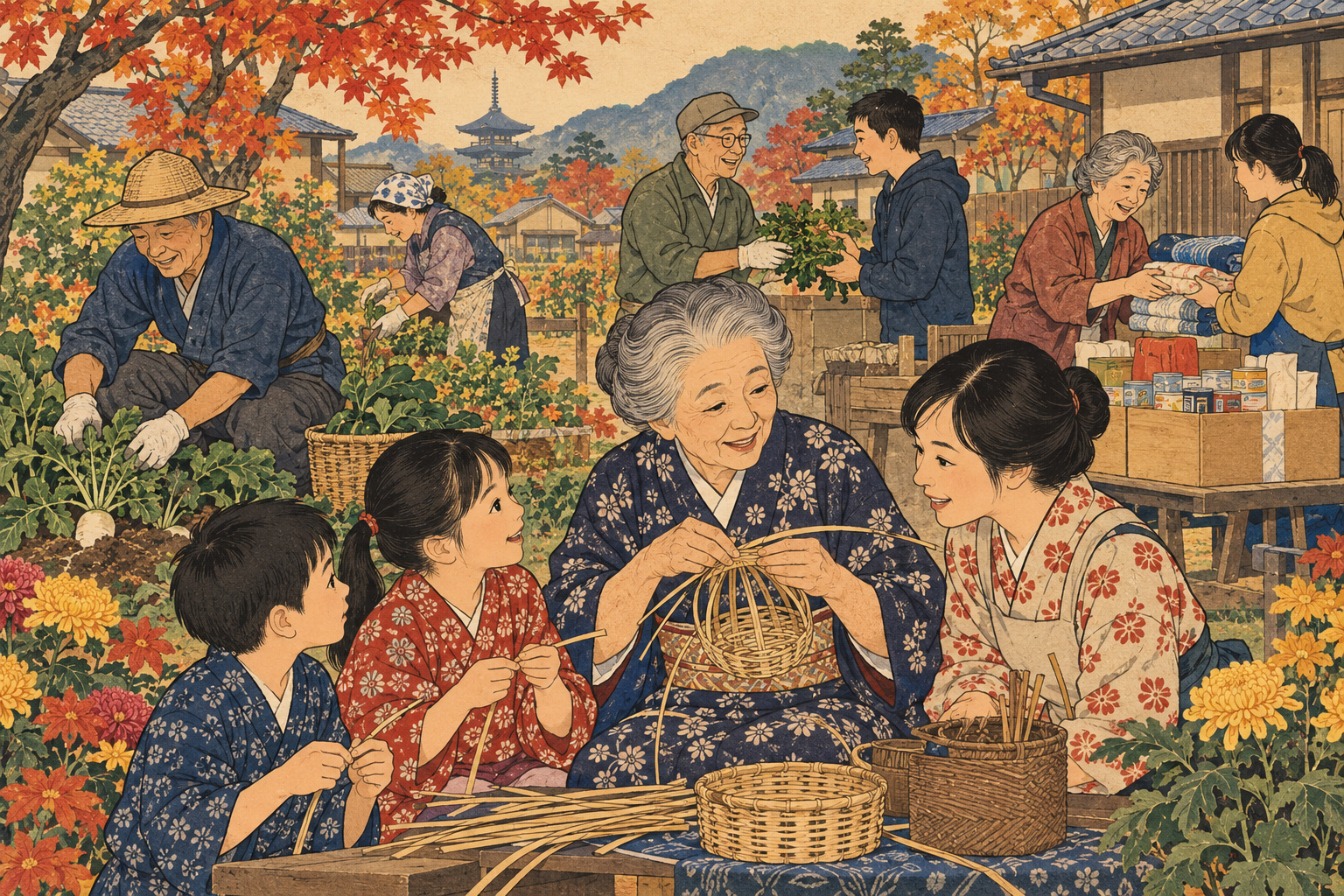
A Life With a Role, Not an Age Limit
Japan's Cabinet Office has recognized 43 people and 39 organizations as 2026 models of ageless living and social participation. Their work reveals both the promise and limits of active-aging policy.
Sports
Beach culture, national competition and the Asian Games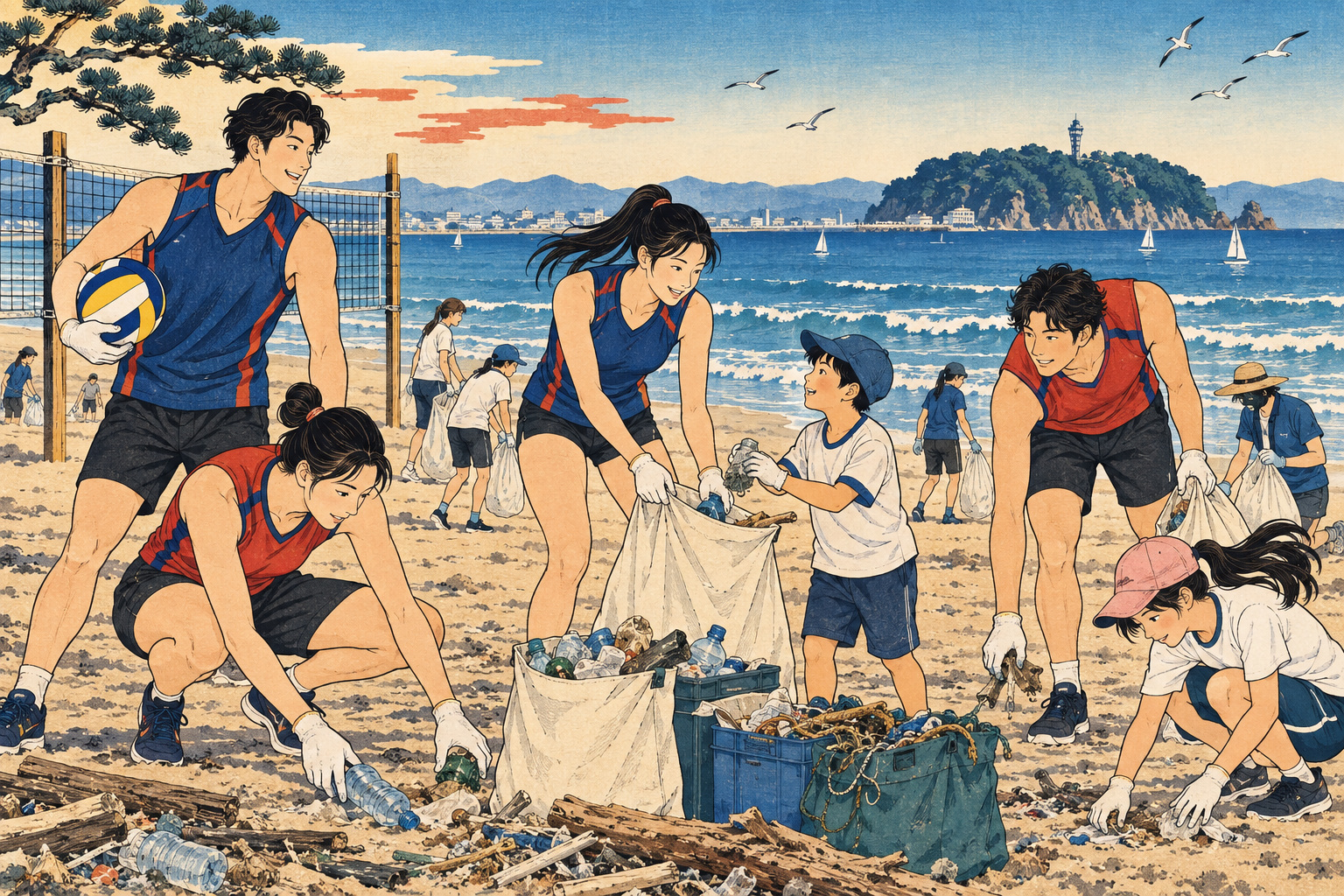
After the final, the sand becomes a second field of play
Beach volleyball players and residents are due to clean Hiratsuka’s tournament beach on September 13. We examine what sport can add to marine education—and what a one-day cleanup cannot do.
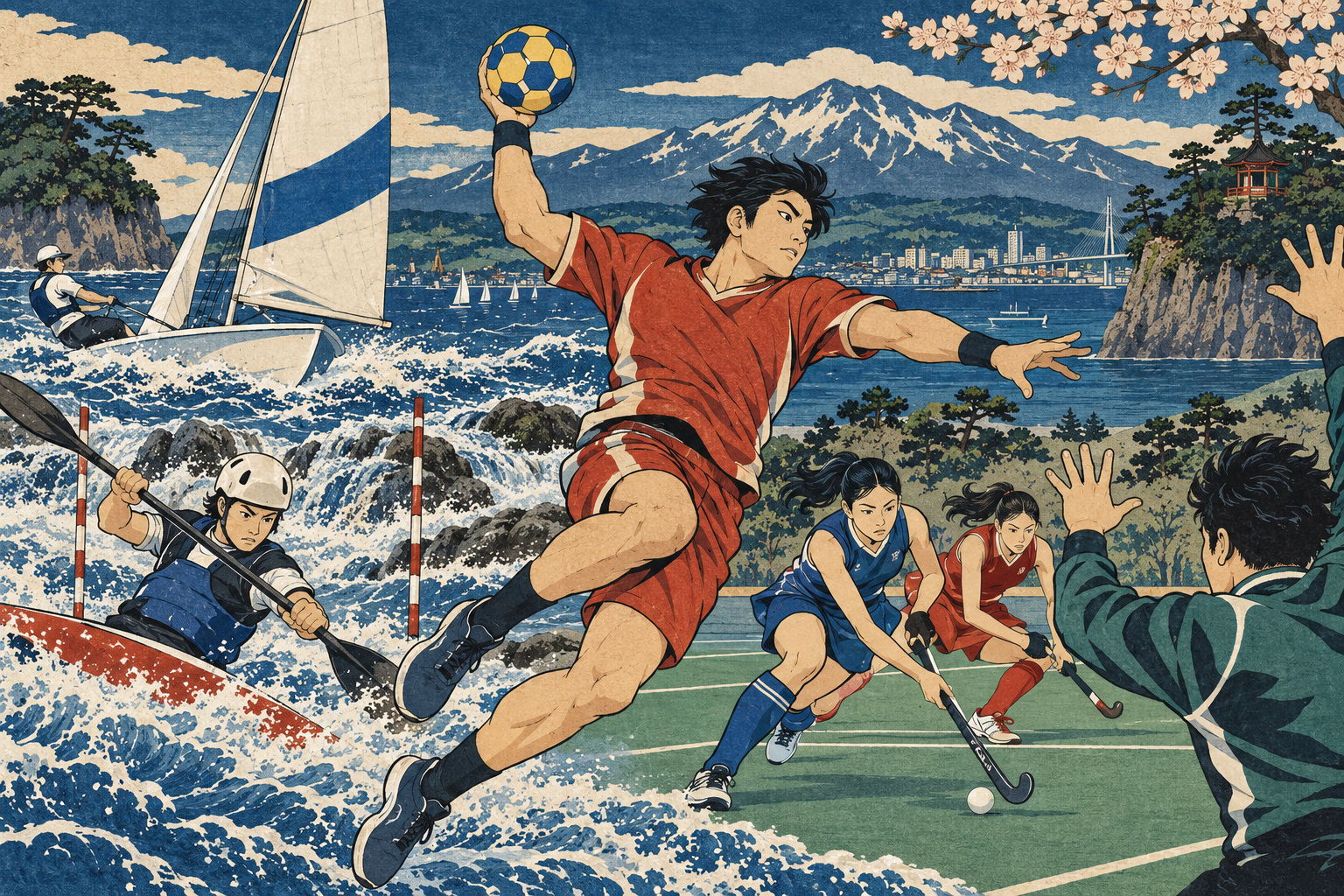
Four sports, four ways to win
Sailing, canoe wildwater, hockey and handball produced radically different finishes in the early session of the 2026 Aomori Japan Games. A source-grounded report through September 7.
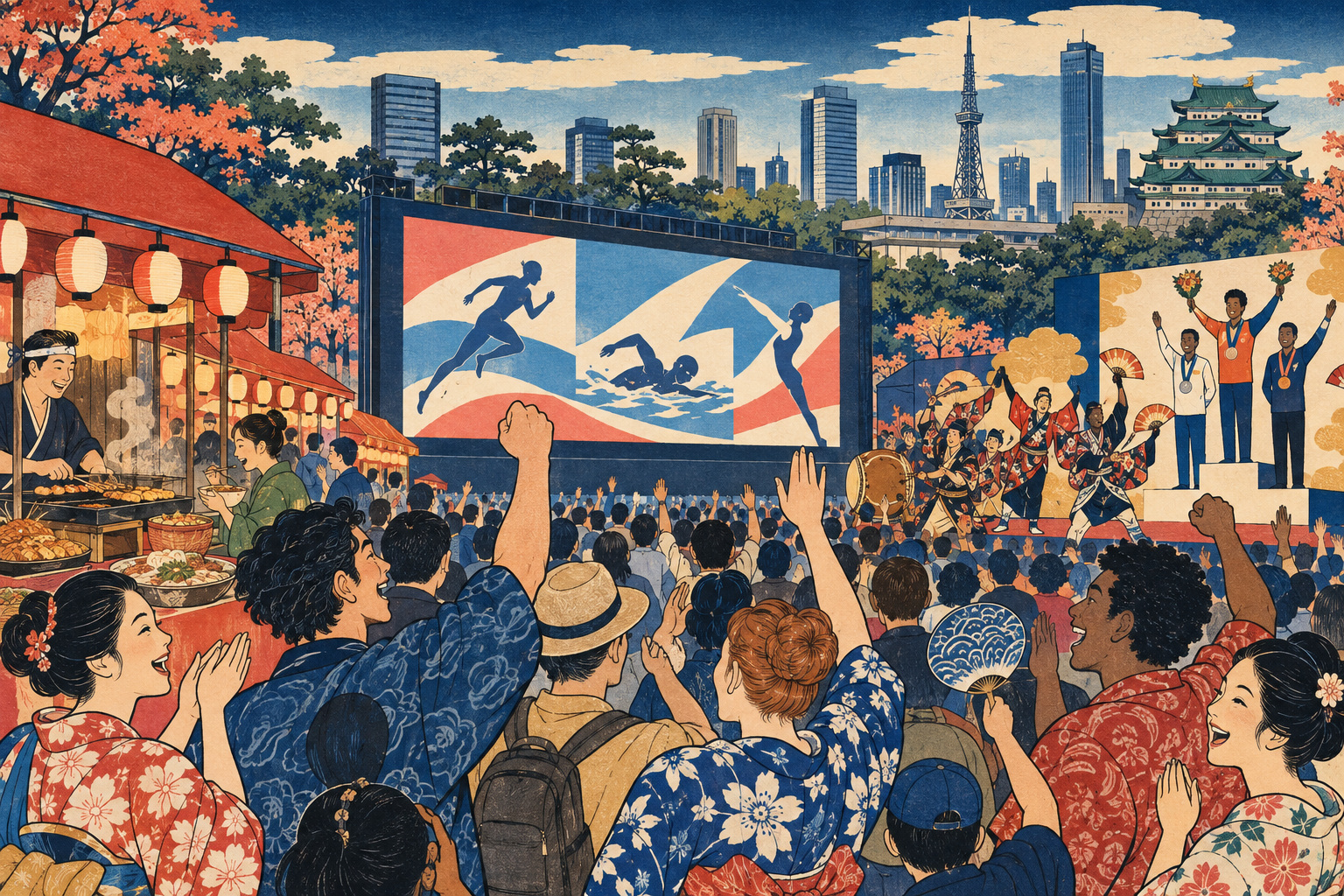
Where the Asian Games Leaves the Stadium
Nagoya’s official ONE ASIA WORLD fan zone will bring Asian Games broadcasts, medal celebrations, food, culture and public activities to Hisaya-odori Park from September 19 to October 4. A verified guide and critical history.
Culture
Classics, ceramics and sacred landscapes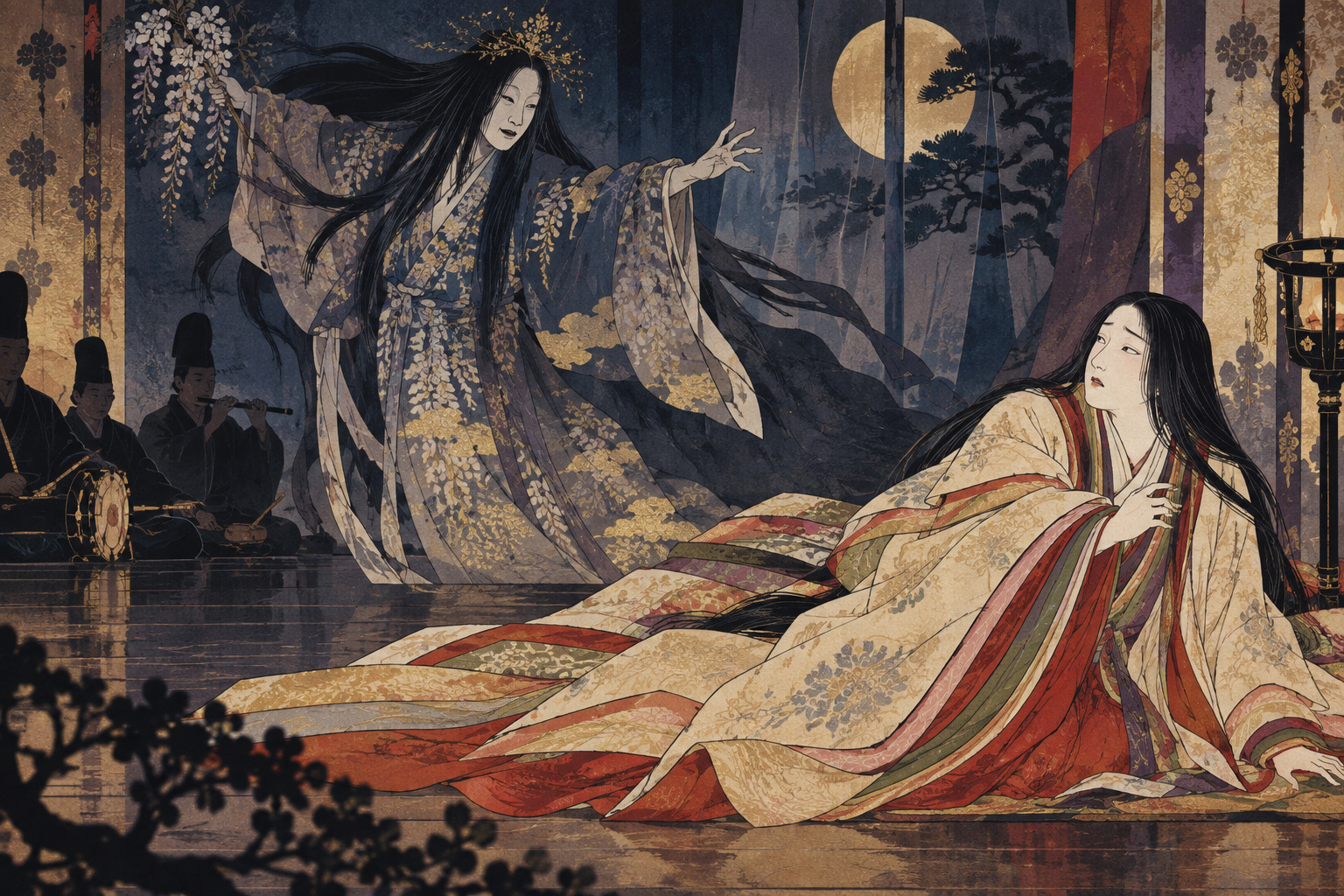
Lady Aoi Steps Out of the Robe
A new Tokyo music-theater production reopens Lady Aoi’s story, following its passage from The Tale of Genji through Noh and Yukio Mishima to a January 2027 stage premiere.
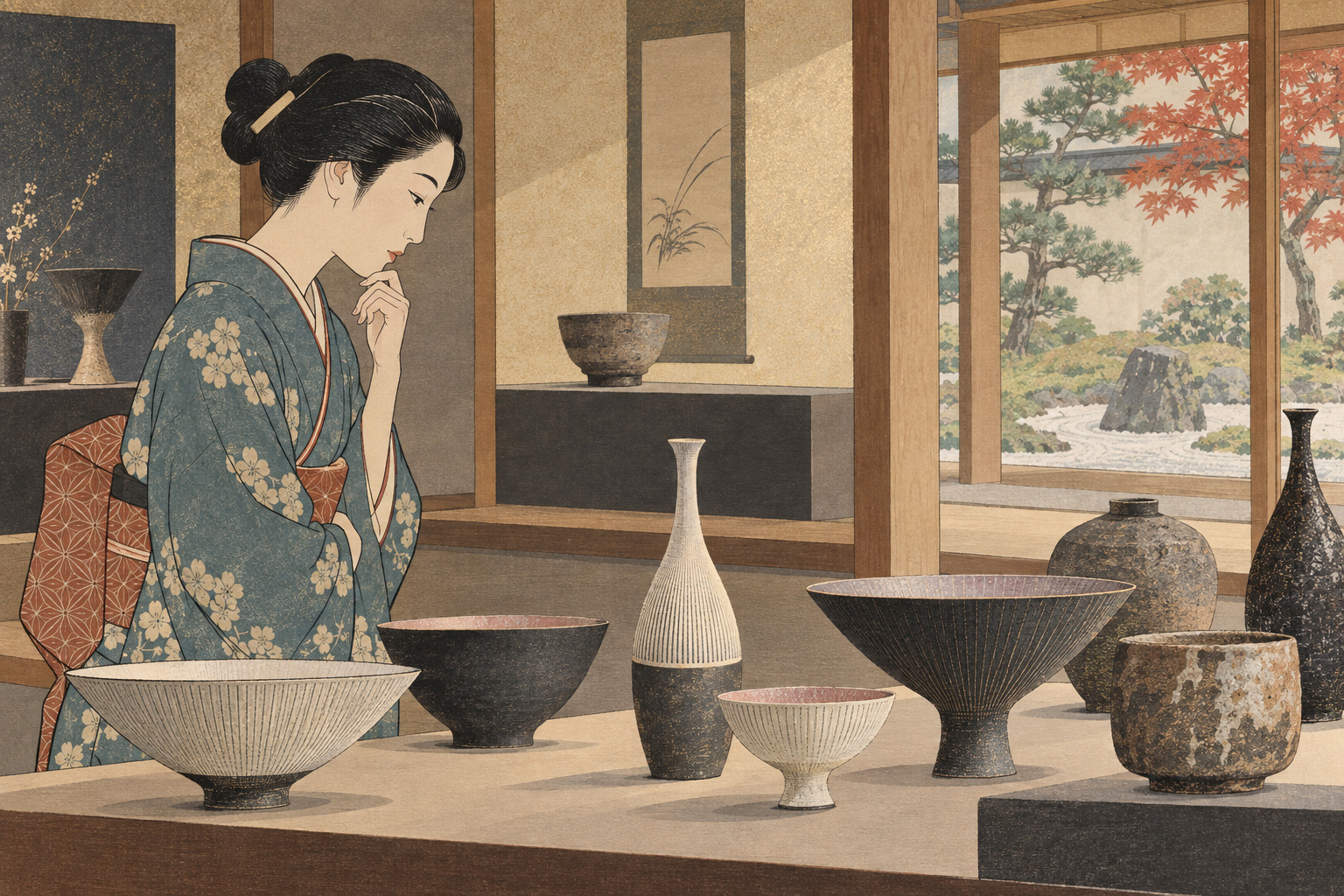
The Bowl That Crossed Continents
As Tokyo’s Lucie Rie retrospective enters its final five days, the exhibition traces Vienna modernism, exile in London, wartime buttons, studio pottery and the Japanese encounters that reshaped her reception.
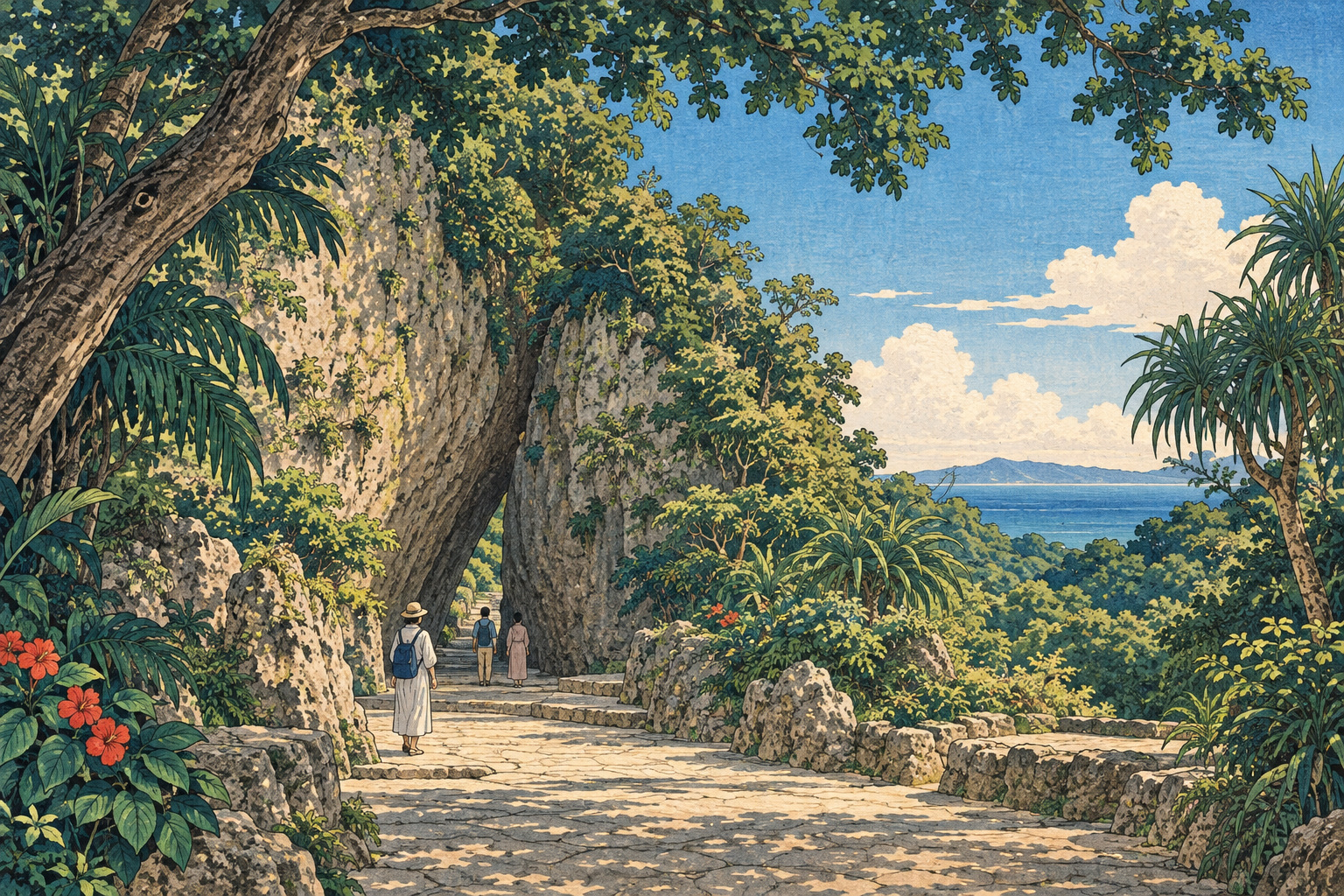
The Road to Sefa Utaki Reclaims Its Sky
A verified account of utility-line undergrounding near Okinawa's Sefa Utaki, connecting the 2025 Route 331 project with Ryukyuan sacred history, landscape stewardship and typhoon resilience.
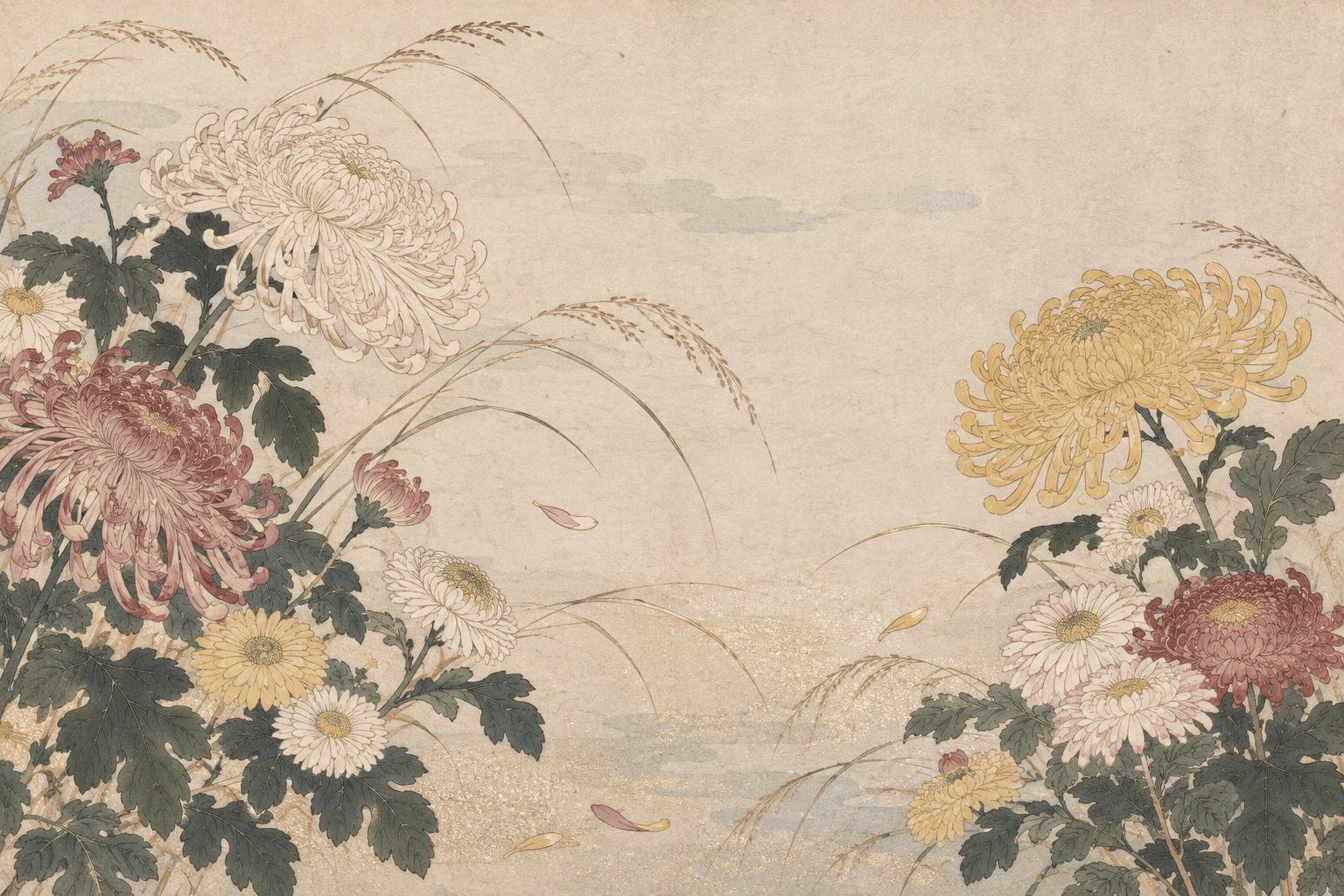
Katsukawa Shunsho Finds the Quiet Strength of Autumn in Chrysanthemums
For the Double Ninth on September 9, Japan.co.jp examines Katsukawa Shunsho's early-1780s Chrysanthemums: its restless petals, surimono intimacy, Edo seasonal culture and the artist's legacy from actor portraiture to Hokusai.
Read the art essay →Image notice: Japan.co.jp AI-generated editorial illustration inspired by Shunshō. It is not a reproduction of the Art Institute of Chicago work.
Six Selected From the September 7 Edition
Reports still worth your time

Making Environmental Value a Reason to Choose Everyday Products
Three companies explore a common way to measure, communicate and build demand for the environmental value of household goods.
MUFG Maps Two Routes Into Private Credit
Proposed partnerships with BlackRock and Morgan Stanley test how private credit might be opened to Japanese investors.

Myopia May Progress Into the Early Thirties
JINS and Osaka University examine myopia progression among young adults—and the limits of retail data as research evidence.
What Does Japan Want From Its Fisheries?
A Cabinet Office survey maps expectations for stable supply, prices, resource management and the next generation of workers.
Turning One Journey Into a Lasting Relationship
JR East and NTT test ways to keep visitors connected with rural communities after a trip.

Leonardo’s La Belle Ferronnière Is Coming to Japan
The Louvre portrait heads to Tokyo for its first Japanese showing, opening questions about attribution, transport and display.
