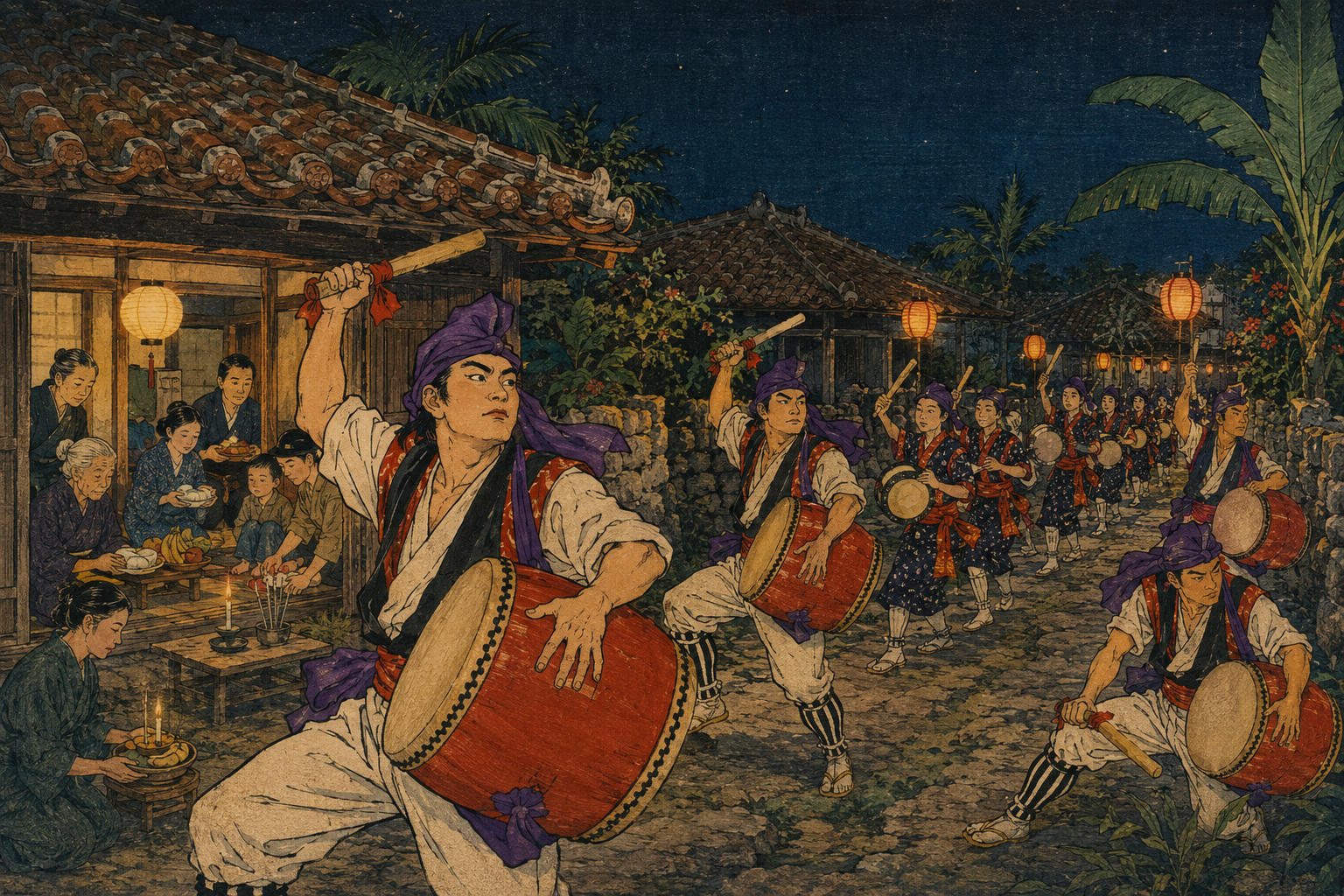
When the Ancestors Go Home: Okinawa’s Obon and Eisa
Okinawa’s 2026 old-calendar Obon runs Aug. 25–27 through Unkē, Nakanuhī and Uukui. A reported history of the household observance, Eisa processions, the lunar calendar, occupation records and the modern all-island festival.
Read the long-form report →Four Stories to Read First
Okinawa Obon, hydrogen, a DeNA rookie and yellow bricks
Today’s 15 New Reports
Five desks · Three reports each
Business & Work
Business & Work · 1–3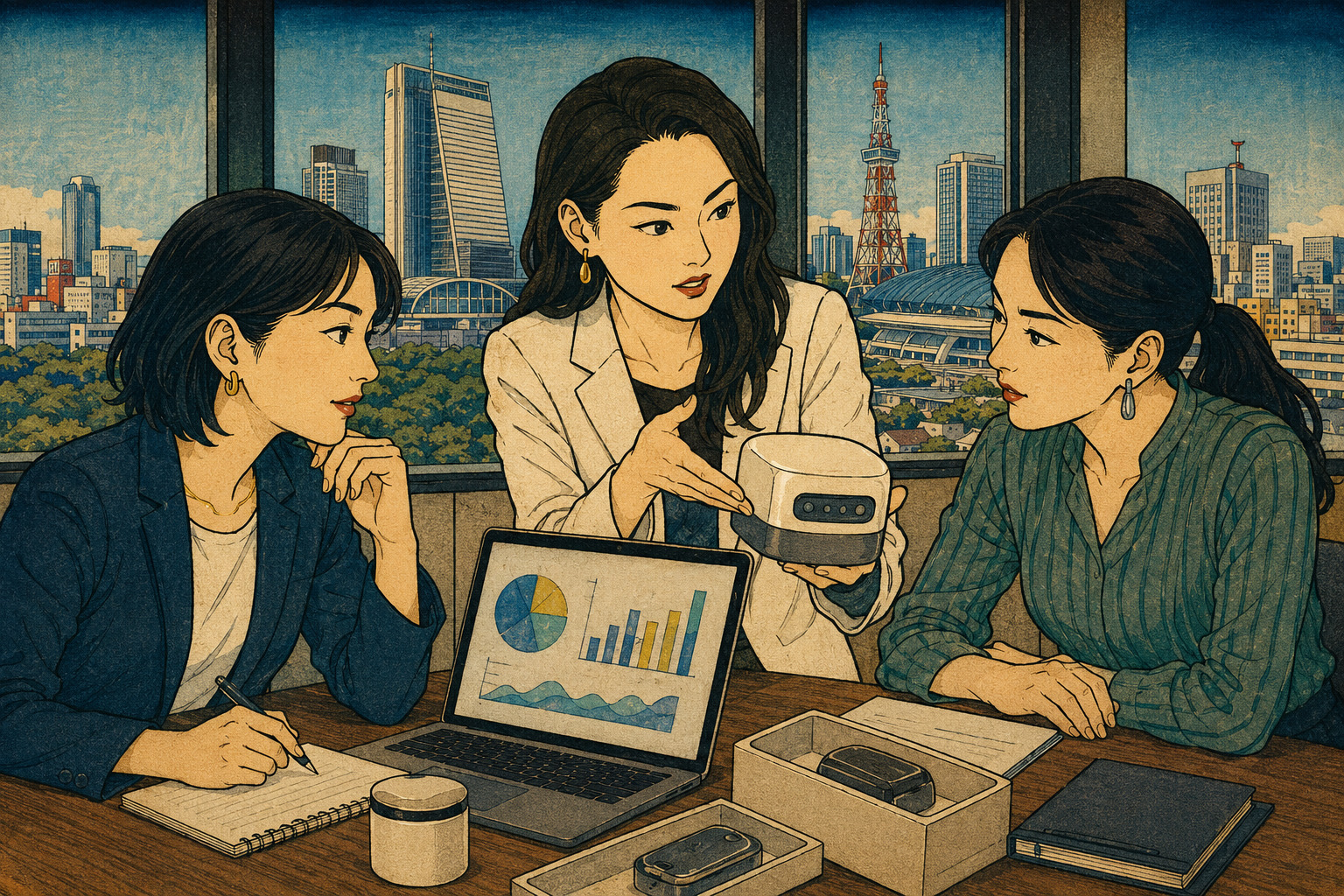
Aichi’s Bet on Women Founders: Build the Network Before Asking Them to Scale
Aichi Prefecture is recruiting the second FLARE AICHI cohort, extending its women-founder accelerator to successors and second-generation entrepreneurs. We examine the program, its 10-year history and the evidence it must produce.
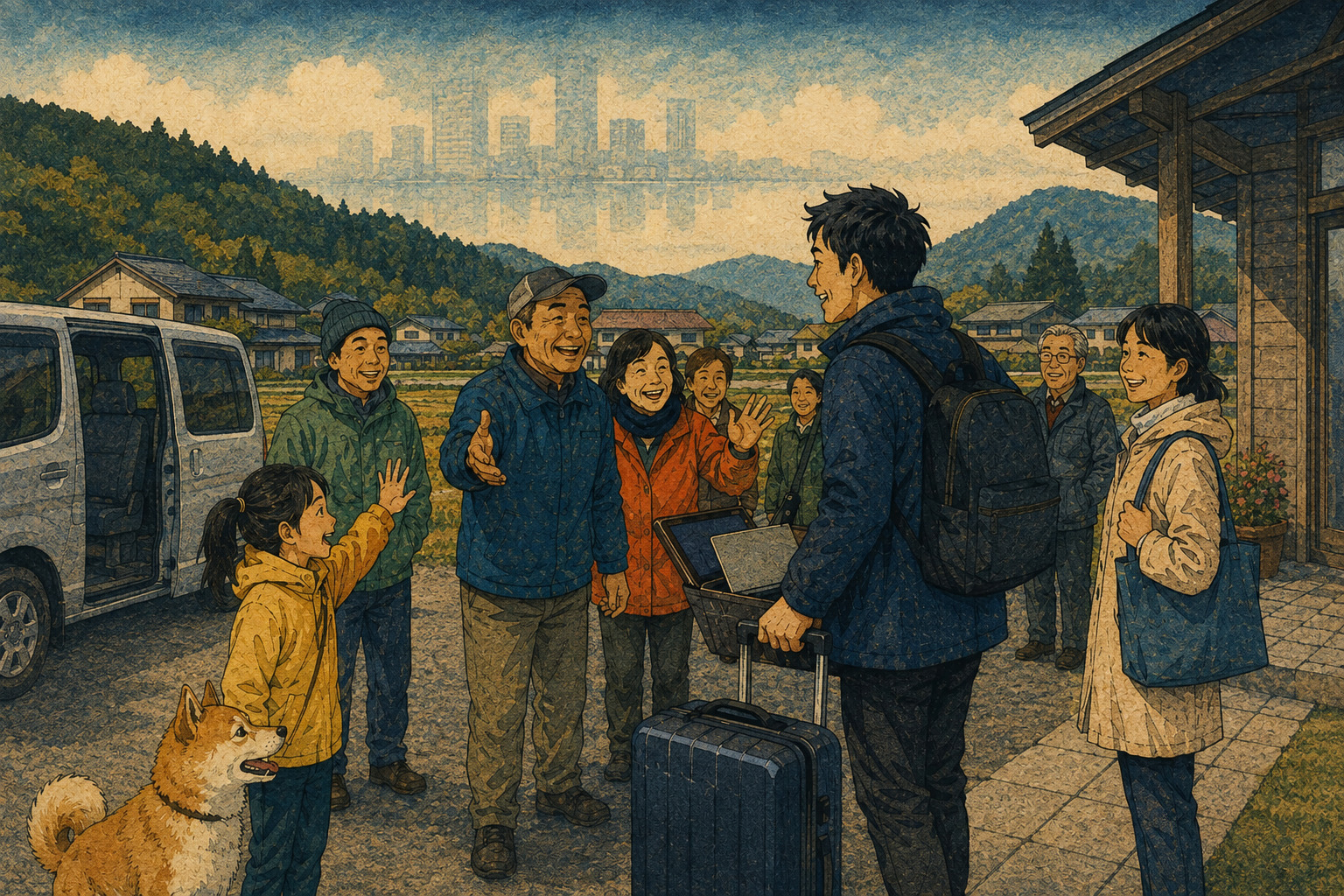
Atsuma Wants Part-Time Residents to Become Full Partners
Atsuma, Hokkaido, and three private companies have formed Tsugite to connect dual-location residents with housing, work and community. We examine the company through earthquake recovery, Japan’s 2024 law, local entrepreneurship and the still-unanswered questions about governance and revenue.
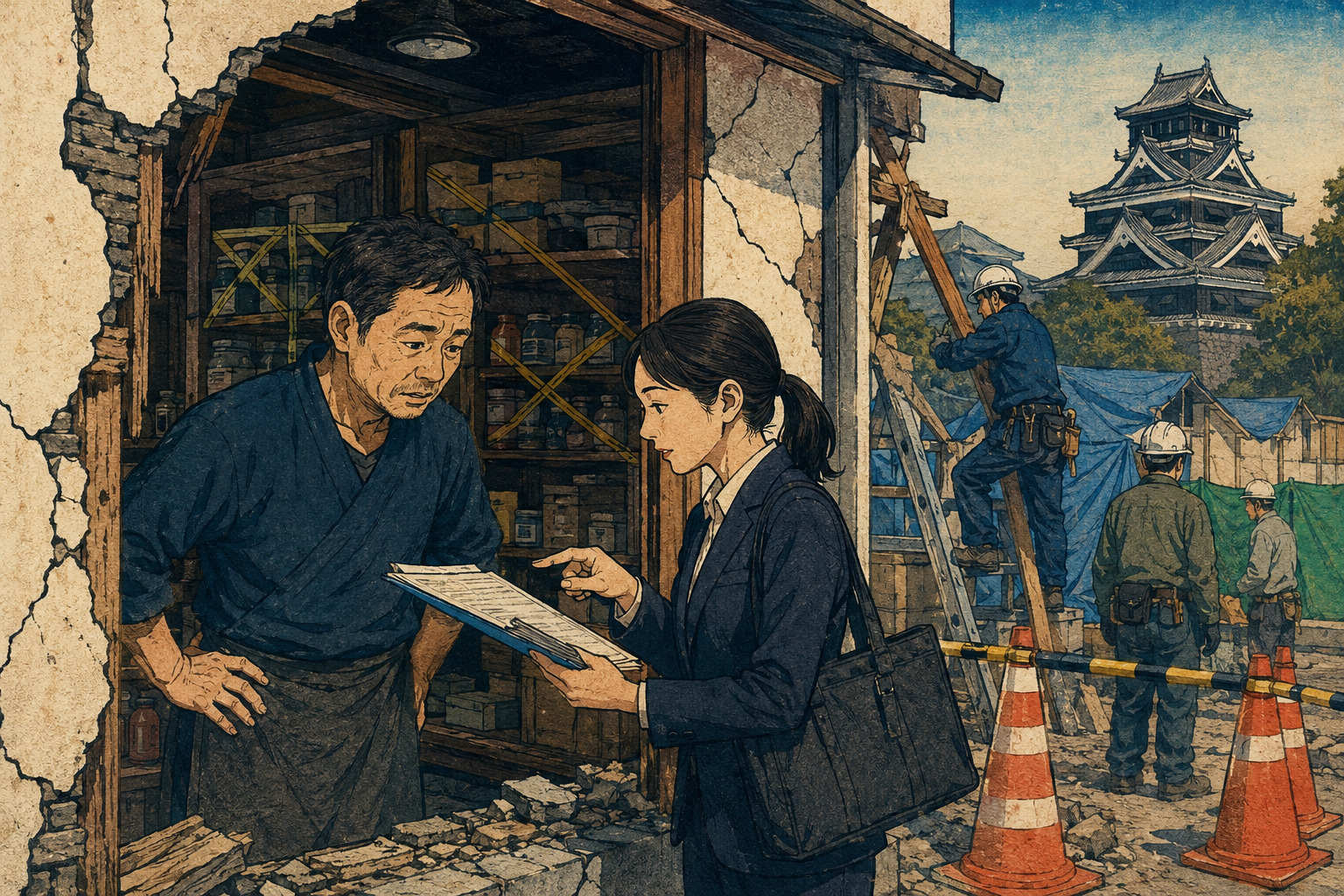
Kumamoto’s New Credit Lifeline Comes With Crucial Fine Print
Five municipalities hit by the 2026 Kumamoto earthquake are gaining a third layer of public credit support. We explain the disaster guarantee, its limits, the wider support system and the lessons of 2016.
Universities & Research
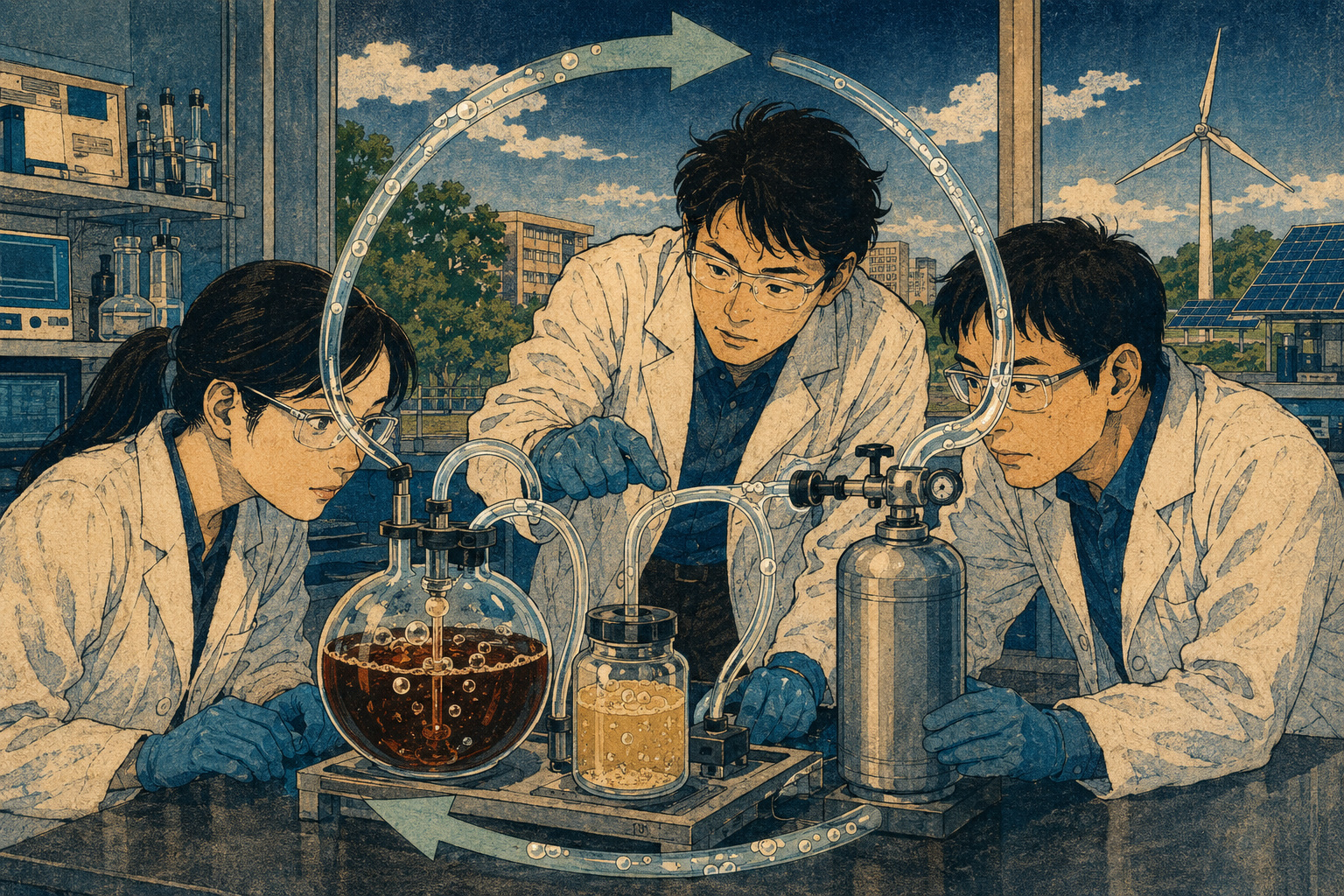
Universities & Research · 4–6Yeast Stores the Reducing Power; Iron and Light Release the Hydrogen
Researchers at Tohoku, Hokkaido and Kyushu universities demonstrated a liquid-organic-hydrogen-carrier cycle in which baker’s yeast reduces a polyketone to a polyhydric alcohol, then iron ions and light release hydrogen and regenerate the molecule. We examine the chemistry, its Japanese lineage and the work still required before the cycle can be called green or practical.
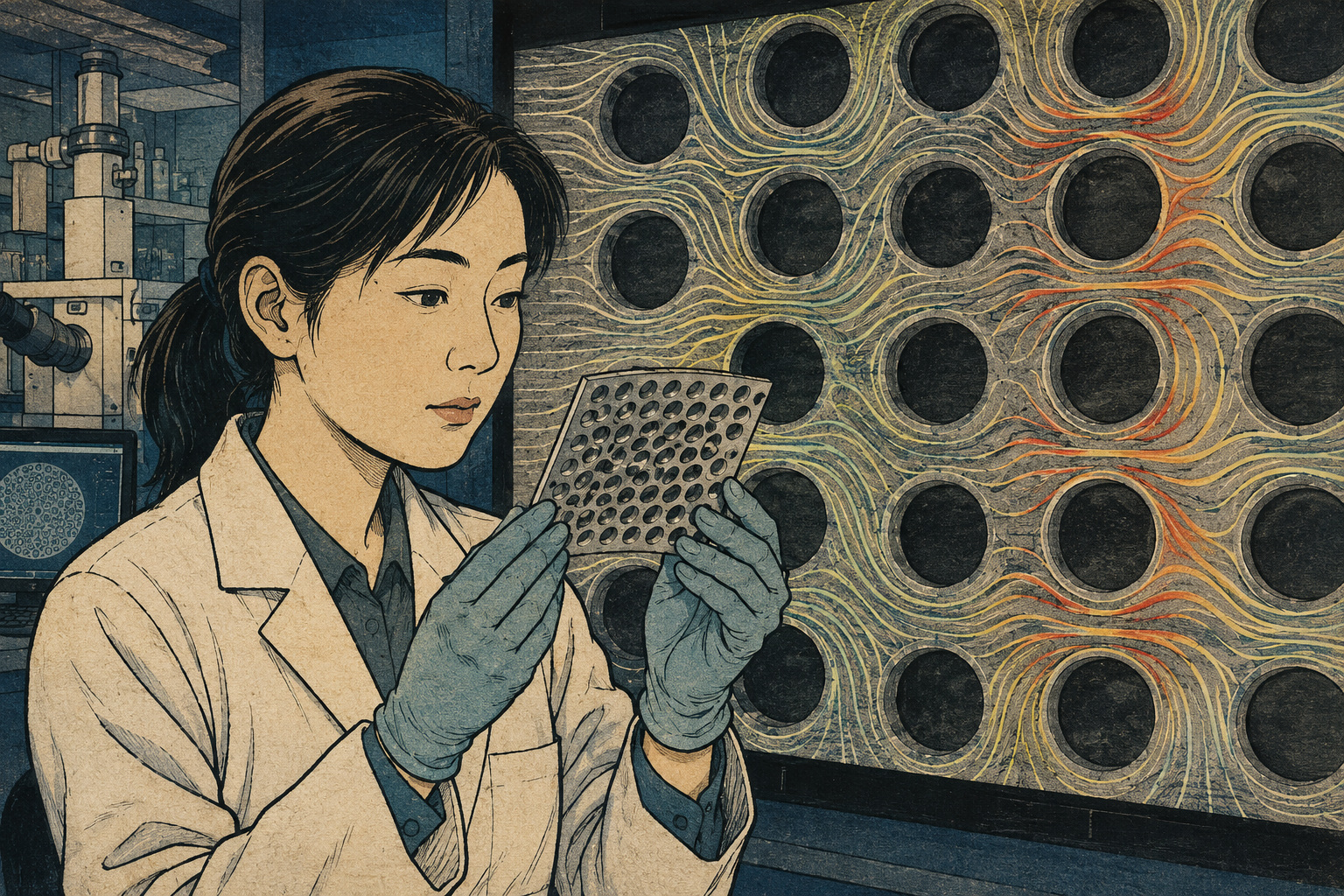
Japan’s Nanohole Metal Turns a Fatigue Flaw Into an Escape Route
A Kyoto University-led team patterned nickel single crystal with nanoscale holes, cutting relative density roughly in half while doubling resistance to fatigue-crack initiation. We examine the dislocation-starvation mechanism, the history of metal fatigue and the large gap between a microscopic proof and an engineering material.
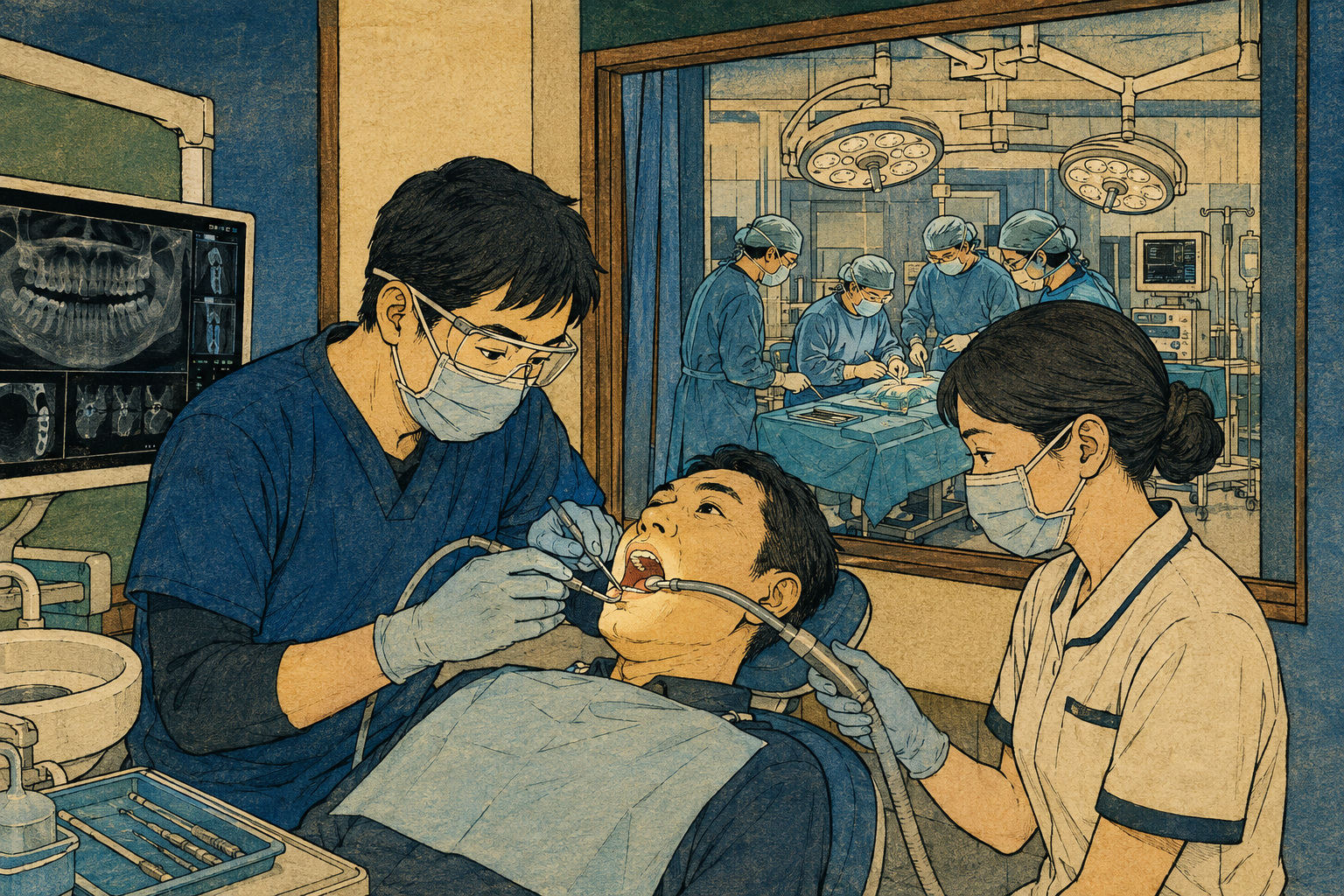
What Tokushima’s 60,000 Operations Say About Oral Care Before Surgery
Tokushima University Hospital found that expanding perioperative oral care was associated with falling postoperative pneumonia across roughly 60,000 general-anesthesia operations. We examine the 16-year analysis, its missing effect estimates, Japan’s 2012 insurance reform and the evidence behind preoperative dental care.
Life & Society
Life & Society · 7–9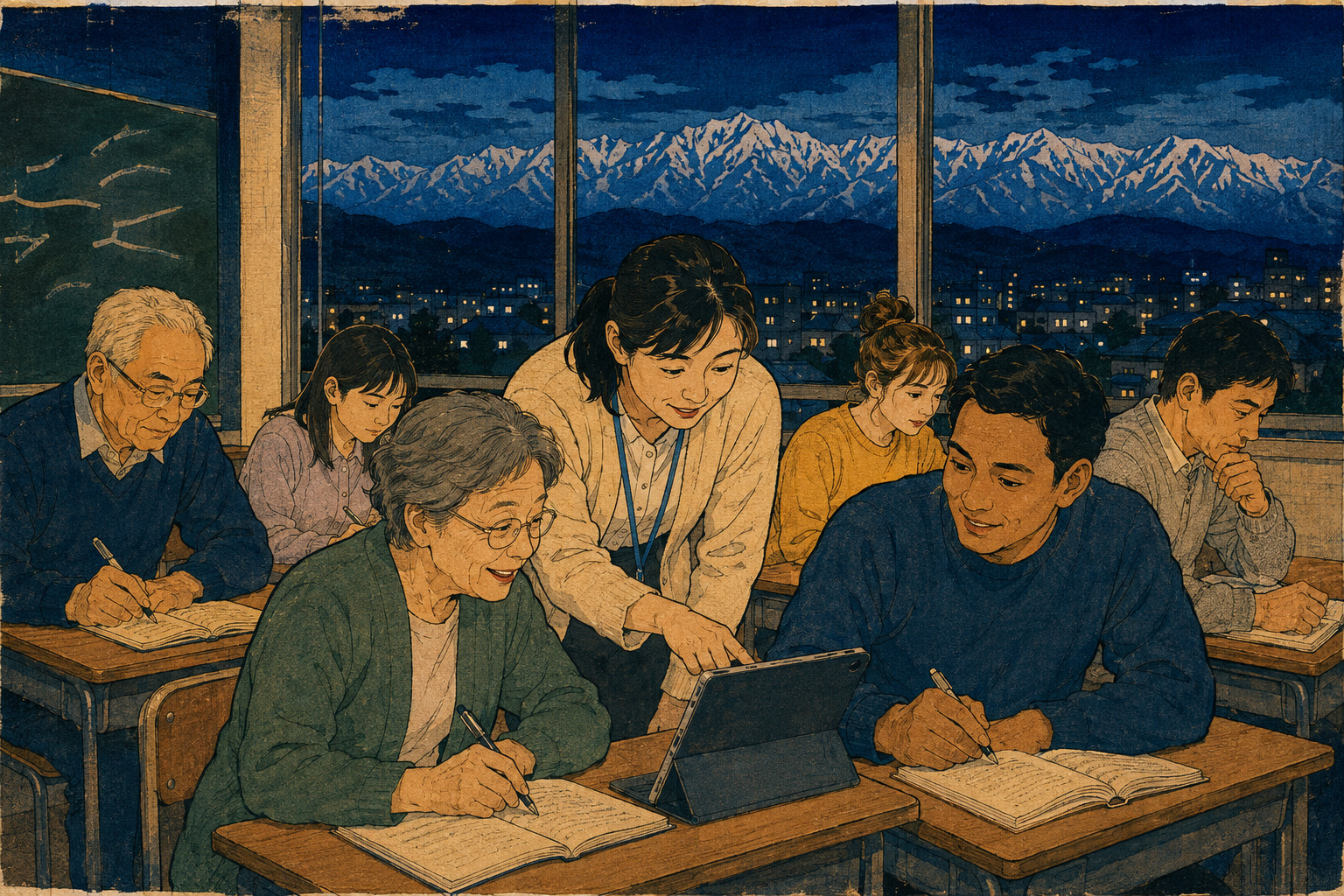
Toyama’s First Night Junior High Prepares to Open Its Doors
Toyama is testing classes for Koshi no Akari, its first public night junior high school, before an April 2027 opening. A long-form examination of who it serves, how it will teach and the history behind Japan’s expanding second-chance school system.
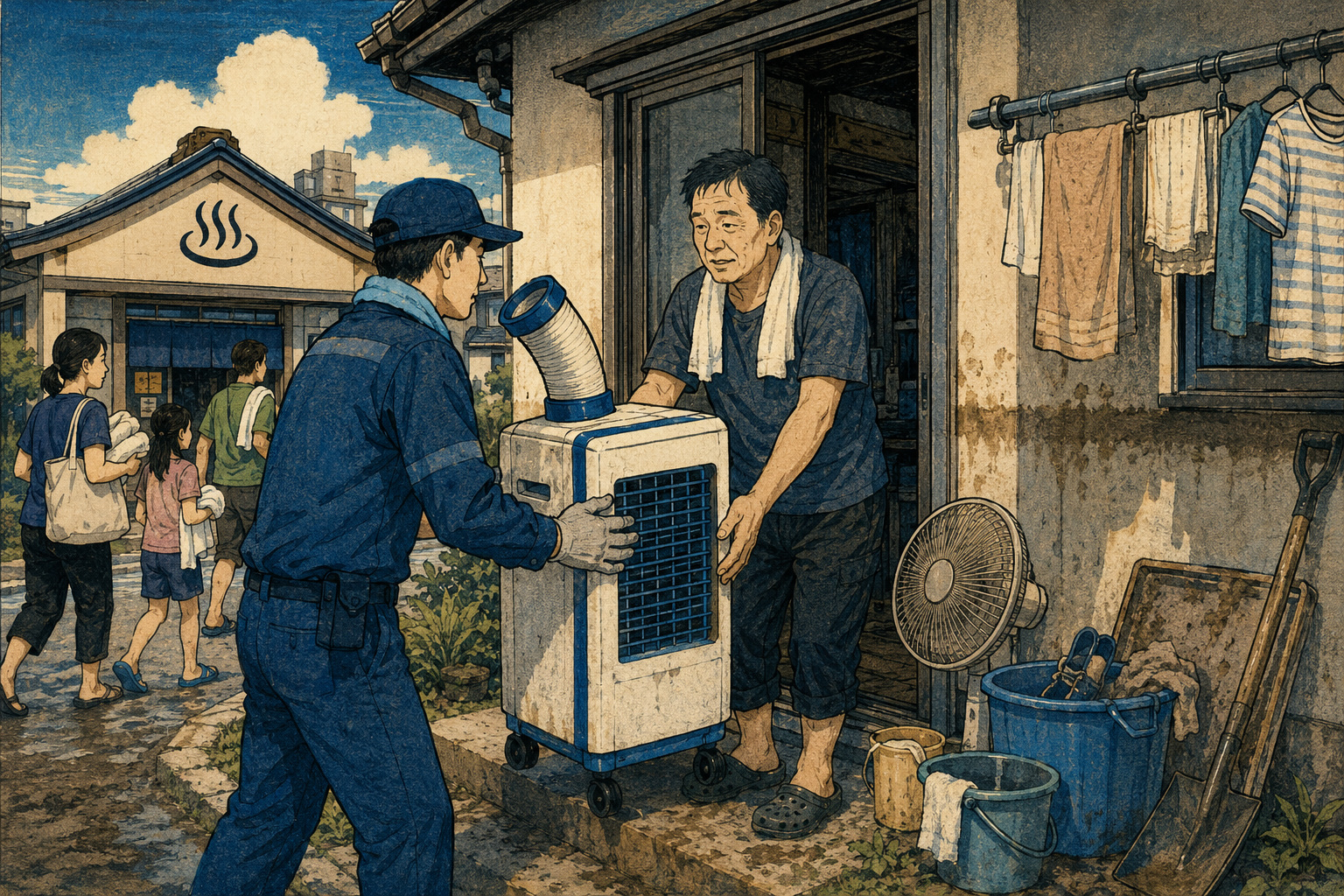
Baths and Coolers After Kashiwa’s Flood
Kashiwa opened three municipal bathing facilities and began lending portable coolers after the August 2026 Chiba flood. We examine eligibility, heat risk and history.
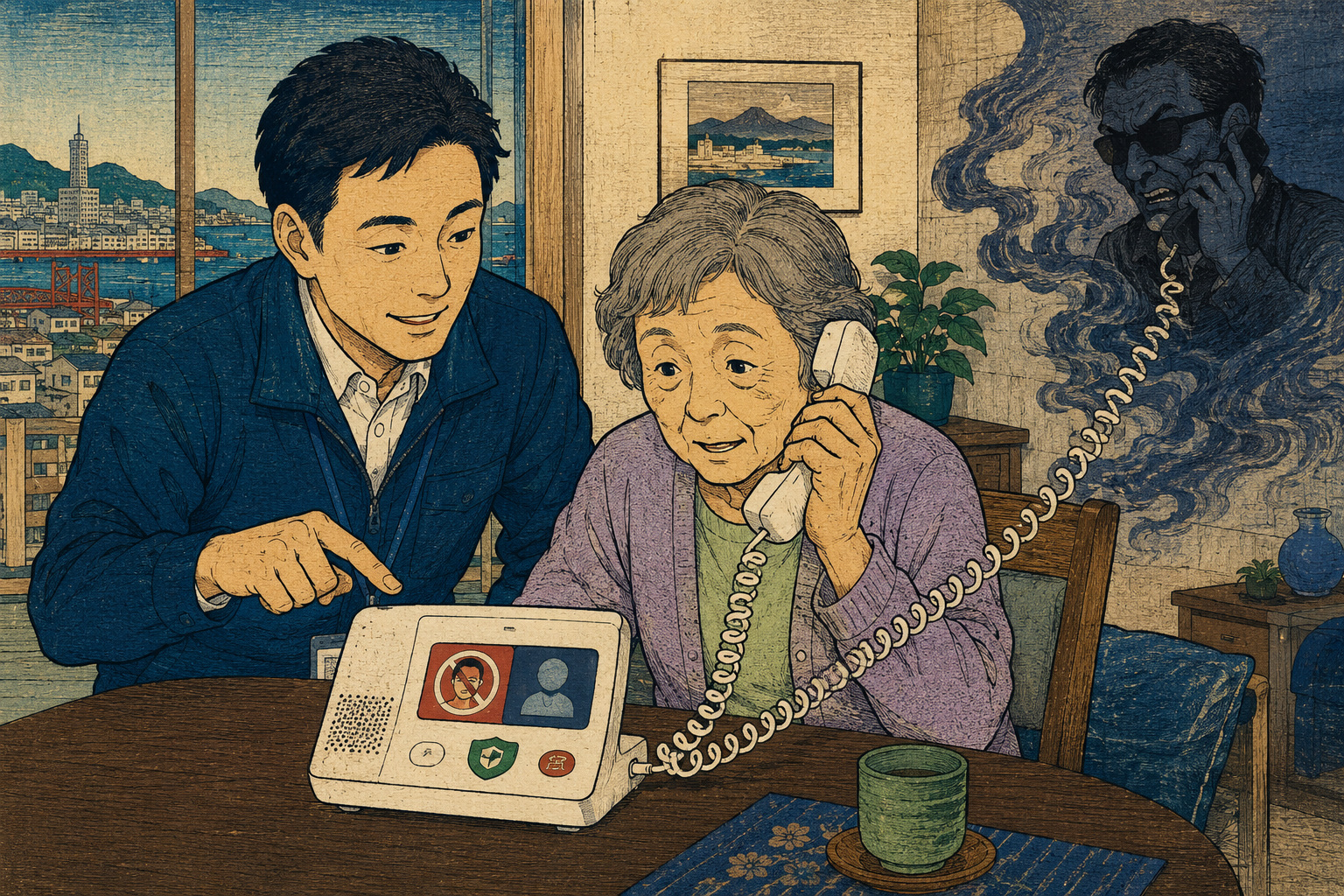
The Warning Before the Phone Rings: Kitakyushu’s Anti-Fraud Subsidy
Kitakyushu is subsidizing fixed-line phones that warn callers and automatically record conversations. We examine the ¥10,000 ceiling, application traps and the history behind the policy.
Sports
Sports · 10–12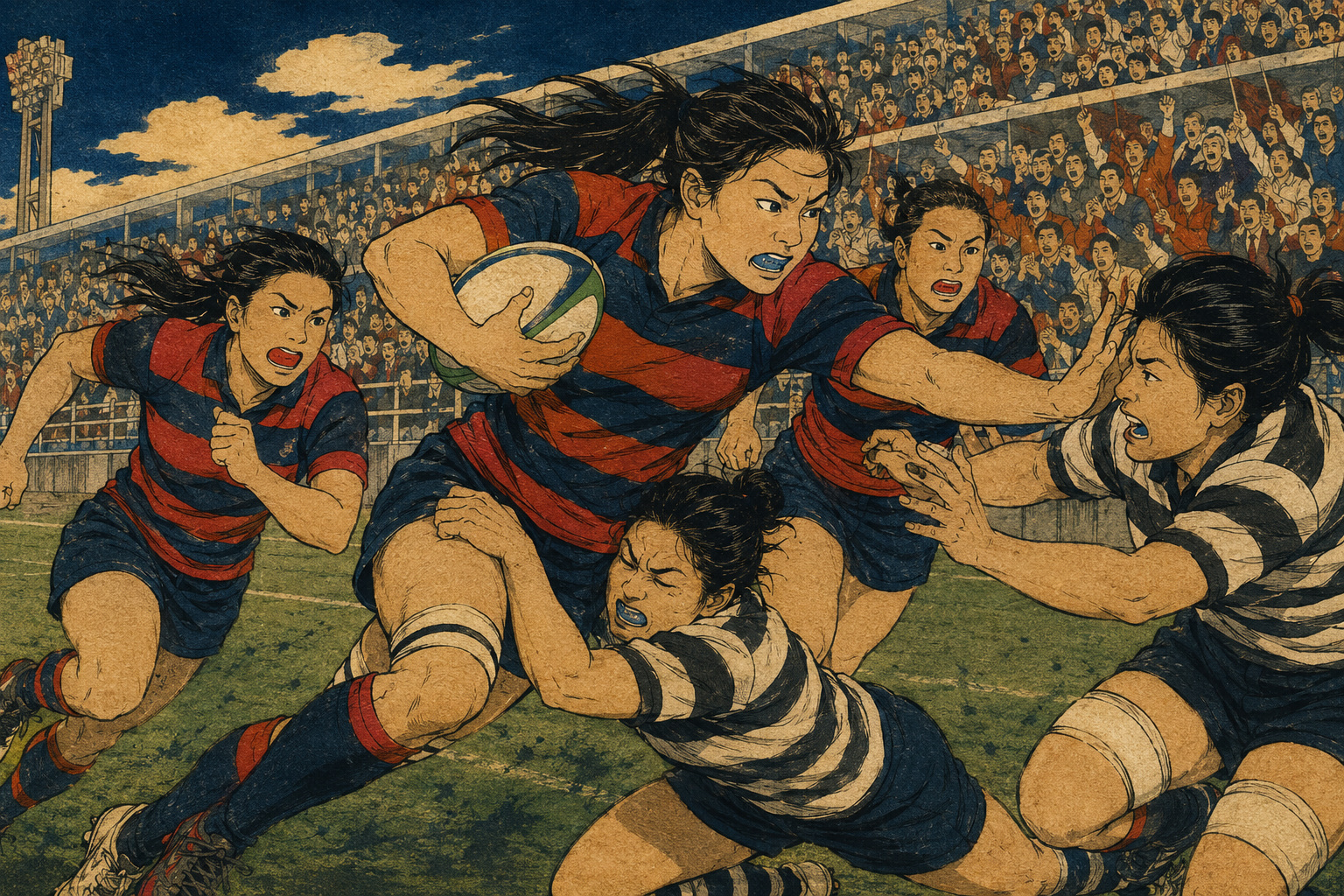
The Try After the Tie: Fukuoka Women Qualify for the Japan Games
Fukuoka won the women’s A bracket at rugby sevens’ Kyushu qualifier, beating Kagoshima 22–17 with a sudden-death extra-time try. The full route, roster, rules and history behind the Japan Games berth.
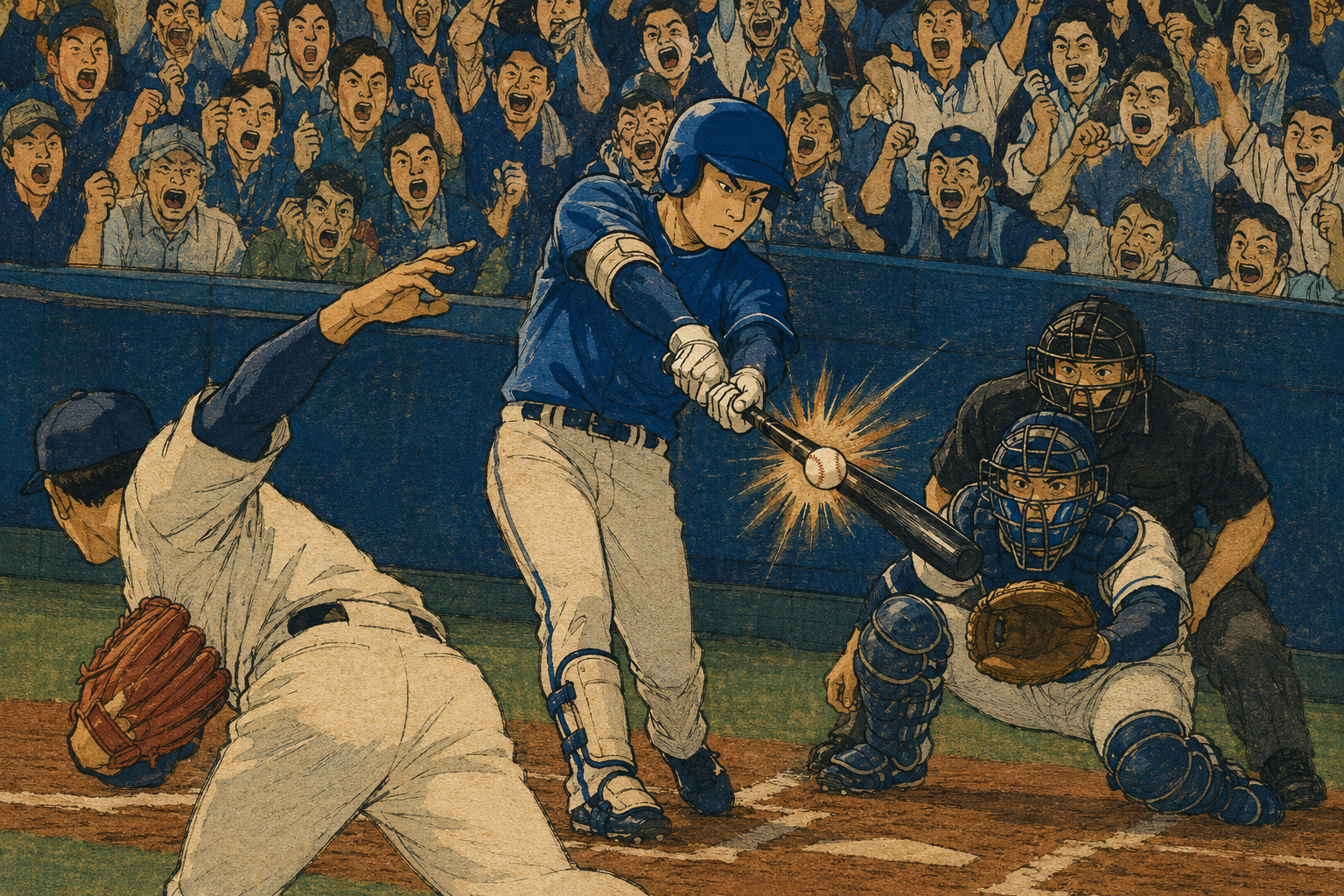
Seven Homers, Seven Left-Handers: Asahi Miyashita’s Rookie Pattern
Every one of Yokohama DeNA rookie Asahi Miyashita’s seven home runs through Aug. 24 came against a left-handed pitcher. An official-record audit of the pitchers, directions, game situations and history behind the 7–0 split.
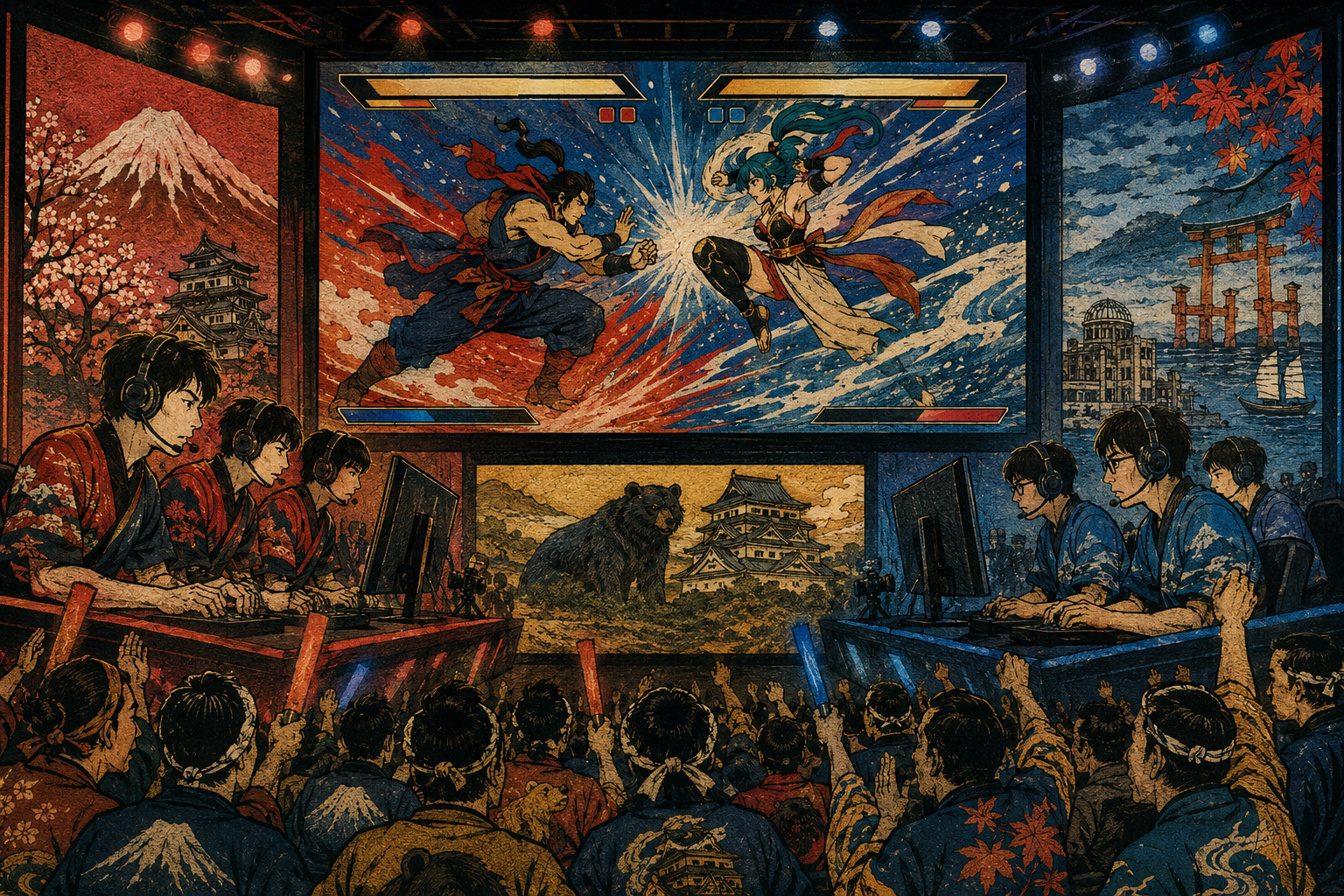
When a Prefecture Enters the Arena: Street Fighter League Japan’s Regional Teams
Street Fighter League Japan 2026 opens with privately operated teams carrying the names of Fukushima, Kumamoto and Hiroshima alongside national esports brands. We examine the first results, league rules, regional bases and the competition’s history.
Music & Culture
Music & Culture · 13–15When the Ancestors Go Home: Okinawa’s Obon and Eisa
Okinawa’s 2026 old-calendar Obon runs Aug. 25–27 through Unkē, Nakanuhī and Uukui. A reported history of the household observance, Eisa processions, the lunar calendar, occupation records and the modern all-island festival.
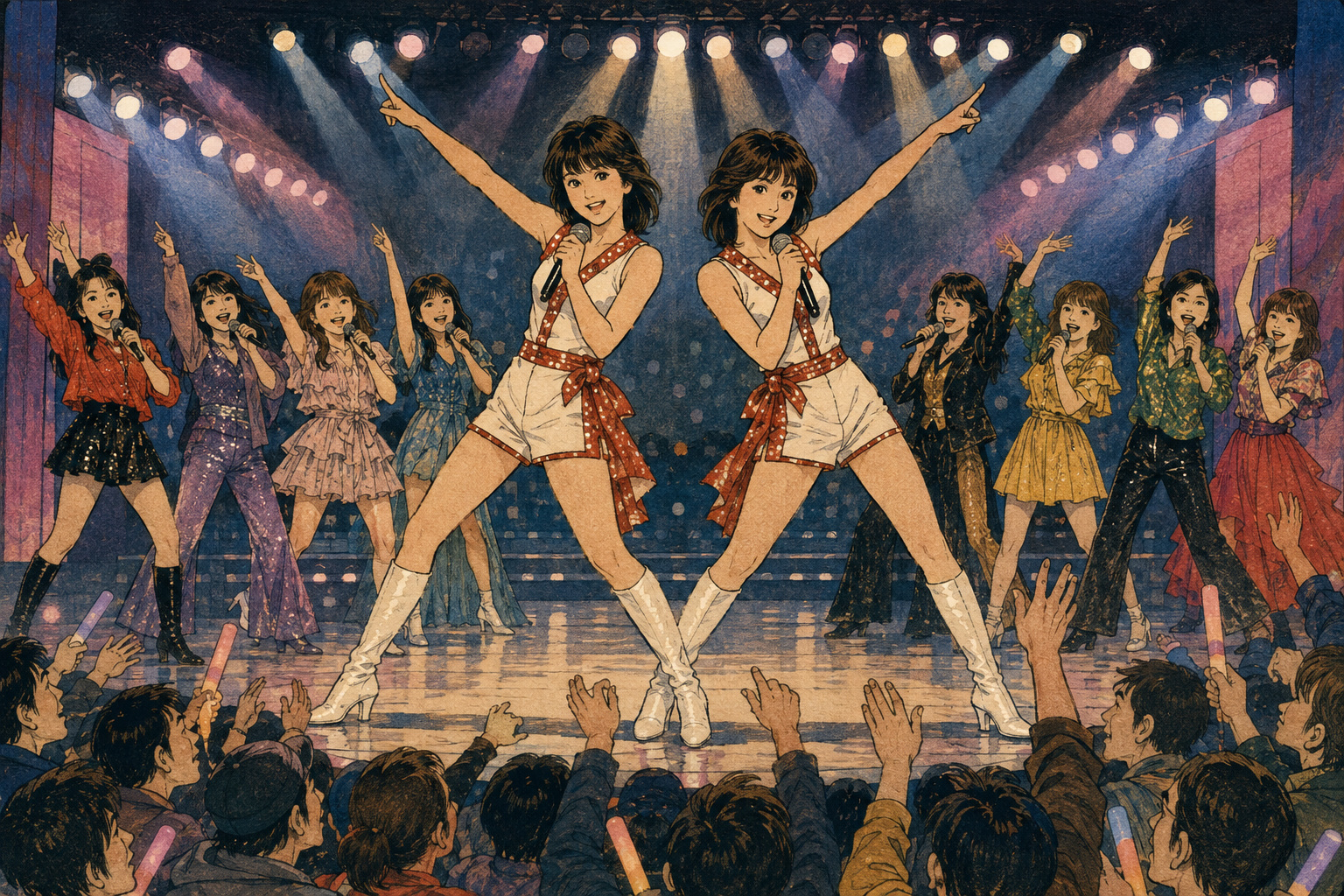
When the Song Starts, the Body Remembers: Pink Lady at 50
Pink Lady’s 50th-anniversary concert and 11-track tribute album reveal how a television-era union of song, choreography and audience imitation continues to train and inspire Japanese performers.
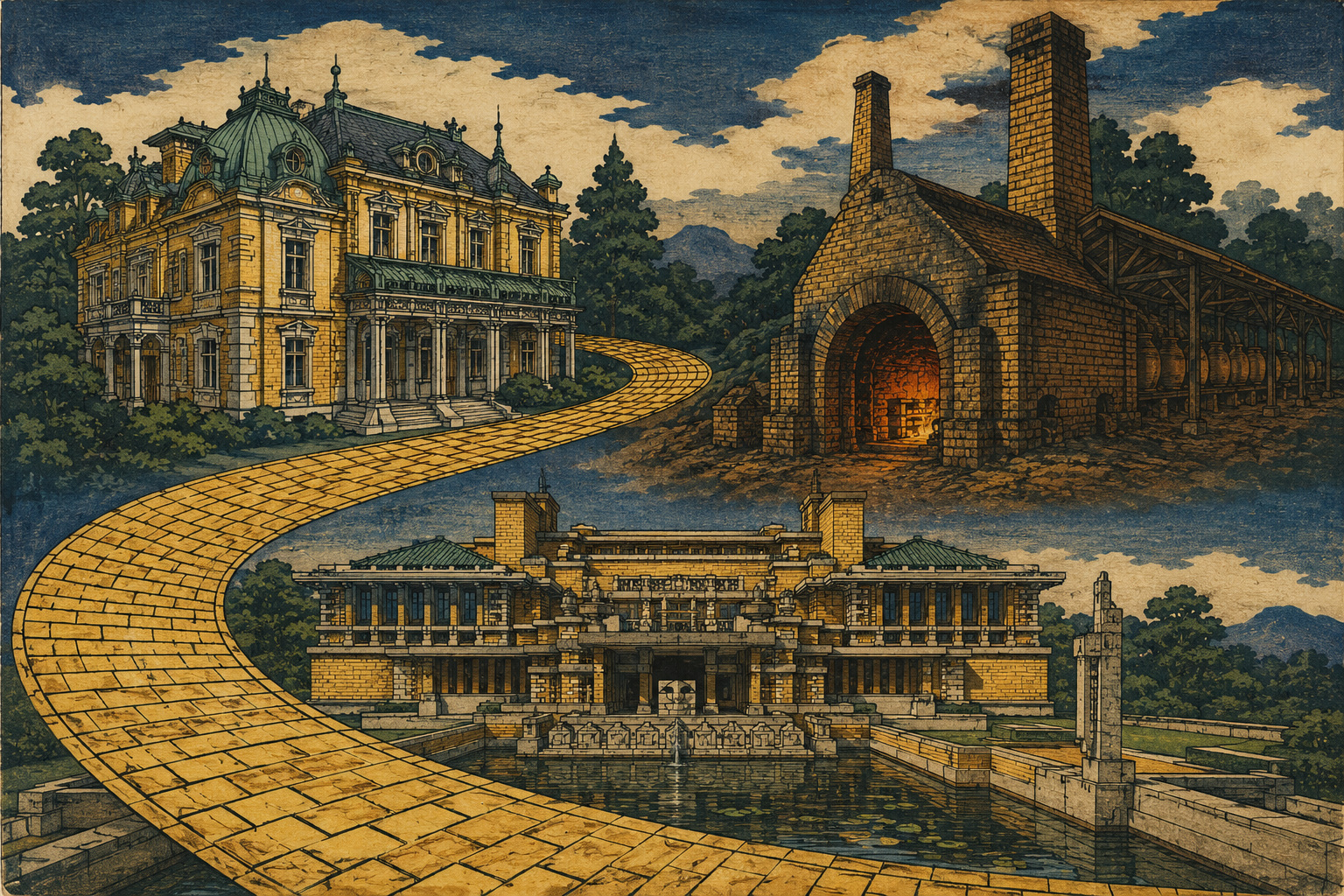
The Yellow Brick Trail Through Modern Japan
A yellow-brick trail links Kyoto’s Chourakukan, tobacco industrialist Kichibei Murai, Tokoname’s ceramic industry and Frank Lloyd Wright’s Imperial Hotel—though the materials were never all the same brick.
Three Selections From the August 26 Edition
Domestic travel, owl calls and diaper recycling
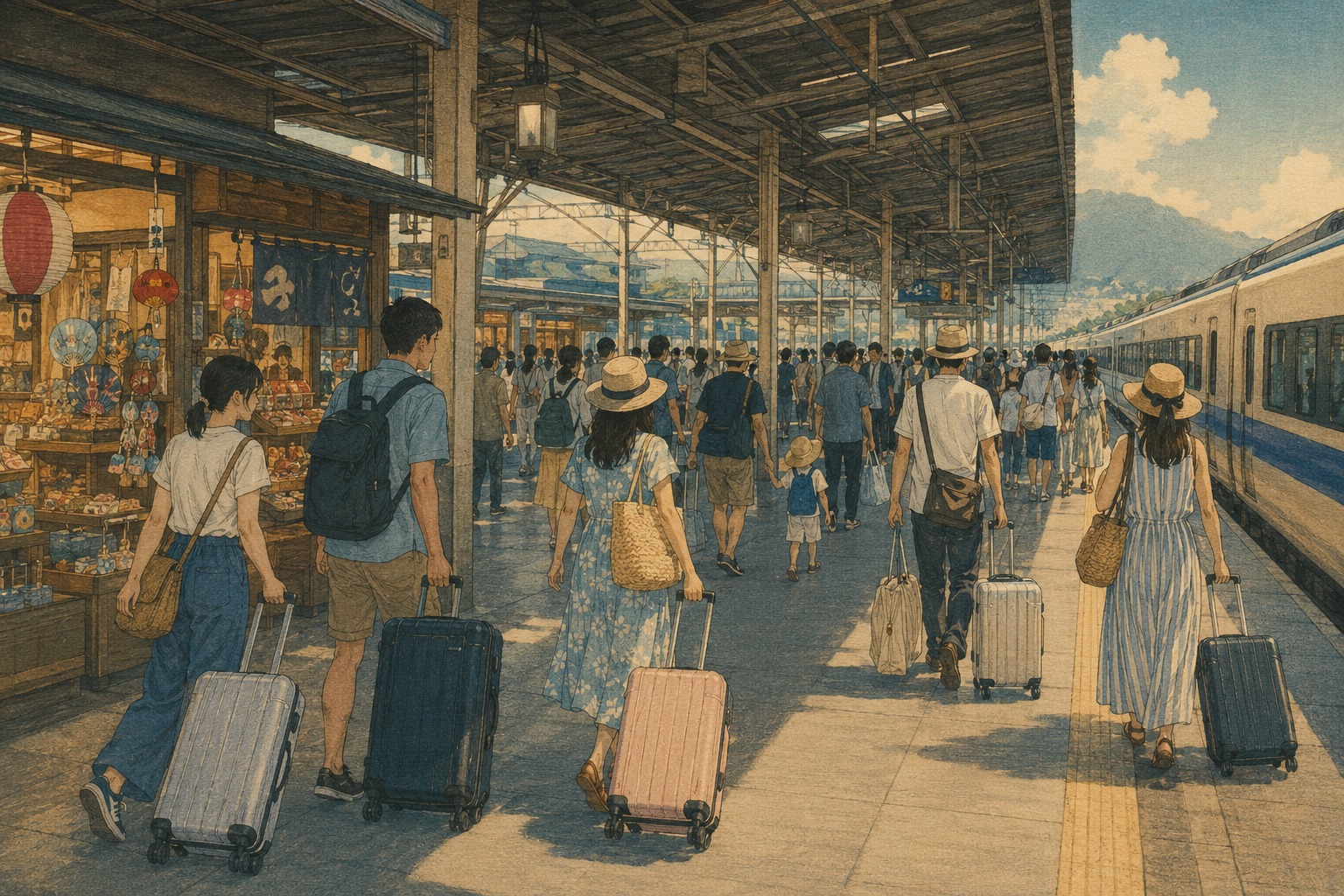
Japan’s Domestic Travel Market Grew Faster Than the Number of Trips
Japanese residents spent ¥7.536 trillion on domestic travel in April–June 2026, up 11.7% year over year. Person-trips increased 3.3% while spending per person-trip rose 8.2%. We examine the official preliminary data, history and inflation context.
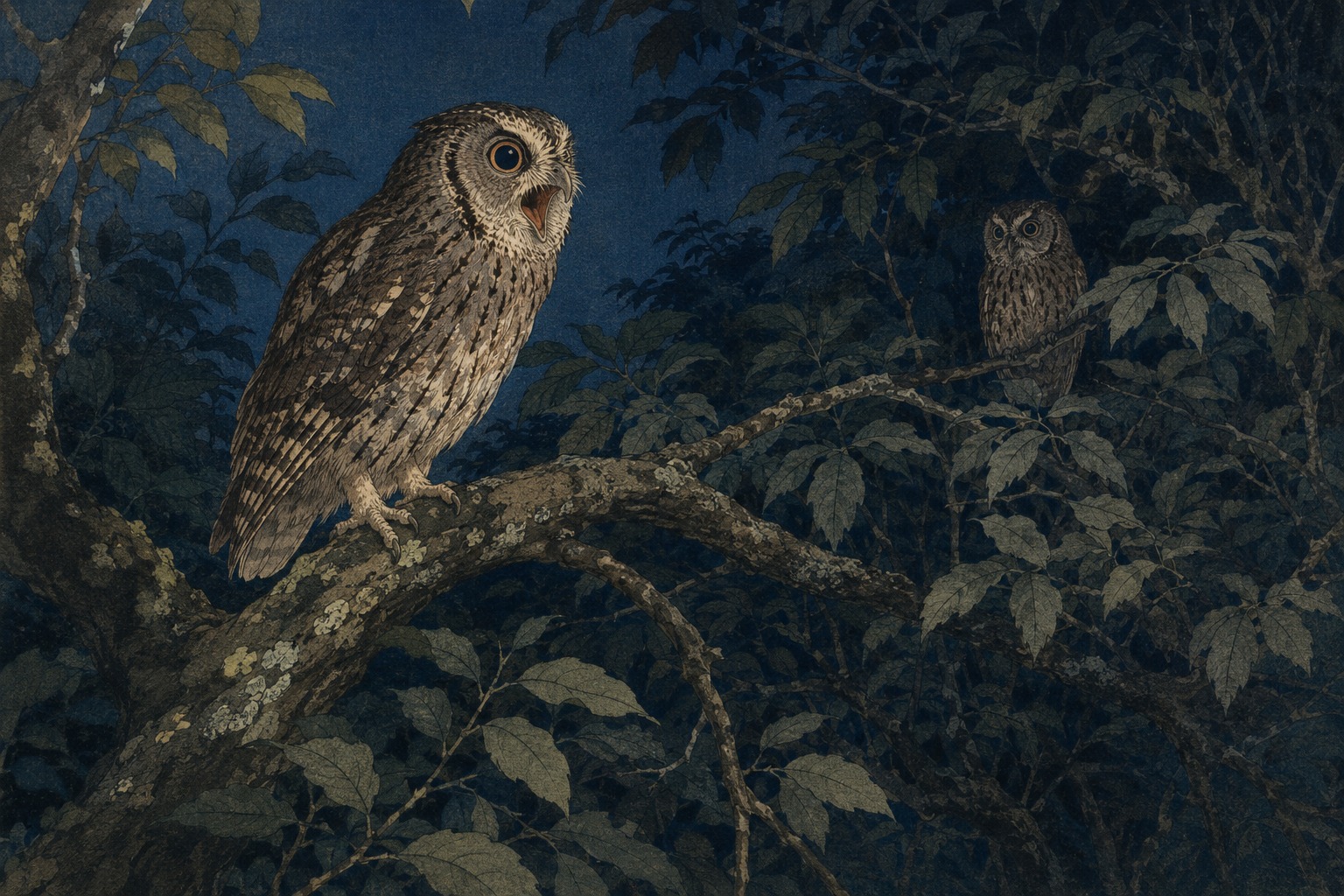
The Owl’s Copulation Call Was Not Private. Both Sexes Answered.
Hokkaido University researchers found that Daito scops owls distinguished recordings containing copulation calls and that both sexes called back more often. The field experiment, a century of island history and 22 years of owl research point toward a territorial function—but do not yet prove it.
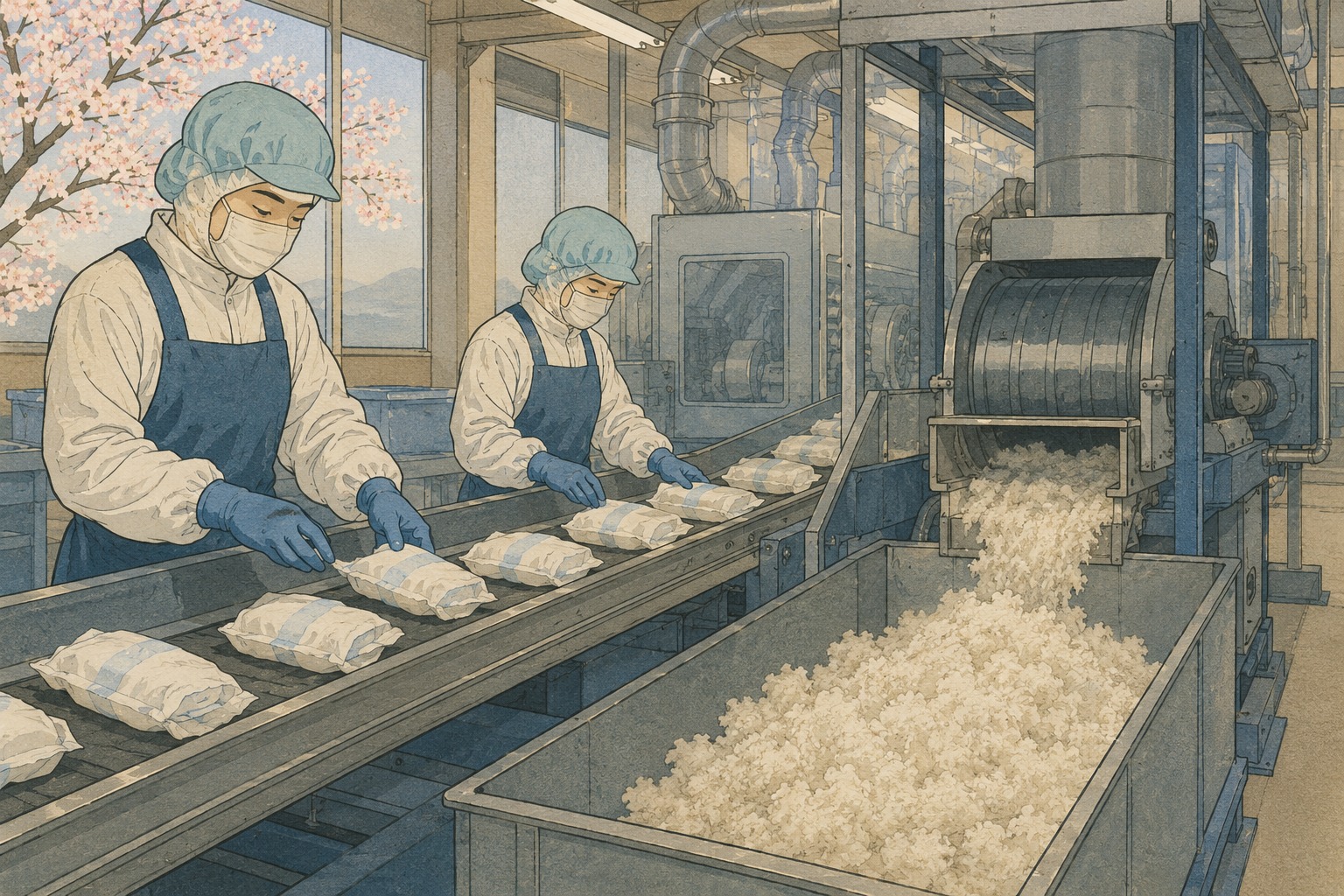
Hyogo’s Hardest Recycling Problem Is a Wet Diaper
Hyogo is designing a collection and recycling model for used disposable diapers. A deeply reported examination of household separation, incineration, four recovery routes, hygiene, dignity, reverse logistics and the market for recovered materials.
19. Today’s Art Choice
Gosōtei Hirosada · The One-Legged Umbrella Monster
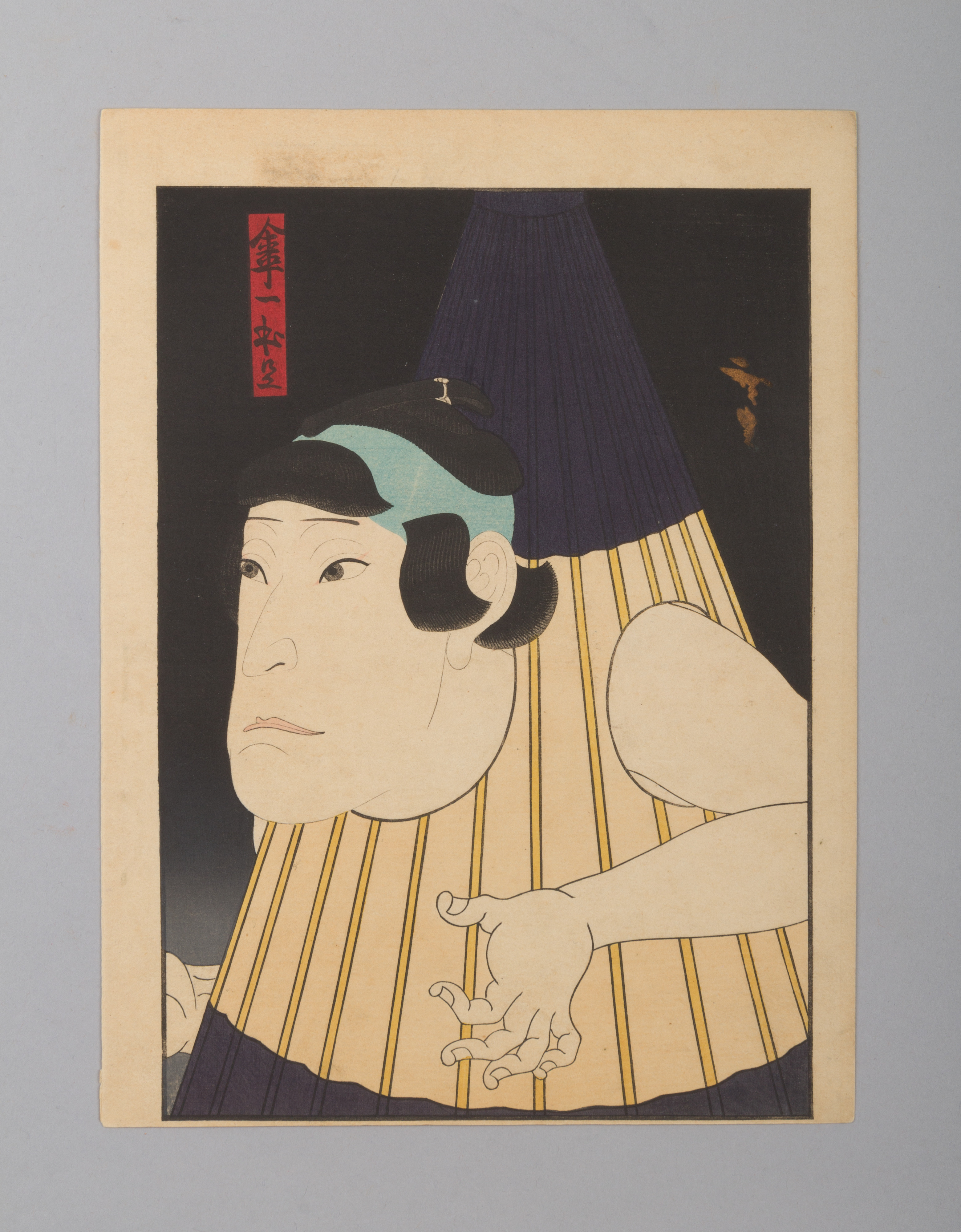
Art Choice: Hirosada: The Umbrella That Learned to Haunt the Kabuki Stage
A close, evidence-led reading of Gosōtei Hirosada’s 1857 print The One-Legged Umbrella Monster, from Osaka actor-print culture and medieval tsukumogami tales to the role’s later Kabuki afterlife.
Image: Gosōtei Hirosada, The One-Legged Umbrella Monster, 1857. The Metropolitan Museum of Art, accession 2011.147. Public Domain / Open Access. No generative-AI additions or compositional changes.
Read the Art Choice →