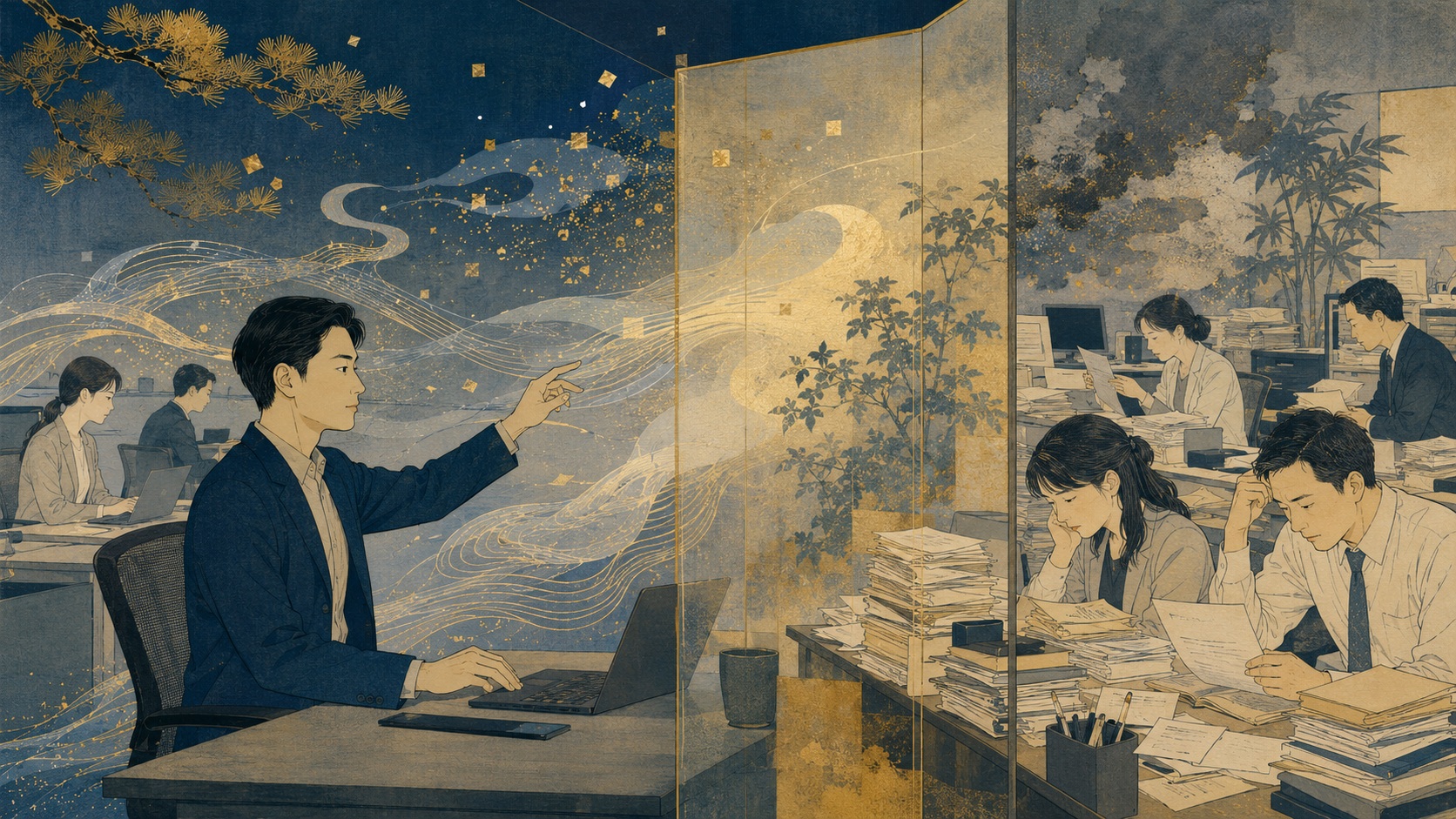
Japanese Companies Are Using AI—but Few Have Rebuilt Work Around It
Fifty-eight percent of Japanese companies have adopted or are testing AI. Yet only 11.9% have embedded generative AI in a departmental business process. The new tool has spread. The old work is still there.
Read the long-form report →Four to Read First
AI, flooding, children in distress and the J.League
Today’s 15 New Stories
Five desks · Three stories each
Business & Work
Stories 1–3Japanese Companies Are Using AI—but Few Have Rebuilt Work Around It
Why adoption is rising faster than workflow redesign, seen through more than four decades of Japanese AI policy.
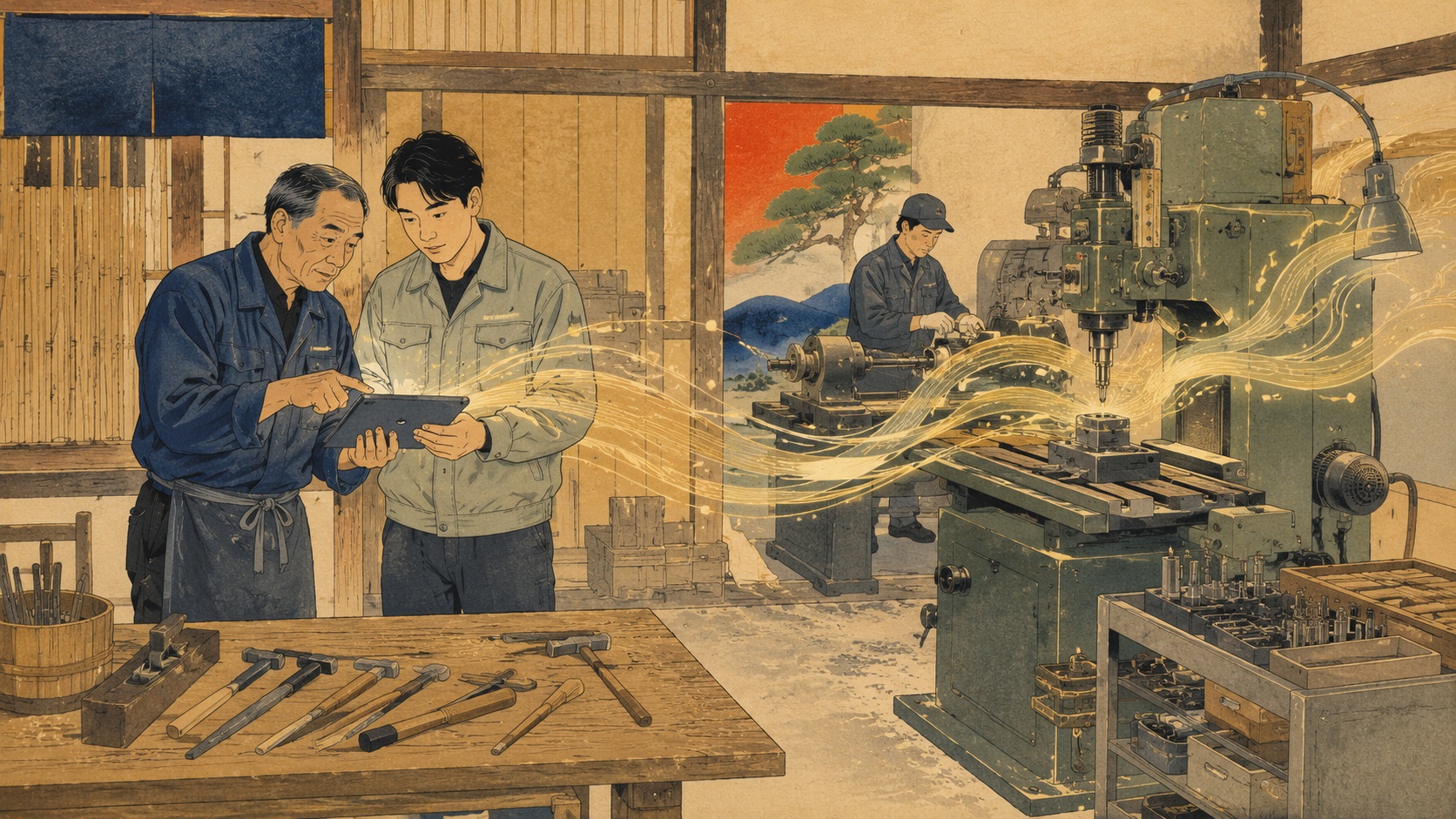
Kyushu Helps Small Companies Turn AI Experiments into Business Reform
Next Leap AX asks where time saved by AI will go—into revenue, profit, customer value or better work.
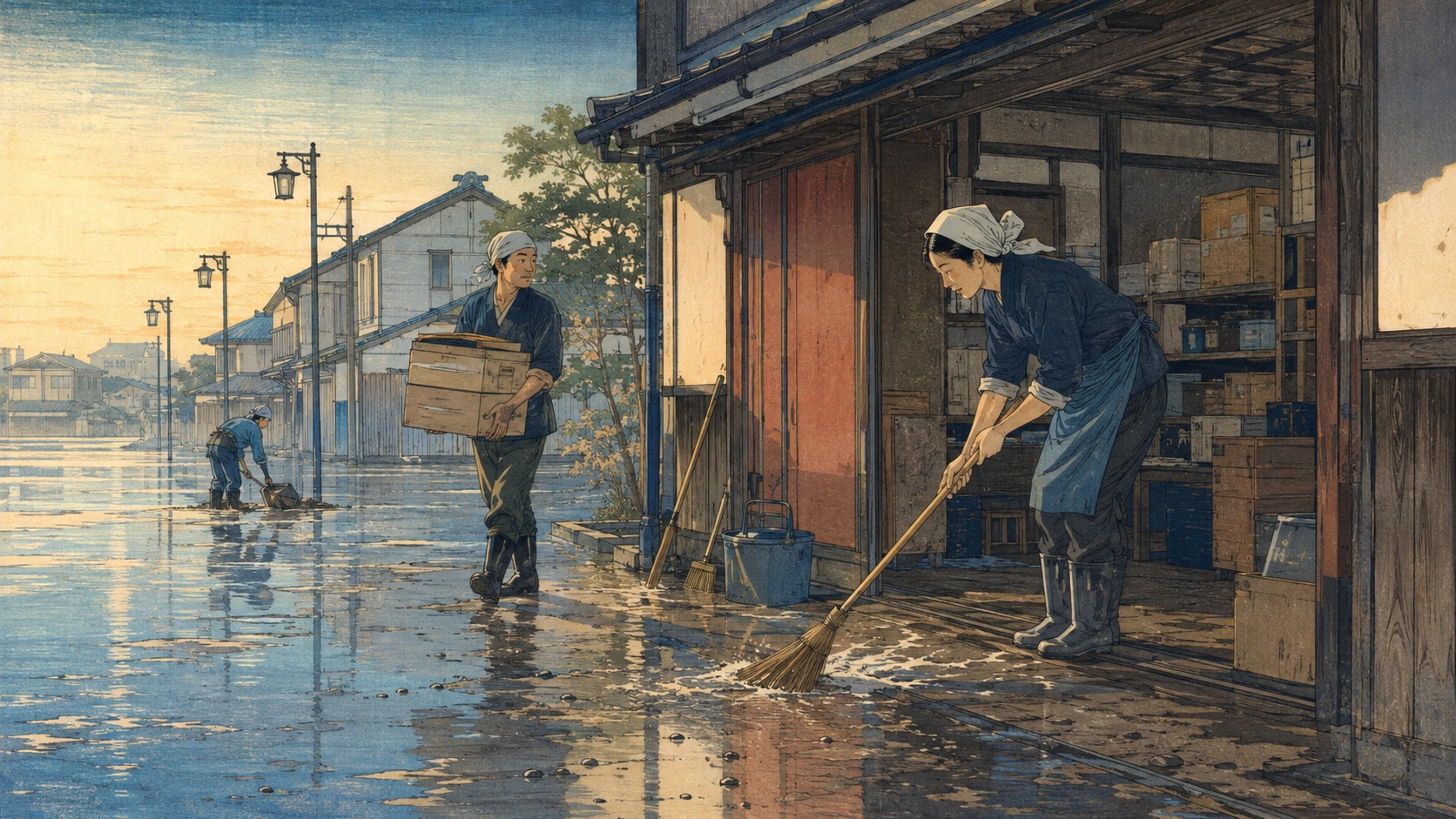
Chiba’s Small Businesses Begin the Workweek After Record Flooding
Reopening after Obon means restarting five clocks: safety, evidence, waste, cash and customers.
Universities & Research
Stories 4–6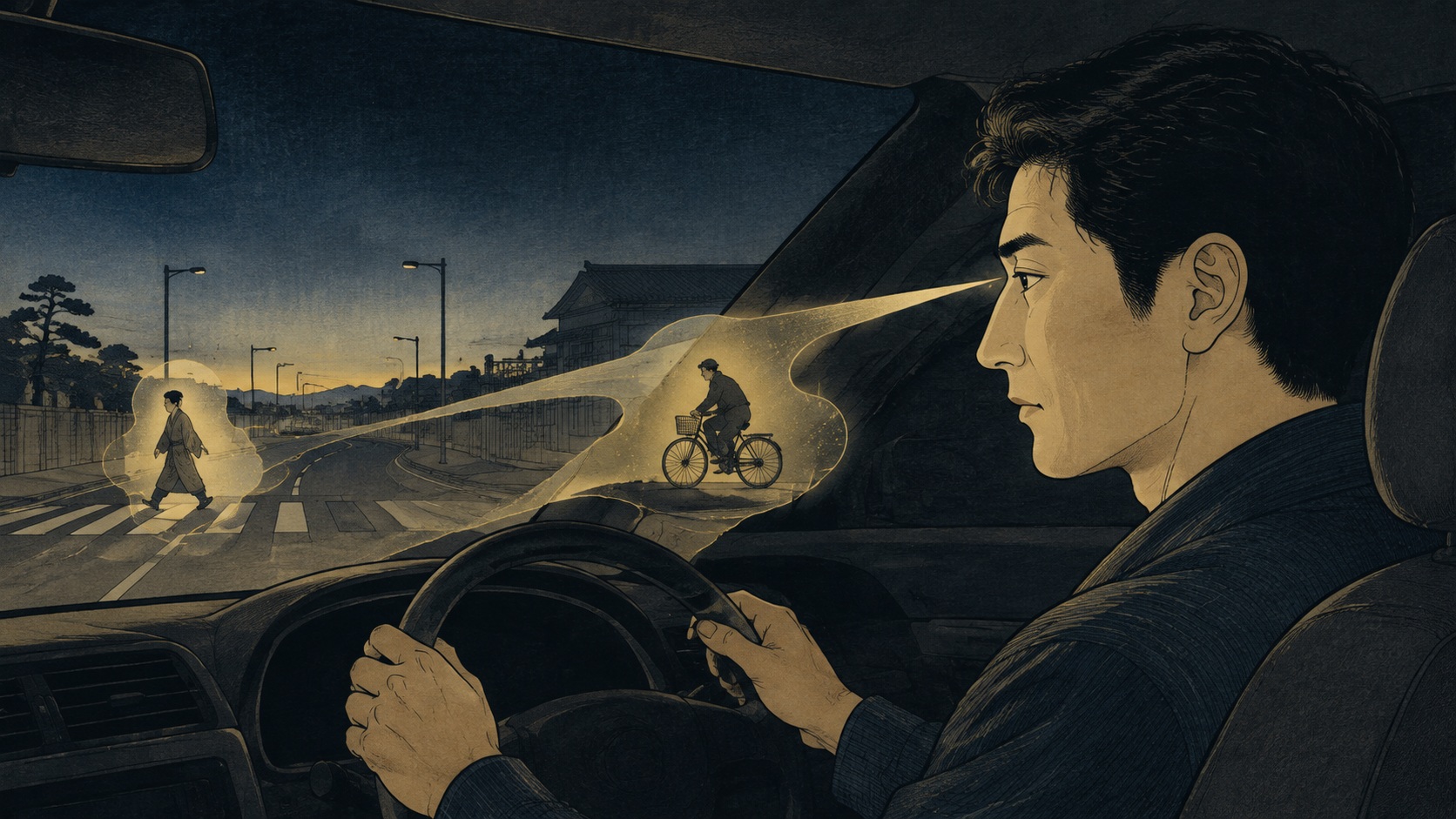
Experienced Drivers Know When the Brain Should Pay Attention
A 24-driver experiment found flexible switching in the brain’s visual gate—not a neural certificate of safe driving.
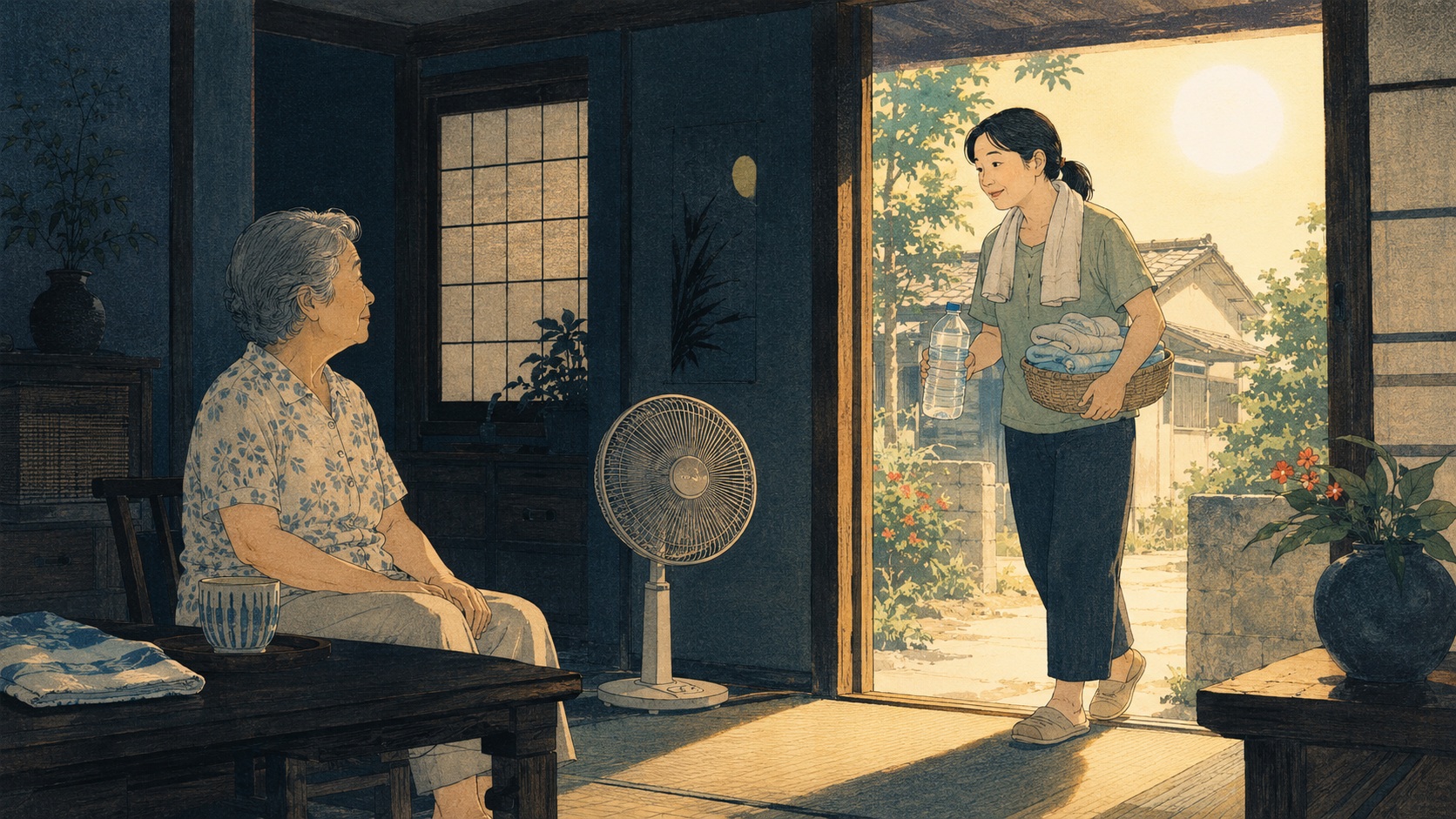
Losing Air Conditioning After Disaster Raises Elderly Mortality Risk
A rapid analysis translates an invisible heat threat into cooling capacity and electricity requirements.
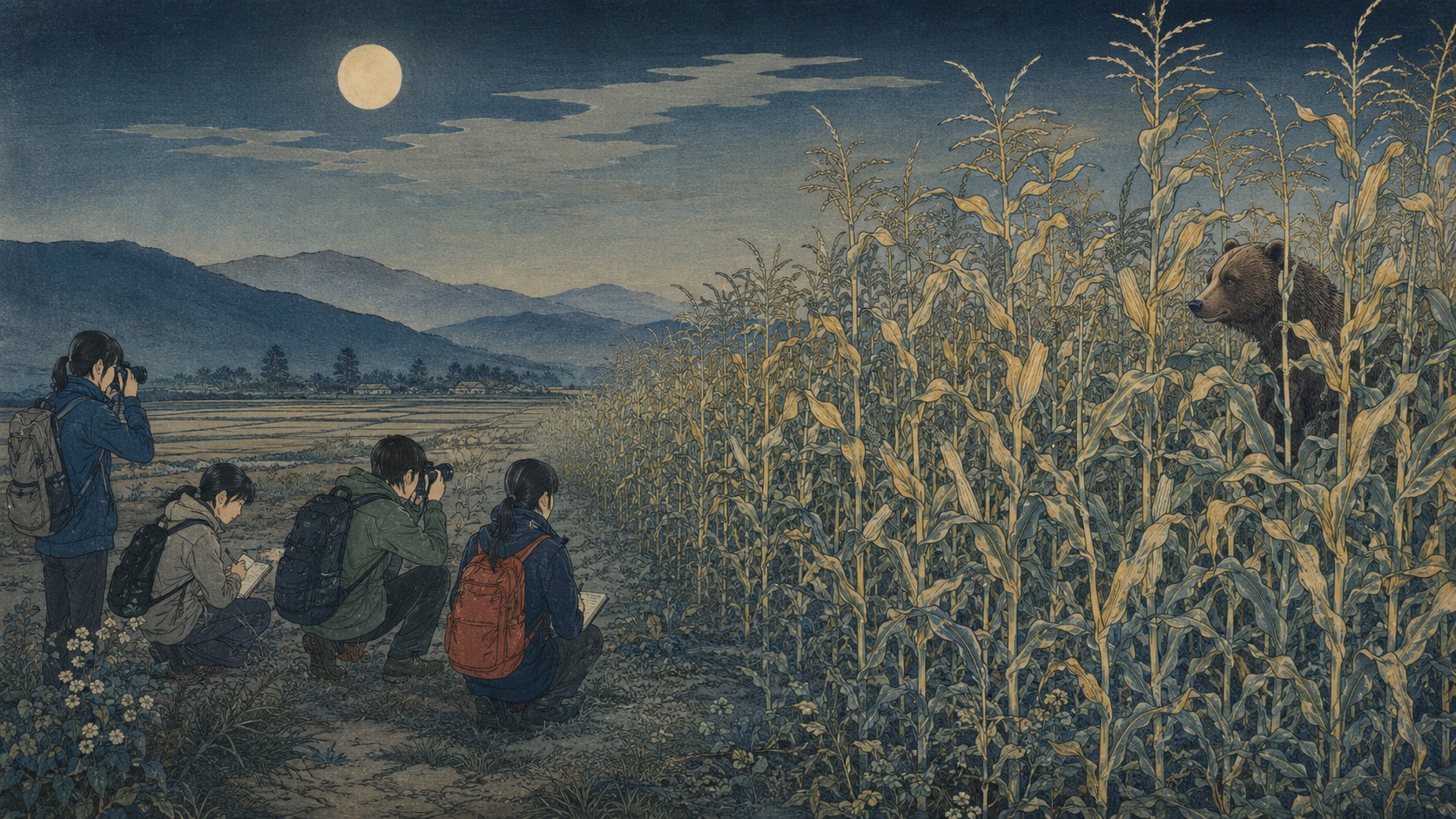
Hokkaido’s Student “Bear Lab” Explains Why Bears Enter Cornfields
Six years of records reveal both a push from the forest and a pull from crops left standing in the field.
Life & Society
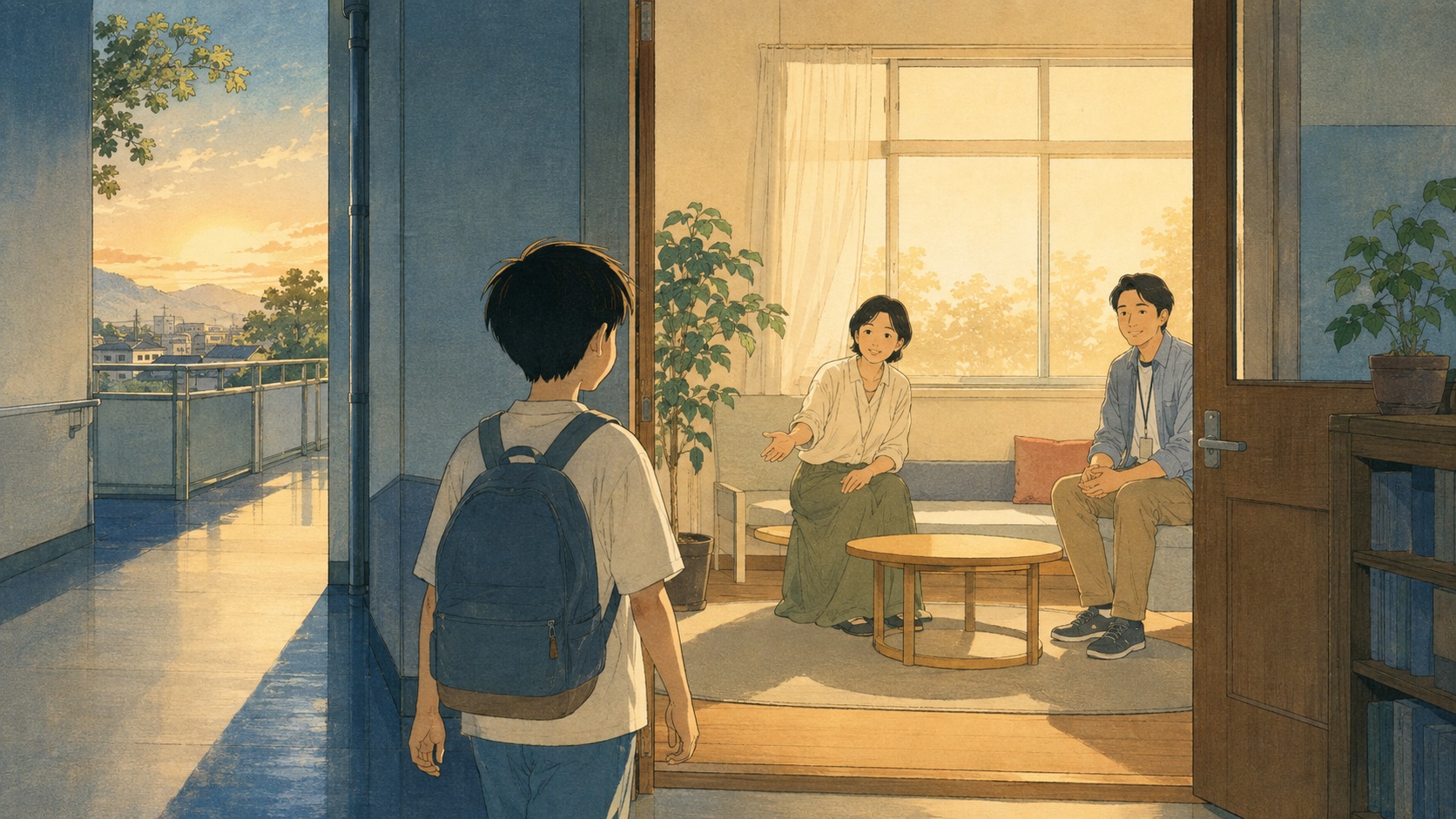
Stories 7–9Before School Restarts, Japan Mobilizes to Protect Children in Distress
A new intensive period begins August 20. The test is whether public awareness becomes timely human help.
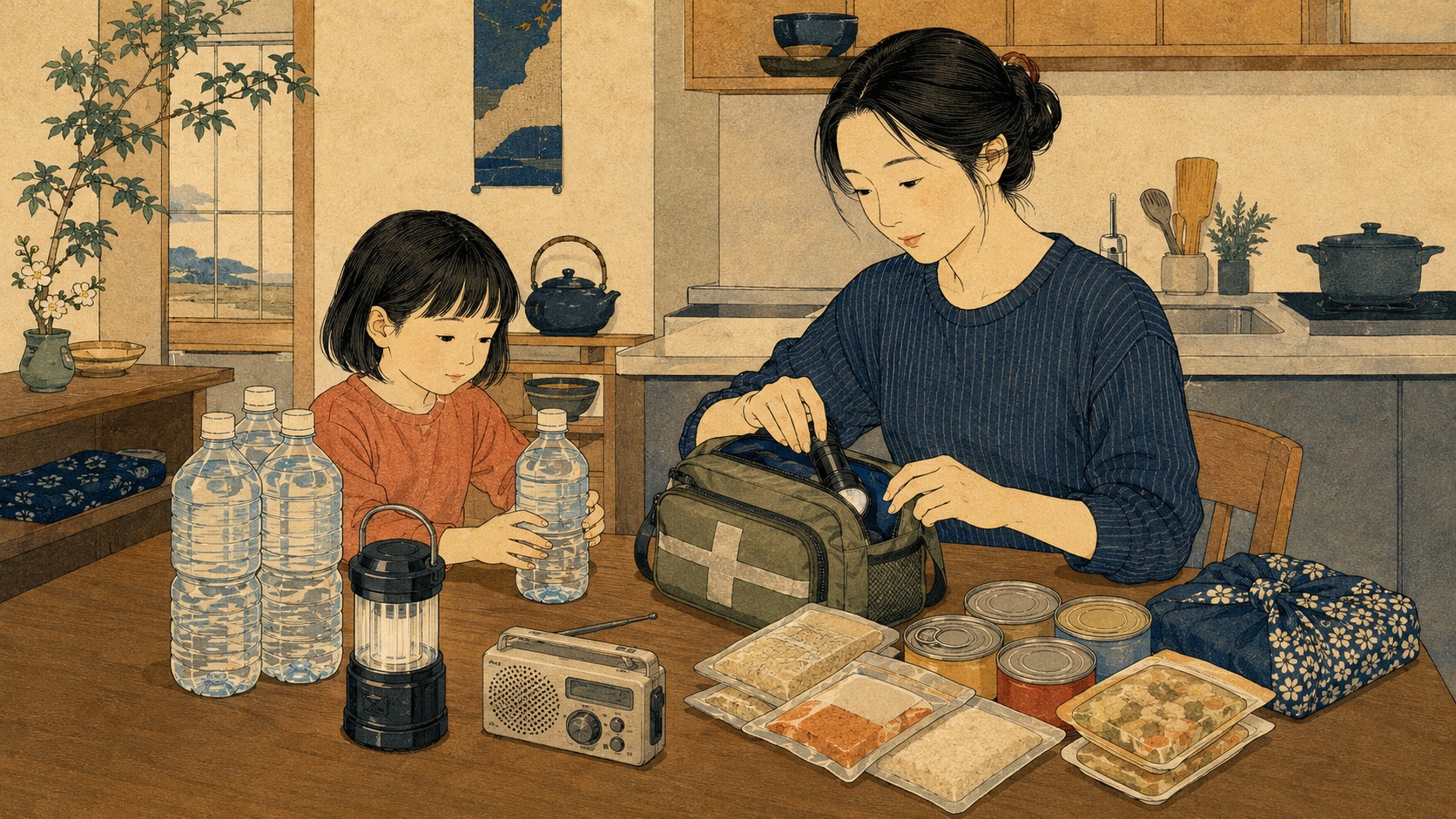
Mothers Turn Everyday School Items into Disaster Protection
A school hat, a walked safety map and familiar food fill the moment when special emergency gear is elsewhere.
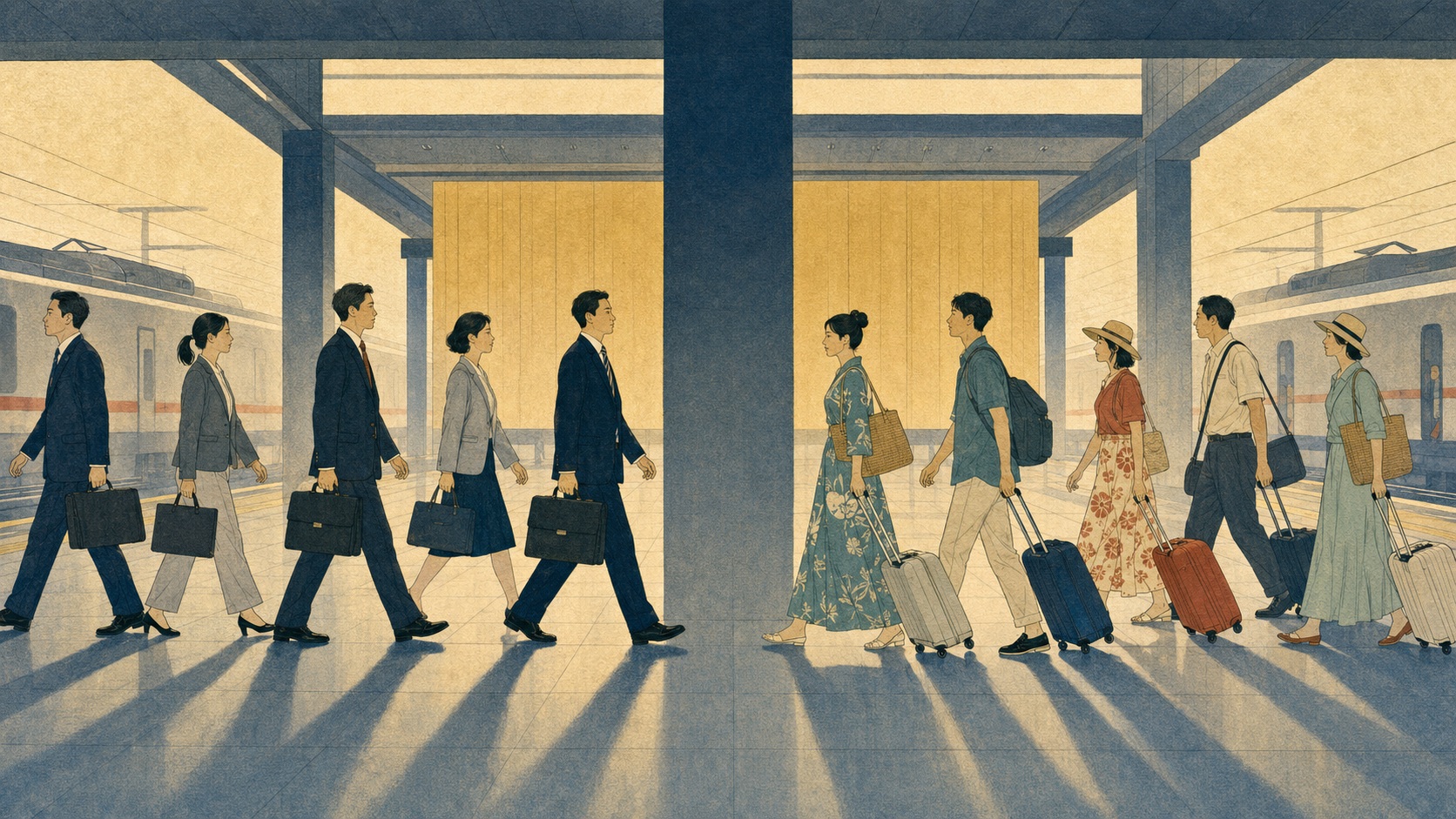
Japan’s Summer Vacation Is No Longer Confined to Obon
Returning commuters pass travelers whose break is only beginning—a quiet shift from mass closure toward staggered leave.
Sports
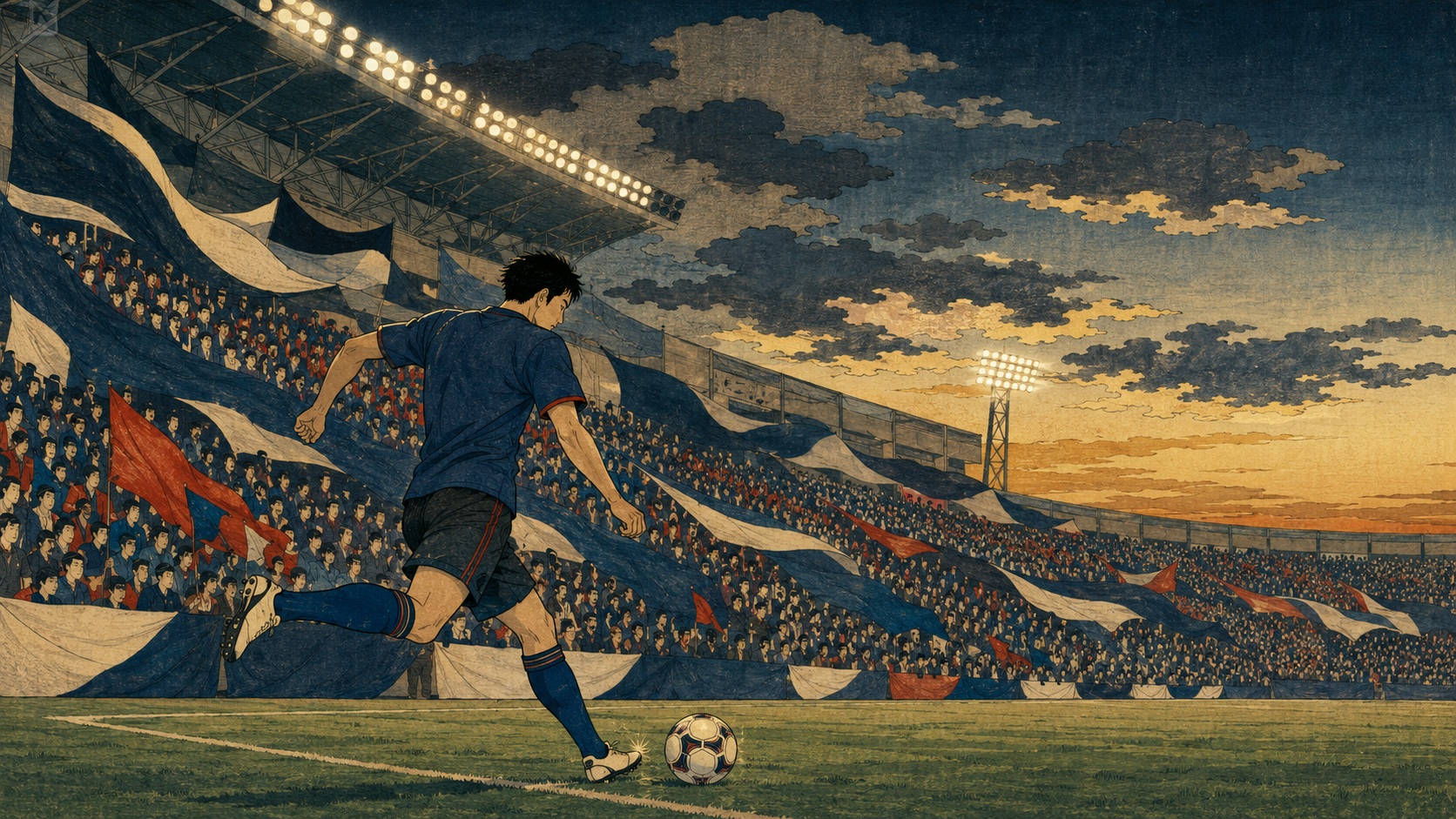
Stories 10–12J.League Opens Its New Season with Record Crowds
The matchweek attendance record fell twice in two weeks. Winter and repeat visits will provide the deeper test.
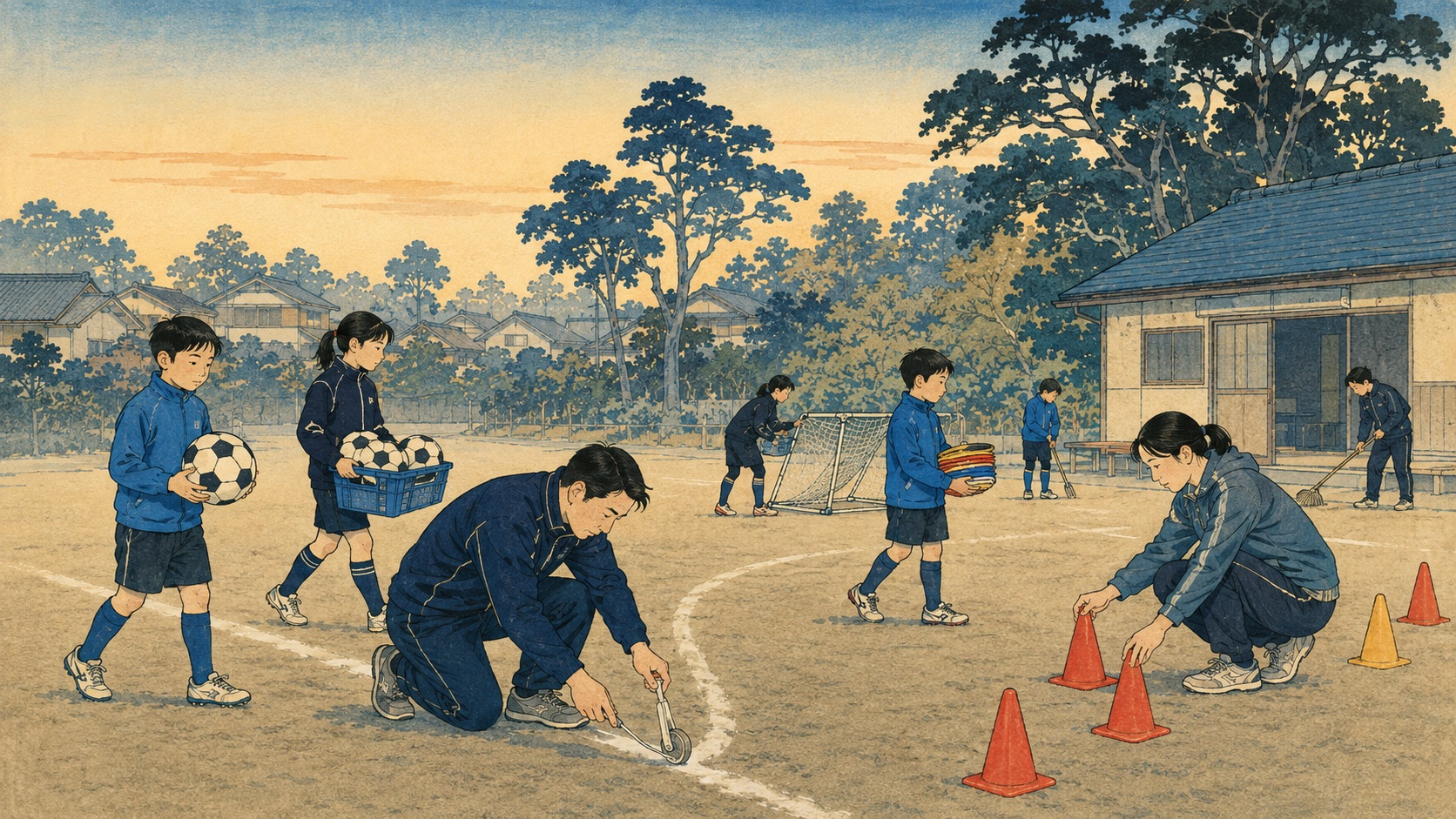
Parent–Child Participation Could Rescue Local Sports Clubs
A Marugame experiment creates a new entry point—but only if welcome never hardens into compulsory parental duty.
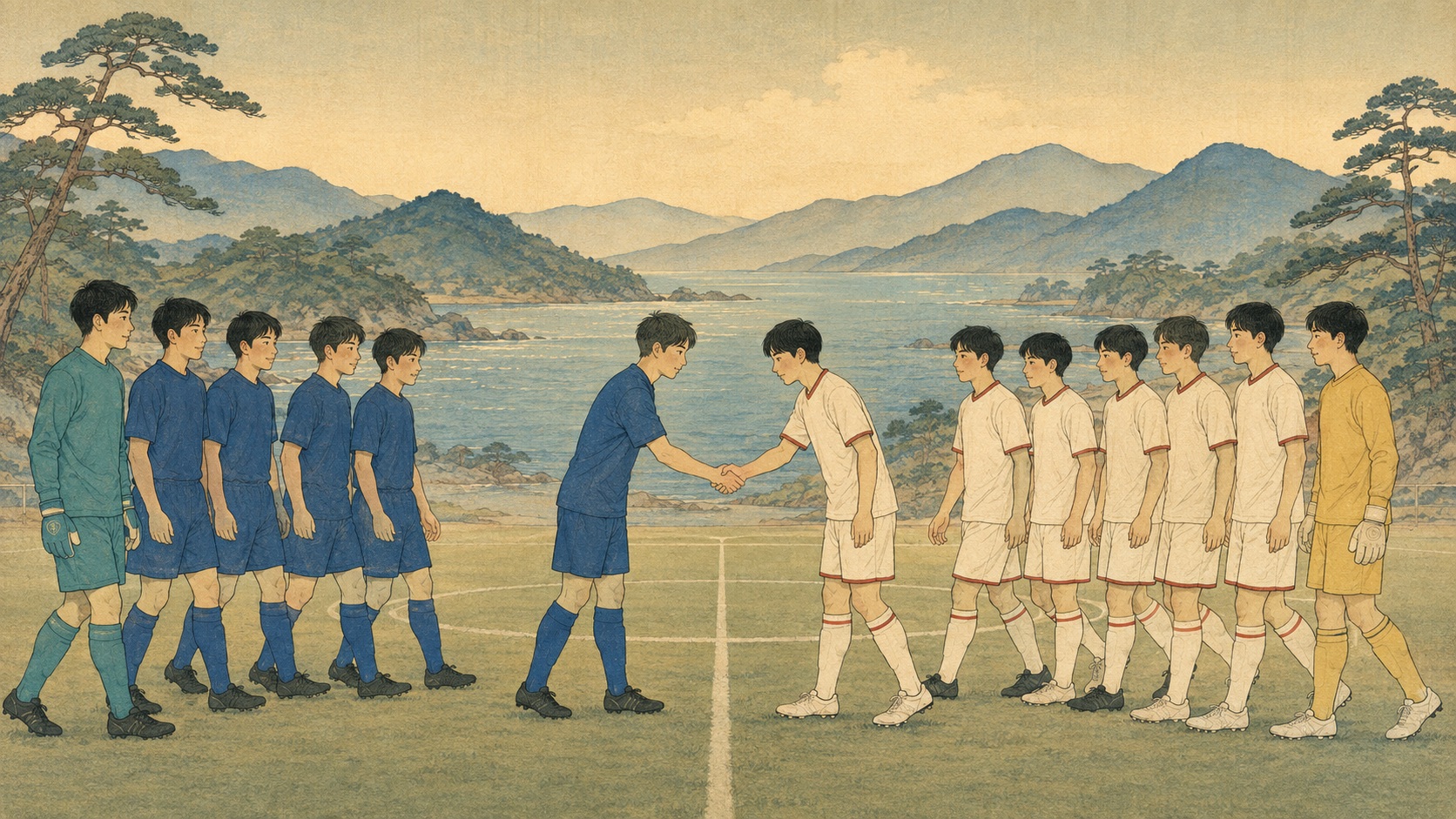
Japanese and Korean Youth Athletes Meet in Mie Beyond Competition
Can six days of practice and cultural visits turn a neighboring country from an abstraction into people with names?
Music & Culture
Stories 13–15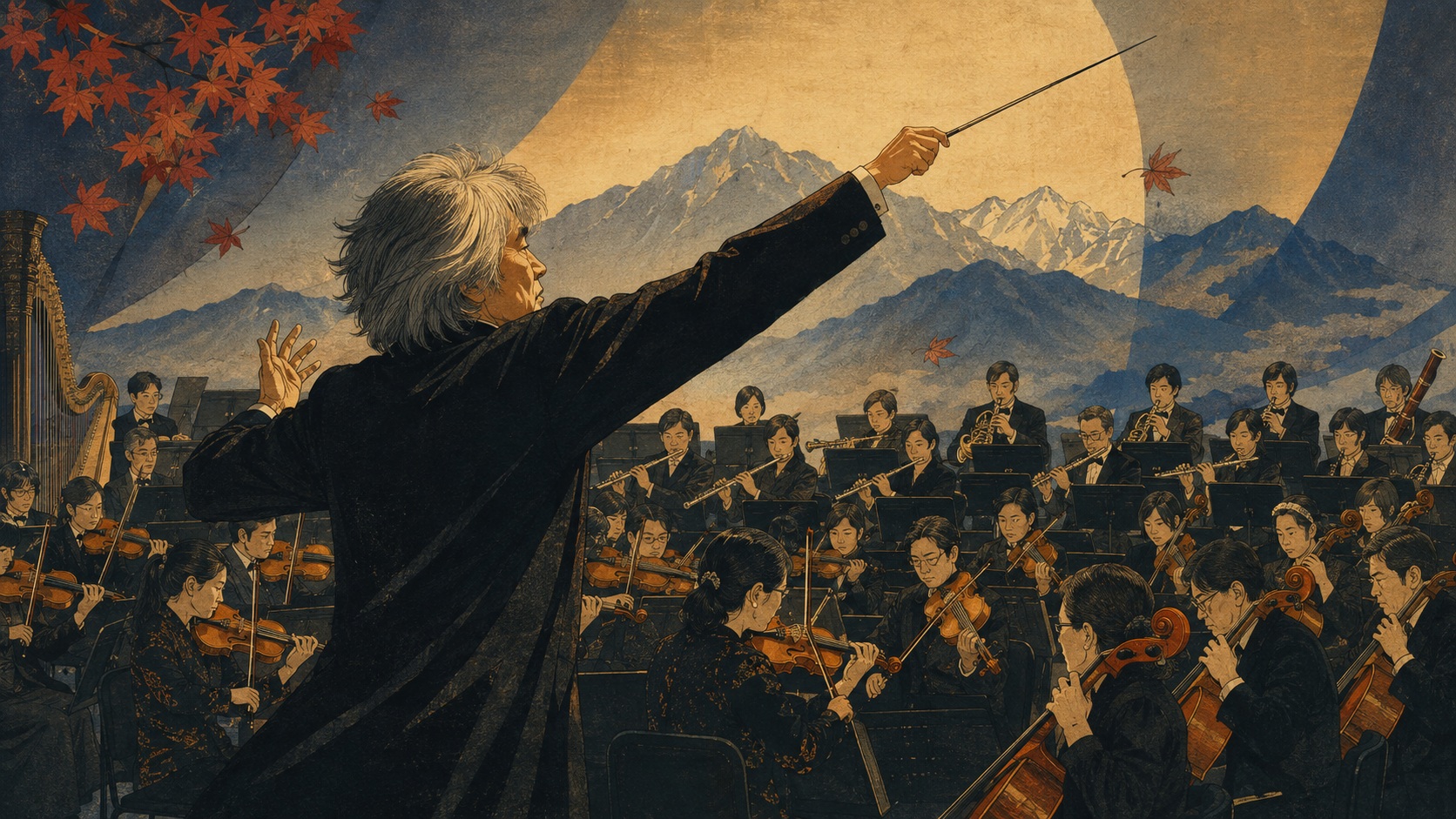
The Seiji Ozawa Matsumoto Festival Opens Its 35th Season
Young musicians, Takemitsu and education ask how Ozawa’s method can live beyond its founder.
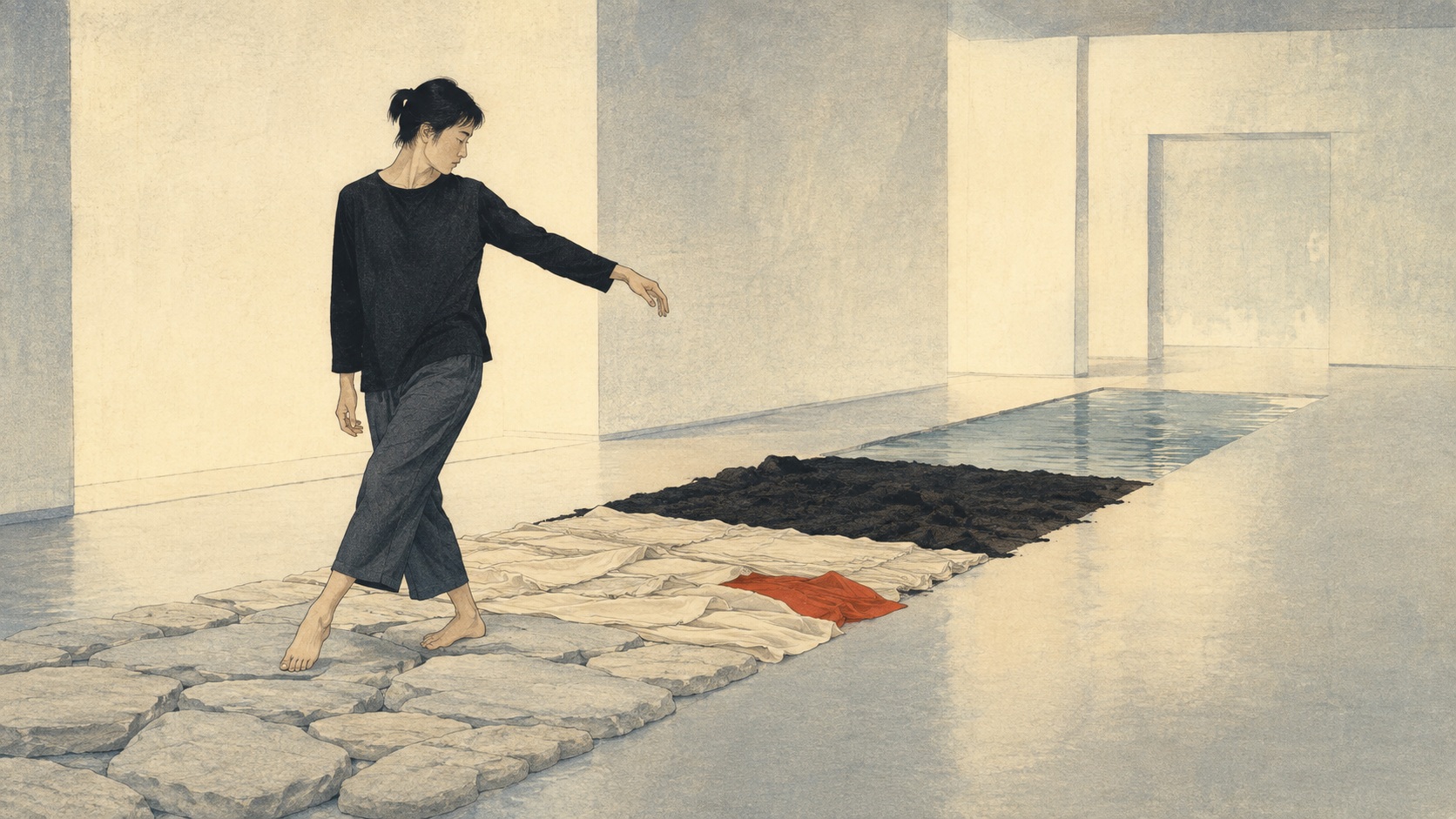
Artists Remove Society’s “Shoes” to Encounter the World Again
Six practices spanning Tokyo, Taipei, Helsinki and Berlin test what is perceptible beyond familiar protections.
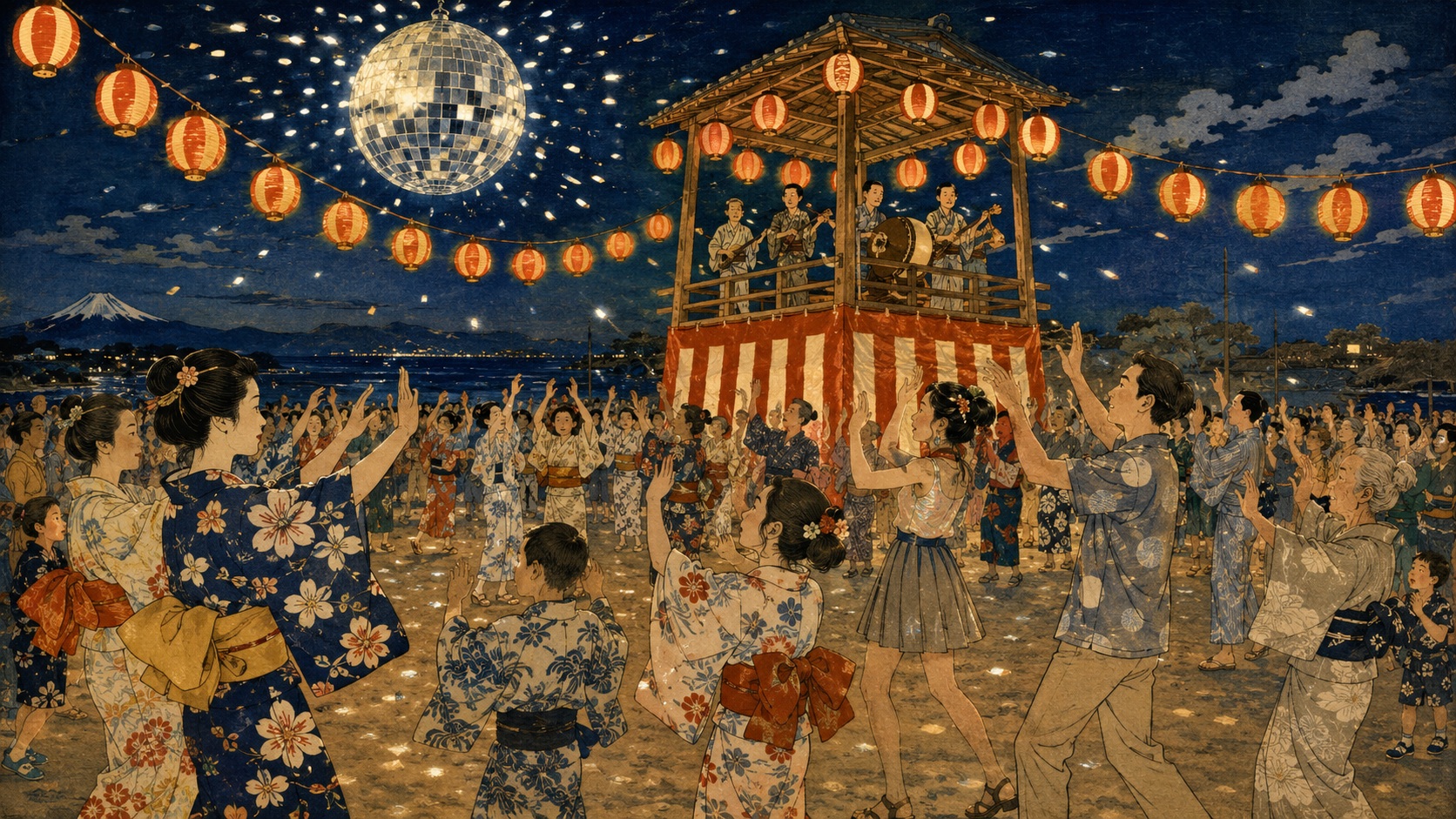
Bon Odori Meets the Disco Era on a Three-Generation Dance Floor
A history of communal dance turning prayer, labor, commerce and media into movements strangers can share.
Four Selected from August 17
Strategic resources, war memory and plant science
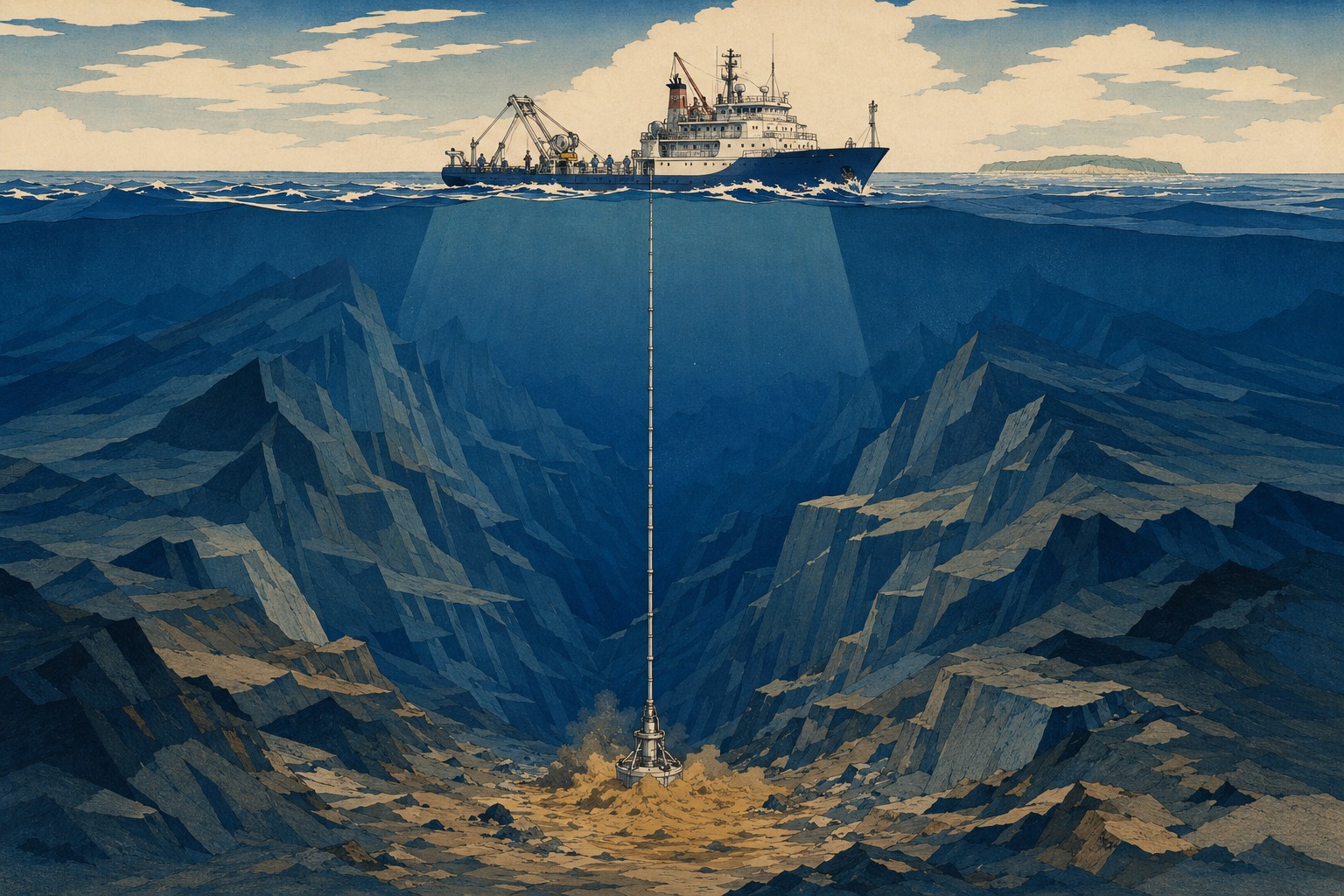
Six Kilometers Down, Strategic Resources Were Hiding in the Mud
Deep-sea minerals bring extraction, environmental risk and economic security into one hard problem.
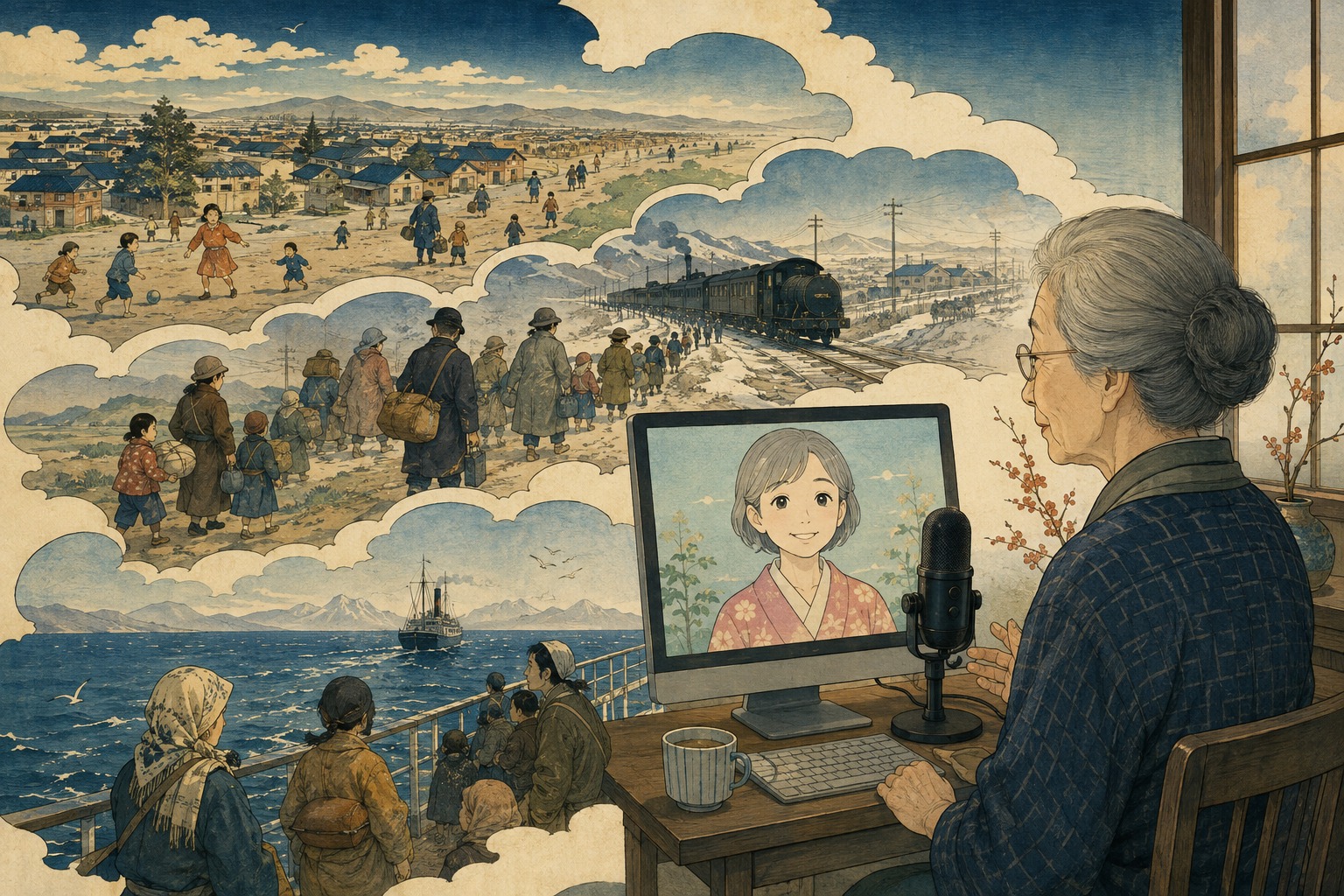
At 83, a Voice Speaks of “Manchuria” Through an Avatar
How can disappearing eyewitness memory travel into the digital spaces where younger audiences live?
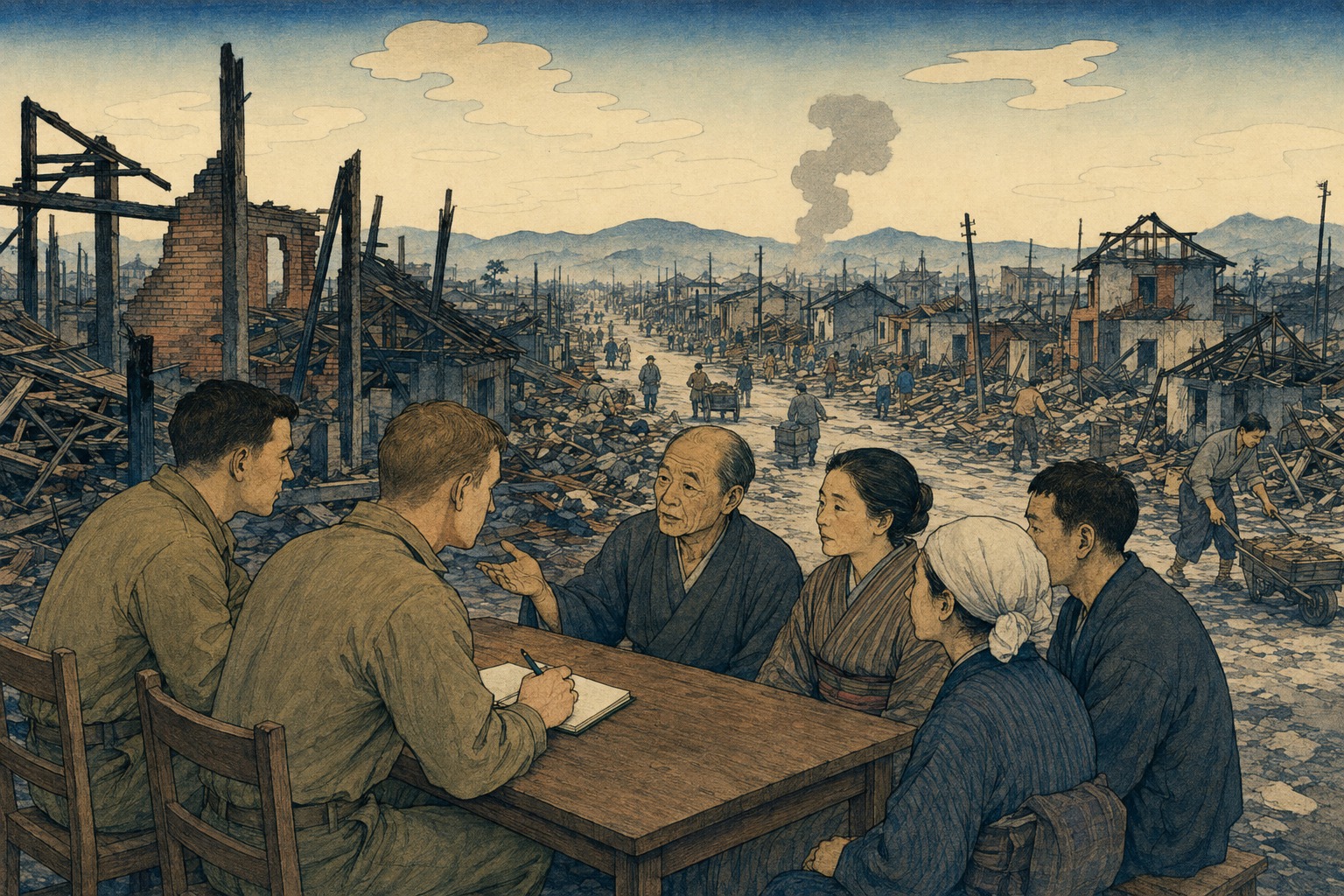
What Did the Country That Bombed Utsunomiya Ask Its Civilians?
The U.S. Strategic Bombing Survey’s questions reveal the distance between measuring destruction and surviving it.
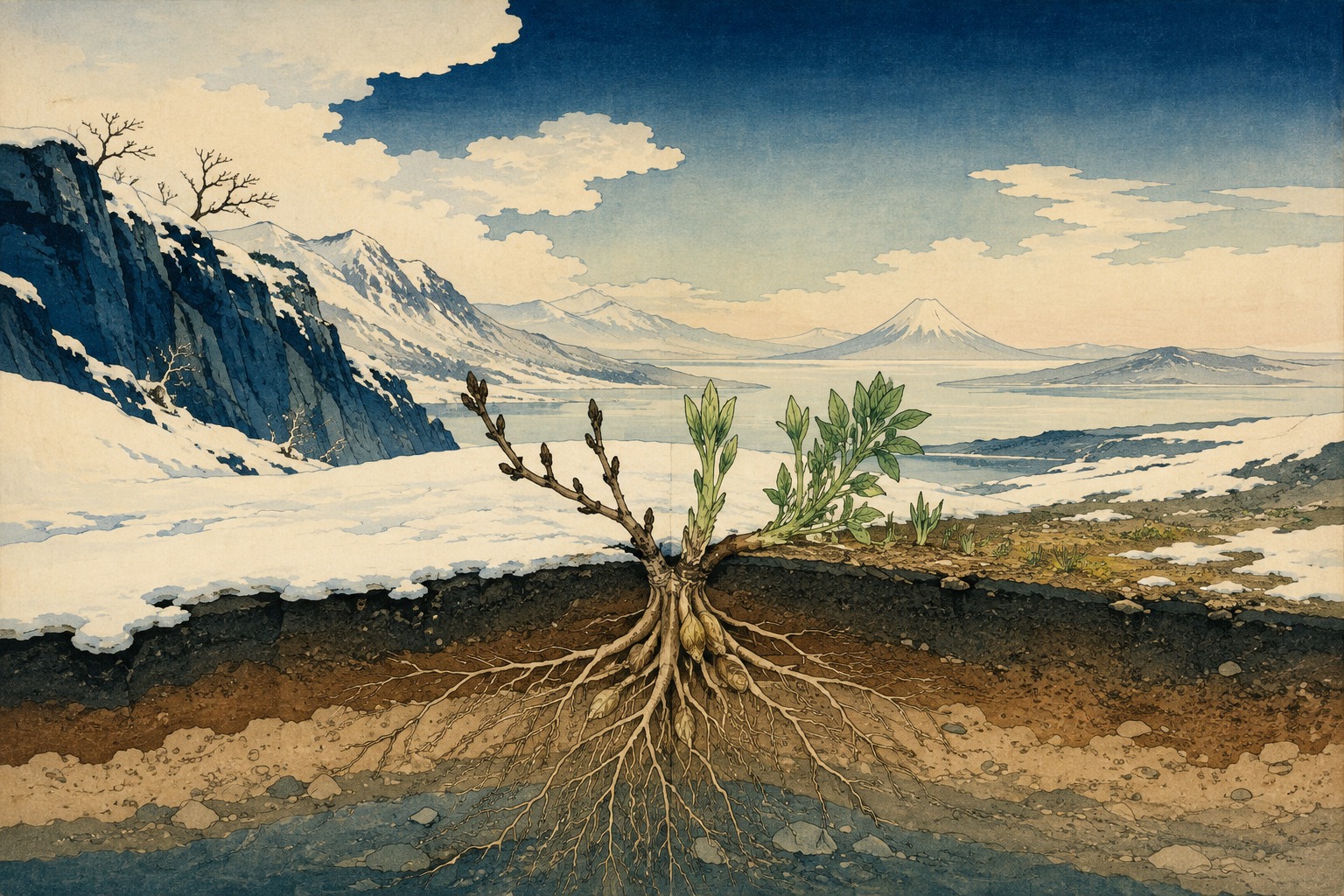
Plants That Experience Winter Rise Again from Injury
How a period of winter cold prepares plants to regenerate after damage.
20. Today’s Art Choice
Tsukioka Kōgyo · The stillness and motion of Noh
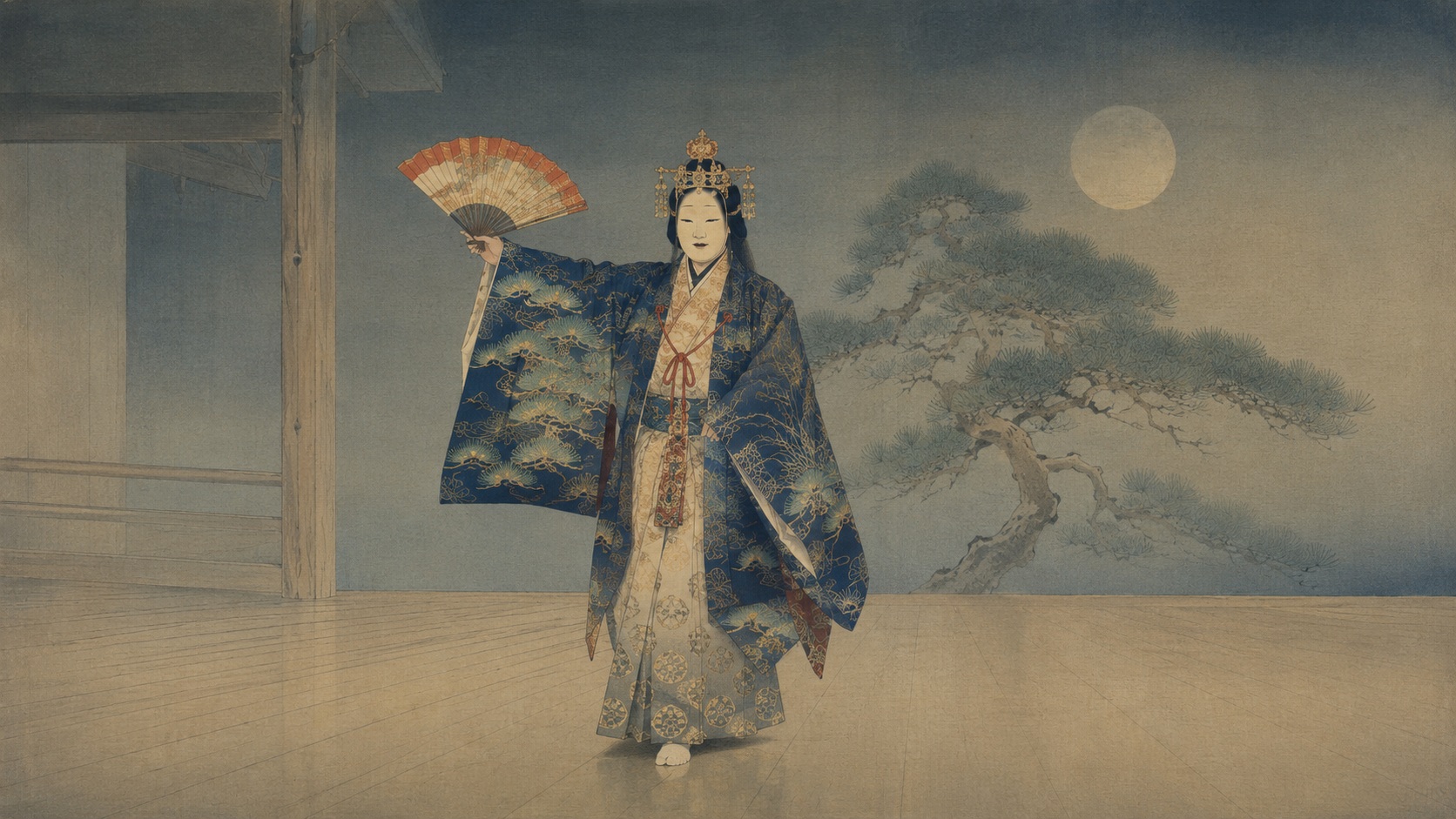
Tsukioka Kōgyo and the Stillness and Motion of Noh
Kōgyo inherited woodblock print culture from Yoshitoshi, learned luminous color and natural detail from Ogata Gekkō, then devoted more than three decades to a nearly impossible problem: how can a motionless sheet of paper show a theatrical form in which the smallest tilt of a mask can turn light into grief?
Read the art long-form →