From two very different Tokyo listings to science, infrastructure, the Asian Games and cultural memory.
Fifteen main reports, News Briefs, Today’s Art Choice featuring Tsuchida Bakusen, plus six selected stories from September 28.
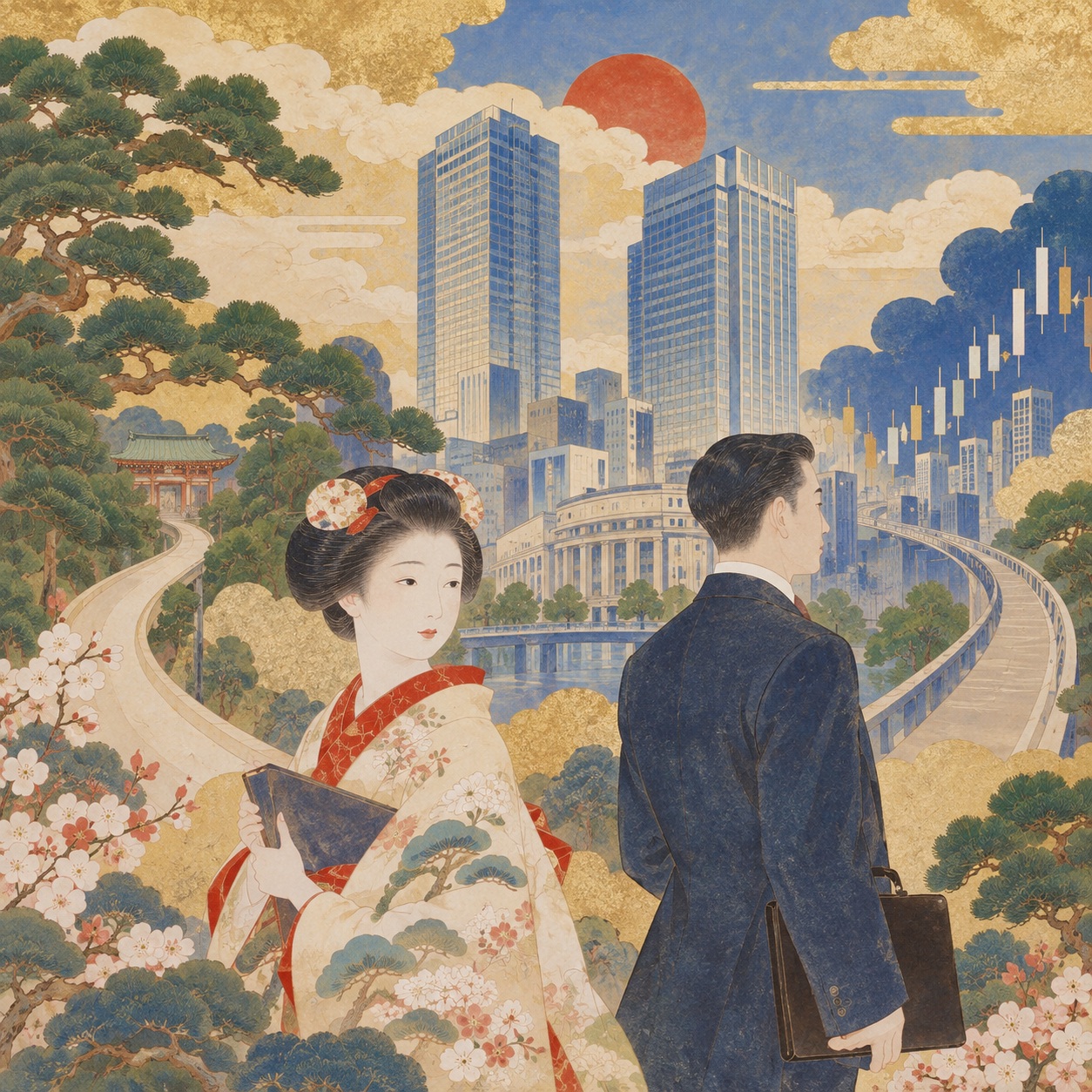
Two Listings, Two Paths: What Ory’s and Crasus Chemical Reveal About Tokyo’s Public Markets
On September 29, Ory’s is scheduled to join TOKYO PRO Market while Crasus Chemical is scheduled to list on the TSE Standard Market through a partial spin-off and direct listing. The contrast shows how different routes into Japan’s public markets now serve different corporate purposes.
Read the report →Tuesday, September 29, 2026
Four to Read Today
Markets · Science · Communities · Art
13 more updates in News Briefs
Business, science, environment, Asian Games results and exhibitions that remain newsworthy after the 15 main reports.
Read News Briefs →Business & Economy
Tuesday, September 29, 2026Two Listings, Two Paths: What Ory’s and Crasus Chemical Reveal About Tokyo’s Public Markets
On September 29, Ory’s is scheduled to join TOKYO PRO Market while Crasus Chemical is scheduled to list on the TSE Standard Market through a partial spin-off and direct listing. The contrast shows how different routes into Japan’s public markets now serve different corporate purposes.
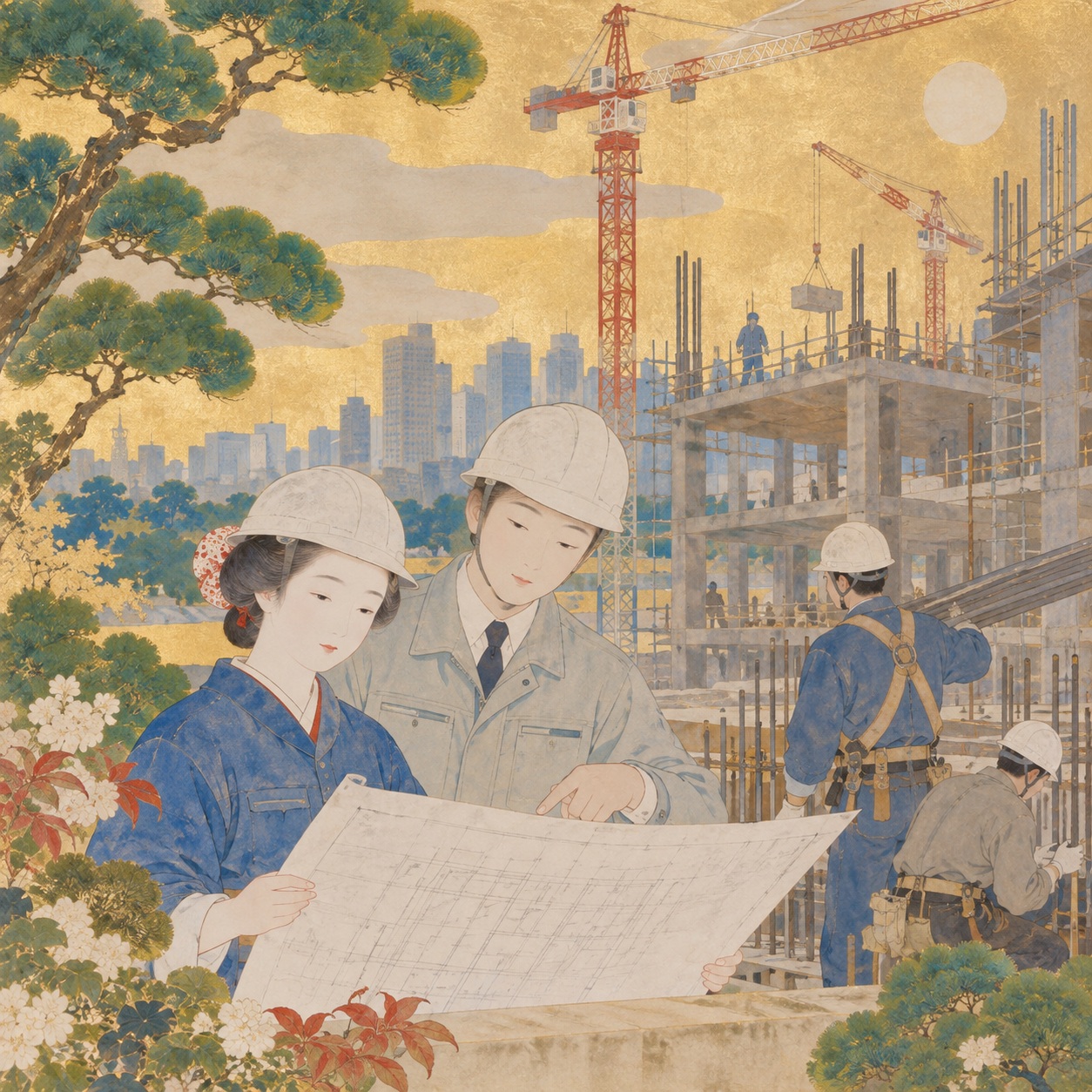
Materials Are Available. Workers Are Scarce: Japan’s Construction Bottleneck Is Becoming Human
Japan’s September construction-material survey shows balanced supply, flat prices and normal inventories across seven materials and 13 items, while the August labor survey shows a 1.3% shortage across eight construction trades. The contrast points to labor—not materials—as an increasingly important constraint on project delivery.
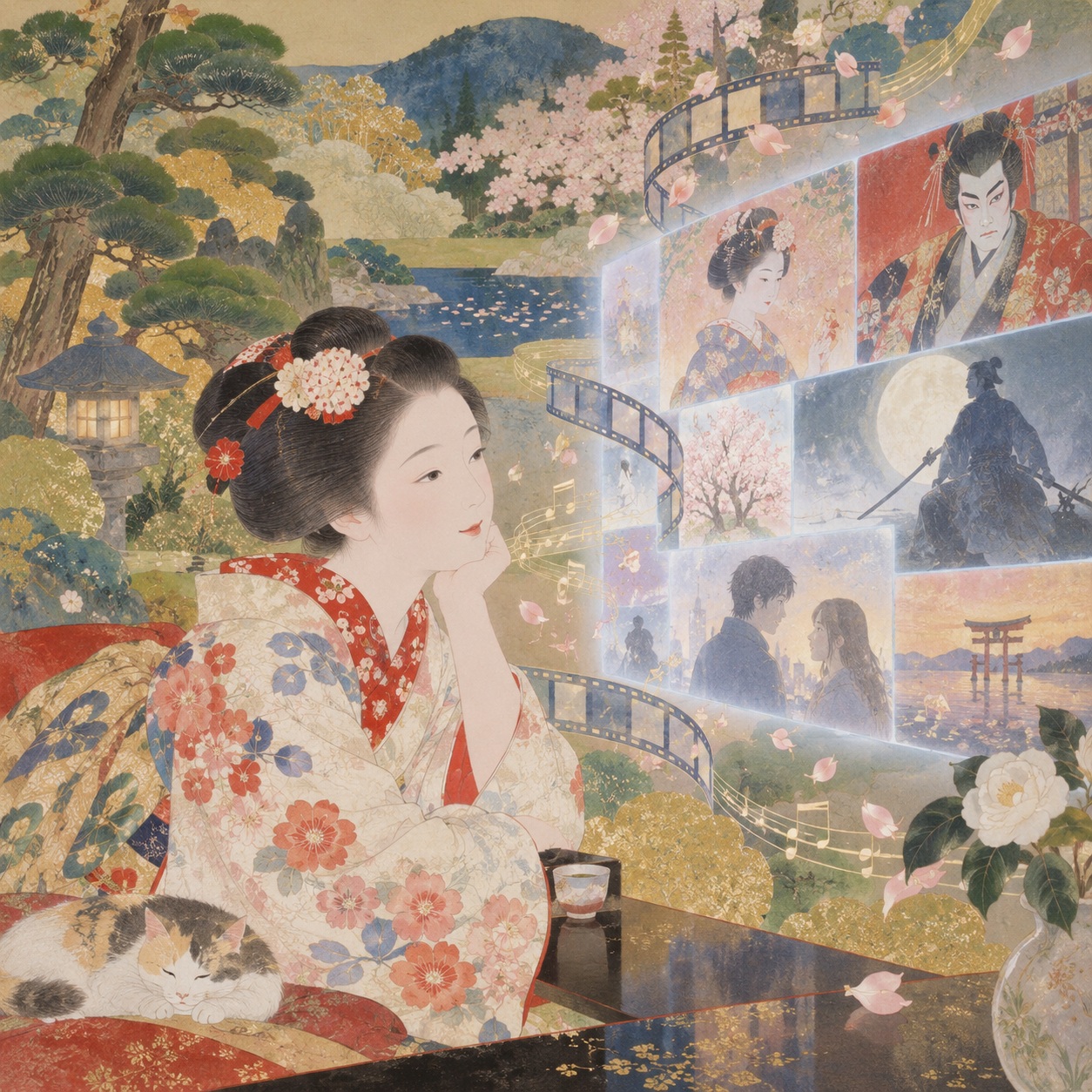
WOWOW and NTT Docomo Rebuild Lemino Together: A Broadcaster-Telco Bet on Japan’s Streaming Market
WOWOW and NTT Docomo plan to place Lemino into a 51%-49% joint venture on October 1, adding WOWOW sports, more than 100 original dramas and music programming while using Docomo’s roughly 110 million d POINT members and about 2,000 retail shops. The deal shows how Japan’s streaming competition is pushing broadcasters and telecom groups toward greater scale.
Science & Technology
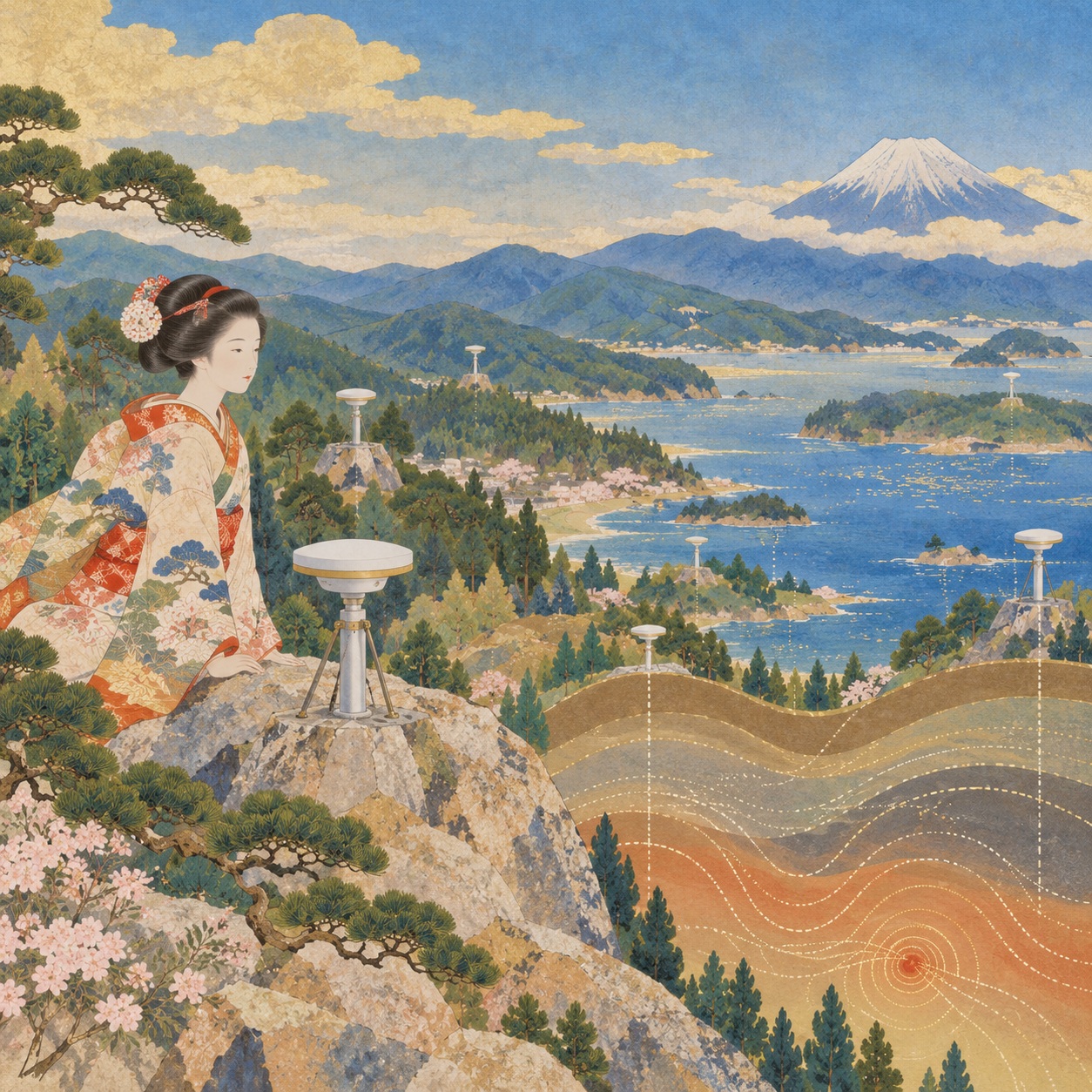
Tuesday, September 29, 2026When Cell-Tower Infrastructure Watches the Crust: SoftBank GNSS Data Sharpen Japan’s Strain Map
Researchers at Tohoku and Hokkaido universities combined Japan’s roughly 1,300-station GEONET with more than 3,300 SoftBank reference stations. After quality control, 3,606 stations were used to map crustal strain rates from November 2019 through December 2023 at much finer spatial scales—an advance for understanding inland earthquake environments, not a system for predicting the next earthquake.
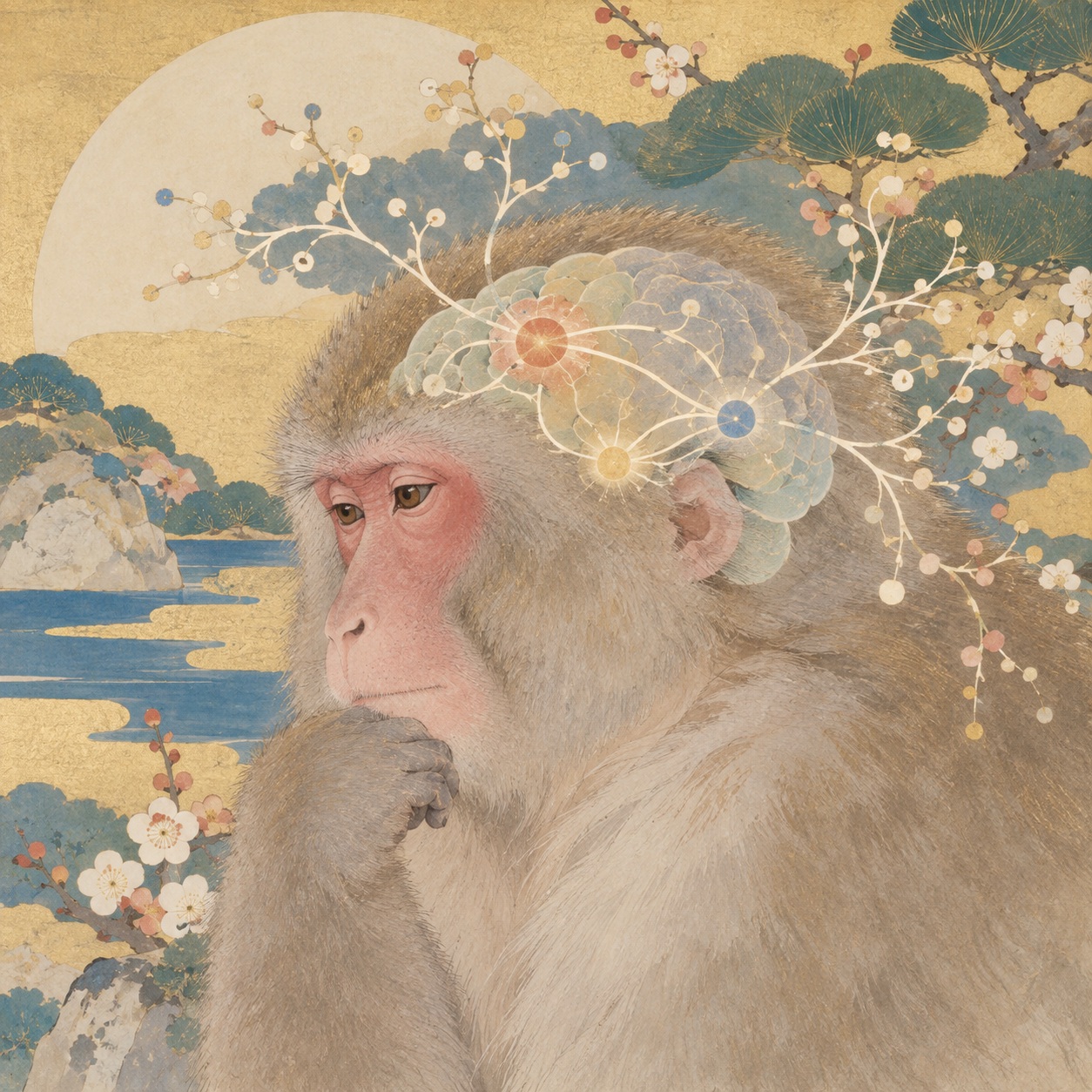
From Anterior Cingulate Cortex to Amygdala: A Primate Map of Emotion Circuits by Cortical Layer
A Japanese-led team used viral tracing in macaques to map projections from pregenual, subgenual and dorsal anterior cingulate cortex to the basal and accessory basal amygdala. The study found sharply different topographic and layer-specific pathways, including a pregenual-to-basal route arising mainly from superficial cortical layers.
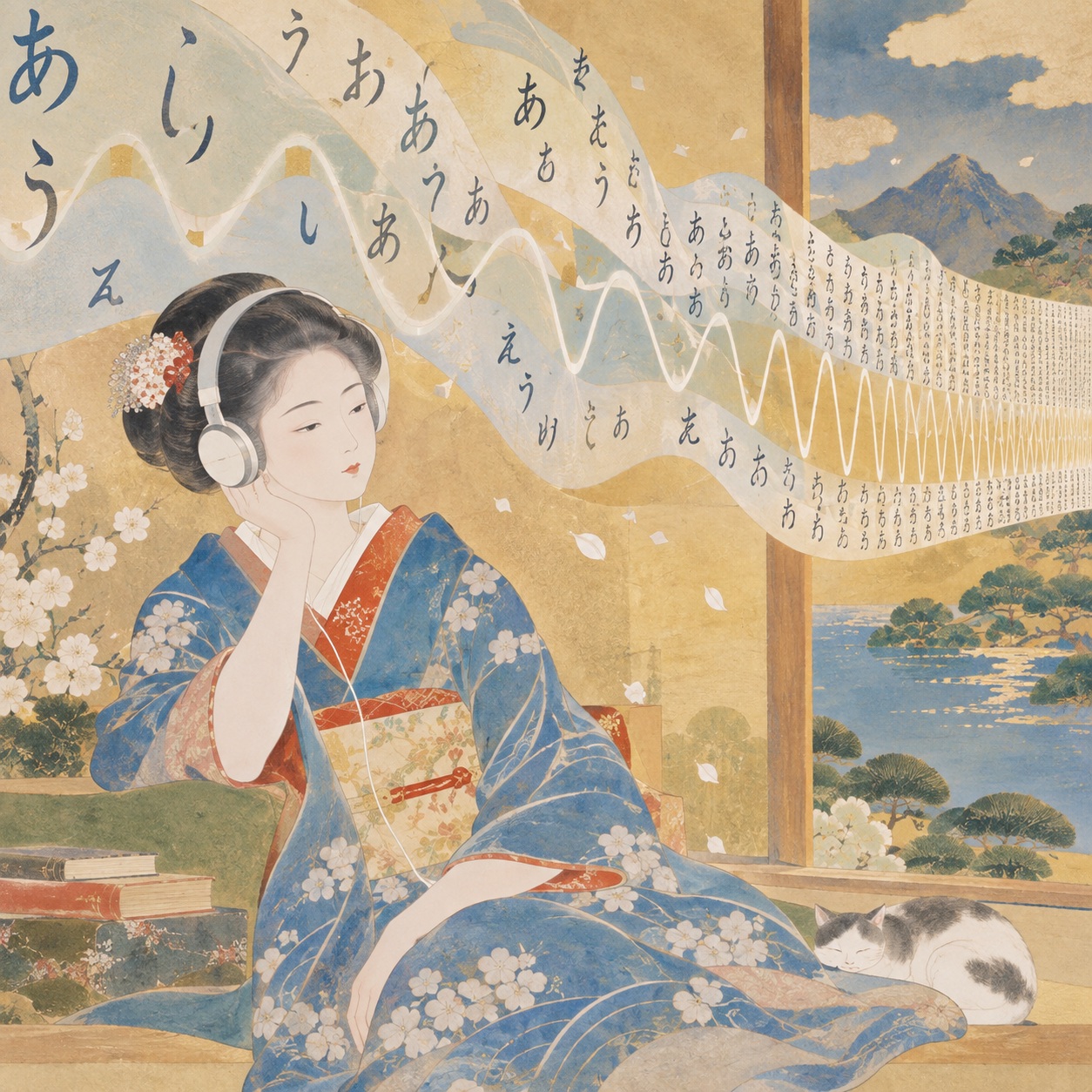
Faster Is Not Always Better: Measuring the Right Screen-Reader Speed for Each Listener
Researchers at AIST, Tsukuba University of Technology and the University of Tokyo developed a Bayesian item-response method that separates sentence difficulty from a user’s listening ability. In tests with 11 screen-reader users at 150–500 words per minute, comprehension often dropped beyond roughly 250–300 words per minute, but individual differences were large.
Communities
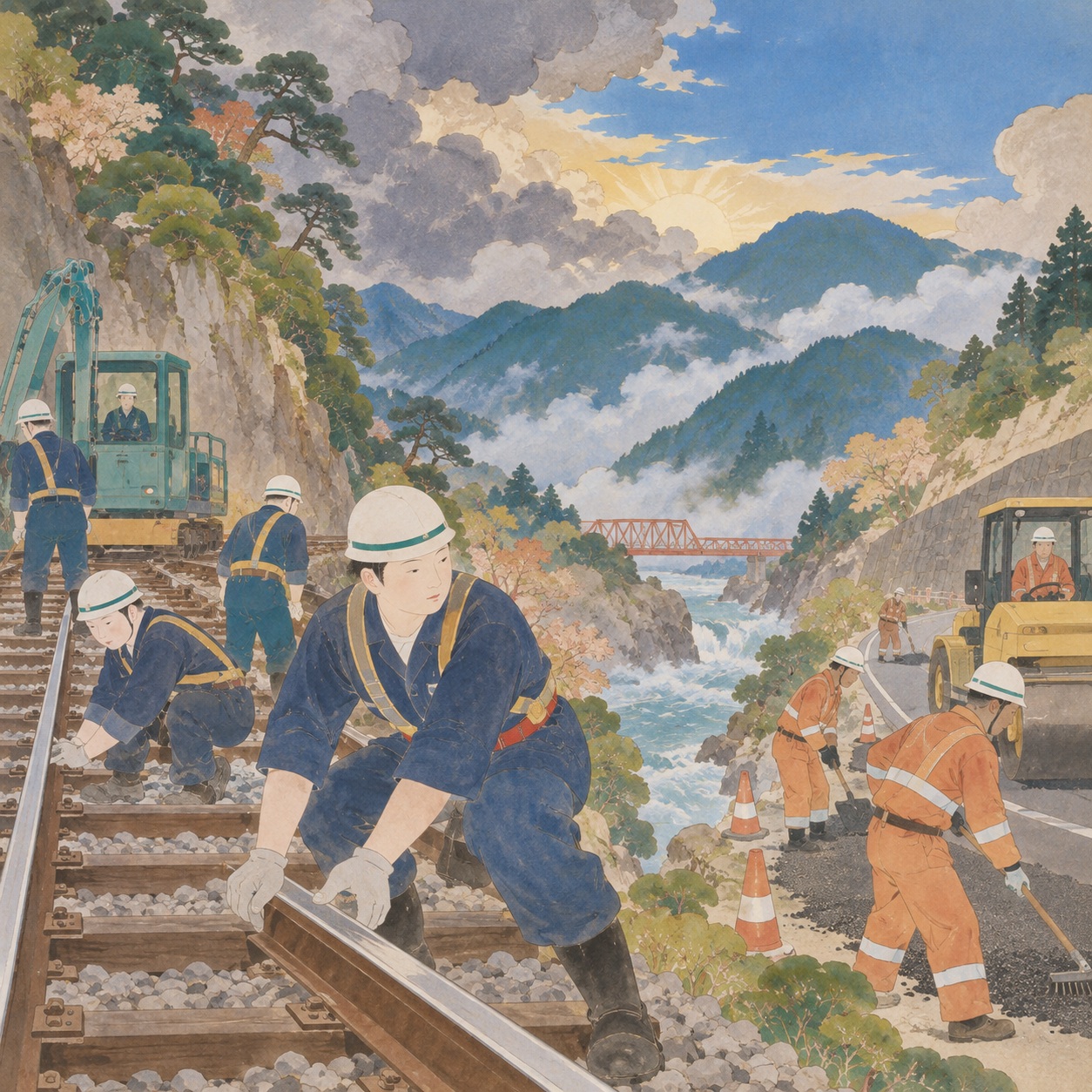
Tuesday, September 29, 2026You Cannot Repair the Railway Alone: Chiba Treats the Uchibo Line and Route 287 as One Disaster Corridor
Typhoon No. 25 damaged both the JR Uchibo Line and adjacent Prefectural Route 287, leaving the Anegasaki–Kisarazu rail section expected to remain closed for at least three months. JR East, Chiba Prefecture and two national transport agencies have created a coordination framework because railway and road restoration depend on the same damaged corridor.
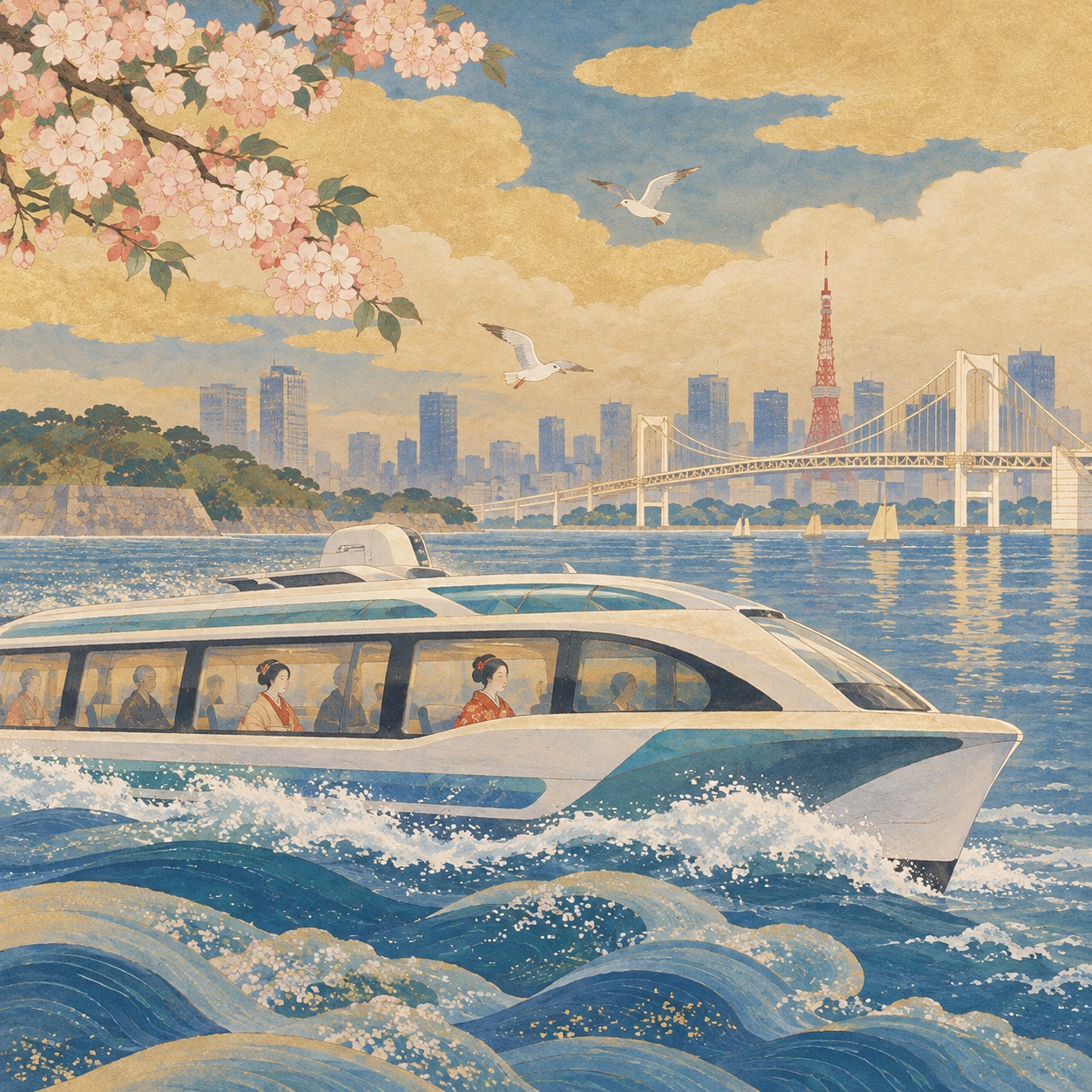
From Expo Showcase to Tokyo Bay: Hydrogen Fuel Cell Ship Mahoroba Moves Toward Real-World Urban Service
Mahoroba, the hydrogen fuel-cell passenger vessel that carried Expo 2025 visitors in Osaka, is scheduled to begin operating in Tokyo Port this winter. Tokyo and Iwatani plan to use the fuel-cell/battery hybrid for public rides, environmental education and international events—testing whether an Expo demonstration can become durable urban infrastructure.
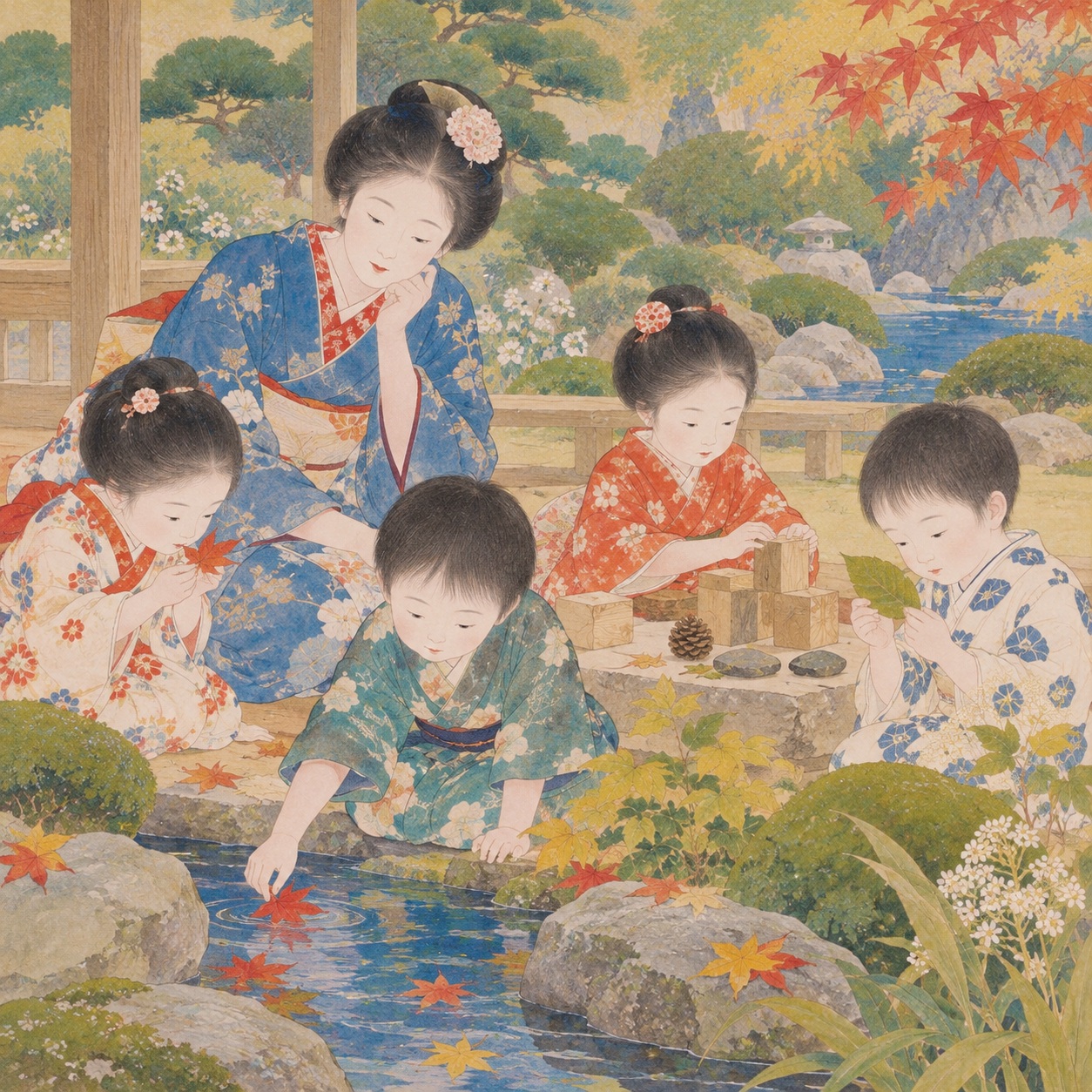
Turning Play Into Inquiry: Tokyo’s Sukuwaku Program Expands to 3,400 Early-Childhood Centers
Tokyo’s Sukuwaku Program supports inquiry-based learning across kindergartens, nursery schools and other early-childhood settings. Participation expanded from 1,591 centers in FY2024 to about 3,400 in FY2025, shifting the policy challenge from simple expansion toward quality, documentation and peer learning.
Sports
Tuesday, September 29, 2026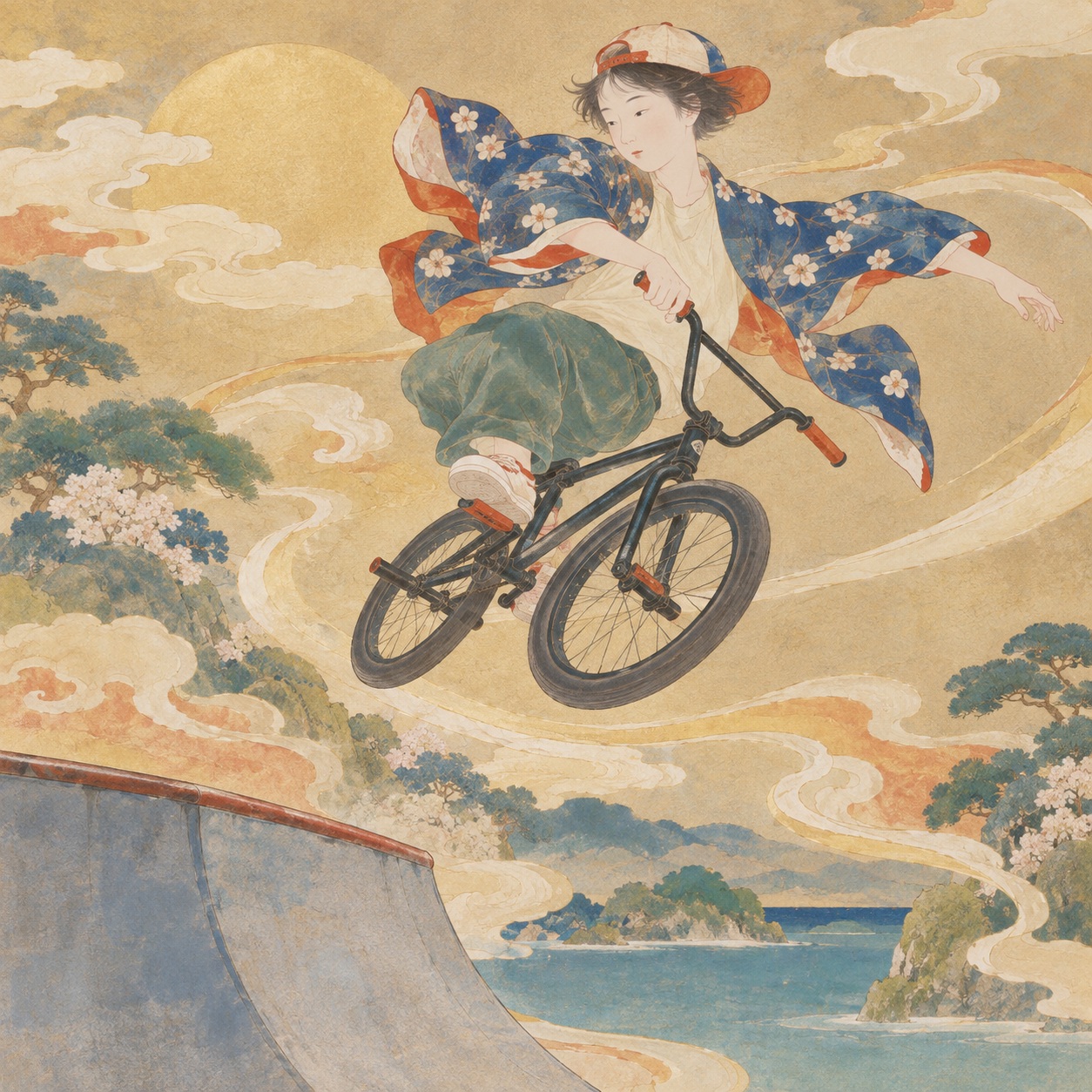
BMX Freestyle Makes Its Asian Games Debut: Rimu Nakamura Wins Gold as Japan Shows Its Depth
BMX freestyle park made its Asian Games debut in Aichi-Nagoya. Japan’s Rimu Nakamura won the men’s gold, Kaede Ozawa took men’s silver, and Miharu Ozawa won women’s silver—showing depth in a discipline that only entered the Olympic program at Tokyo 2020.
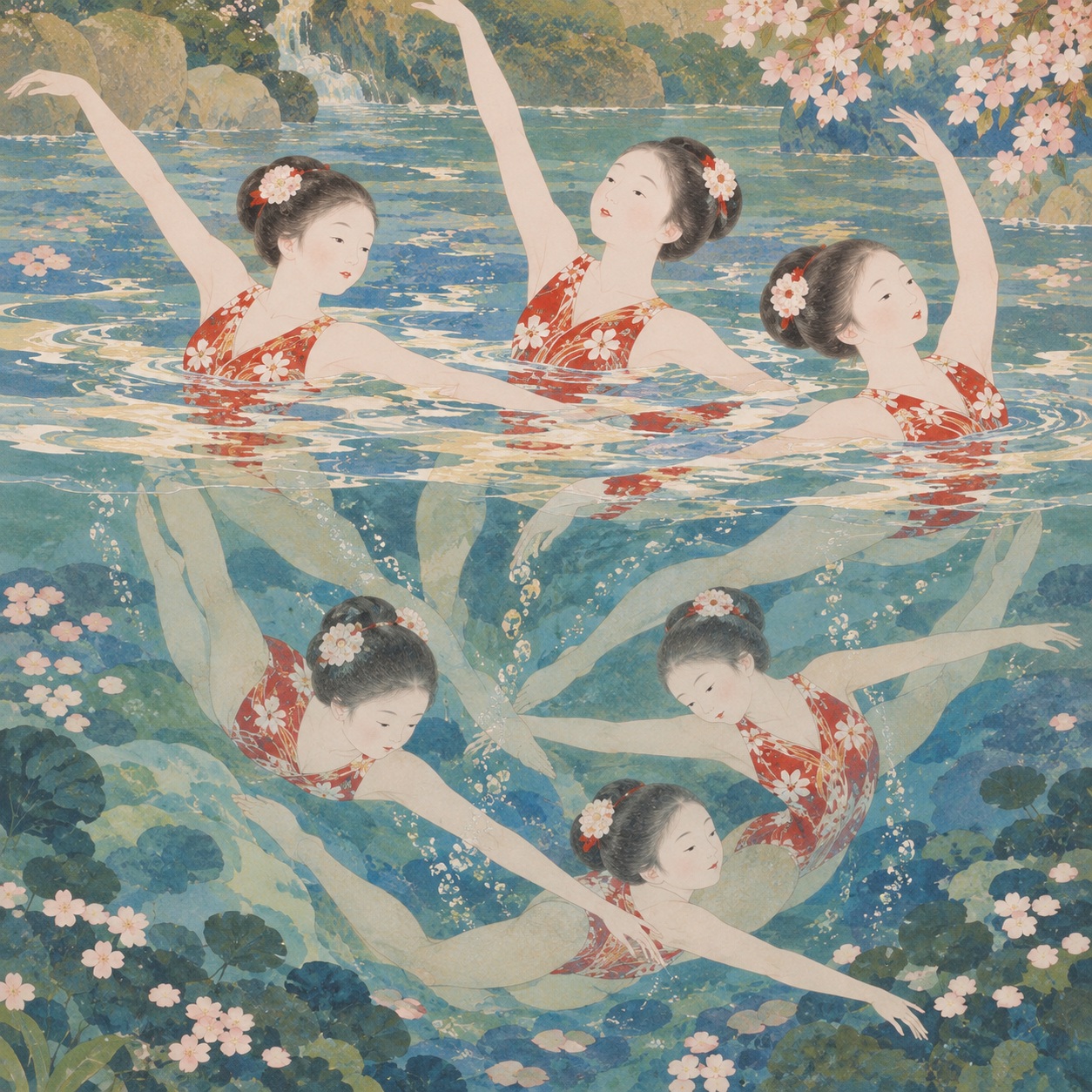
Moe Higa and Yuka Sato Take Silver as Japan’s Artistic Swimming Tradition Enters a New Rules Era
Moe Higa and Yuka Sato won silver in the women’s duet at the Aichi-Nagoya Asian Games, while Japan placed second in the team technical routine before the final free routine. The results capture a Japanese program adapting to a sport transformed by declared difficulty, base marks and new mixed-team rules.
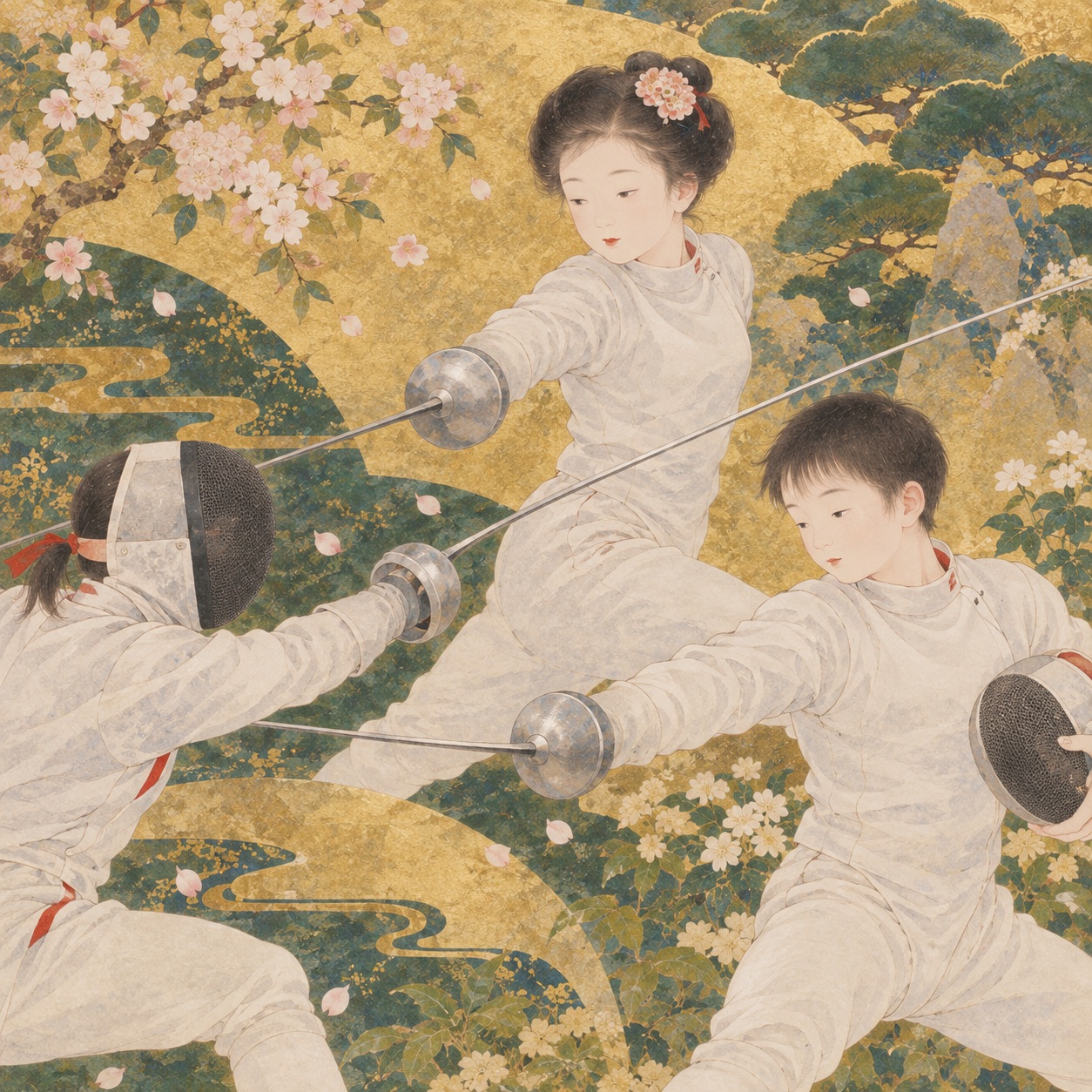
From Individual Stars to Team Depth: Japan Takes Women’s Sabre Silver and Men’s Épée Bronze
On the final day of fencing at the Aichi-Nagoya Asian Games, Japan won women’s team sabre silver and men’s team épée bronze. The results showed how a program built around Olympic champions Misaki Emura and Koki Kano now depends on depth, substitutions and role clarity across four-person squads.
Culture
Tuesday, September 29, 2026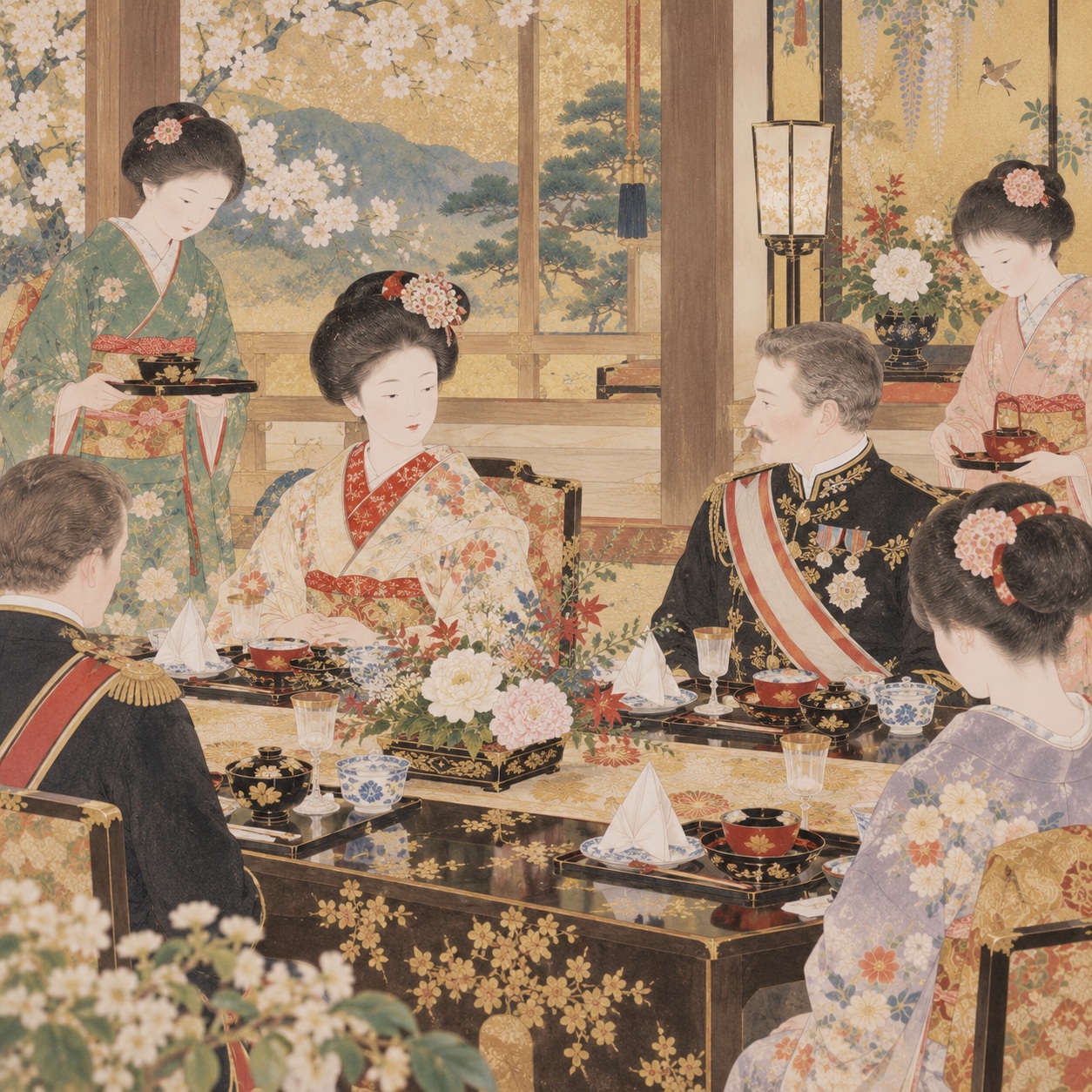
How a State Banquet Performs Diplomacy: 150 Years of Tableware, Dress and Imperial Hospitality
Gakushuin Museum’s exhibition “Welcome to the Magnificent World of State Banquets” traces roughly 150 years of Imperial hospitality through tableware, bonbonnières and formal dress. The show reveals the state banquet not merely as a meal, but as a carefully staged language of diplomacy through which modern Japan presented itself to foreign guests.
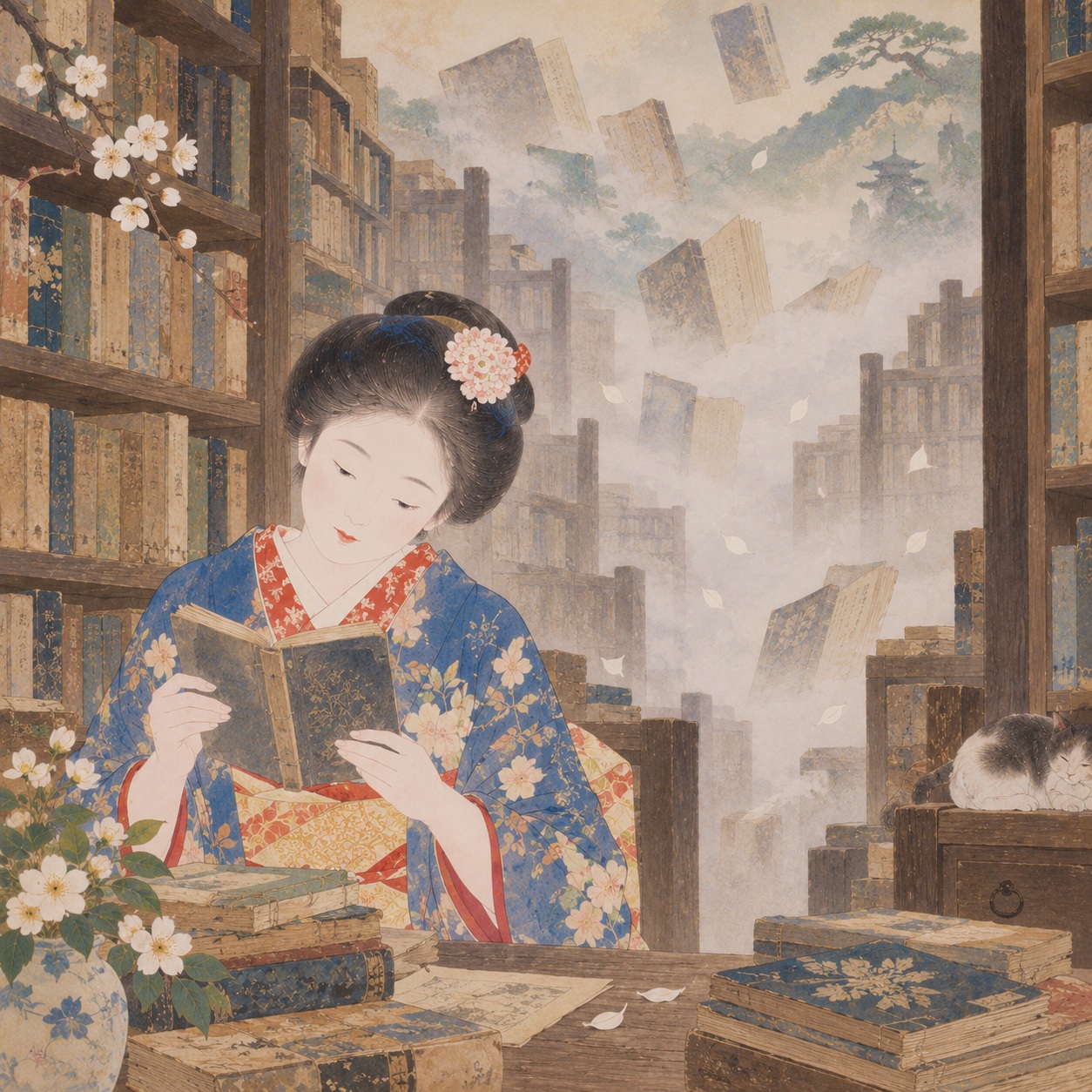
Not Because They Failed to Sell: 37 Withdrawn Books Reveal the Hidden Life of Publishing
Nihon University’s exhibition “Books That Disappeared From Bookstores” presents 37 books and magazine supplements removed from new-book retail for reasons other than poor sales. Cases involving misinformation, plagiarism, scandals and replacement editions expose the hidden mechanics of recalls, publishing responsibility and cultural memory.
Preservation Means Knowing How to Make It Again: 50 Reconstructed Nuihaku Preserve the Craft of Noh
Gunma Prefectural Museum of History is exhibiting 50 nuihaku reconstructed by the Yamaguchi Noh Costume Research Institute after years of studying Edo-period materials and techniques. The exhibition asks a deeper preservation question: not only how to protect old garments, but how to preserve the knowledge required to make them.
Today’s Art Choice
Today’s Art Choice: Tsuchida Bakusen—When Nihonga Learned to Look West
In 1924, Tsuchida Bakusen set a heavily made-up maiko against the garden of Tenju-an at Nanzen-ji and turned the scene into a disciplined vertical structure. Maiko in a Garden fused lessons from Renaissance frescoes, Cézanne and Post-Impressionism with Japanese decorative traditions, capturing a moment when nihonga was not merely Westernizing but reinventing its own visual language.
Read the art feature →6 selected from September 28
Read in the context of their original publication
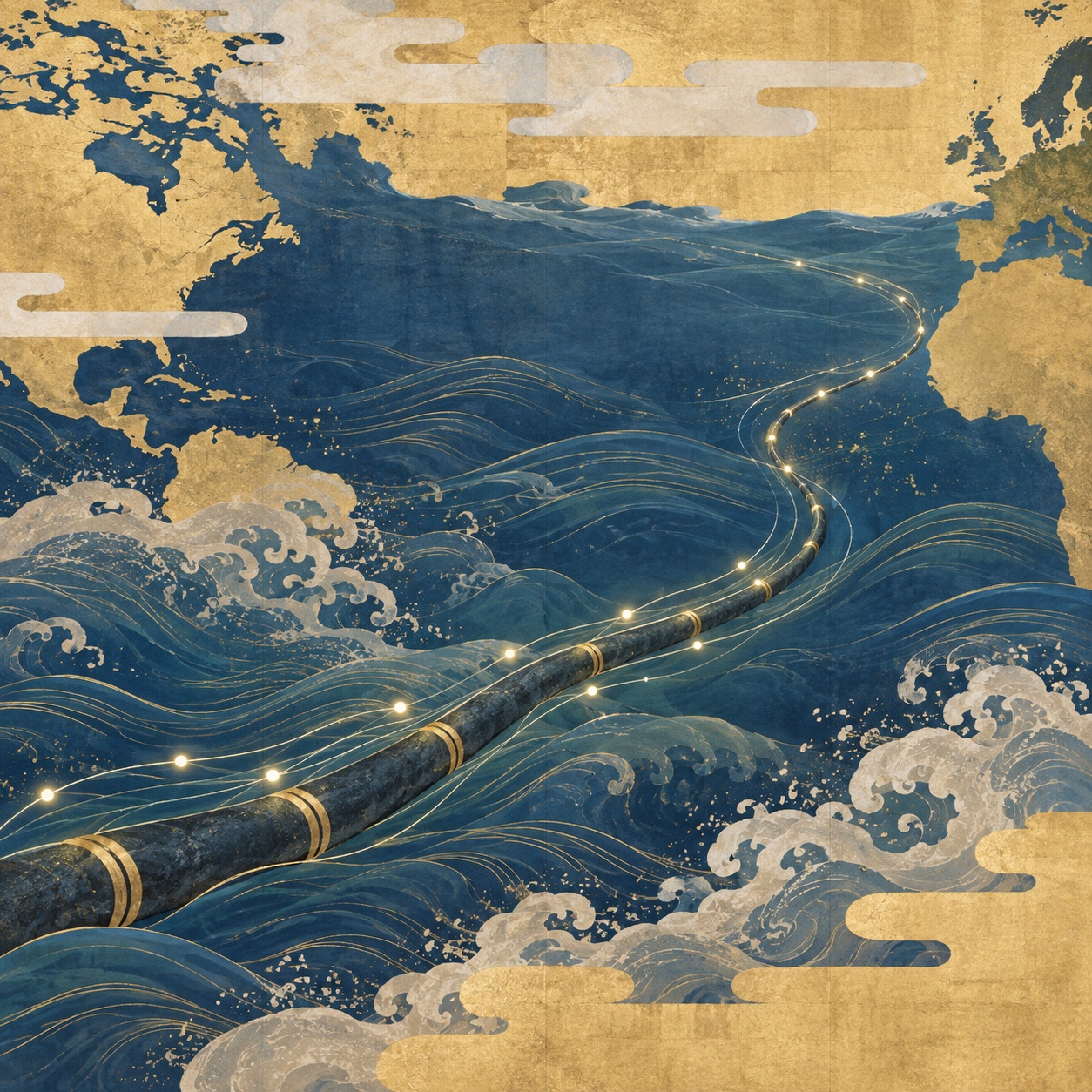
NEC Takes on Meta’s Petal: The Transatlantic Cable Designed for the Petabit Era
Meta’s Petal is planned as a 7,000-km U.S.-France subsea cable using two-core fiber, with NEC responsible for overall design and construction and Sumitomo Electric supplying the fiber.
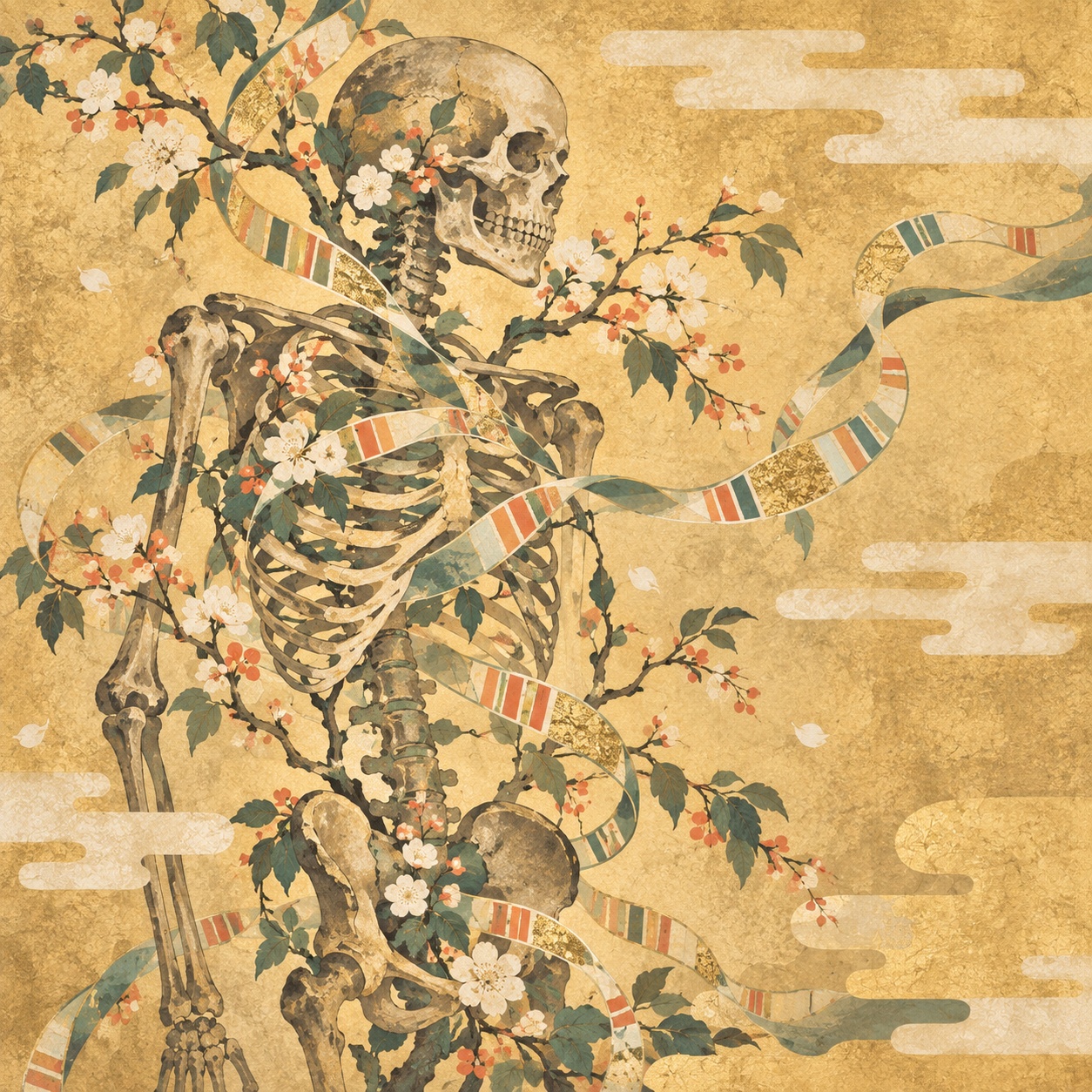
Kyoto-Led Team Maps the Gene Switches Behind Human Skeletal Evolution
A Kyoto University-led international team functionally tested more than 561,000 human-derived regulatory substitutions and uncovered coordinated changes in cartilage-related extracellular matrix pathways.
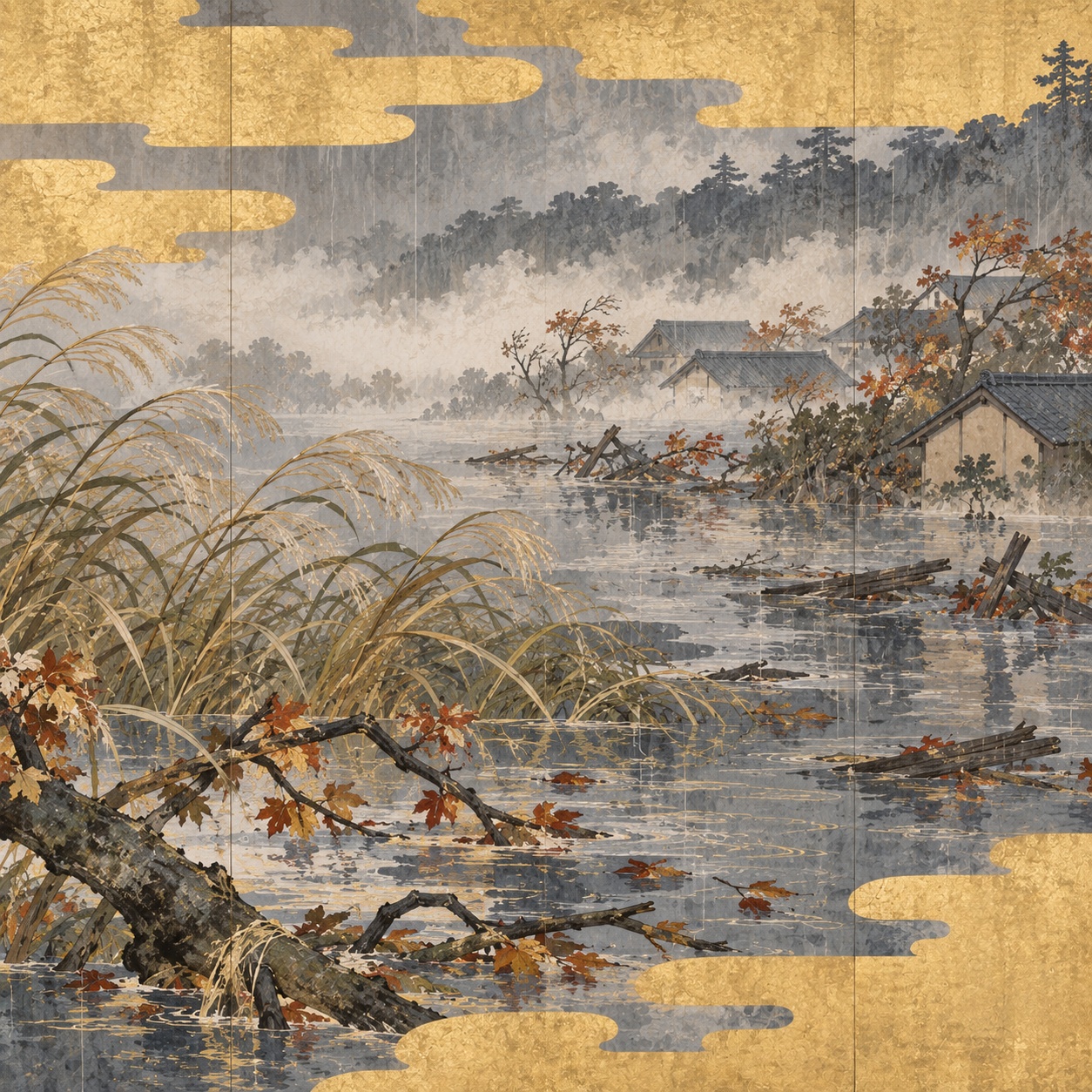
Flooded Again: Kanto’s Repeated Rains Turn Recovery Into a Test of Resilience
Barely five weeks after the August 2026 Chiba Heavy Rain, Typhoon No. 25 again brought deadly landslides, flooding, levee failures and transport damage across Kanto, testing how communities recover when the next disaster arrives before the last one is finished.
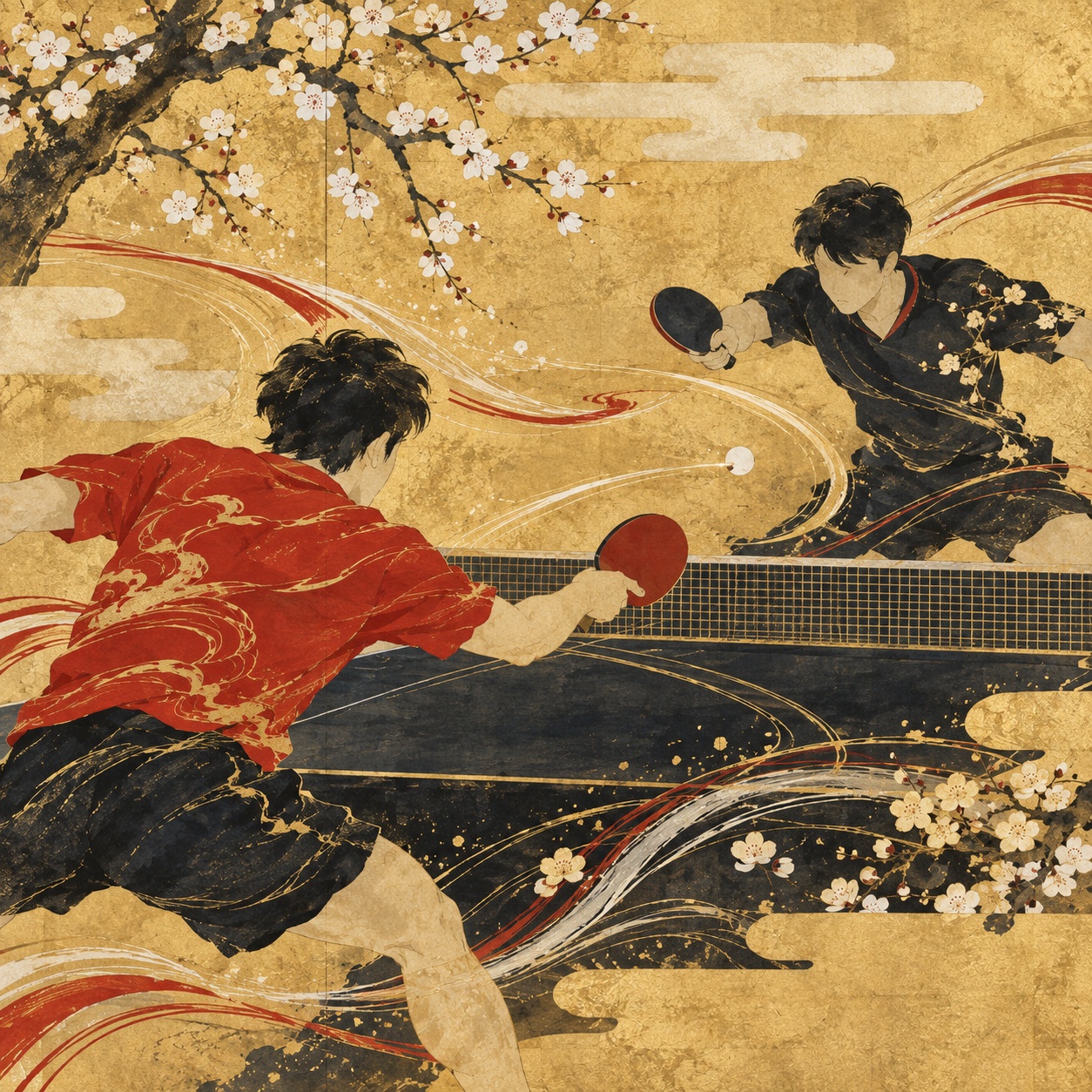
Japan Beats China 3–2 for First Asian Games Men’s Team Table Tennis Gold in 60 Years
Japan defeated China 3–2 at Sky Hall Toyota, winning its first Asian Games men’s team table tennis title since Bangkok 1966 and ending China’s eight-title, 32-year run dating to Hiroshima 1994.
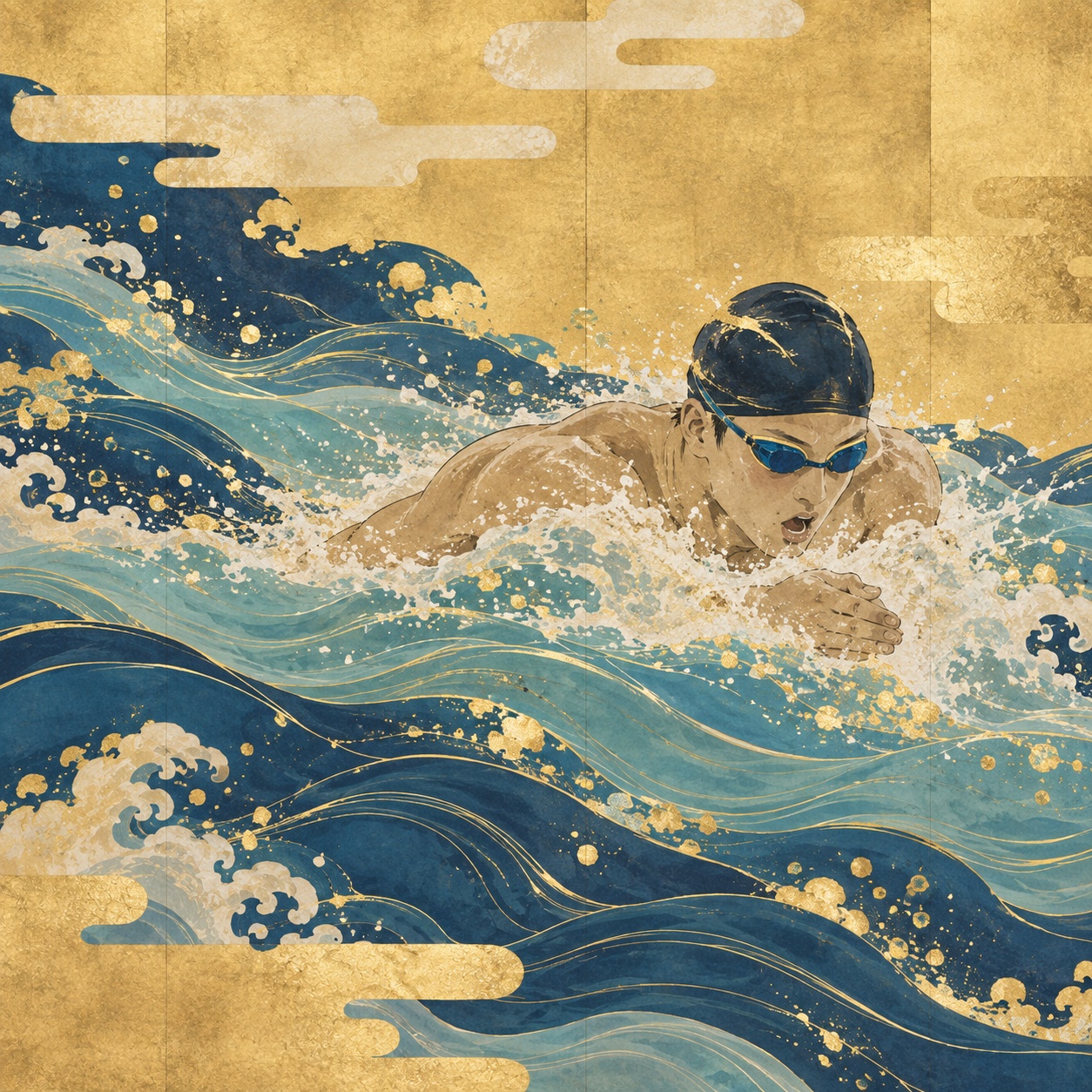
Shin Ohashi Breaks the 2:05 Barrier With a 200m Breaststroke World Record at 17
Japan’s Shin Ohashi swam 2:04.83 in the Asian Games men’s 200m breaststroke, cutting 0.65 seconds from Qin Haiyang’s world record and becoming the first man under 2:05.
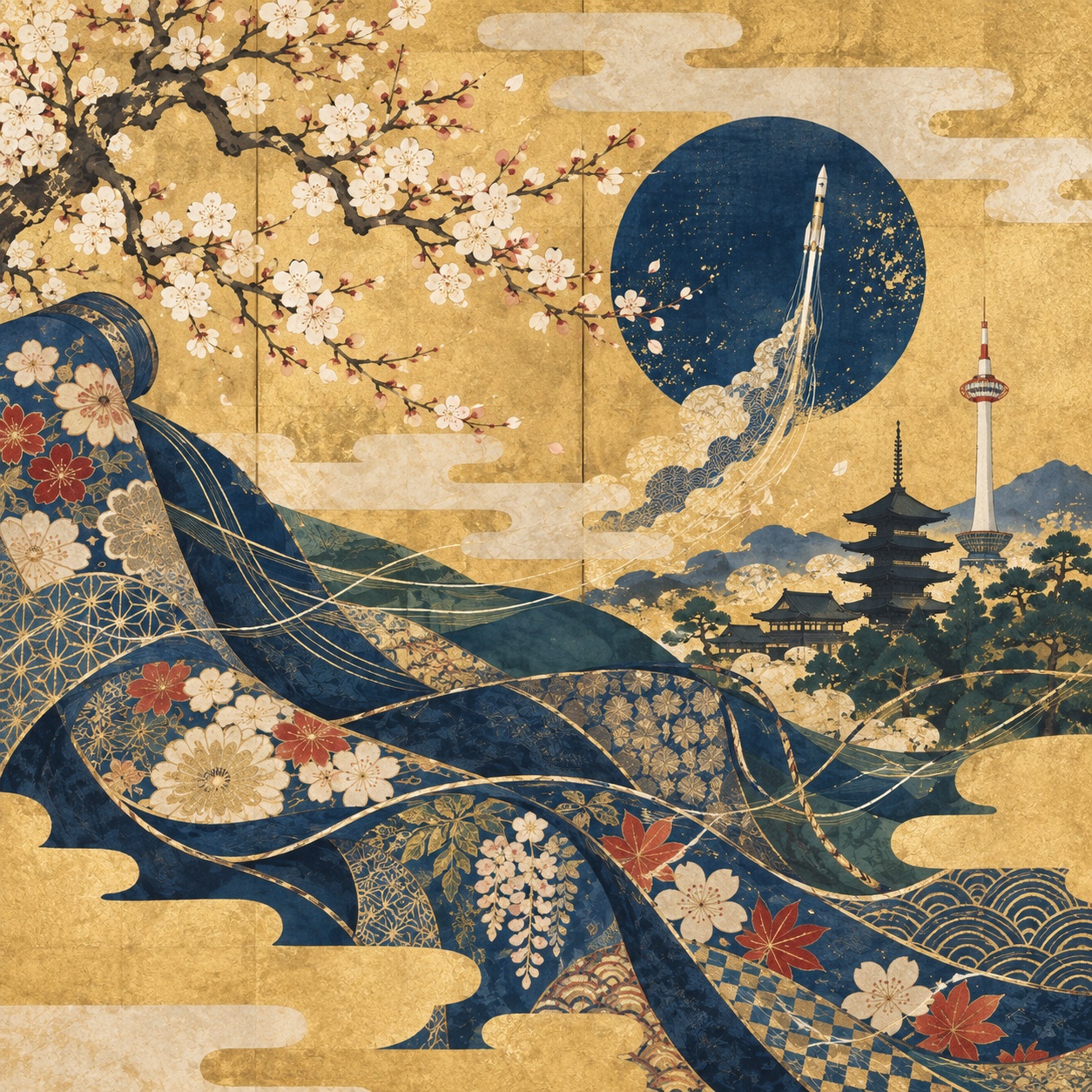
Yamaga Seika Wove Rockets and Tokyo Tower Into Kyoto Textile Art
Kyoto City KYOCERA Museum of Art is staging the first Yamaga Seika retrospective in 40 years, tracing how the textile pioneer turned handwoven brocade into a medium for everything from festival hangings to locomotives, rockets and Tokyo Tower.
The 15 main-story images and Today’s Art Choice use AI-generated editorial illustrations inspired by Tsuchida Bakusen. They are not documentary photographs or reproductions of Bakusen’s original painting. The six carryover stories retain their September 28 illustrations.
