Japan.co.jp Special Report / Friday, June 26, 2026 / Published Early日本語Publisher’s Note
JAPAN.co.jp
日本を読む日刊ビジュアル紙
Friday, June 26, 2026 · Special ReportIwate earthquake · Two tropical systems · Evacuation · Communications · Help · Disaster kit
1 US Dollar = 161.69 Japanese YenLast updated · June 25, 2026 at 10:17 AM JST
Special Report: Japan Faces Strong Shaking and Two Storm Systems
SPECIAL REPORT

SPECIAL REPORT / PUBLISHED EARLY / EARTHQUAKE / TYPHOON SAFETY / PUBLIC SERVICE

Special Report: Japan Faces Strong Shaking and Two Storm Systems

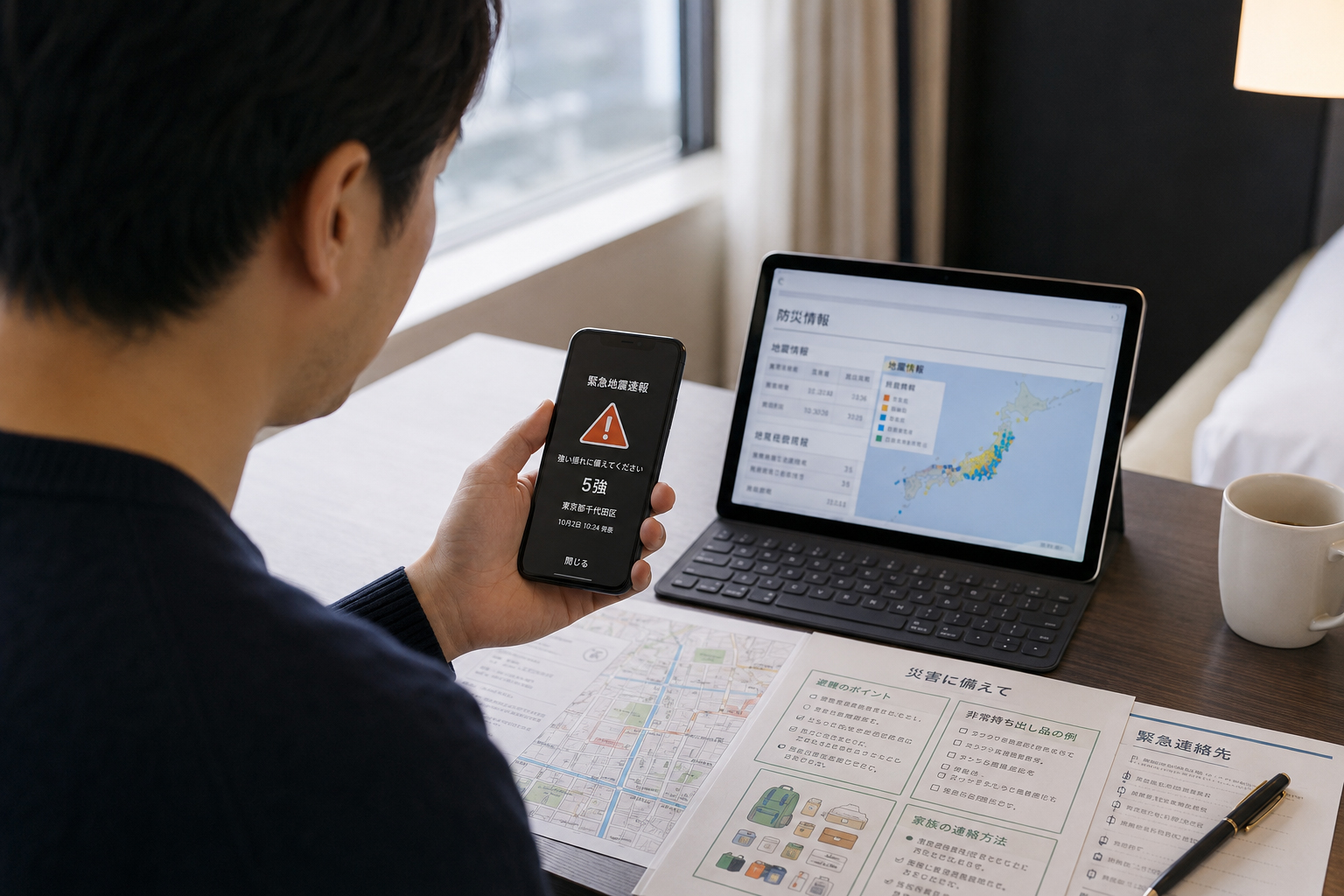
Japan.co.jp is publishing this issue early. It begins with the M6.9 earthquake off Iwate, then turns to two tropical systems approaching from the south, and then to practical disaster-safety information readers can use now.

Tokyo — Japan.co.jp Editorial Desk / Friday, June 26, 2026 · Published Early

This is not a normal ten-story issue. It is a Disaster Safety Special Report. The facts may continue to update, but the basic lesson is already clear: check official alerts, charge your phone, know your evacuation place, help your neighbors, and when uncertain, choose safety early.

NIHONGO.co.jpNIHONGO.co.jp

The Special Report Lead

Shaking, storms, official information, and action.

The 10 Safety Stories

A full public-service issue for a disaster-readiness morning.

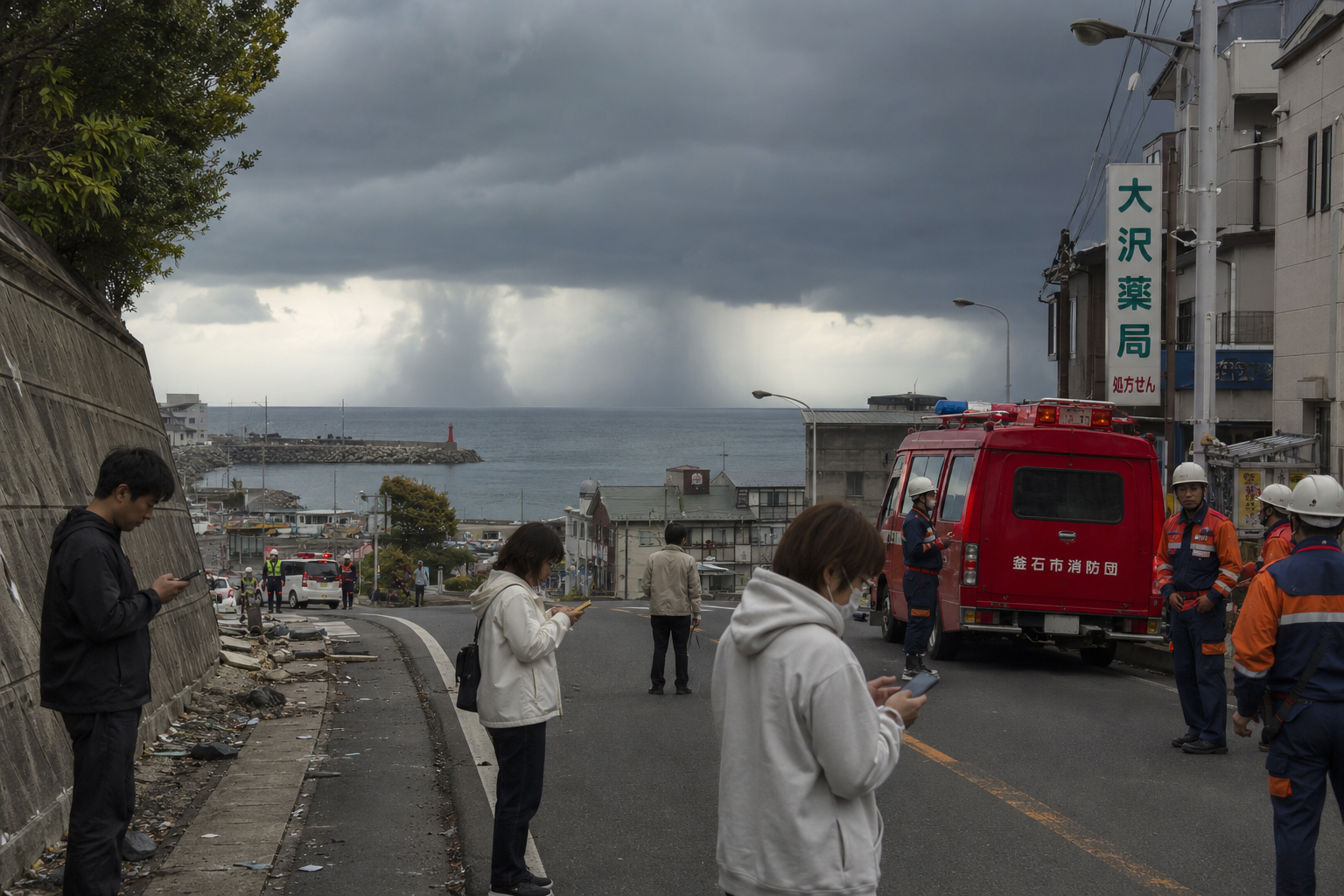
1Japan’s Disaster-Readiness Morning: M6.9 Off Iwate, Mekkhala, and a Second Tropical System
Earthquake / Typhoon / Readiness

Japan’s Disaster-Readiness Morning: M6.9 Off Iwate, Mekkhala, and a Second Tropical System

The facts of the quake come first. Then the storm risk. The goal is not fear; it is useful early judgment.

2What Shindo 6+ Means: Why Japan Measures Shaking, Not Just Magnitude
How Earthquakes Are Read

What Shindo 6+ Means: Why Japan Measures Shaking, Not Just Magnitude

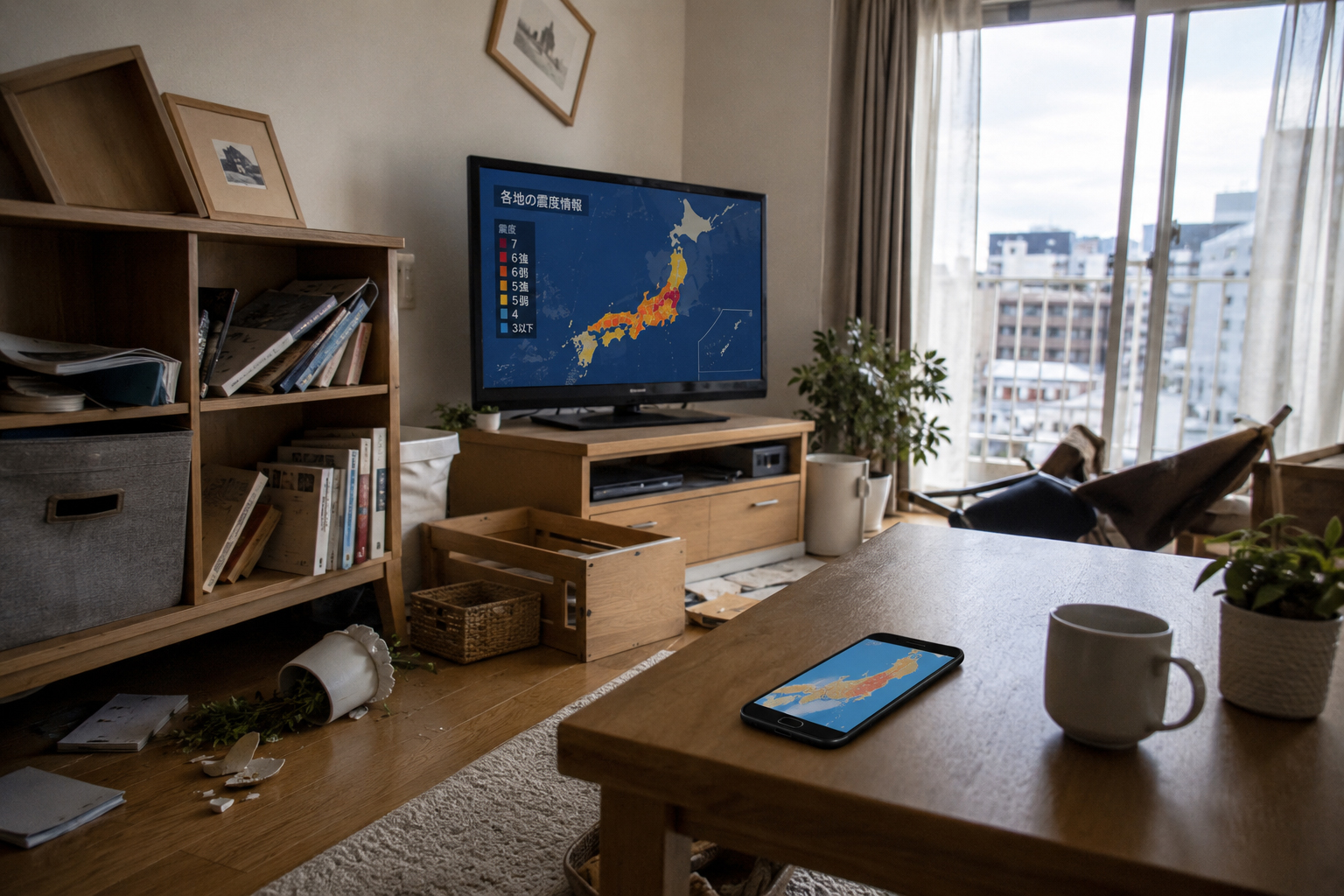
Magnitude measures the energy of the earthquake. Shindo measures how strongly people and buildings actually felt it in a place.

3What Is the Hokkaido–Sanriku Subsequent Earthquake Advisory?
Subsequent Quake Watch

What Is the Hokkaido–Sanriku Subsequent Earthquake Advisory?

It is not prediction. It is a readiness signal: check routes, avoid unstable coasts and cliffs, secure furniture, charge phones, and keep shoes and lights nearby.

4Two Storm Systems Near Japan: Reading Typhoon, Heavy Rain, and Landslide Warnings
Typhoon Safety

Two Storm Systems Near Japan: Reading Typhoon, Heavy Rain, and Landslide Warnings

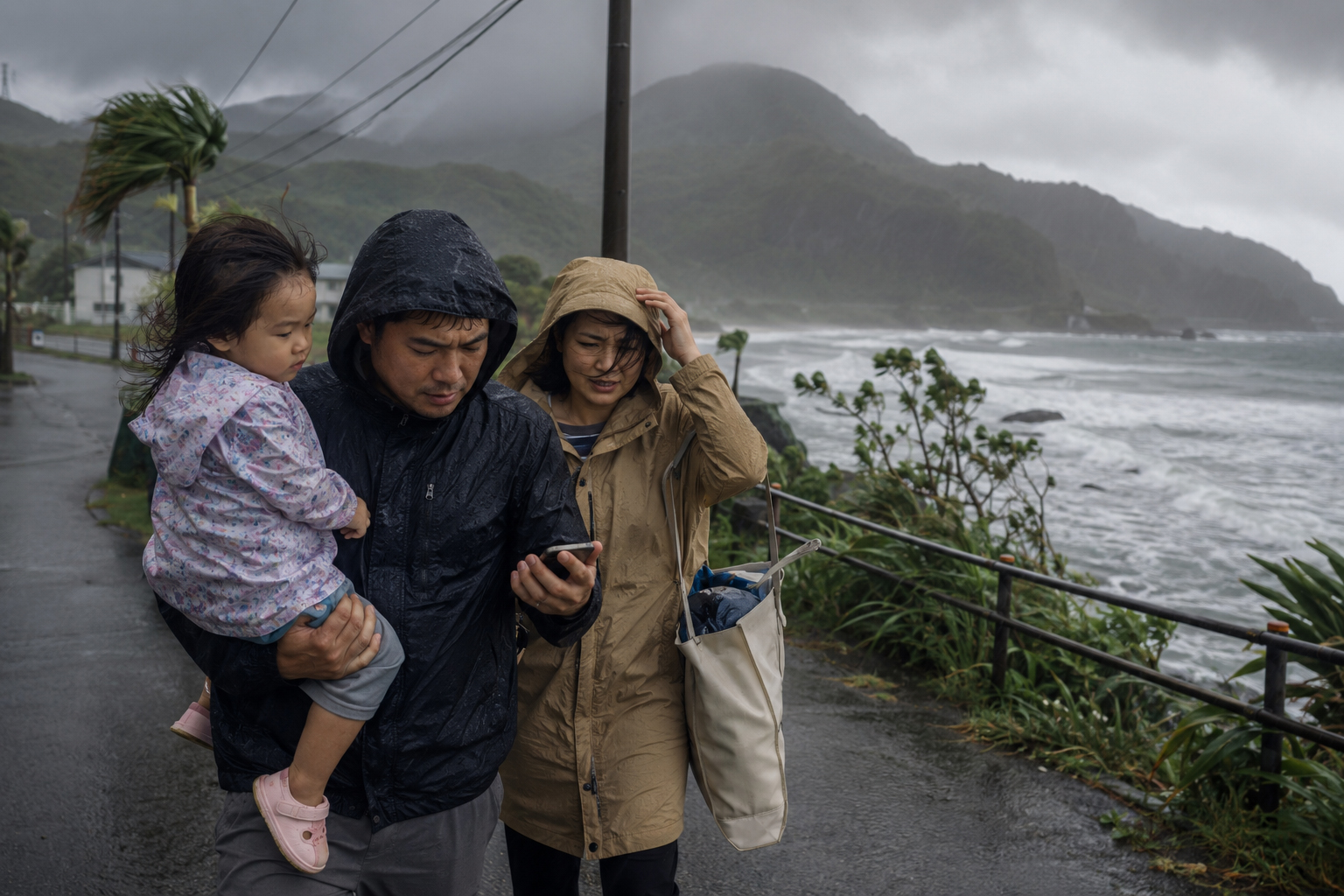
A weakening typhoon can still be dangerous through rain, flooding, landslides, rising rivers, dangerous seas, and underground flooding.

5Official Disaster Resources in Japan: JMA, Cabinet Office, Safety Tips, NHK World, and Local Governments
Official Resources

Official Disaster Resources in Japan: JMA, Cabinet Office, Safety Tips, NHK World, and Local Governments

In a crisis, the most useful page is often the one that tells you where to look next. Save this resource guide.

6Alert Level 4 Means Evacuate: Japan’s Evacuation Warnings Explained
Evacuation Guide

Alert Level 4 Means Evacuate: Japan’s Evacuation Warnings Explained

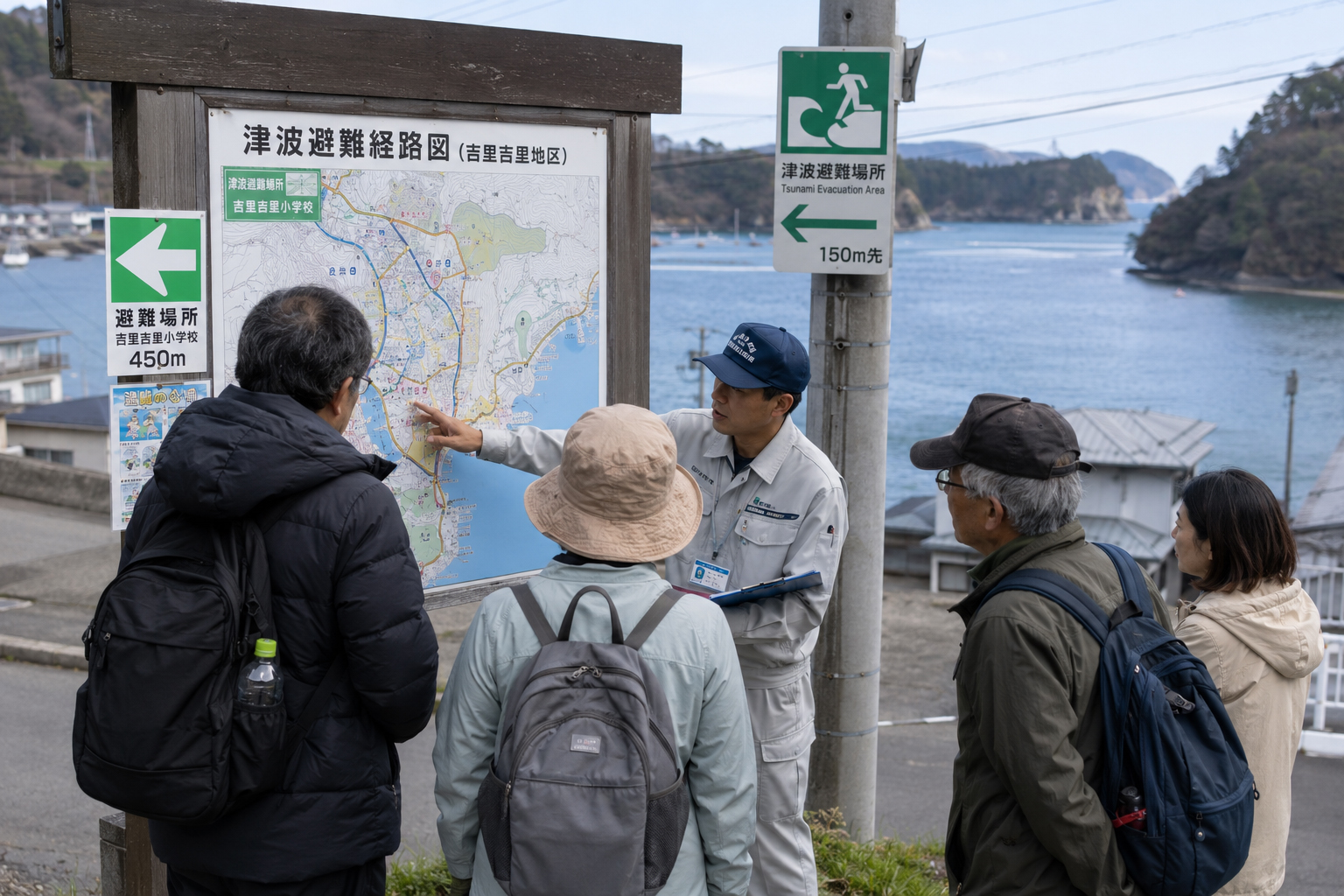
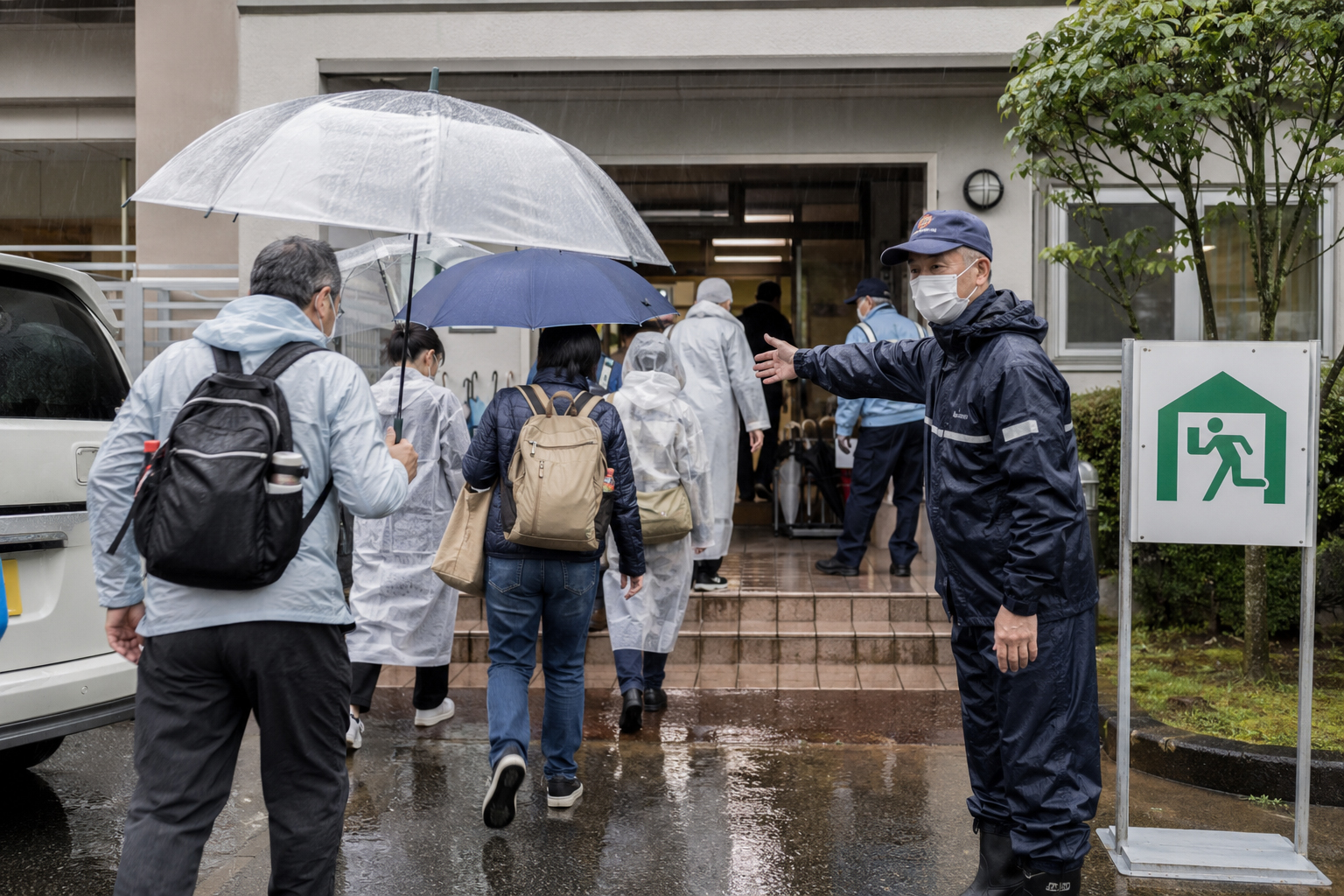
Do not wait for Level 5. Level 5 means a disaster may already be occurring. This is the practical guide.

7When Phones Fail: How to Use Japan’s 171 Disaster Message Service and Web171
Communication Safety

When Phones Fail: How to Use Japan’s 171 Disaster Message Service and Web171

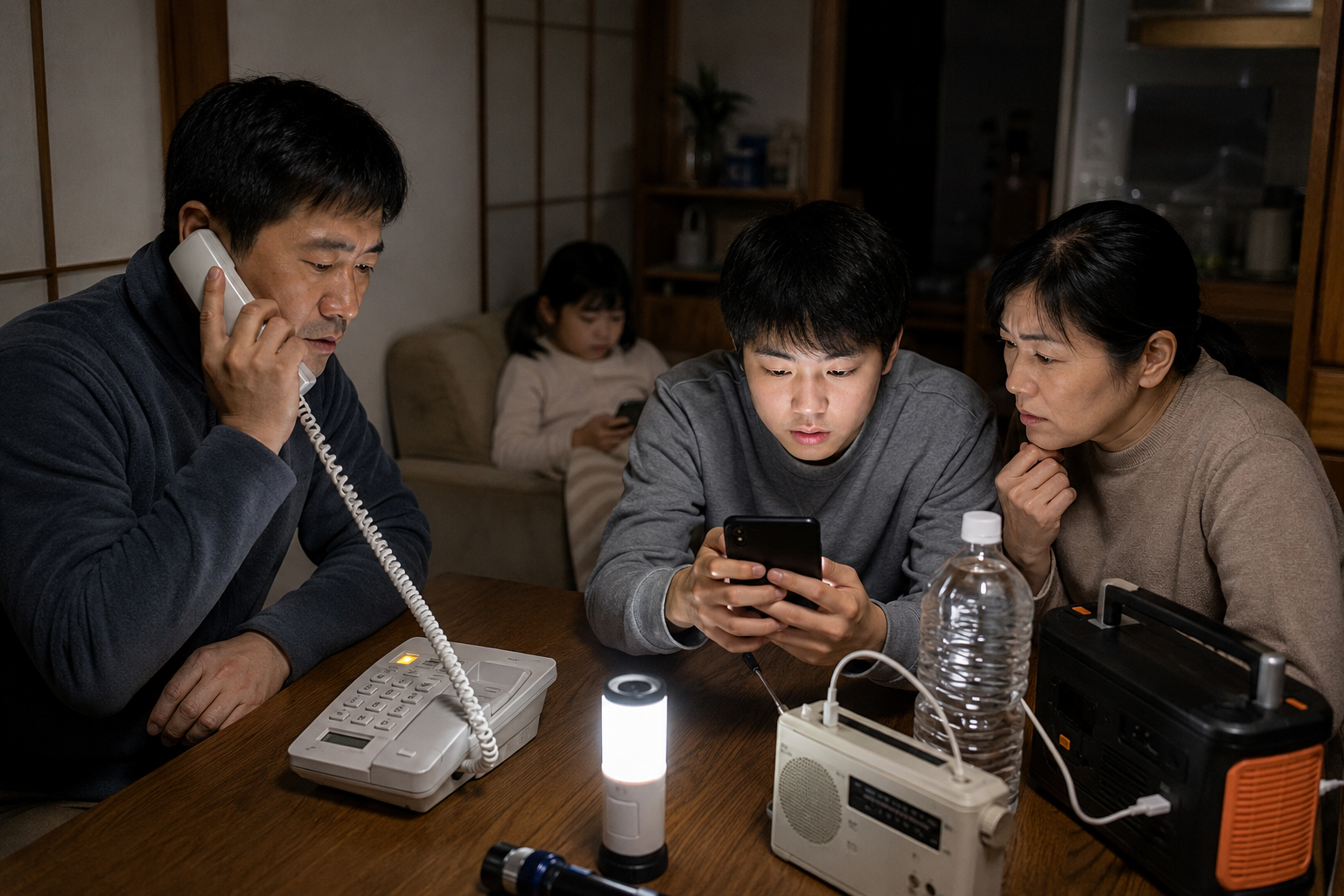
Use a phone number as the key to record and check safety messages. Useful for people in Japan and families overseas.

8The 24-Hour Japan Disaster Kit: Water, Shoes, Power, Medicine, Cash, and Documents
Disaster Kit

The 24-Hour Japan Disaster Kit: Water, Shoes, Power, Medicine, Cash, and Documents

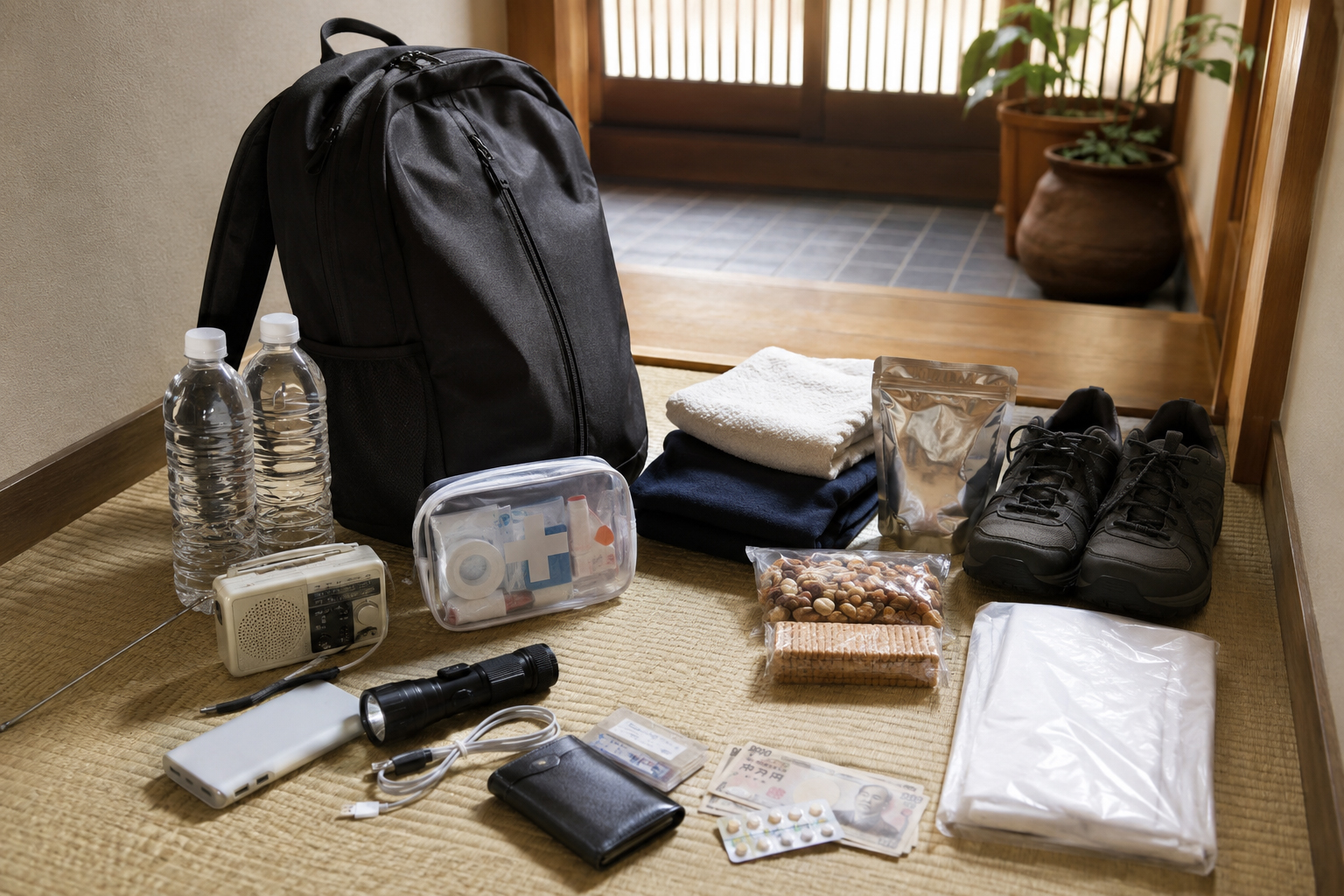
Not survivalist fantasy. Ordinary items that make the first day after a quake, flood, or evacuation safer.

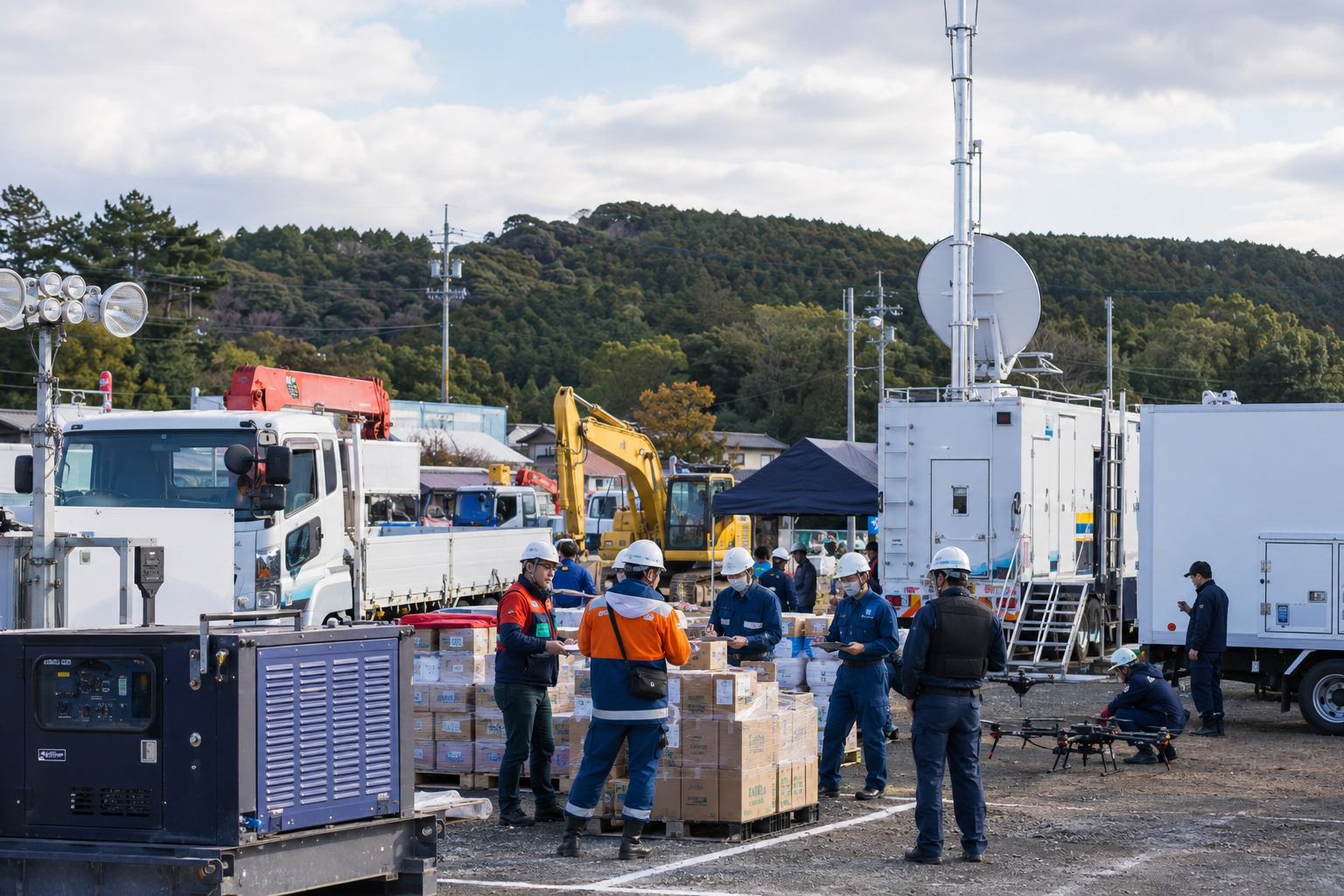
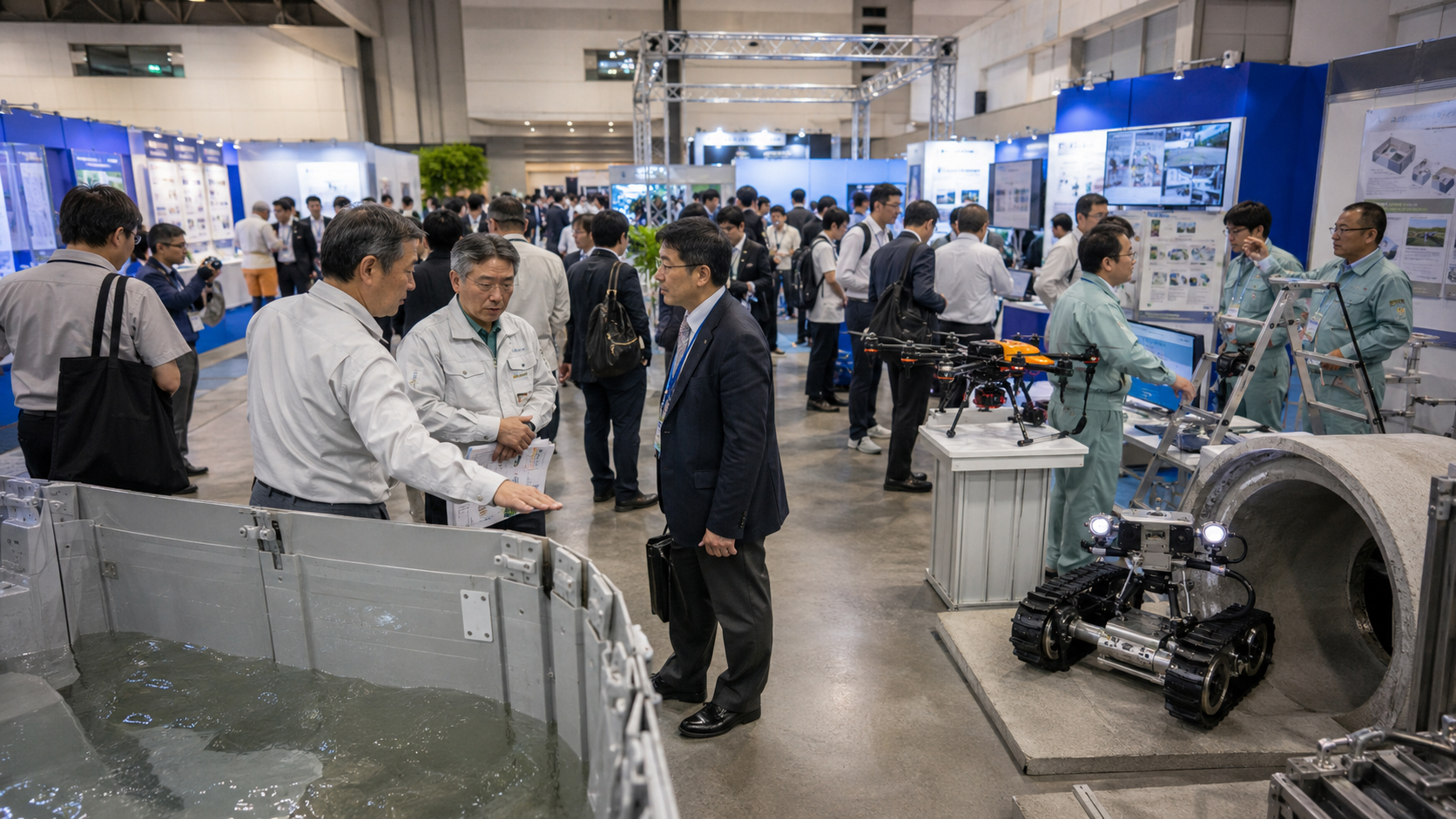
9The Companies Behind Disaster Recovery: Construction Equipment, Generators, Telecom, Drones, and Data
Companies / Equipment

The Companies Behind Disaster Recovery: Construction Equipment, Generators, Telecom, Drones, and Data

Not an ad. A look at the functions that open roads, restore power, connect phones, move supplies, and map damage.

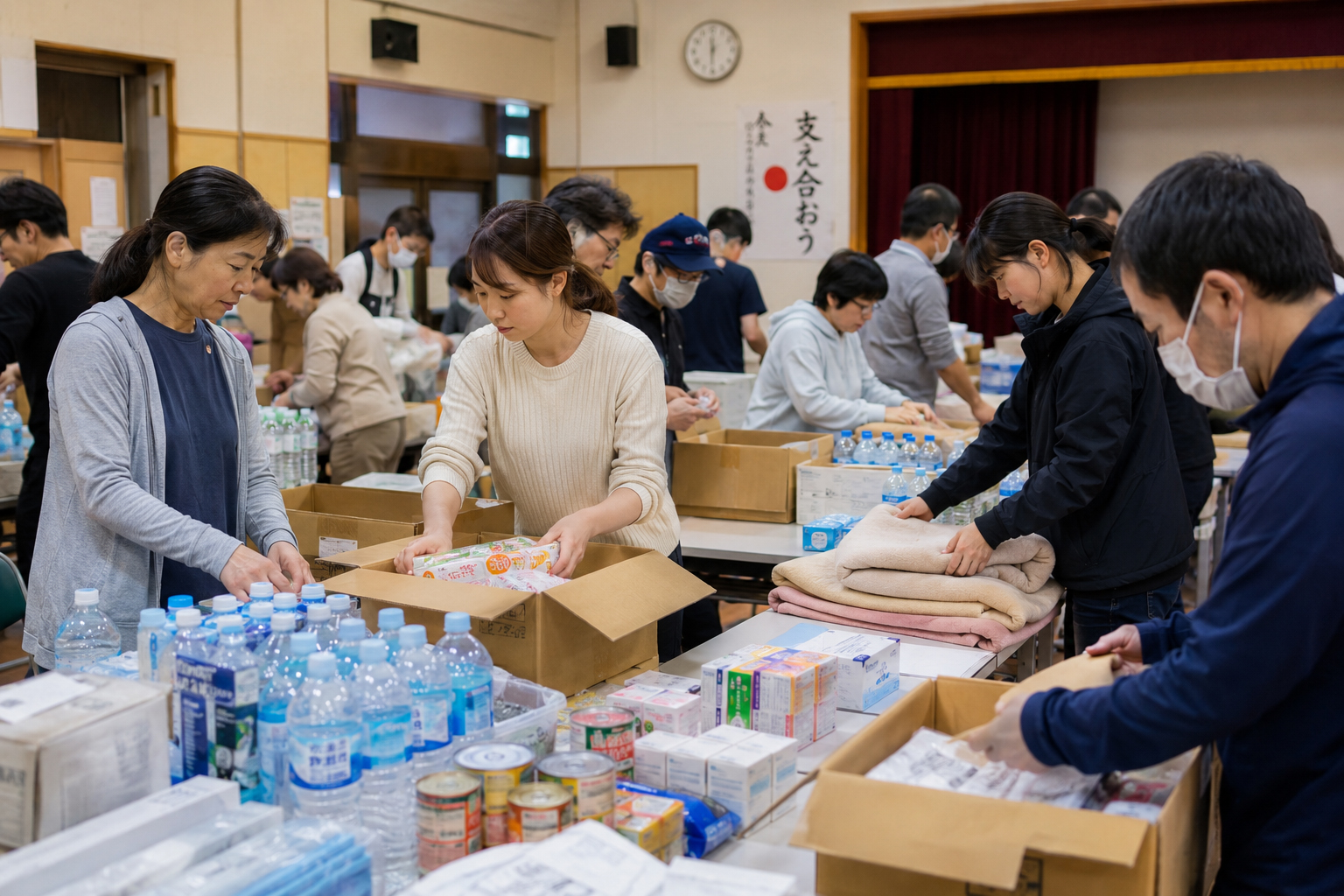
10How to Help After a Disaster in Japan Without Making Things Worse
How to Help

How to Help After a Disaster in Japan Without Making Things Worse

Do not self-deploy unless asked. Donate through trusted groups. Follow volunteer-center instructions. Do not spread rumors.

Four to Save Now

Phones, evacuation, supplies, and responsible help.

Editor’s note: This issue is built around practical disaster information rather than a normal mix of travel, culture, business, and sports. Earthquake numbers, storm tracks, and evacuation information can change quickly. Always confirm final decisions with JMA, local governments, NHK, and official disaster apps.

Continue from Yesterday’s Normal Edition

Four June 25 stories to keep beside today’s Special Report.

Editor’s note: This Special Report is published as the June 26 page. The normal June 25 edition remains available as yesterday’s edition, with Nara Prison Hotel, Japan vs Sweden, AI networks, and Kyushu disaster-tech preserved as a separate day’s news context.

Disaster Safety Entrances

When uncertain, choose official information and early safety.