Across the Boundary of Life: Japan’s Discoveries, Science and Society
A hybrid cell carrying algal DNA, a seawater uranium sponge, a changing banking system and the future of regional Japan: today’s edition finds a surprising world of scientific and social change.
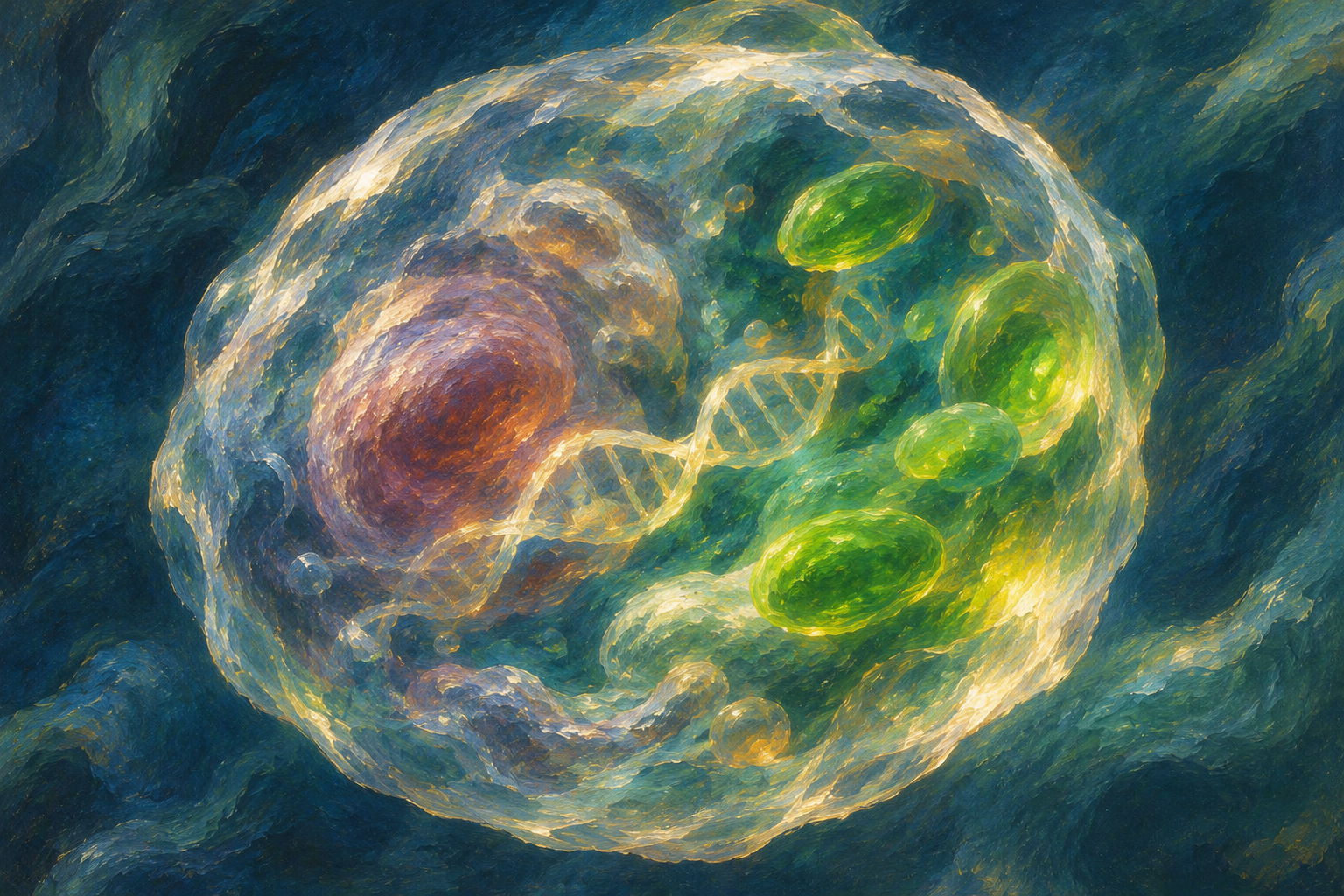
Scientists Put Nearly an Entire Algal Genome Into Mammalian Cells. Most of It Stayed Silent.
A hamster-derived cell line retained roughly 98.76% of a red alga’s nuclear genome and divided for more than 150 generations. But about 96% of the transferred genes were silent. What did scientists actually create?
Original AI editorial illustration inspired by the oil-painting language of Shigeru Aoki (1882–1911). Not a laboratory photograph.
Read the full story →Monday, November 16, 2026 · JAPAN.co.jp
Four stories to watch
Science · Energy · Economy · Art

News Briefs — 12 additional developments
Twelve concise, sourced updates beyond the 15 main reports: corporate earnings, RNA research, infrastructure, sport and exhibitions.
Read the News Briefs →Business & Economy
Nov. 16 · 3 reportsJapan’s Megabanks Raise Profit Forecasts: The Return of Interest Rates Is Changing Banking
Combined annual profit forecasts reach ¥6.3 trillion as positive interest rates reshape Japanese finance. The bigger story reaches from the lost decades to household mortgages, corporate credit and the global AI investment boom.
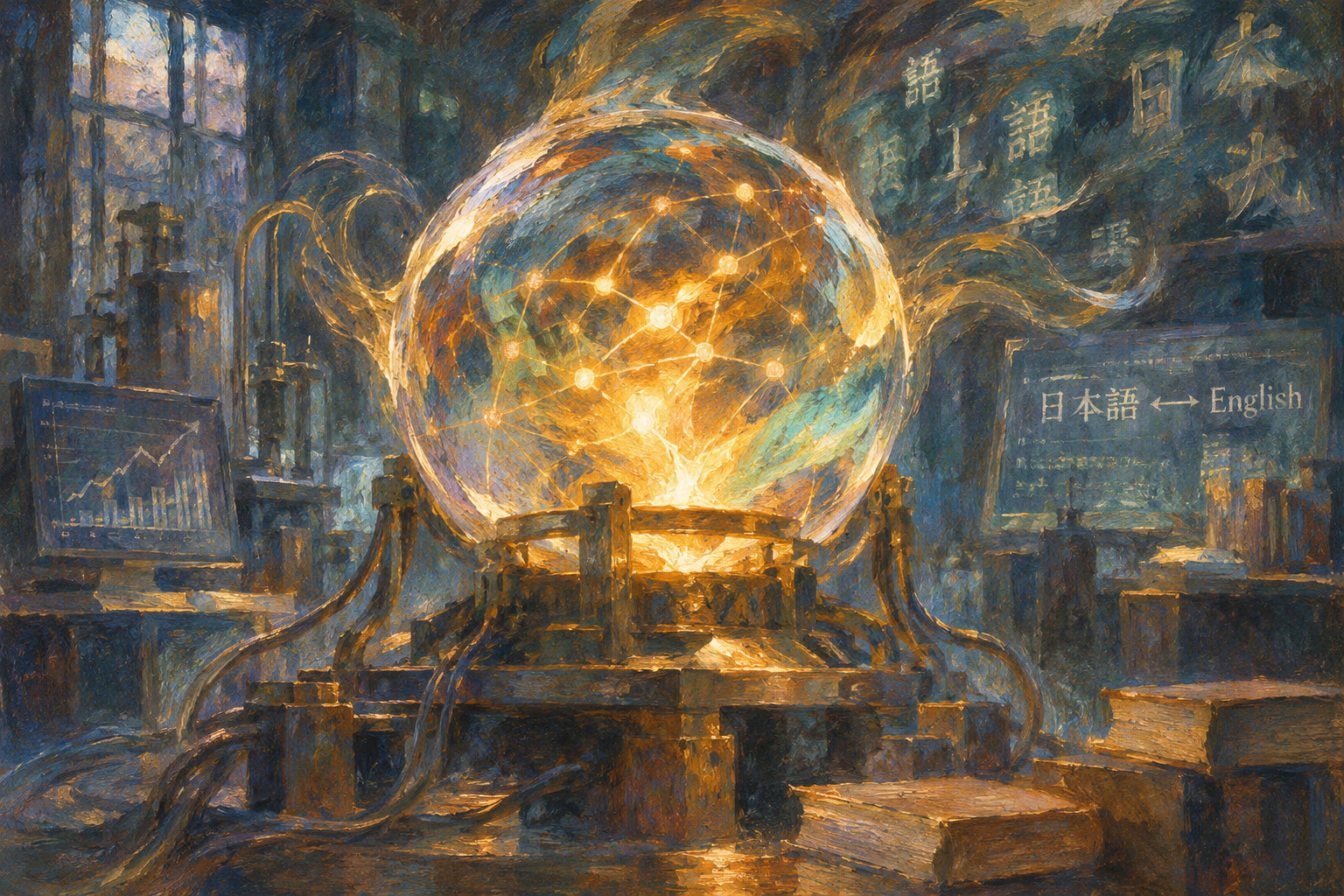
Japan’s PLaMo AI Moves Into Banking and Translation—Why Specialized Models Matter
One AI family, two highly specific jobs: translate confidential documents locally and support structured financial workflows. The real test is control, accuracy and measurable value—not size alone.
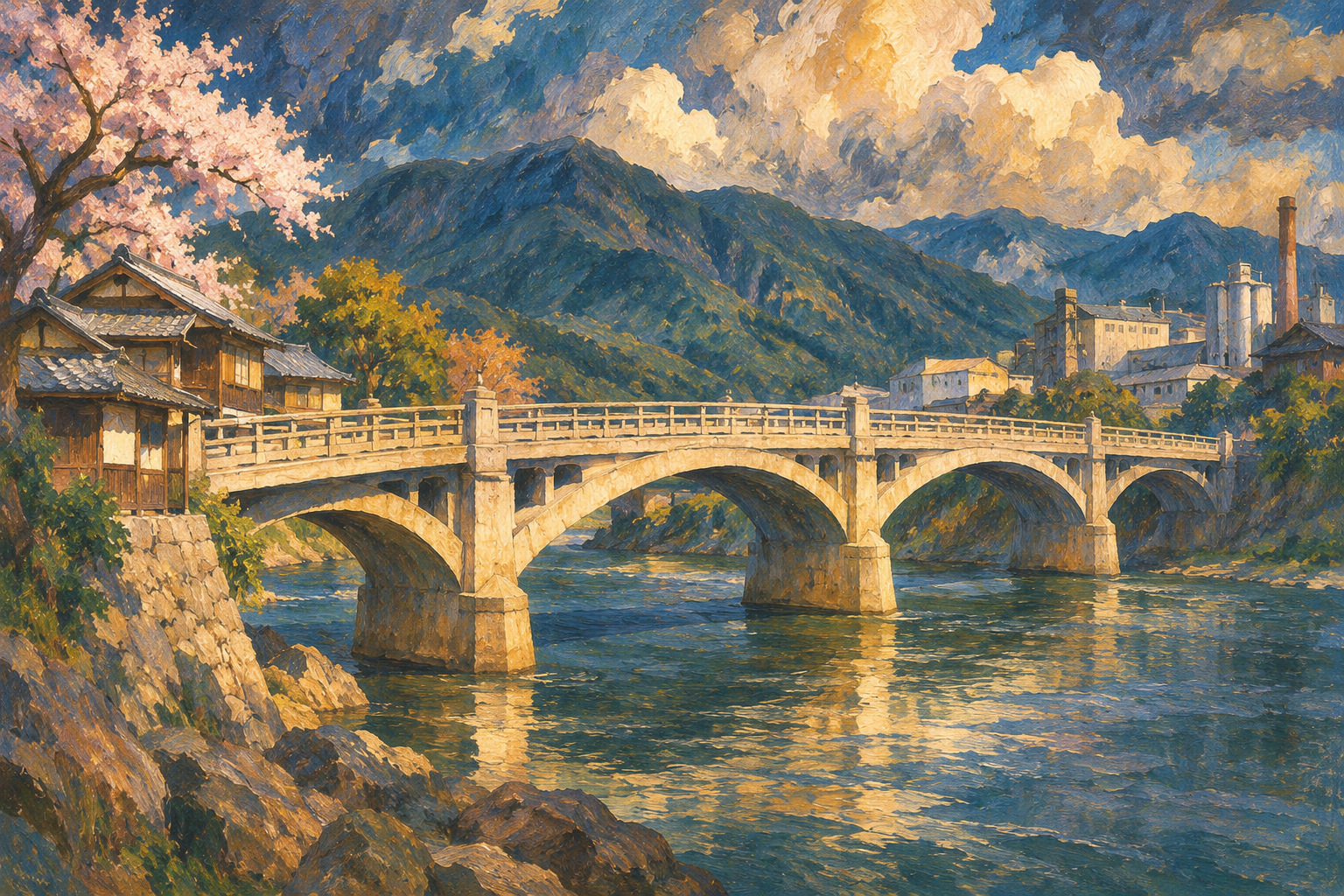
Japan Invites Smaller Cities to Test Public–Private Partnerships Before Projects Begin
A library, an aging water plant or an unused school can become a budget burden—or a useful community asset. Japan’s new market-sounding round asks cities to test possibilities before issuing tenders.
Science & Technology
Nov. 16 · 3 reportsScientists Put Nearly an Entire Algal Genome Into Mammalian Cells. Most of It Stayed Silent.
A hamster-derived cell line retained roughly 98.76% of a red alga’s nuclear genome and divided for more than 150 generations. But about 96% of the transferred genes were silent. What did scientists actually create?
A Sponge That Pulls Uranium From Seawater: What Japan’s 94% Laboratory Result Really Means
A plant-based sponge removed about 94% of uranium from natural seawater under defined laboratory conditions. But a headline-grabbing capacity figure came from enriched water—not the ocean. What has actually changed?
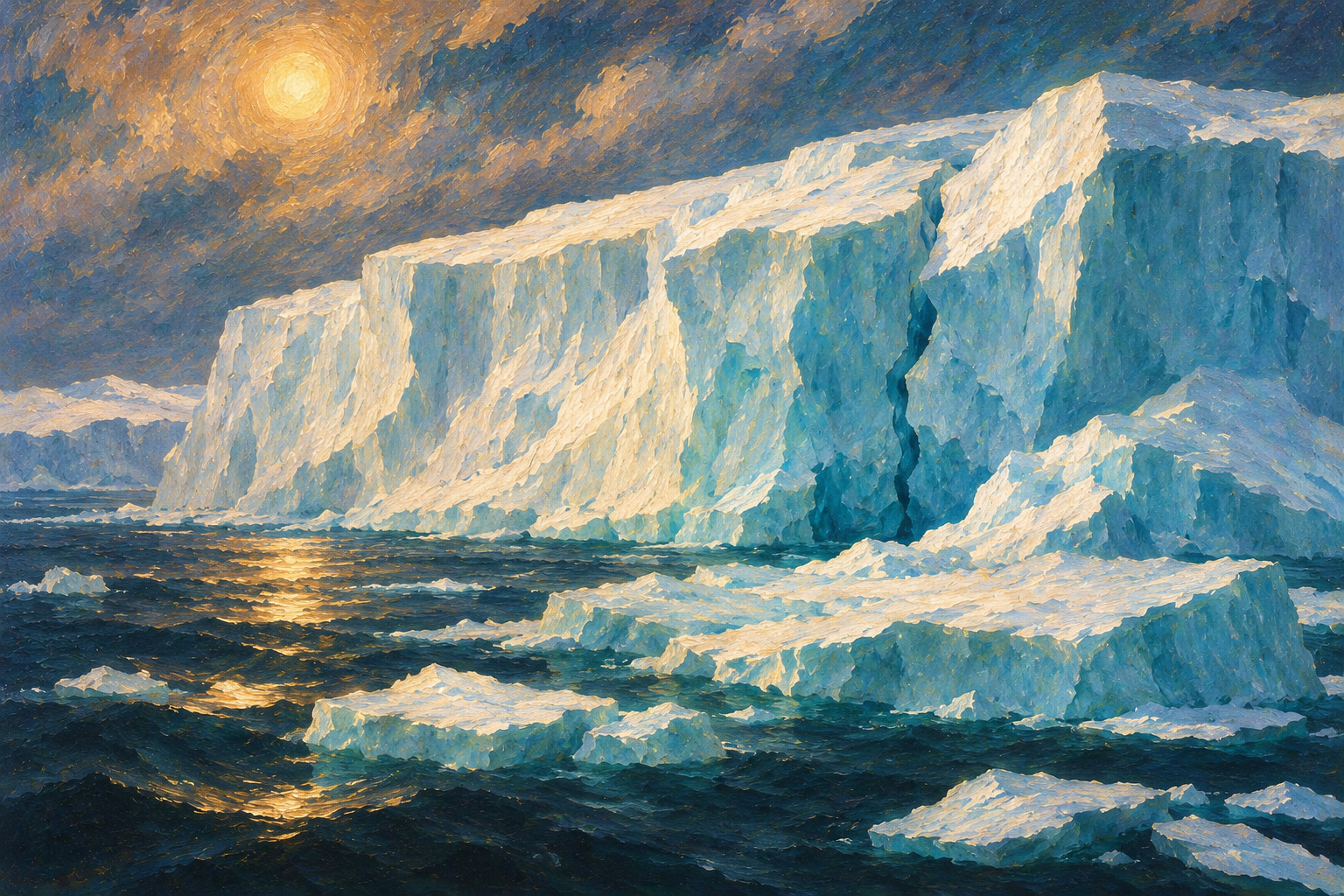
The Dark Water That Helped Melt Antarctic Sea Ice: Japan’s New Explanation for the 2023 Record
An opening in the ice, a pulse of sunlight, and a self-reinforcing summer melt. A Japanese research team has uncovered an important part of Antarctica’s 2023 sea-ice puzzle—without claiming to have solved it all.
Communities
Nov. 16 · 3 reports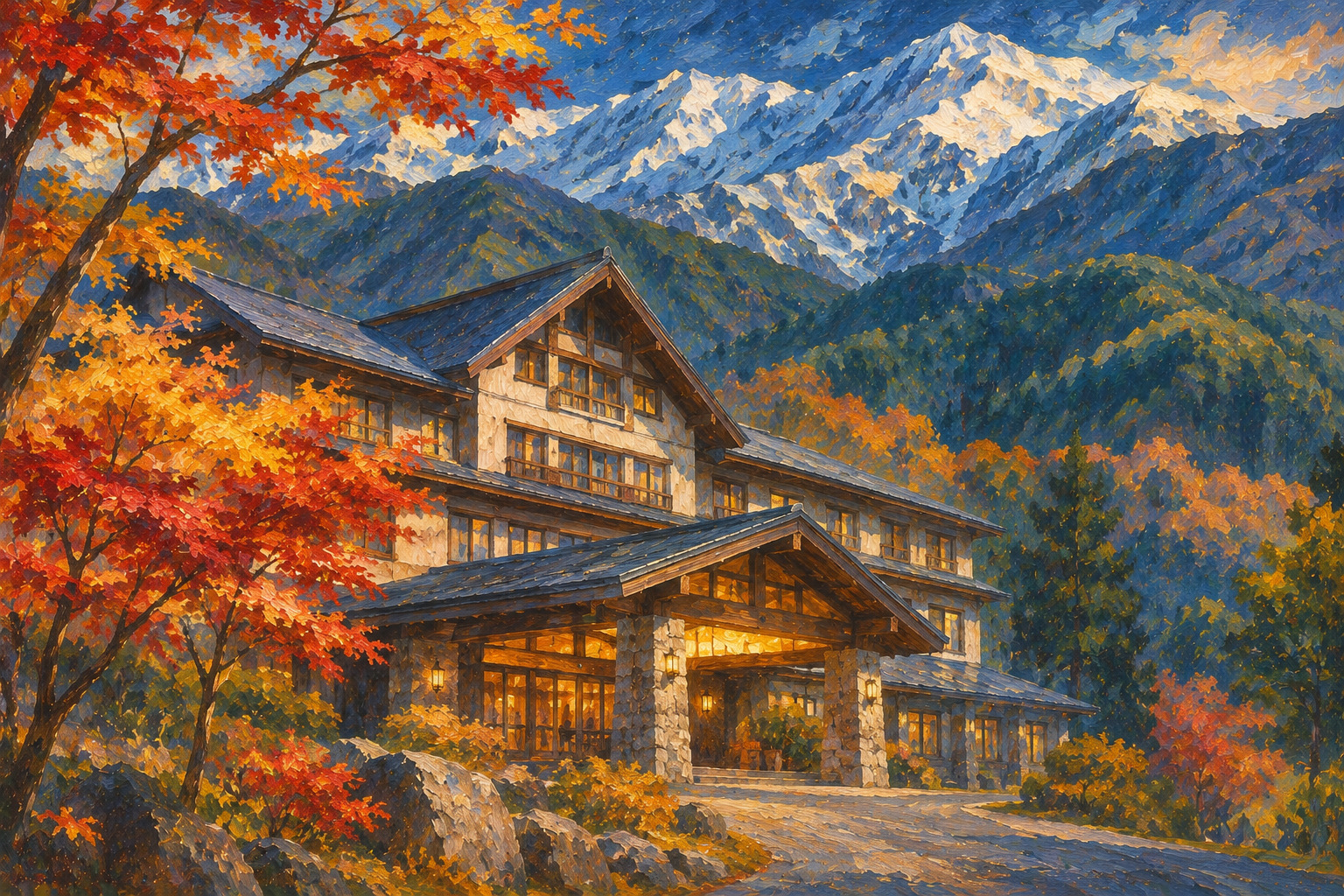
Beyond the Ski Season: An Alpine Hotel’s Reinvention Tests Japan’s Four-Season Tourism Ambitions
A 52-year-old ski hotel is being reborn as a year-round mountain destination. National approval advances the plan—but the lasting benefits for Otari Village still have to be earned.
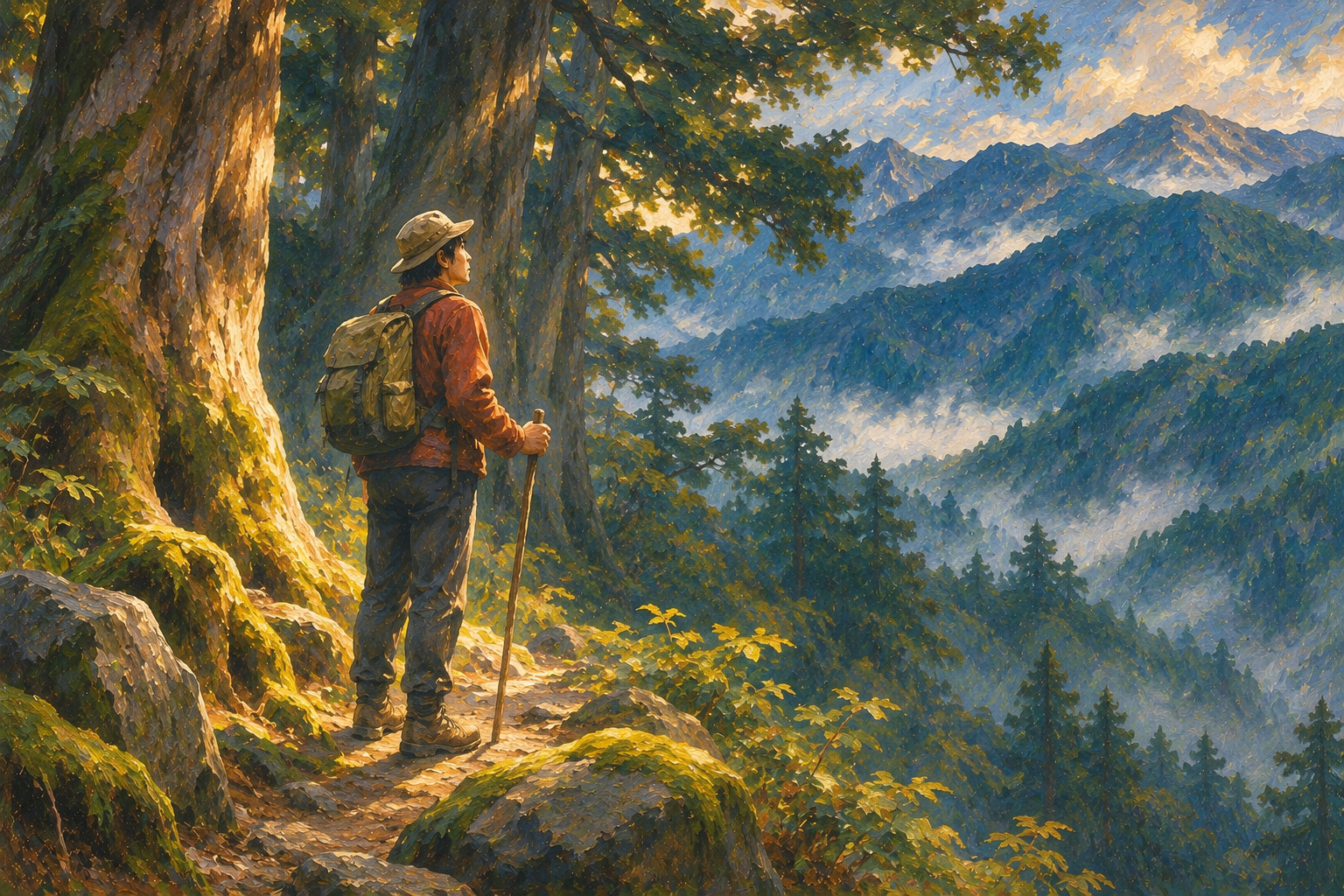
Before More Tourists Arrive, Who Will Protect the Landscape? Japan Funds an Ecotourism Plan
Japan has selected one new project for ecotourism support. Behind a modest award lies a demanding question: can communities earn from nature without wearing it away?
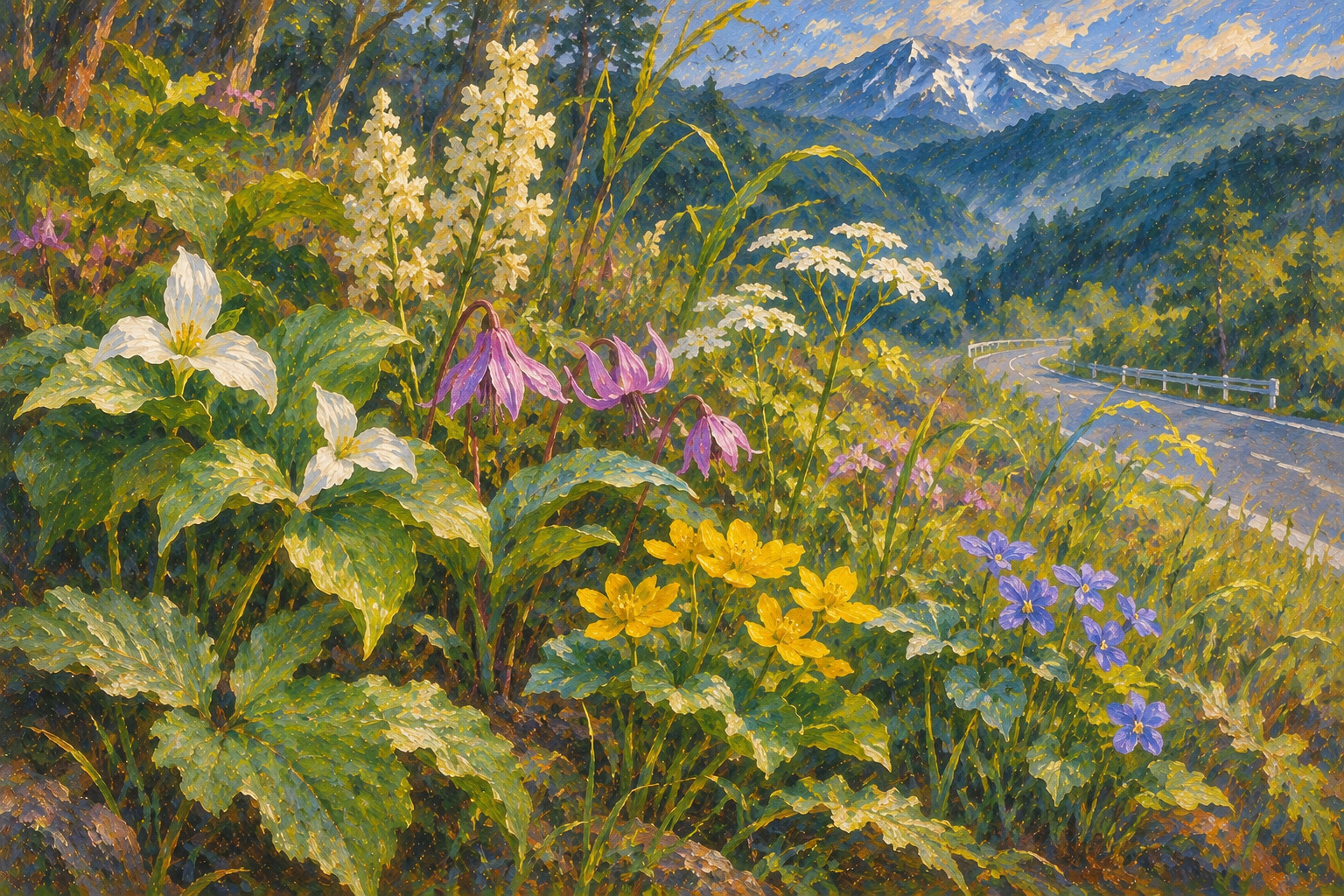
A Roadside Turned Green. But Did Its Native Plants Return? Japan’s Ten-Year Soil Experiment
Both methods made the roadside greener. Only one retained a plant community closer to the original. The distinction challenges how infrastructure projects measure ecological success.
Sports
Nov. 16 · 3 reports
Japan’s Next Baseball Generation Hits Back: Two Wins, Big Homers and a Korean Comeback Scare
Two wins over Chinese Taipei and Korea revealed Japan’s emerging talent—and why a late-inning collapse still matters. A close look at the verified games, the prospects and the history of this development-focused tournament.
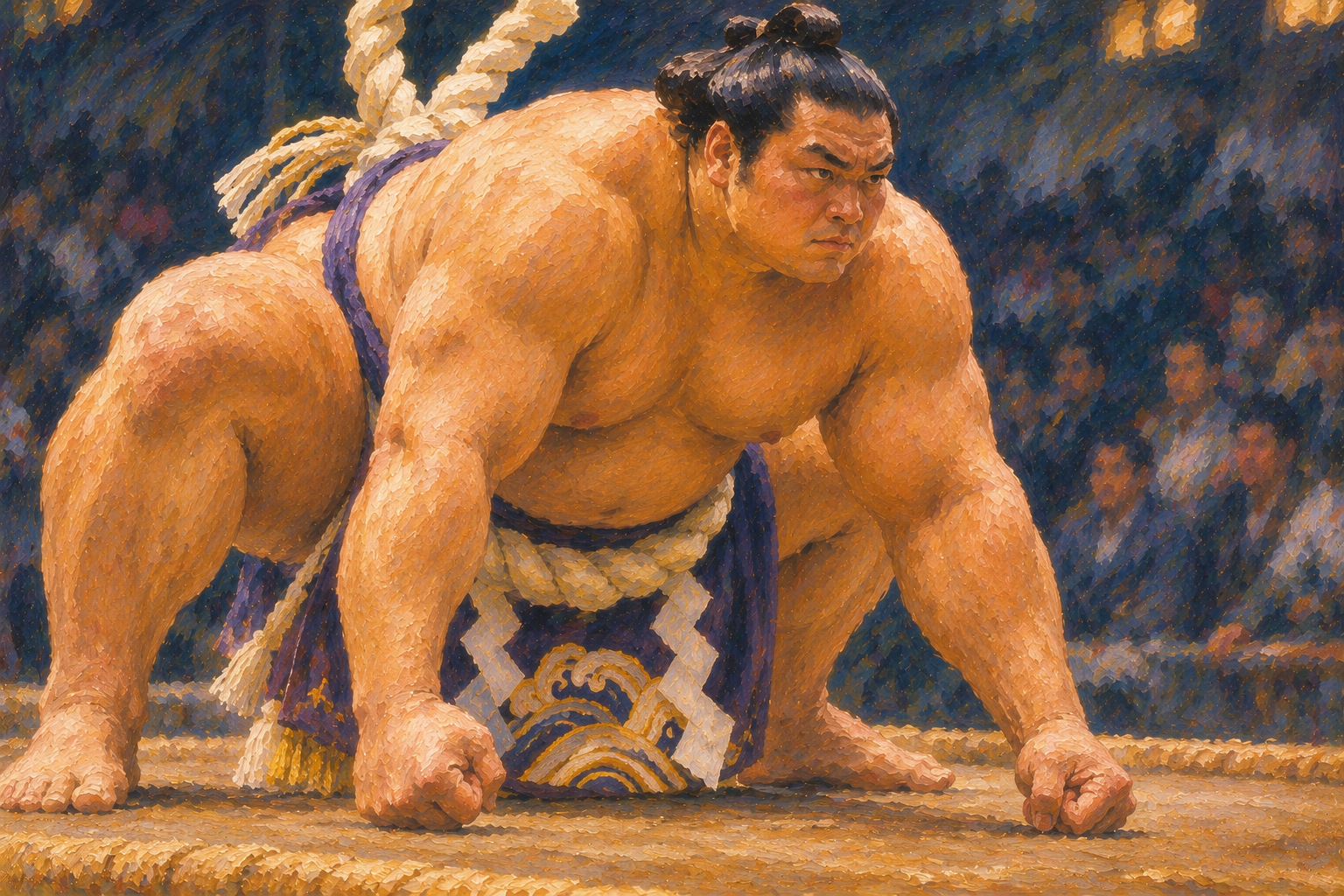
Ōnosato Wins Five Straight to Join a Nine-Way Kyushu Sumo Lead—But the Yokozuna’s Test Is Far From Over
An opening upset gave way to five consecutive wins. The sixth-day push-down of Hakunofuji showed what Ōnosato does best—but nine wrestlers share the lead, and every remaining bout matters.
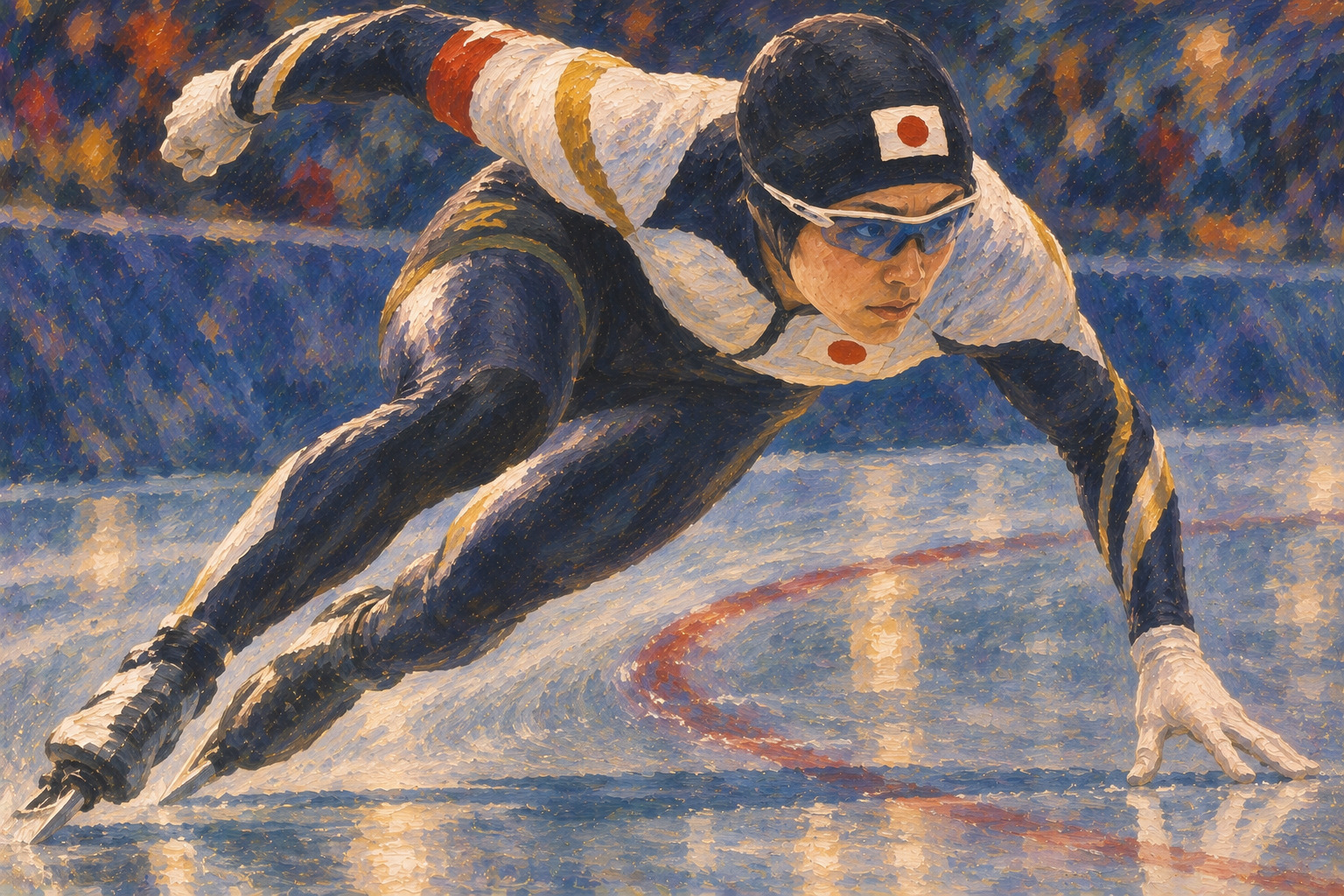
A Hundredth From the Podium: Rio Yamada Opens Japan’s Post-Takagi Speed Skating Era in Beijing
Rio Yamada came within 0.01 seconds of a World Cup medal. As Japan begins its first season after Miho Takagi’s retirement, Beijing offers an early test of the country’s next skating generation.
Culture
Nov. 16 · 3 reportsGold Hidden Behind Silk: How a Rare Ogawa Usen Screen Returned to View
The gold is behind the silk—and ink has penetrated into the metallic layer. A 1935 masterpiece returns to public view, raising questions about Japanese painting, preservation and the artist who imagined its landscape.
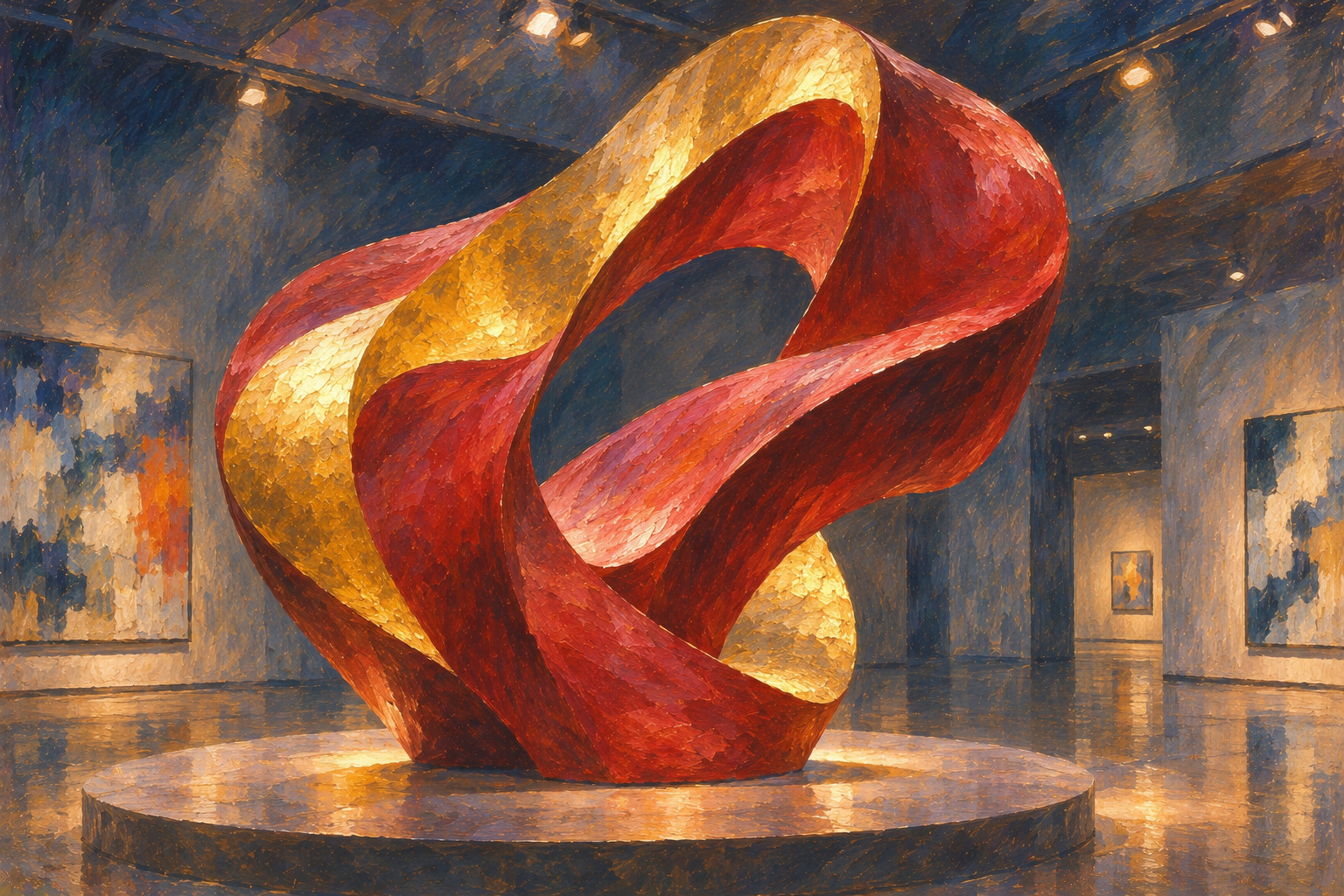
Beyond Kusama and Banksy: A Private Collector’s Search for Meaning Comes to Sendai
The stars are famous. The premise is not: a collector gathered work to learn what contemporary art means. In a newly reopened museum, the real exhibition is about how we learn to see.
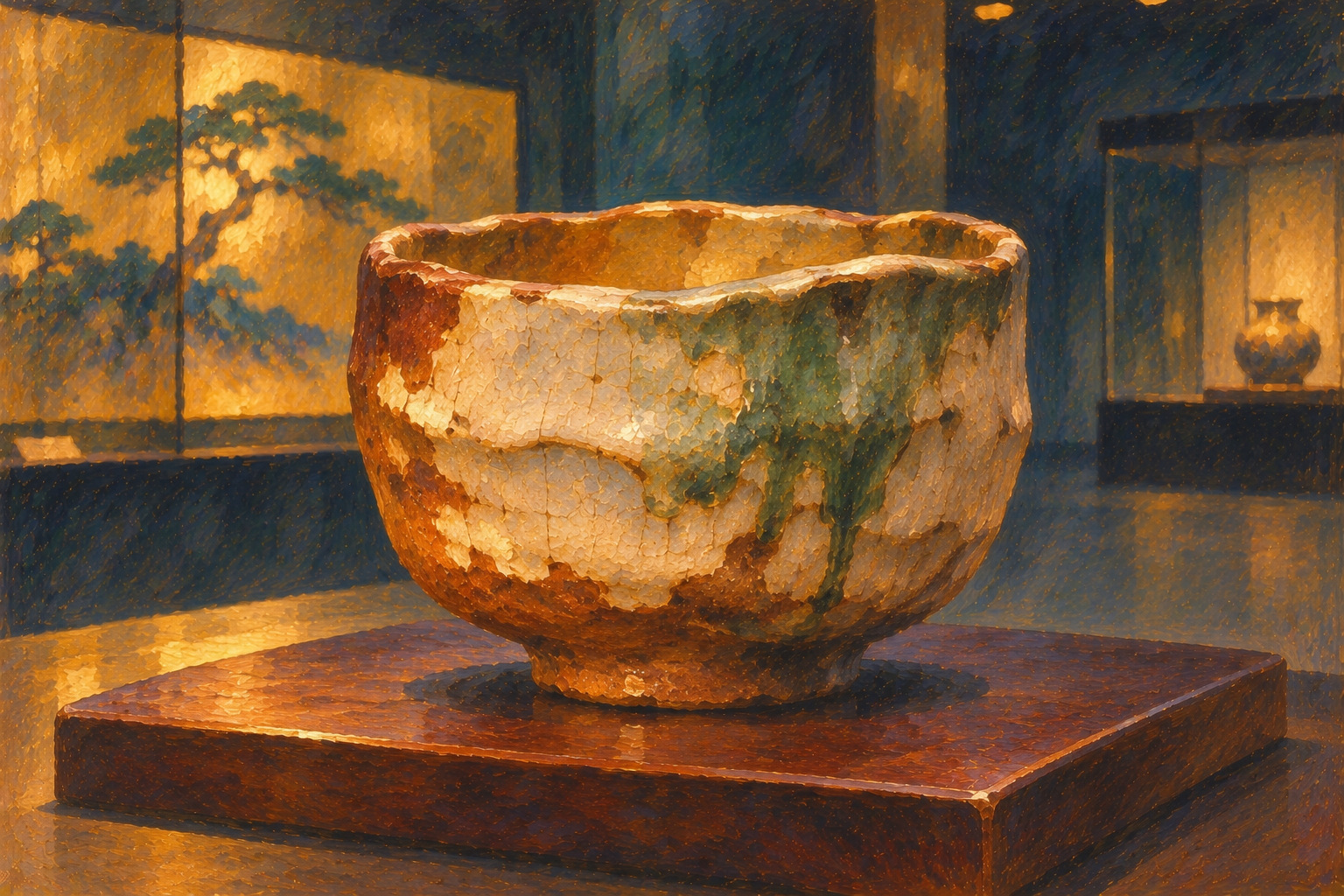
From Oil to Art: How Sazo Idemitsu’s 70-Year Collection Reached Oita
At nineteen, the future oil magnate fell for a Zen painting. More than a century later, a new exhibition shows how that encounter became a museum—and a complicated public inheritance.
Art Choice · Shigeru Aoki
Meiji oil painting · 1882–1911
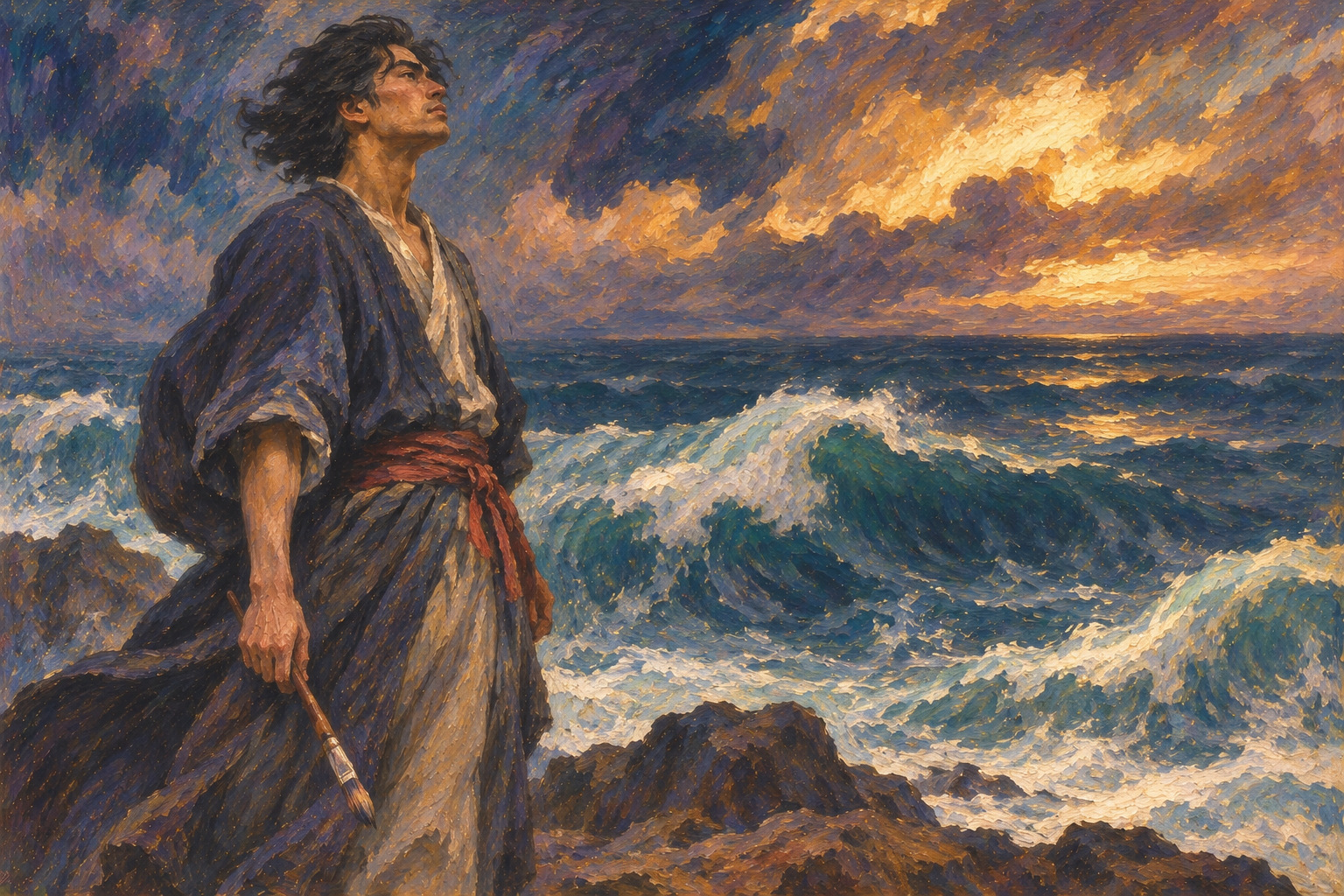
Shigeru Aoki: The Japanese Painter Who Challenged the Art Establishment—and Lost
The Meiji painter Shigeru Aoki was recognized early, collided with the art establishment in 1907, spent his final years in hardship in Kyushu and died at 28. Yet his paintings went on to become classics of modern Japanese art.
A curated three-image exploration including A Gift of the Sea and Paradise under the Sea, the 1907 exposition conflict and the painter’s posthumous recognition.
Explore the artist feature →The main illustration is AI-generated, not a historical portrait or an original Aoki painting.
From yesterday · Six stories
Published November 15 · Not new November 16 reporting
Selected from the November 15 front-page source and clearly labeled as previously published coverage.
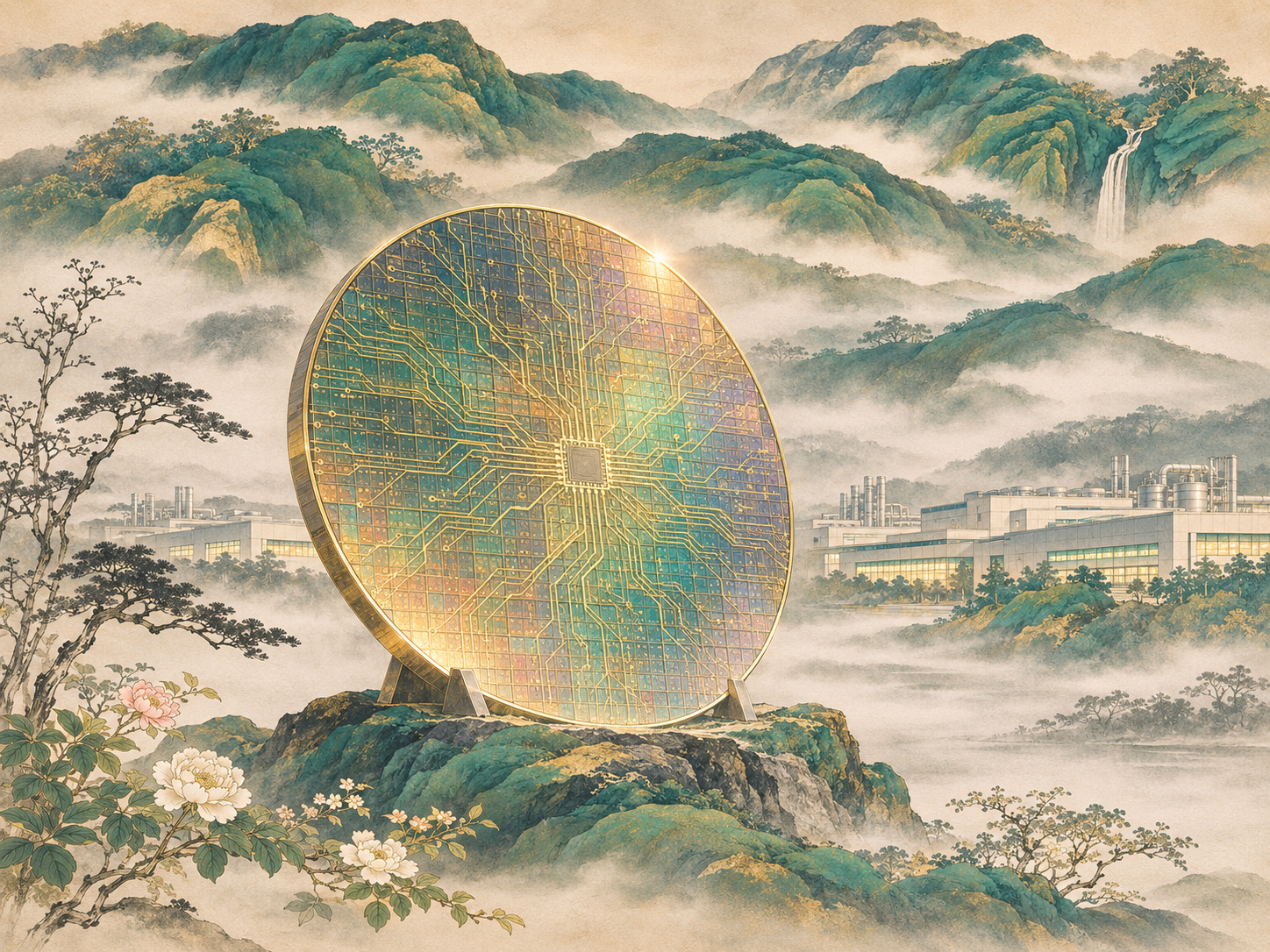
Gunma Maps Its AI and Semiconductor Supply Chain
The prefecture plans to survey local manufacturers and technical capabilities to understand how established industrial suppliers might participate in emerging sectors.
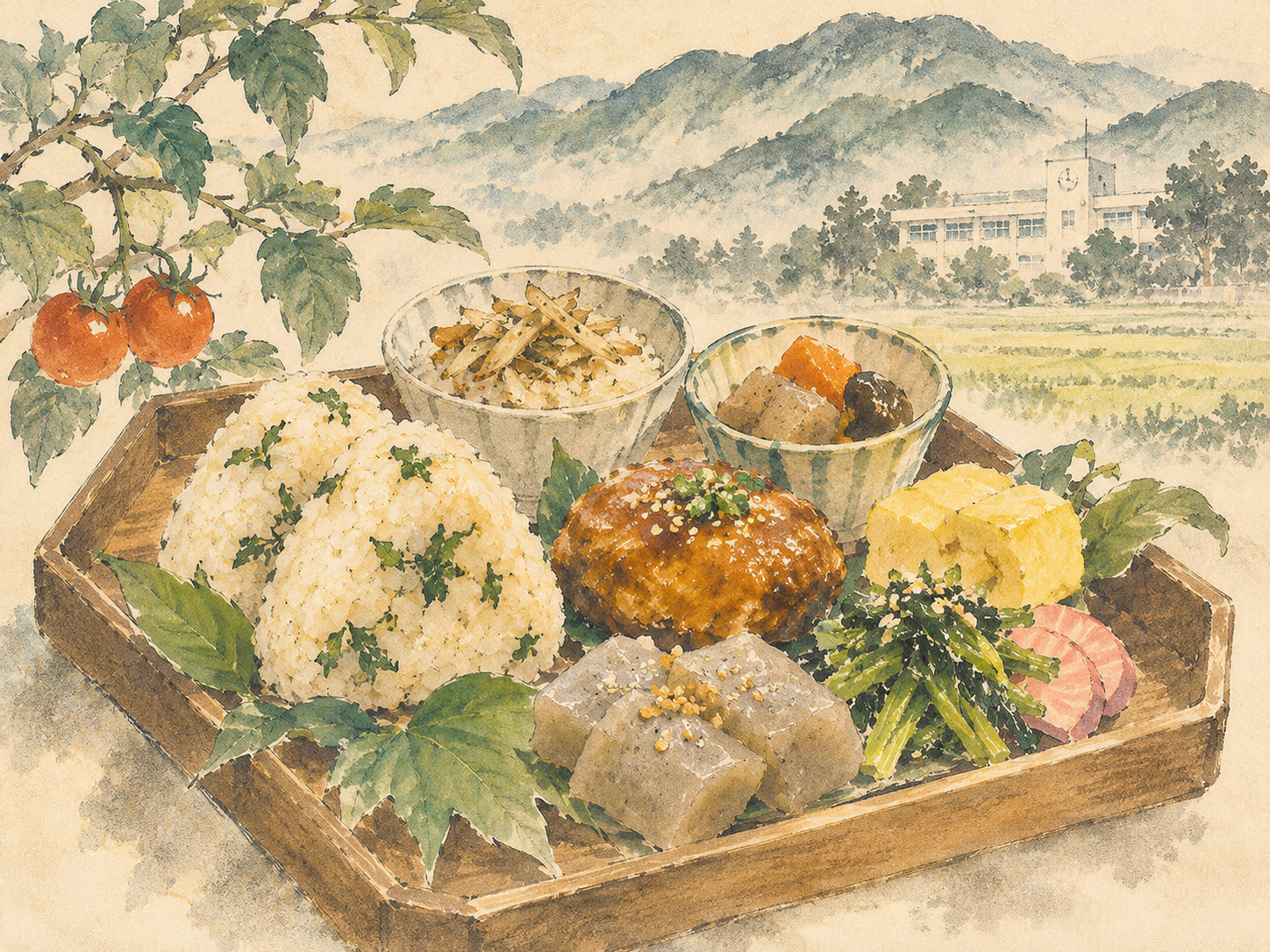
Gunma Students Turn Local Food Ideas Into Retail Products
Four high schools and four retailers collaborated on six foods using regional ingredients, taking students from product planning toward sales.
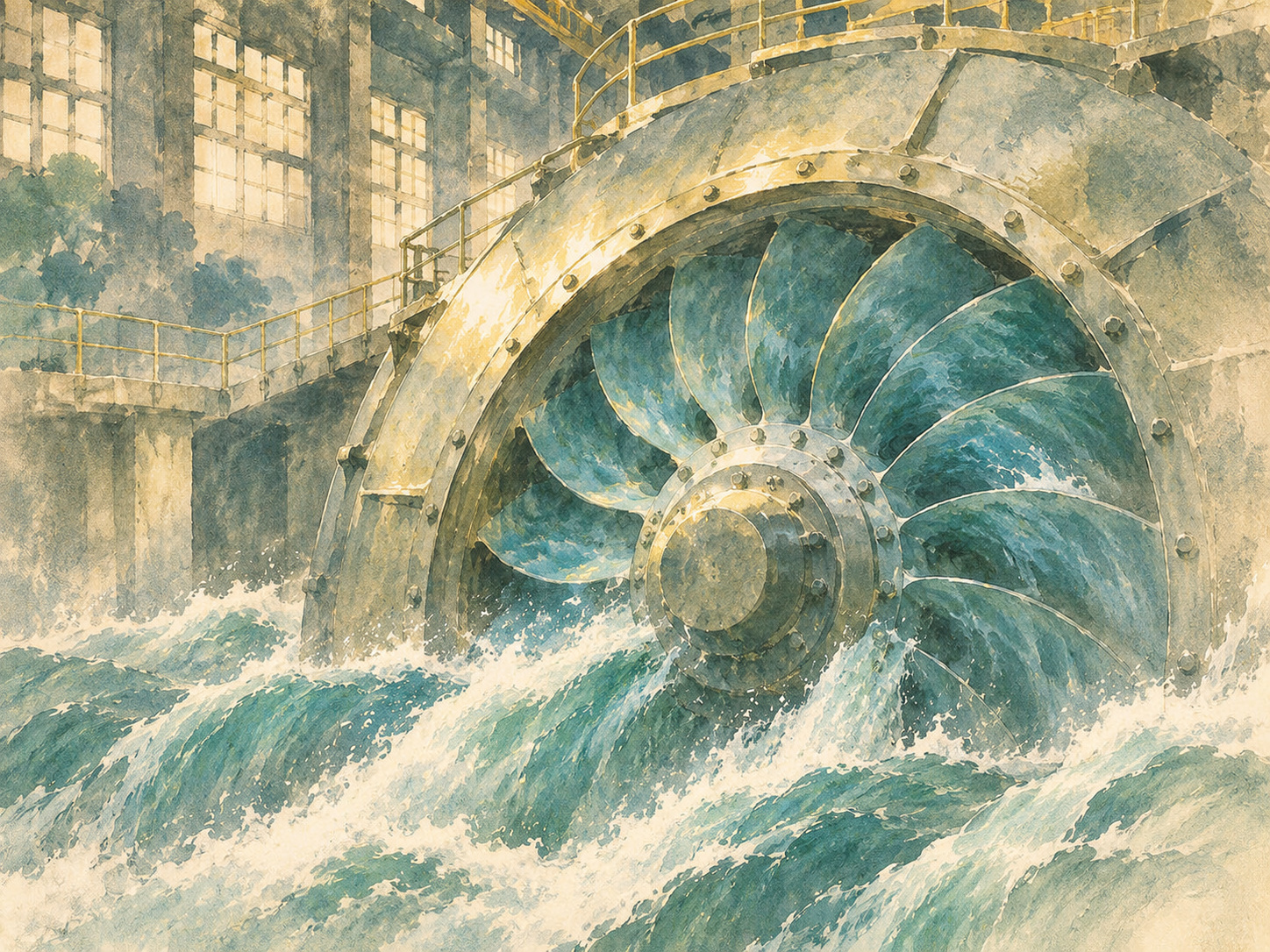
Yamba Hydropower Station Makes Energy Visible
An educational projection program at the 11.7-megawatt hydroelectric facility offers a way to explore the engineering and local history of water power.
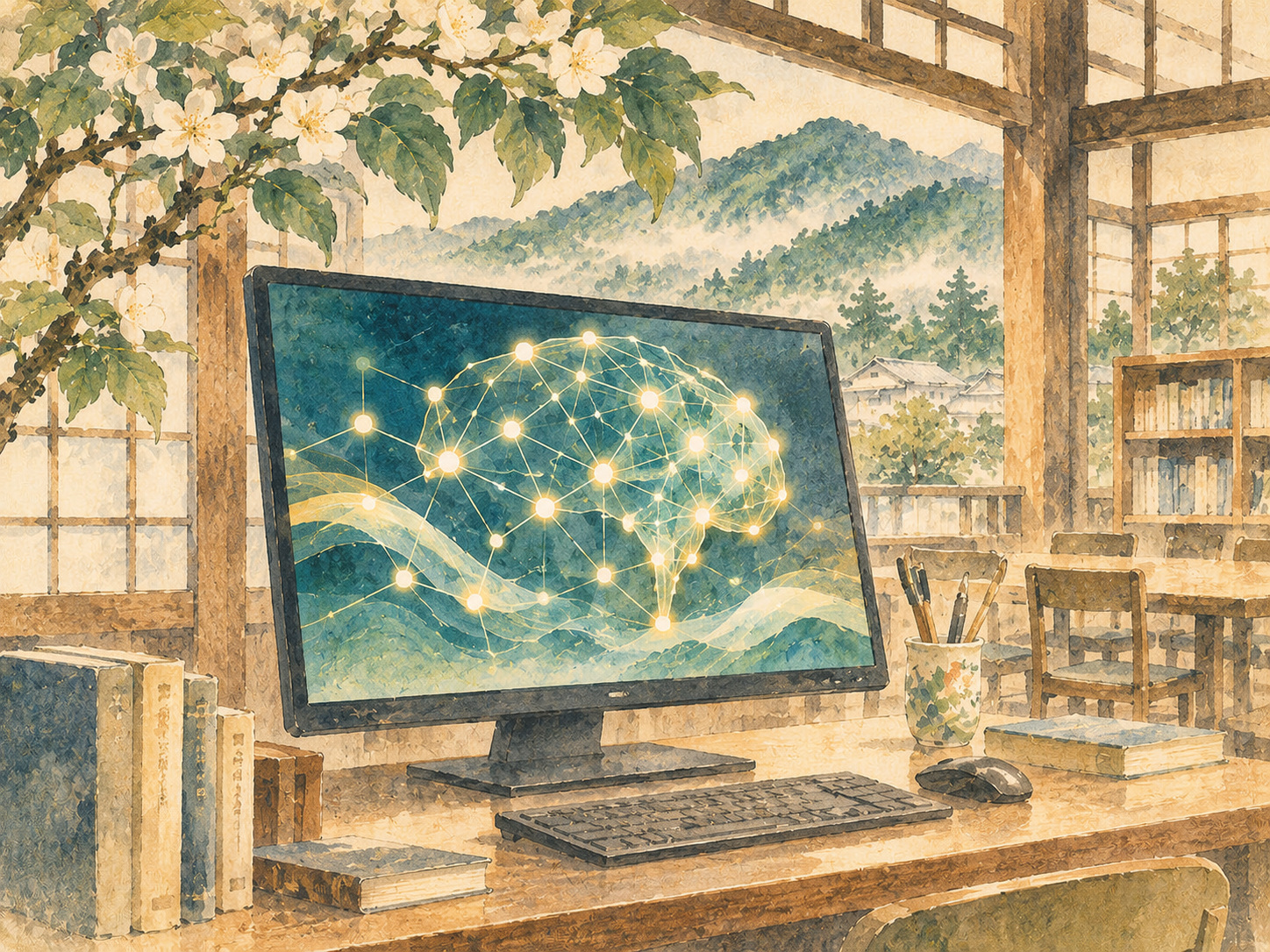
Generative AI Reaches a Kiryu Community Center
Sakuragi Community Center earned prefectural recognition, opening discussion about AI-assisted local information sharing and the need for verification.
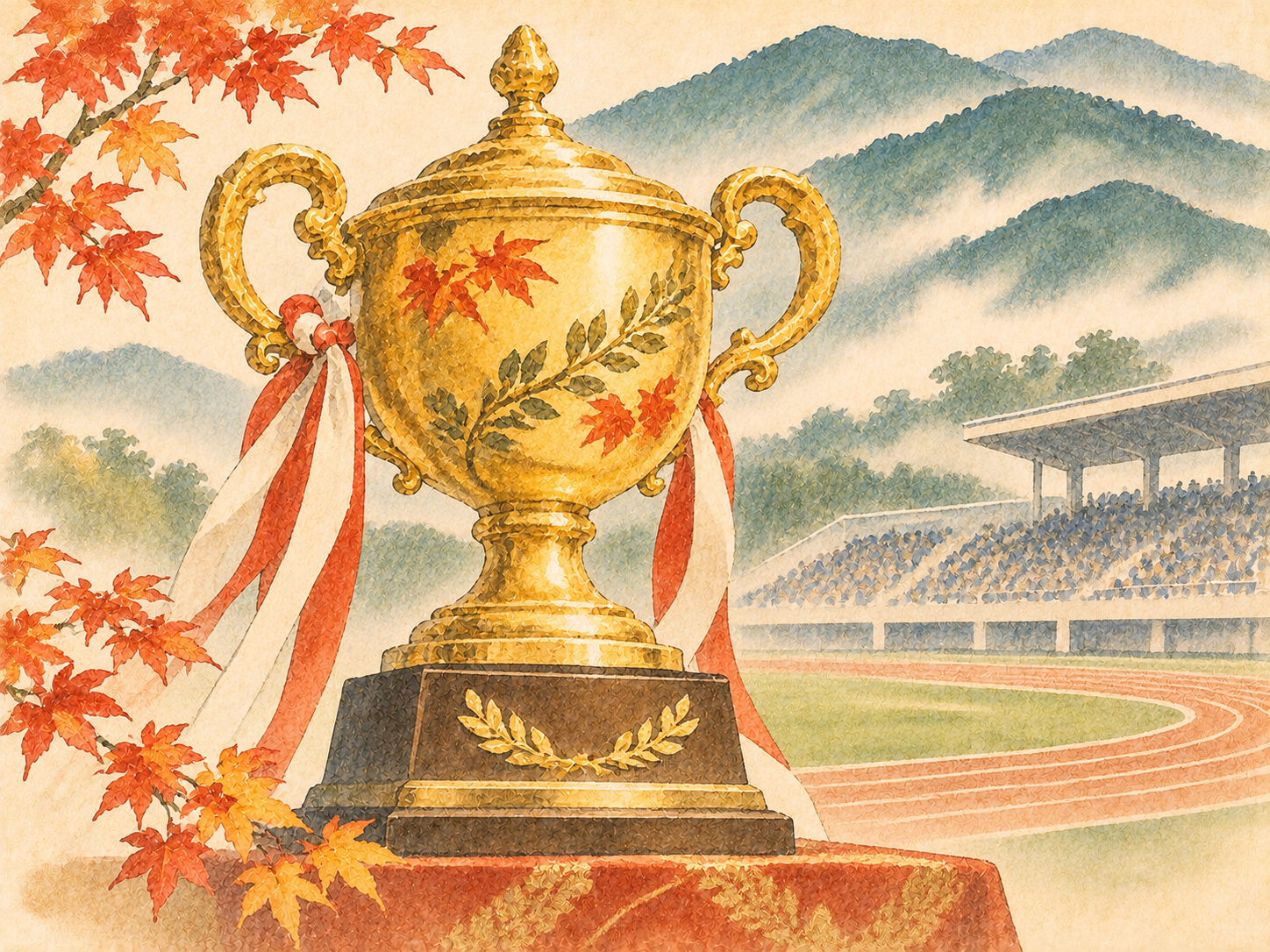
Ota Tops Gunma’s Prefectural Sports Competition
Ota City finished first in the city division with 189 points at a multi-sport gathering attended by approximately 4,600 participants.
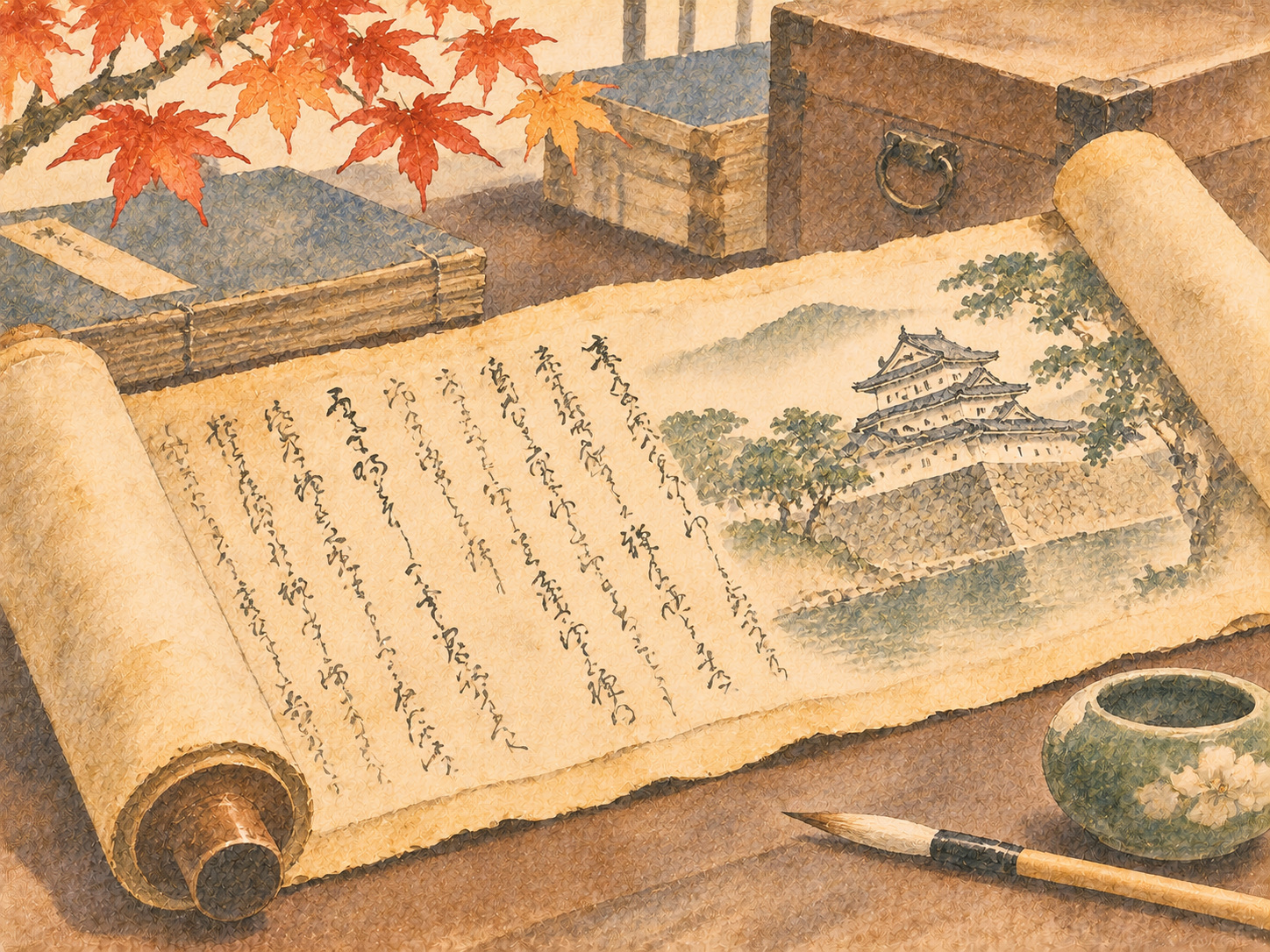
Gunma Archives Open 2,318 Historical Records
A new set of historical records includes materials tied to Maebashi Castle and Kawarayu Onsen, widening access to local history.
Weather and Horoscope
November 16–18, 2026
Today’s 15 main illustrations and Art Choice cover are original AI-generated editorial artworks inspired by early twentieth-century Japanese oil painting, not documentary photographs. Six carryover reports were originally published November 15.
Advertisement
