From the household table to a wider world of discovery.
Fifteen news reports and an art feature on Furuya Kōrin, plus six selections from September 21. Explore food, science, communities, sport, textiles and literature.
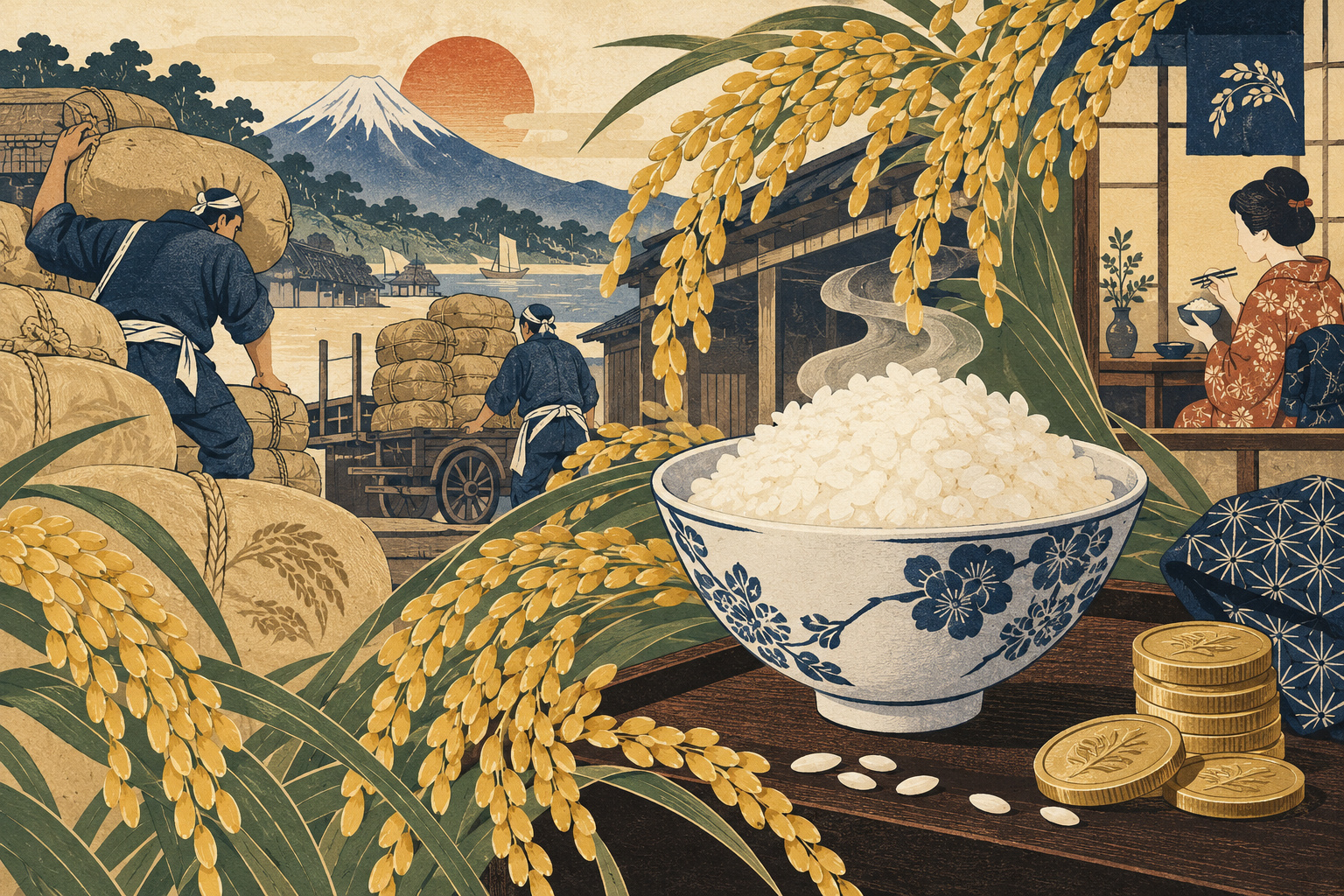
Rice Prices Are Falling. What Reaches Japan’s Household Table?
Japan’s August wholesale benchmark fell to ¥31,556 per 60kg, while supermarket rice averaged ¥2,971 per 5kg. The contracts, history and household arithmetic behind two different price signals.
Read the report →Tuesday, September 22, 2026
Four to Explore Today
Science, communities, sport and art

Business & Economy
Japan.co.jp · Tuesday, September 22, 2026Rice Prices Are Falling. What Reaches Japan’s Household Table?
Japan’s August wholesale benchmark fell to ¥31,556 per 60kg, while supermarket rice averaged ¥2,971 per 5kg. The contracts, history and household arithmetic behind two different price signals.
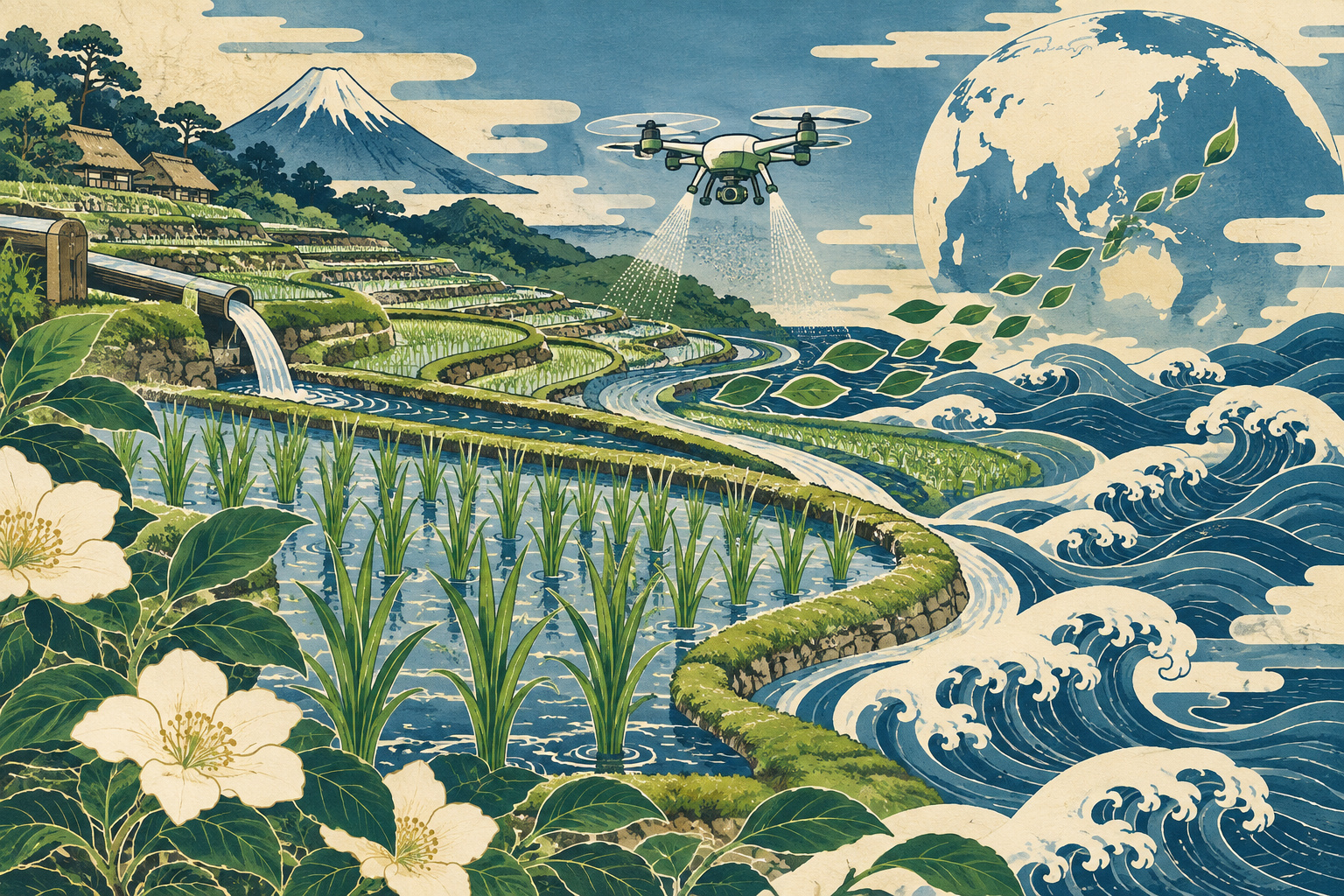
Japan’s Green Farming Push Goes Global. Can It Work on the Farm?
The revised MIDORI∞INFINITY package connects overseas agricultural technology with climate resilience, resource reuse and business development. Its history and research evidence reveal what successful deployment will require.
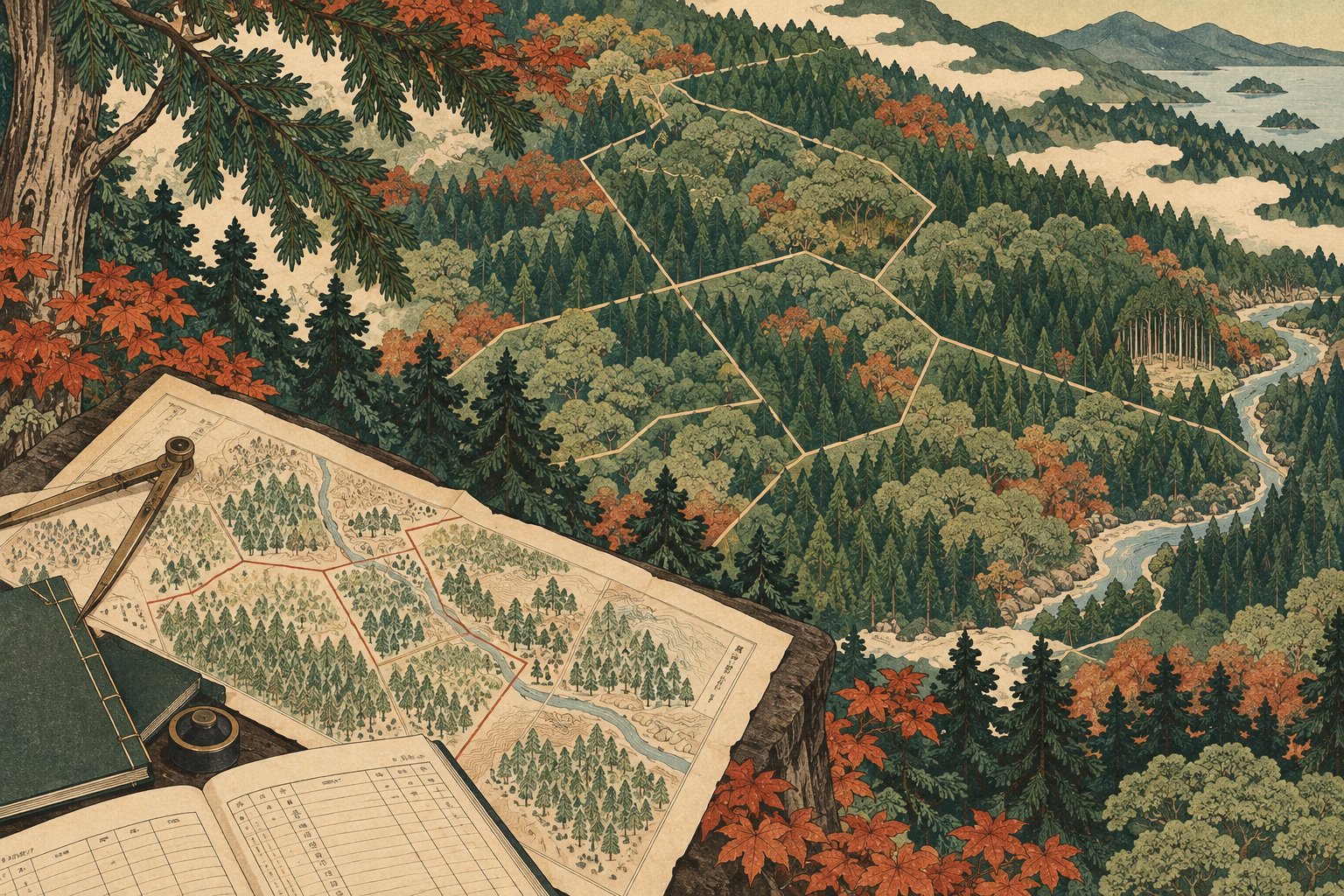
Who Is Buying Japan’s Forests? What the Official Survey Can—and Cannot—Tell Us
A close reading of Japan’s latest foreign-related forest acquisition survey: changing coverage, the meaning of cumulative figures, and why ownership records cannot establish buyers’ intentions.
Science & Technology
Japan.co.jp · Tuesday, September 22, 2026Where Antarctic Meltwater Goes: Japan’s New View Beneath the Surface
A Japanese team reconstructs freshwater around two East Antarctic ice shelves. The method connects ocean chemistry with decades of observation—and shows why a map, an annual flux and a long-term trend require different evidence.
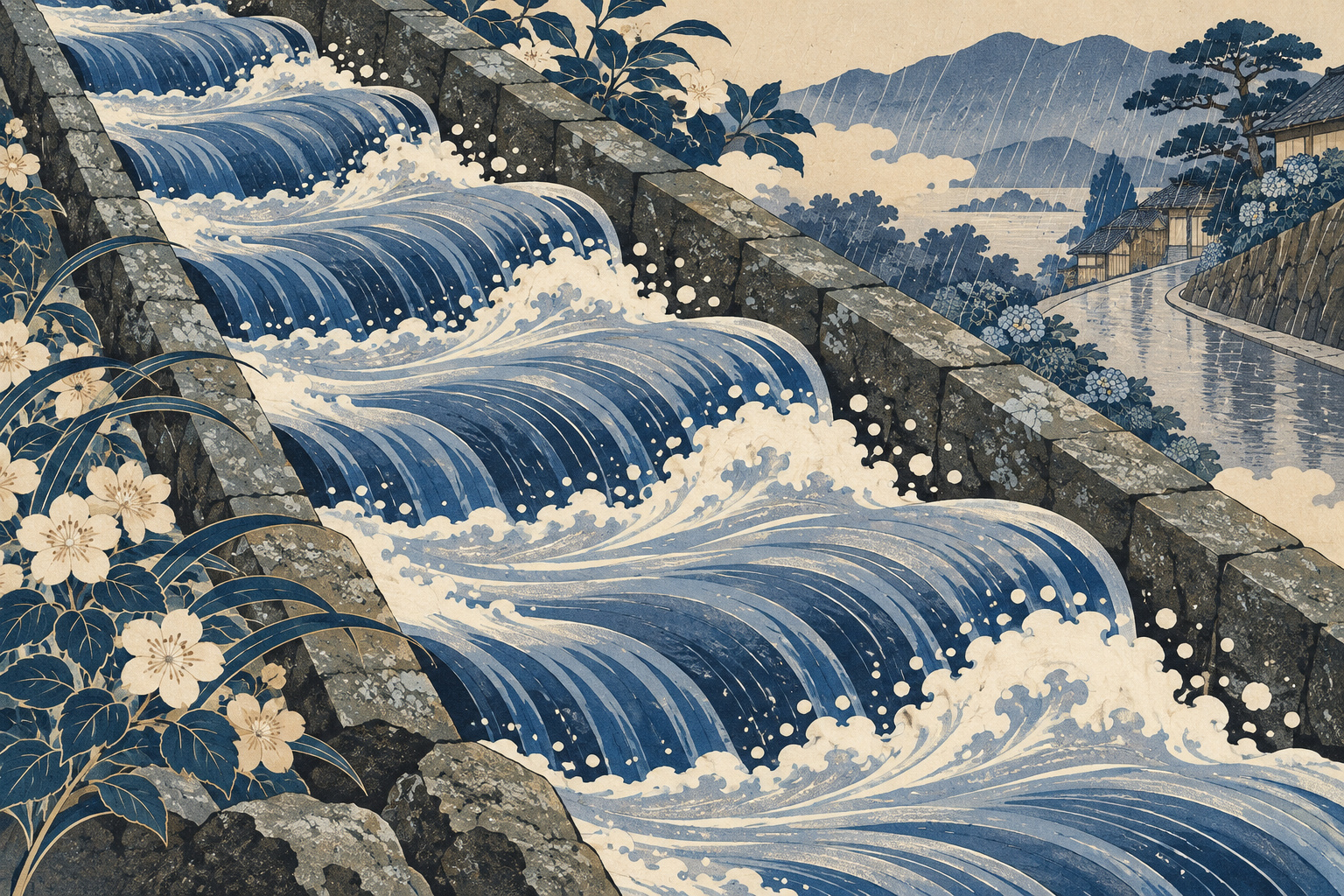
Why Water Forms Waves on Steep Slopes: Kyoto Research Questions the Smooth-Flow Assumption
A uniform flow can solve an equation yet fail to persist. Kyoto research revisits roll-wave mathematics, with a century of history behind it and questions ahead for spillway engineering and fishways.
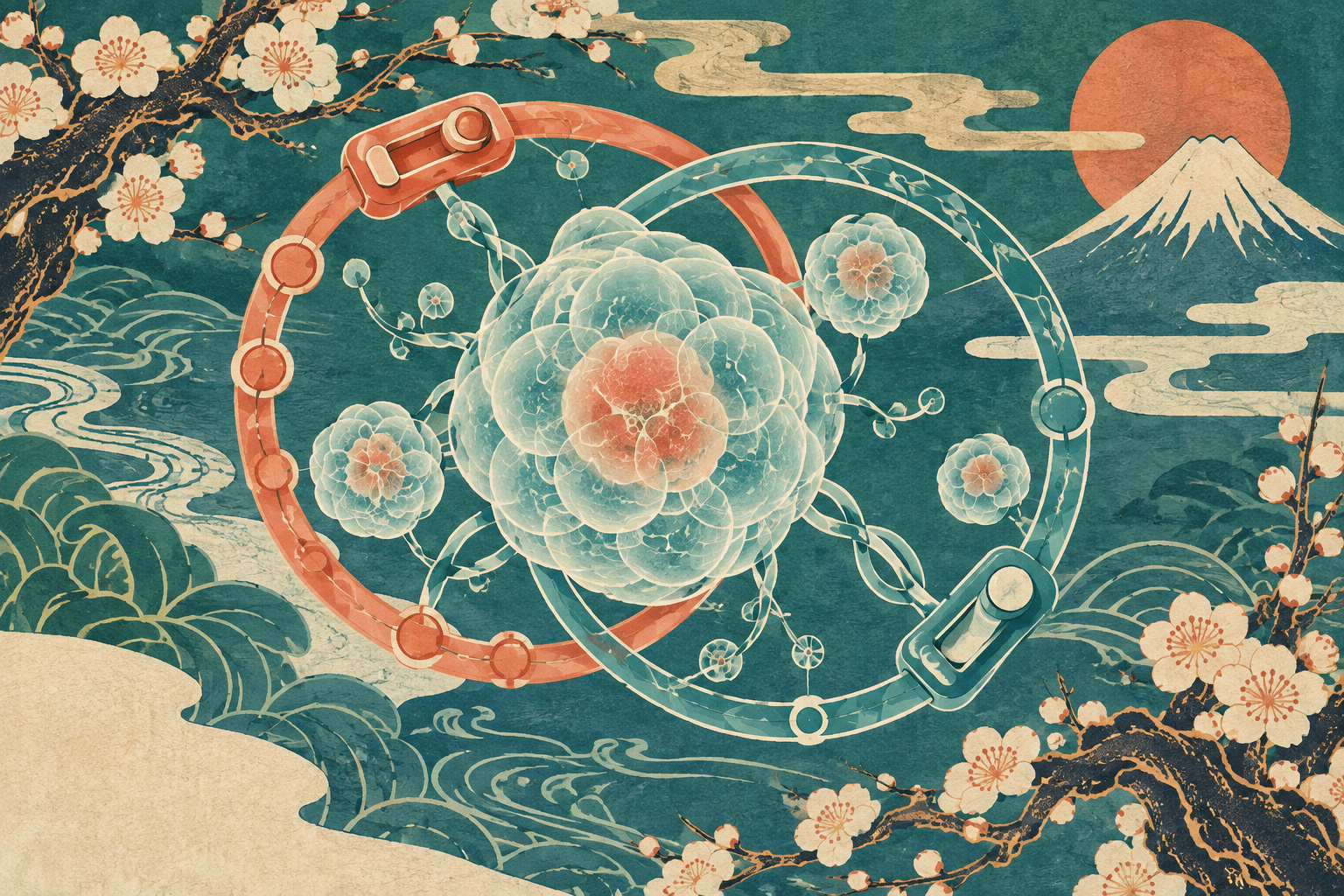
A Second Shutdown Switch for Cell Therapy: What AuxiCasp9 Can—and Cannot—Promise
A Japanese team has tested a new way to eliminate engineered cells. The story connects an early clinical safety-switch trial with plant-signalling research—and asks what would make a second trigger a dependable backup.
Communities & Society
Japan.co.jp · Tuesday, September 22, 2026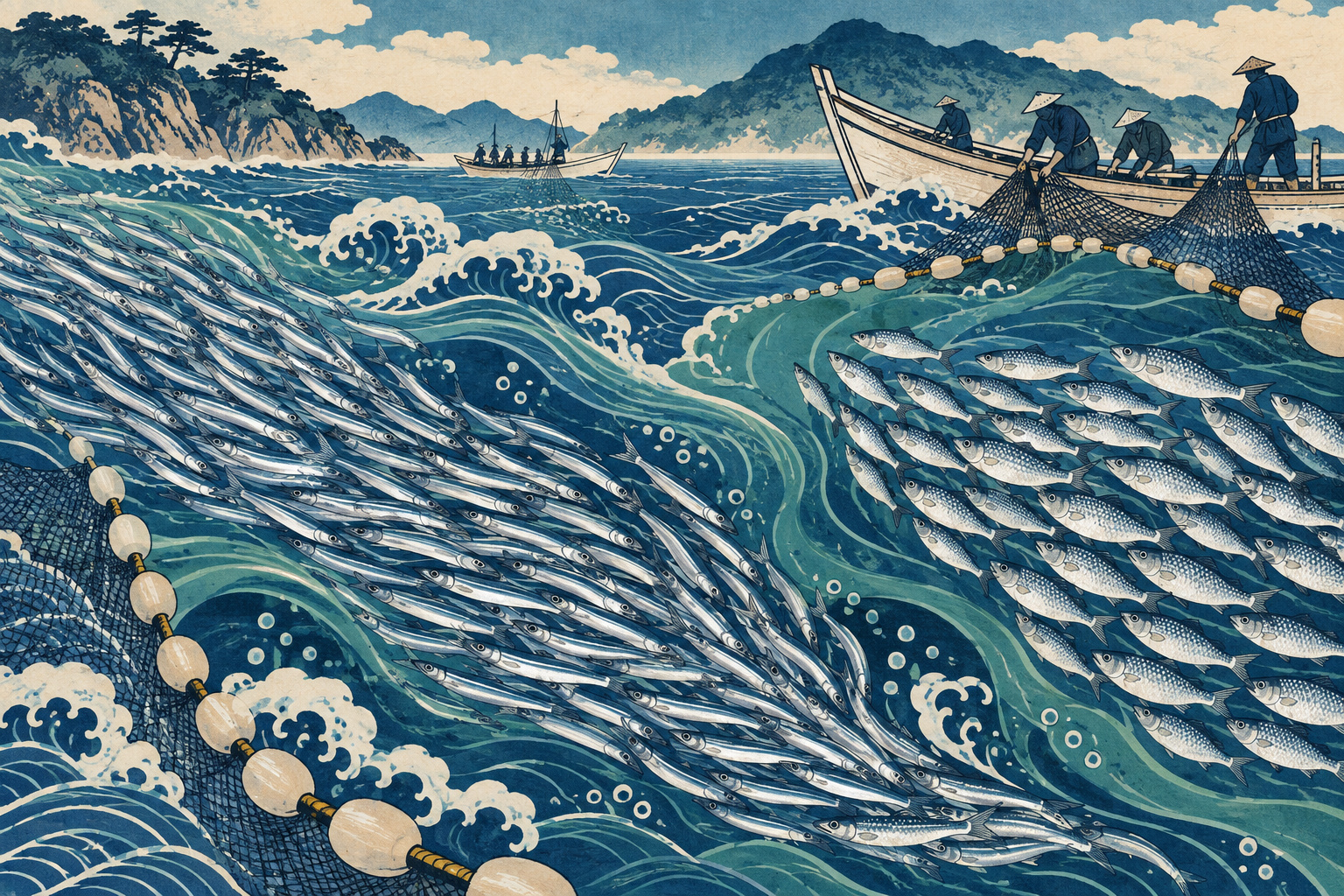
Small Fish, Unequal Fortunes: Japan’s Anchovy and Round-Herring Assessments
Anchovy spawning biomass is roughly one-fifth of its management target; round herring has a stronger adult stock but weak recruitment. A close reading connects the science with fishing livelihoods, management history and food culture.
What Communities Can Bring Home: Sustainability Study Tours in Kameoka and Ishinomaki
A new Environment Ministry programme connects river protection, resource reuse and coastal livelihoods. Its deeper question is how practitioners can turn a visit to another community into lasting work in their own.

Animal Welfare Week: Making Lifelong Pet Care a Plan That Can Last
Japan’s national and regional events open a practical conversation about ageing pets, backup caregivers, identification and evacuation—and how animal welfare and community support fit together.
Sports
Japan.co.jp · Tuesday, September 22, 2026Hirotaro Naito’s First Tour Title: A Record at Wattsu, a Career Kept Going
At 44, Hirotaro Naito won the ANA Open at a record 25 under. Behind his first regular-tour title lie developmental victories, uncertain playing status and years of family and hometown support.

Japan and Qatar in Iwate: A Squad Preparing for Asia, a Region Building Through Volleyball
Japan’s 12-player squad gives the Iwate friendlies a sporting purpose. Shiwa’s development history, earlier internationals and local training access explain why their regional setting matters.

Two Cups, One New Year’s Day: Japan’s National Finals Reunite After 15 Years
The Emperor’s Cup and Empress’s Cup finals are set for January 1, 2027, in Tokyo. Their shared stage connects a long holiday tradition with the regional routes and future audiences of Japanese club football.
Culture & Life
Japan.co.jp · Tuesday, September 22, 2026
Antarctica, Woven: JAXA and ISSEY MIYAKE Bring Satellite Observation into Denim
An October exhibition turns Shikisai’s Antarctic imagery into jacquard-woven jeans. Behind the collaboration lie histories of programmed weaving, A-POC design and the science of observing a changing Earth.
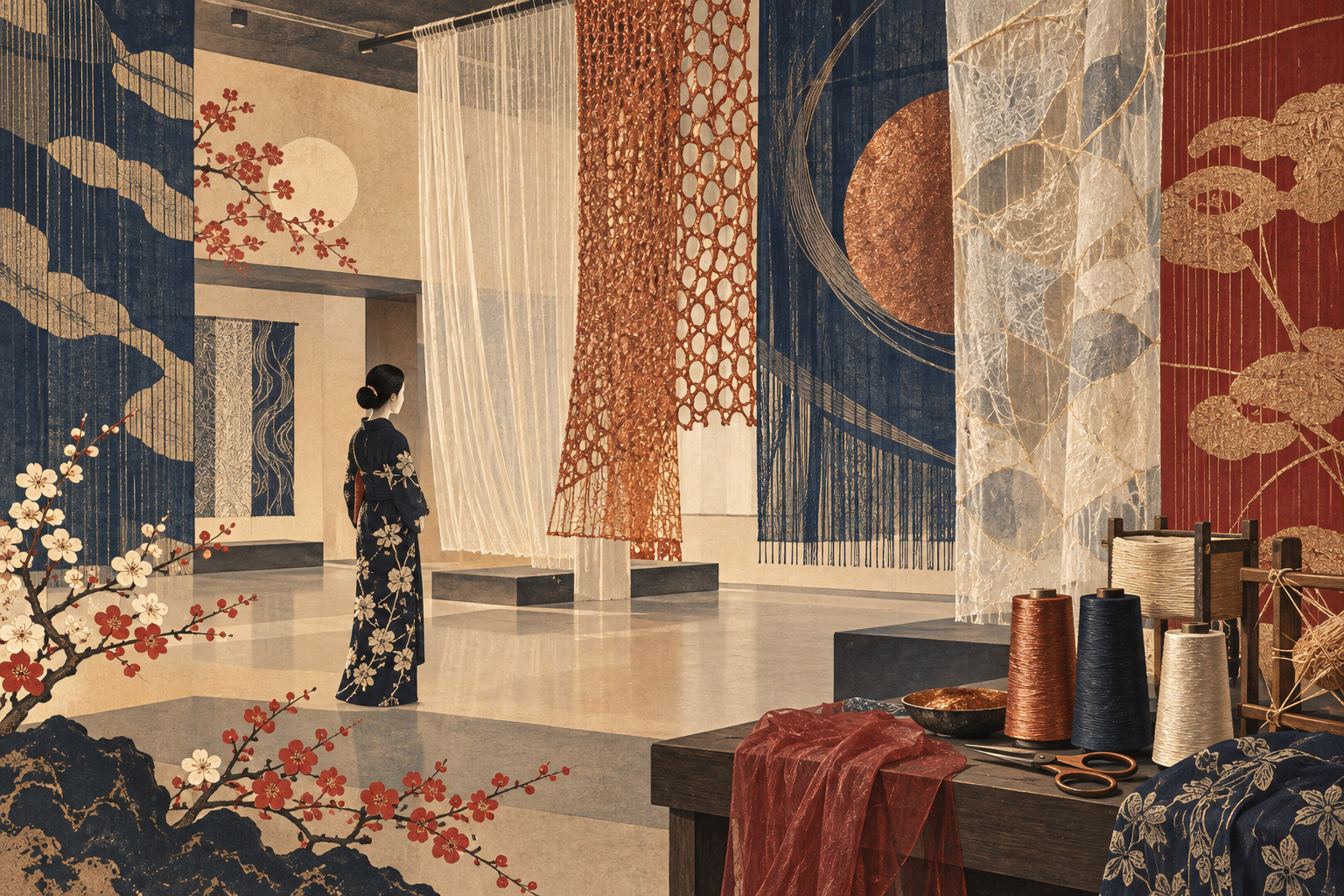
The Makers Behind the Cloth: Reiko Sudō and NUNO’s Textile Experiments at LACMA
Metallic surfaces, unconventional silk and regional dyeing knowledge reveal a practice built through collaboration. LACMA’s retrospective opens a view onto more than four decades of NUNO’s material experiments.

Beyond the Translation: How Japan Is Helping Literature Find Readers Abroad
Newly announced Frankfurt and London activities reveal the work behind international literary careers. A close look at author promotion, distinct funding routes and Japan’s history of developing translators.
16 · Today’s Art Choice
When Nature Becomes Pattern: Looking Closely at Furuya Kōrin
A 1907 book of plum designs opens a window onto Kyoto’s art publishing—and the enduring choices involved in turning the natural world into a designed surface.
Read the report →Six More Reads from September 21
Read in their original publication context
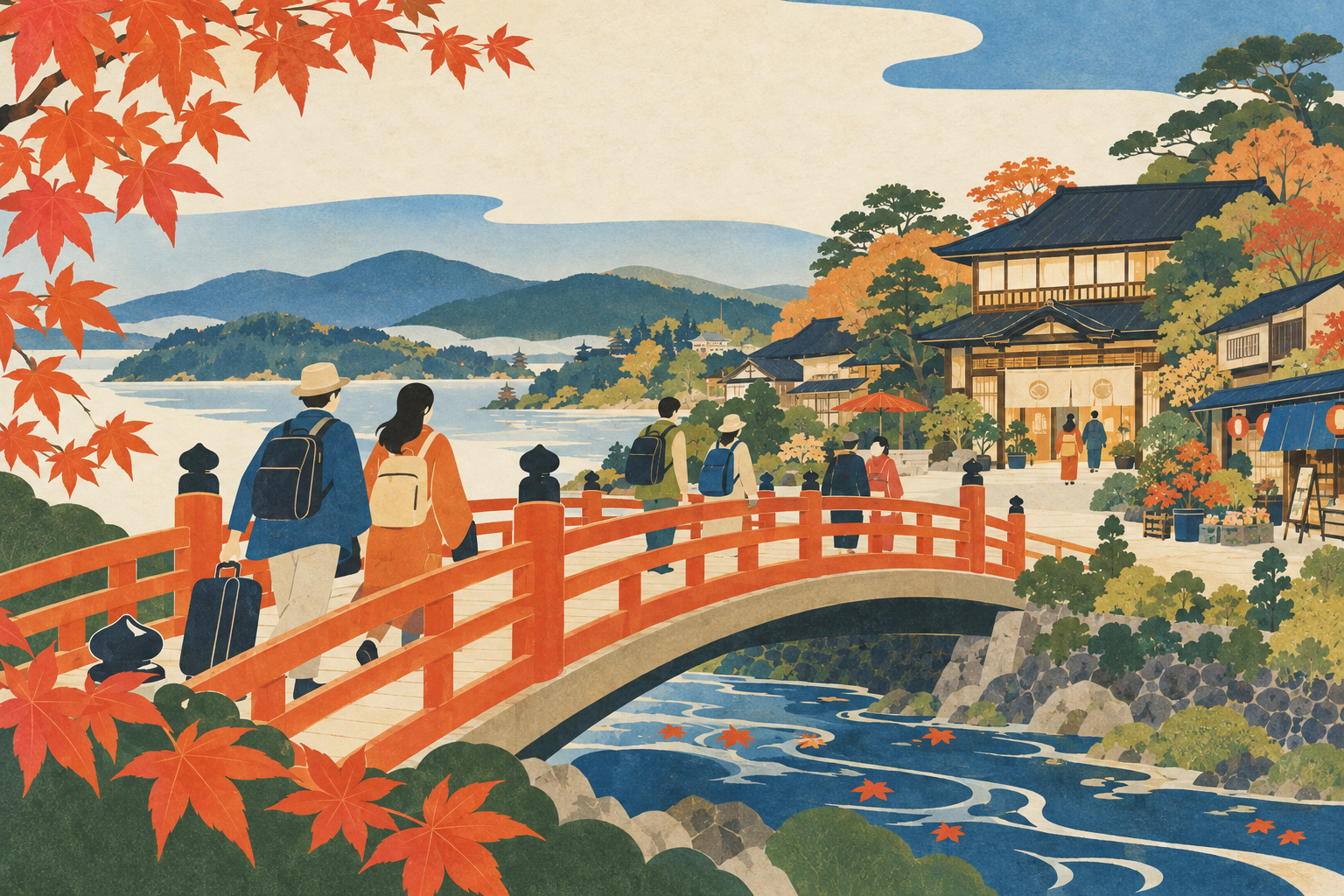
Silver Week: Turning Holiday Crowds into Lasting Local Business
The September 19–23 holiday brings opportunities for inns, restaurants and shops. Explore how staffing, transport and local connections shape what communities gain.
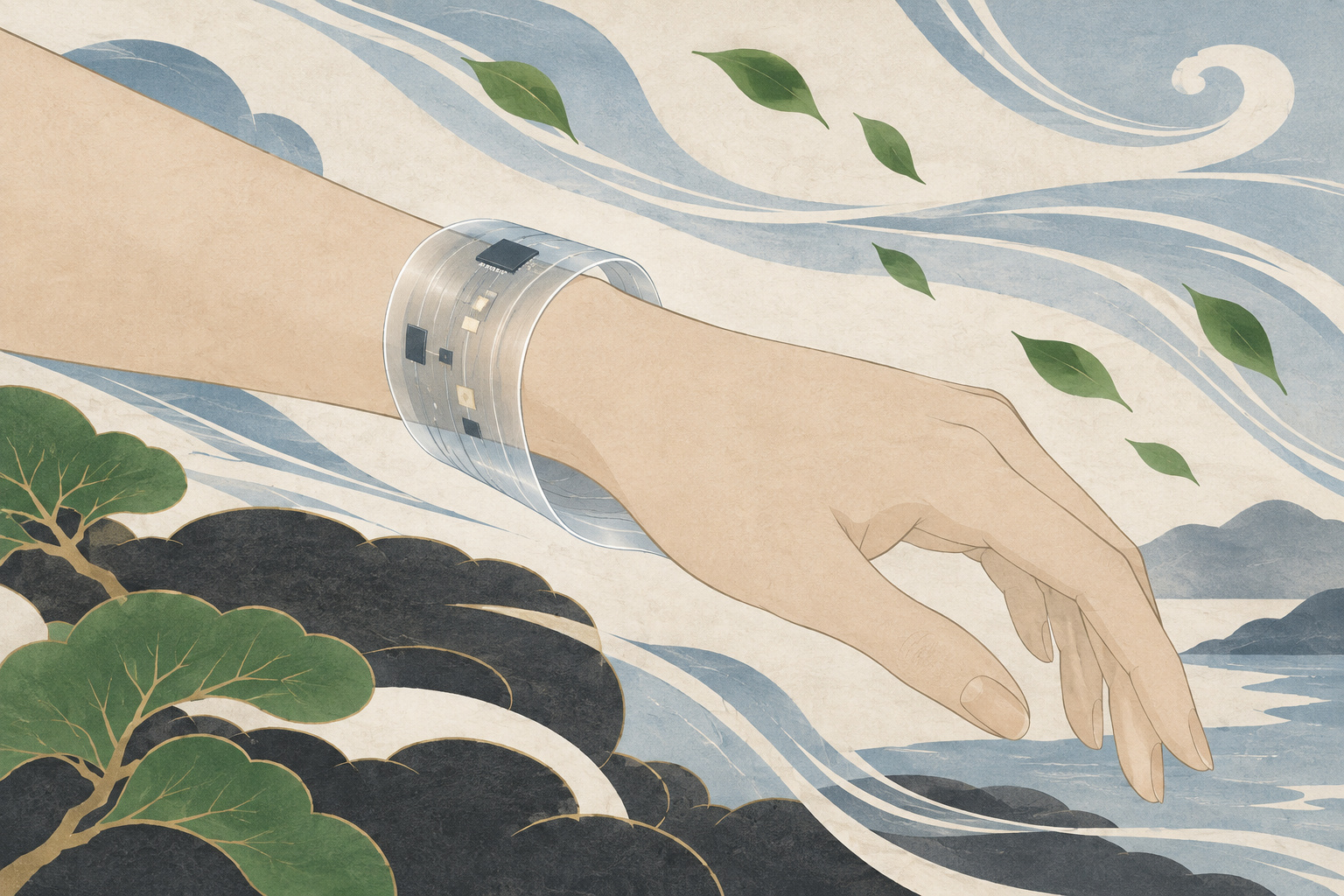
Electronics That Move with Skin: RIKEN Rethinks the Connection
A new joining technique links stretchable circuits without heat or pressure. The research opens questions about wearable sensors and soft robots.
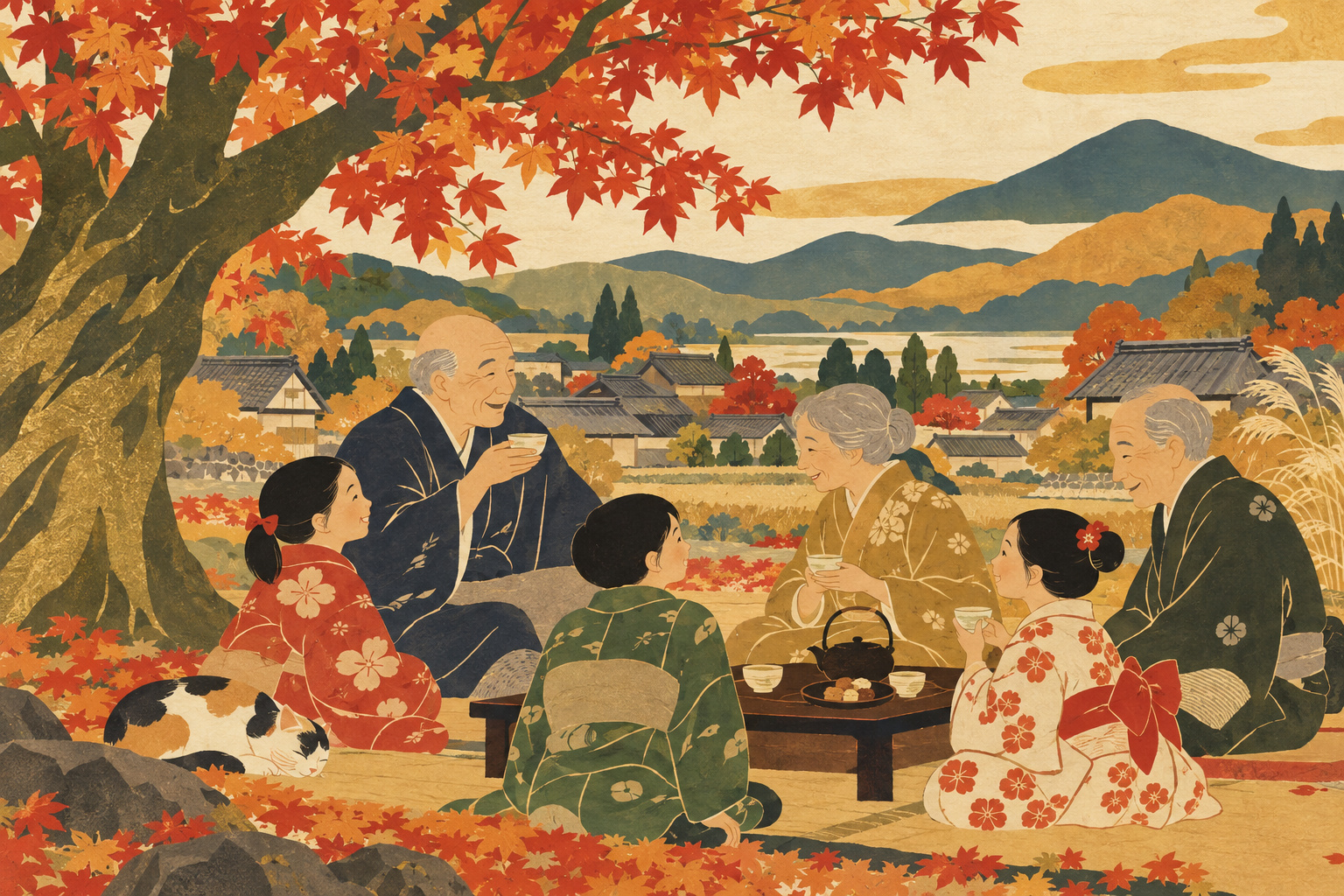
From a Village Gathering to a National Holiday: The Roots of Respect for the Aged Day
Follow the story from a 1947 gathering in what is now Taka to the national holiday established in 1966—and the community support that continues afterward.
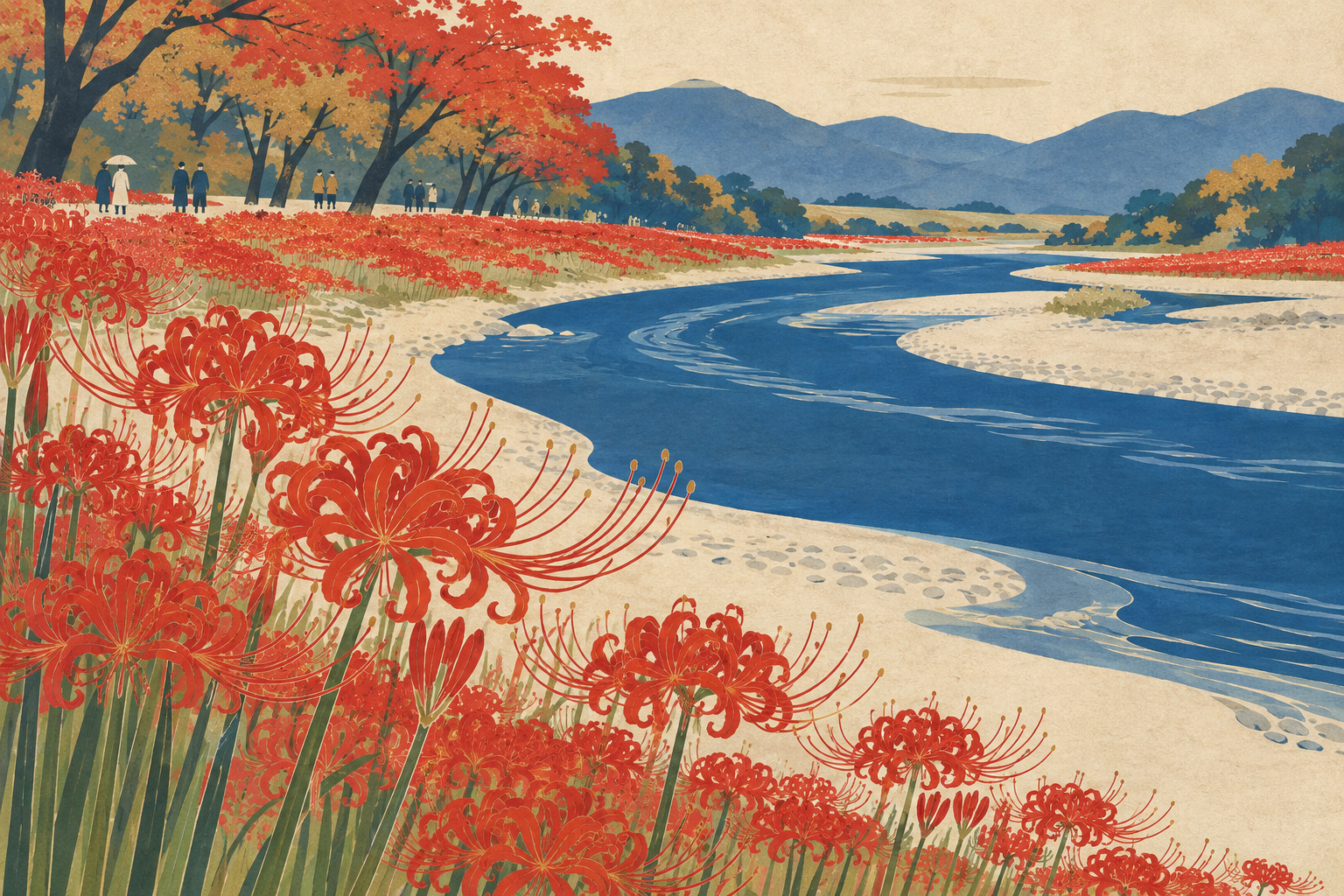
Behind Kinchakuda’s Red Autumn: A River, a Landscape and Local Care
The red spider lilies are part of a landscape shaped by the Koma River and farming. Read about the work that sustains the site throughout the year.
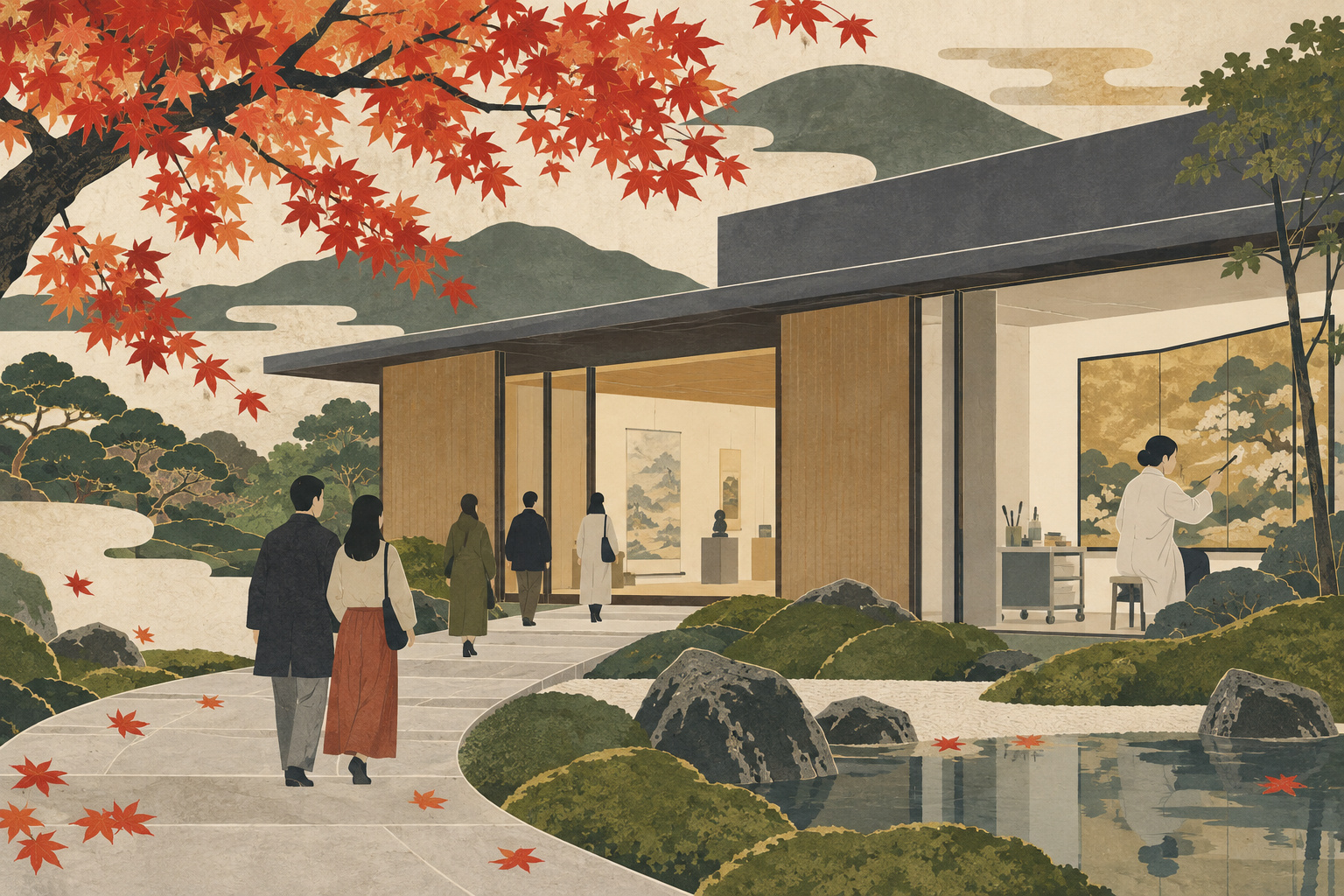
Tanabe City Museum of Art Prepares to Welcome Visitors Again
Ahead of its planned October 10 reopening, the museum’s renovation offers a window onto collection care, local art history and the work behind an exhibition.

The People Behind the Puppets: A First Encounter with Bunraku
Narration, shamisen and puppetry combine in an art sustained by collaboration. An introduction to its history and the support available to new audiences.
AI-generated editorial illustrations accompany today’s 16 features, inspired by Furuya Kōrin; the six September 21 selections use illustrations inspired by Kamisaka Sekka. These are not documentary photographs or original works by either artist. Earlier reports retain their original reporting context.