
Sendai Turns Its Streets Into a Stage
The 35th Jozenji Streetjazz Festival brings live music into everyday spaces on September 12–13. Behind the programme lies a history of citizen participation—and practical work that keeps free listening possible.
Read the full report →Festival: September 12–13 · September 12 edition
Four Stories to Start With
Households, materials, wildlife and sumo
Business & Economy
Interest rates, government debt and trade
Japan’s Next Rate Decision Reaches Beyond the Markets
The September 17–18 BOJ meeting will influence mortgages, savings and the cost of living. The effects will arrive at different speeds—and the same decision can help one household while squeezing another.

Who Is Buying Japan’s Government Debt?
Domestic institutions still hold most of Japan’s government securities. Foreign demand matters—but ownership, new buying and the price of the next bond tell different stories.

An Obscure Chipmaking Chemical Becomes a Japan–China Trade Flashpoint
China’s provisional deposits on Japanese dichlorosilane put decades of materials expertise and manufacturing relationships under pressure. The consequences begin with the terms of the next shipment.
Science & Technology
Materials, space and extreme temperatures
White Without Pigment: Kyoto Researchers Borrow Nature’s Design
A light-driven process makes polymers white and water-repellent through microscopic structure. Its promise spans printing and textiles; the public data also shows what remains to be tested.

Japan’s Role in Taking Black-Hole Imaging Into Space
The proposed Black Hole Explorer would link an orbiting telescope with observatories on Earth. Japan’s receiver, cooling and imaging expertise could help turn a finer view into a new measurement of gravity.

The Transistor That Keeps Working at 600°C
Kyoto researchers tackle unpredictable thresholds and high-temperature leakage in silicon-carbide transistors. The laboratory result points toward harsh-environment circuits, with endurance and packaging still to be established.
Communities
Sendai, Mount Fuji and TsushimaSendai Turns Its Streets Into a Stage
The 35th Jozenji Streetjazz Festival brings live music into everyday spaces on September 12–13. Behind the programme lies a history of citizen participation—and practical work that keeps free listening possible.

After the Rain, Mount Fuji Faces a Different Kind of Danger
Debris at the Fujinomiya fifth station highlights the vulnerability of mountain access. As the climbing season ends, road inspections, trail closures and a long history of sediment control matter beyond the weather forecast.

A Short-Tailed Wild Cat Gives Tsushima a Conservation Mystery
Genome analysis found no evidence of substantial recent domestic-cat ancestry in a short-tailed leopard cat and 15 comparison animals. The unexplained tail shows why conservation decisions need more than appearances.
Sports
Sumo, baseball and women’s basketball
Ryogoku Gets Ready for Autumn Sumo
Aonishiki returns to ozeki, Atamifuji and Kirishima bring twelve-win records, and new sanyaku wrestlers test the hierarchy. The September 13–27 tournament joins fresh sporting questions to Ryogoku’s long history.

Remembering Isao Harimoto: Baseball, Hiroshima and a Life Beyond the Record Book
The record-setting hitter died at 86. His career statistics, childhood in Hiroshima and later testimony reveal a life whose significance extends far beyond 3,085 hits.

What Japan’s Women’s Basketball World Cup Reveals
A 1–3 campaign in Berlin exposed the distance between Japan’s best basketball and a performance it could sustain. Shooting, rebounding and a changing cast now frame the work toward Tokyo 2030.
Culture & Craft
Ryukyu textiles, the Toyotomi brothers and Nezu
Ryukyu’s History, Woven Into Cloth
New provenance research at the Japan Folk Crafts Museum connects royal textiles with the materials, labor and collecting choices that shaped their survival.

The Brother Behind Hideyoshi Steps Into the Spotlight
An Edo-Tokyo Museum exhibition opening September 15 examines Toyotomi Hidenaga through the military, administrative and cultural work behind his brother’s rise.

Nezu Prepares for a Procession Seen Once Every Four Years
The September 27 shrine mikoshi procession links Nezu’s Tokugawa history, protected ritual objects and the work of keeping a neighborhood festival alive.

A Dragon in the Clouds, a Tiger at the Water’s Edge
A pair of screens attributed to Soga Nichokuan brings together animal presence, atmospheric ink and a much older tradition of complementary forces.
Read the art essay →Attributed to Soga Nichokuan, Dragon and Tiger, early to mid-1600s. Cleveland Museum of Art, Leonard C. Hanna Jr. Fund, 1985.134. Museum image, CC0; both six-panel screens shown in full. Artwork and image source
Six More from September 11
Worth another look from the previous edition
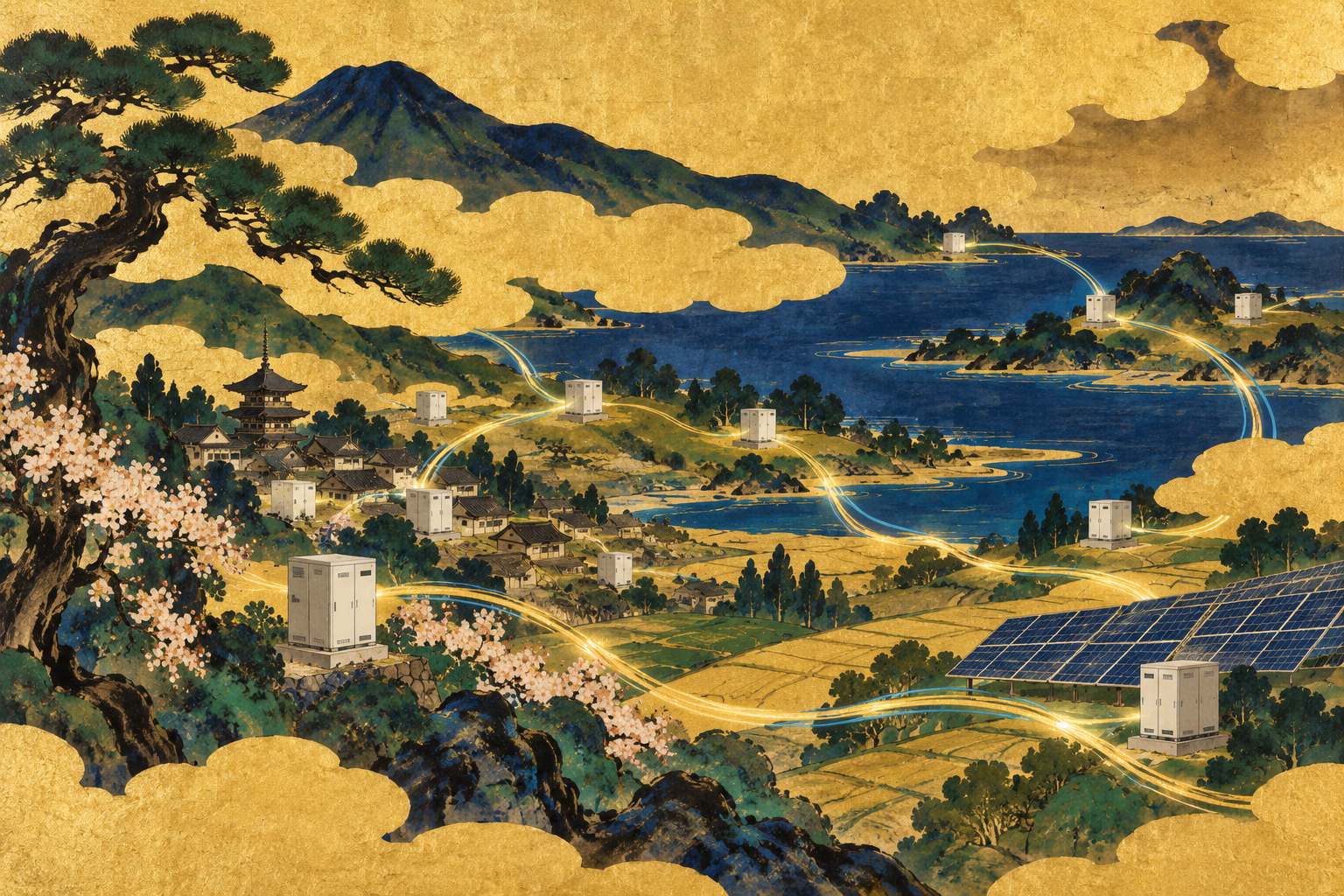
Small Battery Sites, a Bigger Electricity Network
Tensor Energy and Ecostyle’s plan for 1,000 linked sites raises questions about grid connections, aggregation and when stored electricity is used.
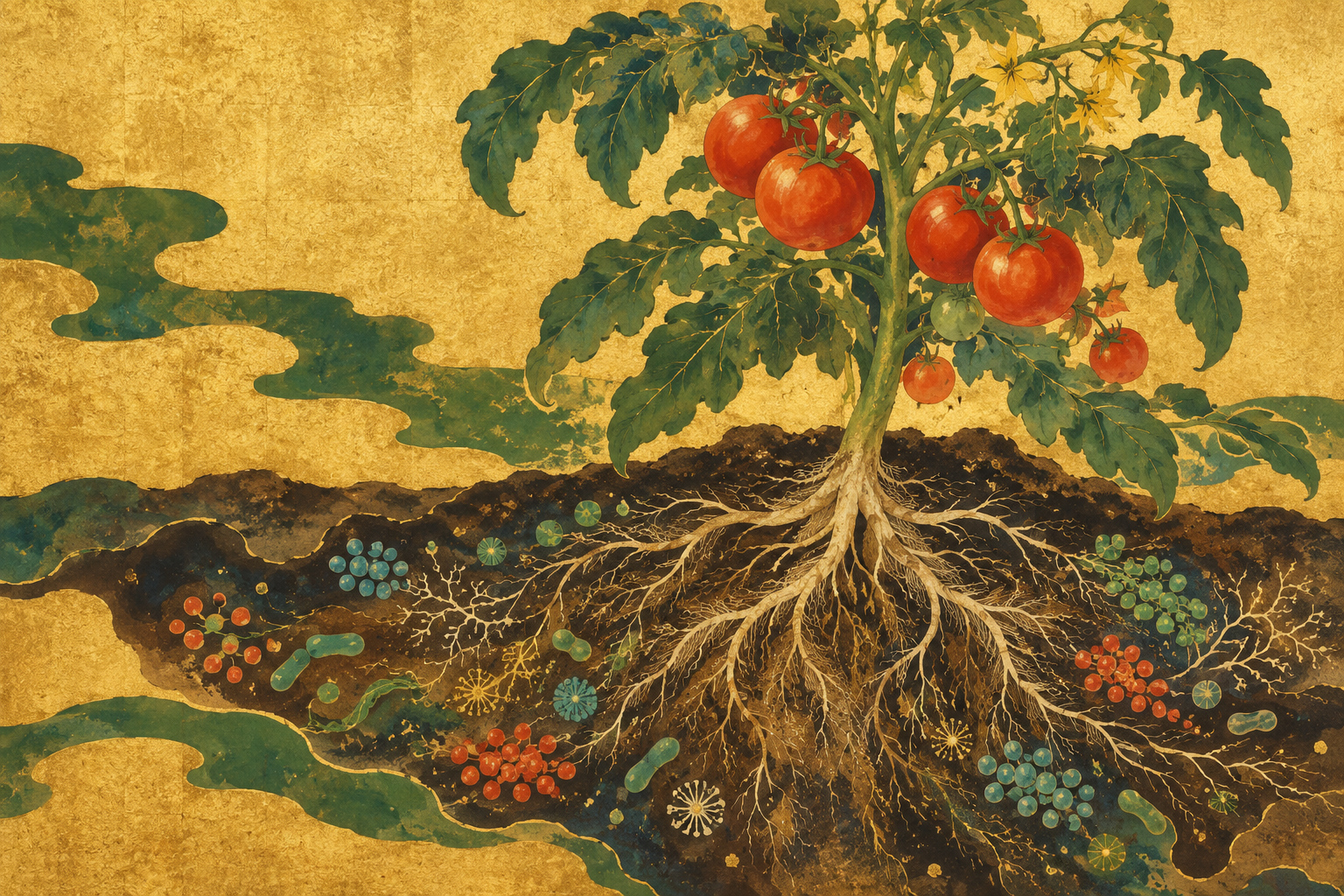
Designing Microbial Communities to Help Tomatoes Grow
Machine learning meets cultivation trials in research on the organisms around plant roots, and the work needed to turn promising combinations into practical tools.
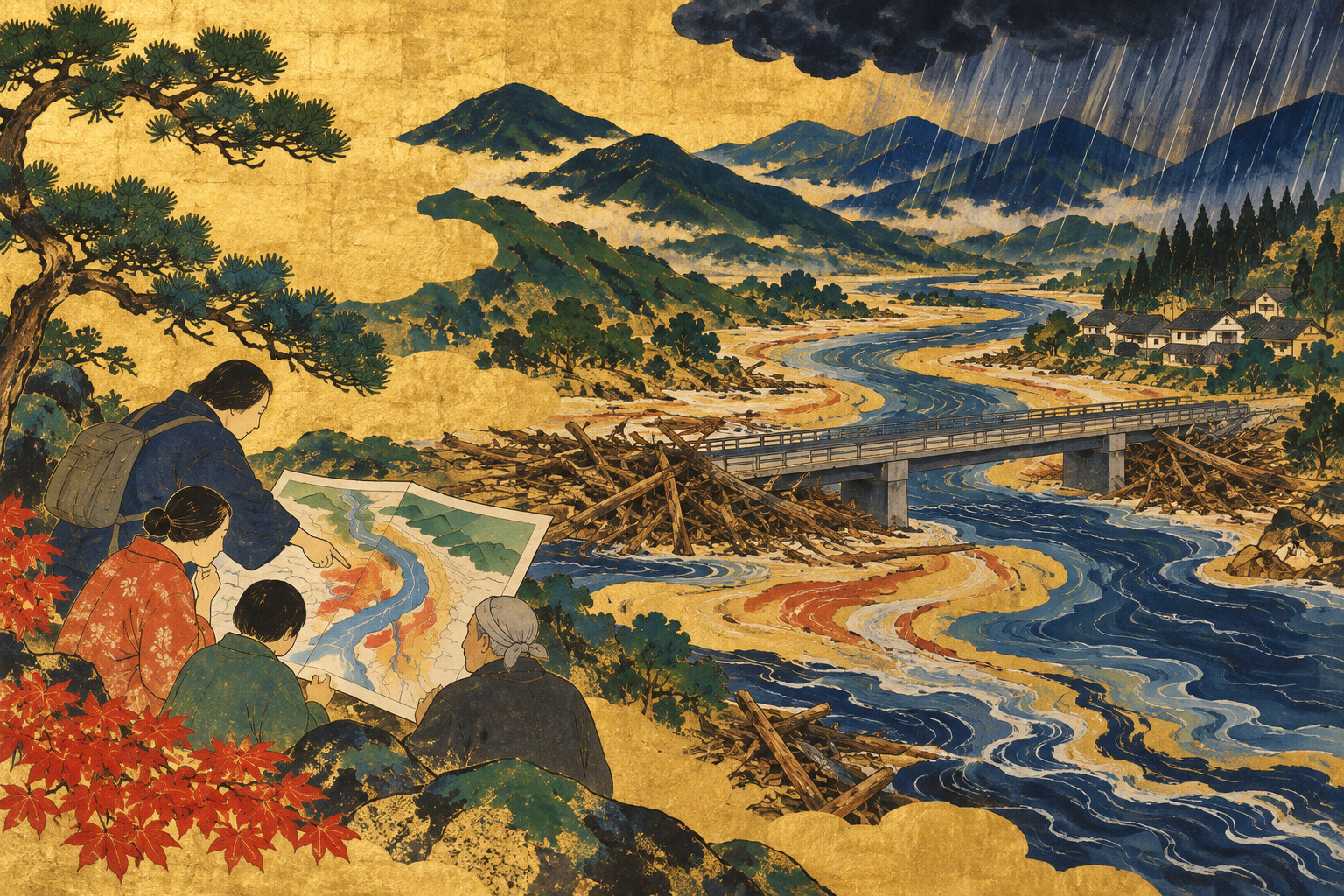
Noto’s Flood Lessons: Sediment, Driftwood and the Map
How should flood maps account for rivers changed by debris? A look at inundation modelling and the limits of treating the channel as fixed.
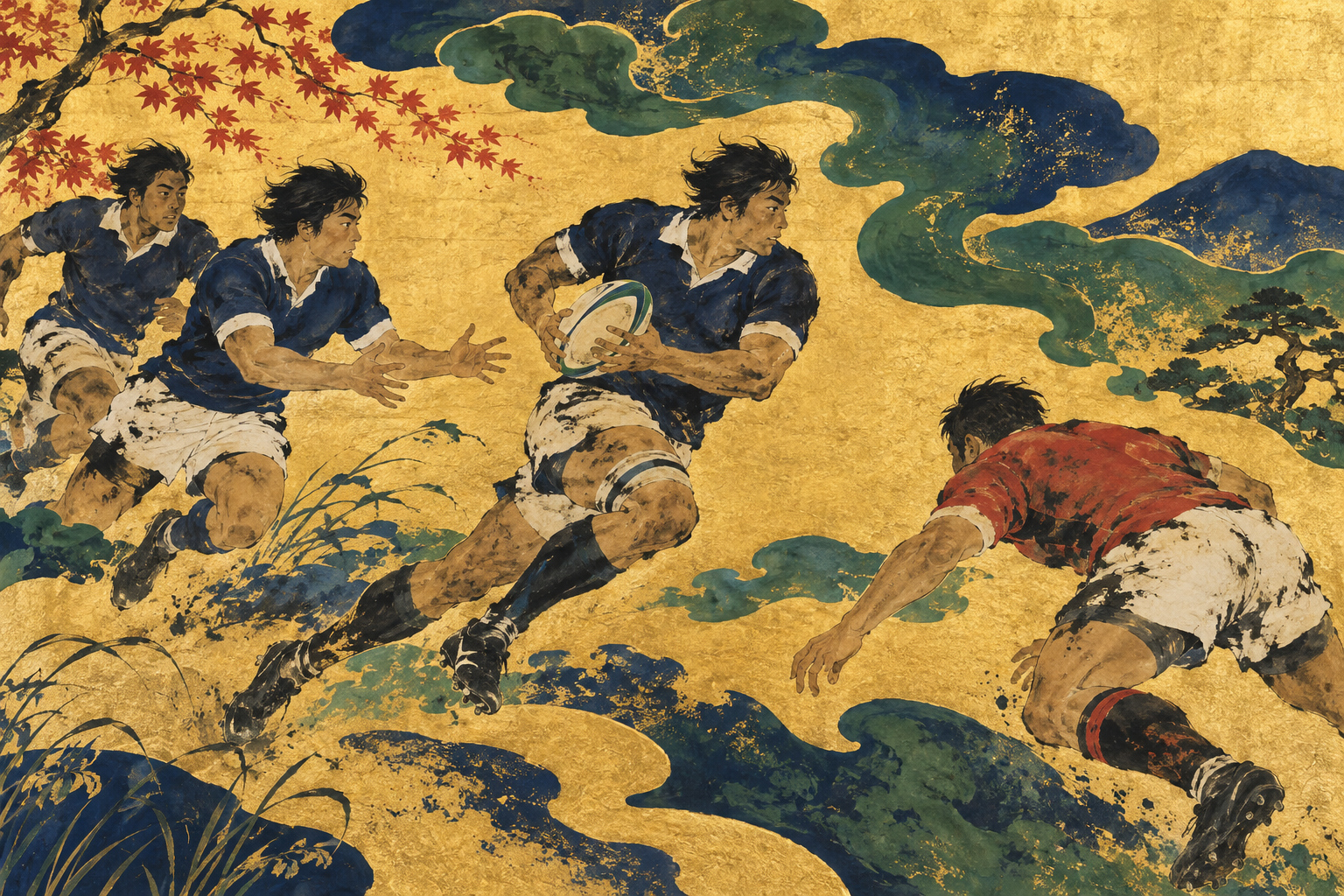
Kyoto Sangyo Rugby Begins Another Run Toward the Final
Ahead of the September 13 opener against Ritsumeikan, the team’s scrum, spring campaign and national semifinal defeat frame a new season.
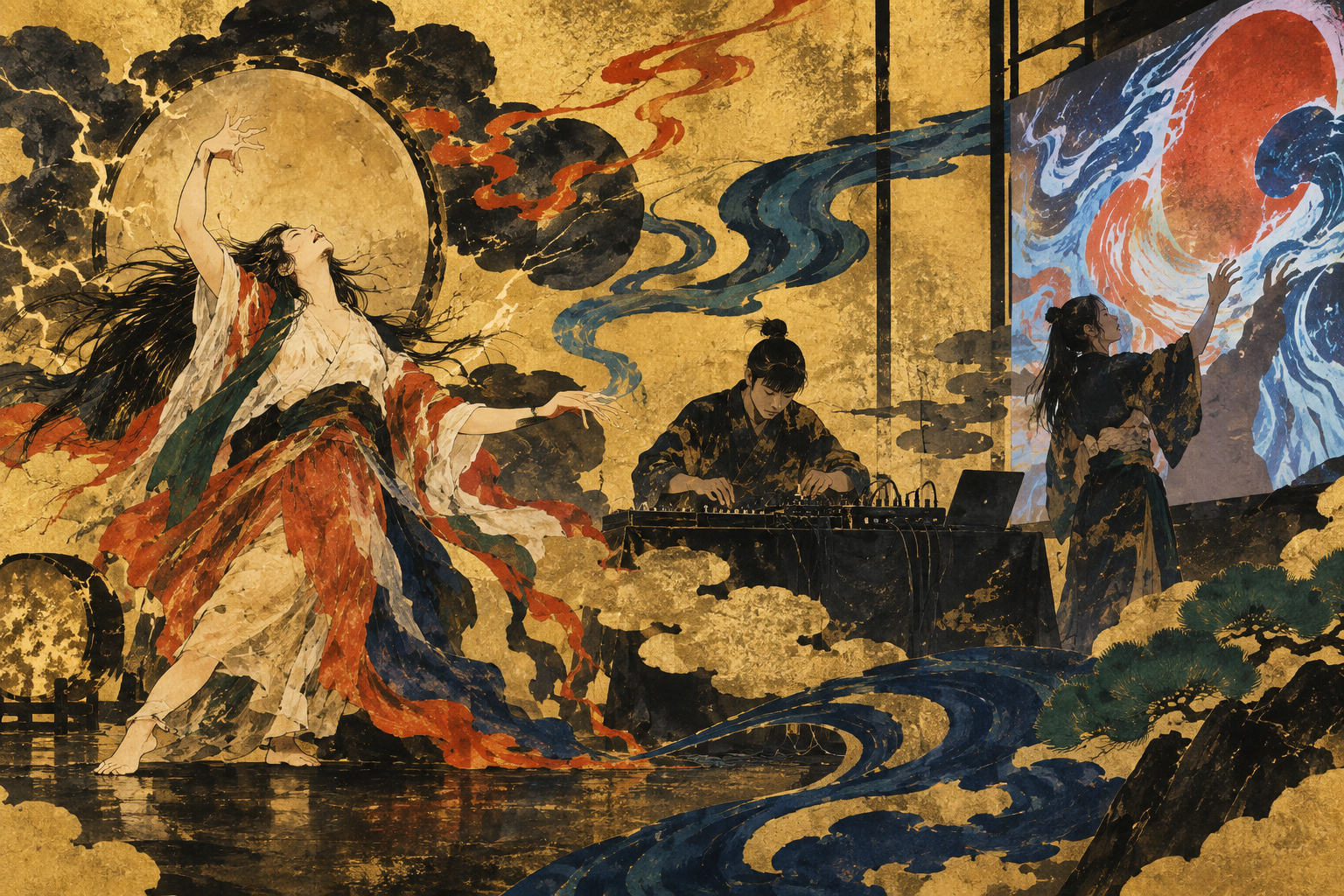
Voice, Body and Image Meet at SUPER DOMMUNE
A preview of the September 22 Energy Embodiment Theory performance, connecting its artists and image-to-sound tools with the studio’s broadcasting history.
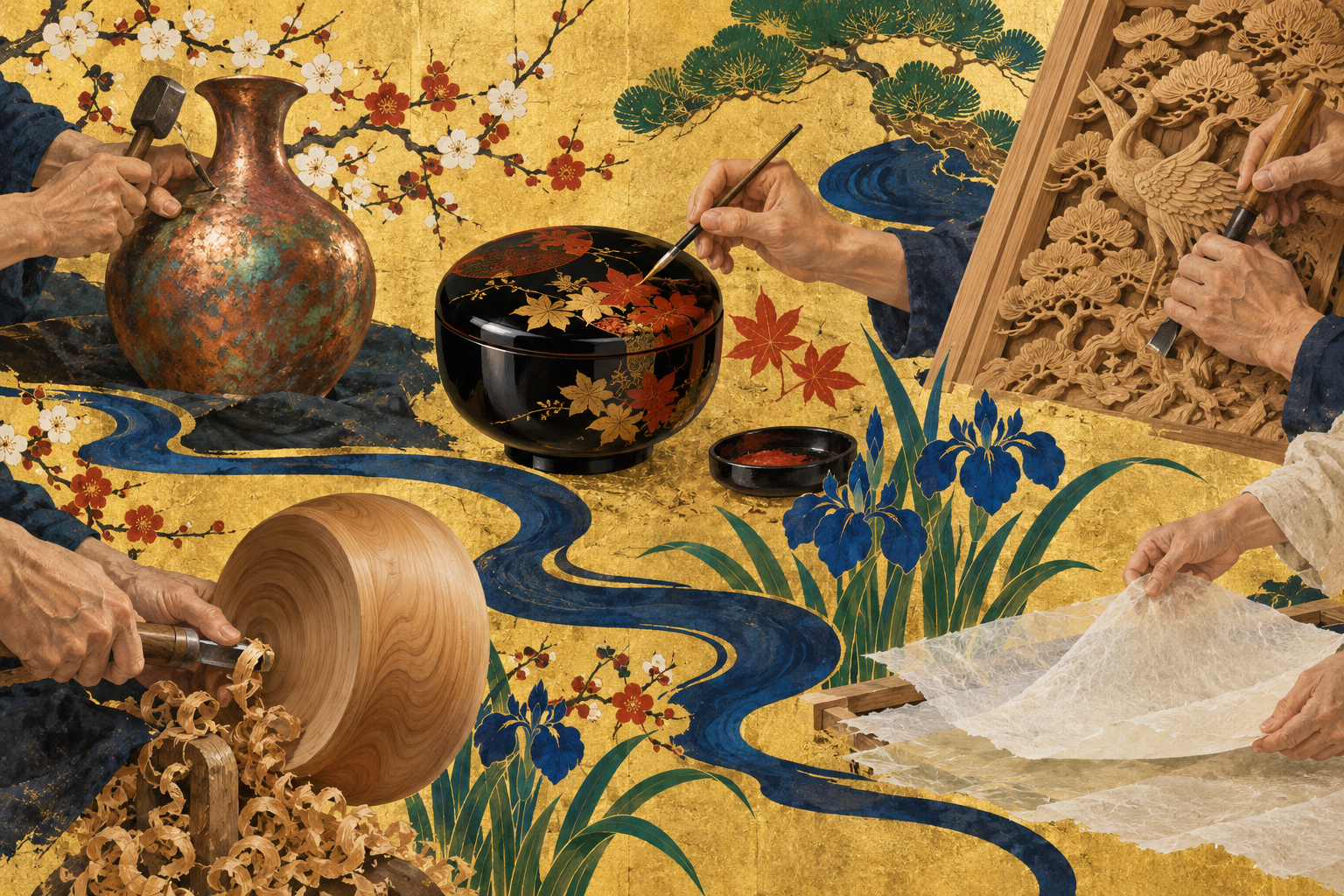
Meet the Makers Behind Toyama’s Crafts
The September 11–24 exhibition at Nihonbashi Toyamakan brings together copperware, lacquer, carving, turned wood and paper, with opportunities to explore the making process.
Today’s news images are AI editorial illustrations inspired by Soga Nichokuan, not documentary photographs. Today’s art uses the museum’s image of the historical work. For carryover illustrations, see each article’s caption.
