Japan’s World Cup Weekend Begins
Japan opens its 2026 World Cup campaign against the Netherlands in Dallas, starting a demanding Group F that also includes Sweden and Tunisia.
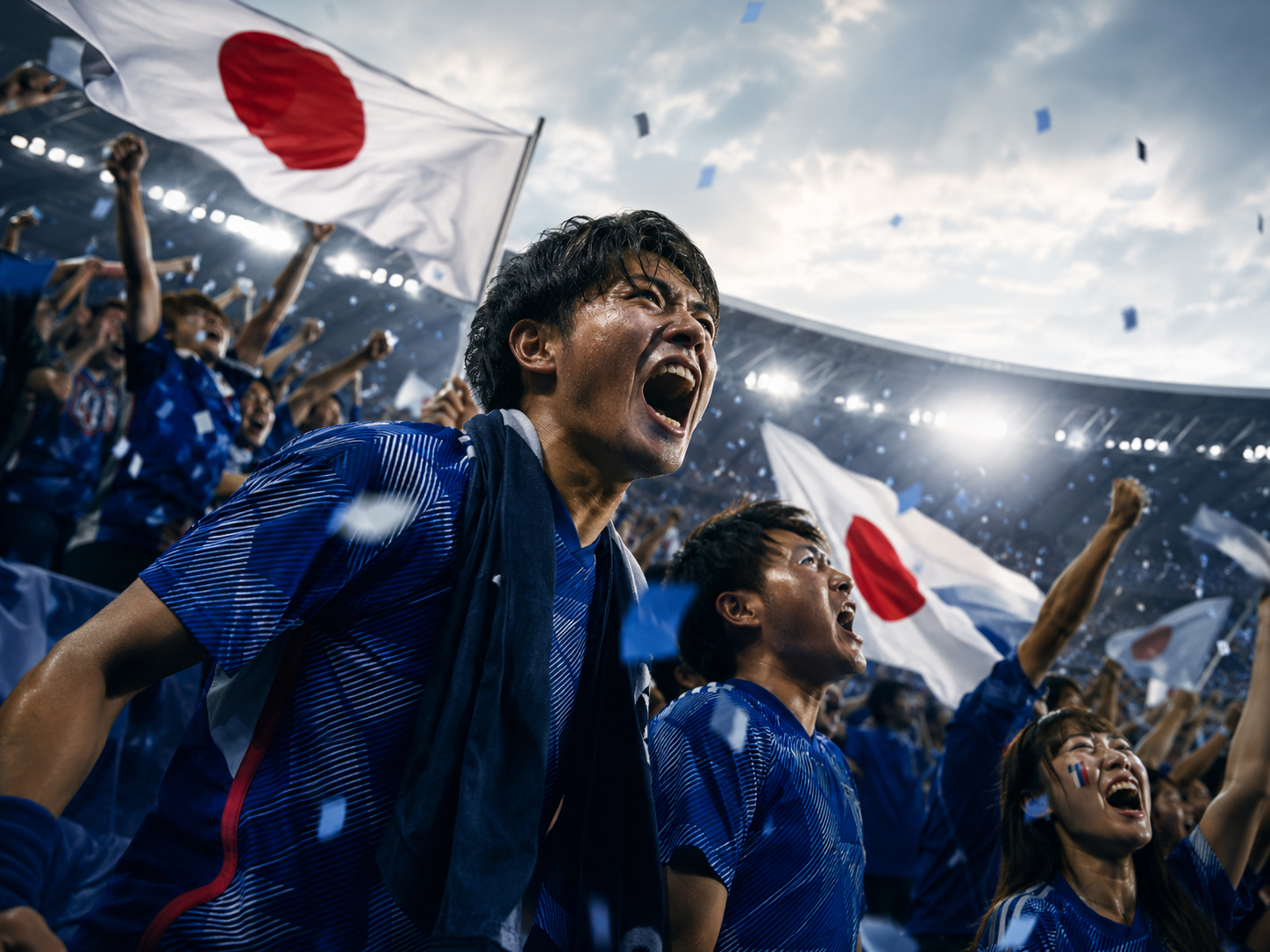
Japan’s World Cup weekend begins with a heavyweight test: the Netherlands in Dallas. FIFA lists Japan’s Group F opener for June 14, 2026 at Dallas Stadium, followed by fixtures against Tunisia and Sweden later in the group stage.
The 2026 tournament is the first 48-team World Cup, co-hosted by the United States, Canada, and Mexico. For Japan, the larger field does not mean an easy path. Group F asks the Samurai Blue to solve three different problems: Dutch quality, Tunisian physical pressure, and Swedish organization.
Why the opener matters
In a World Cup group, the first match is not only a result. It sets the emotional temperature of the tournament. A point against the Netherlands would steady Japan. A win would transform the group. A loss would not end the campaign, but it would put immediate pressure on the Tunisia match.
Japan’s recent World Cup identity has been built on speed, technical discipline, coordinated pressing, and moments of fearless counterattack. Against the Netherlands, those traits will have to be sharp from the first whistle.
Japan does not need to win the World Cup this weekend. It needs to make the tournament believe Japan belongs in the serious conversation.
The Japan question
The Samurai Blue have spent years moving from underdog to respected tournament threat. The next step is consistency: not one stunning upset, not one dramatic night, but a group-stage campaign managed with calm, depth, and tactical maturity.
That is why the Netherlands match is so useful as a measuring stick. It tests Japan’s defensive spacing, midfield bravery, and ability to play through pressure against a team comfortable at the sport’s highest level.
Japan.co.jp’s view
A serious opener for a serious team
Japan no longer arrives at a World Cup as a charming outsider. The expectation is sharper now. The country has players in top leagues, a modern tactical identity, and fans who expect more than participation. The Netherlands opener is difficult, but it is also the right kind of difficult: it will show quickly whether Japan is ready to play like a seeded-level threat.
What to watch next
Watch the first 20 minutes. If Japan presses with control, keeps the ball under pressure, and avoids cheap giveaways, the match can become a real contest. If the Netherlands controls rhythm early, Japan may need patience and a late-game bench response. Either way, the weekend opens the campaign and defines the mood of the week.