Japan’s H3 Rocket Marks a Liquid-Fuel Milestone
The H3 returned to flight with a lower-cost “30 configuration” powered by three LE-9 liquid-fuel engines and no solid boosters, a test of Japan’s effort to make its flagship rocket more competitive.
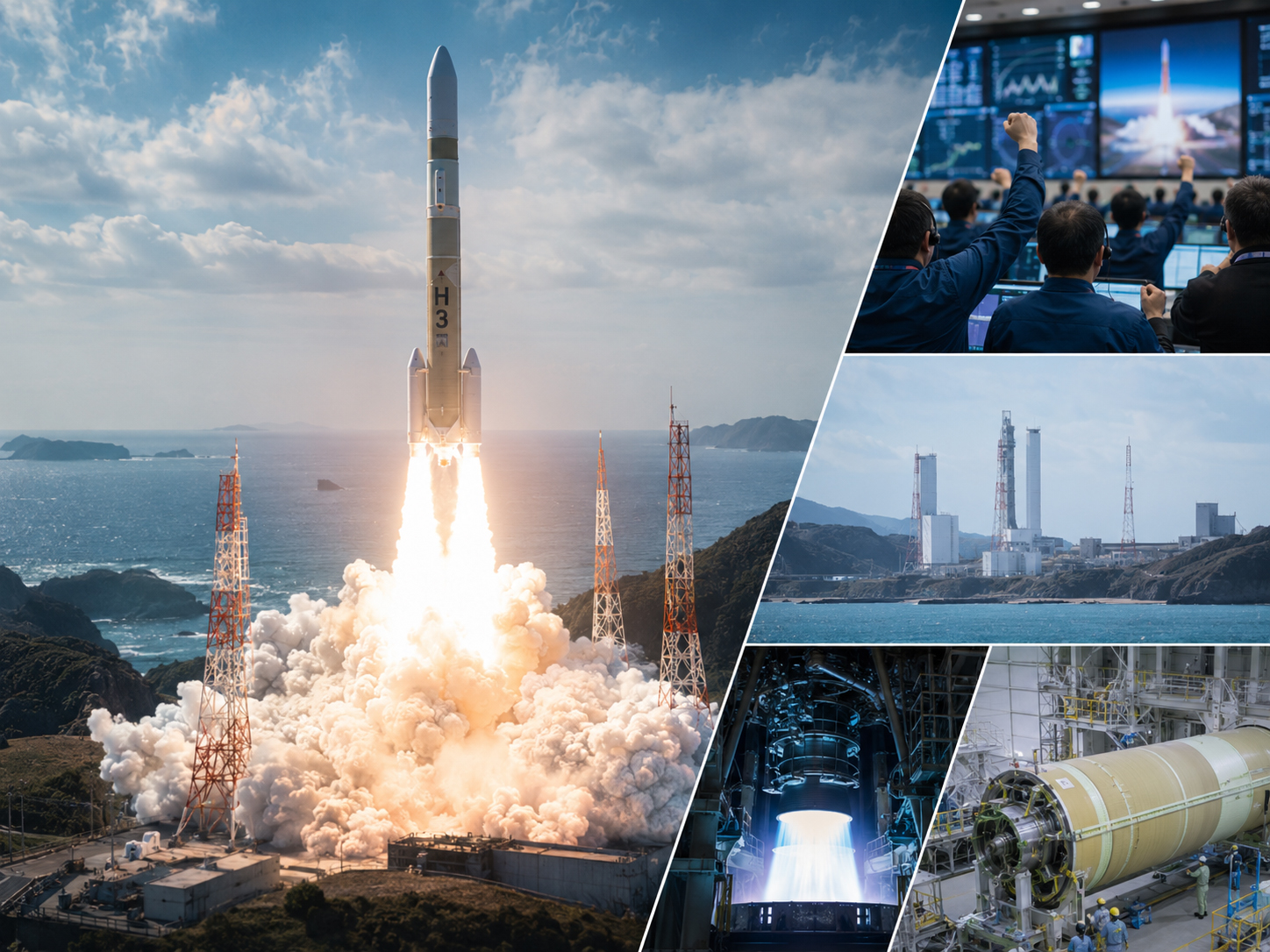
Japan’s flagship H3 rocket successfully returned to flight on June 12, debuting a lower-cost variant that uses three liquid-fuel LE-9 engines and no solid rocket boosters. The mission from the Tanegashima Space Center placed six small satellites into orbit, according to AP reporting.
The flight matters because it tests the commercial logic behind H3: a modular Japanese rocket that can replace the H-2A era, cut launch costs, and help JAXA and Mitsubishi Heavy Industries compete for government and commercial payloads.
Why the 30 configuration matters
The H3 family is designed to be modular. Some versions use solid rocket boosters for heavier missions; the new 30 configuration is built around three first-stage liquid engines and no strap-on boosters. That can reduce complexity and cost for appropriate payloads.
For Japan, that matters as much as the launch itself. SpaceX and other competitors have changed the economics of orbit. If H3 is to serve national-security, scientific, lunar, Martian, and commercial missions, Japan needs reliability and price discipline.
A successful launch is a technical event. A cheaper repeatable launch is an industrial strategy.
Recovery after setbacks
The H3 program has had a public and difficult learning curve. Its first test flight in 2023 ended in failure. AP also notes that the June 2026 launch followed previous setbacks, including a December 2025 malfunction. That makes this flight more than a routine mission: it is a credibility marker.
Japan.co.jp’s view
Japan needs H3 to become boring
The best outcome for the H3 is not drama. It is repetition. The June 12 flight was visually spectacular, but the strategic goal is ordinary reliability: launch, deploy, learn, repeat. If H3 can become dependable and affordable, Japan gains more than a rocket — it gains room to plan.
What to watch next
The next test is cadence. Watch whether JAXA and Mitsubishi Heavy Industries can move from successful demonstrations to regular operations, and whether customers trust the H3 with larger and more sensitive payloads. Future science missions, cargo flights, and security satellites will all test the system in different ways.