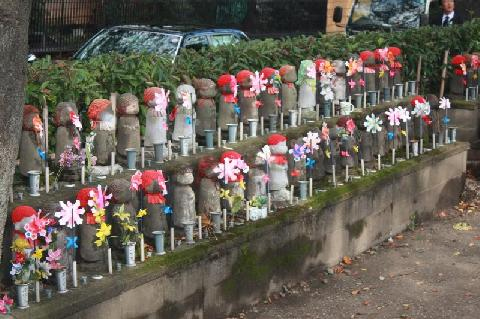
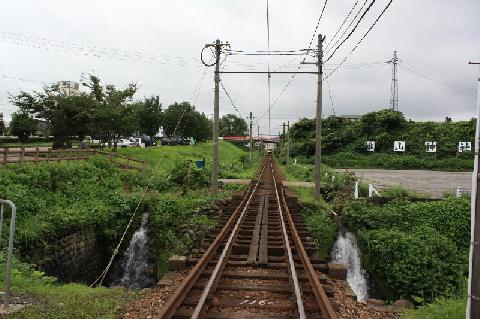
On March 11, 2011, Japan changed in a way that cannot be understood only through numbers. The Great East Japan Earthquake shook the northeast. The tsunami came afterward. Towns were erased, coastlines were rewritten, families were broken, and the country was forced to look directly at the sea, the land, technology, fragility, and memory.
The shorthand is 3.11. In Japan, that date carries a weight beyond news. It is a marker in time: before and after, ordinary and unthinkable, the morning people expected and the afternoon that arrived. To write about it requires restraint. The subject is not disaster tourism. It is human memory.
Some events become history because time passes. Others become history because people choose, again and again, not to let them disappear. 3.11 belongs to the second kind.
The day everything changed
The earthquake struck off the Pacific coast of Tōhoku on March 11, 2011. Japan is a country that understands earthquakes, drills for them, builds for them, and lives with the knowledge that the ground is never fully still. But the scale of this event exceeded ordinary imagination.
What followed made the day even more devastating. The tsunami moved toward the coast with a force that turned familiar places into scenes of incomprehension. The sea entered towns, ports, fields, roads, schools, homes, and stations. It carried boats inland. It lifted cars. It broke buildings. It left mud, salt, silence, and absence.
For people watching from elsewhere in Japan, the images were almost impossible to process. For those on the coast, the images were not images. They were streets, neighbors, names, and homes.
The wave and the coast
Coastal Japan has always lived with the sea as both provider and threat. Fishing ports, seafood culture, harbors, coastal roads, schools, family businesses, and local festivals are woven into the edge between land and water. On 3.11, that edge became terrifyingly unstable.
The tsunami did not strike an abstract map. It struck lived places: rooms where breakfast had been eaten, school routes children knew by memory, shopping streets, fishing equipment, family altars, photographs, neighborhood shrines, and homes built over generations.
This is why the aftermath cannot be reduced to physical destruction. A building can be rebuilt. A road can be repaired. A port can reopen. But the inner geography of a town changes when absence becomes part of the landscape.
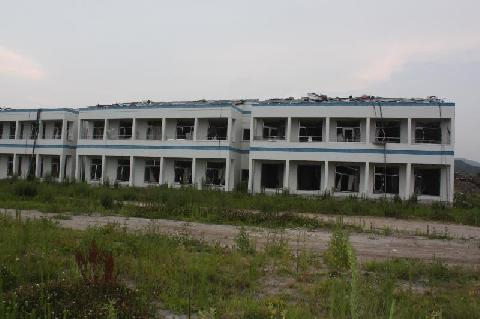
Disaster memory in Japan is often carried through images of impossible displacement: boats on roofs, roads in mud, and familiar objects in unfamiliar places.
Ruin as witness
After a disaster, ruins are complicated. They are painful, but they also testify. They show what happened when words are not enough. Japan has had to decide what to clear, what to rebuild, what to preserve, and what to mark with silence.
Some disaster remains and memorial sites are not easy places. They are not made to entertain. They ask visitors to slow down. A damaged structure, a high-water marker, an empty foundation, or a preserved school building can speak with a force that polished explanation cannot replace.
Ruin becomes witness when a community allows it to say: this happened here. Not somewhere. Not to statistics. Here.
Look gently
Disaster sites are places of memory. Photography should never turn grief into spectacle. Read signs, follow local rules, and move with humility.
Listen first
The most important stories are often local: a school, a harbor, a road, a hill, a warning, a family, a decision made in minutes.
The discipline of memory
Japan’s remembrance of 3.11 is not only emotional. It is disciplined. Memorial ceremonies, education, evacuation signs, disaster museums, rebuilt seawalls, oral histories, school programs, and local preservation efforts all form part of the work. Memory becomes infrastructure.
This is one of the deeper lessons of 3.11: remembering is not passive. A society has to build ways to remember. It has to teach children what happened before they were born. It has to mark evacuation routes. It has to preserve stories. It has to ask what failed, what saved lives, and what must be done differently.
The Japanese word tsunami is known around the world. But after 3.11, the word also became a demand: to understand warning, preparation, escape, vertical refuge, community knowledge, and the speed at which ordinary life can disappear.
Recovery without forgetting
Recovery is sometimes misunderstood as a return to normal. For many communities, there is no simple return. There is rebuilding, relocation, argument, fatigue, new roads, new seawalls, new schools, new housing, and new grief beside old grief.
Tōhoku’s recovery includes visible construction, but also invisible labor: keeping families together, supporting elderly residents, preserving local identity, maintaining fisheries, reopening businesses, caring for children, and deciding how to continue when the map itself has changed.
Resilience should not be romanticized. It is not a slogan. It is work. It is paperwork, meetings, mourning, engineering, patience, memory, and the long discipline of beginning again.
- Rebuilding: roads, ports, homes, schools, businesses, and public systems had to be repaired or remade.
- Relocation: some communities faced painful decisions about higher ground and safer land.
- Education: disaster memory became part of how future generations learn risk and response.
- Memorials: markers, museums, ceremonies, and preserved sites keep the event visible.
- Community: recovery depends not only on government and engineering, but on local bonds.
How visitors should approach 3.11 places
Visitors to Tōhoku can support the region by traveling respectfully, eating locally, staying locally, learning carefully, and treating memorial sites as places of dignity. The goal is not to consume tragedy. The goal is to understand the region as living, beautiful, wounded, rebuilding, and fully human.
The coast is not only a disaster landscape. It is also fishing ports, markets, festivals, mountains, trains, islands, food, hospitality, and stubborn beauty. To honor 3.11 is not to freeze Tōhoku in loss. It is to remember the loss while also seeing the living region that continues beyond it.
Travel, at its best, can become a form of attention. Spend money where it helps. Read before you arrive. Do not trespass for photographs. Do not treat memorial spaces as backdrops. Listen for what local people have chosen to preserve.
A respectful visitor checklist
- Read before you go. Know the basic history of March 11, 2011, before visiting memorial places.
- Follow local signs. Some places are sacred, restricted, fragile, or emotionally sensitive.
- Photograph carefully. Avoid turning private grief, memorials, or damaged remains into spectacle.
- Support local businesses. Eat, shop, stay, and travel in ways that benefit the region.
- Respect silence. Some places ask for quiet more than commentary.
- See the living Tōhoku. The region is not only what happened to it. It is also what continues.
3.11 remains part of Japan because it remains part of families, towns, schools, coastlines, policy, engineering, prayer, and public memory. It is not only a date in the past. It is a responsibility carried forward.
After the wave, Japan rebuilt. But the deeper work was not only rebuilding walls, roads, and towns. It was learning how to remember without becoming frozen, and how to continue without pretending nothing was lost.