Shirahama has the nerve to be exactly what its name promises
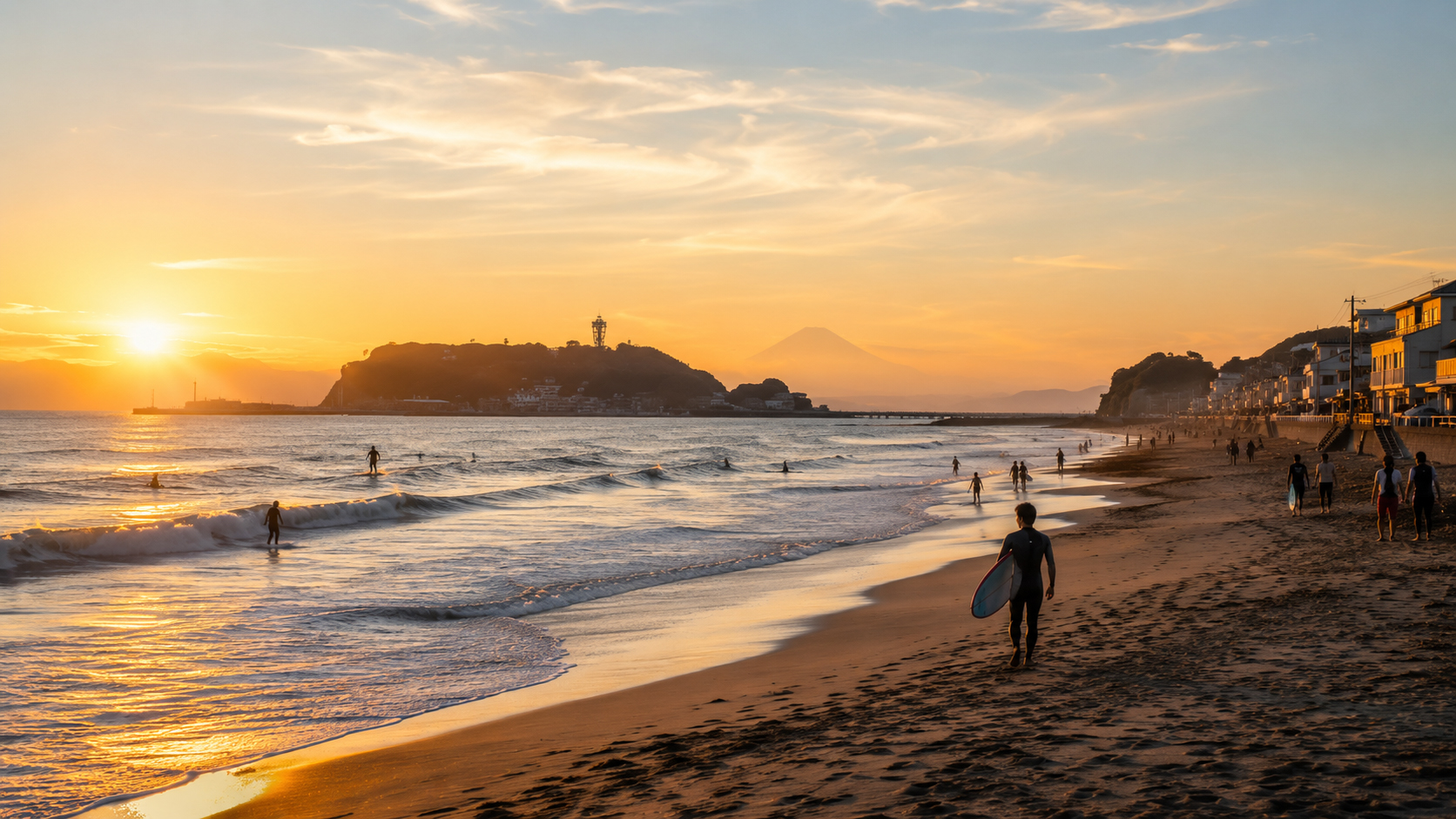
Some beach towns require explanation. Shirahama does not. The name means “white beach,” and then, with outrageous confidence, it provides one. There it is: Shirarahama, a bright curve of sand facing blue Pacific water, lined with hotels, bathhouses, cafés and the particular Japanese holiday sound of sandals slapping pavement with purpose.
Official Wakayama tourism information describes Shirarahama as a white-sand resort beach of about 640 meters and notes its sister-beach relationship with Waikiki in Hawaii. JNTO also introduces Shirara Beach as one of Kansai’s standout coastal resorts. That is a lot of pressure for a beach, but Shirarahama handles it well. The sand does not appear nervous.
But Shirahama is not merely a place to put a towel down. It is also an onsen town. Shirahama Onsen is traditionally counted as one of Japan’s three oldest hot-spring areas, alongside Arima and Dogo. So the basic itinerary is delightfully simple: swim, eat fish, soak, repeat until your shoulders stop believing in email.
From ancient hot spring to Kansai beach resort
Shirahama’s history is older than the beach-resort postcard. The hot springs of the Kii Peninsula were known in antiquity, and the coast has long been tied to travel, pilgrimage, fishing, trade and the movement of people along Wakayama’s rugged shoreline. Long before anyone worried about hotel breakfast buffets, people came here for water: healing water, fishing water, travel water, the kind of water that makes a place matter.
Modern Shirahama grew into a resort as transport improved and Kansai travelers began looking for seaside relief that did not require crossing an ocean. Osaka and Kyoto could send families, couples, company groups and honeymooners south toward white sand and hot springs. The formula was powerful: train ride, hotel, beach, bath, seafood, souvenir. A full emotional reset, with dried fish available at the end.
Postwar domestic tourism made Shirahama even more familiar. It became part of Kansai’s summer imagination: a place for children with inflatable rings, parents carrying too many bags, grandparents who know exactly when to enter the bath, and young couples who discover that romantic beach walks are easier before everyone gets sand in their shoes.
Shirarahama: the beach that makes everyone become a photographer
Arrive at Shirarahama and the first thing you notice is the contrast: white sand, blue sea, palms, resort buildings, and a bay shaped almost too conveniently for photographs. People take pictures of the sea, then the sand, then their feet, then the sea again from almost the same angle. This is not foolish. This is how the human brain handles a good beach: by making 42 nearly identical souvenirs.
The beach is compact enough to feel usable and central enough to be easy. Many hotels and inns sit within a short walk, which matters. A beach trip with children is 40 percent swimming and 60 percent logistics. In Shirahama, the distance between towel, room, shower, bath and dinner can be mercifully short.
Summer is busy. Kansai does not keep Shirahama secret, and July–August demand can be strong. Book rooms early, check swimming conditions, watch the weather and remember that white sand in midsummer can become a very polite-looking frying pan. Sandals are not fashion. They are equipment.
The onsen: ocean views while you gently become soup
The special Shirahama trick is pairing the beach with hot springs. Mountain onsen are wonderful, but ocean onsen have a different mood. You spend the day in saltwater and sunshine, then step into mineral water while the Pacific reminds you that your inbox is far away and probably not worth thinking about right now.
Hotels and ryokan provide baths with sea views, and the town also has public baths and footbaths. The rhythm is easy to understand: morning beach, seafood lunch, coastal sightseeing, sunset, onsen, dinner, sleep. Repeat if necessary. It is usually necessary.
That combination gives Shirahama its lasting appeal. It is a resort, yes, but not a cold or artificial one. It is familiar, family-friendly, slightly nostalgic and deeply practical. It understands that a real vacation needs beauty, food, baths, parking concerns and someone asking, “Did we bring enough towels?”

Where to stay: beach, bath and breakfast diplomacy
Choose your Shirahama lodging by priority. For immediate beach access, stay near Shirarahama. For big baths and resort facilities, look slightly along the coast or on higher ground. For a classic ryokan feeling, choose tatami, dinner, breakfast and a bath schedule. For families, minimize movement. For couples, maximize sunset. For everyone, confirm dinner plans early; beach towns have a way of making people hungry at the exact same time.
Address: 2428 Shirahama-cho, Nishimuro-gun, Wakayama 649-2211
Phone: +81-739-43-2600
Direct website: https://www.marriott.com/en-us/hotels/osana-nanki-shirahama-marriott-hotel/overview/
A reliable resort-hotel choice with Pacific views, hot-spring facilities and an easy first-time Shirahama setup.
Address: 868 Shirahama-cho, Nishimuro-gun, Wakayama 649-2211
Phone: +81-739-43-0100
Direct website: https://www.shiraraso.co.jp/
Right by Shirarahama; the hotel’s official site describes the beach as about 30 seconds away. This is the sort of distance that makes shoes feel optional, though society still recommends them.
Address: 1821 Shirahama-cho, Nishimuro-gun, Wakayama 649-2211
Phone: +81-739-43-1000
Direct website: https://www.keyterrace.co.jp/en/
A seafront resort with hot springs, dining and an ocean-facing footbath mood. Good for travelers who want the Pacific Ocean to handle part of the therapy.
Address: 868 Shirahama-cho, Nishimuro-gun, Wakayama 649-2211
Phone: +81-739-43-0634
Direct website: https://www.yado-musashi.co.jp/en/
A ryokan-style stay near the beach, with the classic Shirahama ingredients: tatami, baths, dinner and that mysterious ability of Japanese inns to make everyone whisper in hallways.
Where to eat: the sea is right there, so be respectful and order fish
Shirahama eating begins with seafood. The Kii coast has access to rich Pacific waters, and local menus lean toward sashimi, sushi, seafood bowls, grilled fish, shellfish and seasonal specialties. There are also sweets and cafés, because even the most serious seafood traveler eventually needs coffee and a small cake to restore emotional balance.
Address: 1667-22 Shirahama-cho, Nishimuro-gun, Wakayama 649-2211
Phone: +81-739-43-1700
Direct website: https://fw-sh.com/
A fish-market and dining complex near the coast. Useful for seafood bowls, sashimi, shopping and the classic travel emergency known as “everyone is hungry now.”
Address: 2521 Katata, Shirahama-cho, Nishimuro-gun, Wakayama 649-2201
Phone: +81-739-42-1010
Direct website: https://toretore.com/en/
A large seafood market and food stop, known for fish, local products and tuna-cutting energy. It is basically a theme park for the stomach.
Address: Shirahama-cho, Nishimuro-gun, Wakayama
Phone: +81-739-42-4027
Direct website: http://www.kouzushi.net/
A local sushi choice often associated with regional fish. Check opening days and reserve where possible; good sushi has a habit of being popular with people who also like good sushi.
Address: 1279-3 Shirahama-cho, Nishimuro-gun, Wakayama 649-2211
Phone: +81-739-42-3129
Direct website: https://fukubishi.co.jp/en/
Home of Kagerou sweets and a café for a gentler seaside pause. Vacation calories are, legally speaking, very shy and should not be counted in public.
Beyond the beach: cliffs, sunsets and family chaos in a good way
Shirahama is not a one-beach town. Engetsu Island is a sunset landmark, with a sea-carved opening that becomes a photographer magnet. Senjojiki offers broad rock platforms by the ocean. Sandanbeki brings cliffs and caves into the story. Together they keep the trip from becoming nothing but towel management.
For families, Adventure World is the other major pillar of Shirahama travel. The area’s identity has shifted over time from hot-spring retreat to beach resort to family destination, and that mix is why Shirahama works across generations. Children want animals and ice cream. Adults want dinner and a bath. Grandparents want everyone to stop losing hats. Shirahama can handle all of this.
Getting there and getting around
From Osaka and Kyoto, the JR Limited Express Kuroshio is the classic rail route to Shirahama Station. Driving is also common for Kansai families, especially when combining the beach with Adventure World, Senjojiki, Sandanbeki or Toretore Market. Nanki-Shirahama Airport also makes the area surprisingly accessible from Tokyo.
Within town, buses, taxis and rental cars all matter. If your plan is mostly Shirarahama and nearby hotels, walking works. If you want to do the wider sightseeing loop, a car or taxis make the day much easier. In high summer, parking may become the true boss battle. The ocean is big; the parking lot is not.
How to enjoy Shirahama without losing to summer
- Book lodging early for July, August, weekends and event dates.
- Check beach conditions, swimming status, weather, typhoon forecasts and heat warnings before entering the water.
- Wear sandals on the sand in peak sun. White sand can be beautiful and still absolutely mean to bare feet.
- Plan bath time after the beach; the beach-to-onsen transition is the whole point.
- Bring sunscreen, water, a hat, a small towel and a larger stomach than you think you need.
The charm of Shirahama is that it does not try too hard to be exotic
Shirahama’s appeal is not that it feels like a faraway island. It feels like Japan made a beach resort out of the things it already does well: trains, baths, seafood, tidy rooms, seasonal habits, family travel and gift shops where someone will absolutely buy umeboshi. It is beautiful, but also practical. Romantic, but also full of vending machines. Elegant at sunset, then deeply democratic at the breakfast buffet.
That is why Kansai keeps returning. Shirahama lets you swim, eat, soak, sleep and wake up to the sea again. It does not require reinvention. It simply asks that you bring a swimsuit, a towel, sunscreen and the humility to admit that the beach will put sand everywhere. Everywhere.
Sources and references
This feature is based on official tourism information, hotel and restaurant websites, and public travel references. Opening hours, prices, reservations and access details may change; confirm directly before visiting.