Japan Moves Further to the Front of Pacific Security
China’s pressure on Taiwan, uncertainty around U.S. policy, and Japan’s own defense build-up are changing the Pacific security map. Japan is no longer only watching from the edge.
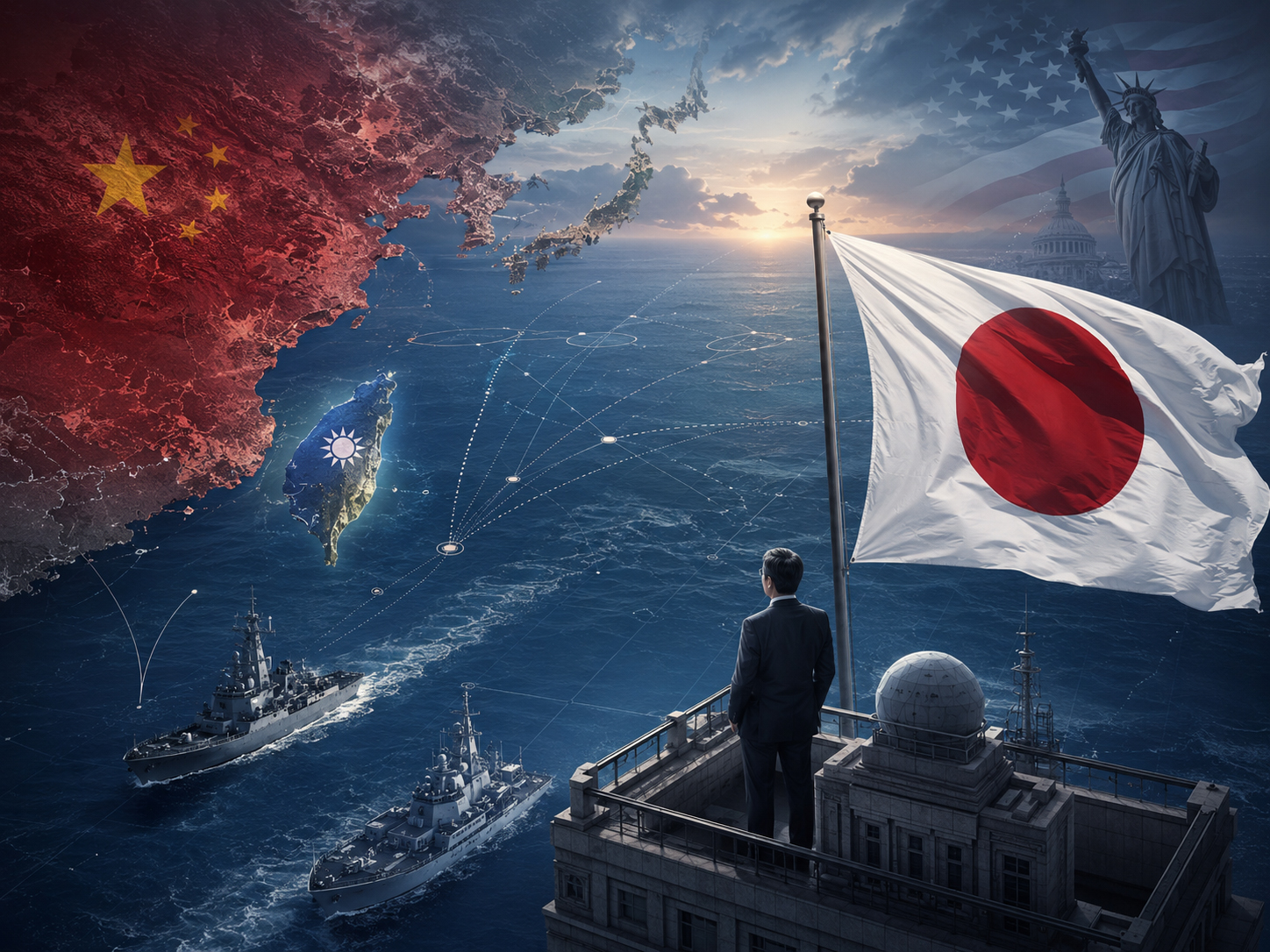
Reuters Breakingviews argued this week that Japan is taking a more visible role in Pacific defense as China increases pressure on Taiwan and the United States becomes harder to predict. The shift is visible in defense spending, regional cooperation, missile drills, and a more direct public discussion of Taiwan contingencies.
For Japan, the Taiwan Strait is not a distant sea. Okinawa, the southwest islands, sea lanes, semiconductor supply chains, and U.S. bases all sit inside the same strategic picture. A crisis around Taiwan would not stay neatly outside Japan’s map.
China, Taiwan, and the southwest islands
China claims Taiwan as part of its territory and has continued military activity around the island. Taiwan sees that pressure as a direct threat. Japan sees the issue through a regional lens: Taiwan sits close to Japan’s southern island chain, and any military crisis could affect Japanese territory, shipping, energy, and trade.
China often criticizes Japan’s Taiwan-related statements as a revival of militarism or interference in China’s internal affairs. Japan frames the issue differently: a Taiwan crisis could become a Japanese security crisis. The gap between those two views is one reason the region feels more tense.
Why U.S. uncertainty matters
Japan’s security strategy has long rested on the U.S. alliance. That alliance remains central. But when Washington’s policy direction is uncertain, Tokyo has more reason to strengthen its own posture and deepen cooperation with other partners.
The result is not Japan replacing the United States. It is Japan trying to reduce empty space in the regional order. That means closer ties with countries such as South Korea, the Philippines, Australia, and NATO partners, along with more visible exercises and clearer signaling.
Defense spending and constitutional tension
Japan is moving toward defense spending equal to 2% of GDP, a major shift for postwar policy. The list is broad: missile defense, counterstrike capabilities, cyber, space, unmanned systems, and defense of the southwest islands.
At home, the debate remains sensitive. Japan’s constitution and postwar identity still shape public views of military power. The central question is how Japan can strengthen deterrence without making its neighbors believe it is abandoning restraint.
Japan.co.jp view
This is not a simple hawkish story. Japan is stepping forward because the region feels more dangerous, not because Japan wants war. The harder question is how to show deterrence without feeding escalation.
On the June 12 front page, this story sits beside rates, football, burgers, and Tokyo lights because security is part of everyday Japan even when it is not visible. Japan is not merely an island at the edge of the Pacific. Increasingly, it is one of the countries expected to help hold the Pacific order together.