Bank of Japan Heads Toward a 31-Year-High 1% Rate
The Bank of Japan is expected to lift its policy rate to 1% at its June meeting. That is not just a market story. It reaches mortgages, corporate borrowing, the yen, food prices, and the everyday cost of money in Japan.
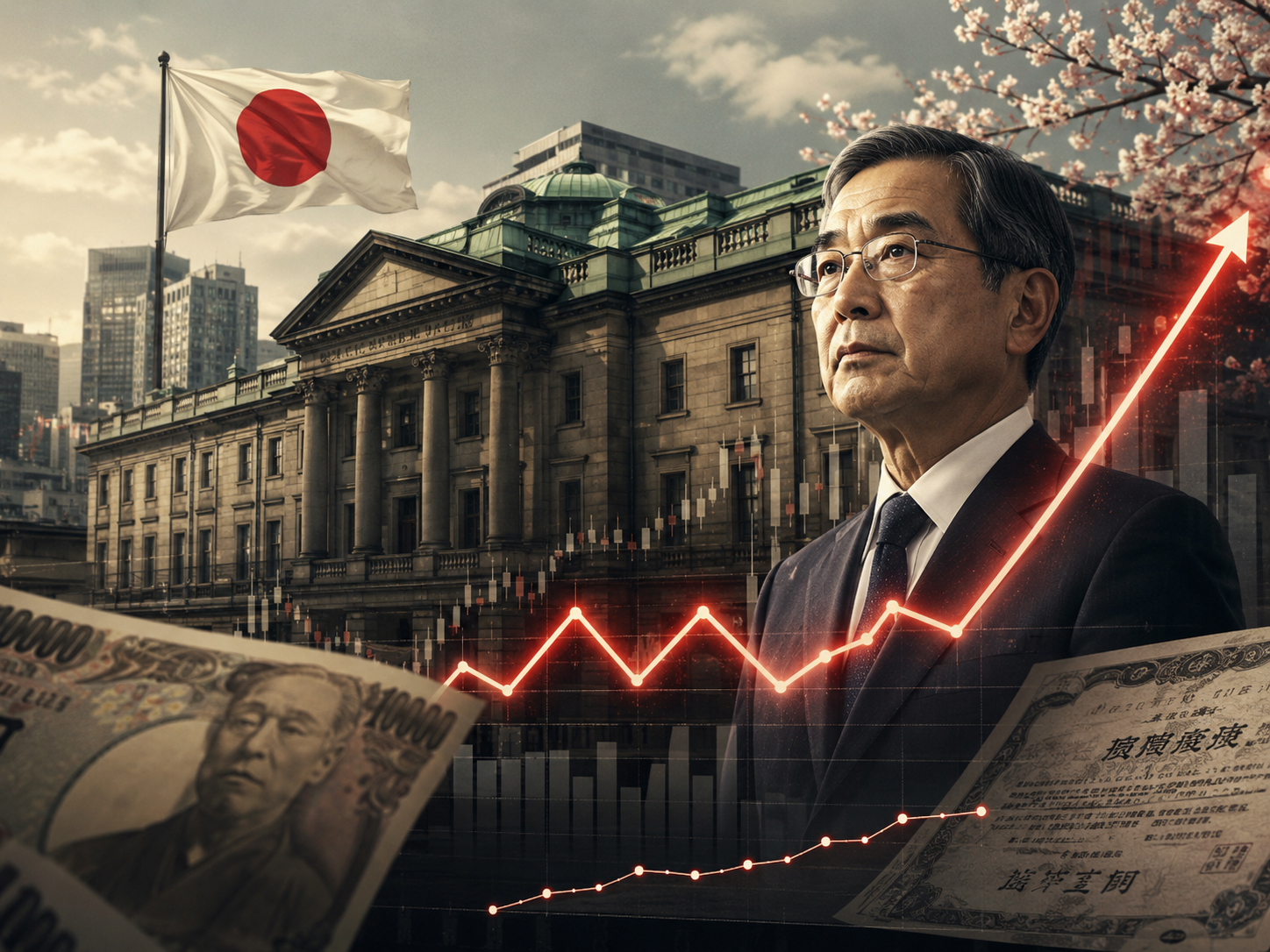
The Bank of Japan is expected to raise its policy interest rate to 1% at its June 15–16 meeting, Reuters reported. If it happens, the rate would reach its highest level in 31 years. For a country long associated with ultra-low rates, that makes 1% feel much larger than it looks on paper.
Japan’s financial life has been built around low borrowing costs for decades. Mortgages, small-business loans, government bonds, bank profits, savings accounts, and the yen all sit inside that low-rate world. A move to 1% would not change everything overnight, but it would tell households and companies that the old assumptions are changing.
Why the BOJ is moving now
The pressure comes from inflation, wages, the yen, and the global energy shock. The Middle East war has pushed energy concerns back into the center of Japan’s economic debate. If the yen stays weak and import costs rise, food, fuel, and raw materials become harder to keep under control.
Reuters reported that the BOJ is expected to raise rates while potentially softening some hawkish forward guidance. That is the delicate part: move enough to fight inflation and support the yen, but not so sharply that markets assume a rapid series of increases is coming.
How households feel it
For households, the most visible channel is borrowing. Variable-rate mortgages, consumer loans, and future housing decisions all become more sensitive when the policy rate rises. Not every borrower sees an immediate jump, but the direction of travel changes the way families plan.
There is another side: savers may finally see a more meaningful return on deposits and conservative investments. But if food and energy prices rise faster than interest income, families may still feel squeezed. Higher rates do not automatically solve the cost-of-living problem.
What it means for business
For companies, the issue is the cost of capital. Large firms can tap markets, but smaller firms often depend more heavily on bank loans. A higher-rate world changes inventory decisions, hiring plans, store expansions, and refinancing schedules.
The BOJ also has to think about the bond market. Japan’s government debt is enormous, and even small changes in yields can ripple through public finance and private markets. That is why central-bank communication may matter almost as much as the rate decision itself.
Japan.co.jp view
This belongs at the top of the June 12 edition because rates are not confined to the business pages. They reach the homeowner, the shop owner, the importer, the traveler watching the yen, and the parent watching food prices.
Japan spent decades living with near-zero rates. Whether this is a careful adjustment or the start of a new financial era is the question. The expected 1% move is the sign that Japan’s money story is changing.