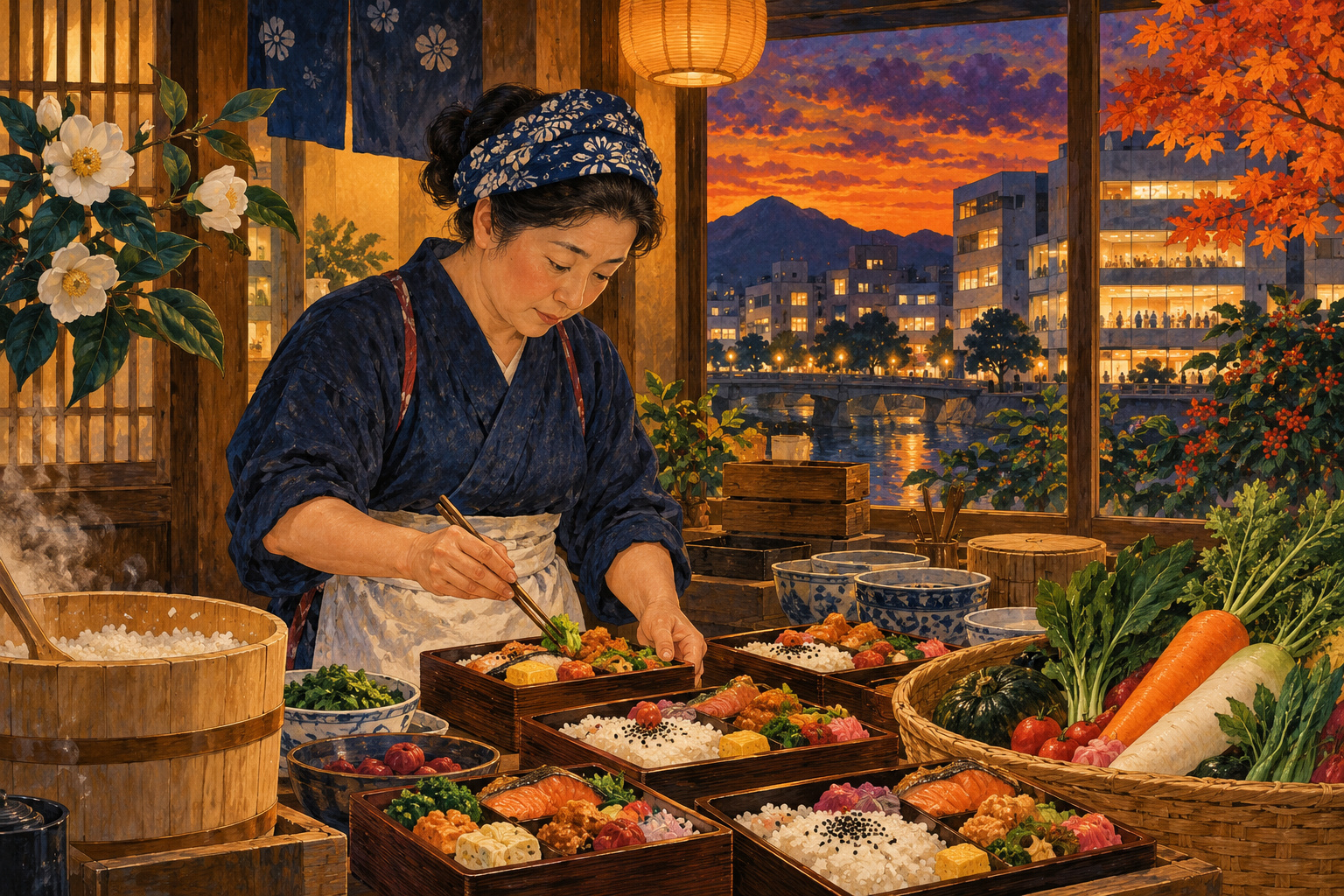
Japan’s bento-shop failures are approaching last year’s full-year record with four months still outside the latest count. Tokyo Shoko Research reported 83 failures in January–August 2026, compared with 89 across all of 2025. Its September 19 release points to operating-cost pressure and competition from supermarkets, convenience stores and other sellers.[1]
For business readers, the question extends beyond the price of lunch: can a small operator preserve an affordable offer while earning enough from each sale to remain viable? The figures establish a warning signal. They do not, by themselves, identify a single cause or show how every shop is performing.
Read the periods before drawing the conclusion
The eight-month total should not be presented as a year-on-year growth rate against the previous twelve months. Nor has this count already broken the annual record. Without a denominator for the operating population, it cannot establish the probability that a bento business will fail.
It also should not be treated as a complete count of disappearing lunch outlets. Business failures, voluntary closures and the operating status of individual branches are different questions. Readers assessing a particular supplier need information about that business, rather than assumptions based on the sector total.
The useful measure is what remains after a sale
Japan’s Small and Medium Enterprise Agency explains the break-even sales ratio in its 2024 small-enterprise white paper as an indicator of how far sales can fall before a business becomes loss-making. That is background guidance, not an additional finding about the shops in this survey.[2]
Applied to a lunch business, the analytical question is straightforward: how much does each meal contribute toward fixed costs after costs that vary with sales are covered? A busy counter can coexist with weak profitability. More menu choices may attract customers, but can also require more preparation and leave more unsold inventory.
This is Japan.co.jp’s business analysis, not a finding that each failed operator made these mistakes. A useful assessment would compare selling prices, ingredients, packaging, preparation time and waste at product level. Revenue alone cannot show which products are helping the business cover its overhead.
Predictable orders have value—but terms matter
Pre-orders and scheduled workplace deliveries may make production easier to plan. Their value depends on the details: order size, delivery distance, required arrival time and any extra staffing or packaging. A large order is not automatically a profitable one.
For corporate buyers, this creates a practical procurement question. Does the agreed price reflect the service being requested? Last-minute quantity changes or demanding delivery windows can alter a supplier’s costs. Reliable supply depends partly on whether the arrangement remains workable for both sides.
Cash timing is a separate test
J-Net21, the business-information service of Japan’s SME support organization, describes a cash-flow schedule as a way to organize cash receipts and payments and identify surpluses or shortages.[3] That distinction matters when comparing counter sales with orders paid after delivery.
A business may have to purchase ingredients and pay staff before collecting a customer’s invoice. Winning more orders can therefore increase the amount of cash needed before payment arrives. Profitability and payment timing need separate examination.
The next reporting step is to follow the year-end count and examine local operating evidence: changes in prices, menus and available outlets. The broader issue is the durability of a familiar everyday service—and the commercial conditions required to keep providing it.
