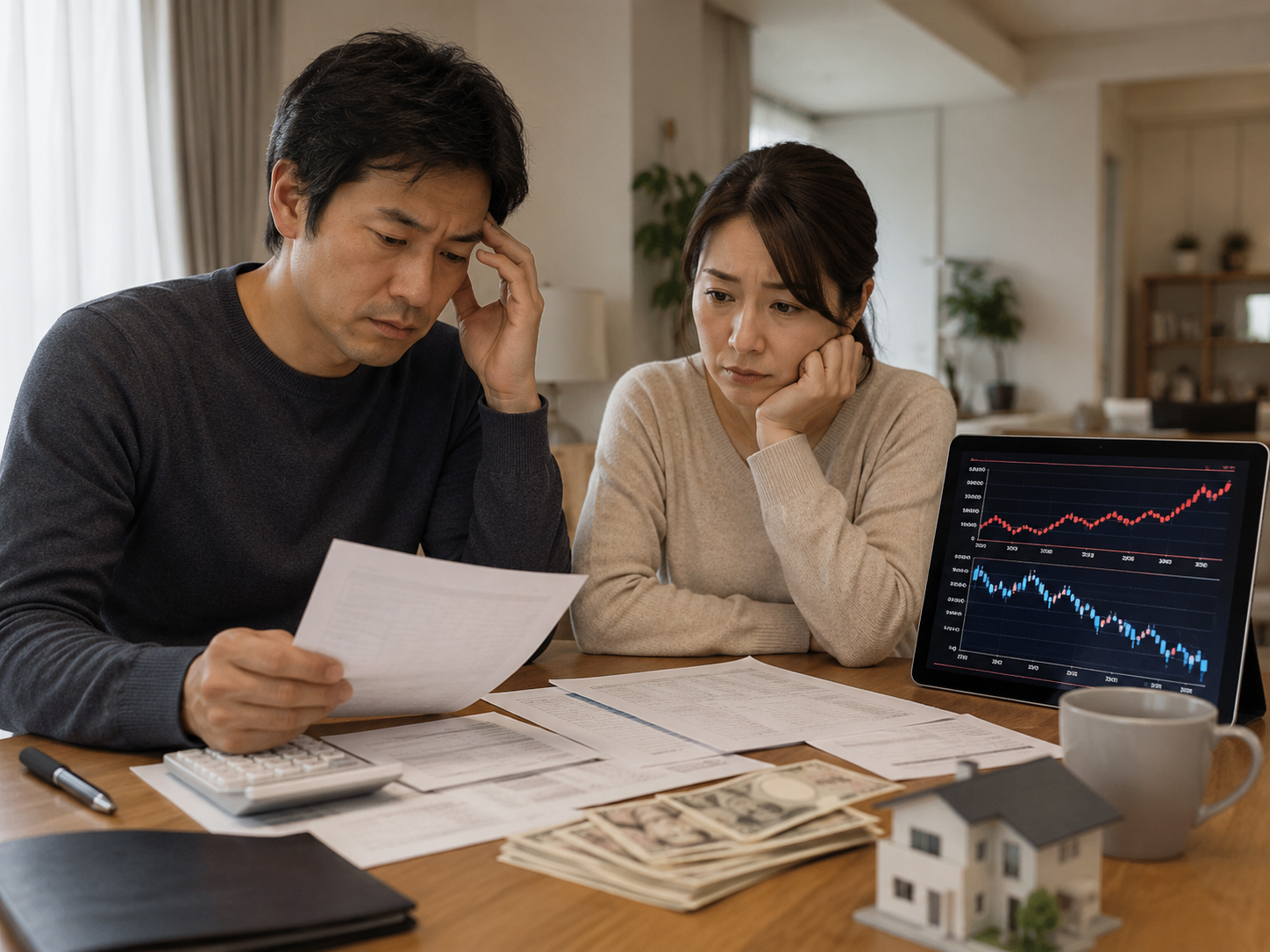
Once the Bank of Japan lifted its policy rate to 1%, the story moved from central-bank theater to household arithmetic. One percent is not high by global standards. In Japan it is different. For households, banks, companies, the government and investors trained by decades of near-zero money, 1% is a psychological and structural threshold. The question is no longer whether the BOJ raised rates. It is what happens next to JGBs, the yen, mortgages, banks and public debt.
On June 16, the BOJ raised its short-term policy rate from 0.75% to 1.0%. Reports described the move as the highest level since 1995, another step away from Japan’s long era of ultra-low rates. Reuters had already reported that economists expected the move, with many forecasting another increase to 1.25% by year-end. Markets, however, were less interested in the number than in the message after the number.
What markets watch after the hike
Central-bank decisions are made of numbers and language. The 1% hike was largely priced in. The real questions now are whether the next move comes in October or December, how much weight the BOJ gives to yen weakness, and how carefully it manages the reduction in government-bond purchases.
The BOJ wants to control inflation without breaking the recovery or the bond market. The government wants to fight import-driven inflation from a weak yen, but it also wants to avoid a sudden rise in debt-service costs or mortgage anxiety. Japan after 1% will be a policy triangle: monetary policy, fiscal policy and currency policy all watching one another.
The JGB market is the giant nerve
Japanese government bonds are the most sensitive part of normalization. The government carries an enormous debt load, and the BOJ has spent years as a dominant buyer of JGBs. Higher rates gradually raise the cost of new government borrowing. Banks and insurers that own older low-yielding bonds face mark-to-market pressure when yields rise.
At the same time, higher rates are not simply bad news for finance. Banks can earn wider margins. Insurers and pension funds can reinvest at better yields. Regional banks, after years of margin compression, may finally see interest income return. But the transition is delicate: higher yields mean lower bond prices, and the old low-rate portfolio must be absorbed.
The bond-buying question
Alongside rate hikes is the slower cleanup of quantitative easing. Reducing BOJ bond purchases is necessary if market function is to return. But because the BOJ was such a large buyer for so long, even the pace of withdrawal matters. A taper can itself become a source of upward pressure on yields.
Reuters reported that the BOJ would consider pausing the reduction in its government-bond purchases from fiscal 2027 onward. That is more than a technical adjustment. It suggests a dual message: raise rates, but do not destabilize the JGB market. After 1%, investors will read not only the policy rate but the purchase schedule.


Why the yen is still weak
A move to 1% does not automatically rescue the yen. The currency has been pressured by the U.S.-Japan rate gap, overseas investment, trade flows, energy imports and the yen carry trade. Reuters argued that even a U.S.-Iran peace deal would not necessarily pull the yen back, because lower oil risk can also support global risk appetite and keep carry trades alive.
Japan’s authorities have already intervened to support the yen. But intervention buys time. The fundamentals depend on rate differentials and expectations. If the BOJ convinces markets that more hikes are coming, the yen may find support. If investors hear “pause after 1%,” pressure can remain.
The household mortgage channel
For households, the clearest channel is the mortgage. Many Japanese borrowers chose variable-rate loans because low rates made them rational for years. But as the policy rate rises, bank reference rates and new loan conditions eventually move, and existing borrowers feel the impact with a lag.
Japan’s mortgage system does include buffers, and many borrowers will not see payments jump overnight. But for new buyers the effect is sharper. Borrowing capacity falls, monthly payments rise and already-high housing prices become harder to justify. For the home-buying generation, the phrase “rates are low, so it works” is becoming less reliable.
- When variable-rate loans reset
- Payment-adjustment caps and deferred-interest rules
- The cost of switching to fixed-rate loans
- Higher deposit and retail JGB yields
- Food, energy and import prices linked to yen weakness
One percent means different things to different people
The 1% rate does not affect everyone the same way. Borrowers face higher costs. Savers, especially older households with deposits or retail government bonds, may finally see income return. Highly leveraged small businesses face headwinds, while banks and insurers may gain. This is not just monetary policy; it is distribution.
The low-rate era helped borrowers and penalized savers. A world with interest reverses that, at least partially. The political difficulty is that this redistribution is quiet. It does not look like a tax bill, but the household impact can be just as real.
Japan has regained ordinary interest-rate risk
Since the 1990s, Japan has been the world’s great monetary experiment: zero rates, quantitative easing, negative rates and yield-curve control. Those tools were designed to defeat deflation, but they also made interest-rate risk less visible in daily life. Housing, stocks, real estate, JGBs, regional banking and public finance all rested on ultra-low rates.
Japan after 1% has not become “normal” overnight. But it has regained normal risks. Rates exist. Bond prices move. Loans get heavier. Deposits pay something. The yen reacts to policy expectations. A BOJ decision now reaches not only traders but households, retirees and small businesses.
What to watch next
Five things matter now. First, whether the BOJ signals another hike. Second, what happens to the JGB purchase taper. Third, whether the yen breaks meaningfully away from the ¥160 zone. Fourth, how banks adjust mortgage and deposit rates. Fifth, how the government balances inflation relief with fiscal discipline.
The 1% headline is over. The 1% aftershock is beginning. Japan has not fully woken from the long zero-rate dream. But the alarm is already ringing.
Sources and references
This Japan.co.jp report is based on Reuters, BOJ materials, FT/WSJ reporting, Japan Times and JGB-market coverage.
- Reuters: Bank of Japan set to raise rates to 31-year high
- Reuters: Why an Iran peace deal will not pull the yen back
- Reuters: BOJ to consider pausing bond taper next fiscal year
- Bank of Japan: Monetary Policy Meetings and policy statements
- Financial Times: BOJ raises rates to 1% for first time since 1995
- Japan Times: Yen lingers above ¥160 ahead of BOJ meeting