Toyama / History

Toyama: The Land of Medicine, Mountains, Metal, and Quiet Resolve

To understand Toyama properly, you must stop thinking of it as a prefecture of one mood. It is not only alpine. It is not only culinary. It is not only industrious. Toyama is one of the rare places in Japan where usefulness itself became beautiful.

Toyama’s history is shaped by movement: medicine carried across the country, mountain water falling toward the plain, merchants building trust one household at a time, craftsmen turning molten metal into ritual objects and daily tools, and modern engineers forcing tunnels and power lines through severe terrain. Many prefectures can offer scenery. Fewer can offer a civilizational story. Toyama can.

Core Theme

Beauty with purpose.

Historic Pillars

Medicine, craft, water, faith, and power.

Best Read Through

Castle town, merchant routes, Takaoka metalwork, and Kurobe engineering.

What Makes It Distinct

Toyama’s refinement is practical rather than performative.

A Feature Essay

Not a Loud Place, but a Profound One

Toyama does not announce itself in the manner of Kyoto, Osaka, or Tokyo. Its seduction is slower. You arrive and notice first the order, the air, the wideness of the sky, the mountain wall beyond the city, the sense that the region has been built by people who prefer competence to spectacle. Then, little by little, the layers begin to appear. Behind the fish market stands the bay. Behind the bay rise the mountains. Behind the mountains is the problem of water, transport, snow, faith, danger, and power. Behind the city are merchants. Behind the merchants are medicines. Behind the medicines is a model of trust so elegant that it still feels modern.

That is the central revelation of Toyama. It is not merely scenic Japan. It is a place where commercial intelligence, craft tradition, geographic severity, and social patience became one continuous culture. The result is not flashy. It is persuasive. Toyama feels convincing because it has been forced, again and again, to turn difficulty into form.

In Toyama, the mountains are not background, and history is not decoration. Both still govern the shape of the place.

Japan.co.jp — Toyama History
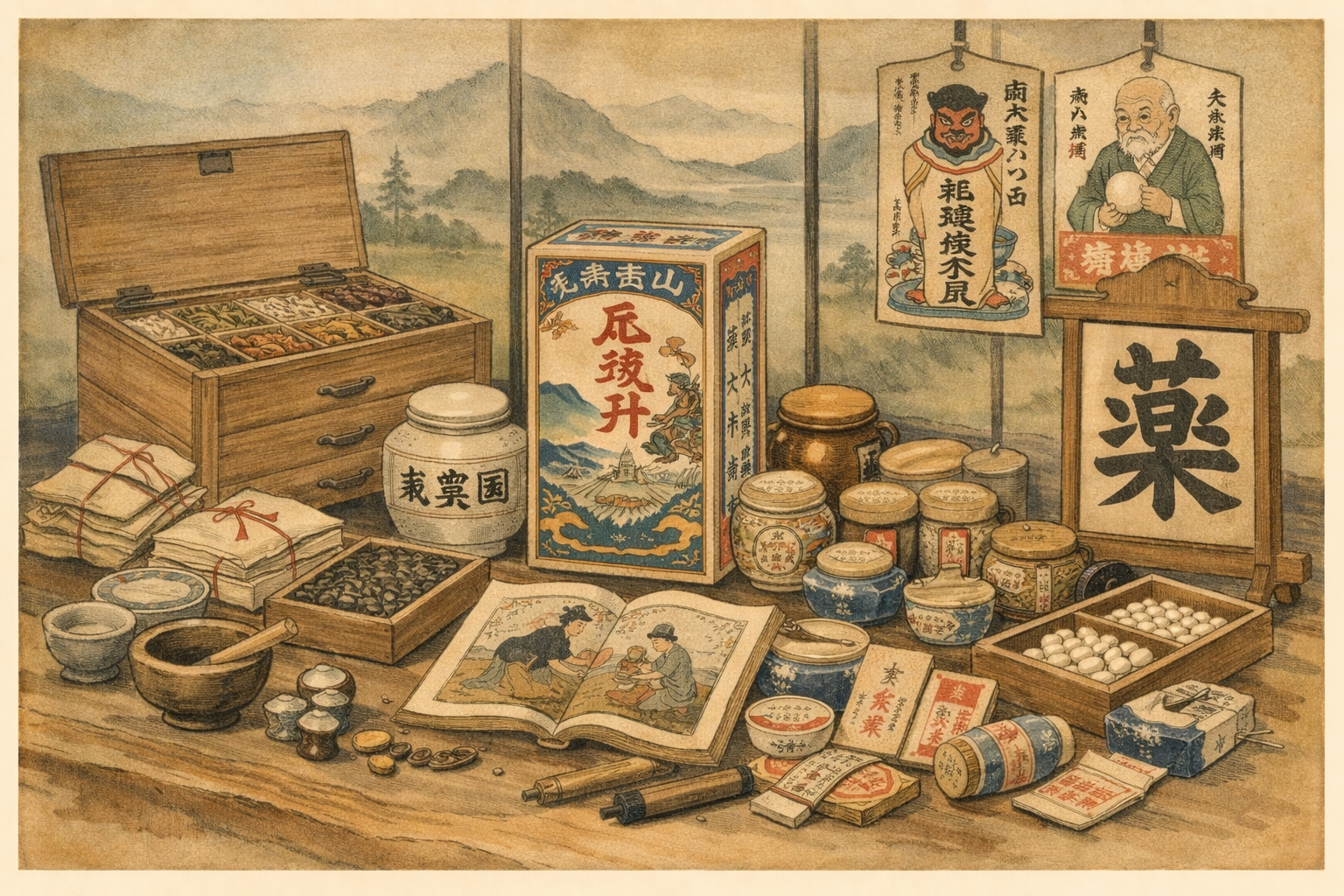
Toyama medicine history display in historical style
Medicine is not a side note in Toyama. It is one of the prefecture’s deepest historical identities.

I

The Medicine Country

The most distinctive door into Toyama is medicine. This is not simply because the prefecture manufactured remedies. Many regions made things. Toyama became famous because it perfected a way of distributing trust. The old okigusuri system worked by leaving a box of medicines in a household and collecting payment later only for what had actually been used. It was practical, humane, disciplined, and commercially brilliant. It converted distance into relationship.

That model did not emerge by accident. In the Edo period, Toyama Domain was not among the richest powers in the country. It needed industries that could travel. Medicine could. The famous story of Hangontan and Lord Maeda Masatoshi has been told many times because it captures an essential truth: Toyama’s medicine culture was not merely medicinal. It was administrative, entrepreneurial, and deeply aware of human need. A medicine chest left in a rural household was also a pledge that someone would come back.

Even now, this history gives Toyama a particular moral tone. The prefecture’s pharmaceutical identity is not only a business success story. It is the afterlife of an older system in which reliability mattered more than display. If Kyoto teaches elegance through ceremony, Toyama teaches it through utility. A medicine box in a family home may be the most eloquent symbol Toyama ever produced.

That is why Toyama’s historical atmosphere feels different from many tourist destinations. Its past is not composed only of noble houses, famous battles, and picturesque shrines. It is composed also of routes, boxes, labels, drawers, ledgers, sales calls, formulas, and countless journeys between town and countryside. The drama is quieter, but it is everywhere.
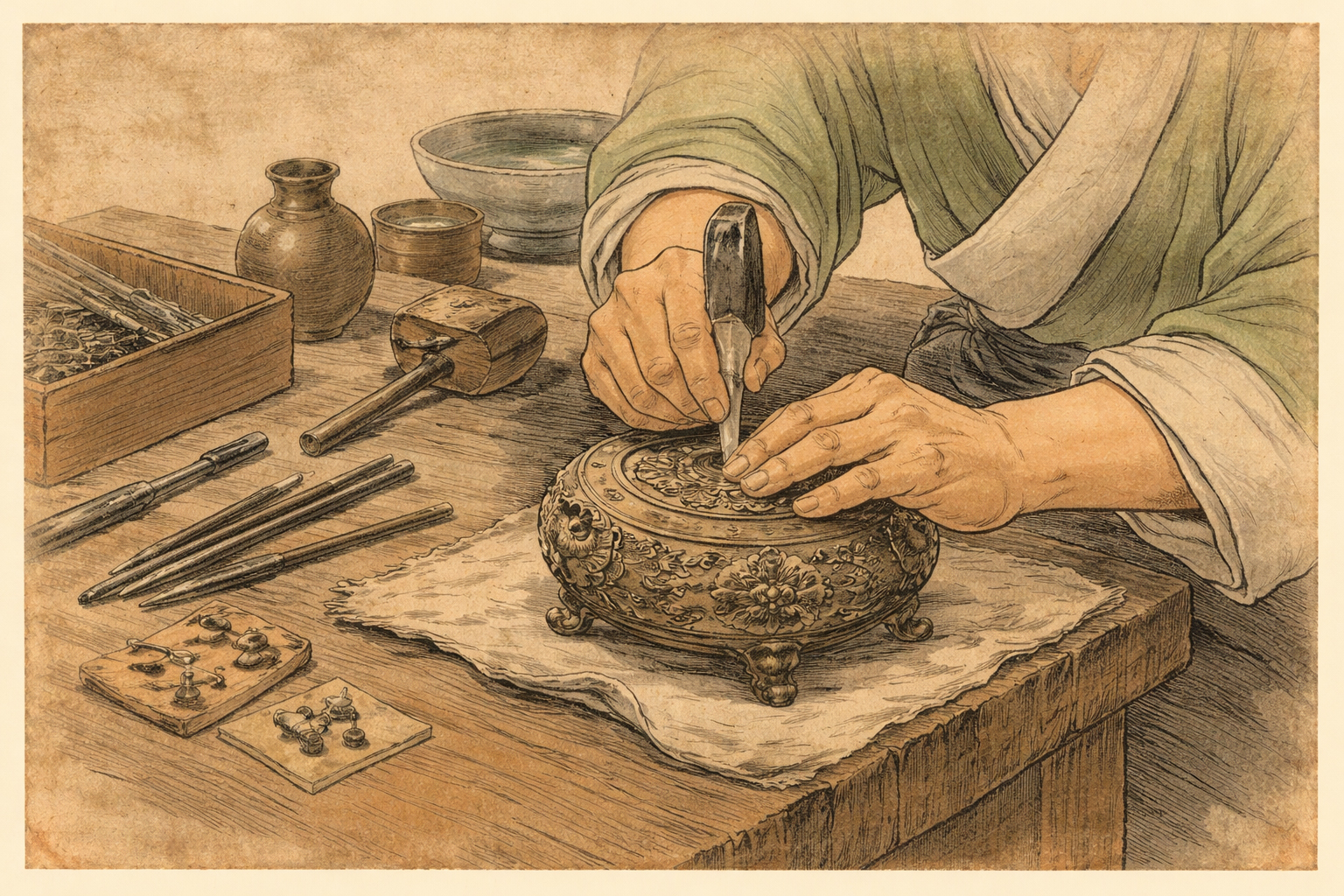
Traditional Toyama craft metalwork
Toyama’s visual culture is inseparable from making: hands, tools, heat, and the discipline of craft.

II

Takaoka and the Beauty of Useful Metal

If Toyama’s medicine story reveals its commercial intelligence, Takaoka reveals its material intelligence. Few places in Japan explain so clearly how a castle town can become a craft civilization. The roots of Takaoka copperware reach back more than four centuries, and the city still carries the memory of foundries, workshops, and the long education of touch. In many places, craft is presented as ornament. In Takaoka, it feels structural.

The region’s metal culture matters because it gave Toyama a particular sense of form. Bronze vessels, temple fittings, bells, flower vases, altar objects, cast figures, and industrial refinement all belong to the same long continuum. Here, art was not separate from labor. Design improved use, and use justified beauty. One begins to see why Toyama can feel so poised without seeming theatrical: it has been trained for centuries in the refinement of things that must work.

This also explains why Toyama has such a strong claim on modern design sensibility. The line from Edo-period production to contemporary object culture is surprisingly direct. Takaoka’s casting traditions are not a nostalgic leftover. They remain part of the prefecture’s visual grammar. Metal in Toyama does not mean heavy-handedness. It means proportion, finish, balance, and the pleasing weight of an object made by people who understood both ritual and ordinary life.

III

Water, Catastrophe, and the Authority of the Mountains

Toyama would not be Toyama without its mountains, but mountain beauty is only half the truth. The other half is pressure. Snowpack, river force, landslide danger, and the violence of topography have shaped the prefecture as surely as any lord or merchant house. This is why Toyama’s landscapes often feel both serene and consequential. Nature is not passive here. It has always been a governing presence.

The great shocks of 1858 left deep marks on the region. The Hietsu earthquake and the destructive collapse and flooding associated with the Tateyama–Jōganji system made visible what the people of Toyama already knew: mountain grandeur carries risk. Villages, fields, and river systems could be transformed in a night. To speak about Toyama’s beauty without its disasters would be to flatter the prefecture instead of reading it.

Yet catastrophe did not diminish Toyama’s culture. It sharpened it. Places shaped by recurrent difficulty often become either brittle or resourceful. Toyama chose resourcefulness. That resilience later reappeared in its hydropower history, in river control, in transport infrastructure, and in the severe seriousness with which the region treats engineering.

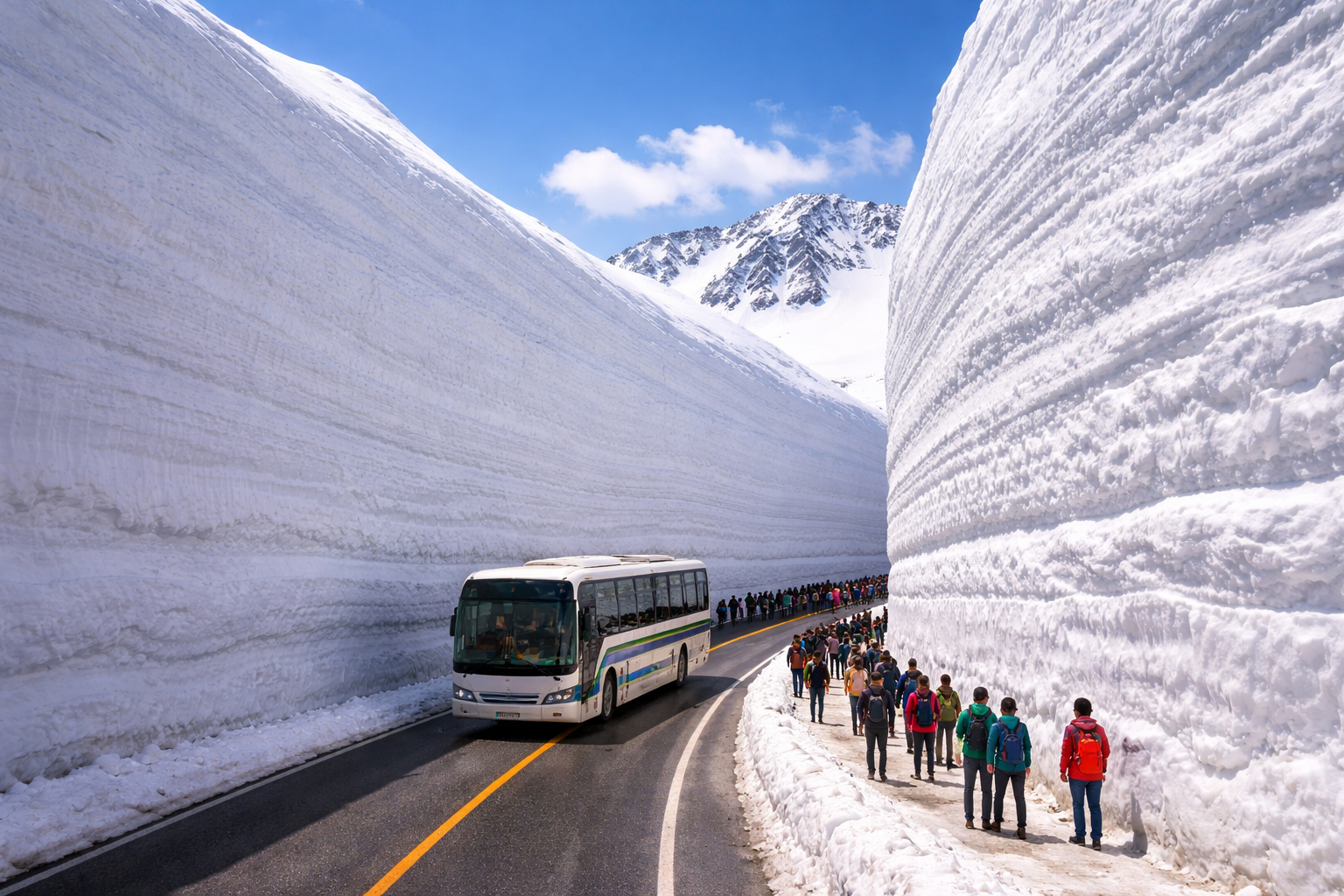
Tateyama Kurobe Alpine Route snow wall
The mountain world of Toyama is sublime, but it is also the source of danger, transport challenge, and modern power.

IV

From Domain History to Modern Power

Toyama’s modernity did not erase its older character. It intensified it. A place already trained by trade, craft, and mountain severity became, in the twentieth century, a place of rail, dams, and industrial capacity. The Kurobe project is the most famous emblem of that transition, but it belongs to a broader pattern. Toyama did not modernize by abandoning its inherited temperament. It modernized by applying it.

The story of Kurobe Dam, completed in 1963 after immense effort and loss, is therefore more than a national engineering legend. It is the logical extension of a regional character. The same prefecture that mastered practical distribution through medicine, and form through craft, could also become one of the great stages on which postwar Japan displayed endurance, technical ambition, and respect for difficult terrain.

This continuity is one of Toyama’s deepest beauties. The old and the modern do not clash here. They recognize one another. A medicine drawer, a bronze caster’s mold, a railway bridge, a hydropower tunnel, and a contemporary museum of glass all seem to belong to the same civilizational sentence. Each says, in its own language, that usefulness deserves grace.

A Short Historical Sequence

Five Moments That Explain the Place

1609–1611

Takaoka begins to take form as a castle town and craft center

Under the Maeda domain order, Takaoka develops into a place where casting and urban production become central to local identity.

1683

Toyama’s medicine culture becomes a defining industry

The Hangontan story and the growth of the deposit medicine model give Toyama one of Japan’s most distinctive commercial traditions.

1858

Earthquake, landslides, and the reminder that the mountains rule

The Hietsu earthquake and the related destruction across the mountain-river system become part of the region’s historical memory of vulnerability and resilience.

1950s–1963

Kurobe becomes a monument to postwar engineering

The Kurobe project transforms Toyama’s mountain narrative into one of national-scale infrastructure, sacrifice, and power generation.

Today

Toyama remains unusually complete

Medicine, manufacturing, craft, glass, rail, bay cuisine, and alpine grandeur still coexist in one prefecture without diluting one another.

Go There

Real Places to Read Toyama’s History in Person

A proper history page should not leave the reader stranded in abstraction. Toyama is especially rewarding because its historical themes can still be visited: castle remains, medicine collections, craft districts, urban parks, and mountain infrastructure all remain present in the landscape.

Toyama Castle and city atmosphere

Toyama Castle / Toyama City Local History Museum

Start here. This is the cleanest first encounter with Toyama’s domain story, city formation, and historical self-understanding. The present keep is modern, but the site still matters, and the museum gives the visitor a grounded narrative rather than a decorative one.

Address: 1-62 Honmaru, Toyama City, Toyama 930-0081
Phone: 076-432-7911
Medicine history display

Museum of Materia Medica, University of Toyama

For readers who want to go beyond the slogan of “medicine land,” this is essential. The collection is serious, academic, and unusually rich, with crude drugs, herbal specimens, pharmaceutical preparations, historical books, and material tied to Toyama’s deposit medicine culture.

Address: 2630 Sugitani, Toyama City, Toyama 930-0194
Phone: 076-434-7150
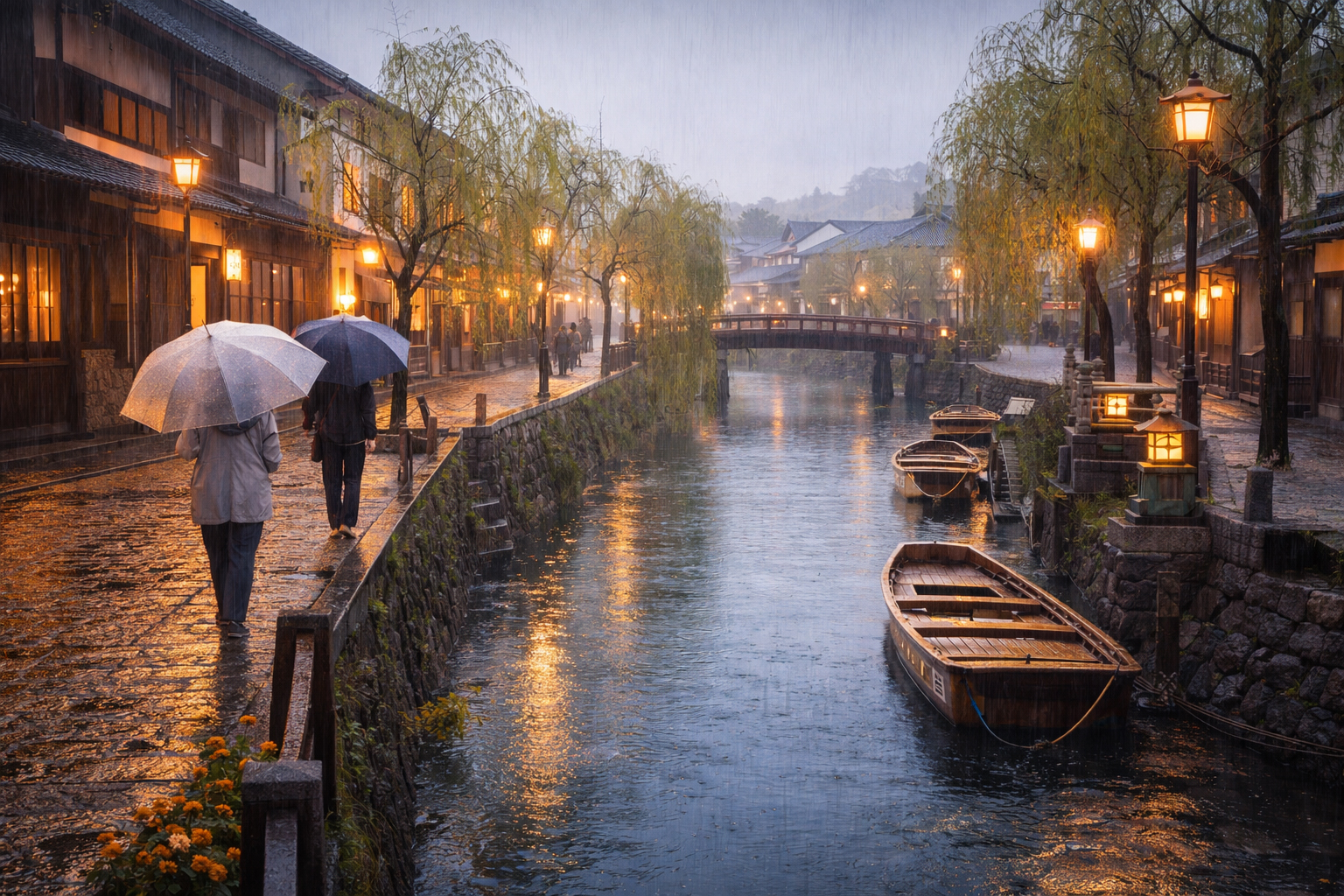
Historic Toyama atmosphere

Toyama Municipal Folk Craft Village

This is one of the best places to feel how medicine history, rural life, tools, and local memory fit together. The village includes multiple museum buildings, including exhibits connected to medicine peddlers and traditional life. It gives Toyama’s history texture.

Address: 1118-1 Anyobo, Toyama City, Toyama 930-0881
Phone: 076-433-8270
Traditional metal craft

Takaoka Art Museum

If you want to understand Toyama as a place of making, Takaoka belongs on the page and on the itinerary. The museum’s collecting scope includes metalworking, lacquer, drawing, sculpture, and works by local artists and craftspeople, making it an ideal bridge between art and industry.

Address: 1-1-30 Nakagawa, Takaoka City, Toyama 933-0056
Phone: 0766-20-1177
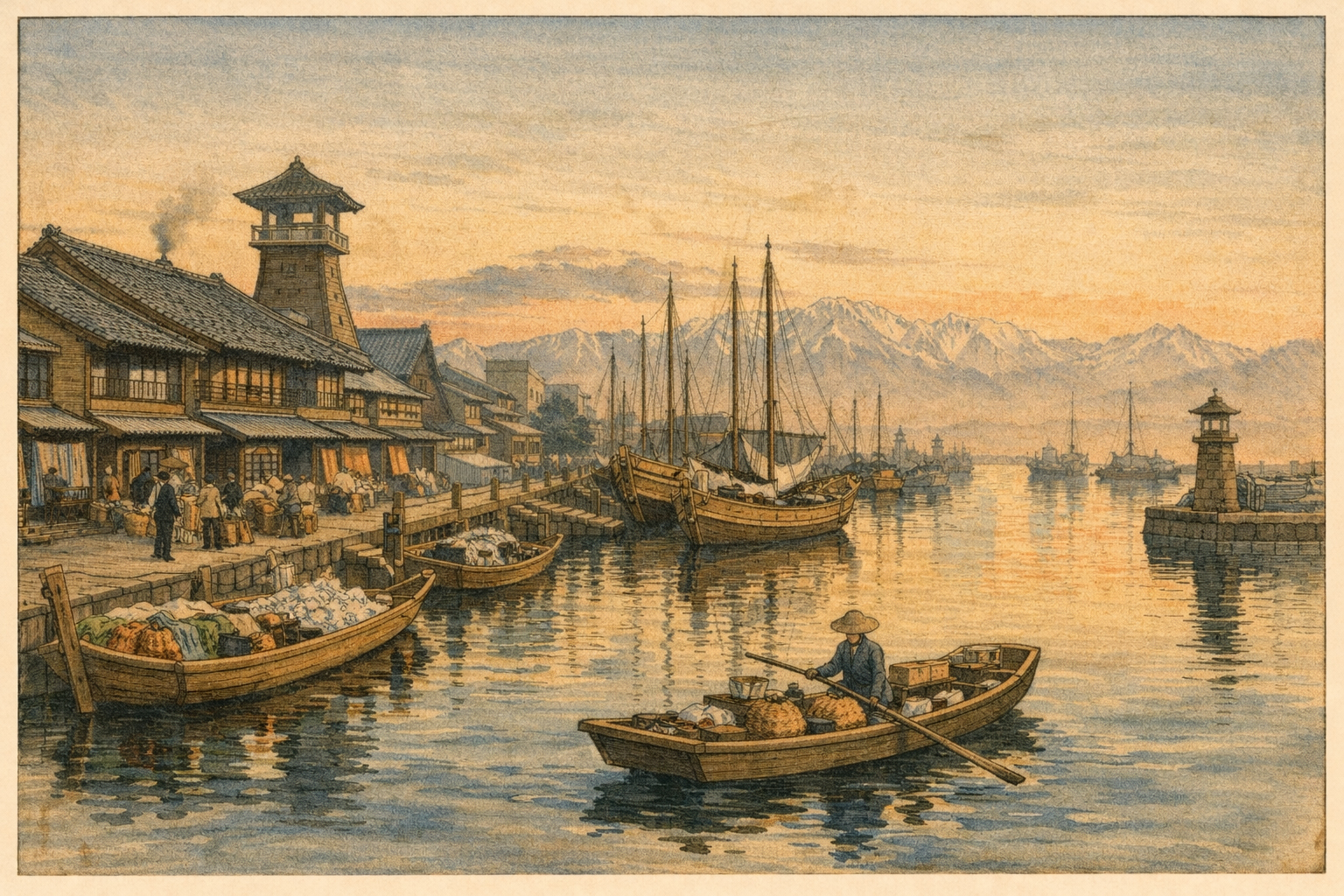
Historic Takaoka port-town atmosphere

Kanayamachi, Takaoka

This old district of latticed houses is not a museum in the narrow sense, but it is one of the clearest surviving landscapes of the Takaoka craft story. Walk it slowly and the relation between town planning, production, and aesthetic restraint becomes legible.

Address: Kanayamachi, Takaoka City, Toyama 933-0841
Phone: 0766-20-1301
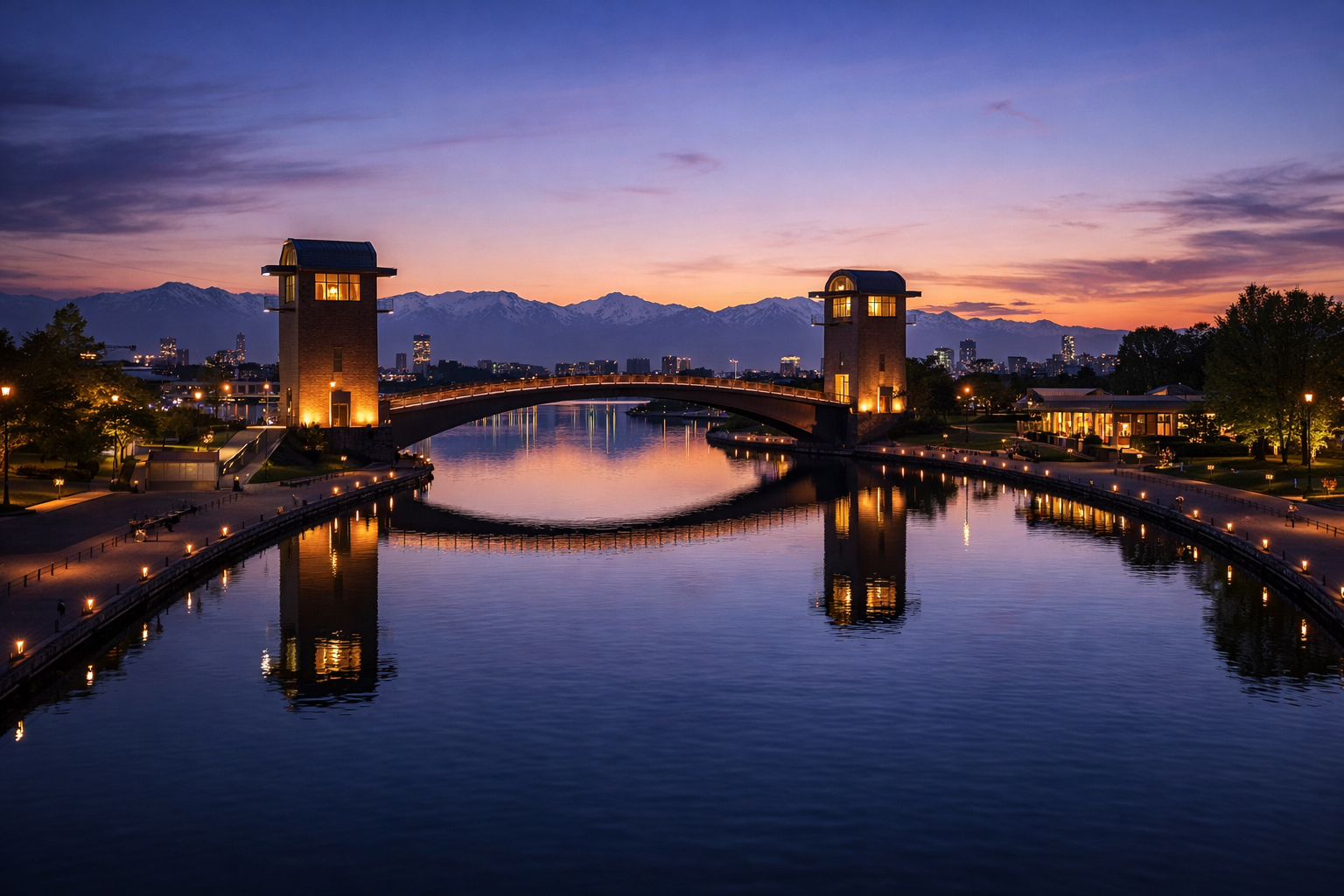
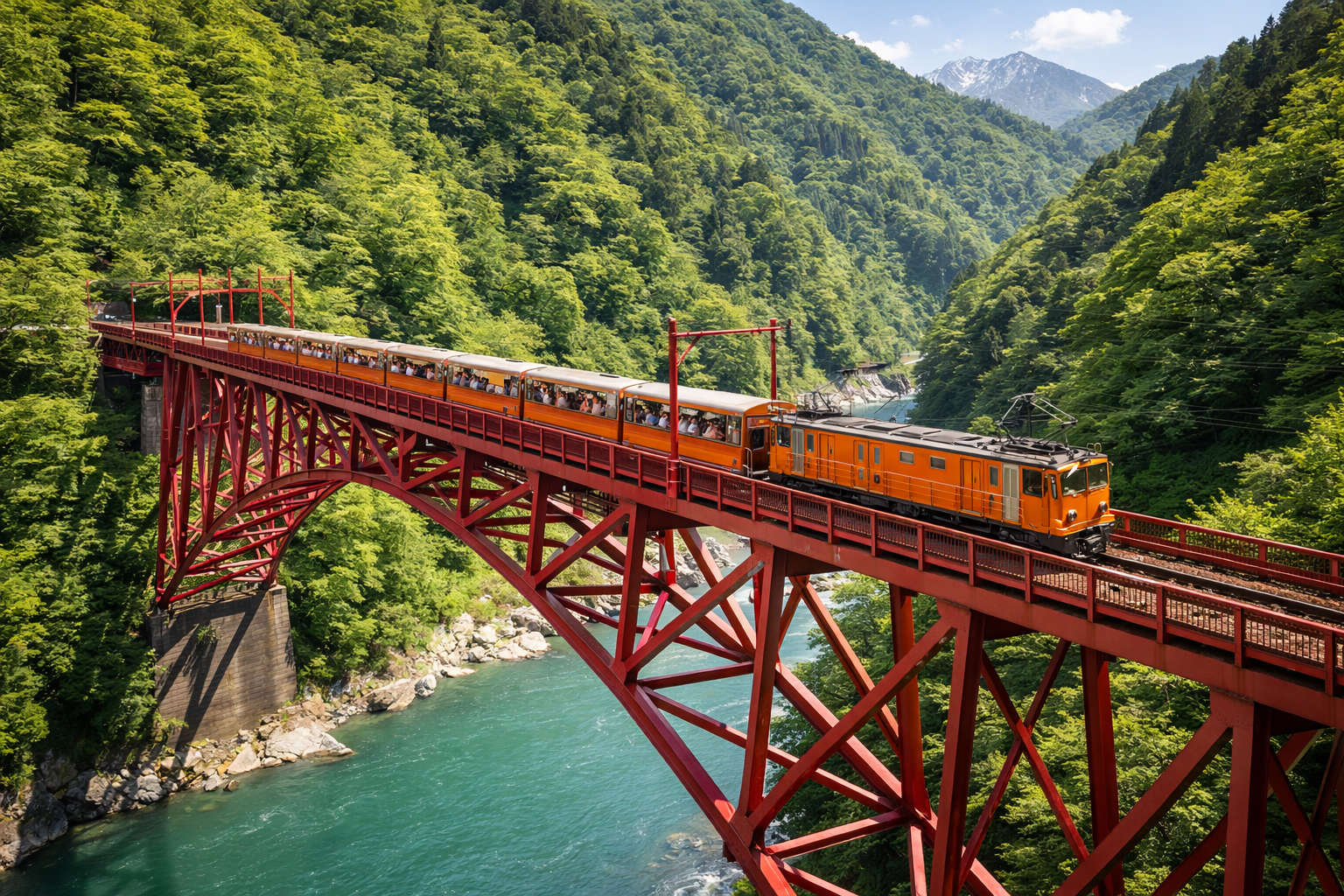
Kurobe Gorge railway bridge

Kurobe Dam

The climax of Toyama’s modern history is not urban. It is mountainous. Kurobe Dam condenses the prefecture’s themes of water, danger, engineering, labor, and endurance into one unforgettable site. It belongs in the history of Japan, but it also belongs specifically to Toyama’s character.

Area: Tateyama Kurobe Alpine Route, Toyama Prefecture

Final View

Why Toyama Endures in the Mind

Some destinations are memorable because they are dramatic. Toyama is memorable because it is coherent. Its bay cuisine, mountain weather, medicine history, foundry tradition, and engineering achievements do not feel like isolated attractions assembled for a brochure. They feel like expressions of one deep regional intelligence.

That intelligence has always favored things that work: remedies that travel, objects that last, towns that produce, rivers that must be respected, and structures that can bear pressure. What makes Toyama remarkable is that this devotion to usefulness never produced ugliness. On the contrary, it produced one of Japan’s most persuasive forms of beauty: a beauty that seems earned.

To visit Toyama historically is to encounter a region that did not merely survive difficulty. It turned difficulty into culture.